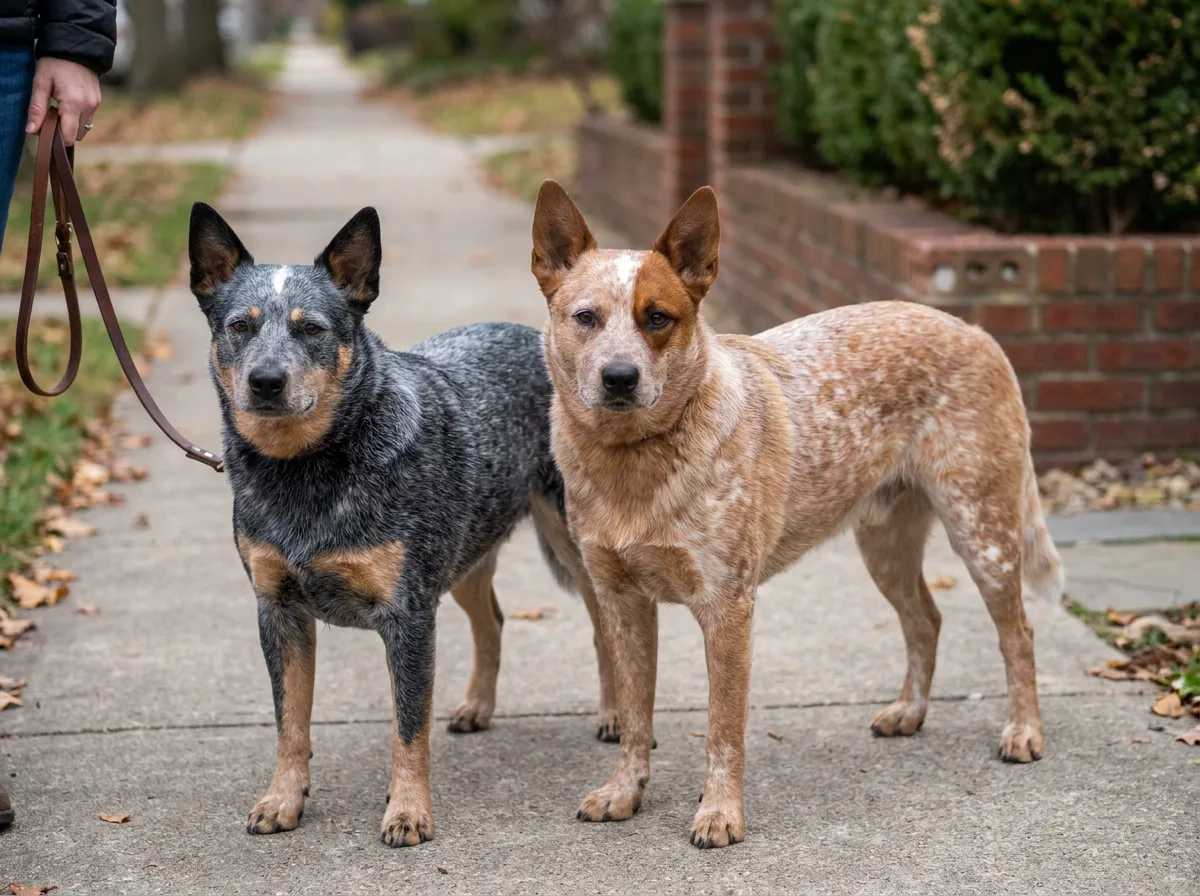
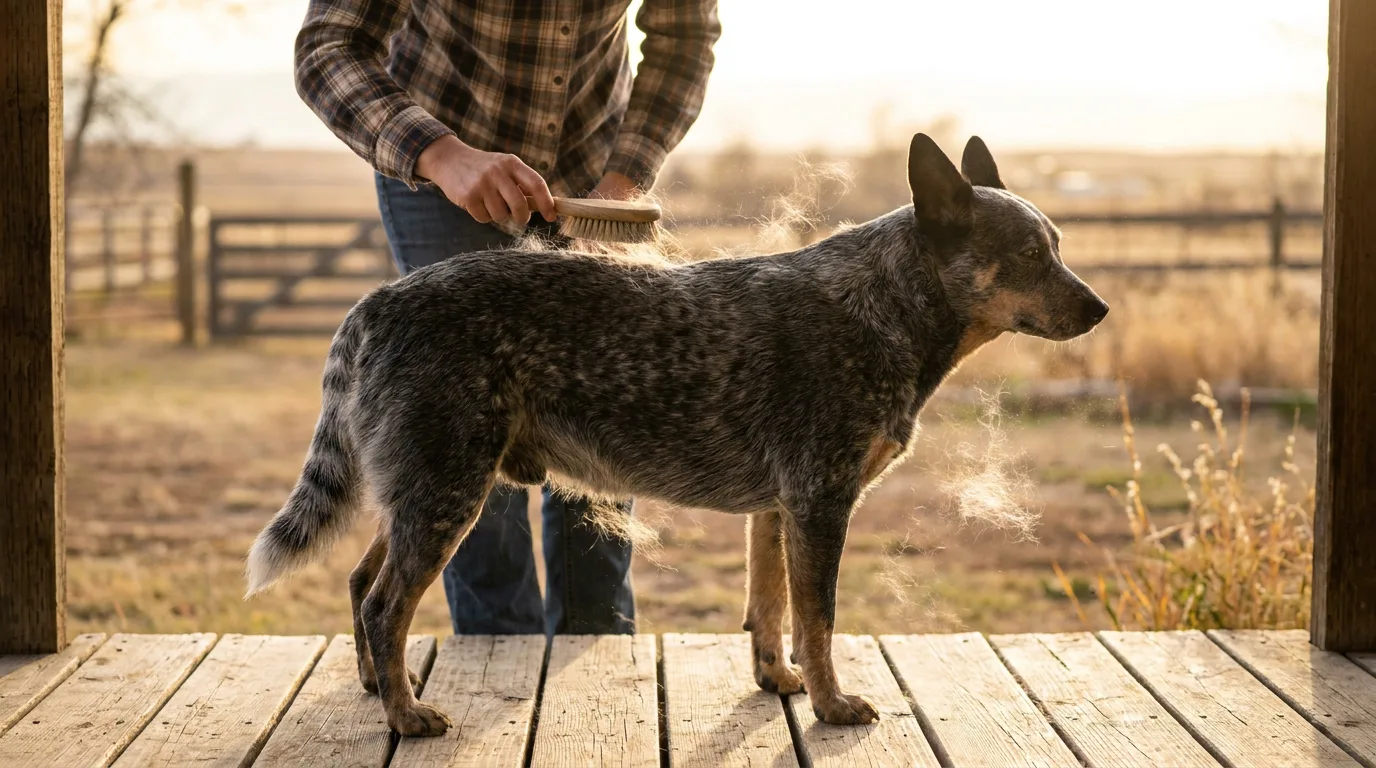
Australian Cattle Dog Lifespan and Health Problems
Australian Cattle Dog lifespan is a planning range, not a deadline. Learn which hearing, eye and joint records to verify, what preventive care supports healthy aging and when changes need veterinary attention.

BVMS, MRCVS
Petful is reader supported. As an affiliate of platforms like Amazon and Chewy, we may earn a commission when you buy through links on this page. There is no extra cost to you.
The American Kennel Club lists an Australian Cattle Dog lifespan of about 12 to 16 years, but no range predicts one dog’s future. Screening, preventive care, injury prevention and prompt evaluation of changes help owners plan across life stages.
Blue Heeler and Red Heeler health questions belong to the Australian Cattle Dog breed. This guide focuses on lifespan planning, screening and signs that need veterinary care. For a puppy or rescue without parent records, a DNA test such as Embark Breed + Health can report the PLL and PRA-prcd variants the breed club recommends screening for.

Sign up for expert-backed reviews and safety alerts all in one place.
Australian Cattle Dog lifespan at a glance
- 1Australian Cattle Dog lifespan is a population range, not a deadline for one dog. Screening, hearing, eyes, joints, body condition, injury prevention and timely veterinary care all deserve attention.
- 2A breed average or DNA panel cannot diagnose the individual dog or replace a veterinarian.
- 3Establish a baseline with a veterinarian and seek prompt care for sudden neurologic, breathing, urinary, eye, pain or collapse signs.
Australian Cattle Dogs typically live about 12 to 16 years, according to the American Kennel Club, and most reach senior status at roughly 9 to 12 years. Breed screening targets four inherited problems, and each one has its own test:
| Condition | Screening test | What a normal result means | When to test |
|---|---|---|---|
| Congenital deafness | BAER hearing test, reported for each ear | The auditory pathway responded in both ears on the test date | Once, in puppyhood; ask for the report linked to the puppy |
| Progressive retinal atrophy (PRA-prcd) | DNA test | The dog does not carry the tested variant; a carrier has one copy | Once; a DNA result does not change |
| Primary lens luxation (PLL) | DNA test | The dog does not carry the tested variant; a carrier has one copy | Once; a DNA result does not change |
| Other inherited eye disease | Eye exam by a veterinary ophthalmologist | No signs of inherited eye disease at that visit | Repeat on the ophthalmologist’s schedule |
| Hip dysplasia | Hip radiographs graded by a registry such as OFA | Normal joint structure at the time of the films | Final registry ratings require an adult dog |
| Elbow dysplasia | Elbow radiographs graded by a registry | Normal joint structure at the time of the films | Final registry ratings require an adult dog |
Genetics, injury, body condition, dental health, preventive care and access to diagnosis and treatment can all affect the individual course. Use the range to plan routine care, an emergency reserve and senior support early enough to act, while tracking the dog’s actual mobility, appetite, senses, cognition and recovery.
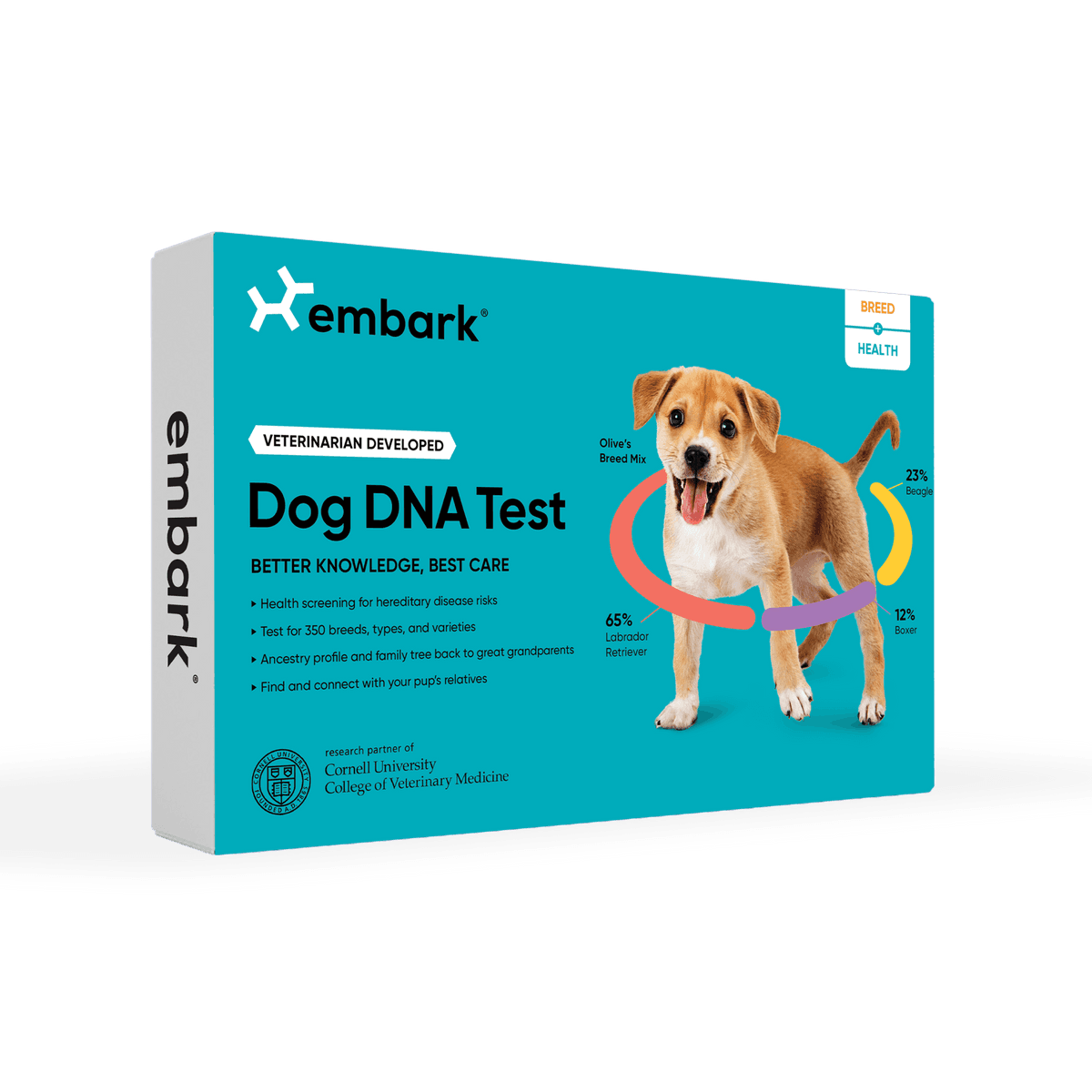
Petful may earn a commission when you click through to Embark, at no extra cost to you.
Use lifespan ranges for planning, not prediction
A practical Australian Cattle Dog lifespan range is about 12 to 16 years. Different datasets can produce different averages, so do not average every figure into false precision. AAHA senior care guidelines define a senior dog as one in the last 25% of its estimated lifespan, which for this breed falls at roughly 9 to 12 years. Ask the veterinarian whether examination or monitoring frequency should change as the dog approaches that window; individual health, function and prior findings may move the conversation earlier or later.
Track weight, body and muscle condition, gait, hearing, vision, teeth, sleep, toileting, appetite and recovery so gradual change is visible. The purpose of the range is readiness, not a predicted death date.
Verify health screening before breeding or purchase
Ask for the actual result, date, dog identity and testing body for each screening item instead of treating a breeder summary as complete evidence.
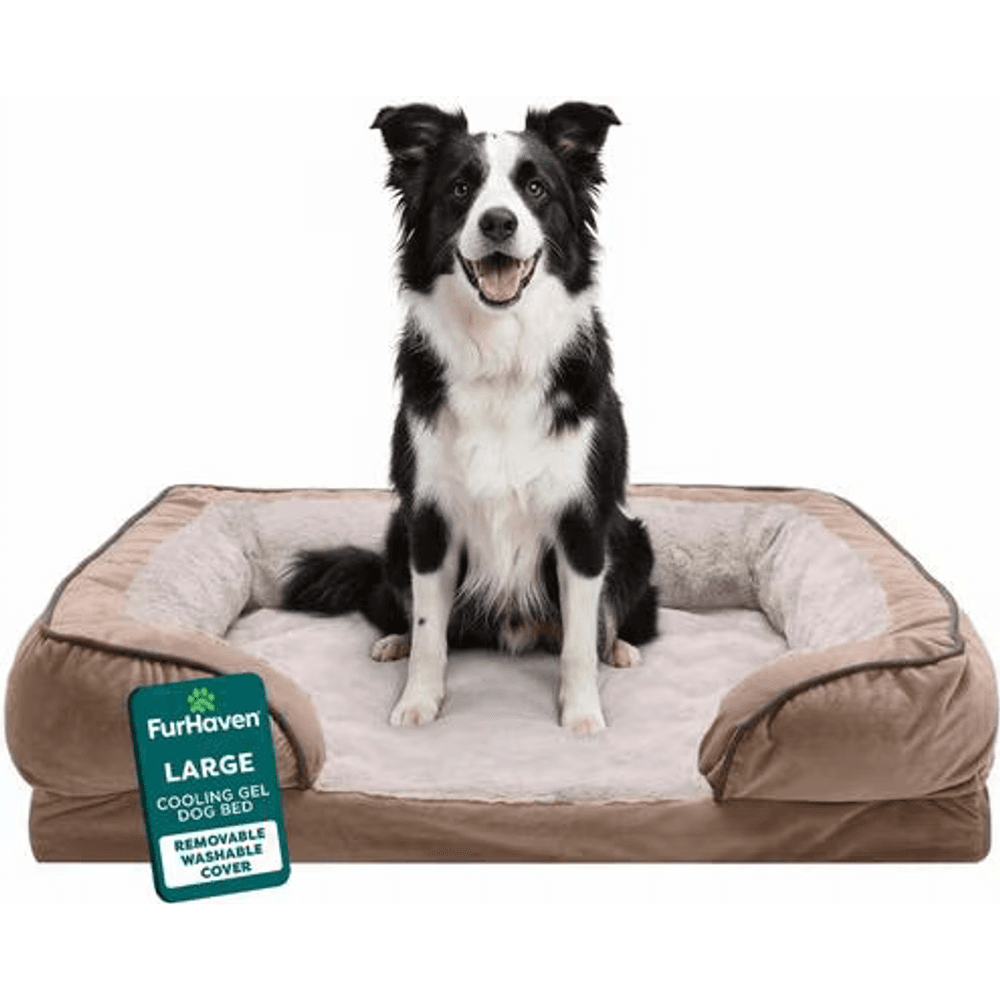
An orthopedic sofa bed with three bolstered sides for dogs who like to rest their head and joints against a cushion. The supportive foam base cradles hips and elbows, a comforting spot for an older or shaky dog to settle.
Petful may earn a commission when you click through to Chewy, at no extra cost to you.
Appearance or a sales guarantee cannot rule out inherited problems, so ask for identity-linked screening.
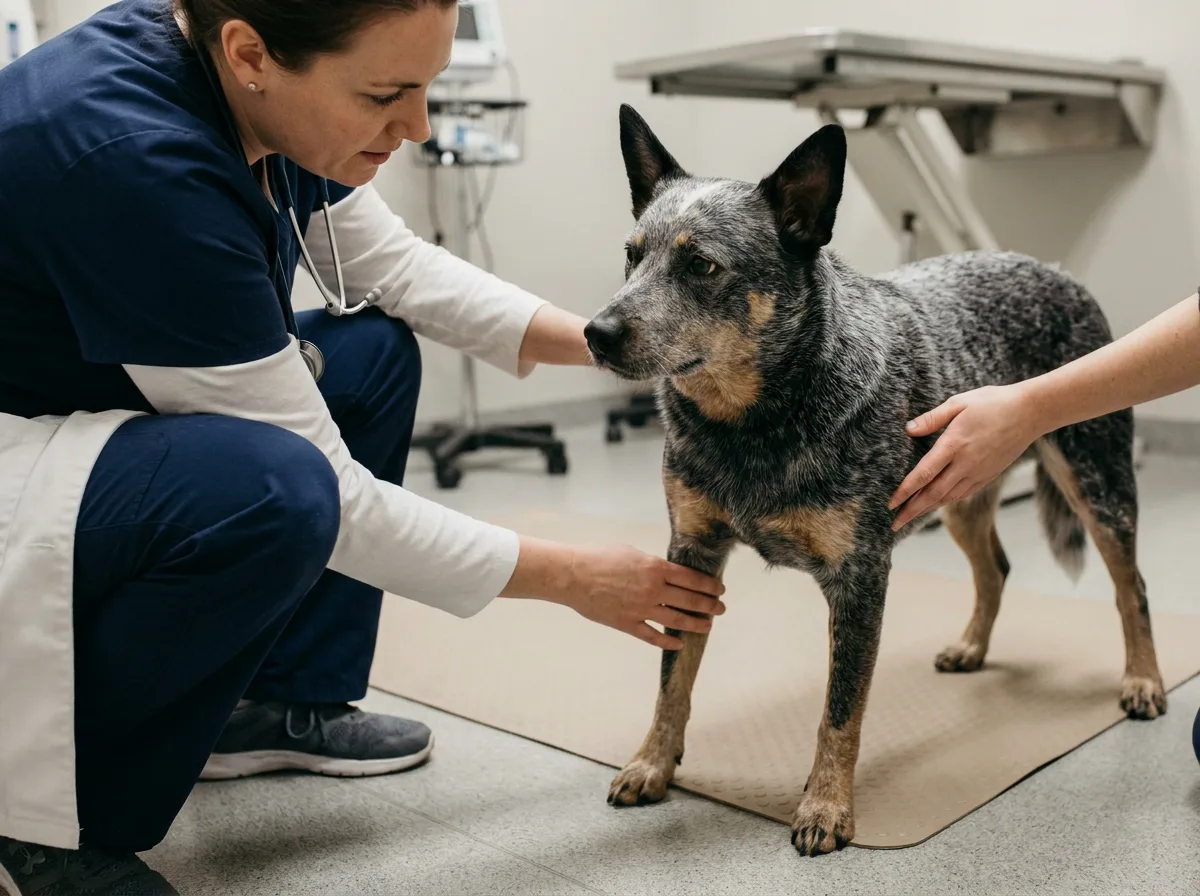
Ask for original, identity-linked reports rather than accepting “health tested” as the end of the conversation. The national breed club recommends hip and elbow evaluations, an eye exam by a veterinary ophthalmologist, BAER hearing testing and DNA tests for PLL and PRA-prcd; match the registered parent name and identifier to each result.
Record the laboratory or registry, method, date and result because the tests answer different questions. A normal finding at one time cannot guarantee lifelong health or replace routine care.
Bring copies to the veterinarian for interpretation in the individual dog's plan.
Congenital deafness and BAER testing
Congenital deafness may affect one or both ears, and a BAER test measures the auditory pathway rather than relying on clapping, startle or a puppy turning toward another dog. A puppy hearing in one ear can follow littermates and respond to some sounds, so home startle tests may miss unilateral deafness. Retain the BAER report linked to the individual dog and note the result for each ear. A dog with hearing loss can learn hand signals in place of spoken cues, and a high-value reward such as Stewart Beef Liver treats makes each new signal worth watching for.
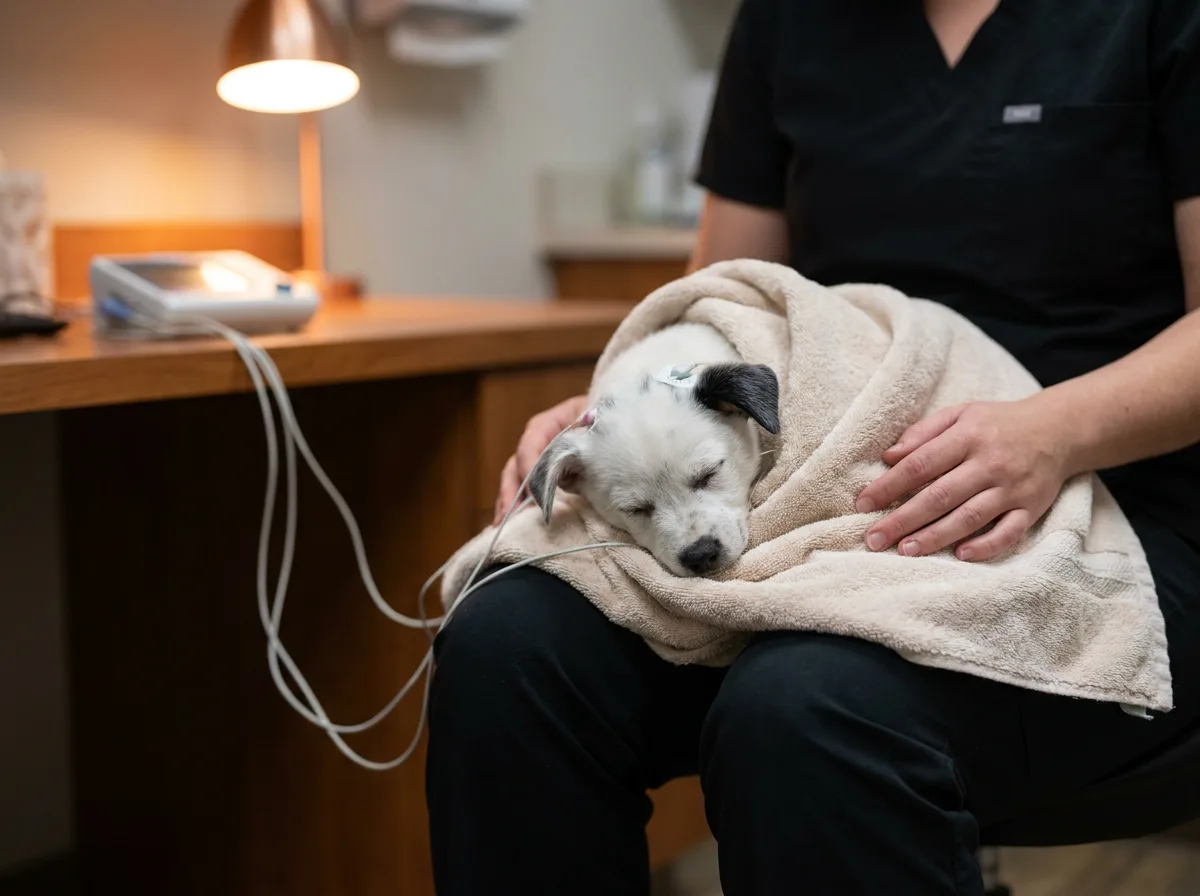
Hearing status affects road safety, recall, waking and cue selection, even when the dog otherwise functions well. A new hearing change in an adult has other possible causes and needs veterinary evaluation.
Hip and elbow dysplasia
Hip and elbow dysplasia screening describes joint structure at the time and method tested. It does not guarantee future freedom from pain, injury or arthritis, but verified results improve a sourcing conversation.
Formal screening uses defined positioning and interpretation; a statement that a parent moves well is not equivalent. Keep the dog lean and build conditioning gradually to reduce unnecessary joint load. Between sessions, a supportive bed such as the Bedsure Orthopedic Bolster Dog Bed lets the dog rest with hips and elbows cushioned.
Record limping, stiffness after rest, reluctance to jump and changes in stride for the veterinarian. Never give human pain medication unless the veterinarian specifically directs it.
Progressive retinal atrophy and eye disease
Progressive retinal atrophy and primary lens luxation are inherited eye concerns in the breed, and the breed club recommends DNA tests for both alongside an eye exam by a veterinary ophthalmologist. Genetic results, eye examinations and the individual clinical picture answer different questions and should not be treated as interchangeable. A genetic result describes a named inherited variant, while an eye examination evaluates the eye at that visit. Night hesitation, bumping into objects, redness, squinting or discharge can have different causes.
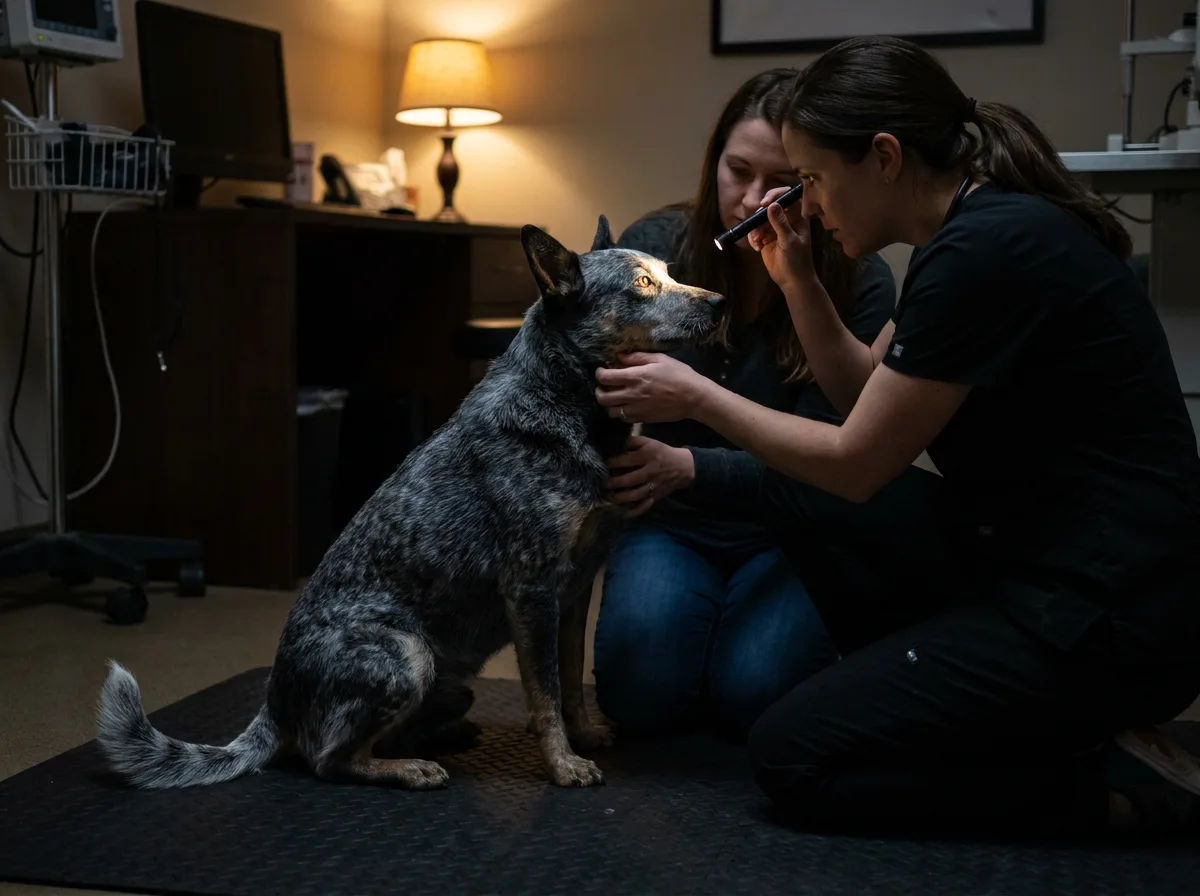
Keep screening reports attached to identity and arrange a clinical exam for current signs. Sudden blindness, trauma or a painful eye needs prompt veterinary care.
Injuries in active cattle dogs
Fast turns, jumping, rough terrain and repetitive high-impact games can produce acute injury or overload, especially when conditioning is poor. Warm up with easy movement, build duration gradually and vary surfaces and activities.
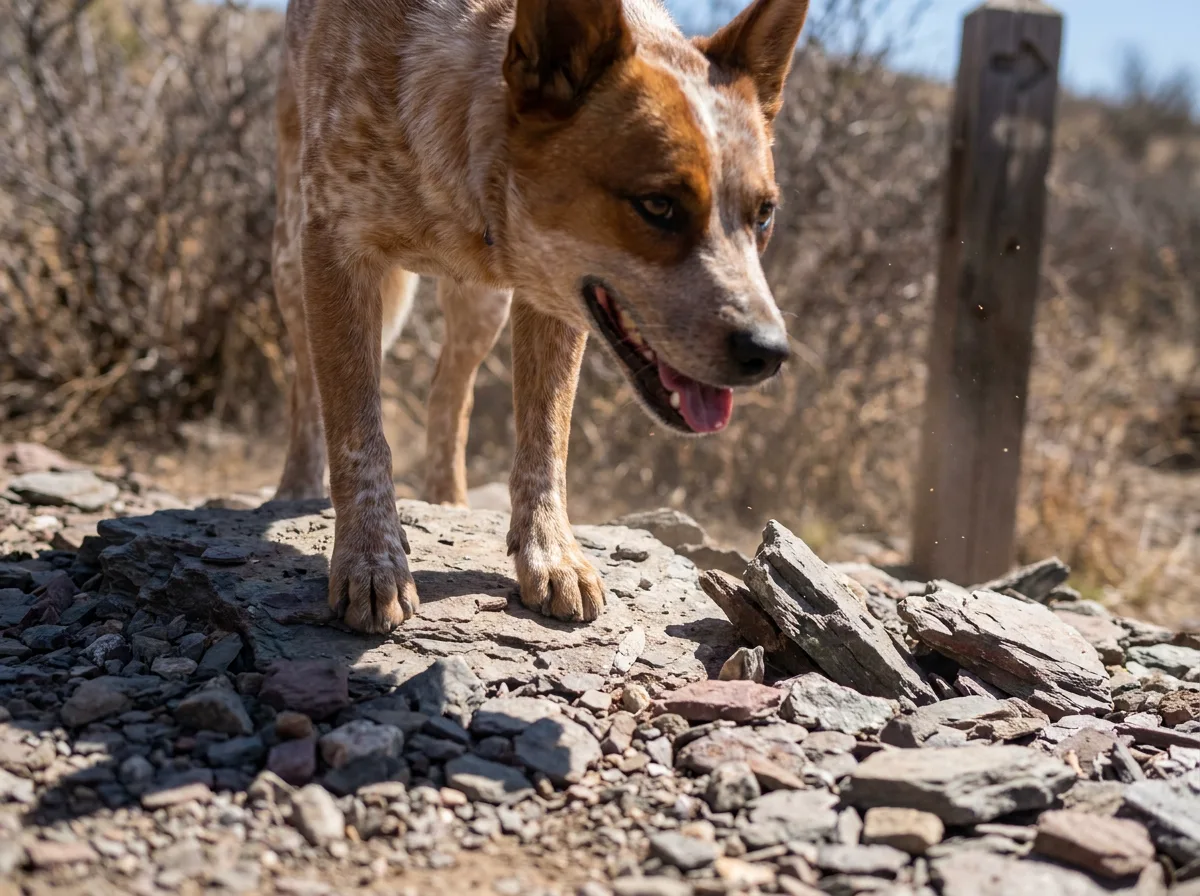
Check paws, nails and gait after hard outings, and give the dog enough recovery before the next intense session. Keep nails short with a nail grinder such as the Casfuy Quiet 2 LED so they do not catch on rough ground, and soften dry, cracked pads with a paw balm such as Pet MD Paw Balm.
A dog continuing to run does not rule out pain; arousal can mask early signs. Stop activity for limping, swelling, reluctance to bear weight, collapse or a marked change in coordination.
Weight, body condition and joint load
A scale tracks mass, while body condition estimates fat cover and muscle condition describes lean tissue. Use all three when possible. Take measurements under similar conditions and look for trends across weeks, not daily noise. A thick double coat can hide the waist, so hands-on assessment matters.
Weight gain may reflect excess calories, reduced activity or disease; weight loss can also have medical causes. Ask the veterinarian to set and revisit an individual target rather than borrowing another dog’s number. Measuring each meal and serving it from a slow feeder such as the Outward Hound Fun Feeder can make portions last without adding calories.
Dental and preventive care
Preventive care includes oral health, examinations, vaccines selected for exposure, parasite control and identification. Teach tooth brushing gradually with a pet toothpaste such as Petsmile Professional and a soft dual-ended toothbrush, never human toothpaste, and do not brush a painful mouth as a substitute for an exam.
Record prevention dates and medication doses so caregivers do not guess. Bad breath, bleeding, facial swelling, a broken tooth or trouble eating warrants veterinary attention. Our comparison of the best dog toothpaste explains enzymatic and flavored options.
Outdoor cattle dogs also benefit from regular paw, nail, tick and skin checks. A fine-toothed flea comb such as the Safari Double Row Flea Comb helps locate ticks and fleas in the dense undercoat.

VOHC-accepted 4.2-ounce pet toothpaste paired with a dual-ended toothbrush.
Petful may earn a commission when you click through to Chewy, at no extra cost to you.
Urgent warning signs that need veterinary help
Collapse, severe breathing difficulty, uncontrolled bleeding, repeated unproductive retching, seizures, sudden weakness, a painful swollen abdomen or major trauma can require emergency care. Call the clinic or emergency hospital while arranging transport so staff can give current instructions.
- Do not delay care to search for a breed explanation, and never give human pain relievers or leftover prescriptions unless the veterinarian directs it for this dog.
Record timing, exposures, medications and changes, but keep observation secondary to safe transport. Know the nearest emergency route before it is needed and keep identification and records accessible.
Build a usable Australian Cattle Dog health record
A useful health record starts with identity. Put the dog's registered name, everyday name, birth date, microchip number and current veterinary clinic at the top. File screening reports under the dog or parent named on the original result, not under a screenshot saved without context. For every test, record the issuing organization, date, method and result. A DNA result for one named variant, an eye examination and a hip evaluation are different kinds of evidence and should remain separate.
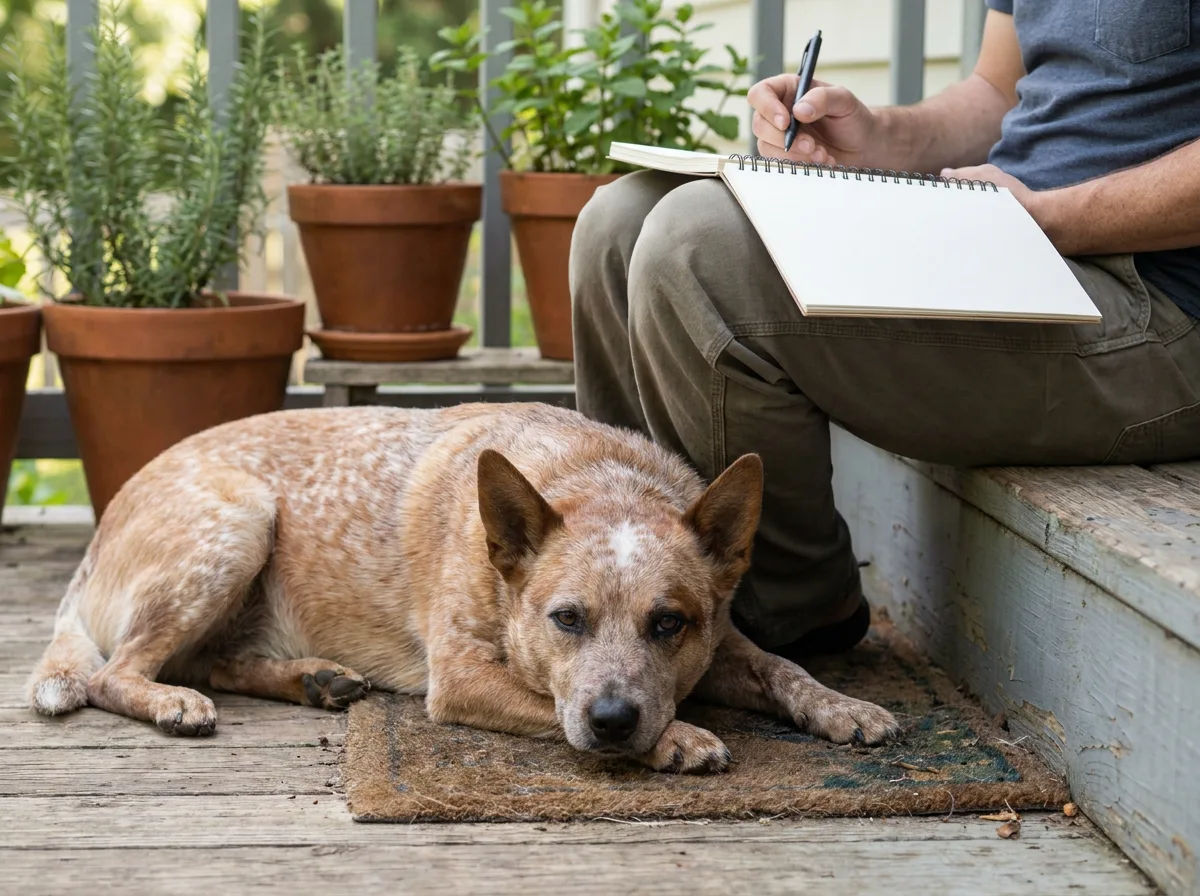
Create a dated timeline for examinations, vaccines selected for the dog's exposure risk, parasite prevention, dental findings, injuries, medications and changes in weight or body condition. Include the reason for each visit and the follow-up date, not only the invoice. When several family members provide care, one shared record prevents missed doses and conflicting accounts of when limping, appetite change or hearing concerns began.
Bring the record to veterinary appointments and update it from the clinic summary afterward. Home observations are valuable when they describe frequency, duration and context, but they do not replace an examination. A short video of an intermittent gait change may help if it can be collected safely. Never delay urgent care to produce a perfect log.
Senior mobility, cognition and comfort
Regular notes about movement, sleep, appetite, interaction and recovery can make subtle changes easier to discuss before a senior dog reaches a crisis.
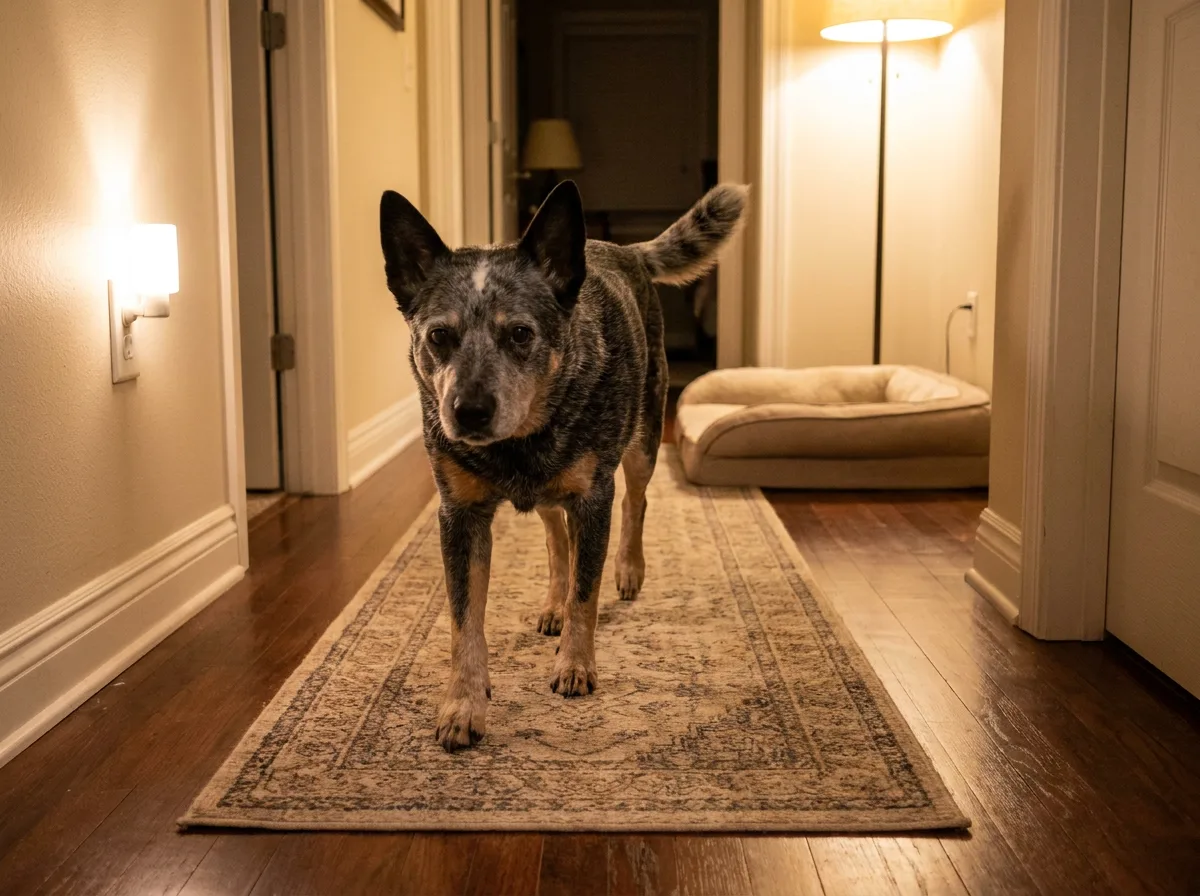
Watch for changes in rising, stairs, sleep, toileting, navigation, interaction and interest in normal activities. Age alone does not determine whether a dog is comfortable or needs a different care plan.
- Shorter walks, better footing, ramps, easier access to water and scheduled pain management may preserve participation.
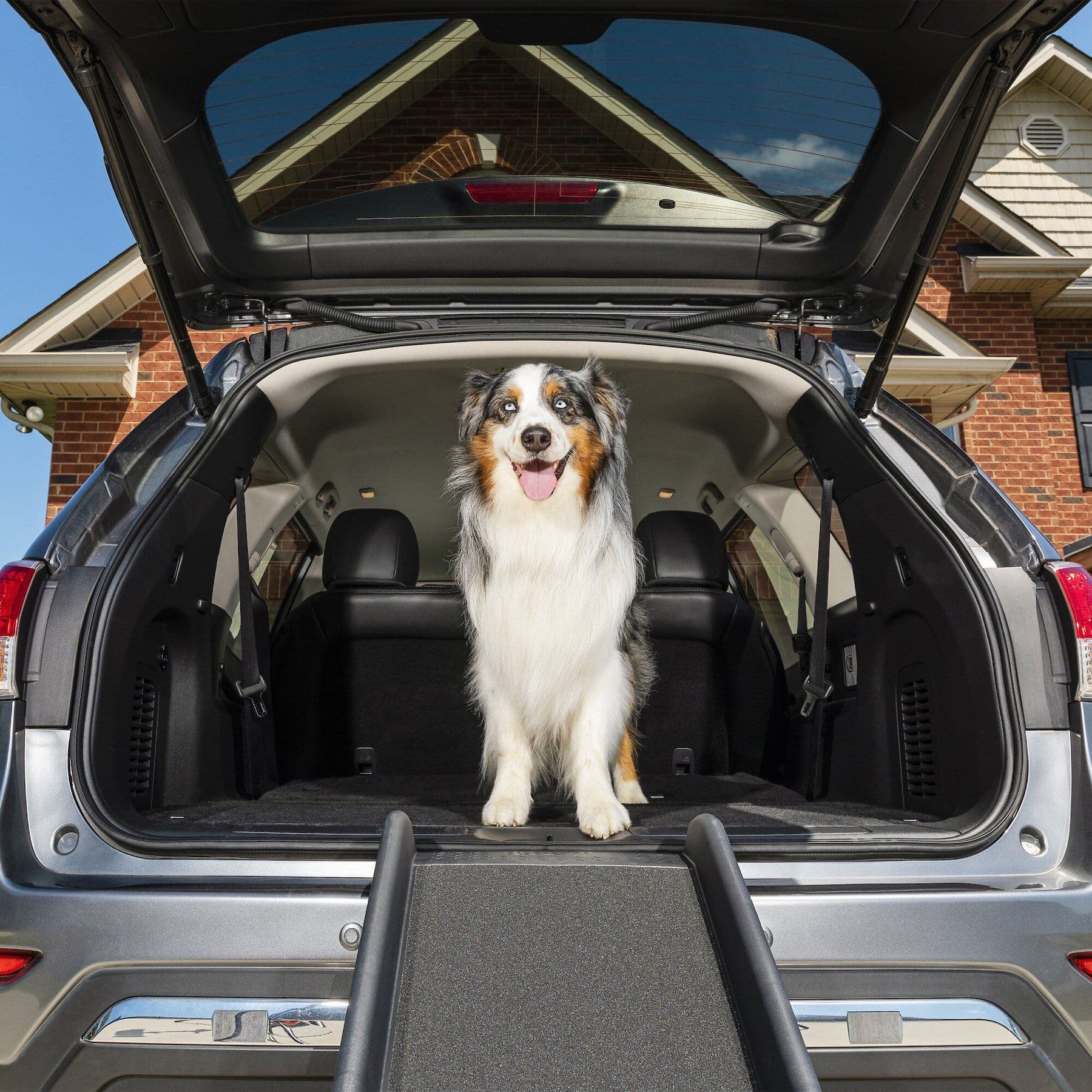
PetSafe's 62-inch folding ramp lets a dysplastic dog get into the car or onto the bed without the jump that loads the hips. Rated to 150 pounds with a high-traction surface.
Petful may earn a commission when you click through to Chewy, at no extra cost to you.
Track quality of life with the veterinarian
A dated quality-of-life log can show whether comfort and function are stable, improving or declining between visits. Use the veterinarian’s chosen measures and record both good and difficult days rather than relying on memory.
Bring new nighttime restlessness, house soiling, withdrawal, irritability, appetite change or reluctance to move to the veterinarian. The clinical plan may include pain treatment, sensory or cognitive assessment and changes to the home.
End-of-life decisions are individual clinical and family decisions. A breed lifespan range cannot make them.
Preventive care through changing life stages
A healthy puppy plan combines scheduled veterinary care with gradual conditioning, appropriate nutrition, dental handling and safe social learning. Ask the veterinarian to tailor vaccines and parasite control to location, travel, wildlife exposure and household risks. Track growth and body condition without pushing the puppy toward the largest possible size. Sudden appetite loss, persistent vomiting or diarrhea, painful movement, marked lethargy or poor growth deserves timely assessment.
In adulthood, maintain a baseline for weight, body condition, muscle, gait, hearing, vision, teeth and exercise recovery. Working and sport dogs may need closer paw, nail and orthopedic observation because enthusiasm can hide early discomfort. Repeated hard impact is not a substitute for balanced conditioning. Warm up, vary activities and allow recovery that restores normal movement and behavior before another intense session. On long outings, a portable water bottle such as the Vapur EZ Lick gives the dog easy drinks during recovery breaks.
Senior care is not defined by one birthday. Changes in sleep, house training, navigation, interaction, hearing, vision, appetite and willingness to climb or jump can emerge gradually. Note the first change and discuss it before function is severely limited. Environmental changes such as nonslip paths, a folding dog ramp for the car, easier access to water and a supportive orthopedic bed can improve daily comfort while the veterinarian evaluates and treats the cause.
Prepare for an urgent veterinary call
Before a crisis, save the regular clinic, nearest emergency hospital, poison-control resource and a reliable transport plan. Know the dog's approximate weight and keep medication names and doses available. A compact first-aid kit can support transport, but it should not become a reason to attempt treatment beyond the handler's training.
When calling the veterinary clinic, report:
- The sign, when it started and whether it is worsening.
- Anything the dog may have eaten or been exposed to.
- Breathing effort, gum color, consciousness, ability to stand, repeated vomiting or retching, bleeding and seizure duration when those observations can be made safely.
Follow the clinic's direction about food, water, movement and arrival.
Do not give human pain relievers or leftover prescriptions unless the veterinarian specifically directs their use for this dog.
Review the record once a month
A brief monthly review keeps the file useful. Confirm current medications and prevention dates, add new weight and body-condition observations and close any follow-up that was completed. Look for a trend in stiffness, exercise recovery, appetite, drinking, sleep, hearing or vision rather than relying on memory at the next annual visit.
Choose one action from the review. It may be booking a dental assessment, sending a gait video requested by the clinic, replacing a slippery path with nonslip footing or asking whether a screening result changes future care. The purpose is not to predict lifespan. It is to notice changes while the veterinarian still has time to evaluate and support the individual dog.
Keep the record portable. A printed emergency summary or secure digital copy should identify the clinic, medications, allergies, major diagnoses and the person authorized to make care decisions. Review access before travel or a move, when the usual clinic may not be immediately available. Add the dog's normal resting breathing, appetite and mobility only when a veterinarian has helped define what is useful to track, so a caregiver can recognize a meaningful change without guessing.
Handoff the record to another caregiver
Before boarding or leaving the dog with a caregiver, walk through the record together. Identify which changes require a routine call, a same-day appointment or emergency care according to the veterinary team's guidance. Include feeding instructions, safe exercise limits, handling sensitivities and how to reach the authorized decision maker. When the dog returns, add any medication, injury, appetite or behavior notes from the caregiver. This small handoff closes a common gap between daily observation and the clinic's medical history. Confirm where the dog should be transported if the usual clinic is closed and which records should travel with the dog.
Related Australian Cattle Dog guides
The Australian Cattle Dog breed profile explains the shared Blue Heeler, Red Heeler and Queensland Heeler names; this guide stays with health screening, lifespan planning and changing care needs.
- Australian Cattle Dog: Temperament, Health and Care
- Australian Cattle Dog Puppies: Care and Training
- Australian Cattle Dog Price and Lifetime Cost
- Australian Cattle Dog Colors and Markings
- Australian Cattle Dog Mixes: Traits and Care
- Australian Cattle Dog Size, Weight and Growth
- Australian Cattle Dog Temperament and Training
- Do Australian Cattle Dogs Shed? Grooming Guide
Evidence sources
- Australian Cattle Dog Club of America
- Orthopedic Foundation for Animals CHIC program
- WSAVA nutrition resources
- Merck Veterinary Manual
- American College of Veterinary Surgeons
- Screening can identify specific inherited risks or current findings.
- A long expected lifespan of about 12 to 16 years rewards early preventive planning.
- Trend records help a veterinarian interpret change.
- No test panel rules out every future condition.
- Lifespan ranges are not deadlines for individuals.
- Home observations cannot replace diagnosis or urgent treatment.
Questions readers ask
Health problems Australian Cattle Dogs can face include congenital deafness, progressive retinal atrophy, primary lens luxation, hip and elbow dysplasia and activity-related injuries. The breed club recommends hip and elbow evaluations, an ophthalmologist eye exam, BAER hearing testing and DNA tests for PLL and PRA-prcd, but no panel rules out every future condition. Routine examinations, dental care and body-condition monitoring still matter for every dog.
AAHA guidelines define a senior dog as one in the last 25% of its estimated lifespan, so with a 12- to 16-year range most Australian Cattle Dogs reach senior status at roughly 9 to 12 years. Individuals age differently, so mobility, senses, cognition, dental health, body condition and recovery should guide when the veterinarian changes the care plan.
The American Kennel Club lists a lifespan of about 12 to 16 years for the breed. This is a population planning range, not a deadline for one dog. Use it to prepare for preventive, emergency and senior care while tracking the individual dog’s body condition, mobility, hearing, vision, teeth, cognition and recovery with a veterinarian.
Congenital deafness is tested with BAER, or brainstem auditory evoked response, which records the auditory pathway’s electrical response to sound for each ear. Clapping, startle and following littermates can miss one-sided deafness. Ask for the BAER report linked to the individual puppy and confirm that it records the result separately for both ears.
Seek prompt veterinary care for limping that persists or recurs, inability to bear weight, collapse, breathing difficulty, marked weakness, severe pain, a swollen abdomen, repeated vomiting or a sudden change in hearing, vision, appetite or behavior. Stop activity immediately for heat illness or injury signs; routine preventive visits should also establish a baseline before problems appear.
BVMS, MRCVS
Dr. Pippa Elliott, BVMS, MRCVS, is a veterinarian with nearly 30 years of experience in companion animal practice. Dr. Elliott earned her Bachelor of Veterinary Medicine and Surgery from the University of Glasgow. She was also designated a Member of the Royal College of Veterinary Surgeons. Married with 2 grown-up kids, Dr. Elliott has a naughty Puggle named Poggle, 3 cats and a bearded dragon.
Sign up for expert-backed reviews and safety alerts all in one place.