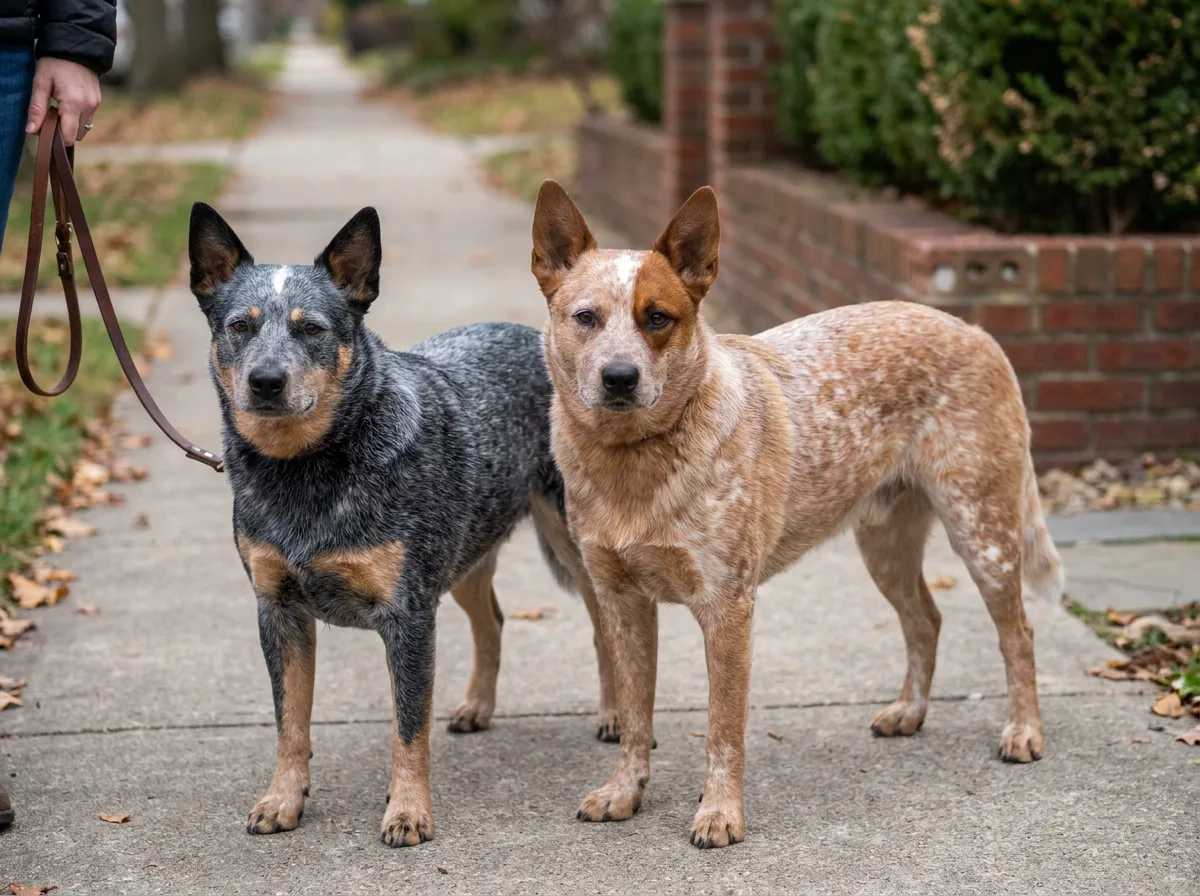
Australian Cattle Dog Price: Puppy Cost and Lifetime Budget
Australian Cattle Dog price varies by source, location, included care and records. Compare acquisition, first-year setup, recurring care, services and medical risk with current local quotes.
Petful is reader supported. As an affiliate of platforms like Amazon and Chewy, we may earn a commission when you buy through links on this page. There is no extra cost to you.
Australian Cattle Dog price varies by source, location, age, included care and the records supplied with the dog. A useful budget separates acquisition from first-year setup, recurring care, services and medical risk, then replaces broad estimates with current local quotes.
The Blue Heeler or Red Heeler label does not create a different cost category. This guide shows how to compare itemized acquisition prices and build a realistic ownership budget. First-year gear, starting with a correctly sized crate such as the MidWest iCrate, belongs in the setup budget, not the purchase price.

Sign up for expert-backed reviews and safety alerts all in one place.
Australian Cattle Dog price at a glance
An Australian Cattle Dog usually costs about $500 to $1,500 from a breeder and around $300 from a rescue, according to Adopt a Pet. The ASPCA cost estimate puts a dog’s first year of care at about $3,221 and each later year at about $1,391, which works out to roughly $18,500 to $24,100 over the breed’s 12- to 16-year lifespan before emergencies. Treat these as planning ranges, not quotes: the breeder and adoption figures were checked in November 2026, and the care figures are the 2021 ASPCA all-dog estimate.
Petful may earn a commission when you click through to Chewy, at no extra cost to you.
- 1Expect about $500 to $1,500 from a breeder or around $300 to adopt, then roughly $3,200 for the first year of care; local written quotes should replace these estimates.
- 2A high fee does not certify health or ethics, and a low fee can hide missing care, pressure tactics or deferred costs.
- 3Compare like-for-like inclusions and fund the dog beyond the purchase or adoption day.
| Cost line | Typical range | Source |
|---|---|---|
| Rescue or shelter adoption | Around $300 | Adopt a Pet |
| Breeder puppy | About $500 to $1,500; show or champion lines can cost more | Adopt a Pet; Spot Pet Insurance |
| One-time setup | About $470: collar, leash and harness $60, crate $60, carrier $50, spay or neuter $300 | ASPCA, 2021 update |
| Training class | About $200 | ASPCA, 2021 update |
| Food per year | About $120 to $900, depending on diet and dog size | American Kennel Club |
| Routine veterinary care per year | About $700 to $1,500, excluding emergencies and prescriptions | American Kennel Club |
| Accident and illness insurance | U.S. dog average about $749 a year (about $62 a month) in 2024 | NAPHIA 2025 State of the Industry |
| First-year total | About $3,221 | ASPCA, 2021 update |
| Each later year | About $1,391 | ASPCA, 2021 update |
| Lifetime, 12 to 16 years | About $18,500 to $24,100 before emergencies | Calculated from the ASPCA first-year and annual figures |
Location, age, transport, included veterinary care, registration, training and contract terms can move the actual amount outside those ranges. Request a written local quote that itemizes what transfers with the dog. A lower adoption fee can still be followed by medical, training or equipment costs, while a high breeder price does not prove that screening, socialization or support occurred.
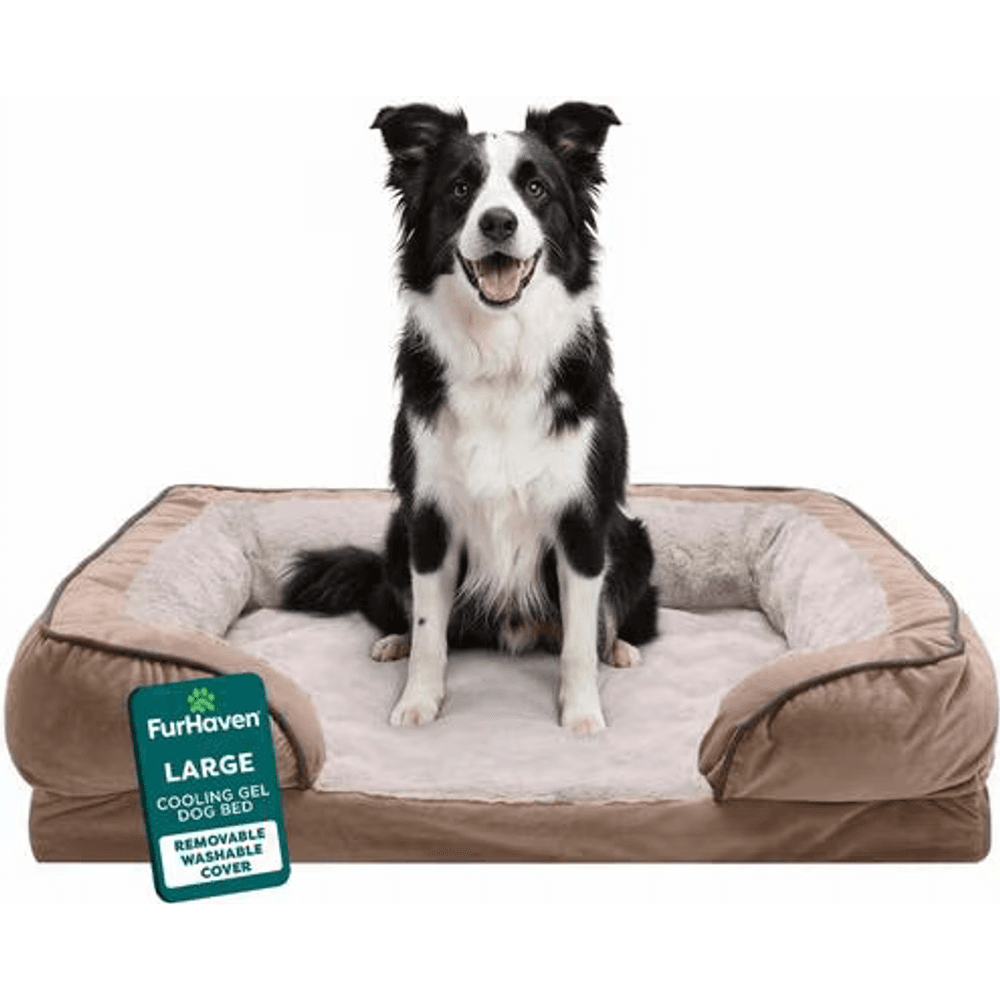
An orthopedic sofa bed with three bolstered sides for dogs who like to rest their head and joints against a cushion. The supportive foam base cradles hips and elbows, a comforting spot for an older or shaky dog to settle.
Petful may earn a commission when you click through to Chewy, at no extra cost to you.
- Keep acquisition separate from first-year setup, recurring care, services, insurance and an emergency reserve so the deposit does not stand in for affordability.
Compare sources on verifiable records, welfare, contract and return support before comparing price.
Compare purchase, adoption and transfer costs
A breeder sale and a rescue adoption need different fee comparisons, but both sources should provide honest records and a clear return policy.
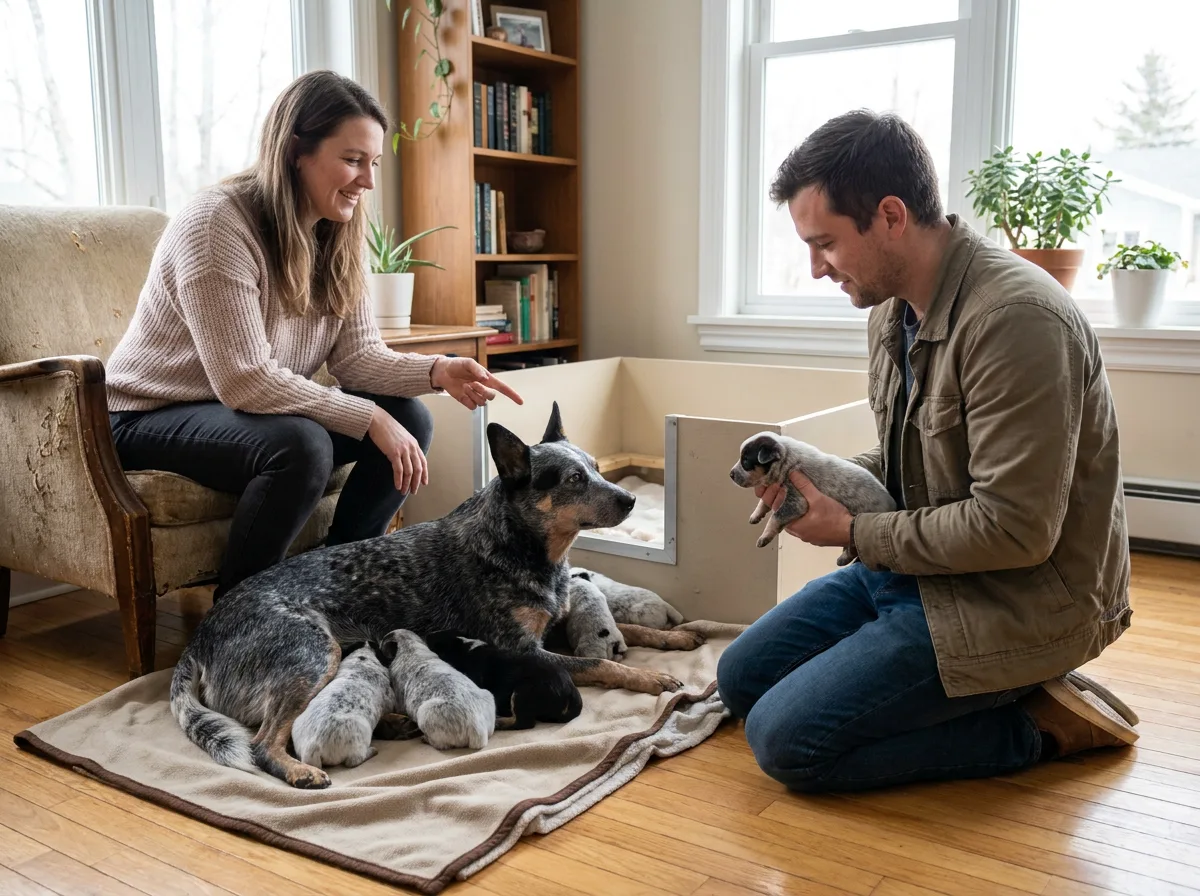
Rescue and shelter fees for the breed are commonly around $300, while breeder puppies usually run about $500 to $1,500 and can cost more from show or champion lines.
Use those only as dated starting ranges and replace them with local written quotes. Compare the same inclusions for each source:
- Examination and vaccine records.
- Spay or neuter status when applicable and microchip registration.
- Transport, supplies and training.
- Registration and return terms.
Adoption is often less expensive at the point of transfer, but it is not always cheaper after medical, behavior, travel and equipment needs are known.
A breeder fee may reflect real screening and puppy-raising work, but the buyer still needs the original identity-linked evidence rather than a verbal list of costs. Write the fee, inclusions, exclusions, date and location on one line so apparently different offers can be compared fairly.
What responsible breeding expenses can include
A responsible breeder’s costs can include screening, stud or breeding decisions, prenatal care, emergency care, safe housing, early socialization, identification and support after placement. Those expenses may help explain a fee but do not prove that every claimed step occurred. Verify the records.
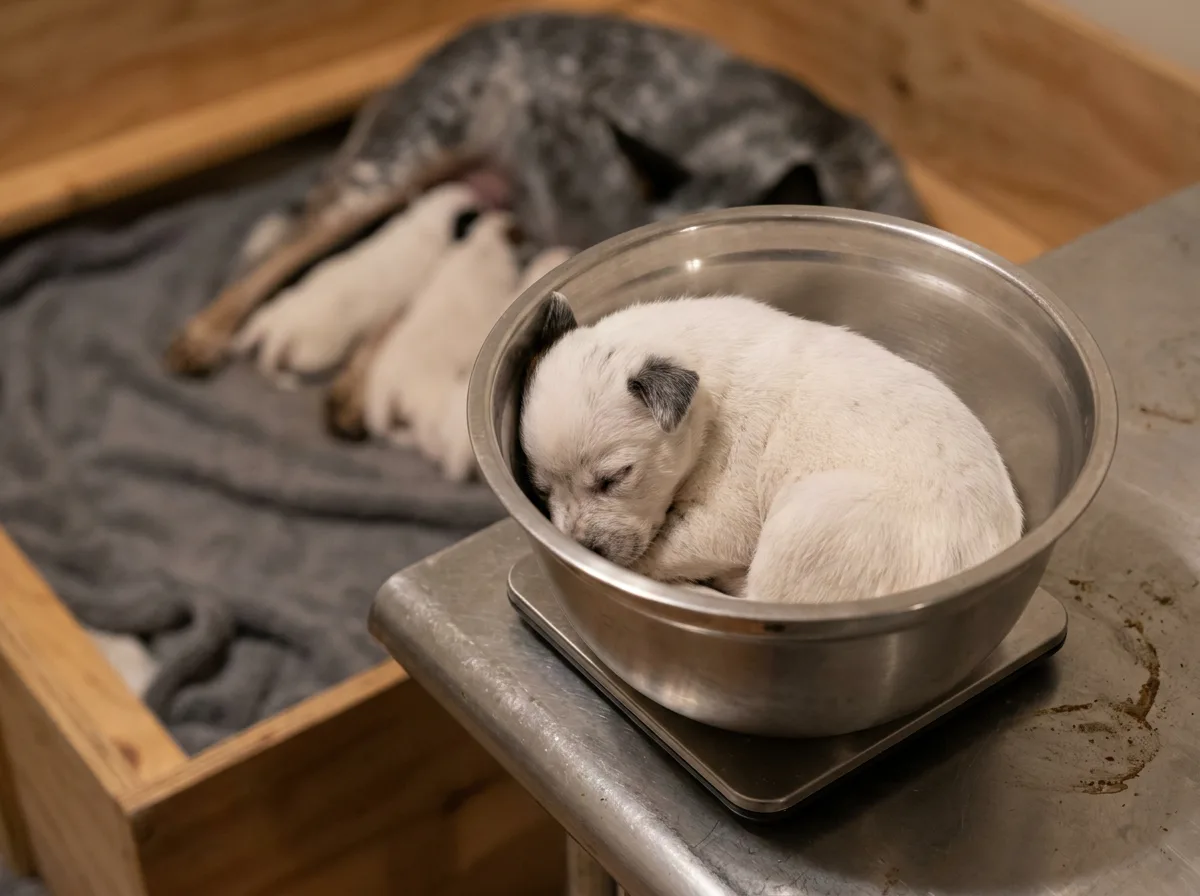
Color premiums and scarcity claims should be separated from welfare and health evidence. Compare what is included, which services are transferable and what the contract requires after purchase.
A seller who cannot identify the adults or explain return support is not made responsible by charging more.
Build the first-year setup budget
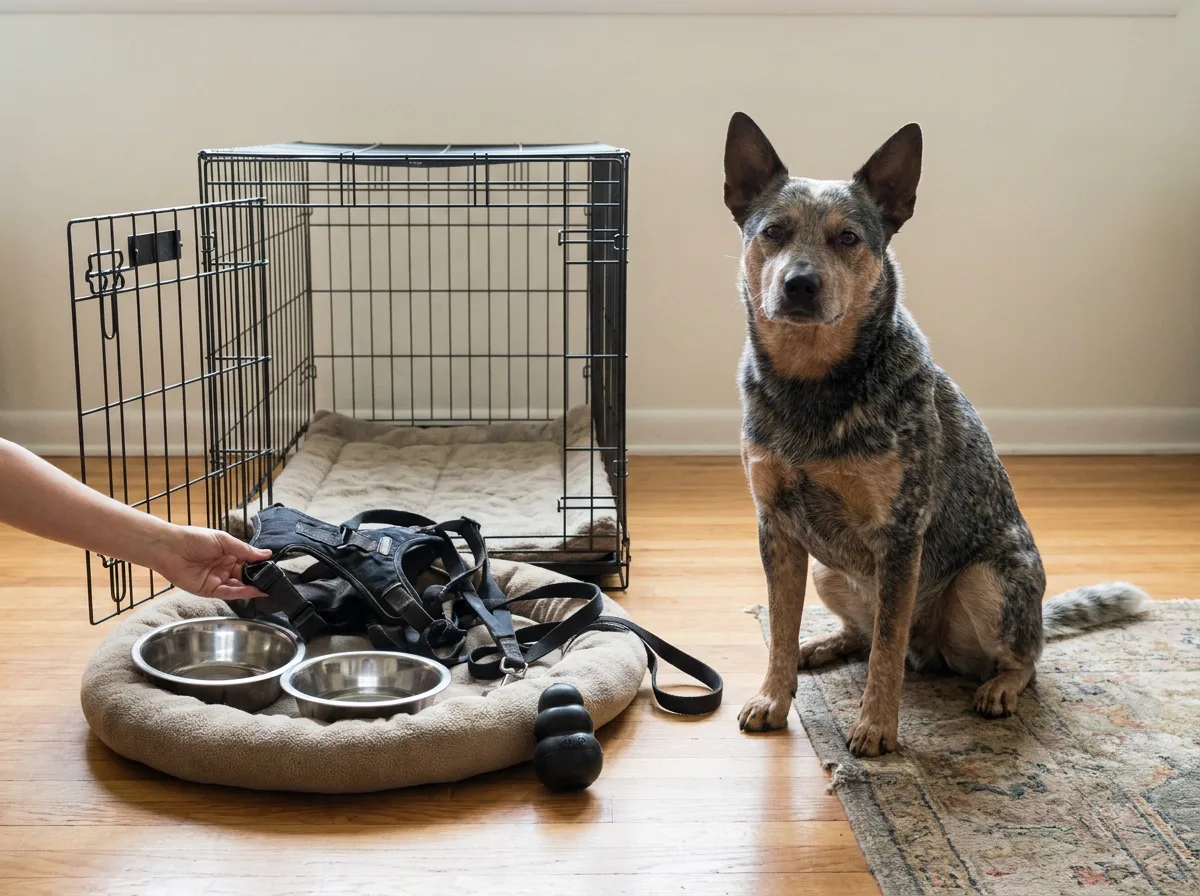
First-year planning should include veterinary examinations, vaccines selected for local risk, parasite prevention, identification, training and secure containment such as a dog gate. Equipment comes next: a washable orthopedic dog bed, a few durable toys such as a KONG Classic and gear you expect to replace as the puppy grows. Training classes and safe care coverage can be more valuable than decorative purchases.
Keep an emergency reserve separate from routine costs and decide how insurance would fit before a condition is documented. Use local written quotes because regional care, housing and service costs vary too much for one national total.
Estimate food and routine veterinary care
Food and routine veterinary care are the largest recurring costs. The American Kennel Club puts food at about $120 to $900 a year and routine veterinary care at about $700 to $1,500 a year, while the ASPCA’s dog estimate uses $300 for food and $225 for routine medical care; the right figure depends on diet, body condition, clinic prices and local preventive needs.
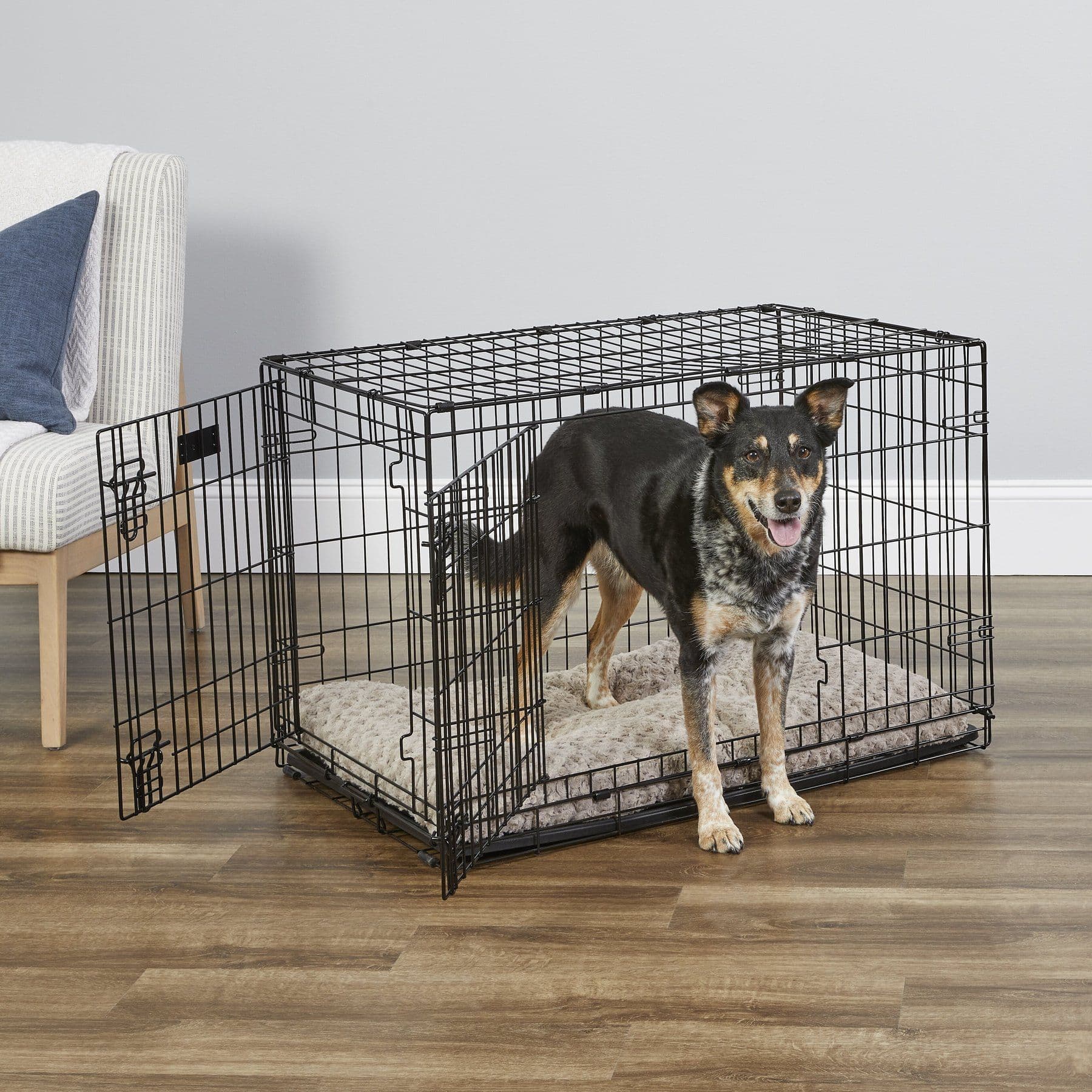
A folding double-door wire crate with a divider and removable tray. Measure your dog and the intended floor space before selecting the 36-inch size.
Petful may earn a commission when you click through to Chewy, at no extra cost to you.
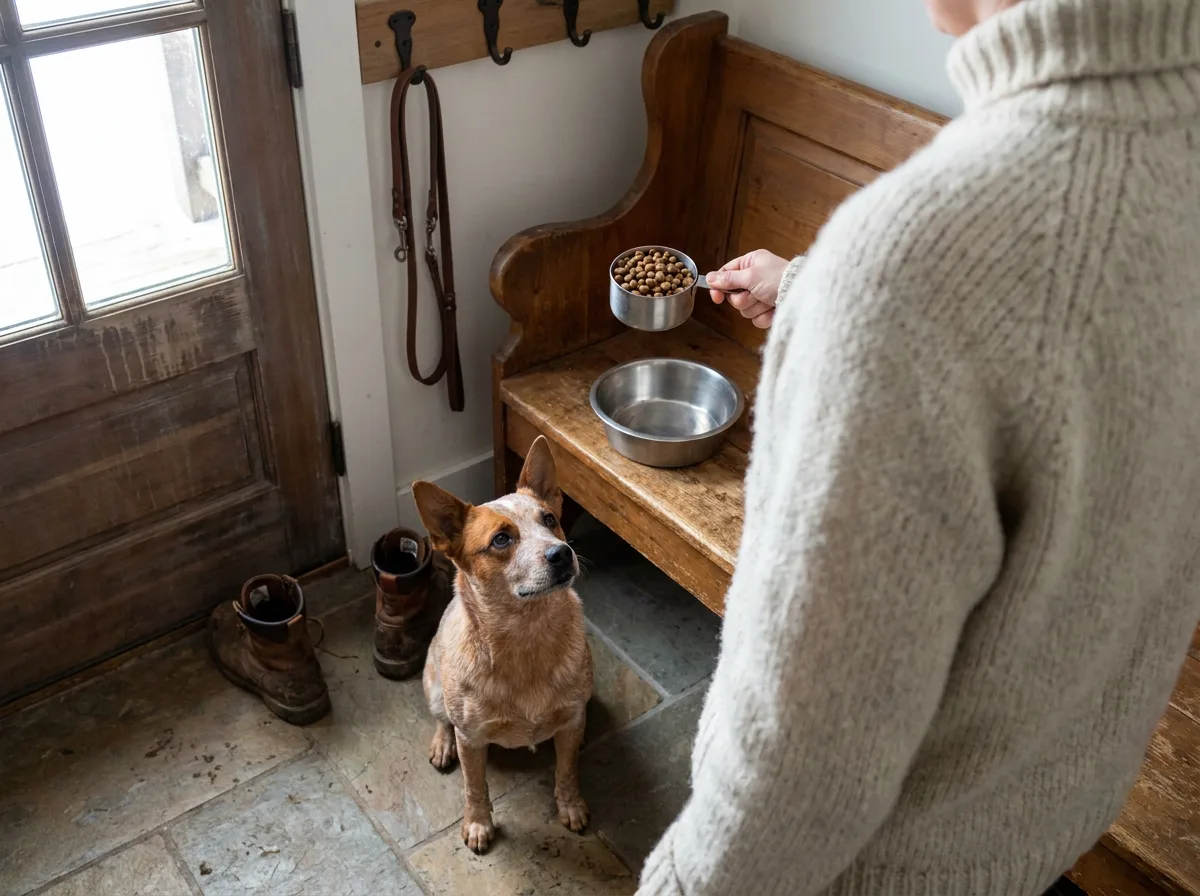
Price the daily amount from a complete diet that fits the dog's life stage, then include training food rather than counting it twice. Ask a local clinic which examinations, vaccines and parasite prevention fit the dog's exposure instead of copying a national bundle.
Separate predictable wellness spending from illness, dental procedures and emergency care. Update the estimate when weight, health, travel or diet changes.
Price training, walking and care services locally
Classes, private training, walking, daycare, boarding and in-home care vary sharply by region and provider qualifications. Request written prices that state duration, group size, methods, cancellation terms and what happens if the dog cannot participate safely. A high-energy label does not prove daycare is appropriate; some dogs need a quiet walker or individual care.
Include transportation and holiday surcharges in the same line rather than treating them as surprises. Choose humane, reward-based providers and budget for professional help before a behavior issue becomes urgent. Group classes usually ask owners to bring small treats and a treat pouch such as the PetSafe Treat Pouch Sport, so add both to the training line.
Plan for equipment replacement and travel
Puppies can outgrow crates, front-clip harnesses and beds, while active adults wear through a traffic leash, bed covers and travel gear. List the measurements and safe condition that would trigger replacement so the budget reflects use rather than a fixed calendar.
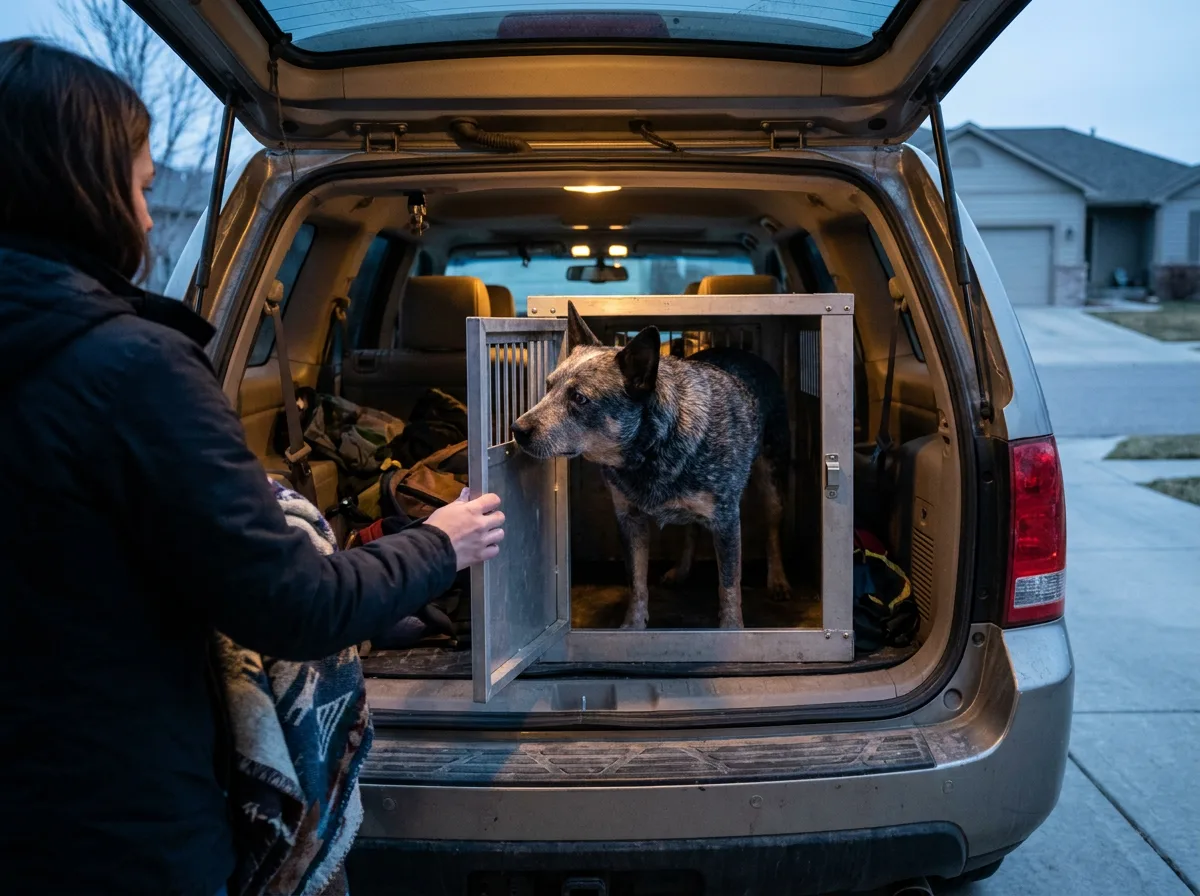
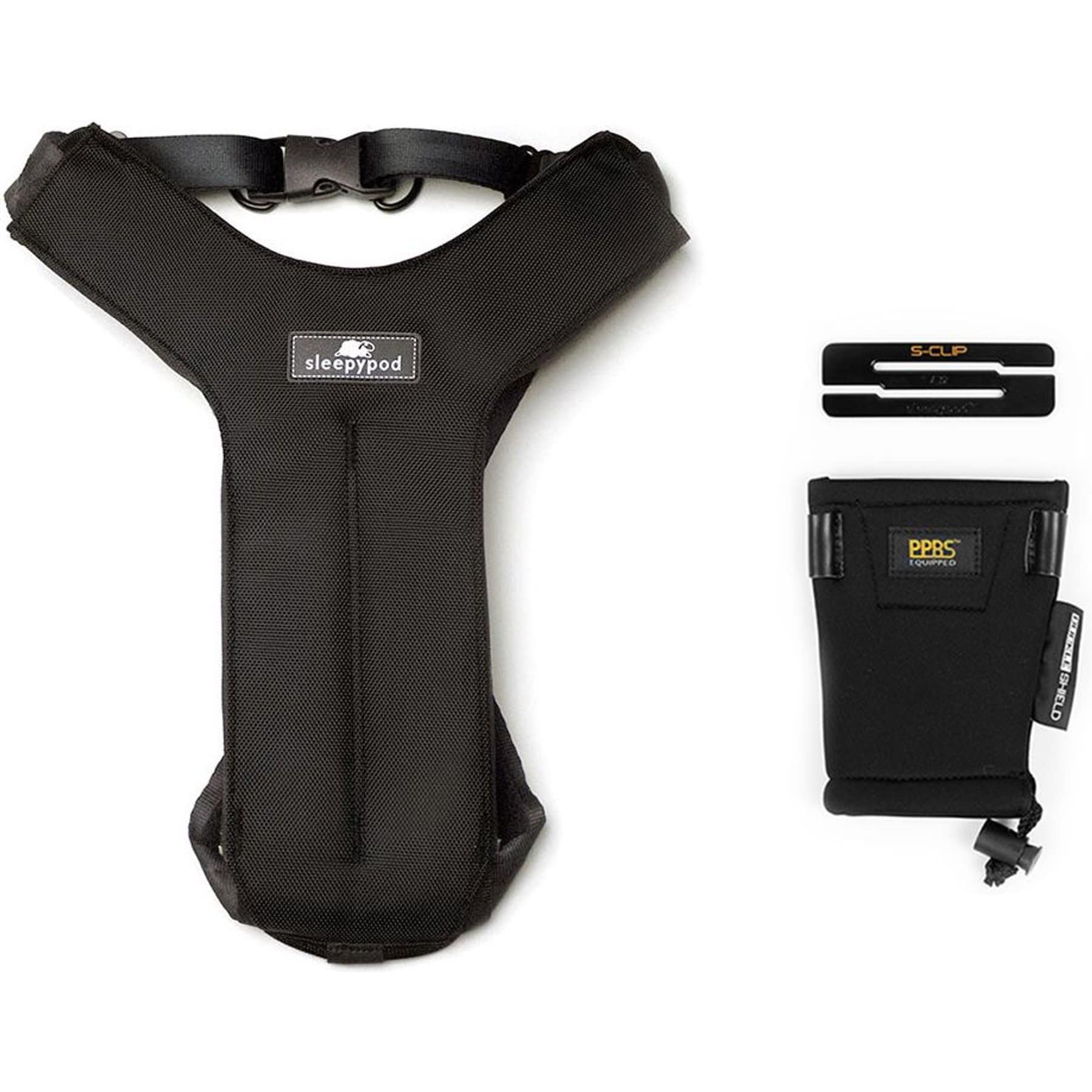
Travel can add a car safety harness such as the Sleepypod Clickit Sport, lodging fees, health documents and care coverage.
Inspect stitching, clips, sharp edges and fit before each trip and retire damaged equipment. Reusable gear lowers some costs only when it still fits and functions safely.

Petful may earn a commission when you click through to Chewy, at no extra cost to you.
Create an emergency and insurance decision
Emergency savings and pet insurance manage financial risk in different ways and can be combined. The average U.S. accident and illness premium for a dog was about $749 a year in 2024, according to the NAPHIA industry report, but a quote for one dog depends on age, location, deductible and limits. Read waiting periods, exclusions, reimbursement method and pre-existing-condition language before enrolling, and ask how claims are handled when the clinic requires payment at service.
Keep a separate accessible reserve for the gap between treatment and reimbursement. Revisit the choice annually because premiums, savings and the dog's medical history change.
Model lifetime cost without false precision
Ownership cost continues long after acquisition: routine care, training, replacement gear and an emergency reserve all recur, and food or veterinary prices can change faster than the budget. Pricing the same bag of a complete adult food, such as Purina Pro Plan Adult Chicken and Rice, at each annual review shows how quickly one of the largest recurring lines is moving.
A lifetime model is a range of scenarios, not one impressive total. Starting from the ASPCA’s dog estimates of about $3,221 for the first year and $1,391 for each later year, a 12- to 16-year Australian Cattle Dog lands at roughly $18,500 to $24,100 before emergencies, specialist care or inflation. Build annual rows for food, preventive care, training, equipment, care services and travel, then add low, typical and high medical scenarios.
- State the years and inflation assumptions so the budget can be updated, and do not multiply the first-year puppy total across every year, because setup and replacement costs differ. Use the model to test affordability under change, not to predict exactly what one dog will cost.
Recognize price and payment red flags
A price becomes risky when urgency, secrecy or unverifiable claims replace records and a clear contract. Pause if the seller changes transport fees late, refuses to identify the adults or demands an unrecoverable payment method.
Color premiums and scarcity language do not prove health, temperament or responsible raising.
Verify the person, dog, address, records and return terms before sending money. Walk away when the answers cannot be checked, even if the advertised base price looks attractive.
Related Australian Cattle Dog guides
Use the Australian Cattle Dog breed profile when Blue Heeler, Red Heeler or Queensland Heeler wording makes a listing unclear, then come back here to compare the actual fees and records.
- Australian Cattle Dog: Temperament, Health and Care
- Australian Cattle Dog Puppies: Care and Training
- Australian Cattle Dog Lifespan and Health Problems
- Australian Cattle Dog Colors and Markings
- Australian Cattle Dog Mixes: Traits and Care
- Australian Cattle Dog Size, Weight and Growth
- Australian Cattle Dog Temperament and Training
- Do Australian Cattle Dogs Shed? Grooming Guide
Evidence sources
- Australian Cattle Dog Club of America
- American Kennel Club Australian Cattle Dog overview
- Orthopedic Foundation for Animals CHIC program
- WSAVA nutrition resources
- Petfinder Australian Cattle Dog adoption page
- An itemized budget makes hidden inclusions and omissions visible.
- Published ranges give a realistic starting point for a first-year plan.
- Local quotes improve first-year and recurring estimates.
- Acquisition ranges become outdated and vary by region.
- A high price does not prove responsible breeding.
- Low transfer cost does not guarantee low lifetime cost.
Questions readers ask
Expect about $500 to $1,500 for a puppy from a breeder, with show or champion lines costing more, and around $300 to adopt from a rescue, based on Adopt a Pet figures checked in November 2026. Location, age, transport and included veterinary care can move the actual price outside those ranges, so ask for an itemized written quote.
The ASPCA estimates about $1,391 a year for a dog after the first year, which runs about $3,221. The AKC puts food at about $120 to $900 and routine veterinary care at about $700 to $1,500 a year, and the average U.S. accident and illness insurance premium for a dog was about $749 in 2024. Emergencies come on top of those figures.
Prices can be higher because of region, transport, age, included veterinary care, identification, parent screening, early raising costs and breeder support. Ask for each inclusion and its record in writing. Color premiums, scarcity claims and a high fee do not prove health, ethics or quality.
Adoption is usually cheaper at the point of transfer, at around $300 versus roughly $500 to $1,500 for a breeder puppy, but it is not always cheaper overall. Medical treatment, behavior support, transport, equipment and insurance can change first-year cost. Compare documented inclusions and the individual dog’s known needs, not fees alone.
There is no universal inclusion list, so the seller should state it in writing. Verify the puppy’s identity, examination and vaccine records, microchip and registration status, parent screening documents, food and care instructions, contract, health terms and return support. Transport, supplies, training and future veterinary care may be excluded. A higher fee does not prove that any item exists.

Coreen Saito is a pet writer and longtime shelter volunteer with more than a decade in animal rescue. She covers cat behavior, breed care, and the small, ordinary science of sharing a life with companion animals, with a particular focus on honest takes about the products and decisions that actually matter. At home in Arizona, she's outranked by Mac (a dog with the loudest opinion in the house), Rebel (a cat who governs by quiet authority), and Meri (an orange tabby who runs the late shift and the laundry basket). She writes about all three, plus the rescues that keep coming through her life, at LifeWithMinty.com.
Sign up for expert-backed reviews and safety alerts all in one place.