Australian Cattle Dog Puppies: Care, Training, Growth and Sourcing
Australian Cattle Dog puppies need verifiable records, safe socialization, reward-based teaching, controlled activity and plenty of sleep. Learn how to evaluate a source and plan the first year.
Petful is reader supported. As an affiliate of platforms like Amazon and Chewy, we may earn a commission when you buy through links on this page. There is no extra cost to you.
Australian Cattle Dog puppies need verifiable records, safe social learning, reward-based teaching, controlled physical activity and substantial sleep. A careful source and a realistic first-week plan matter more than urgency, color or a sales pitch.
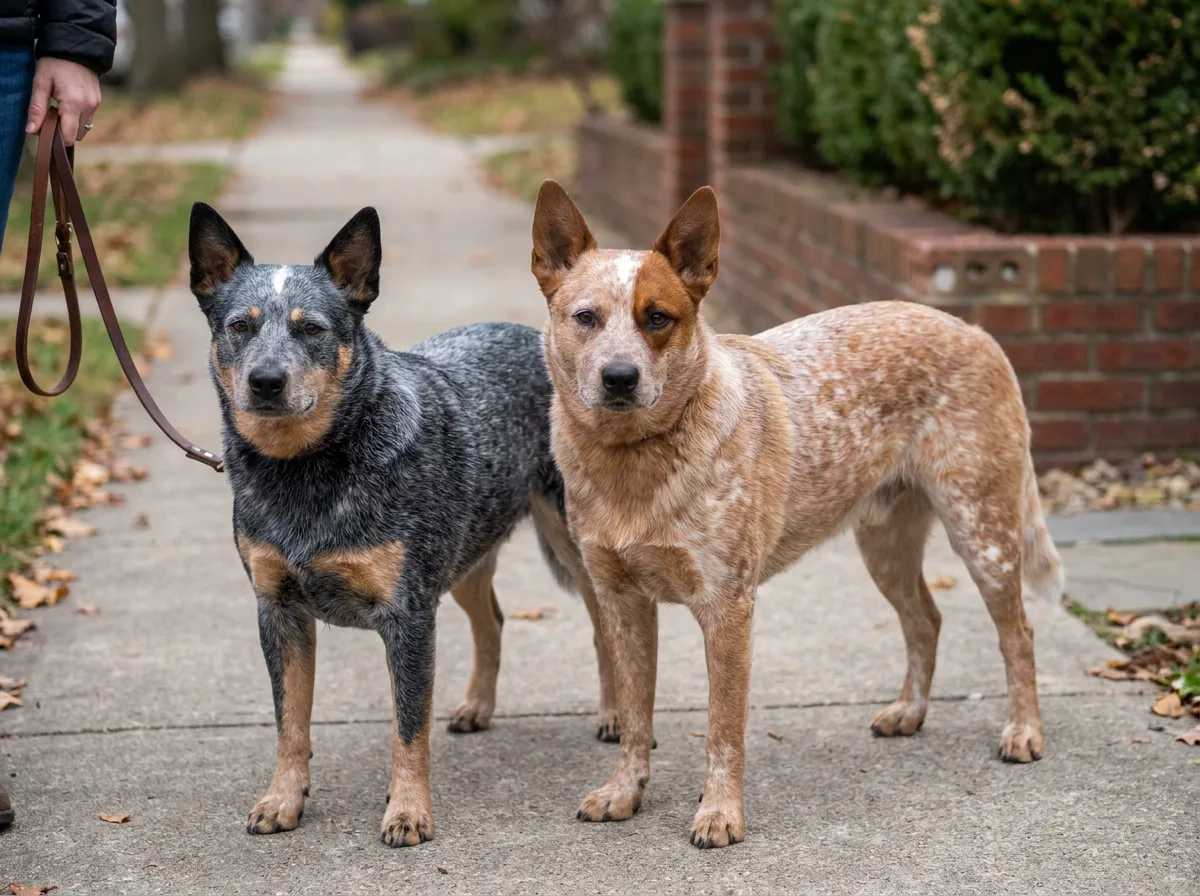
Blue Heeler and Red Heeler puppies are Australian Cattle Dog puppies. This guide focuses on responsible sourcing and first-year care, with related guides covering adult breed traits and other decisions. A correctly sized crate, such as the MidWest iCrate folding crate, gives the puppy a protected rest spot from the first night.

Sign up for expert-backed reviews and safety alerts all in one place.
Australian Cattle Dog puppies at a glance
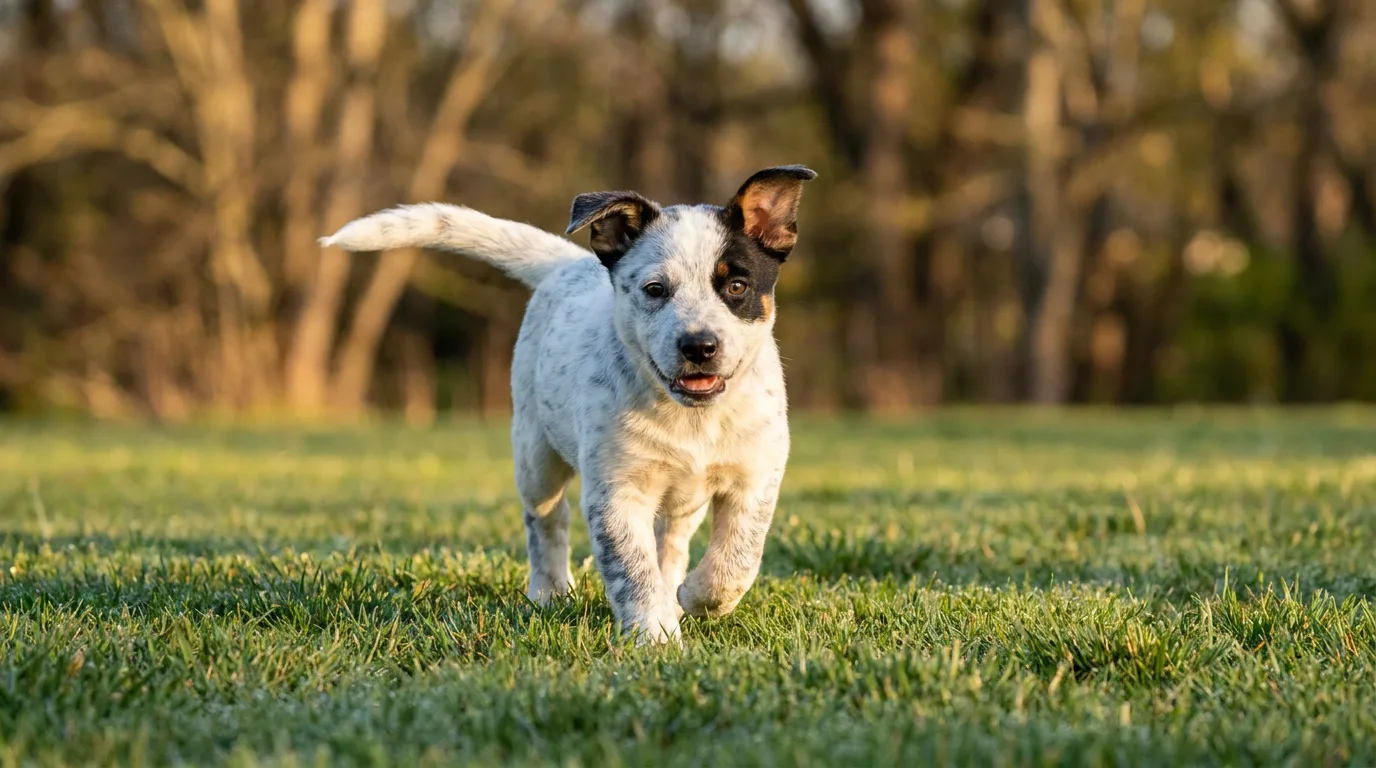
Australian Cattle Dog puppies go home no earlier than about 8 weeks, are born mostly white before their blue or red color comes in, and reach adult size at around 12 months. Expect a demanding first year of herding nips, short training sessions, controlled exercise and plenty of sleep, and judge each puppy by its records and observed behavior rather than color or price.
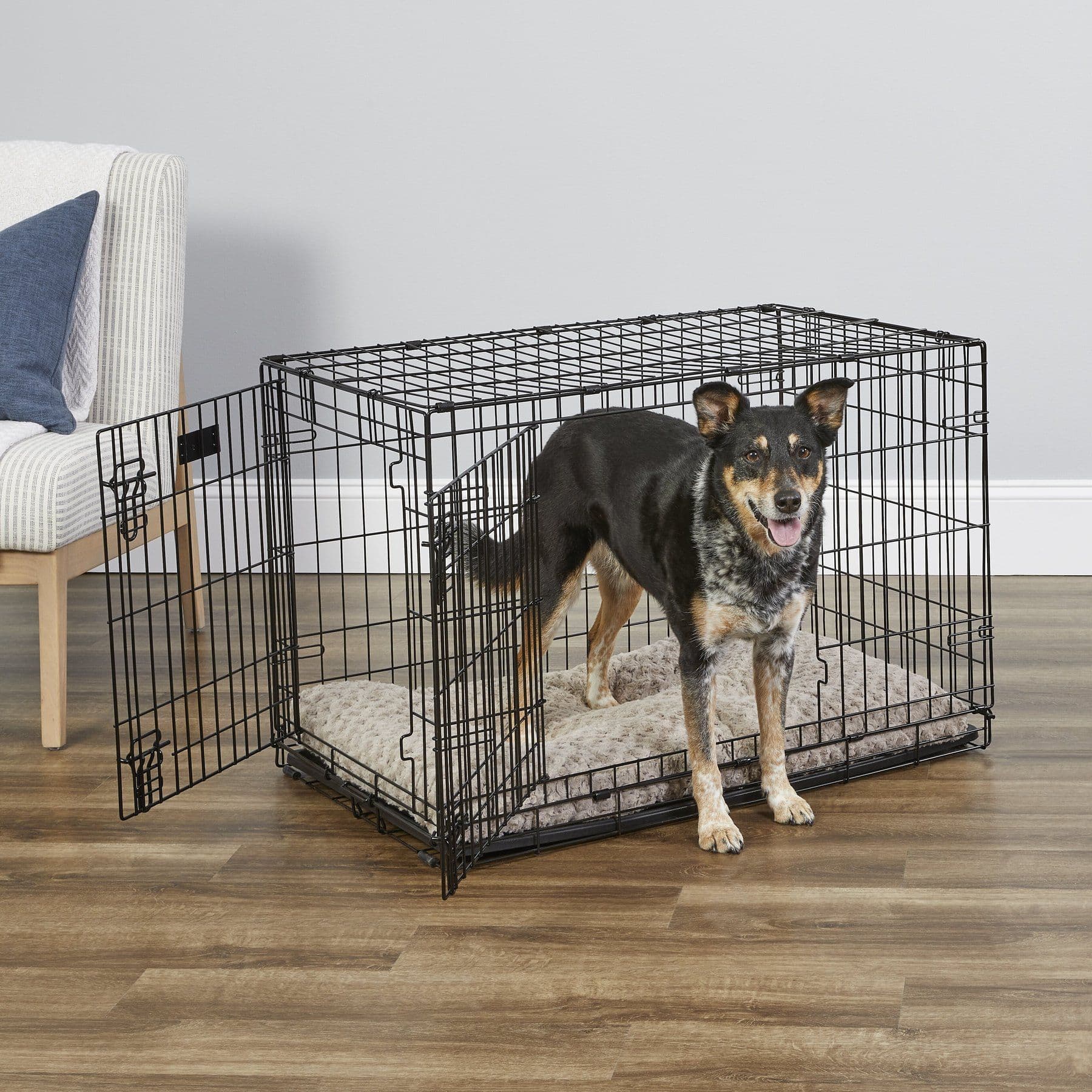
A folding double-door wire crate with a divider and removable tray. Measure your dog and the intended floor space before selecting the 36-inch size.
Petful may earn a commission when you click through to Chewy, at no extra cost to you.
- 1Australian Cattle Dog puppies need verifiable records, safe socialization, reward-based teaching, controlled exercise and substantial sleep. Urgency, color and price should never replace source evaluation.
- 2A marketplace listing, health guarantee or friendly first meeting cannot prove responsible breeding or a predictable adult temperament.
- 3Verify the source, book an independent veterinary visit and build the first-week routine before pickup.
| Item | Why it matters | Sizing or timing note |
|---|---|---|
| Crate with a divider | A protected rest spot that also supports house training | Many owners buy an adult-size 36-inch crate and use the divider while the puppy is small |
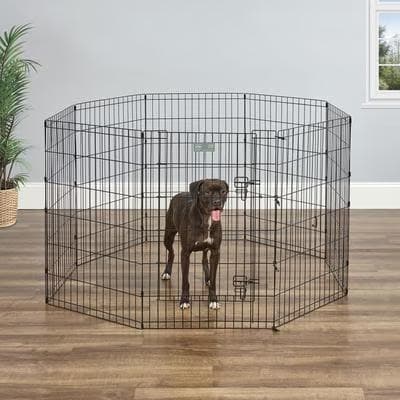
| Exercise pen or gate | Safe supervised space and a barrier from running children | Set it up before pickup so the first day is calm |
| Front-clip harness and leash | Early leash practice without pressure on the throat | Buy by chest girth from the maker’s chart and remeasure as the puppy grows |
| Chew toys | Permanent teeth emerge between about 12 and 24 weeks, so chewing peaks | Choose a size the puppy cannot swallow and replace damaged toys |
| Enzyme cleaner | Removes odor that draws a puppy back to an accident spot | Use it on every indoor accident |
| Veterinary visit | Baseline exam, vaccine plan and parasite control | Book it for the first days at home |
| Puppy class | Structured, reward-based social learning | The AKC notes many puppies are ready for school by about 16 weeks |
Before committing to a puppy, confirm that the household can provide frequent supervision, safe containment, planned rest, veterinary care and consistent teaching through adolescence. Judge the source through identity-linked records, the raising environment and transparent contract terms.
- Blue Heeler and Red Heeler are color names within the Australian Cattle Dog breed, so the same sourcing and puppy-care checks apply.
Choose a responsible breeder or rescue
A responsible breeder supplies identity-linked records and welcomes verification before a deposit.
Petful may earn a commission when you click through to Chewy, at no extra cost to you.
Ask a breeder to let you meet the dam, see where the litter is raised and read the contract and return policy before paying. Ask a rescue for the foster’s notes on the puppy’s sleep, handling and play. A video tour can add context but should not be the only verification, and a deposit demanded under countdown or shipping pressure is a reason to walk away.
A rescue puppy may arrive with incomplete ancestry or litter history. Keep that uncertainty visible, ask for foster and medical observations, arrange an independent veterinary examination and make the first days quiet enough to establish a reliable baseline.
Verify parent screening and puppy records
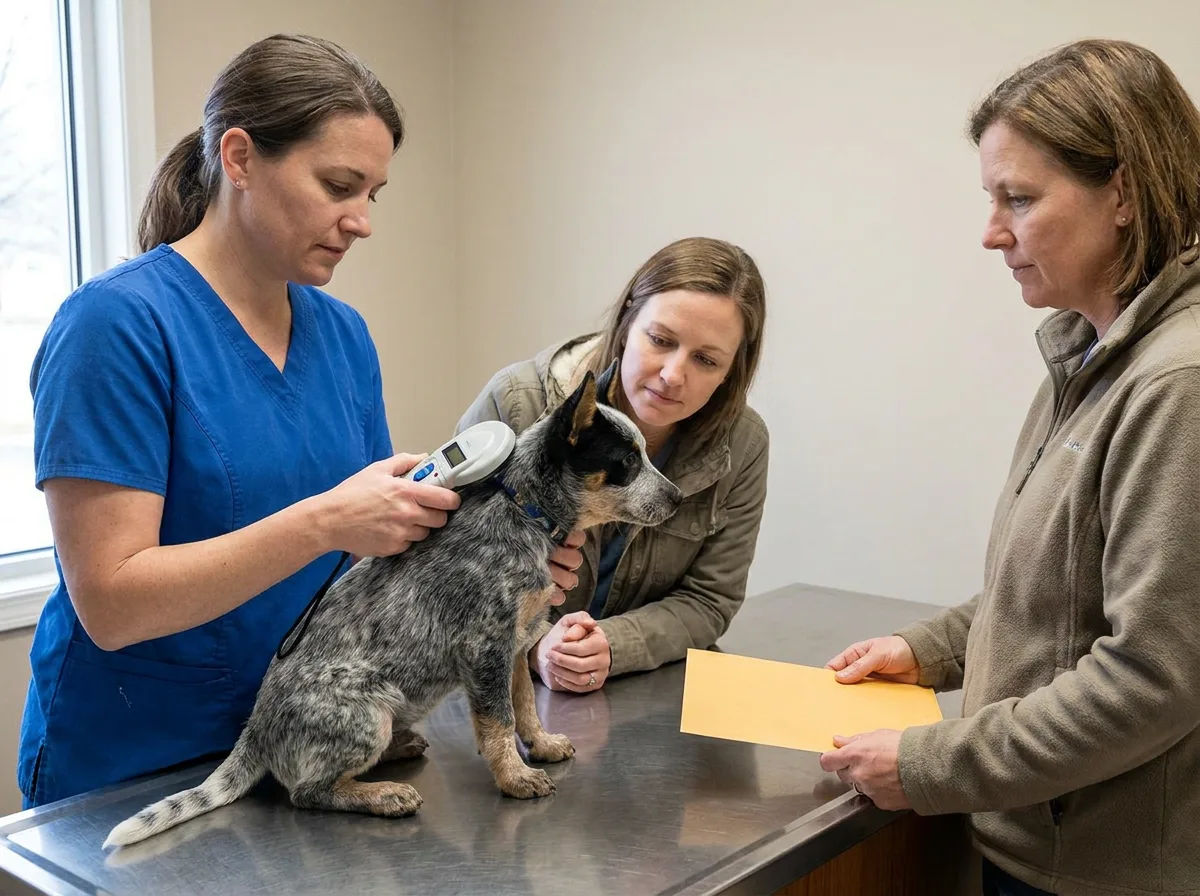
For each parent, request the original identity-linked screening reports and record the issuing laboratory or registry, test date and result. The national breed club recommends hip and elbow evaluations, an eye exam by a veterinary ophthalmologist, BAER hearing testing and DNA tests for primary lens luxation (PLL) and progressive retinal atrophy (PRA-prcd). The phrase “health tested” is incomplete without those details, and no panel predicts every future condition.
Confirm that every result names the correct sire, dam or puppy and matches the available registration or microchip details. A normal result applies only to the condition and time tested, so the puppy still needs an independent examination, preventive care and follow-up when symptoms appear.
Save the puppy's contract, medical record, microchip details and parent-screening links, then ask the veterinarian which findings matter for early care. When a parent’s DNA results are missing, a test such as Embark Breed + Health can report the puppy’s own PLL and PRA-prcd status.
Prepare the first week at home
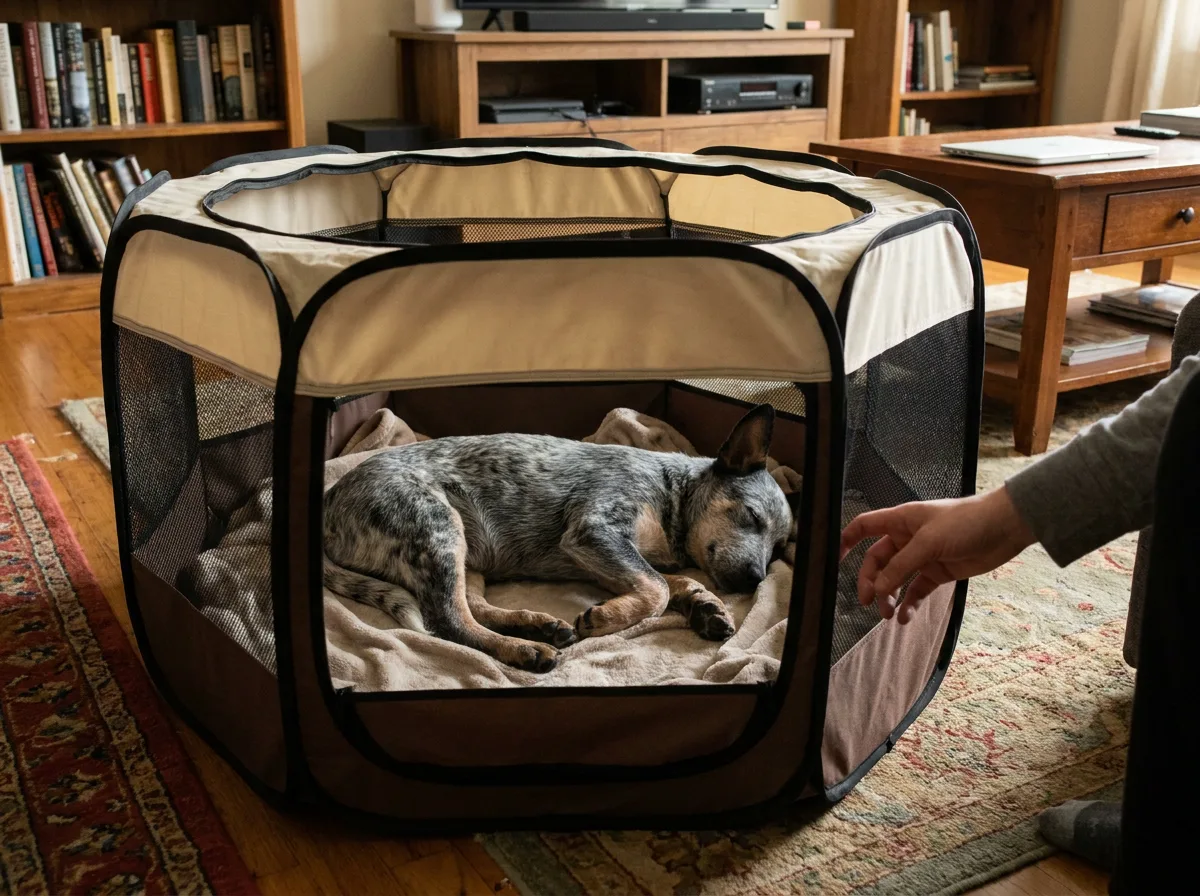
The first week should be quiet, predictable and small enough for the puppy to succeed. Set these up before arrival:
- A sleeping area with the crate and its divider set to the puppy’s current length.
- A safe pen, such as a wire exercise pen, for supervised downtime.
- A short toilet route from the sleeping area to one outdoor spot.
- Chew options sized for the puppy’s mouth.
- A family space blocked off with a dog gate so play stays supervised.
Keep food consistent initially unless the veterinarian recommends a change, and make any transition gradual. Use frequent toilet trips after waking, eating, play and training, and reward the correct location without punishing accidents. A crate training schedule by age shows how long a young puppy can rest between breaks.
Limit visitor traffic and give the puppy protected sleep. Arousal and exhaustion can look like a training failure. Record appetite, water intake, stool, urination, activity and any cough, vomiting, pain or marked lethargy for the veterinary visit.
Set the crate divider so the puppy can stand, turn and lie down without room for a toilet corner, then open it up as the dog grows. Build calm associations in short steps and provide toilet breaks, social contact and activity outside confinement.
Track feeding, growth and body condition
Feed a complete diet appropriate for growth and follow the product’s feeding guide as a starting point, then adjust with veterinary guidance and body condition.

Petful may earn a commission when you click through to Chewy, at no extra cost to you.
Measure meals rather than estimating by eye, and count training food in the daily total. Weigh the puppy consistently and record body condition, stool, appetite and energy alongside the number.
A puppy should grow steadily without being pushed toward the largest possible adult. Extra calories can increase body fat and load developing joints rather than improve structure. Contact the veterinarian for persistent digestive signs, poor appetite, a stalled trend or rapid unexplained weight change. Medium-breed puppies reach adult size at around 12 months, according to the American Kennel Club, though muscle and maturity keep filling in after that; the size and growth guide has an age-by-age table.
Socialize without overwhelming the puppy
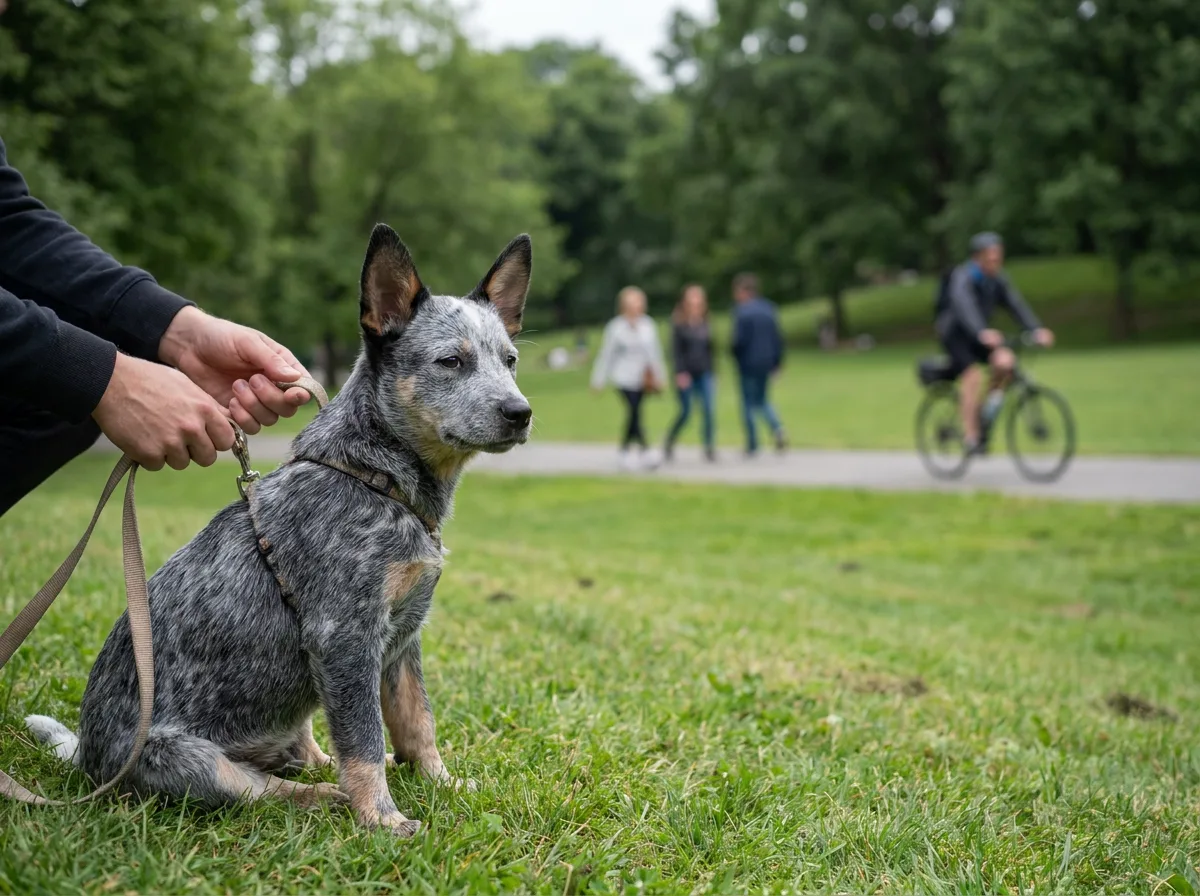
Puppy socialization pairs new people, surfaces, sounds, handling and environments with safety, choice and positive outcomes. Begin far enough away for eating and exploration, then end while recovery is easy. Freezing, escape attempts or frantic behavior means the setup is too difficult. Include calm observation of bicycles, runners, livestock sounds and children because fast movement can activate herding behavior.
Ask the veterinarian how local disease risk should shape the places and dogs a young puppy can meet. Safe learning can continue through carried outings, clean private spaces and controlled observation. Note the distance, response and recovery so the next session starts at a level the puppy can handle. Soft, pea-size rewards such as Wellness Soft Puppy Bites make each new sight or sound worth meeting calmly.
Teach bite inhibition and redirect herding nips
Prevent access to running ankles when arousal is high, then teach the puppy to orient to the handler, carry a KONG Classic dog toy, target a hand or settle behind a barrier. Do not encourage children to run away from a nipping puppy. An adult should interrupt early and separate the puppy before play becomes unsafe.
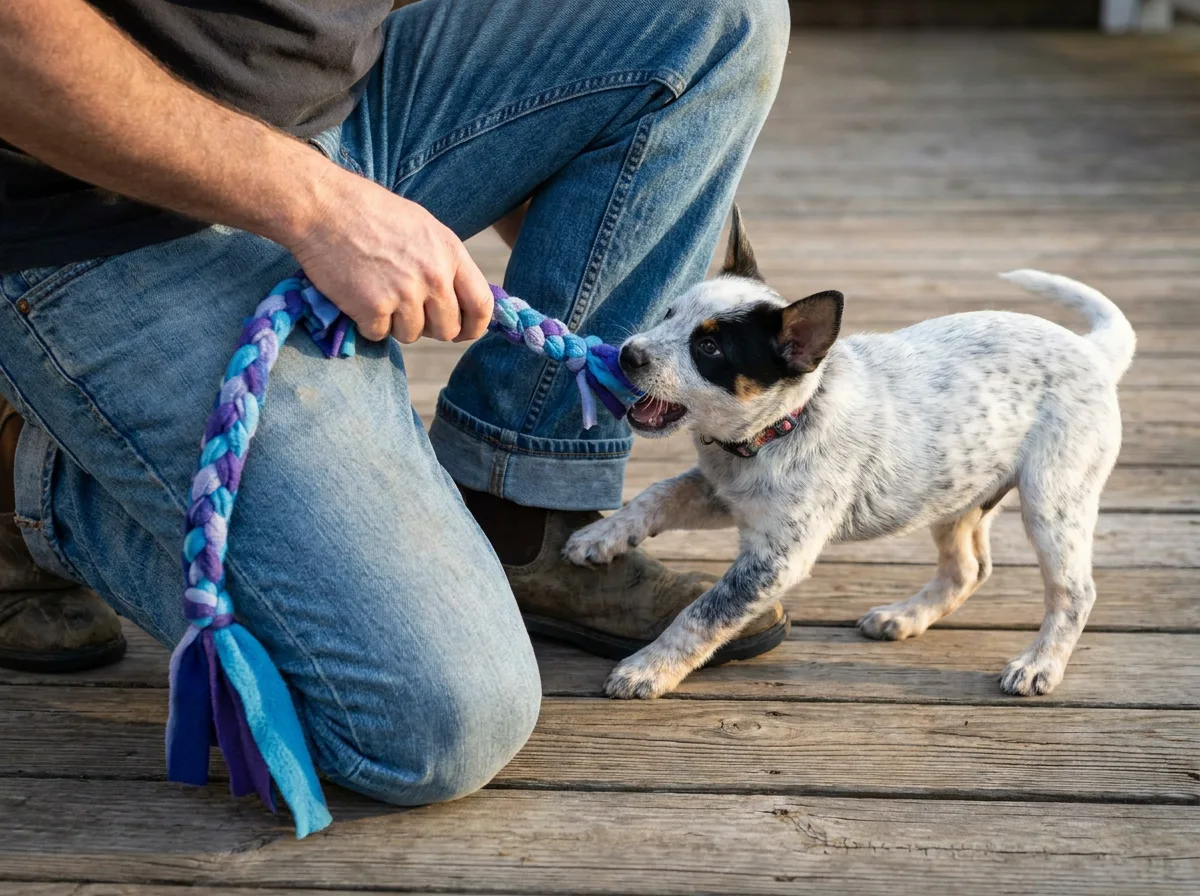
Provide legal tug games with a toy such as the Chuckit! Ultra Tug, plus chase and search games with clear start and stop cues, so the puppy has structured outlets.

A durable rubber dog toy that can be stuffed with treats and selected by the manufacturer's size guide; supervise use and retire it when damaged.
Petful may earn a commission when you click through to Chewy, at no extra cost to you.
Yelling, grabbing the muzzle or physical punishment can increase fear and conflict without teaching an alternative. Escalating bites, guarding, fear or inability to recover deserves help from a qualified reward-based professional. WebVet’s calm puppy biting plan lays out practical steps for redirecting a mouthy puppy.
Build reward-based foundation skills
Start with skills an 8- to 16-week-old puppy can manage in one- to three-minute bouts: name response, hand target, recall to a person a few steps away, settling on a mat and calm collar handling. The AKC puppy growth timeline notes many puppies are ready for a structured class by about 16 weeks, so look for one that uses reward-based methods. Several successful repetitions are more useful than drilling until arousal rises.
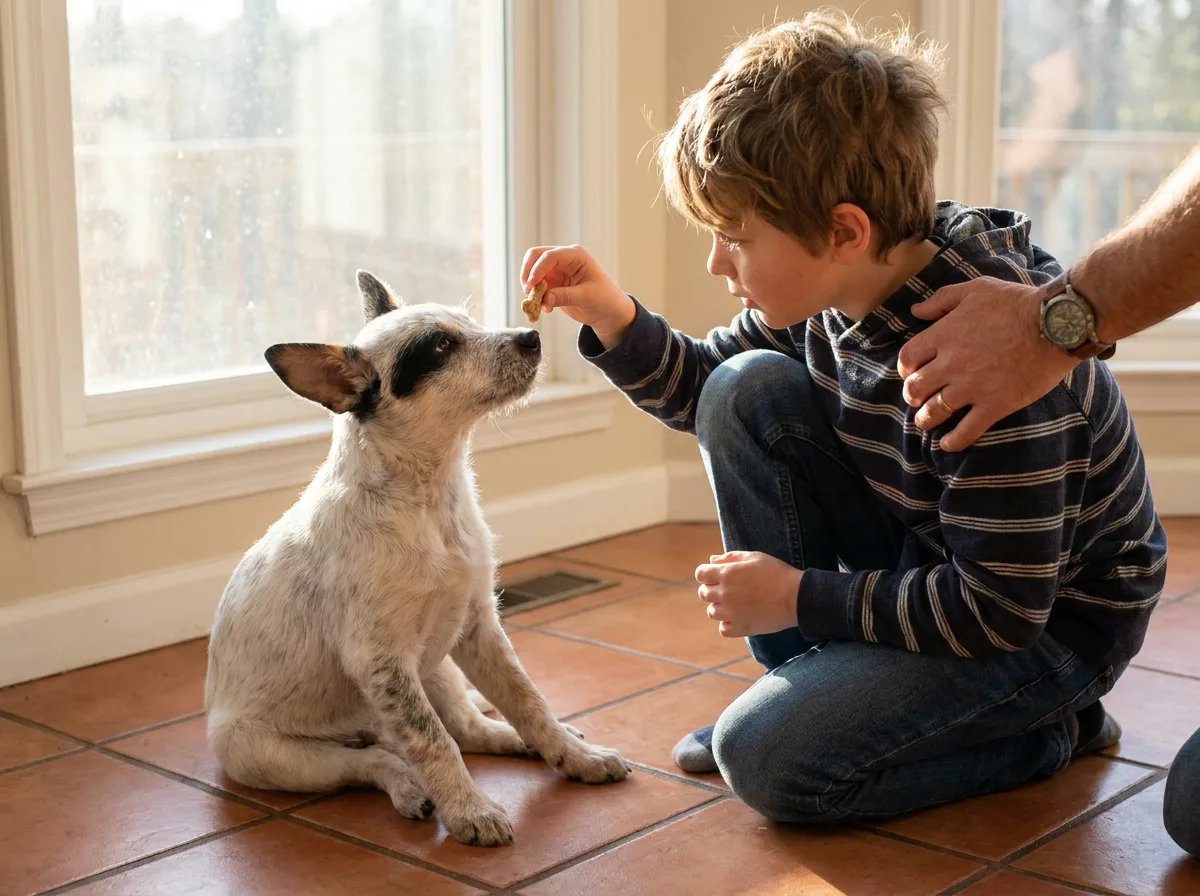
Between lessons, management keeps the puppy from practicing chasing and nipping: a leash indoors during busy times, a front-clip harness such as the PetSafe Easy Walk once the chest measurement fits, and planned naps. Choose a class whose trainer explains reinforcement and safety without dominance claims or guaranteed results.
- Fill a KONG with part of a measured puppy meal for a planned quiet period. Start with an easy fill, supervise the puppy, count the food in the daily ration and replace the toy if chewing creates cracks or loose pieces.
Balance exercise, play and sleep
Young cattle dogs need frequent chances to explore, play and learn, but a universal exercise target ignores age, growth, heat, surface and health. Favor self-paced sniffing, short skill practice and low-impact play, and avoid making repetitive jumping or forced endurance the puppy’s main outlet.
Increase duration or intensity gradually and watch gait, breathing, enthusiasm and recovery. A puppy who cannot settle may be overtired rather than under-exercised, and frequent sleep and controlled exploration matter while bones and coordination develop. For a quiet wind-down, a lick mat such as the LickiMat Classic Buddy spread with part of a measured meal helps an overtired puppy settle.
Stop for limping, weakness, collapse, disorientation, excessive heat signs or a marked change from the dog’s normal tolerance.
Plan first-year veterinary care and costs
First-year planning should include veterinary examinations, vaccines selected for local risk, parasite prevention, identification, training, secure containment and correctly fitted equipment. Puppies outgrow harnesses, crates and beds, so replacement is a normal budget line rather than a surprise. A small padded harness such as the Frisco Padded No Pull Dog Harness can bridge the early months until the chest fits an adult size.
Training classes and safe care coverage can be more valuable than decorative purchases. The price guide breaks purchase, first-year and lifetime costs into dollar ranges.
Price routine puppy care and unexpected care separately. Obtain local written quotes for examinations, vaccines, parasite prevention, classes and replacement equipment, then decide whether savings, pet insurance or both will cover an urgent problem before a condition is documented.
Related Australian Cattle Dog guides
The Australian Cattle Dog breed profile explains why Blue Heeler, Red Heeler and Queensland Heeler are familiar names for the same breed; return there when a name, rather than first-year care, is the question.
- Australian Cattle Dog: Temperament, Health and Care
- Australian Cattle Dog Price and Lifetime Cost
- Australian Cattle Dog Lifespan and Health Problems
- Australian Cattle Dog Colors and Markings
- Australian Cattle Dog Mixes: Traits and Care
- Australian Cattle Dog Size, Weight and Growth
- Australian Cattle Dog Temperament and Training
- Do Australian Cattle Dogs Shed? Grooming Guide
Evidence sources
- Australian Cattle Dog Club of America
- American Kennel Club Australian Cattle Dog overview
- Orthopedic Foundation for Animals CHIC program
- American Veterinary Society of Animal Behavior position statements
- WSAVA nutrition resources
- Early routines can build handling, social and training skills.
- Quick learners respond well to short reward-based sessions.
- Verified records make source claims easier to check.
- Nipping and movement chasing require active prevention and redirection.
- Growth, sleep and exercise needs change quickly in the first year.
- A health guarantee cannot predict adult health or temperament.
Questions readers ask
Verify the adults and litter through identity-linked health records, veterinary documentation and direct observation of the raising environment. Ask to see hip, elbow, eye, BAER and DNA results for both parents. A responsible source explains socialization, the contract, return support and any uncertainty, and does not pressure a deposit before those details can be checked.
Use eight weeks and fully weaned as the earliest general transfer baseline for a U.S. puppy, then verify the law where the puppy is bred, sold and transported. Health, development, source policy and travel rules may require a later date, and some puppies benefit from staying longer. The contract and veterinary record should identify the puppy and actual transfer date.
Prevent access to running ankles when the puppy is highly aroused, interrupt stalking before contact and redirect to a carried toy, hand target or mat. Manage children and fast movement with an adult-held leash or barrier, reward the alternative behavior and provide rest before the puppy becomes frantic. Avoid yelling or physical punishment; repeated hard bites or poor recovery needs qualified reward-based help.
For an 8- to 12-week puppy, make most activity self-paced play, toilet trips, short sniffing exploration and one- to three-minute reward-based training bouts repeated through the day, with abundant sleep. Increase low-impact duration gradually through later puppyhood from gait, enthusiasm and recovery. Avoid forced running, repetitive jumping and exercising through heat, limping or fatigue.

Coreen Saito is a pet writer and longtime shelter volunteer with more than a decade in animal rescue. She covers cat behavior, breed care, and the small, ordinary science of sharing a life with companion animals, with a particular focus on honest takes about the products and decisions that actually matter. At home in Arizona, she's outranked by Mac (a dog with the loudest opinion in the house), Rebel (a cat who governs by quiet authority), and Meri (an orange tabby who runs the late shift and the laundry basket). She writes about all three, plus the rescues that keep coming through her life, at LifeWithMinty.com.
Sign up for expert-backed reviews and safety alerts all in one place.