Australian Cattle Dog Size and Growth: Height, Weight and Puppy Stages
Australian Cattle Dog size is medium and compact, but healthy weight depends on frame, muscle and body condition. Learn adult ranges, puppy growth tracking and equipment measurements.
Petful is reader supported. As an affiliate of platforms like Amazon and Chewy, we may earn a commission when you buy through links on this page. There is no extra cost to you.
Australian Cattle Dog size is compact and medium: adult females are about 17 to 19 inches and males about 18 to 20 inches at the shoulder, and the AKC lists a typical adult weight of about 35 to 50 pounds. Frame, muscle and body condition still determine a healthy size for the individual.
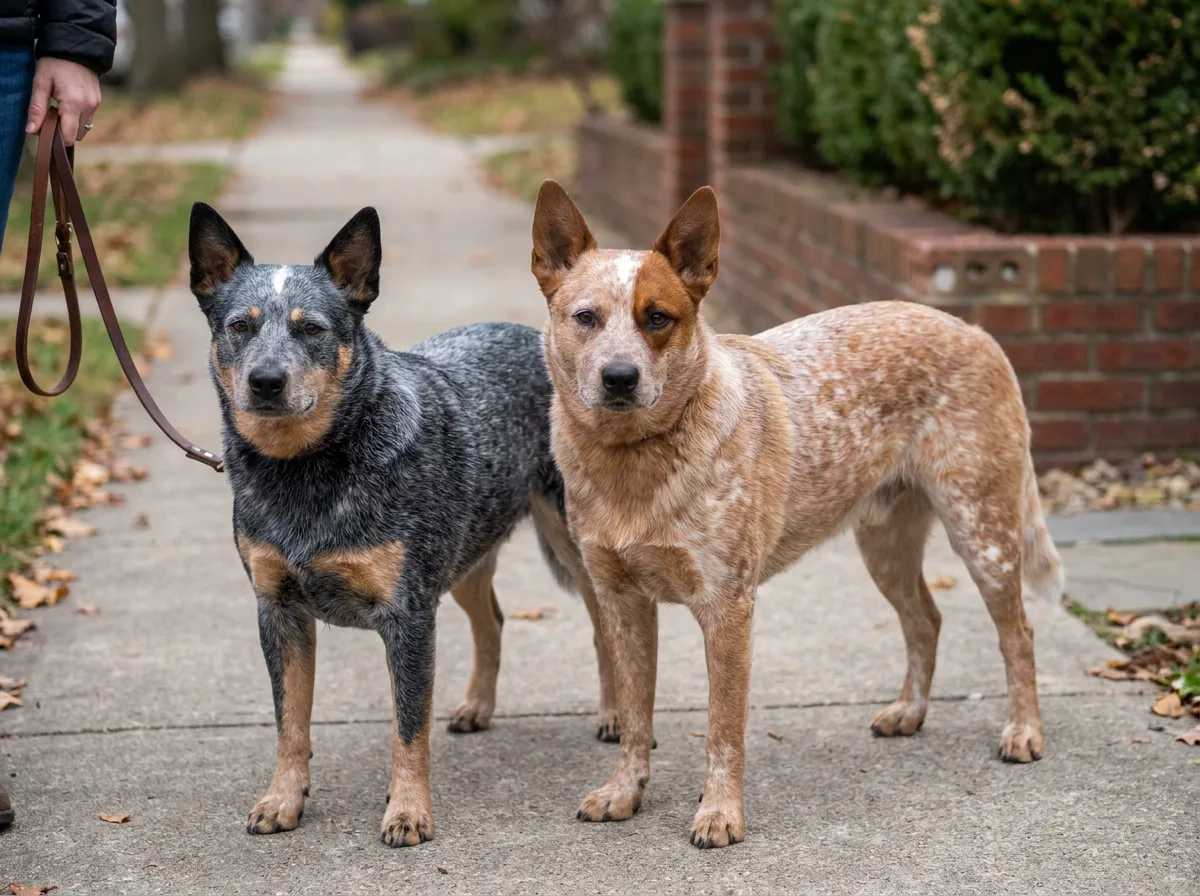
Blue Heeler and Red Heeler are color names for the same breed and do not have separate growth charts. This guide covers adult ranges, puppy growth trends and body-condition checks. Measure the chest before buying gear such as the PetSafe Easy Walk harness, because a breed range cannot size equipment.

Sign up for expert-backed reviews and safety alerts all in one place.
Australian Cattle Dog size at a glance
- 1Australian Cattle Dog size is medium and compact, but healthy adult weight depends on frame, muscle and body condition. Puppy growth should be tracked as a trend, not forced to match an internet chart.
- 2Sex, color, paw size and one age-based chart cannot set the right target for an individual dog.
- 3Record measurements consistently and call the veterinarian about a stalled, rapid or unexplained change.
Use breed ranges as context, then measure the same dog consistently and interpret the trend with body and muscle condition. A single scale number cannot show frame, fat cover, joint function or whether equipment still fits.
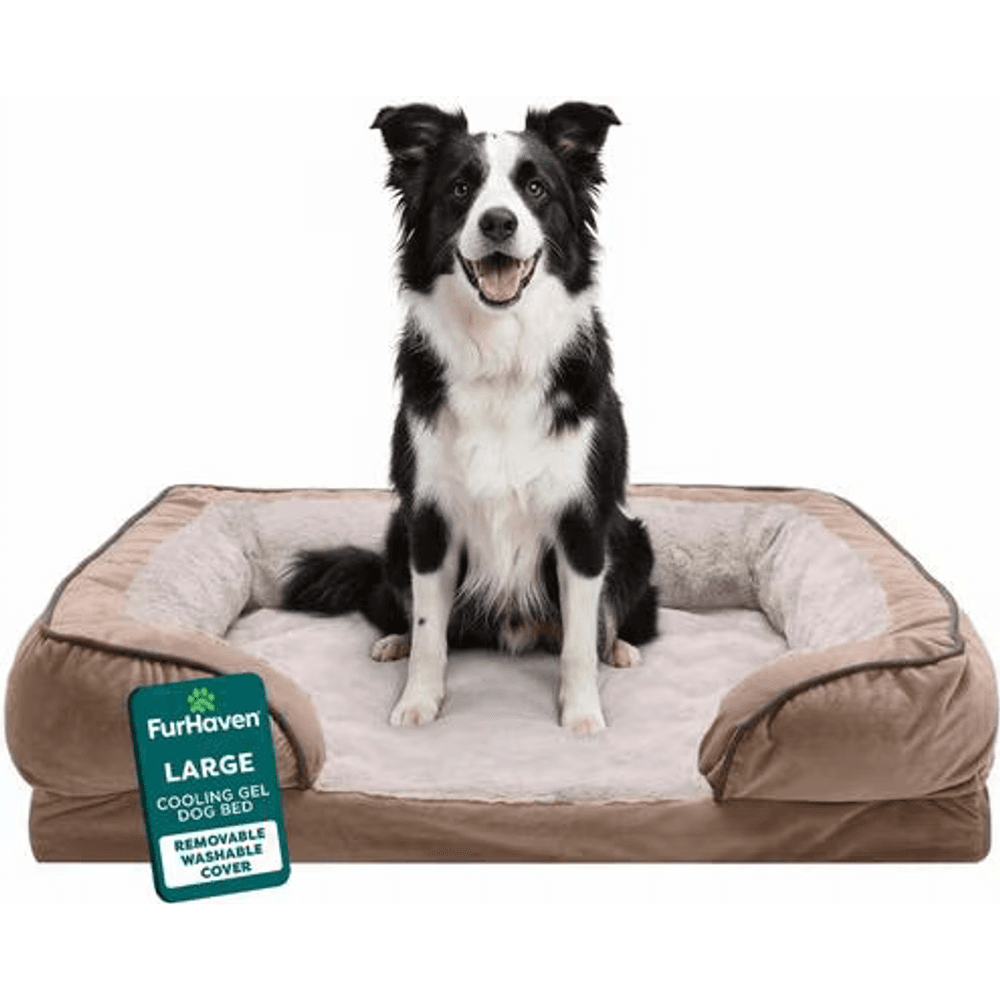
An orthopedic sofa bed with three bolstered sides for dogs who like to rest their head and joints against a cushion. The supportive foam base cradles hips and elbows, a comforting spot for an older or shaky dog to settle.
Petful may earn a commission when you click through to Chewy, at no extra cost to you.
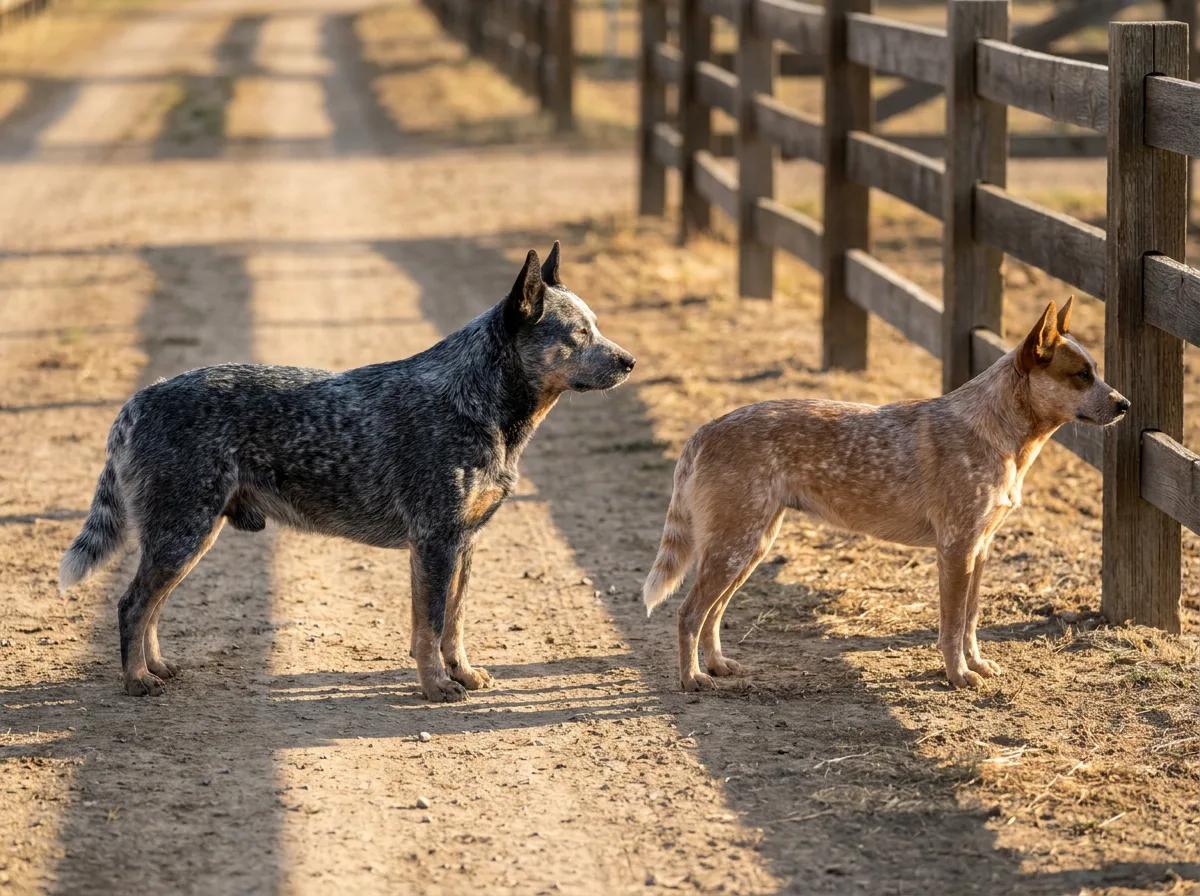
- Blue Heeler and Red Heeler are Australian Cattle Dogs, so use one breed baseline and evaluate the individual frame and condition.
Adult height and weight ranges
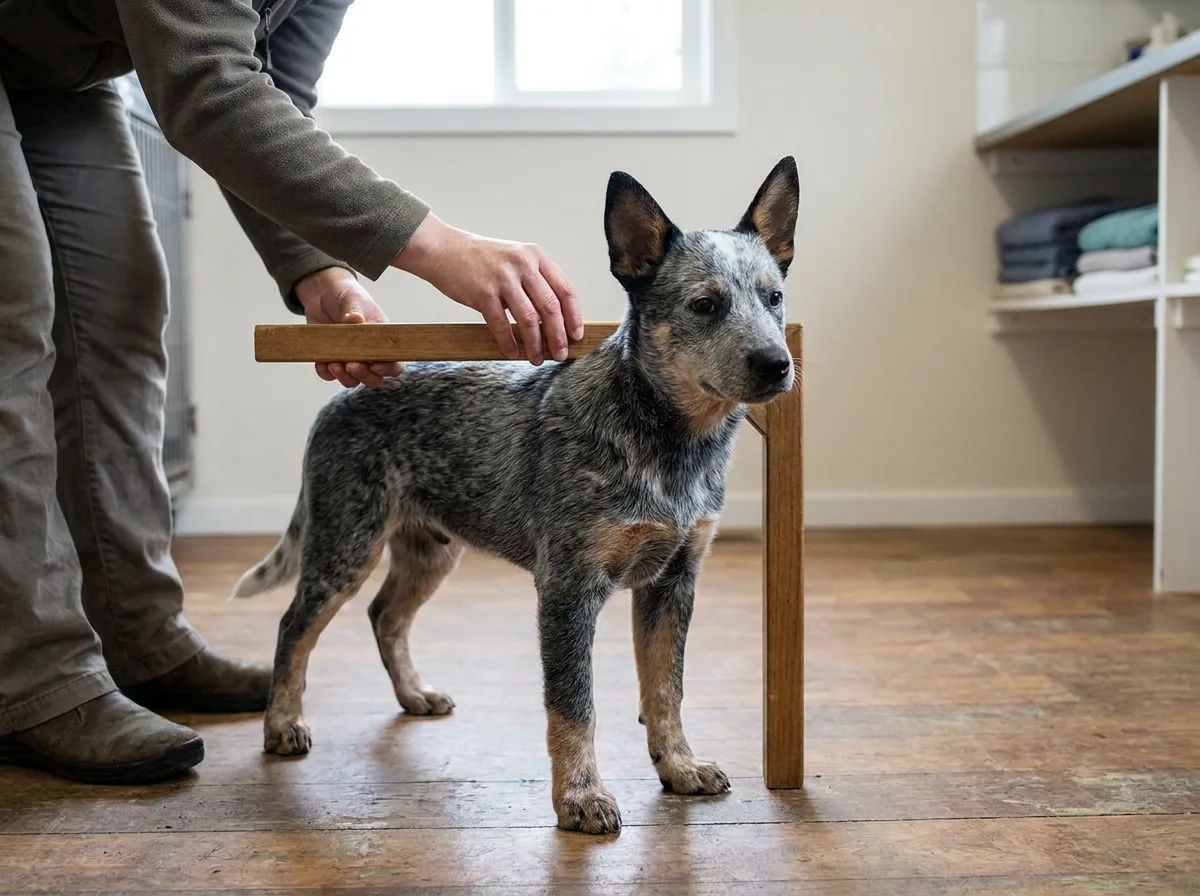
The AKC breed standard sets male Australian Cattle Dogs at about 18 to 20 inches and females at about 17 to 19 inches at the shoulder. Weight is not part of the standard, but the AKC breed overview lists about 35 to 50 pounds. Measure height at the withers on a level surface and use the same reliable scale so later observations are comparable. Sex ranges overlap, and a healthy weight depends on frame, muscle and body condition rather than forcing every dog toward the midpoint.
The compact, muscular outline can make two dogs at the same height carry different healthy weights. Ask the veterinarian to interpret the individual trend. Recheck equipment fit and body condition as a puppy matures or an adult’s activity and health change.
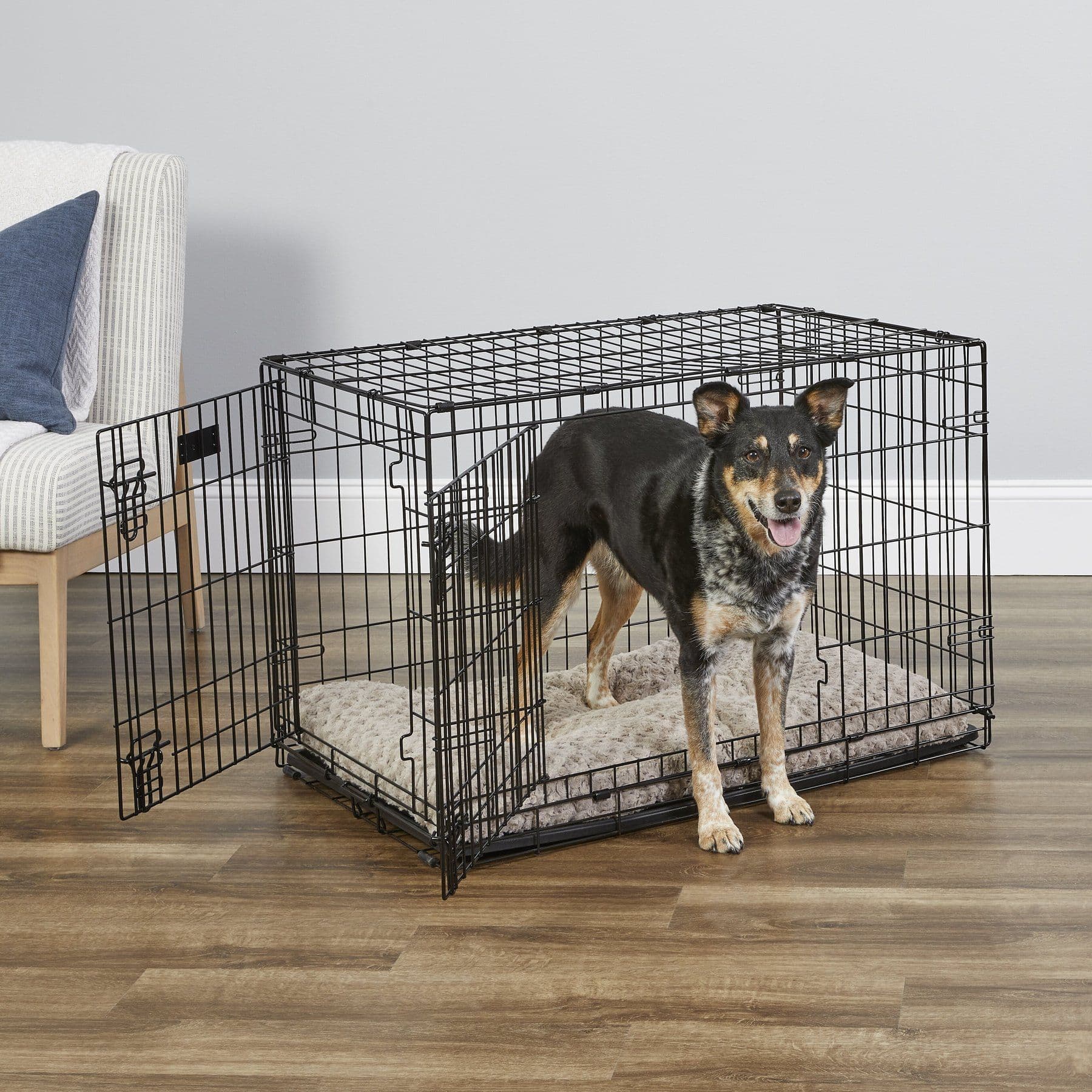
A folding double-door wire crate with a divider and removable tray. Measure your dog and the intended floor space before selecting the 36-inch size.
Petful may earn a commission when you click through to Chewy, at no extra cost to you.
Male, female and individual variation
Males usually run about an inch taller: the AKC breed standard sets males at about 18 to 20 inches at the shoulder and females at about 17 to 19 inches. The standard sets no weight for either sex, and the AKC breed overview gives one typical weight range of about 35 to 50 pounds for males and females alike. Because the ranges overlap, a tall female can outmeasure a small male, so judge the individual dog by its measured height and body condition rather than its sex.
Puppy growth stages without rigid promises
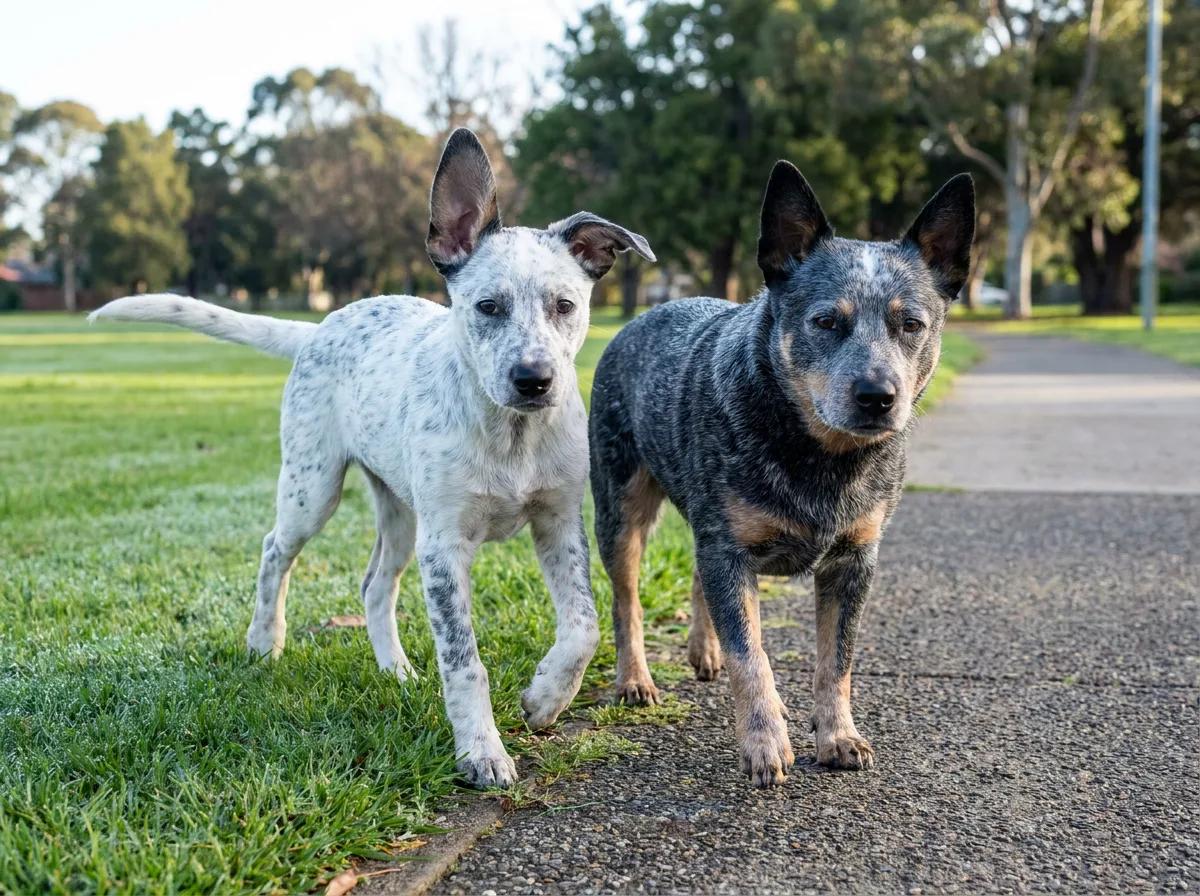
| Age | What changes | What to check |
|---|---|---|
| Birth to 8 weeks | Senses develop by about 2 to 4 weeks; weaning runs from about 4 to 8 weeks; the coat starts white and color comes in | The puppy stays with the litter until fully weaned and at least 8 weeks old |
| 8 to 12 weeks | Usual age to go home; a key window for positive social experiences, with fearfulness starting to show | Weigh weekly on the same scale and start the veterinary vaccine plan |
| 12 to 24 weeks | Rapid growth; permanent teeth come in, so chewing peaks | Recheck harness, collar and crate divider every few weeks |
| 6 to 12 months | Adolescence; height approaches the adult range | Body condition at each veterinary visit; no forced running |
| About 12 months | Medium breeds such as cattle dogs reach adult size | Compare height with the 17 to 20 inch adult range |
| 12 to 18 months | Emotional maturity; muscle keeps filling in | AKC advice is no jogging or road work until about 14 to 18 months, when growth plates have fused |
Puppy growth occurs in phases, but a month-by-month chart cannot predict one dog’s exact adult weight. The AKC notes that medium-breed puppies reach adult size at around 12 months, and height usually levels off before muscle and maturity do. Use age, repeated measurements, body condition, frame and known parent size together, because growth spurts can change proportions before muscle and coordination catch up.
Feed for steady healthy development rather than trying to reach an internet percentile. Ask the veterinarian about a trend that stalls, accelerates sharply or accompanies illness signs.
A 36-inch crate such as the MidWest iCrate, used with its divider, can grow with the puppy and still fit most adults of this size. Resize promptly if posture or movement becomes restricted.
Track weight on the same scale
Use the same scale, time and measurement conditions so the trend is comparable.
Record the number with date, age, diet amount, appetite and recent illness. Daily fluctuations are less useful than a consistent series across weeks.
A thick coat can hide body changes that the hands and body-condition assessment reveal. Bring the series to the veterinarian instead of selecting a target from another puppy.

Petful may earn a commission when you click through to Chewy, at no extra cost to you.
Use body condition and muscle, not weight alone
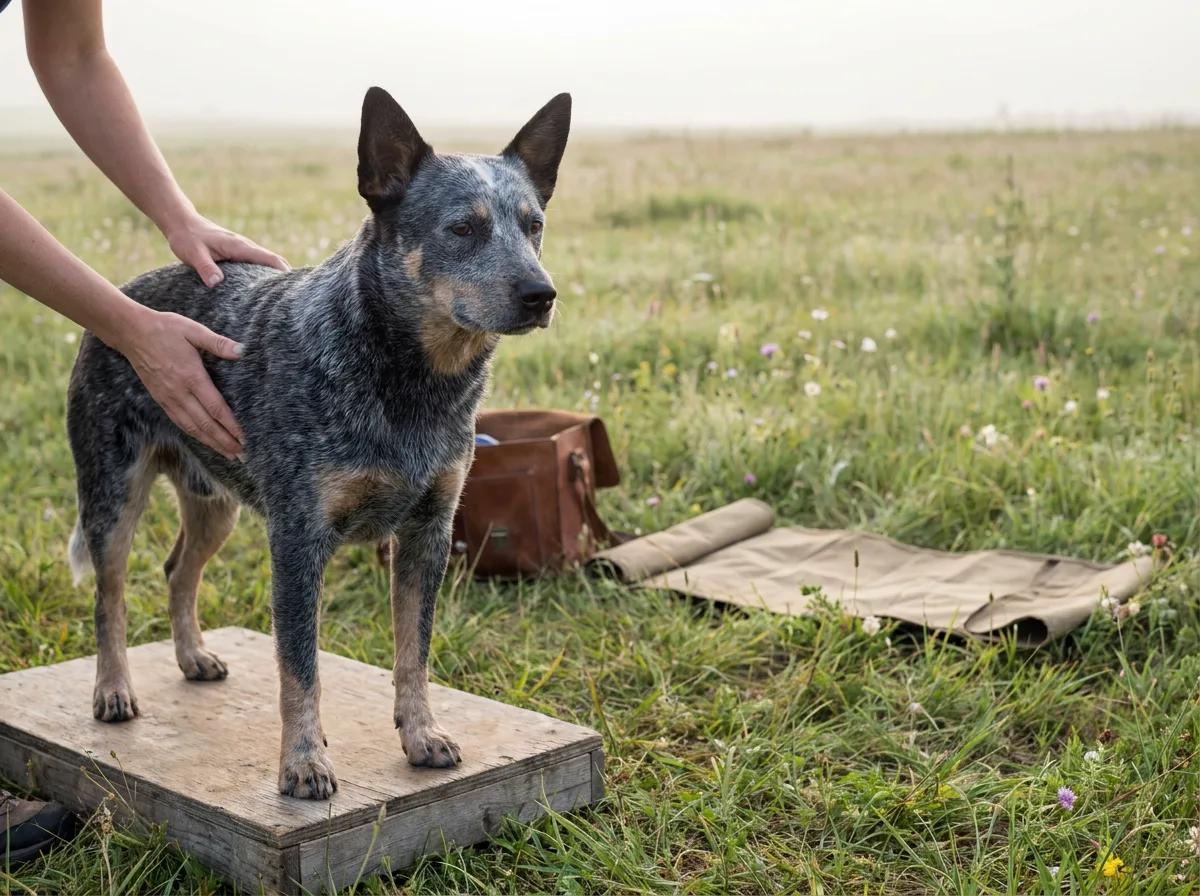
Scale weight, fat cover and muscle condition describe different parts of growth. Feel the ribs and observe the waist using the veterinarian's recommended body-condition system. Watch muscle over the shoulders, spine and hindquarters as activity and maturity change.
A muscular dog can weigh more without excess fat, while a lighter dog can still have poor condition. Set the target from the whole dog and revisit it as development continues.
Nutrition during growth
Feed a complete diet appropriate for growth and follow the product’s feeding guide as a starting point, then adjust with veterinary guidance and body condition. Measure meals rather than estimating by eye, and count training food in the daily total. A slow feeder such as the Outward Hound Fun Feeder makes a measured meal last longer.
Steady growth matters more than reaching a chart number quickly. Use a complete growth diet, measured portions and body-condition checks rather than extra calories intended to increase size. Persistent digestive signs, poor appetite, a stalled trend or rapid unexplained change belongs with the veterinarian.
Exercise and developing joints
Exercise during growth should build coordination and confidence without repetitive impact. Use self-paced exploration, sniffing, short training and play on safe surfaces, then increase duration from gait, enthusiasm and recovery rather than a universal minute rule. Limping, heat stress or next-day stiffness means the plan needs veterinary input. A food-stuffed KONG Classic offers calm, low-impact work between outings.
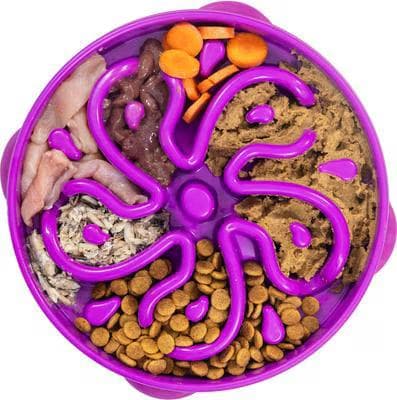
A maze-pattern slow-feeder bowl that makes fast eaters work for each bite, reducing the gulping and swallowed air that trigger regurgitation and vomiting. Holds up to 4 cups.
Petful may earn a commission when you click through to Chewy, at no extra cost to you.
Growing puppies need abundant sleep between short, low-impact activity periods. Protect developing joints from forced running, repeated sharp turns and jumping for distance. Stop activity for limping, weakness, collapse, disorientation or a marked change in normal movement and recovery.
Measure for harnesses, crates and beds
Measure neck, chest girth, back length and standing height according to the product’s instructions. Breed averages are not sizing tools. Check fit while the dog stands, walks, turns and lies down, and recheck a growing puppy often. An adjustable padded harness can follow a growing adolescent through several fittings before the adult size settles.
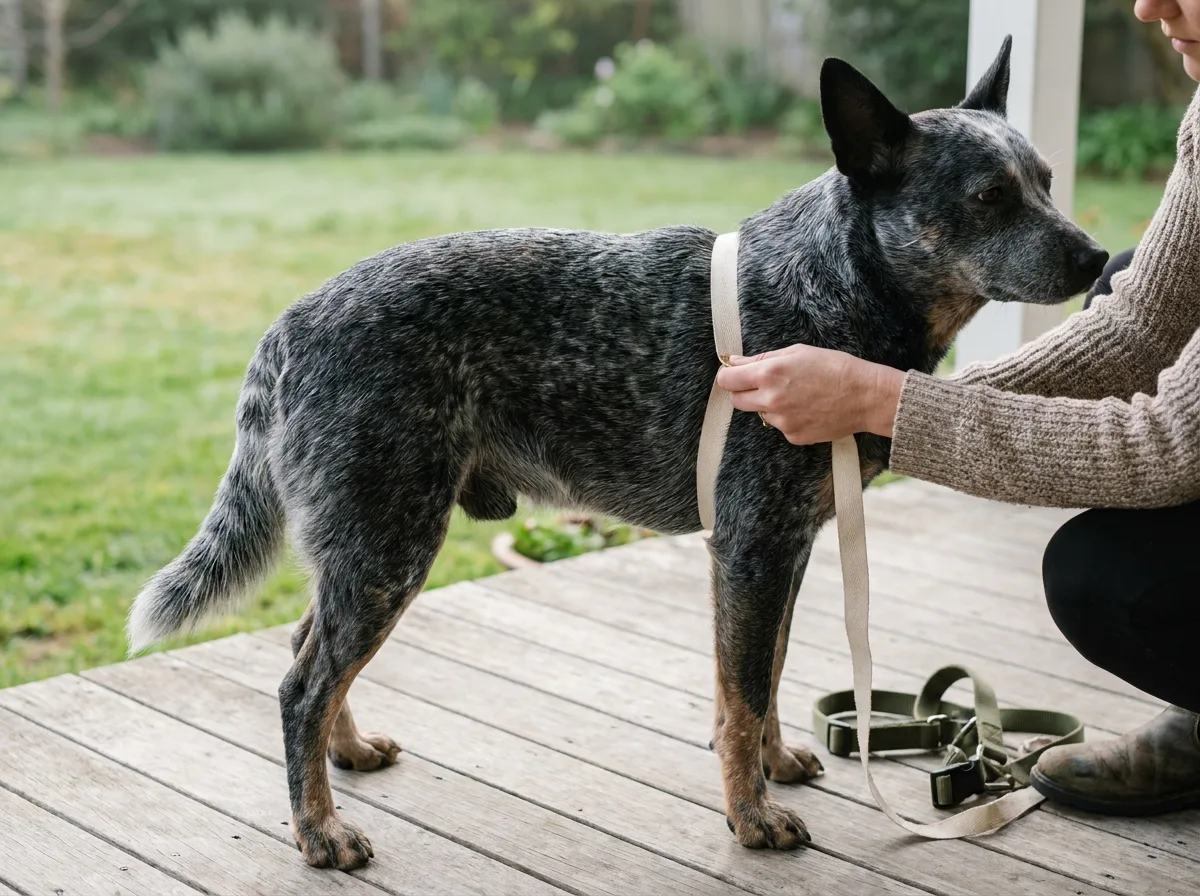
A harness should not rub the armpits or restrict shoulder movement, and a crate should allow comfortable standing, turning and lying down. Keep the manufacturer’s size chart with the date and the dog’s measurements. A bed such as the FurHaven orthopedic sofa bed should be longer than the dog’s relaxed sleeping length.
Replace damaged or outgrown equipment before failure creates an escape or injury risk. WebVet’s dog crate size chart shows how to measure for the next crate.
When a growth or weight change needs veterinary advice
A stalled trend, rapid unexplained gain or loss, poor appetite or persistent digestive signs deserves veterinary review. Record the timing and include food, treats, medications, activity and stool changes.
Do not add calories, supplements or exercise merely to force the chart back toward a percentile.
Pain, disease and feeding errors can affect growth and require different responses. Prompt evaluation matters more than producing a perfectly smooth curve.
Related Australian Cattle Dog guides
The Australian Cattle Dog breed profile explains the shared Blue Heeler, Red Heeler and Queensland Heeler names; this guide uses measured height, weight, frame and body condition to answer size questions.
- Australian Cattle Dog: Temperament, Health and Care
- Australian Cattle Dog Puppies: Care and Training
- Australian Cattle Dog Price and Lifetime Cost
- Australian Cattle Dog Lifespan and Health Problems
- Australian Cattle Dog Colors and Markings
- Australian Cattle Dog Mixes: Traits and Care
- Australian Cattle Dog Temperament and Training
- Do Australian Cattle Dogs Shed? Grooming Guide
Evidence sources
- Australian Cattle Dog Club of America
- American Kennel Club Australian Cattle Dog overview
- Royal Kennel Club Australian Cattle Dog overview
- WSAVA nutrition resources
- WSAVA body condition score resources
- Consistent measurements reveal growth and weight trends.
- Body and muscle condition add context to the scale.
- Age stages show when to recheck equipment and exercise limits.
- Puppy charts cannot promise an adult endpoint.
- A thick coat can hide changes in waist and rib cover.
- Forcing growth through extra food can harm body condition.
Questions readers ask
Adult Australian Cattle Dogs are medium and compact. The breed standard places females at about 17 to 19 inches and males at about 18 to 20 inches at the shoulder, and the AKC lists a typical weight of about 35 to 50 pounds. Healthy weight still depends on frame, muscle and body condition, so use the ranges as context rather than a target.
No. The breed is medium and compact: females stand about 17 to 19 inches and males about 18 to 20 inches at the shoulder, and many adults weigh about 35 to 50 pounds. That is smaller than a Labrador or German Shepherd. The measured dog still matters more than the label when fitting equipment or judging healthy weight.
A Blue Heeler is usually close to adult height at about 12 months; the AKC notes that medium-breed puppies reach adult size around then. Muscle and body shape keep filling in afterward, and most dogs reach emotional maturity between 12 and 18 months. Track height, weight and body condition with a veterinarian instead of treating the first birthday as a hard finish line.
Neither the AKC nor the Australian Cattle Dog Club of America publishes a weight-by-age chart for the breed, so there is no single correct puppy weight at each age. The sourced anchors are an adult weight of about 35 to 50 pounds on the AKC breed overview and the AKC note that medium-breed puppies reach adult size at around 12 months. Between those points, weigh the same puppy on the same scale and pair the trend with height, rib cover, waist and veterinary assessment.
Use a hands-on body-condition check: the ribs should be easy to feel under a light fat cover, a waist should be visible from above and the abdomen should tuck behind the ribs from the side. A thick coat can hide those outlines, so combine touch with same-scale weight trends and a veterinarian’s body-condition score.

Coreen Saito is a pet writer and longtime shelter volunteer with more than a decade in animal rescue. She covers cat behavior, breed care, and the small, ordinary science of sharing a life with companion animals, with a particular focus on honest takes about the products and decisions that actually matter. At home in Arizona, she's outranked by Mac (a dog with the loudest opinion in the house), Rebel (a cat who governs by quiet authority), and Meri (an orange tabby who runs the late shift and the laundry basket). She writes about all three, plus the rescues that keep coming through her life, at LifeWithMinty.com.
Sign up for expert-backed reviews and safety alerts all in one place.