Australian Cattle Dog Colors, Patterns and Markings
Australian Cattle Dog colors are blue or red combinations shaped by speckling, mottling, tan points, masks and patches. Learn recognized color language, puppy coat development and evidence limits.
Petful is reader supported. As an affiliate of platforms like Amazon and Chewy, we may earn a commission when you buy through links on this page. There is no extra cost to you.
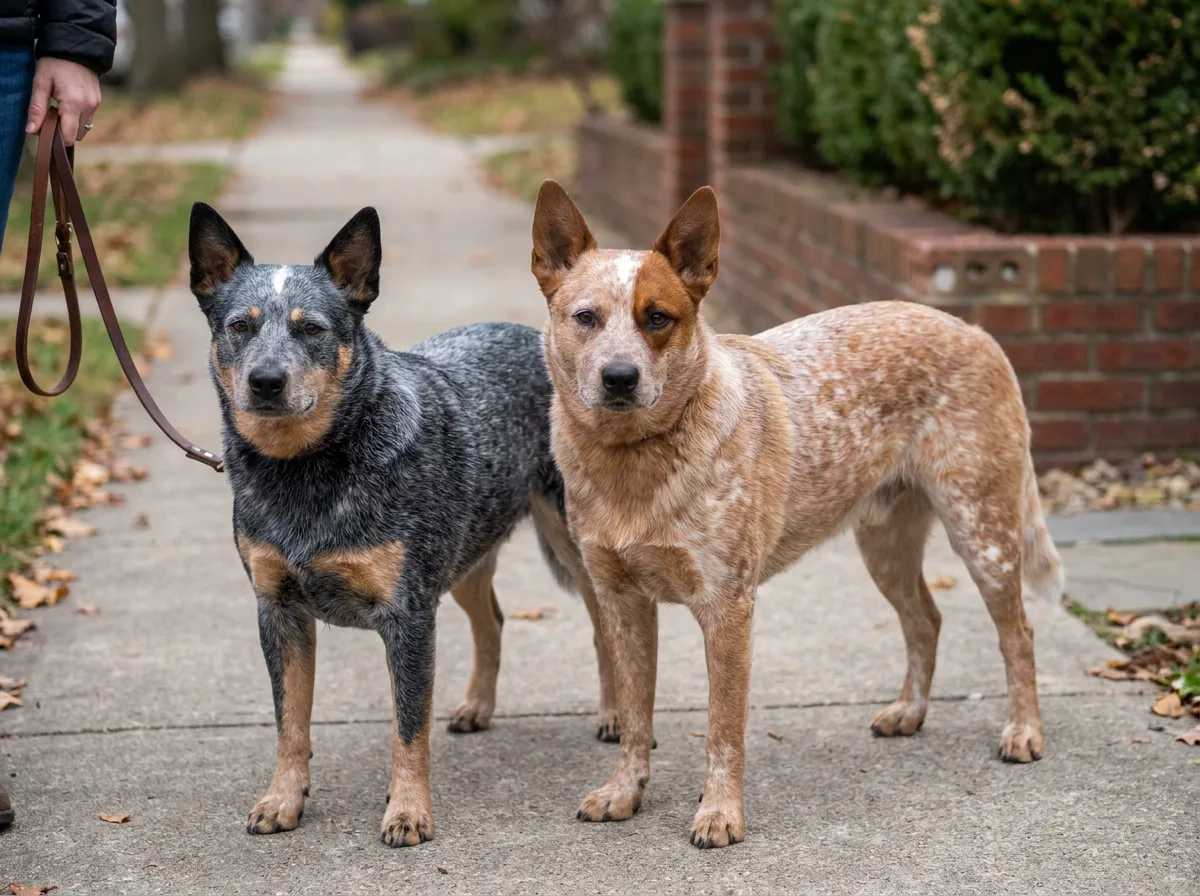
Australian Cattle Dog colors are blue or red combinations shaped by speckling, mottling, tan points, masks and patches. Blue Heelers and Red Heelers are the same breed; the names describe familiar color usage, not separate dogs with predictable behavior or health.
This guide explains recognized color language, puppy coat development and honest visual description. The breed profile covers the shared Australian Cattle Dog identity behind those names. A DNA test such as Embark Breed + Health can confirm ancestry and screen inherited health variants, but the visible coat still needs plain description.

Sign up for expert-backed reviews and safety alerts all in one place.
Australian Cattle Dog colors at a glance
The AKC registers five Australian Cattle Dog colors: blue, blue mottled, blue speckled, red mottled and red speckled, with black and tan, tan or red markings. The breed standard groups them as blue and red speckle, and puppies are born white before the color comes in.
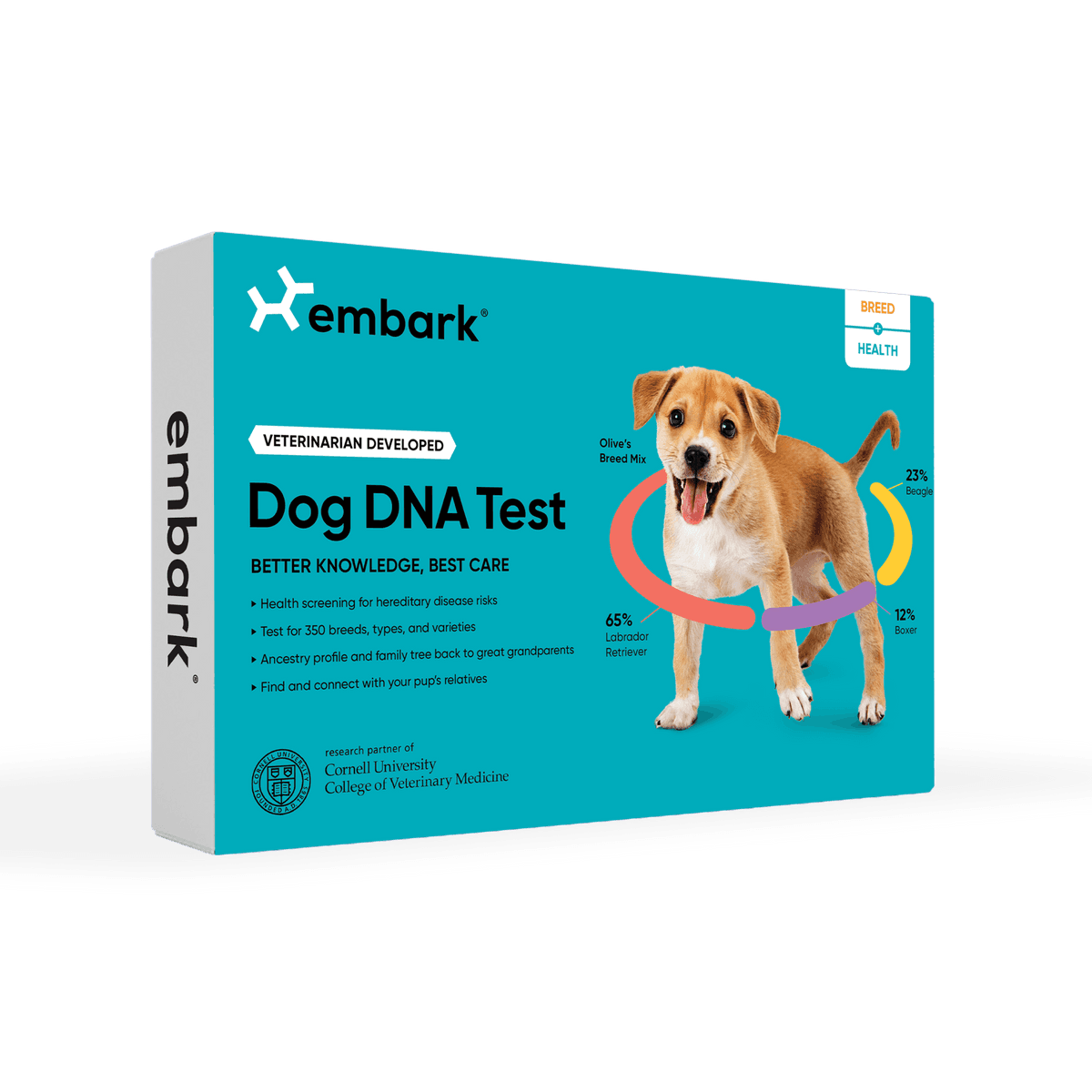
Petful may earn a commission when you click through to Embark, at no extra cost to you.
- 1Australian Cattle Dog colors are blue or red combinations shaped by speckling, mottling, tan points, masks and patches. Blue Heeler and Red Heeler describe familiar color language within the same breed.
- 2Rarity language, camera color and one cropped photograph cannot prove ancestry, quality, health or temperament.
- 3Describe what is visible, verify what is recorded and keep health questions separate from appearance.
| Registry color | What it looks like | Markings the standard allows |
|---|---|---|
| Blue | Black and white hairs mixed so the body reads blue-gray | Black, blue or tan on the head; tan on forelegs, chest, throat, jaws and inner hind legs |
| Blue mottled | Blue with larger, uneven areas of darker and lighter color | Same as blue; black body markings are not desirable |
| Blue speckled | Blue with fine, evenly spread flecks of color | Same as blue; tan undercoat allowed if it does not show through |
| Red speckled | Even red speckle all over, with a red undercoat rather than white or cream | Darker red markings on the head; red body patches permitted but not desirable |
| Red mottled | Red with larger, uneven areas of color | Darker red markings on the head |
| Not in the standard | Liver, chocolate, lilac or a solid red coat | Liver, chocolate and lilac are faulted severely and solid red is incorrect, per the breed club color guide |
Use the table as an Australian Cattle Dog color chart: describe the coat in neutral light, compare it with the registry wording and keep ancestry, hearing, health and temperament claims tied to their own evidence. A photograph or rarity label cannot answer all of those questions.
- Blue Heeler and Red Heeler describe blue and red Australian Cattle Dogs, not separate breeds.
Blue, blue mottled and blue speckled coats
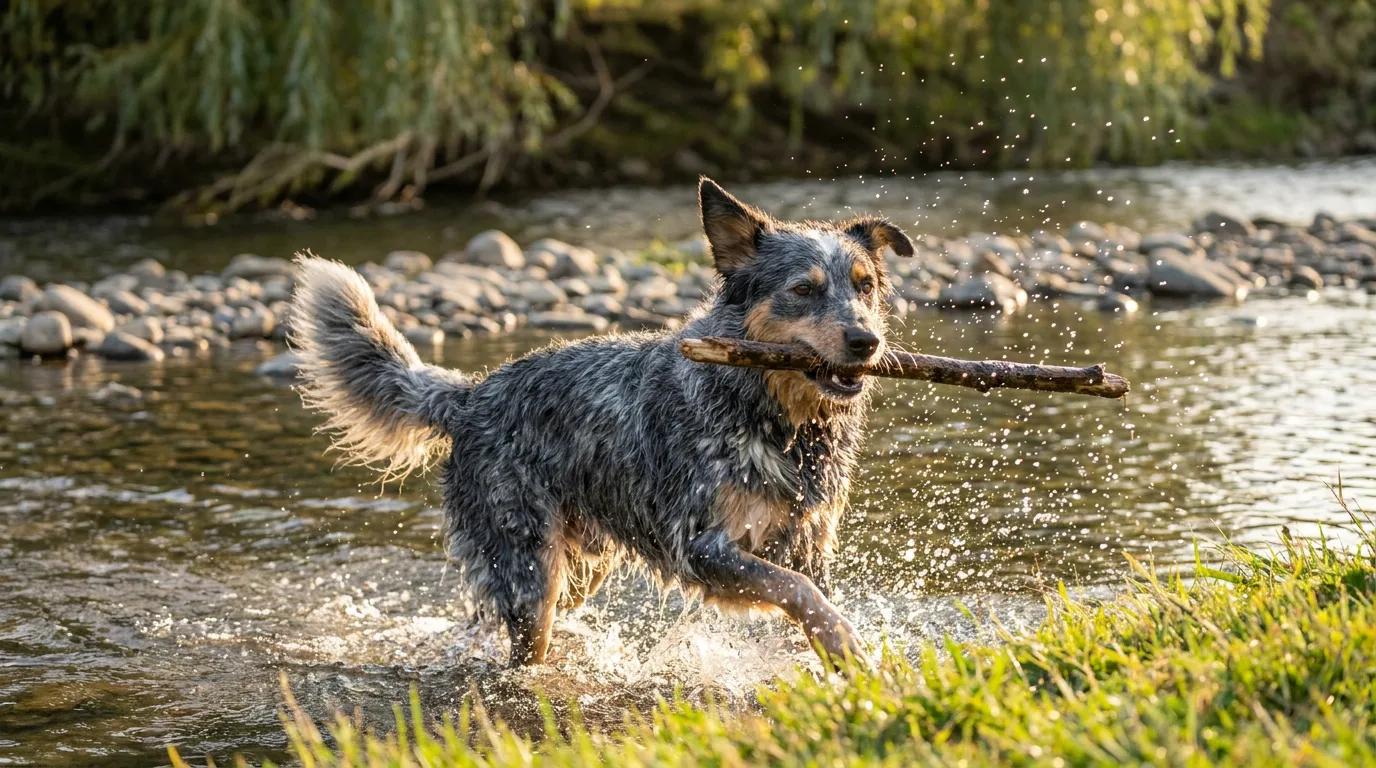
Blue coats combine black and white hairs so the body can read as blue-gray, with mottling or speckling changing how evenly the color appears. Black patches and tan points may also be present. Describe each visible feature instead of forcing the dog into one marketing label. Lighting, wet coat and image processing can shift apparent shade. Use neutral daylight and the whole dog.
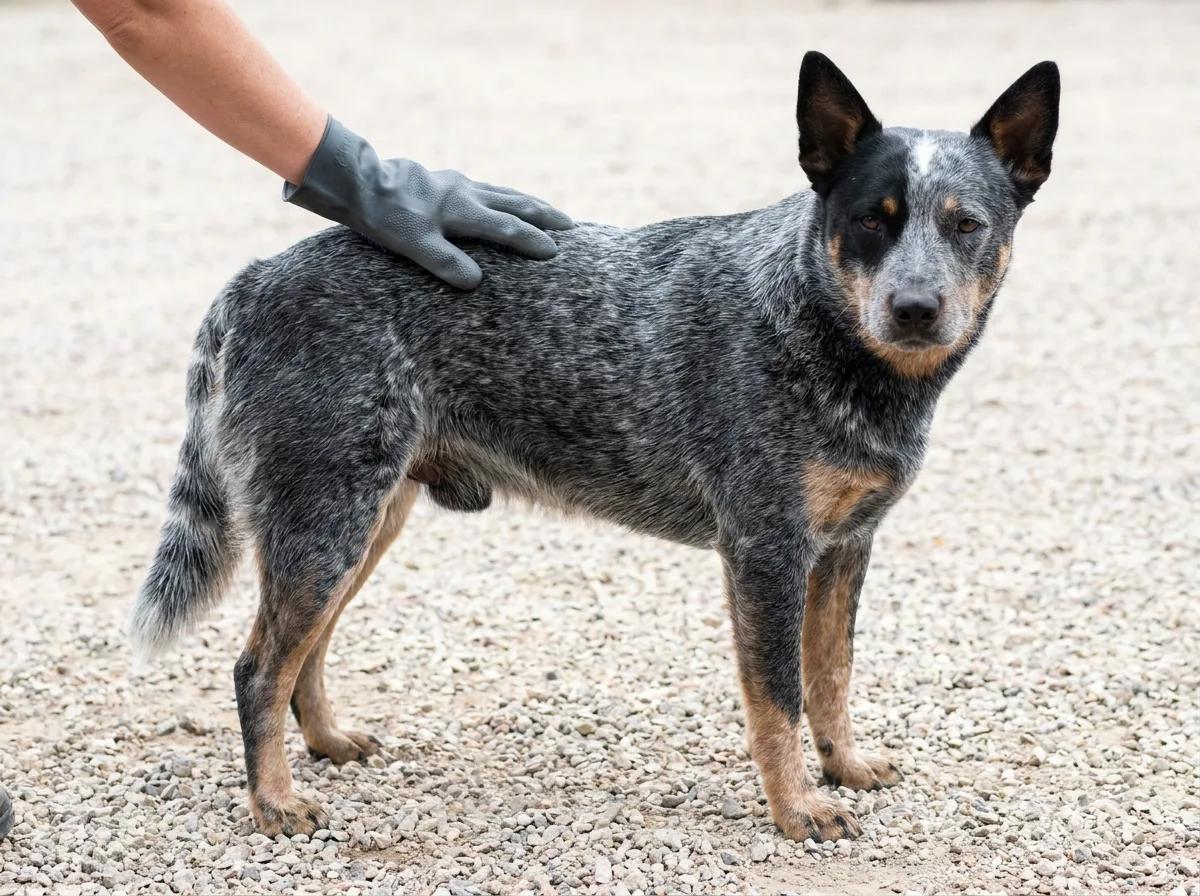
Blue Heeler is familiar color language for an Australian Cattle Dog, not a separate breed. Coat shade does not predict working drive, friendliness or health.
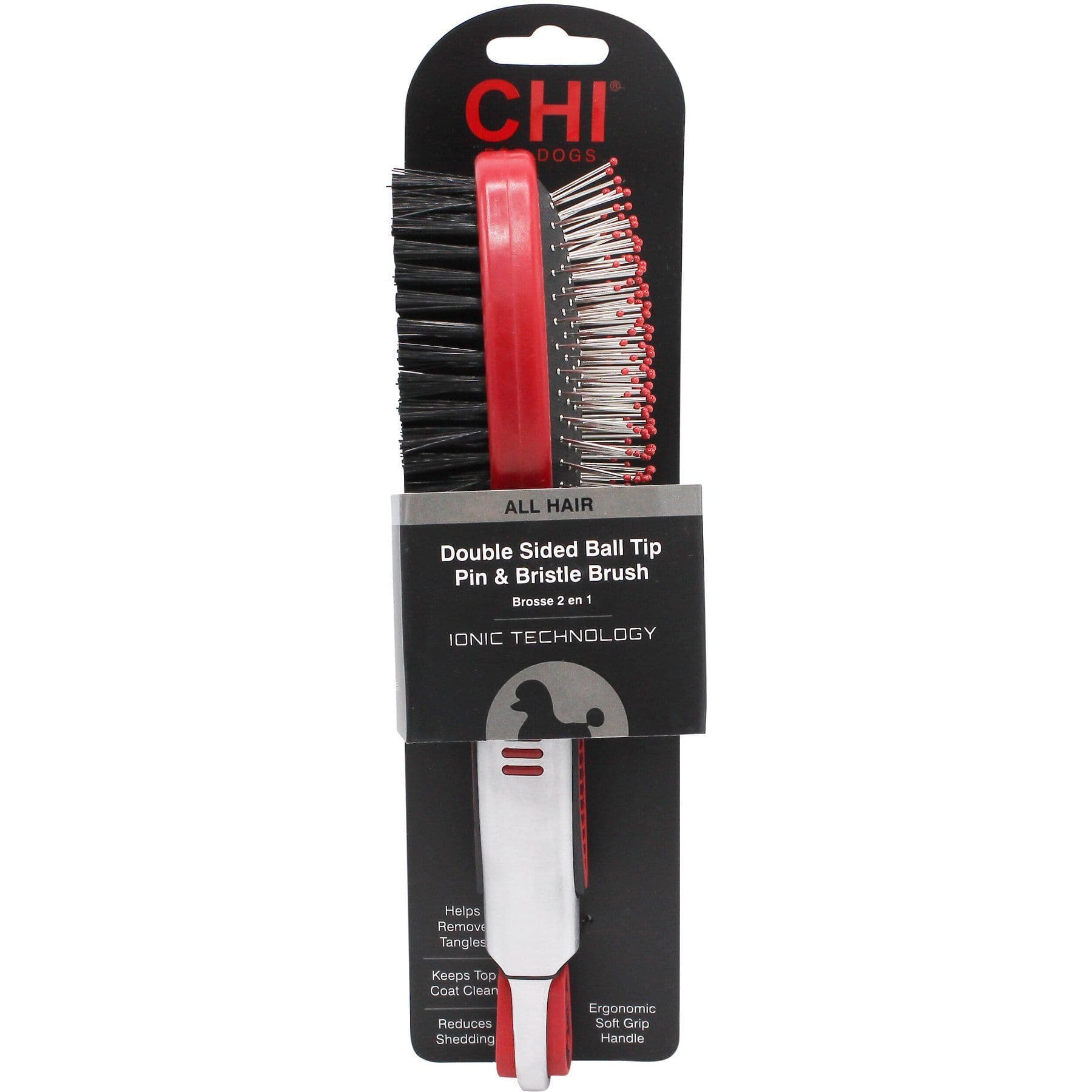
Ball-tip nylon pins work through tangles on one side while bristles smooth the coat and lift loose hair on the other. Ergonomic grip, with CHI ionic technology to reduce static.
Petful may earn a commission when you click through to Chewy, at no extra cost to you.
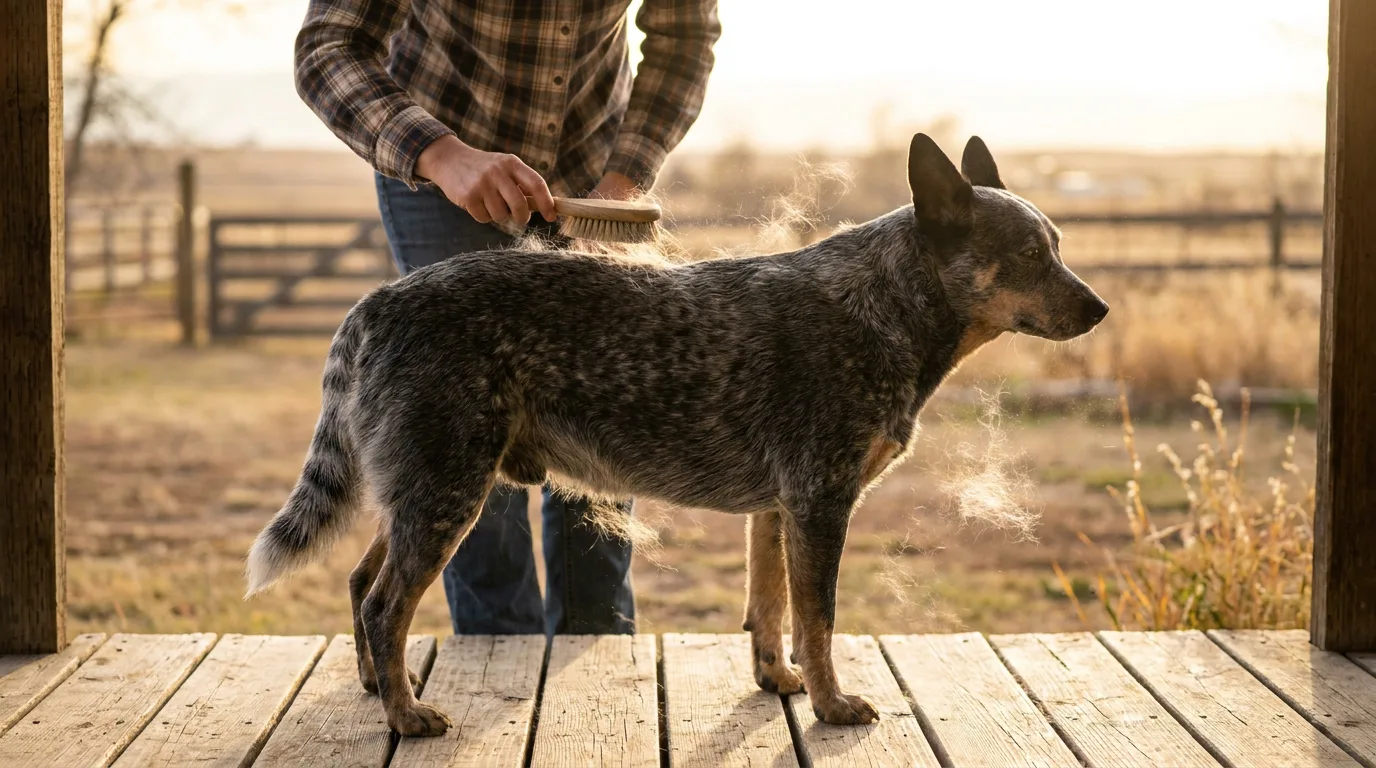
A rubber grooming glove such as the Four Paws Magic Coat lifts loose surface hair, so the true blue shade shows in daylight. Use gentle strokes so irritated skin does not confuse the visual record.
Red speckled coats and Red Heeler language
Red Heeler describes the red-speckled presentation of an Australian Cattle Dog, not a separate breed or a dependable signal of temperament, working ability or health.
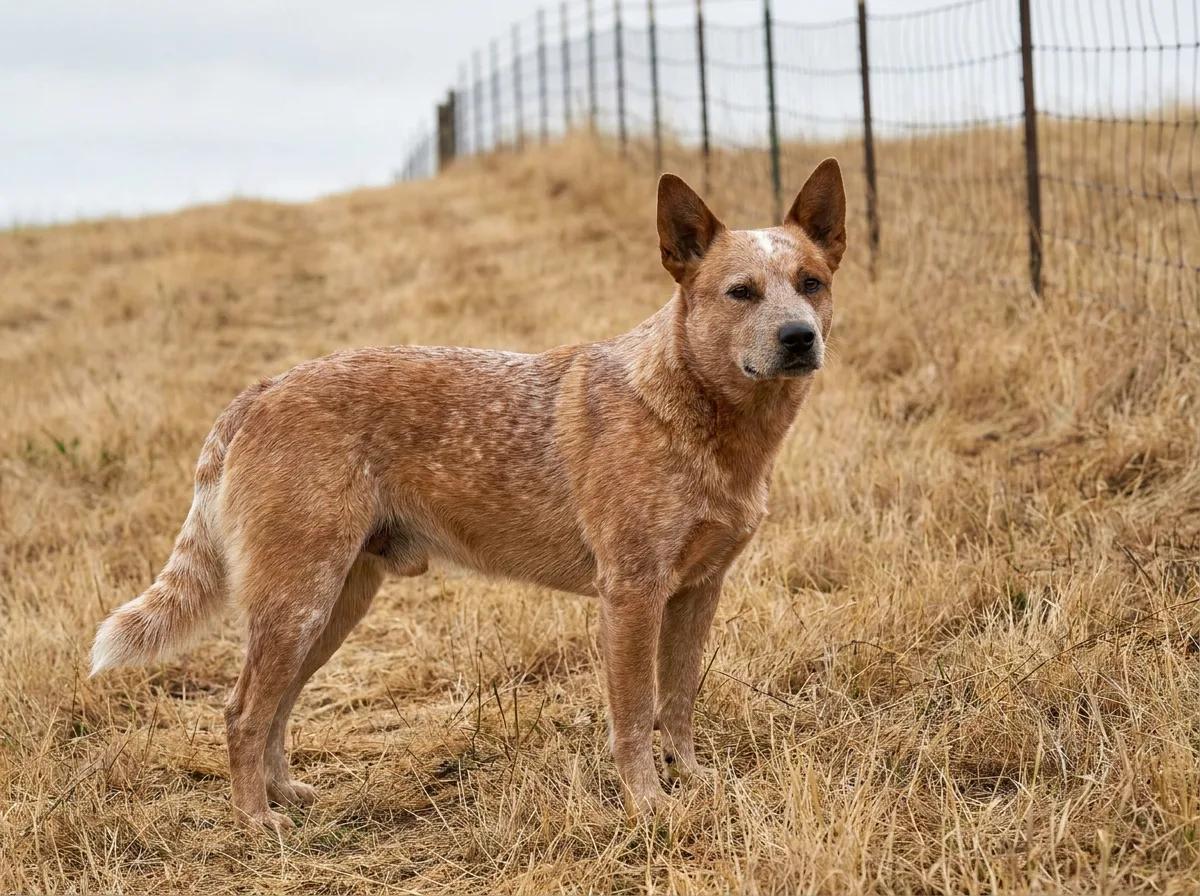
Red speckling comes from red hairs distributed through a lighter background, sometimes with darker red patches or a mask.
The amount and distribution of red can change how a dog photographs without changing breed identity. Compare registry wording with the actual dog rather than accepting a rare-color sales phrase. Brushing out loose undercoat with a slicker brush such as the Frisco Slicker Dog Brush before a photo keeps shed hair from dulling the red.
Red color should never substitute for parent identity, hearing information or other health records.
Tan points, masks and body patches
Tan commonly appears on the face, chest and legs, while a mask or solid head patch creates a separate identification feature. Describe left and right from the dog's perspective and distinguish a head marking from the speckled body coat. Use a full-body photograph for distribution and a close photograph for the individual hairs.
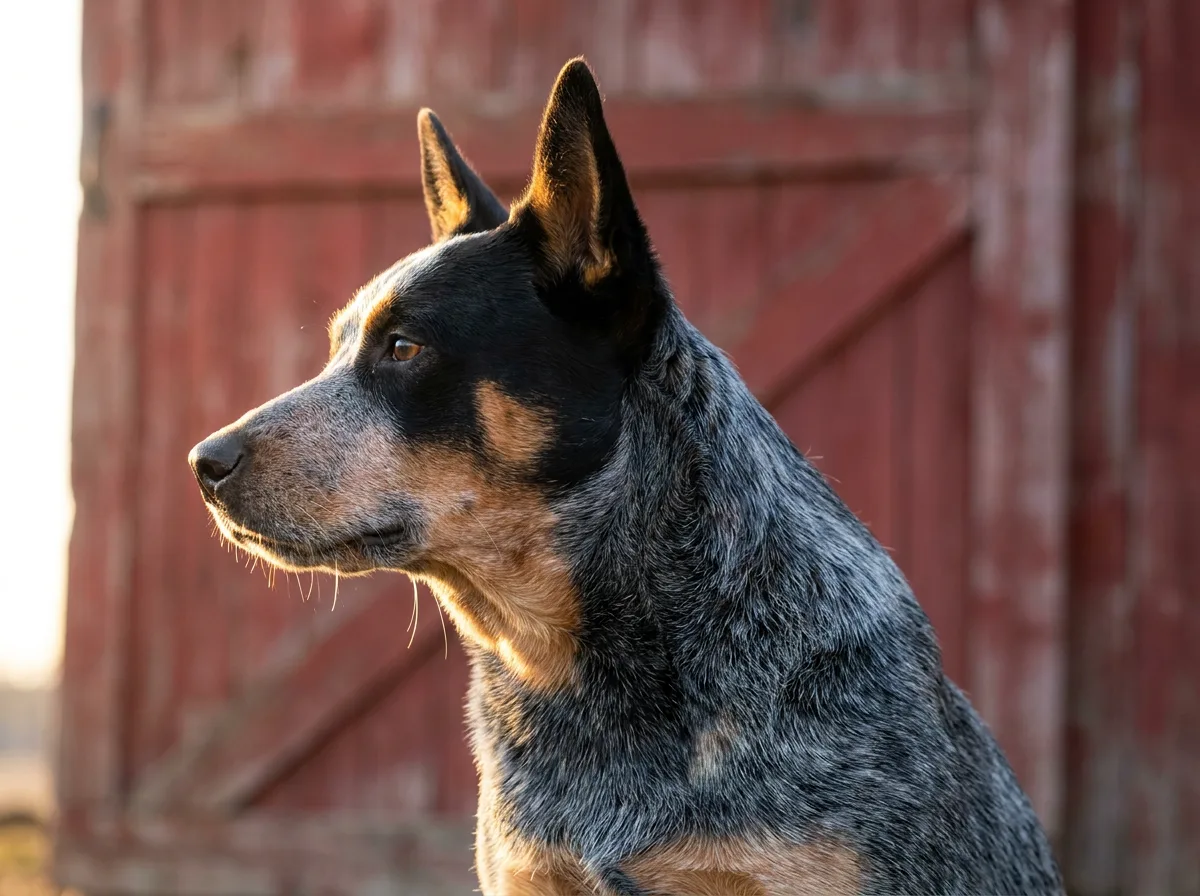
Symmetry or a dramatic mask is visual information, not evidence of health or working ability. Record stable markings alongside microchip identity rather than relying on color alone. A personalized collar such as the GoTags Nylon Personalized Dog Collar keeps a phone number on the dog alongside the microchip.
How ticking, mottling and speckling differ
Speckling describes fine intermingled colored hairs, while mottling describes larger or less even areas of color through the coat. Speckling sits in the hair rather than the skin; WebVet’s guide to black spots on dog skin explains pigment changes in the skin itself.
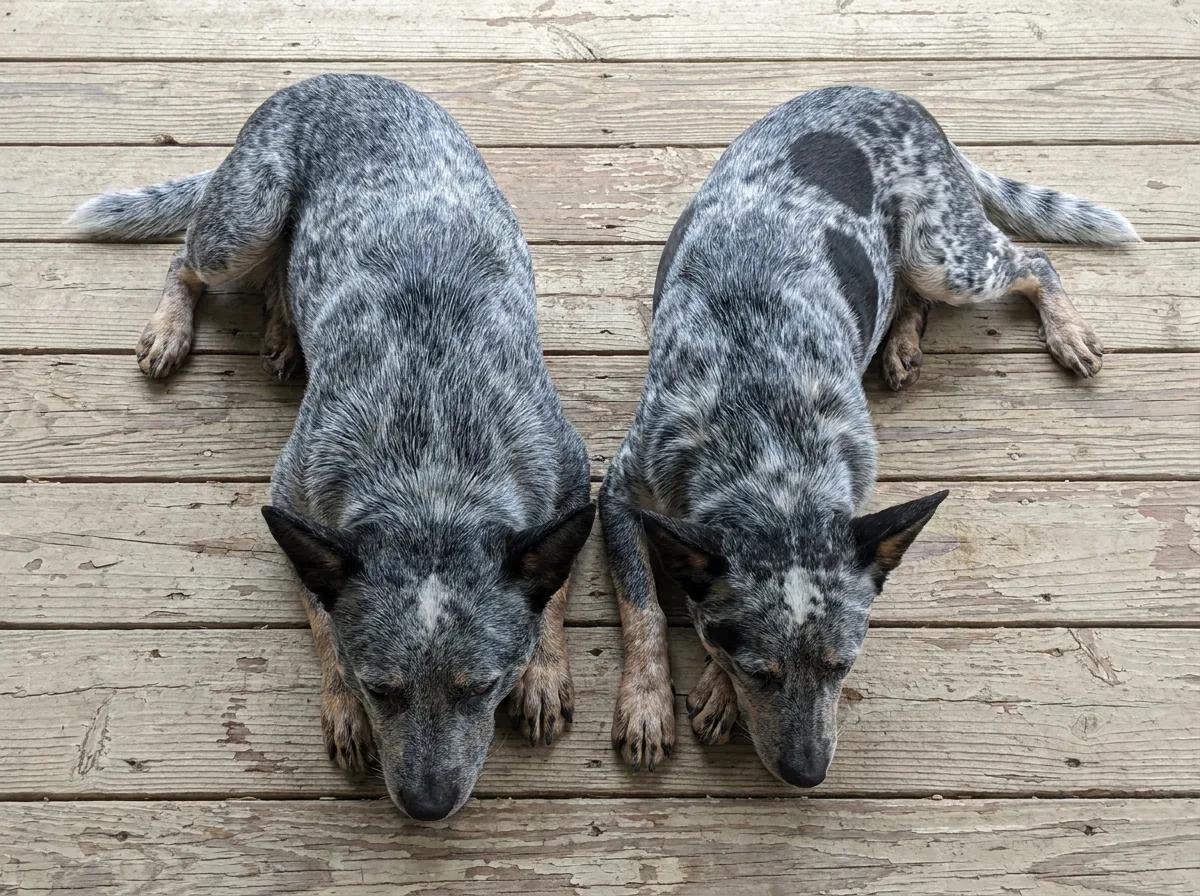
Ticking is a broader canine term that may be used inconsistently outside the breed standard. Look closely at dry hair in neutral light before choosing a word. A curry brush such as the Frisco Bone Dog Curry Brush lifts dead hair so the pattern underneath is easier to read.
Quote a registry's own term when registration is the question and use plain visual description for a photograph. Do not invent a rare-color category from everyday vocabulary.
Why many puppies are born mostly white
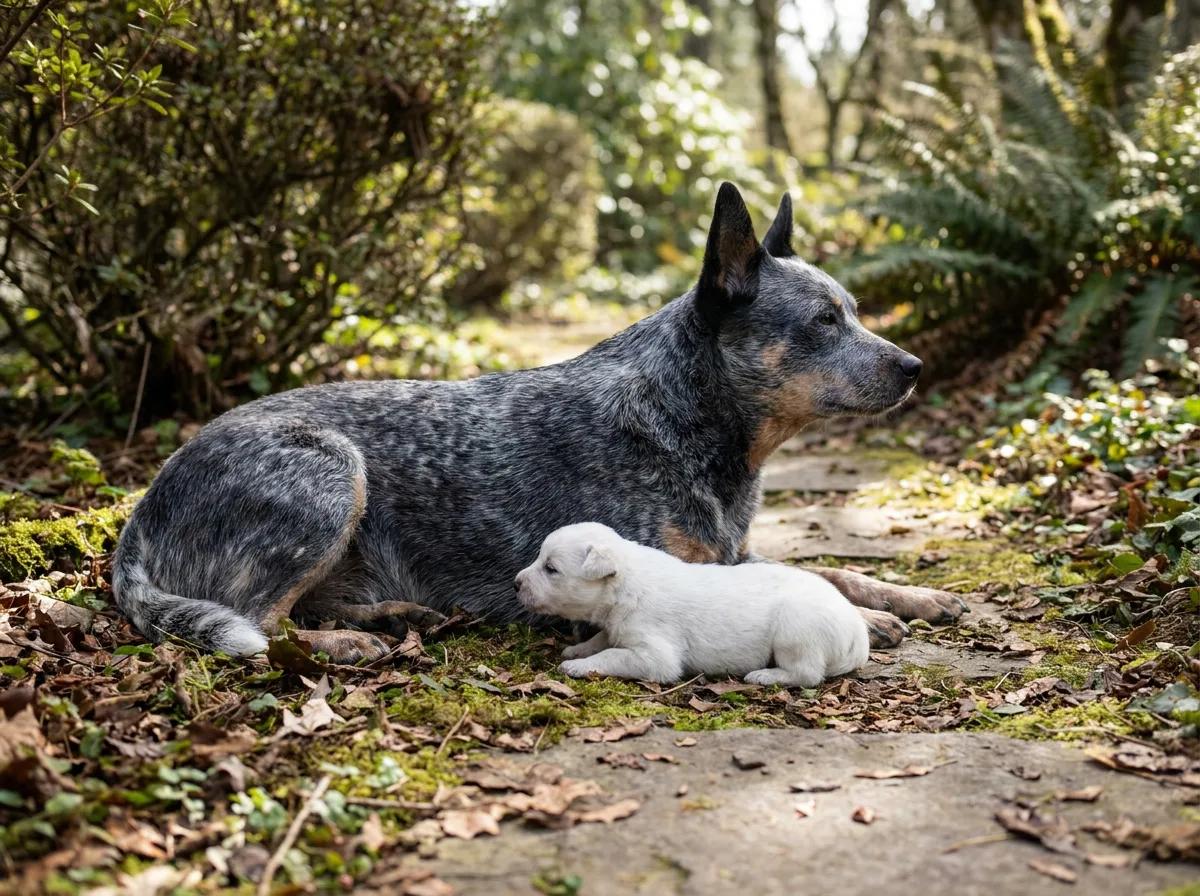
Australian Cattle Dog puppies are commonly born mostly white because the distributed colored hairs that create the adult blue or red appearance are not yet visible across the newborn coat. Head or body patches may already be apparent. The Australian Cattle Dog Club of America notes that the blue or red pattern develops in the white areas over the first few weeks after birth, and it keeps filling in over several months. Blue appearance comes from dark and white hairs mixed through the coat, while red appearance comes from red and white hairs. The puppy is not changing into a different breed.
Dated photographs show whether the developing speckling, mottling, masks and patches are becoming easier to describe. Photograph the same side and head view in neutral light, and record the age so changes can be compared without relying on memory. Brushing with a bristle brush during these early coat changes also gets the puppy used to grooming. Hair loss, inflamed skin or a sudden patch unrelated to normal coat development belongs with a veterinarian, not a color prediction.
Parting the coat with a fine flea comb helps check the edge of a mask, patch or tan point. Comb in the direction of growth; a grooming result is not evidence of ancestry, hearing or health.
Breed standard language versus visual description
A breed standard defines the terminology and traits used by that registry, while a visual description records what appears in one dog. The standard should be cited by organization because wording can differ across registries. A photograph can be affected by age, light, wet coat and camera processing.

Petful may earn a commission when you click through to Chewy, at no extra cost to you.
Neither source establishes hearing, parentage or temperament without the relevant records and tests. Use both for their proper purpose instead of forcing one to answer every question.
Read an Australian Cattle Dog coat description step by step
Start with the base impression, blue or red, then describe distribution without inventing a rare-color label. For a blue dog, note whether the body appears evenly speckled, more broadly mottled or darker because black hair is distributed through the white coat. For a red dog, note the red speckling across the body and whether the head carries solid red patches. Describe tan on the face, chest and legs separately from the blue body pattern.
Next record markings that help identify the individual: a mask over one or both eyes, a head patch, tail markings and any visible body patch. Use left and right from the dog's perspective. A close view of the hairs is more reliable than a distant photograph for separating fine speckling from larger mottled areas, while a full-body view shows distribution. Do not infer a registration term from a filter, dramatic indoor light or a puppy coat that is still changing.
Finish with what the description cannot establish. Coat language does not prove parentage, registered identity, temperament, hearing status or breeding quality. Match a dog to identity-linked records and use appropriate health testing for health questions. If a seller promotes an unusual label, ask which registry term is being used and compare the written description with the breed standard rather than paying for the word alone.
Photograph and record a coat accurately
Use indirect daylight or open shade and turn off beauty filters, portrait blur and automatic color effects when possible. Photograph the dog standing from both sides, from the front and from behind, then add closer views of the face, shoulders, body hair and any distinctive patch. Place a neutral gray, white or familiar object near the dog only if it can be done without distracting or frightening the dog. A few small training treats such as Zuke’s Mini Naturals help hold a stand while you move around the dog.
Save the original files with the date, approximate age and lighting conditions. Puppy coats can change rapidly, so a monthly series taken from similar distance is more useful than trying to remember when speckling appeared. If photographs are being used for identification, include stable non-color details such as scars, ear shape and microchip information in the written record, because coat appearance alone is not secure identification.
Petful may earn a commission when you click through to Chewy, at no extra cost to you.
Color also looks different when the coat is wet, dirty, sunlit or shedding heavily. State those conditions in a caption. A photograph intended to show a skin lesion should include a wide context view and a close view, but color documentation should never delay veterinary care for pain, swelling, discharge, rapid spread or other concerning signs. Bathe a dirty coat with a dog shampoo such as TropiClean Papaya & Coconut and dry it fully before judging color.
Separate color facts from health claims
Congenital deafness is a recognized Australian Cattle Dog health concern, but a visible coat pattern cannot tell a buyer whether one puppy hears normally in both ears. Ask whether a BAER test was performed, which dog the result identifies and whether the report covers both ears. Startle, clapping and following littermates are not equivalent tests, especially when a puppy can compensate with one hearing ear.
The same boundary applies to eye, joint and DNA claims. A red or blue coat does not substitute for the relevant screening, and a normal screening result does not make every future health issue impossible. Keep the question and evidence matched: registry and pedigree records for identity, BAER for auditory pathway response, veterinary eye examination or relevant genetic testing for named eye concerns, and clinical assessment for the dog in front of you.
Avoid claims that a color is automatically calmer, more trainable, more valuable or better suited to work. Those claims turn a visible feature into a promise it cannot support. Temperament should be assessed through history and observation, and a purchase decision should include the raising environment, verified records, contract, return support and independent veterinary plan.
Describe color without turning it into a sales claim
A neutral listing can say which accepted color description best fits the dog, where the mask or patches appear and how old the dog was when photographed. It should not imply that a deeper red, darker blue or symmetrical mask makes the dog healthier, rarer in a way that guarantees value or more capable of work. If registration matters, quote the term on the actual record and identify the issuing registry.
For a puppy, explain that body color is still developing and pair current photographs with parent and litter context. Keep health screening, veterinary findings and temperament observations in their own sections. This lets a buyer enjoy the visible coat while making the consequential decision from evidence that can actually answer it.
Write down the date and source of every term used. If a registry record, breeder description and photograph appear to disagree, ask the issuing registry or breed club how its terminology applies rather than silently rewriting the dog. Clear labels are useful only when the underlying identity remains traceable. Preserve original photographs and records so later coat changes can be compared with the same dog, not with memory. Avoid editing color balance on identification images or cropping away distinctive markings. Retain the uncropped original.
Related Australian Cattle Dog guides
The Australian Cattle Dog breed profile explains the breed behind the Blue Heeler, Red Heeler and Queensland Heeler names; this guide identifies visible coat color, ticking and markings.
- Australian Cattle Dog: Temperament, Health and Care
- Australian Cattle Dog Puppies: Care and Training
- Australian Cattle Dog Price and Lifetime Cost
- Australian Cattle Dog Lifespan and Health Problems
- Australian Cattle Dog Mixes: Traits and Care
- Australian Cattle Dog Size, Weight and Growth
- Australian Cattle Dog Temperament and Training
- Do Australian Cattle Dogs Shed? Grooming Guide
Evidence sources
- ACDCA coat color and pattern guide
- Australian Cattle Dog Club of America
- American Kennel Club Australian Cattle Dog overview
- Royal Kennel Club Australian Cattle Dog overview
- Orthopedic Foundation for Animals CHIC program
- Standard terms make coat descriptions easier to compare.
- Five registered colors keep descriptions simple and checkable.
- Dated photos can document puppy coat development.
- Lighting and camera processing can distort color.
- Rare-color marketing does not prove value or health.
- Coat appearance cannot diagnose hearing or establish ancestry.
Questions readers ask
The breed standards do not define a rare-color category. The AKC registers blue, blue mottled, blue speckled, red mottled and red speckled, and the breed club faults colors outside the standard, such as liver, chocolate, lilac or solid red. A seller promoting a rare color is describing a fault or a marketing label, not a more valuable dog, so check the registry term and the dog’s records.
If Aussie means Australian Cattle Dog, the breed standard does not name a single rarest color; it describes blue and red coats with permitted mottling, speckling and markings. If Aussie means Australian Shepherd, that is a different breed with its own color terms, such as blue merle and red merle, which should not be applied to a cattle dog record.
Australian Cattle Dogs come in blue or red. The AKC registration colors are blue, blue mottled, blue speckled, red mottled and red speckled, and markings may be black and tan, tan or red on the head, legs and chest. Mottling describes larger patches of color, while speckling describes fine, even flecks through the coat.
A Blue Heeler’s coat color is called blue. The AKC registers three blue options: blue, blue mottled and blue speckled. The blue-gray look comes from black and white hairs mixed through the coat, and the breed standard allows black, blue or tan markings on the head with tan on the forelegs, chest and throat.
There is one Australian Cattle Dog breed with two color groups, blue and red; Blue Heeler and Red Heeler are color names, not types. A separate breed, the Australian Stumpy Tail Cattle Dog, is sometimes confused with it, and the AKC lists the Stumpy Tail on its own in the Foundation Stock Service rather than as a variety of the Australian Cattle Dog.
Yes. Blue Heelers and Red Heelers are both Australian Cattle Dogs; the names refer to familiar blue and red coat-color usage. They do not identify separate breeds or separate temperament, size or health types, and a litter can include both colors.
Australian Cattle Dog puppies are commonly born mostly white because the pigmented hairs that create the adult blue or red appearance are not yet visible across the newborn coat. The breed club notes that the pattern develops in the white areas over the first few weeks after birth, and speckling or mottling keeps filling in for months. Early head or body patches may already show.
No. Blue or red color does not predict temperament, working ability or overall health. Use direct behavior observations for temperament, BAER testing for hearing, an eye exam or the relevant DNA test for named eye concerns and a veterinary examination for the individual dog.

Coreen Saito is a pet writer and longtime shelter volunteer with more than a decade in animal rescue. She covers cat behavior, breed care, and the small, ordinary science of sharing a life with companion animals, with a particular focus on honest takes about the products and decisions that actually matter. At home in Arizona, she's outranked by Mac (a dog with the loudest opinion in the house), Rebel (a cat who governs by quiet authority), and Meri (an orange tabby who runs the late shift and the laundry basket). She writes about all three, plus the rescues that keep coming through her life, at LifeWithMinty.com.
Sign up for expert-backed reviews and safety alerts all in one place.