Can Dogs Eat Hot Dogs? A Detailed Explanation
It looks harmless off the grill, but can dogs eat hot dogs safely? We break down the sodium, nitrate, and choking risks, plus exactly how much is too much by dog size.


Veterinarian · BVMS, MRCVS
Petful is reader supported. As an affiliate of platforms like Amazon and Chewy, we may earn a commission when you buy through links on this page. There is no extra cost to you.
- 1No, dogs should not eat hot dogs, as they are highly processed and loaded with unhealthy fats, salt, and additives.
- 2Some hot dogs contain toxic ingredients like garlic and onion powder, which can cause serious health issues.
- 3Even plain hot dogs pose choking hazards and digestive risks, making them a poor choice compared to healthier, dog-friendly treats.

Sign up for expert-backed reviews and safety alerts all in one place.
Can Dogs Eat Hot Dogs?
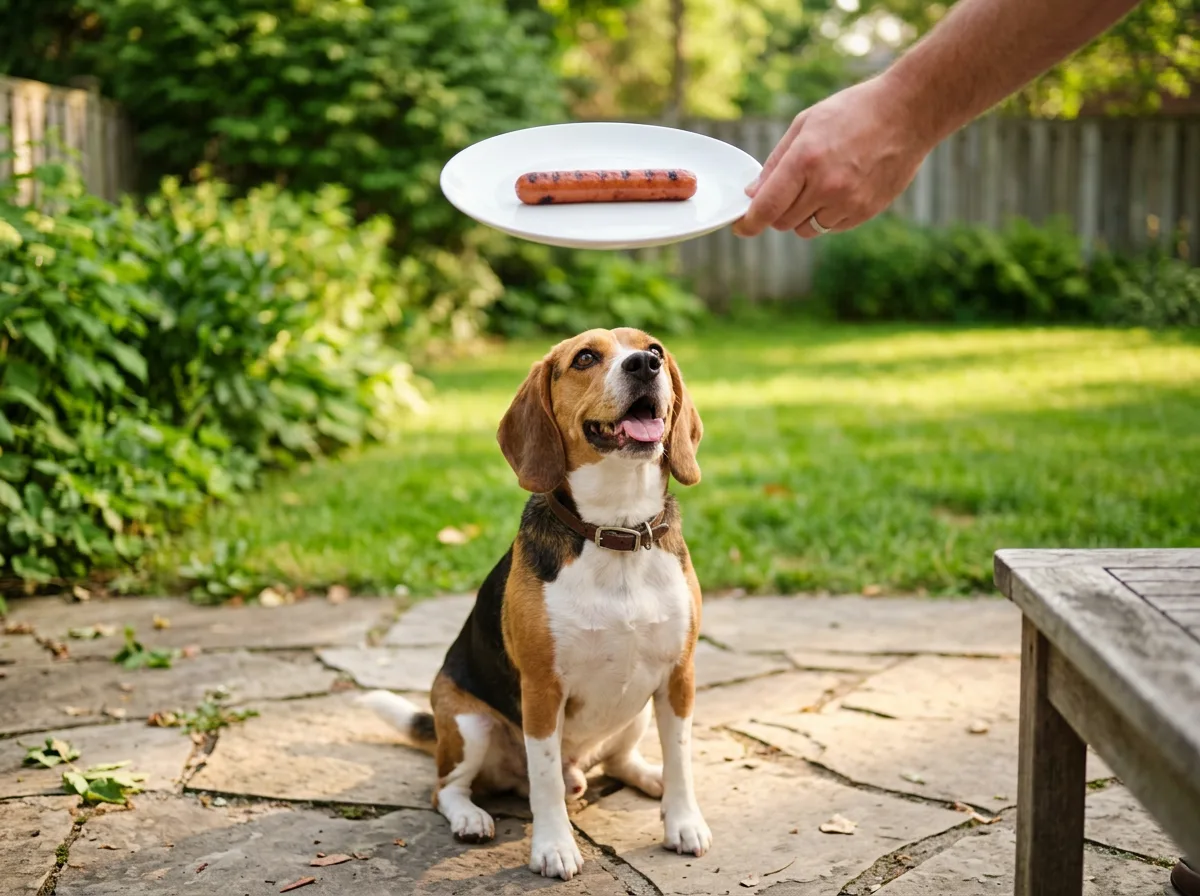
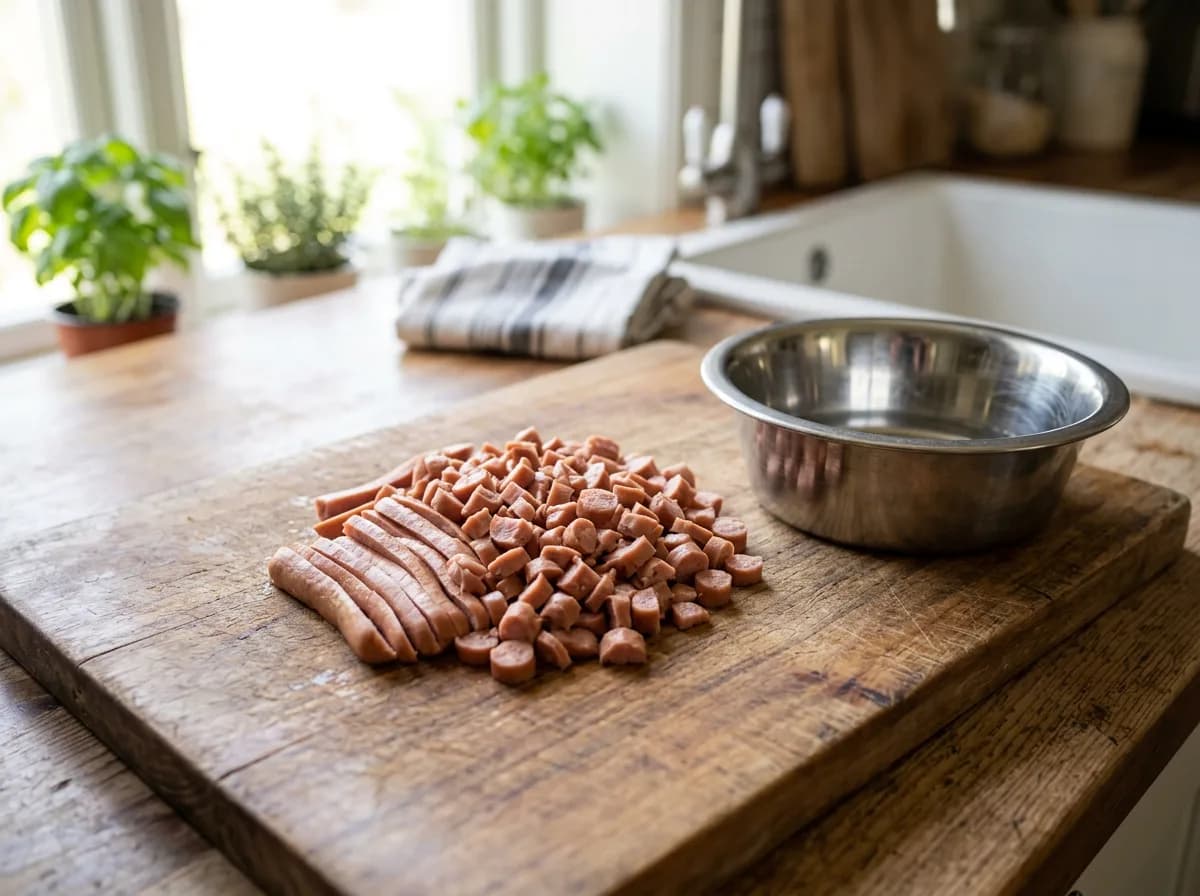
Can dogs eat hot dogs? Only in moderation, and only plain. PetMD and the AKC both warn that one hot dog can pack over 500 mg of sodium, more than twice the roughly 200 mg a 33-pound dog needs in a whole day, and the fat in a frank can upset the stomach. Cut any piece small (lengthwise first, never into round coins), and skip the toppings, the bun, and any garlic or onion.
A meal of choice at any barbeque or sporting event, hot dogs are extremely popular amongst humans. Since we like them so much, pet owners often wonder, can dogs eat hot dogs? When it comes to your pup, it's crucial to consider their health and safety before sharing some of our favourite snacks with them, and so you’ll want to know what kind of risks are associated with feeding hot dogs to your furry friend. Thus, while dogs can technically eat hot dogs, it is not recommended, and there are several important health factors to consider before offering them to your dog.
Are Hot Dogs Bad for Dogs?
Hot dogs are highly processed and usually contain a mix of different meats, seasonings, preservatives, and other additives that are not good for dogs. Some hot dogs may even contain seasonings that are toxic to dogs, like onion powder or garlic powder. Moreover, they are also high in salt, which is bad for dogs, especially if consumed in large amounts. Eating too much of foods that are high in sodium can lead to possible dehydration or other health issues. Similarly, foods high in fats, like hot dogs, can contribute to obesity and related health problems. Here are some other health concerns to consider:
- Choking Hazard: Hot dogs' shape and size can be a choking hazard, especially for small dogs or dogs that like to gulp their food down without chewing properly.
- Digestive Issues: Hot dogs can lead to gastrointestinal upset, like vomiting and diarrhea. In some cases, it can also trigger pancreatitis, a serious condition that requires immediate veterinary attention.
- Toxic Ingredients: Some hot dogs may include onion and garlic powder, which are toxic to dogs and can lead to severe health complications if ingested in large amounts.
- Preservatives: Many hot dogs contain additives and preservatives, such as sodium nitrate, which can be harmful to dogs and could potentially lead to a higher risk of various diseases.
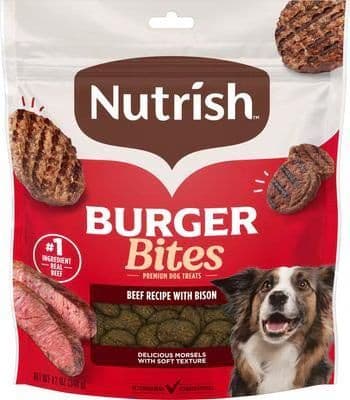
Soft, real-beef burger bites with bison, grain-free and sized for occasional training-treat sharing.
Petful may earn a commission when you click through to Chewy, at no extra cost to you.
How Much Hot Dog Can a Dog Eat?
Ideally, a dog should not eat hot dogs at all. Given these aforementioned considerations, if you decide to give your dog a hot dog, it should only be in very small amounts and very infrequently. Ensure the hot dog is plain, without any condiments, like ketchup and mustard, or spices. Be sure to cut it into small pieces to reduce the risk of choking. Choose low-sodium, low-fat varieties without harmful additives or toxic seasonings like garlic or onion. Always consult your vet before feeding your dog a new food, especially something that is not meant for canine-diets like hot dogs.
What Are Healthier Alternatives to Hot Dogs?
If you're looking for treat options for your dog, consider healthier and safer alternatives that provide nutritional benefits without the risks associated with processed foods like hot dogs. Some good options include:
- Cooked, Lean Meats: Unseasoned chicken, turkey, or beef, that is fully cooked without added oils or spices, could be a healthier choice and better protein sources for dogs. Be sure to cut them into bite-sized pieces and consult a vet before introducing any new food, including meat, into your dog's diet.
- Vegetables and Fruits: There are a plethora of fruits and veggies that many dogs can enjoy. These provide more vitamins and fiber with minimal calories and are much less risky than a hot dog. Check with your vet to see what ones your dog can try in moderation.
- Commercial Dog Treats: There are many high-quality, nutritious dog treats available that are specifically formulated to be safe and healthy for dogs.

What Should You Do If Your Dog Ate a Hot Dog?
While dogs may seem excited to try a bite of hot dog, it is important to prioritize their overall health and safety by being cautious and considering the potential risks associated with processed foods. If your dog does eat a hot dog by accident, keep an eye on them and monitor them for any signs of an upset stomach, general discomfort or health issues. If your dog consumed a large amount of hot dogs, or you noticed persisting adverse reactions, consult your veterinarian immediately for professional advice.
Offering healthier alternatives and keeping hot dogs as a very rare and minimal treat, if at all, can help ensure your dog maintains a balanced diet and a healthy lifestyle. Always consult a vet before introducing any new kinds of food into your dog’s diet.
Frequently Asked Questions (FAQ)
| Dog Size | Approx. Weight | Max Plain Hot Dog at One Time | Frequency |
|---|---|---|---|
| Extra small | Under 10 lbs | 1 pea-sized piece (1/8-inch) | Rarely, if at all |
| Small | 10-25 lbs | 1 thin 1/4-inch slice | No more than 1x per week |
| Medium | 26-50 lbs | 2 thin 1/4-inch slices | No more than 1x per week |
| Large | 51-90 lbs | About 1 inch total, cut small | 1-2x per week max |
| Extra large | Over 90 lbs | Up to half a hot dog, cut small | 1-2x per week max |
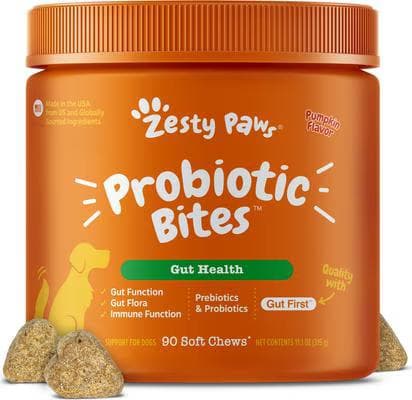
Pumpkin-flavored probiotic soft chews that support healthy gut flora and digestion in dogs.
Petful may earn a commission when you click through to Chewy, at no extra cost to you.
Can Dogs Eat Raw Hot Dogs?
No, dogs should not eat raw or uncooked hot dogs. Even though most supermarket franks are technically pre-cooked, the U.S. Department of Agriculture warns that ready-to-eat meats like hot dogs can still harbor Listeria monocytogenes, which is why the USDA tells people to reheat them until steaming hot before eating. That same bacterial risk applies to your dog. A raw or barely warmed hot dog can carry Listeria or Salmonella that may cause vomiting, diarrhea, fever, and lethargy, and an infected dog can also shed those bacteria around your home where children and immune-compromised people are most vulnerable.
Raw hot dogs are also harder for a dog to handle physically. A whole frank or a thick chunk is the perfect shape and size to lodge in a dog's throat, and unlike a cooked, softened piece it does not yield easily if it gets stuck. Veterinarians consistently list tube-shaped foods like hot dogs and sausages among the most common choking hazards in dogs precisely because of that smooth, airway-blocking shape.
If you are going to share any hot dog at all, cook it thoroughly first, let it cool, and cut it into small, pea-sized pieces with no bun and no seasoning. How you cut it matters: the USDA advises slicing a hot dog lengthwise into thin strips first and then chopping those strips into small bits, rather than cutting it into round coins. A coin-shaped slice is the exact diameter to plug an airway, so the lengthwise-first method removes that risk. Boiling or microwaving a plain frank until it is hot all the way through kills surface bacteria and softens the texture, which lowers both the food-safety risk and the choking risk in one step. When in doubt, a small piece of plain cooked chicken or a commercial training treat is a safer high-value reward than a hot dog.
- Never feed a dog a raw or cold-from-the-package hot dog. Cook it until steaming, cool it, and cut it into pea-sized pieces to cut both the Listeria and choking risk.
What About Beef, Turkey, and Grilled Hot Dogs?
Switching the type of hot dog does not make it a healthy food for dogs, it only changes the size of the problem. All-beef hot dogs avoid mystery meat trimmings but are still cured, salt-loaded, and high in saturated fat, so they carry the same sodium and pancreatitis concerns as any other frank. A single all-beef hot dog can still deliver several hundred milligrams of sodium, far more than a small or medium dog should have in a day, which is why even a 'premium' beef frank stays in the occasional-tiny-bite category rather than the everyday-treat one.
Turkey and chicken hot dogs are sometimes marketed as the lighter option, and they can be modestly lower in fat than classic pork-and-beef franks. That does not make them safe in any meaningful amount. Poultry hot dogs are still heavily processed, still cured with nitrate or nitrite preservatives, and still high in salt, and many turkey franks are seasoned with garlic powder or onion powder, both of which are toxic to dogs. If you do offer a turkey hot dog, treat it exactly like a regular one: plain, cooked, cut tiny, and rare.
Grilled hot dogs add their own wrinkle. Charring creates a crusty, harder surface that is tougher to chew and digest, and grilling at a cookout usually means the frank picked up oil, barbecue sauce, or seasoning from the grates. Those add-ins push the fat, sugar, and salt load even higher and can introduce onion or garlic without you realizing it. A plain boiled frank that you portion yourself is always a safer choice than a seasoned, charred one off the grill, and it spares your dog the splinter risk if the hot dog was served on a wooden skewer.

Multiple ridges and valleys slow eating, reduce gas and bloating, and turn mealtime into a fun puzzle. Non-skid base, dishwasher safe, 4-cup capacity.
Petful may earn a commission when you click through to Chewy, at no extra cost to you.
Should You Use Hot Dogs as Training Treats?
Hot dogs are popular training treats for a reason. They are smelly, soft, and extremely high-value, which means many dogs will work harder for a tiny piece of hot dog than for their regular kibble. Trainers often reach for them when teaching a difficult behavior or counter-conditioning a reactive dog, because a powerful reward can hold a dog's focus in a distracting environment. So while the motivation is real, the catch is portion control: the sodium, fat, and preservatives that make hot dogs a poor everyday food do not disappear just because you are using them to train.
If you choose to train with hot dogs, keep the pieces genuinely tiny, about the size of a pea or smaller, and count them toward the 10 percent of daily calories that all treats should stay under. Dogs perceive several small rewards as more motivating than one big chunk, so cutting a single frank into many micro-pieces stretches it across a whole session without overloading your dog with salt. On a heavy training day, dial back dinner slightly to account for the extra calories, and always offer fresh water since the salt will make your dog thirsty.
For dogs that train often, it is smarter to rotate hot dogs with lower-sodium options so they are not eating processed meat every day. Small bits of plain cooked chicken breast, plain cooked turkey, freeze-dried single-ingredient meat treats, or commercial training treats give you the same high-value payoff with far less salt and fat. Hot dogs are best saved for the occasional jackpot reward rather than the default treat in your pouch, especially for puppies, senior dogs, and any dog with a history of pancreatitis, heart disease, or kidney disease.
- Tip: cut one plain cooked hot dog into 30 or more pea-sized pieces and count them toward the 10 percent treat limit. Rotate with plain chicken or low-sodium treats so your dog is not eating processed meat every day.
Can Puppies Eat Hot Dogs?
It is best to skip hot dogs for puppies. Growing dogs have developing digestive systems that are more easily upset by rich, fatty, heavily salted food, and their strict calorie needs mean a balanced puppy diet should fill almost all of their daily intake. A single processed frank can crowd out the nutrition a puppy actually needs and easily blow past the small treat allowance their tiny bodies can handle.
Puppies are also at higher choking risk than adult dogs. Their airways are smaller, they tend to gulp food rather than chew, and the smooth, cylindrical shape of a hot dog is exactly the kind of object that can block a young dog's throat. If a hot dog has any onion or garlic seasoning, the danger is greater still, because the smaller the dog, the less of those toxic ingredients it takes to cause harm.
If you want a high-value reward for house-training or early obedience work, reach for tiny pieces of plain cooked chicken, a small commercial puppy treat, or a piece of your puppy's own kibble before reaching for a hot dog. When in doubt about introducing any new food to a puppy, check with your veterinarian, who can tell you what is appropriate for your puppy's age, breed, and weight.
Related Petful Guides
Hot dogs are not toxic, but they are bad for dogs as a regular food. One hot dog can hold over 500 mg of sodium, more than twice what a 33-pound dog needs in a whole day, plus saturated fat that can trigger pancreatitis and nitrate preservatives the AKC links to cancer risk. A tiny plain piece now and then is fine, but hot dogs should never be a staple.
Keep it tiny and rare. A common vet rule of thumb is about one 1/4-inch slice of plain hot dog per 15 pounds of body weight, so a 60-pound dog tops out near one inch total, no more than once or twice a week. Hot dogs should stay under 10 percent of daily calories. To prevent choking, cut the piece lengthwise into strips first, then into small bits, instead of feeding round coin-shaped slices.
One plain hot dog rarely causes an emergency in a healthy adult dog, so watch for vomiting, diarrhea, or lethargy over the next 24 hours and offer fresh water. Call your vet or the ASPCA Animal Poison Control Center at 888-426-4435 right away if the hot dog had onion or garlic, if your dog ate several, or if your dog has a history of pancreatitis, heart, or kidney disease.
No, do not feed raw hot dogs. Beyond the usual salt and fat problems, uncooked or barely warmed hot dogs can carry Listeria and Salmonella that make both dogs and people sick, a risk the USDA flags for ready-to-eat meats. If you share any hot dog at all, use a small piece of plain, fully cooked frank and skip the seasonings and bun.
It is best to skip hot dogs for puppies. Young dogs have developing digestive systems, smaller airways that raise the choking risk, and strict calorie needs that processed, salty food crowds out. If you want a high-value training reward for a puppy, use tiny bits of plain cooked chicken or a commercial puppy treat instead of hot dog.
Skip both. Buns add empty carbs and gluten that can upset grain-sensitive dogs, while toppings are the real danger: onions and garlic are toxic to dogs, ketchup is high in sugar, and mustard can cause stomach irritation. If you ever share a bite of hot dog, serve only a small piece of the plain meat with nothing on it.
Curious about what other foods dogs can eat? Check out these related articles below: Can Dogs Eat French Fries? Can Dogs Eat Pepperoni? Can Dogs Eat Marshmallows? Can Dogs Eat Pizza?
Veterinarian · BVMS, MRCVS
Dr. Pippa Elliott, BVMS, MRCVS, is a veterinarian with nearly 30 years of experience in companion animal practice. Dr. Elliott earned her Bachelor of Veterinary Medicine and Surgery from the University of Glasgow. She was also designated a Member of the Royal College of Veterinary Surgeons. Married with 2 grown-up kids, Dr. Elliott has a naughty Puggle named Poggle, 3 cats and a bearded dragon.
Sign up for expert-backed reviews and safety alerts all in one place.