Can Dogs Eat Pepperoni? Sodium + Nitrate Vet Guide
No, dogs should not eat pepperoni. The sodium, nitrates, fat, and added spices (often including garlic and onion powder) make it one of the riskiest deli meats. Here is what to do if your dog snags a slice.


Veterinarian · BVMS, MRCVS
Petful is reader supported. As an affiliate of platforms like Amazon and Chewy, we may earn a commission when you buy through links on this page. There is no extra cost to you.
- 1No, dogs should not eat pepperoni. A single slice contains roughly 35 to 50 mg of sodium, which can push a small dog past their daily sodium budget in just a few slices.
- 2Pepperoni's cured-meat profile combines high sodium, nitrates and nitrites, saturated fat, and added garlic or onion powders.
- 3One or two pieces will rarely cause an acute emergency in a healthy adult medium or large dog, but it should never be a regular treat.
- 4Turkey pepperoni and "low-sodium" pepperoni are still not safe; they have less of each risk factor but combine the same toxic ingredients.
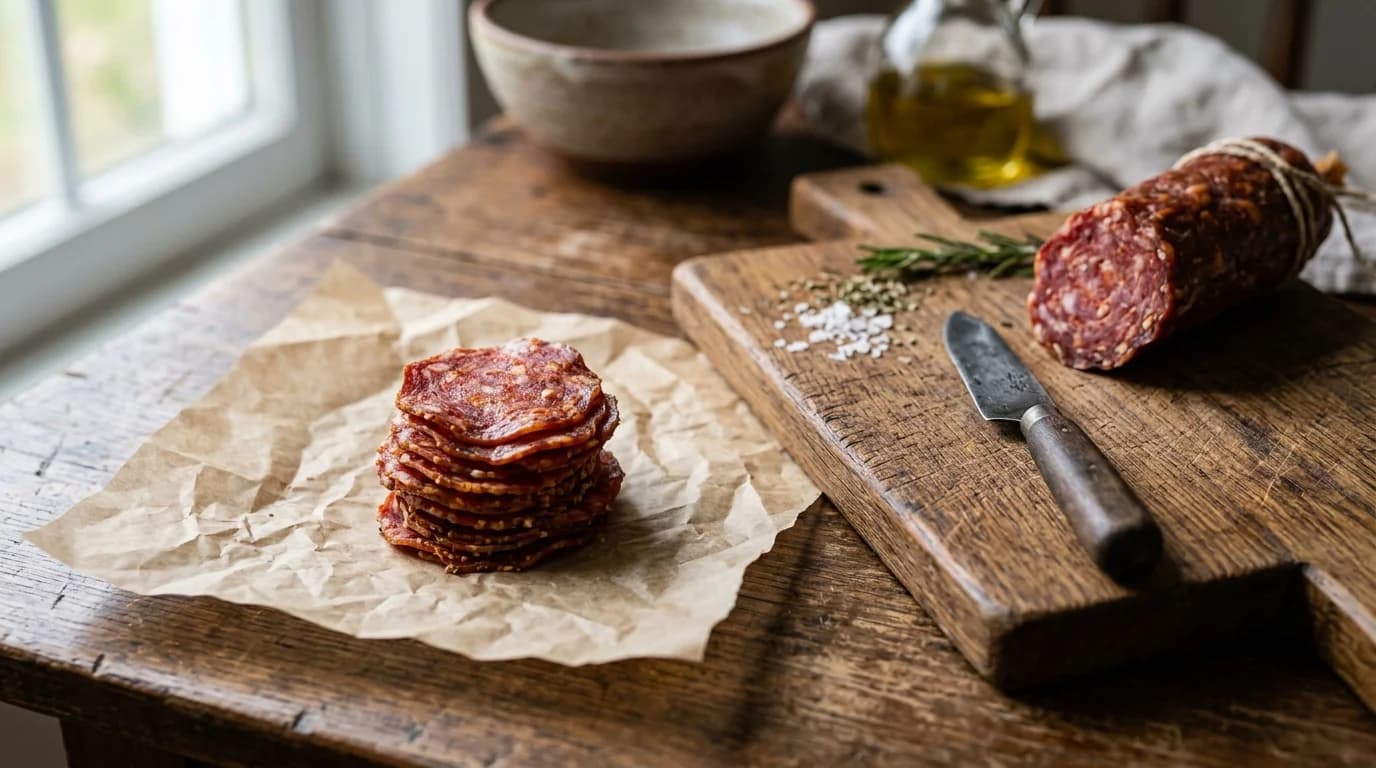
Can dogs eat pepperoni? No, pepperoni is not a safe treat for dogs. Both the American Kennel Club and PetMD classify pepperoni as a food to avoid. The reasons are stacked: a single slice contains around 35 to 50 mg of sodium (the daily limit for a 20-pound dog is about 100 mg), 1 to 2 grams of saturated fat, sodium nitrate and nitrites as curing agents, and added garlic or onion powder in most commercial recipes. Three or four slices stolen off a pizza or charcuterie board can push a small dog into sodium-toxicity territory. The high fat content is a real pancreatitis trigger, especially in small breeds and dogs with prior GI issues. One or two pieces will rarely cause an emergency in a healthy medium or large dog, but pepperoni should never be a deliberate treat. If your dog ate a significant amount, watch for excessive thirst, vomiting, lethargy, and abdominal pain over the next 24 to 48 hours.

Sign up for expert-backed reviews and safety alerts all in one place.
Is Pepperoni Bad for Dogs?
Yes, pepperoni is bad for dogs and should not be fed deliberately.
Pepperoni is one of the worst deli meats for dogs because it combines four problem ingredients in a small, dog-tempting slice: sodium, nitrates, fat, and curing spices that almost always include garlic powder and onion powder. None of these are individually catastrophic at the per-slice level, but they add up fast in the bowl of a dog that begs at the dinner table.
The good news is that pepperoni does not contain any acutely toxic ingredient (no chocolate, xylitol, grapes, or macadamia). A single piece is not a life-threatening emergency for an adult medium or large dog. The bad news is that "not life-threatening" does not mean "fine." Pepperoni reliably causes stomach upset and, in small dogs eating multiple slices, can trigger sodium ion poisoning or pancreatitis.
- Pepperoni is a "skip" treat for dogs. A single piece is rarely an emergency, but it is also not a treat worth offering. Three or more slices in a small dog warrants a vet call.
Why Is Pepperoni Risky for Dogs?
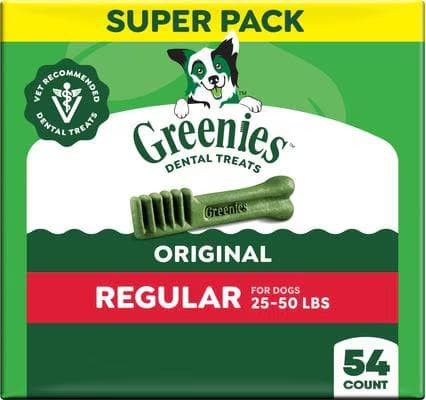
Daily dental chew that cleans teeth, freshens breath, and is accepted by the Veterinary Oral Health Council. Sized for dogs 25 to 50 lbs.
Petful may earn a commission when you click through to Chewy, at no extra cost to you.
Four ingredients stack the risk:
• Sodium: pepperoni is cured with salt as a primary preservation step. A single slice contains roughly 35 to 50 mg of sodium. The recommended daily sodium ceiling for a 20-pound dog is about 100 mg. Three slices puts a small dog at or over the daily limit.
• Nitrates and nitrites: sodium nitrate and sodium nitrite are added to cured meats to prevent bacterial growth and create the characteristic pink color. In humans, these are linked to long-term cancer risk in large doses. In dogs, the more immediate issue is GI irritation and (rarely) methemoglobinemia in puppies or small dogs eating large quantities.
• Saturated fat: pepperoni is about 40% fat by weight. A handful of slices can deliver 6 to 10 grams of saturated fat, enough to trigger pancreatitis in small breeds, senior dogs, and dogs with a prior episode.
• Curing spices: most commercial pepperoni recipes include paprika, fennel seed, anise, cayenne, garlic powder, and onion powder. Garlic and onion are the most concerning because both damage canine red blood cells and can cause delayed hemolytic anemia (showing up 2 to 5 days after exposure).
Can Dogs Eat Turkey Pepperoni?
No, turkey pepperoni is also not safe for dogs.
Turkey pepperoni is often marketed as a "healthier" alternative because it contains less saturated fat than pork-based pepperoni. For dogs, the marketing does not translate. Turkey pepperoni still contains:
• Significant sodium (about 25 to 40 mg per slice, only slightly lower than regular pepperoni).
• The same curing-spice profile, including garlic powder and onion powder.
• Nitrates and nitrites as preservatives.
The lower fat content reduces the pancreatitis risk slightly, but the other three problems remain. Turkey pepperoni is also not a safe treat for dogs, and it should not be used as a "safer" substitute for regular pepperoni.
Can Dogs Eat Low-Sodium Pepperoni?
Low-sodium pepperoni has roughly 25 to 30% less sodium per slice (around 25 to 35 mg vs the standard 35 to 50 mg). For a dog stealing one slice, the difference is meaningful but not transformative. The fat, nitrates, and curing spices are unchanged. Low-sodium pepperoni is "less bad" but still not a recommended dog treat.
Can Dogs Eat Pepperoni Slices Off a Pizza?
No, this is one of the most common scenarios for accidental pepperoni ingestion. When a dog grabs pepperoni off a pizza, they are getting the pepperoni plus the cheese, the garlic-laced tomato sauce, and the dough. The combined risk is worse than pepperoni alone. See our companion guide on can dogs eat pizza for the full slice-by-slice breakdown.
- Beyond the pepperoni, charcuterie boards almost always include grapes, olives, blue cheese, and sometimes chocolate or nuts. If your dog grabs a single piece from a board, identify everything on the board before calling your vet, because pepperoni may be the least of the worries.
How Much Pepperoni Is Too Much?
The sodium load is usually the first thing to hit a danger zone, with fat-related pancreatitis as the second risk. Here is the safe-vs-vet-call math by dog size:
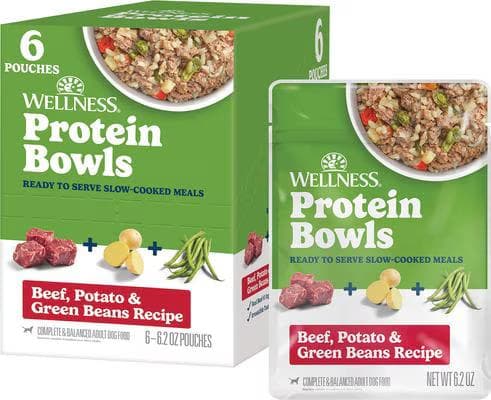
Case of six 6.2-oz pouches at $27.98 ($0.76/oz). New Autoship orders save 35%, dropping the first delivery to $18.19.
Petful may earn a commission when you click through to Chewy, at no extra cost to you.
| Amount eaten | Toy (under 10 lb) | Small (10-20 lb) | Medium (20-50 lb) | Large (50+ lb) |
|---|---|---|---|---|
| 1 slice | Call vet, monitor | Monitor 12-24 hr | Monitor at home | Monitor at home |
| 2-3 slices | Vet visit | Call vet, monitor | Monitor 24 hr | Monitor at home |
| 4-6 slices | EMERGENCY | Vet visit | Call vet, monitor | Monitor 24 hr |
| Whole pizza's worth (10+ slices) | EMERGENCY | EMERGENCY | Vet visit | Call vet, watch for pancreatitis |
| Whole pepperoni stick or roll | EMERGENCY | EMERGENCY | EMERGENCY | Vet visit |
How Do I Spot Symptoms of Pepperoni Overload?
Symptoms usually appear in two waves: the immediate sodium-and-fat reaction (within hours) and the delayed garlic-onion reaction (days later). Watch for:
1. Excessive thirst and urination (sodium overload, 2 to 6 hours).
2. Vomiting and diarrhea (4 to 12 hours).
3. Lethargy, refusal to eat, hunched posture (early pancreatitis, 12 to 48 hours).
4. Pale gums, weakness, dark urine, rapid breathing (delayed hemolytic anemia from garlic or onion, 2 to 5 days later).
5. Tremors or seizures in severe sodium toxicity (rare, only after very large ingestion in a small dog).
What If My Dog Ate a Lot of Pepperoni?
Step 1: Identify the amount and the pepperoni type (regular, turkey, low-sodium, or part of a pizza or charcuterie board).
Step 2: Offer plain water freely (do not restrict). Skip the next meal if your dog is uncomfortable.
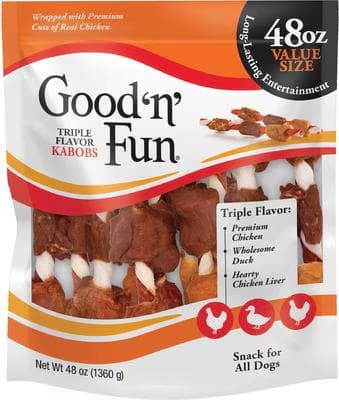
Petful may earn a commission when you click through to Chewy, at no extra cost to you.
Step 3: Watch for symptoms over the next 24 to 72 hours. Most dogs recover with a bland diet and rest.
Step 4: Mention the garlic-onion exposure to your vet at any follow-up, because hemolytic anemia can show up days later.
- Your dog is small or toy size and ate multiple slices, is showing repeated vomiting, hunched posture, refusing food, or showing signs of pain. Develops pale gums, weakness, or dark urine in the days after. Or ate pepperoni from a pizza, charcuterie board, or party tray (multiple risks compound). ASPCA Animal Poison Control: 888-426-4435.
Can Puppies Eat Pepperoni?
No, puppies should never have pepperoni. Their developing digestive systems are more sensitive to fat, sodium, and garlic exposure than adult dogs. A puppy that licks pepperoni grease off a finger may show vomiting within hours. The risk of pancreatitis is also higher in young dogs that have not yet developed full digestive resilience.
What Treats Can Dogs Eat Instead of Pepperoni?
For a savory, high-protein training treat, swap pepperoni for plain unseasoned cooked chicken, freeze-dried liver, plain cooked shrimp, plain cooked edamame, or a small piece of plain low-fat cottage cheese. All deliver protein and palatability with none of the sodium, nitrate, or garlic problems.
Frequently Asked Questions About Dogs and Pepperoni
A single slice is unlikely to cause an emergency in a healthy adult medium or large dog. Small and toy breeds should still skip even a single slice because of the sodium and garlic content.
Pepperoni is on the "skip" list, not the "toxic" list. A single piece will not poison a healthy adult dog. Multiple slices, especially in a small dog, can cause real harm.
No. Turkey pepperoni has less fat than pork pepperoni but the same sodium, nitrate, and garlic-onion problems. It is not a safer alternative.
Call your vet or ASPCA Animal Poison Control immediately, especially if your dog is under 30 pounds. A whole pepperoni stick can deliver enough sodium and fat to require IV fluids and supportive care.
No. Pepperoni jerky has the same risk profile as regular pepperoni, often with even higher sodium concentration per piece. Skip all pepperoni products.
Not the most acute one. Sodium and fat are the immediate concerns, with garlic and onion as the delayed risk. Nitrates contribute to GI irritation but are rarely the lead issue in pepperoni ingestion.
No. Even tiny pieces accumulate to a meaningful sodium and garlic dose over a training session. Use plain freeze-dried chicken, plain freeze-dried liver, or small cubes of plain cooked sweet potato instead.
- A single slice of pepperoni is non-toxic and rarely an emergency in healthy adult medium or large dogs
- High palatability makes it tempting (but not appropriate) for training
- Pepperoni does not contain xylitol, chocolate, or grapes (no acute poisoning risk)
- Symptoms typically resolve within 24 to 48 hours with bland diet and rest
- A single slice contains roughly 35-50 mg sodium (toy dogs can hit limits in one slice)
- High saturated fat (about 40% by weight) is a real pancreatitis trigger
- Almost all recipes include garlic powder and onion powder (delayed anemia risk)
- Nitrates and nitrites add GI irritation and (rarely) methemoglobinemia in puppies
1 to 3 hours: excessive thirst, increased urination from sodium spike. 3 to 8 hours: possible vomiting, diarrhea, lethargy. 8 to 24 hours: hunched posture, abdominal pain, refusal to eat (early pancreatitis). 24 to 48 hours: continued vomiting or worsening pain equals a vet emergency. 2 to 5 days: watch for pale gums, weakness, rapid breathing, dark urine (delayed garlic-onion hemolytic anemia). Small dogs and dogs with prior pancreatitis need same-day vet attention.
Turkey pepperoni: about 25 to 40 mg sodium per slice, 1 gram fat, same nitrates and curing spices, same garlic and onion powders. Regular pork pepperoni: about 35 to 50 mg sodium per slice, 1.5 to 2 grams fat. Marketing aside, turkey pepperoni reduces fat by about 30 to 40% but keeps all the other risks. Neither is safe for dogs as a deliberate treat.
Any amount in a puppy under 12 months. Two or more slices in a toy or small breed. A whole stick or roll of pepperoni at any size. Pepperoni from a pizza or charcuterie board (multiple risks compound). Vomiting that persists past 4 to 6 hours. Pale gums, weakness, or dark urine in the days after. All of these are vet calls, not at-home monitor.
More Dog-Food Safety Reads on Petful
Other dog-food cluster reads to keep nearby: can dogs eat pizza, can dogs eat shrimp, can dogs eat cottage cheese, and can dogs eat french fries. If your dog ate pepperoni off a pizza or charcuterie board, our emergency-response walkthrough on what to do if your dog ate a grape covers the same triage steps and vet-call thresholds.
Pepperoni is a "skip" treat for dogs, not a "definite poison" food. A single piece is rarely an emergency, but the sodium, fat, garlic, and onion add up fast in a small dog or a multi-slice incident. Use plain freeze-dried chicken or liver as a training treat instead. They give your dog the savory, high-value experience without the trip to the ER.
Veterinarian · BVMS, MRCVS
Dr. Pippa Elliott, BVMS, MRCVS, is a veterinarian with nearly 30 years of experience in companion animal practice. Dr. Elliott earned her Bachelor of Veterinary Medicine and Surgery from the University of Glasgow. She was also designated a Member of the Royal College of Veterinary Surgeons. Married with 2 grown-up kids, Dr. Elliott has a naughty Puggle named Poggle, 3 cats and a bearded dragon.
Sign up for expert-backed reviews and safety alerts all in one place.