Can Dogs Eat Pizza? Crust, Cheese, Pepperoni Risks
No, dogs should not eat pizza. The cheese fat, garlic, onion, salt, and pepperoni each cause real problems. Plain crust alone is harmless filler, but a typical pizza slice combines multiple risks in one bite.

Veterinarian · BVMS, MRCVS
Petful is reader supported. As an affiliate of platforms like Amazon and Chewy, we may earn a commission when you buy through links on this page. There is no extra cost to you.
- 1No, dogs should not eat pizza. A typical slice combines fat, salt, garlic, onion, and (often) pepperoni in one bite.
- 2Plain pizza crust alone is essentially filler bread, harmless in tiny amounts but nutritionally useless.
- 3Garlic and onion (in the sauce or seasoning) damage red blood cells and can cause delayed anemia.
- 4The biggest acute risks are pancreatitis from the cheese-and-pepperoni fat load and sodium overload in small dogs.
Can dogs eat pizza? No, pizza is not a safe treat for dogs. The American Kennel Club and PetMD both list pizza as a food to avoid because of the combination of risks in a single slice. A standard pepperoni slice from a chain pizzeria contains around 700 mg of sodium (seven times the daily limit for a 20-pound dog), 12 to 18 grams of fat (most from cheese and pepperoni), and trace amounts of garlic and onion (in the sauce and the pepperoni seasoning) that can damage canine red blood cells over time. A single stolen bite is rarely a vet emergency, but pizza should never be a deliberate treat. Plain pizza crust alone is the safest part (essentially low-nutrient bread), but the cheese, sauce, pepperoni, and any topping with garlic or onion are all reasons to keep your dog out of the pizza box.

Sign up for expert-backed reviews and safety alerts all in one place.
Is Pizza Safe for Dogs?
No, pizza is not safe for dogs as a meal or a regular treat. It is one of the foods where the individual ingredients each carry their own risks, and the typical slice stacks several of them together. A small dog stealing a slice off the coffee table is a vet call (especially if pepperoni is involved). A large dog snagging a single bite during dinner is usually not an emergency, but it is not a treat to encourage.
The challenge with pizza is that every topping changes the risk profile. Cheese pizza is mostly a fat-and-sodium issue. Pepperoni pizza adds nitrates and curing-spice exposure. Veggie pizzas with onion or garlic are layered red-blood-cell risks. Pineapple pizza adds sugar. There is no "safe" version of restaurant pizza for dogs.
- Pizza belongs on the "skip" list for dogs. A stolen bite is monitor-at-home; a whole slice (especially with pepperoni or garlic) warrants a vet call, especially in small or toy breeds.
Why Is Pizza Risky for Dogs?
Five reasons stacked into one slice:
• Cheese fat: a typical pizza slice contains 8 to 12 grams of fat from cheese alone. That is enough to trigger pancreatitis in susceptible dogs (small breeds, dogs with prior episodes, and senior dogs).
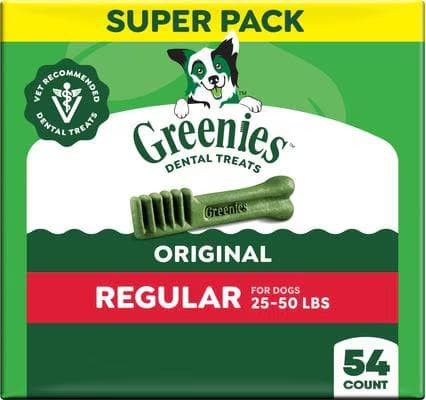
Daily dental chew that cleans teeth, freshens breath, and is accepted by the Veterinary Oral Health Council. Sized for dogs 25 to 50 lbs.
Petful may earn a commission when you click through to Chewy, at no extra cost to you.
• Sodium load: a chain pizzeria pepperoni slice averages 700 mg of sodium. The daily sodium limit for a 20-pound dog is about 100 mg. One slice equals seven days of sodium budget in a single sitting.
• Garlic and onion: tomato sauce, dough seasoning, and pepperoni curing spice almost always contain garlic powder or onion powder. Both damage canine red blood cells and can cause delayed hemolytic anemia at moderate doses.
• Pepperoni: cured meat with sodium nitrate, nitrites, and additional spices. The fat load adds to the cheese load.
• Dough and refined carbs: not toxic on its own, but high in calories and low in nutrition. Most dogs digest baked dough fine, but raw pizza dough is a separate emergency.
Can Dogs Eat Pizza Crust?
In tiny amounts, plain crust alone is not dangerous, but it is nutritionally useless.
Pizza crust is essentially baked bread. A bite-sized piece of plain crust (no sauce, cheese, or topping residue) is unlikely to cause more than mild stomach upset in a healthy adult dog. The catch is that most "crust scraps" pet parents share are not truly plain; they are the dipping-the-sauce-was-on edge, the cheese-melt edge, or the garlic-butter edge. Each of those adds a risk back in.
Plain crust alone is also nutritionally a waste of calories. A single crust edge can be 80 to 120 calories, which is a significant chunk of a small dog's daily budget for zero protein, fat, or vitamin payoff. If you want to share a bread-like bite, plain whole-wheat bread or a plain baked sweet potato cube is a better choice.
- Most pizza crusts are made with olive oil, salt, sometimes garlic butter at the edge, and they soak up the sauce and cheese during baking. Even the "plain" edge usually has residue of sauce, cheese, or seasoning. Treat any crust scrap as a partial pizza slice for risk purposes.
Can Dogs Eat Pepperoni Pizza?
No, pepperoni pizza is the worst pizza option for dogs.
Pepperoni adds sodium nitrate, nitrites, and curing spices (often including garlic powder and paprika) on top of the cheese-and-sauce risks. The fat content jumps another 4 to 6 grams per slice. A small dog eating a whole pepperoni slice can be in the danger zone for both sodium toxicity and pancreatitis. If your dog stole a pepperoni slice, photograph the slice (or save a piece), note the pizzeria, and call your vet for triage guidance.
Can Dogs Eat Cheese Pizza?
Slightly less bad than pepperoni, still on the skip list. A plain cheese pizza slice is roughly 8 to 12 grams of fat and 500 to 600 mg of sodium, plus garlic and onion in the sauce. A single small bite is usually not an emergency for an adult medium-or-large dog, but a whole slice stolen by a small dog is a vet call. The fat plus sodium combination is the main concern.
Can Dogs Eat Veggie or Margherita Pizza?
Better than pepperoni, still not safe. A veggie pizza with onions, garlic, or both layered on top is actually more dangerous than a plain cheese pizza because the garlic and onion content can be significant. A margherita pizza (tomato, mozzarella, basil) is the closest to "least bad" but still combines fat, sodium, and garlic in the sauce. None are appropriate treats.
Can Dogs Eat Pizza Sauce?
No, pizza sauce concentrates the problem. Most pizza sauces contain tomato, salt, sugar, garlic powder, onion powder, oregano, and olive oil. The garlic and onion are the main concern: in concentrated sauce form, even a small amount adds up to a meaningful red-blood-cell risk. A spoonful of pizza sauce is enough to cause GI upset in a small dog and contribute to delayed anemia at higher doses.
- Hemolytic anemia from garlic or onion exposure does not always show up immediately. Symptoms can take 2 to 5 days to appear and include weakness, pale gums, dark urine, and rapid breathing. If your dog ate a significant amount of pizza sauce or onion-laden toppings, mention it to your vet.
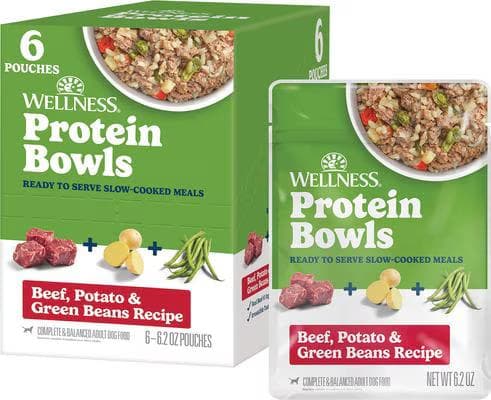
Case of six 6.2-oz pouches at $27.98 ($0.76/oz). New Autoship orders save 35%, dropping the first delivery to $18.19.
Petful may earn a commission when you click through to Chewy, at no extra cost to you.
How Much Pizza Is Too Much?
The dangerous threshold depends on the slice ingredients and your dog's size. Here is a fast reference for a typical chain-pizzeria pepperoni or cheese slice:
| Amount eaten | Toy (under 10 lb) | Small (10-20 lb) | Medium (20-50 lb) | Large (50+ lb) |
|---|---|---|---|---|
| Small bite of crust only | Monitor at home | Monitor at home | Monitor at home | Monitor at home |
| Bite of cheese pizza | Call vet, monitor | Monitor 12-24 hr | Monitor at home | Monitor at home |
| Whole cheese slice | Vet visit | Call vet, monitor closely | Monitor 24 hr | Monitor 24 hr |
| Whole pepperoni slice | EMERGENCY | Vet visit | Call vet, monitor 24-48 hr | Monitor closely, call vet if symptoms |
| Multiple slices or whole pizza | EMERGENCY | EMERGENCY | Vet visit, possible IV fluids | Call vet, watch for pancreatitis |
What If My Dog Ate Pizza?
Step 1: Identify what kind of pizza and how much. Pepperoni is worse than cheese. A bite is different from a whole slice.
Step 2: Watch for symptoms over the next 24 to 72 hours. The most likely problems are:
• Vomiting and diarrhea (usually within 4 to 12 hours).
• Excessive thirst and urination (sodium overload, within 2 to 6 hours).
• Lethargy and abdominal pain (early pancreatitis, 12 to 48 hours).
• Pale gums or weakness 2 to 5 days later (hemolytic anemia from garlic or onion).
Step 3: Offer plain water freely and skip the next meal if your dog is uncomfortable. Then offer a small bland meal (boiled chicken and rice) once they seem stable.
Petful may earn a commission when you click through to Chewy, at no extra cost to you.
- Your dog is small or toy size and ate a whole pizza slice, especially pepperoni; is showing repeated vomiting, hunched posture, or refusing to eat; develops pale gums, weakness, or dark urine in the days after; or ate raw pizza dough (a separate emergency for bloat and alcohol poisoning). ASPCA Animal Poison Control: 888-426-4435.
Can Dogs Eat Raw Pizza Dough?
No, raw pizza dough is a veterinary emergency.
Raw dough is one of the most dangerous things a dog can eat. The yeast continues to ferment in the warm stomach, producing alcohol that gets absorbed into the bloodstream (alcohol poisoning) and gas that causes life-threatening bloat or gastric dilatation. If your dog ate raw pizza dough, go to the emergency vet immediately. Do not try to induce vomiting at home: expanding dough can lodge in the esophagus.
Can Puppies Eat Pizza?
No, puppies should never have pizza. Their developing digestive systems are even more sensitive to fat, sodium, and garlic exposure than adult dogs. A puppy that licks a plate clean of cheese pizza residue may show vomiting or diarrhea within hours. Skip pizza completely for puppies under 12 months, and call your vet if any pizza ingredient was ingested.
What Pizza-Like Treats CAN Dogs Eat?
If you want a "dog pizza" experience without the risks, top a plain baked sweet potato slice with a thin layer of plain unsweetened plain Greek yogurt and a few blueberries or a sprinkle of plain pumpkin puree. For a savory option, plain cooked chicken on a thin slice of cooked carrot or a piece of plain bread makes a fun "doggy pizza" snack without the cheese, sodium, or garlic. Skip the human pizza entirely.
Frequently Asked Questions About Dogs and Pizza
Plain crust in a tiny amount is unlikely to cause an emergency, but it is calorie-dense and usually has sauce or cheese residue. Skip it as a habit and use plain baked sweet potato cubes instead.
A single slice is over the safe sodium and fat limits for most small and medium dogs. A bite is monitor-at-home; a whole slice (especially pepperoni) usually warrants a vet call, particularly for small breeds.
Watch for vomiting, diarrhea, lethargy, excessive thirst, and abdominal pain over the next 24 to 48 hours. Small dogs and dogs with a pancreatitis history should be seen by a vet right away.
Yes, commercial "doggy pizza" treats sold at pet stores are formulated to be dog-safe. They are essentially shaped biscuits with carob or pumpkin "sauce" and dog-safe "cheese" coloring. Stick to those instead of sharing human pizza.
No. Pizza Lunchables and frozen pizza rolls combine all the standard pizza risks (cheese, sodium, garlic) with additional preservatives, sometimes including BHT and propyl gallate. Skip these entirely.
No. White pizza usually contains heavy ricotta, mozzarella, parmesan, garlic, and olive oil. The fat content is actually higher than red sauce pizza, and the garlic exposure is often greater.
Go to the emergency vet immediately. Raw yeasted dough ferments in the stomach to alcohol and expands, causing both alcohol poisoning and life-threatening bloat. Do not try to induce vomiting at home.
- Plain crust alone is non-toxic and unlikely to cause an emergency in tiny amounts
- A single stolen bite is rarely a vet visit for a healthy adult medium or large dog
- Dog-specific "pizza-shaped" treats sold at pet stores are formulated safely
- Homemade "doggy pizza" with sweet potato base is a fun, safe alternative
- Cheese plus pepperoni delivers 12-18 grams of fat per slice, a pancreatitis trigger
- Sodium load (around 700 mg per pepperoni slice) is 7x the daily limit for a 20-lb dog
- Garlic and onion in sauce and pepperoni cause delayed hemolytic anemia at moderate doses
- Raw pizza dough is a vet emergency for alcohol poisoning and bloat
2 to 6 hours: excessive thirst, increased urination, possible vomiting. 6 to 12 hours: diarrhea, lethargy, refusal to eat. 12 to 48 hours: early pancreatitis signs (hunched posture, abdominal pain, repeated vomiting). 2 to 5 days: delayed hemolytic anemia signs from garlic or onion (pale gums, weakness, rapid breathing, dark urine). Small dogs and dogs with prior pancreatitis need same-day vet attention after even one slice.
Highest risk: raw pizza dough (vet emergency, bloat plus alcohol), pepperoni (sodium plus nitrate plus fat plus garlic), garlic-heavy sauces (red blood cell damage), thick mozzarella layer (cheese fat plus pancreatitis risk). Medium risk: tomato sauce alone (garlic and onion in moderate amounts), pineapple (added sugar but not toxic). Lowest risk: plain baked crust (low nutrition but generally harmless in tiny amounts).
Any amount in a puppy under 12 months or a dog with prior pancreatitis. A whole slice in a toy or small breed. Pepperoni or garlic-bread crust ingestion in any size. Raw pizza dough at any size. Vomiting that persists past 4 to 6 hours. Pale gums, weakness, or dark urine 2 to 5 days later (delayed garlic or onion toxicity). All of these are vet calls, not at-home monitor.
More Dog-Food Safety Reads on Petful
Other dog-food cluster reads to keep nearby: can dogs eat bread, can dogs eat french fries, can dogs eat applesauce, and can dogs eat radishes. If your dog grabbed pepperoni or raw pizza dough off the counter, our emergency-response walkthrough on what to do if your dog ate a grape lays out the same triage steps and vet-call thresholds for any high-risk human food ingestion.
Pizza is a "skip" food for dogs. The cheese fat, sodium, garlic, onion, and pepperoni each carry their own risks, and a typical slice stacks several of them in one bite. A small stolen bite of crust is rarely an emergency, but a whole pepperoni slice in a small dog warrants a vet call. Stick to homemade "doggy pizza" with sweet potato and plain yogurt for the fun snack experience without the trip to the ER.

Carol Bryant is the founder FidoseofReality.com and SmartDogCopy.com. A pet product expert, Carol is the Past President of the Dog Writers Association of America (DWAA) and winner of Best Dog Blog. A dog lover of the highest order is how Gayle King introduced Carol when she appeared with her Cocker Spaniel on Oprah Radio’s Gayle King Show to dish dogs. She helps pet, animal, and lifestyle brands achieve copywriting and content marketing success using well-trained words that work and is well-known in the pet industry.
Veterinarian · BVMS, MRCVS
Dr. Pippa Elliott, BVMS, MRCVS, is a veterinarian with nearly 30 years of experience in companion animal practice. Dr. Elliott earned her Bachelor of Veterinary Medicine and Surgery from the University of Glasgow. She was also designated a Member of the Royal College of Veterinary Surgeons. Married with 2 grown-up kids, Dr. Elliott has a naughty Puggle named Poggle, 3 cats and a bearded dragon.
Sign up for expert-backed reviews and safety alerts all in one place.