Can Dogs Eat Pumpkin? Uncover the Benefits and Risks in Our Complete Guide
Can dogs eat pumpkin? Yes, plain cooked pumpkin and 100% canned pumpkin are safe and healthy in small amounts. Skip pie filling, raw pumpkin, skin, and stems. See safe forms, how much to feed by size, and when pumpkin helps digestion.


Veterinarian · BVMS, MRCVS
Petful is reader supported. As an affiliate of platforms like Amazon and Chewy, we may earn a commission when you buy through links on this page. There is no extra cost to you.
- 1Dogs can eat pumpkin in moderation as a healthy addition to their diet.
- 2Rich in fiber, vitamins, and hydration, pumpkin supports digestion and immune health.
- 3Avoid raw pumpkin, seeds, and pumpkin pie mix to prevent digestive issues.

Sign up for expert-backed reviews and safety alerts all in one place.
Can Dogs Eat Pumpkin? The Short Answer
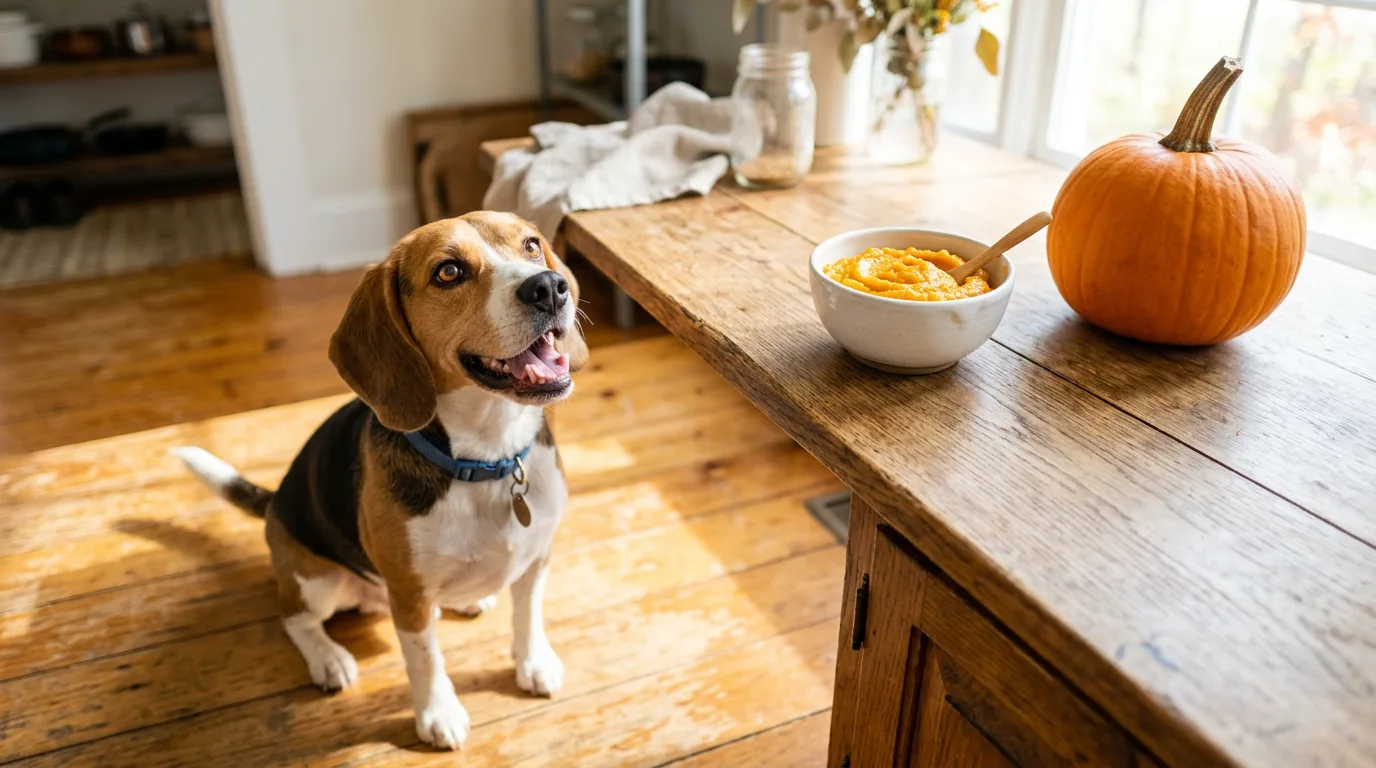
Can dogs eat pumpkin? Yes. Plain cooked pumpkin and 100% canned pumpkin (with no added sugar, salt, or spice) are safe, low-calorie, and a good source of fiber that supports digestion, according to the American Kennel Club. Avoid pumpkin pie filling, raw pumpkin, the skin, stem, and leaves. Keep it to a small serving sized to your dog.
As a pet owner, you no doubt are always looking for ways to ensure that your pet’s are healthy and happy. One common question many dog owners have is can dogs eat pumpkin? The answer is yes, dogs can eat pumpkin, and this article dives into some of the benefits and potential concerns of adding pumpkin to your dog's diet.
Is Pumpkin Safe for Dogs, and Do Vets Recommend It?
Yes, pumpkin is generally safe and can be a healthy addition to your dog's diet when given occasionally and in small doses. It is high in nutrients and low in calories, which makes it a good choice for weight management in dogs. However, always consult a veterinarian before introducing major changes in your dog’s diet. Here are some precautions to keep in mind:
- Moderation is Key: Too much pumpkin can cause digestive upset or nutrient imbalances.
- Plain Pumpkin: Use plain, cooked pumpkin. Avoid raw pumpkin and canned pumpkin pie mix, as it contains sugars and spices that are not good for dogs.
- Watch for Allergies: Although it is rare, some dogs could have an allergy to pumpkin.
- Consult Your Vet: Always check with your veterinarian before introducing any new foods into your dog's diet, especially if your dog has health issues or dietary restrictions.
In summary, pumpkin can be a healthy treat for dogs, but it should be introduced slowly and in moderation to ensure it agrees with your dog's digestive system.
How Much Pumpkin Can a Dog Eat by Size?
When incorporating pumpkin into your dog's diet, it's important to consider their size and weight to determine the appropriate amount. Here's a general guideline:
- Extra Small (<10 lbs): Start with a teaspoon of pumpkin and monitor their reaction.
- Small (10-25 lbs): For small dogs, one to two teaspoons of pumpkin is an appropriate starting point.
- Medium (25-60 lbs): Medium-sized dogs can typically have one to two tablespoons of pumpkin.
- Large (60-100 lbs): For large breeds, start with three tablespoons of pumpkin.
- Giant (100+ lbs): Giant breeds may have up to four tablespoons of pumpkin.
These are starting amounts and are able to be adjusted depending on how your dog reacts to the pumpkin. If you notice any digestive issues or negative reactions, reduce or stop feeding them pumpkin and consult a veterinarian.
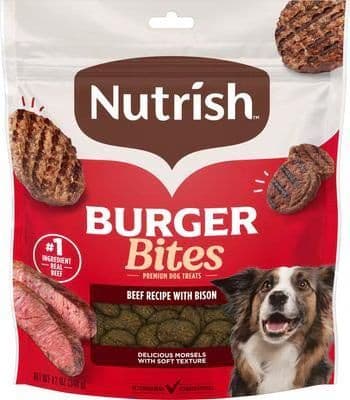
Soft, real-beef burger bites with bison, grain-free and sized for occasional training-treat sharing.
Petful may earn a commission when you click through to Chewy, at no extra cost to you.
Is Pumpkin Good for Dogs? Benefits and Nutrition
There are many health benefits of pumpkin, including:
- High in Fiber: Pumpkin is rich in dietary fiber, which helps with digestion. It can help relieve constipation or diarrhea and with maintaining a healthy gastrointestinal tract.
- Low in Calories: For dogs needing to manage their weight, pumpkin is a great low-calorie snack.
- Rich in Vitamins and Minerals: Pumpkin is packed full with antioxidants and essential nutrients like vitamin A, vitamin C, and vitamin E, and even potassium and iron. These contribute to a dog's overall health, supporting immune system function, eye health, and skin.
- Hydration: With a high water content, pumpkin can be a good hydration source, especially for dogs that don't usually drink enough water.
How to Safely Prepare and Feed Pumpkin to Your Dog
There are a few precautions and considerations you should take into account when feeding pumpkin to your furry friend:
- Consult Your Veterinarian: Before adding pumpkin to your dog's diet, consult your veterinarian, especially if your dog already has health issues.
- Start Small: Introduce pumpkin slowly and in small amounts to avoid upsetting your dog’s stomach.
- Proper Preparation: Use pumpkin that is plain and has been cooked. Avoid fresh pumpkin, pumpkin skin, the stem, or the leaves, as they are harder for dogs to digest. Steer clear of canned pumpkin pie mix.
- Monitor Your Dog's Reaction: Observe any changes in your dog’s behaviour or stool. Discontinue if any adverse reactions occur.

Preparation Tips
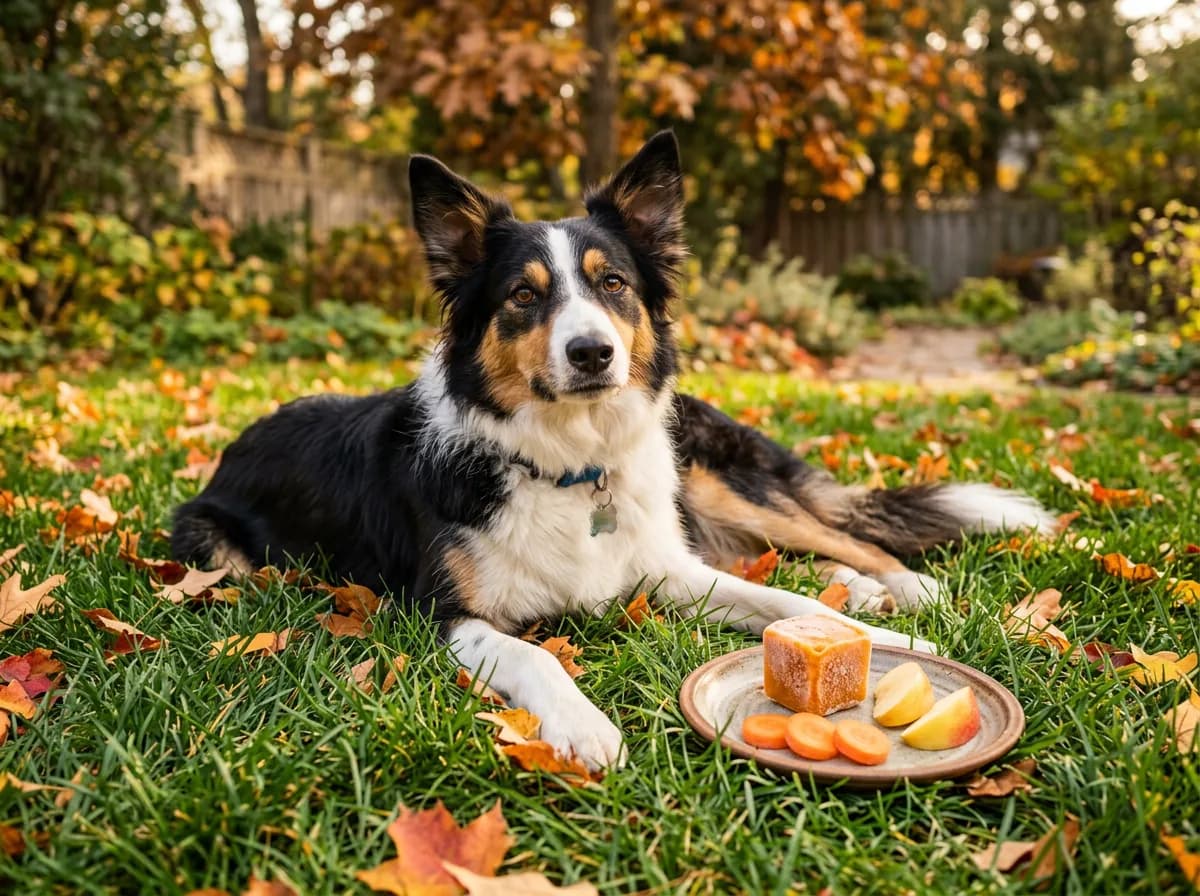
- As a Treat: Offer cooked pumpkin as a treat. You can also freeze small portions for a refreshing snack or try roasting it (ensuring it has cooled down before serving).
- Mixed with Meals: Mix a small amount of pumpkin with your dog’s normal food to enhance its fiber.
- Homemade Pumpkin Dog Treats: Prepare homemade dog treats using pumpkin as a key ingredient, such as a homemade pumpkin puree or frozen pumpkin treats.
Potential Risks and Considerations of Dogs Eating Pumpkin
While pumpkin is generally safe for dogs to eat, there are certain risks and precautions to keep in mind when feeding your dog pumpkin. Some of these include:
- Allergic Reactions: Although rare, some dogs may be allergic to pumpkin. Watch for signs of an allergic reaction, including itching, hives, swelling, or difficulty breathing.
- Overconsumption: Too much pumpkin can lead to an upset stomach, diarrhea, or even a nutrient imbalance.
- Interactions with Medication: Pumpkin can interact with certain medications. Consult your veterinarian if your dog is on medication.
Remember, pumpkin should be a supplement to your dog's regular diet and not a primary ingredient. It's best to introduce it slowly and ensure it is plain and cooked pumpkin without any added sugars or spices. Always consult with your veterinarian before making major changes to your pet's diet, especially if your dog has certain health conditions or dietary needs.
Can Dogs Be Allergic to Pumpkin? Signs to Watch
While pumpkin is generally safe for most dogs, the pumpkin flesh could possibly cause allergies in some cases. Here are some possible allergic reactions to look out for:
- Skin Irritations: This can include itching, redness, rashes, or hives. Your dog might be scratching a lot or developing skin irritations.
- Gastrointestinal Issues: Vomiting, diarrhea, or an upset stomach can occur, which may be signs of an allergic reaction or just a general intolerance to pumpkin.
- Respiratory Problems: Although it is less common, some dogs may experience respiratory issues such as coughing, wheezing, or difficulty breathing.
- Ear Infections: In some cases, food allergies can lead to ear infections, with symptoms like redness, discharge, or odor coming from the ears.
- Lethargy or Behavioural Changes: Any significant change in energy levels or behaviour after eating pumpkin could be a sign of an allergic reaction.
Pumpkin can be a healthy addition to your dog's diet when introduced properly and in moderation. It offers various nutritional benefits and can be a tasty treat for your pet. However, If you suspect your dog is allergic to pumpkin, it's important to stop feeding your dog pumpkin immediately and contact a vet to provide a proper diagnosis and treatment plan. Be sure to always monitor your dog closely and note any further signs of distress or discomfort to tell your vet. With the right approach, pumpkin can be a delightful and nutritious supplement to your dog's regular diet.
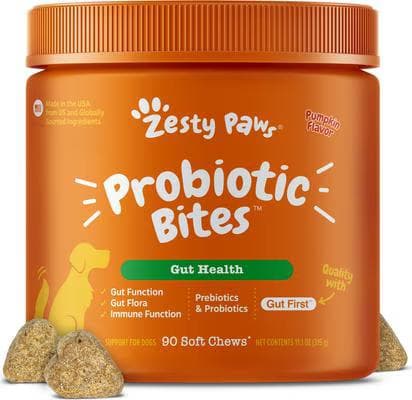
Pumpkin-flavored probiotic soft chews that support healthy gut flora and digestion in dogs.
Petful may earn a commission when you click through to Chewy, at no extra cost to you.
Frequently Asked Questions (FAQ)
| Pumpkin Form | Safe? | Why / What to Watch |
|---|---|---|
| Plain cooked pumpkin (steamed, baked, boiled) | Yes, in small amounts | Easiest to digest; no added sugar, salt, or spice |
| 100% canned pumpkin or plain puree | Yes, in small amounts | Check the label reads only pumpkin; not pie mix |
| Raw pumpkin flesh | Not recommended | Tough and hard to digest; more likely to cause gas and loose stools |
| Skin, rind, stem, and leaves | No | Choking and blockage risk; stem and leaves carry prickly hairs |
| Pumpkin guts or carved jack-o-lantern flesh | No | Often moldy or dirty; can cause vomiting and diarrhea |
| Pumpkin pie filling / pie mix | No | Added sugar, spices, nutmeg, and sometimes xylitol |
| Pumpkin pie, bread, muffins, spice lattes | No | Sugar, fat, nutmeg, caffeine, or dairy; made for people |
Can Dogs Eat Raw Pumpkin, Skin, Guts, or Stems?
It is best to skip raw pumpkin. The raw flesh is tough, hard for dogs to digest, and far more likely to cause gas, cramping, or loose stools than the cooked version. Cooking softens the fiber and makes the nutrients easier to absorb, so steam, bake, or boil it plain instead.
The skin and rind are a no. They are difficult to chew and swallow and can be a choking or blockage risk, especially for small dogs. The stem and leaves are also off-limits because they are coated in coarse, prickly hairs that can irritate the mouth and gut.
The stringy guts and pulp from inside a carving pumpkin are not toxic, but they often carry mold, dirt, or carving residue and are not worth the upset stomach. If your dog grabs a small bit of clean raw pulp, watch them, but do not offer it on purpose.
- Never let a dog gnaw a carved jack-o-lantern. After a day or two outdoors, the flesh grows mold and bacteria that can cause vomiting and diarrhea, and the rind is a real choking hazard.
Can Dogs Eat Canned Pumpkin, Puree, or 100% Pure Pumpkin?
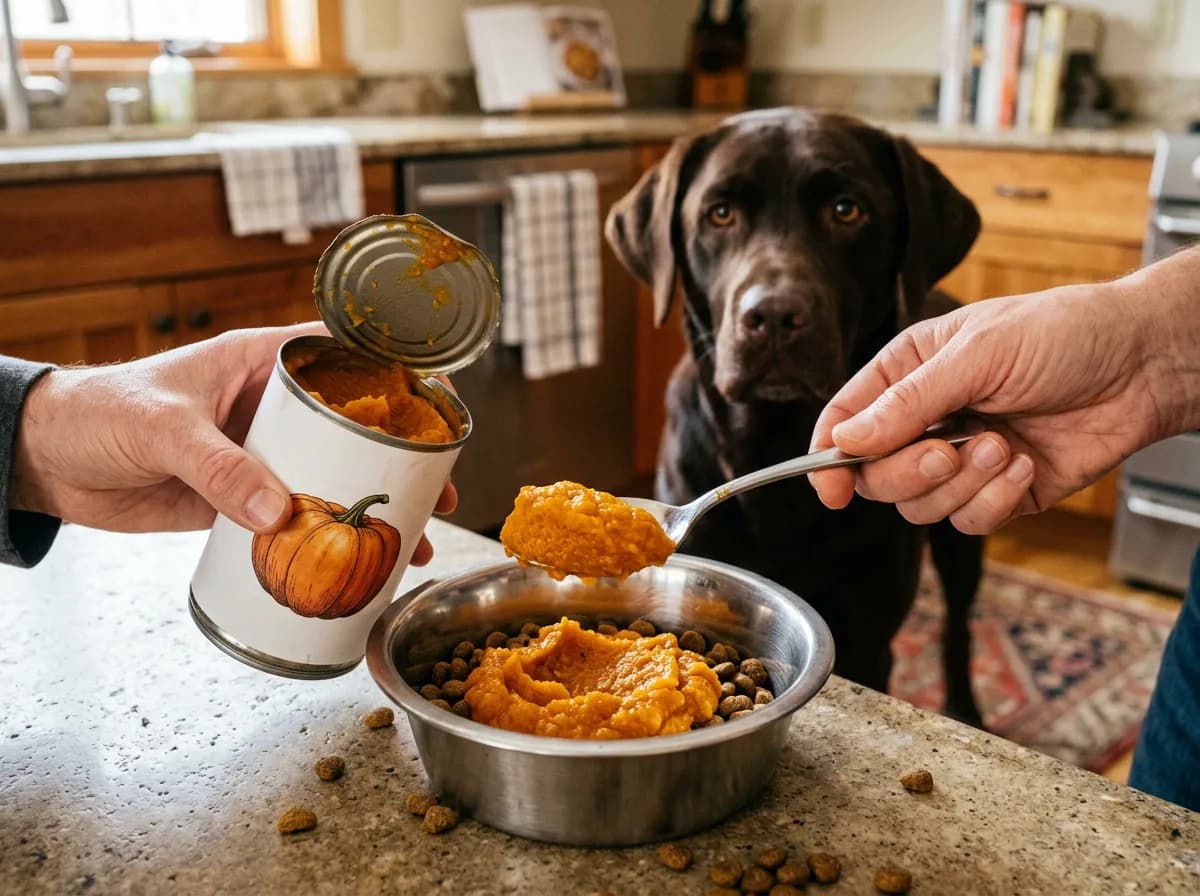
Yes, plain canned pumpkin is one of the easiest and safest ways to serve it, as long as the label reads 100% pumpkin with nothing else added. Plain pumpkin puree is the same thing and is fine too. The one rule is to read the can: you want pure pumpkin, not pumpkin pie mix.
Pie filling (sometimes labeled pumpkin pie mix) is loaded with sugar and spices like nutmeg and cinnamon and sometimes the sweetener xylitol, so it is never a safe swap for plain pumpkin even though the cans sit side by side on the shelf.
Once opened, a can of pumpkin only keeps a few days in the fridge. To avoid waste, freeze leftover puree in an ice cube tray and thaw a cube at a time.
- Read the label every time. 100% canned pumpkin lists one ingredient: pumpkin. Pumpkin pie mix lists sugar, spices, and sometimes xylitol. They look almost identical on the shelf.
Can Dogs Eat Pumpkin Pie, Pumpkin Bread, or Pumpkin Spice?
No. Pumpkin pie, pumpkin bread, pumpkin muffins, and pumpkin spice treats are made for people, not dogs. They pack added sugar, butter or oil, and warming spices, and the sugar and fat alone can trigger an upset stomach or, over time, weight gain.
The bigger danger is the spice blend. Pumpkin pie spice and many recipes contain nutmeg, which is toxic to dogs in larger amounts, and some sugar-free baked goods contain xylitol, an artificial sweetener that can cause a rapid, life-threatening drop in a dog's blood sugar.
Pumpkin spice lattes and similar drinks add caffeine and dairy to that list. If you want your dog to share the season, give a spoonful of plain pumpkin instead of anything sweetened or spiced.
- Nutmeg and xylitol (sometimes listed as birch sugar) make pumpkin-spiced human foods genuinely dangerous, not just unhealthy. If your dog eats pumpkin pie, baked goods, or anything sugar-free, call your vet or ASPCA Animal Poison Control at 888-426-4435.

Multiple ridges and valleys slow eating, reduce gas and bloating, and turn mealtime into a fun puzzle. Non-skid base, dishwasher safe, 4-cup capacity.
Petful may earn a commission when you click through to Chewy, at no extra cost to you.
Does Pumpkin Help Dogs With Diarrhea, Constipation, or an Upset Stomach?
Pumpkin is best known as a gentle digestive aid, and the reason is its soluble fiber. That fiber absorbs excess water, which can firm up loose stools, and it also adds bulk and moisture that can ease mild constipation, so the same spoonful can help at both ends of the spectrum.
For a mild bout, many owners add a small, size-appropriate amount of plain pumpkin to a meal once or twice a day. It usually works within a day or two. Because it is fiber, though, too much pumpkin can swing a dog the other way and cause loose stools, so more is not better.
Pumpkin is a supportive home measure, not a cure. If diarrhea or vomiting lasts more than a day or two, or you see blood, lethargy, or no appetite, skip the home remedies and call your veterinarian, since those can signal something pumpkin will not fix.
- Pumpkin can soothe a mild stomach upset, but it is not a substitute for veterinary care. Ongoing diarrhea, vomiting, blood in the stool, or a refusal to eat needs a vet, not more pumpkin.
Can Dogs Eat Pumpkin Every Day?
A small daily amount of plain pumpkin is fine for most healthy dogs and can be a steady source of fiber. The key is keeping it small and counting it as part of the treat budget, not as a replacement for balanced meals.
Veterinarians often point to the 90/10 rule: complete, balanced dog food should make up about 90 percent of daily calories, and treats, including pumpkin, the other 10 percent at most. Stay inside that and a daily spoonful will not unbalance the diet. If your dog is on a prescription diet or has a health condition, check with your vet first.
What to Do if Your Dog Eats Too Much Pumpkin
Plain pumpkin is not toxic, so a dog that raids the bowl is rarely in danger. The usual result of too much is the fiber doing its job in reverse: gas, loose or runny stools, and a bit of belly discomfort that passes on its own within a day.
Hold off on more pumpkin, make sure fresh water is available, and feed plain, easily digestible meals until the stool firms up. If your dog ate something other than plain pumpkin, like pie filling, a whole raw pumpkin with rind, or anything containing xylitol or nutmeg, treat it as more serious and call your vet or ASPCA Animal Poison Control at 888-426-4435 right away.
Related Petful Guides
Cooked is the safe choice. Plain steamed, baked, or boiled pumpkin is soft, easy to digest, and gentle on the stomach. Raw pumpkin is tough and far more likely to cause gas or loose stools, and the raw skin, rind, and stem can be a choking risk. Always serve it plain, with no sugar, salt, or spices.
Yes, as long as it is 100% pure canned pumpkin with no added ingredients. Plain canned pumpkin and plain puree are among the easiest, safest ways to serve it. The one thing to avoid is canned pumpkin pie filling or pie mix, which is loaded with sugar and spices like nutmeg and is not safe for dogs.
Start small and scale to size: about a teaspoon for very small dogs, one to two teaspoons for small dogs, one to two tablespoons for medium dogs, and two to four tablespoons for large dogs. Treats, including pumpkin, should stay under about 10 percent of daily calories. Too much fiber at once can cause loose stools.
Often, yes. Pumpkin's soluble fiber absorbs excess water to firm up loose stools and adds bulk and moisture to ease mild constipation, so a small spoonful can help with both. It usually works within a day or two. If diarrhea or vomiting lasts longer, or you see blood or lethargy, call your veterinarian instead.
No. Pumpkin pie contains added sugar, fat, and spices like nutmeg and cinnamon, and some recipes use xylitol, an artificial sweetener that is toxic to dogs. Nutmeg is also harmful in larger amounts. If you want your dog to join in, give a spoonful of plain pumpkin instead of any pie, bread, or spiced treat.
A small daily amount of plain pumpkin is fine for most healthy dogs and can be a steady fiber source. Keep it small and count it inside the 90/10 rule, where balanced food is about 90 percent of daily calories and treats are 10 percent at most. If your dog has a health condition or is on a special diet, ask your vet first.
True pumpkin allergies are rare, but they happen. Watch for itching, redness, hives, an upset stomach, vomiting or diarrhea, or recurring ear infections after eating pumpkin. If you notice these signs, stop feeding pumpkin and call your veterinarian. Introducing any new food slowly and in small amounts makes a reaction easier to spot.
In moderation, plain, unsalted, roasted, and ideally ground pumpkin seeds are generally safe, but they are higher in fat and a choking risk whole. Because the safety details differ from the flesh, see our full guide on whether dogs can eat pumpkin seeds before offering them, and never feed seasoned or salted seeds.
Easy, Vet-Smart Pumpkin Treat Recipes for Dogs
When incorporating pumpkin into your dog's diet, it's essential to stick with simple, healthy recipes that avoid ingredients that are harmful to dogs. Remember, introduce any new treat in small quantities to ensure your dog doesn't have an adverse reaction. Always consult your veterinarian before making significant changes to your dog’s diet, especially if your dog has specific health conditions. Here are some dog-friendly pumpkin recipes:
Pumpkin and Yogurt Frozen Treats
Ingredients: 1 cup plain yogurt (lactose-free if needed) 1/2 cup pumpkin puree Instructions:
- Mix the yogurt and pumpkin puree until well combined.
- Pour the mixture into an ice cube tray or silicone mold.
- Freeze until solid.
- Serve as a cool treat, especially good for hot days
Simple Cooked Pumpkin
Steam or boil pumpkin (fresh or canned, but not pumpkin pie filling) until soft. Mash it up without adding any sugar, spices, or salt.
Curious about what other foods dogs can eat? Check out these related articles below: Can Dogs Eat Broccoli? Can Dogs Eat Cucumber? Can Dogs Eat Celery? Can Dogs Eat Eggplant? Can Dogs Eat Asparagus? Can Dogs Eat Chickpeas?
Veterinarian · BVMS, MRCVS
Dr. Pippa Elliott, BVMS, MRCVS, is a veterinarian with nearly 30 years of experience in companion animal practice. Dr. Elliott earned her Bachelor of Veterinary Medicine and Surgery from the University of Glasgow. She was also designated a Member of the Royal College of Veterinary Surgeons. Married with 2 grown-up kids, Dr. Elliott has a naughty Puggle named Poggle, 3 cats and a bearded dragon.
Sign up for expert-backed reviews and safety alerts all in one place.