Can Dogs Eat Pumpkin Seeds? Portions, Risks, Benefits
Yes, dogs can eat plain pumpkin seeds in moderation. The safe portion is roughly 1/2 teaspoon of ground unsalted seeds per 20 pounds of body weight. Here is exactly how to prepare them.
Petful is reader supported. As an affiliate of platforms like Amazon and Chewy, we may earn a commission when you buy through links on this page. There is no extra cost to you.
- 1Yes, dogs can eat pumpkin seeds, but they must be unsalted, unseasoned, and ideally ground or finely chopped to aid digestion.
- 2The safe portion is roughly 1/2 teaspoon of ground seeds per 20 pounds of body weight, up to once per day.
- 3Pumpkin seeds contain cucurbitin, an amino acid that some holistic vets use as a mild natural deworming aid, but the evidence is anecdotal.
- 4Never feed salted, sugared, spiced, or oil-roasted seeds, and avoid whole raw seeds for small dogs because of the choking risk.
Can dogs eat pumpkin seeds? Yes, in moderation and when prepared correctly. Veterinary sources including Chewy and GoodRx Pet Health confirm that plain, unsalted pumpkin seeds are a safe, nutrient-dense treat. Pumpkin seeds are rich in fiber, healthy fats, magnesium, zinc, and iron. The standard veterinary serving size is about 1/2 teaspoon of ground seeds per 20 pounds of body weight, fed up to once per day. Grinding the seeds improves digestion and reduces the choking hazard. Avoid salted, sugared, spiced, or oil-roasted seeds because added sodium and fats can lead to digestive upset or, in extreme cases, pancreatitis. Always pair a new food with 24 hours of monitoring before making it a regular part of your dog's diet.

Sign up for expert-backed reviews and safety alerts all in one place.
Are Pumpkin Seeds Good for Dogs?
Pumpkin seeds are one of the most nutrient-dense human foods you can safely share with a dog. A tablespoon of ground pumpkin seeds delivers a meaningful dose of magnesium, zinc, iron, protein, and healthy unsaturated fats. They also contain antioxidants like carotenoids and vitamin E.
The key qualifier is "plain." Whole, unsalted, unseasoned seeds, ideally from the inside of a real pumpkin, are the version dogs benefit from. The salted, oil-roasted, sugar-coated, or pumpkin-spice-flavored versions sold for human snacking are not safe for dogs and offer no health upside.
What Are the Health Benefits of Pumpkin Seeds for Dogs?
Beyond the basic minerals and fats, pumpkin seeds offer a few specific perks veterinarians and holistic pet nutritionists call out:
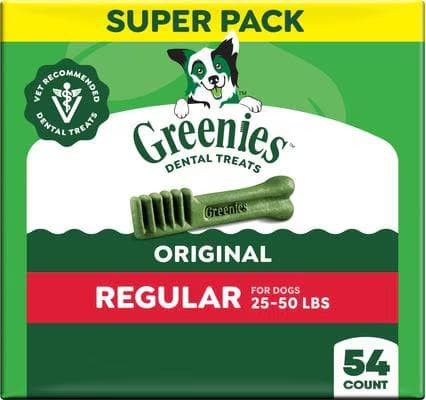
Daily dental chew that cleans teeth, freshens breath, and is accepted by the Veterinary Oral Health Council. Sized for dogs 25 to 50 lbs.
Petful may earn a commission when you click through to Chewy, at no extra cost to you.
• Skin and coat support: the unsaturated fats and zinc help maintain a soft, shiny coat and healthy skin barrier.
• Urinary tract support: small studies in dogs suggest pumpkin seed extract may help with mild urinary incontinence in spayed females. Talk to your vet before treating any urinary issue with food alone.
• Joint and immune support: magnesium and zinc both play roles in immune function and inflammation control.
• Gentle natural deworming aid: pumpkin seeds contain an amino acid called cucurbitin that some holistic veterinarians use as a mild adjunct against intestinal parasites. The evidence is anecdotal, and pumpkin seeds should never replace a proper vet-prescribed dewormer.
- The easiest way to give pumpkin seeds is to grind them and sprinkle the powder over your dog's regular food. This avoids the choking risk and improves nutrient absorption.
Can Pumpkin Seeds Help Deworm Dogs?
Pumpkin seeds contain cucurbitin, an amino acid that paralyzes intestinal worms and may help expel them. Holistic veterinarians sometimes recommend ground raw pumpkin seeds as a natural adjunct to standard deworming protocols, especially for mild tapeworm or roundworm exposure. The published evidence in dogs is limited, and a confirmed parasite infestation should always be treated with a vet-prescribed dewormer.
- If your dog has visible worms in their stool, vomit, or fur, or has been exposed to fleas (which carry tapeworm), call your vet. Pumpkin seeds may support but cannot replace prescription medication.
How Much Pumpkin Seed Can Dogs Eat?
The standard veterinary recommendation is roughly 1/2 teaspoon of ground pumpkin seeds per 20 pounds of body weight, fed up to once per day. Larger amounts can cause loose stool because of the fiber load. Start at half the recommended dose and work up over a week.
| Dog size | Weight | Daily portion (ground) | Notes |
|---|---|---|---|
| Toy | Under 10 lb | 1/8 to 1/4 tsp | Start with a pinch, mix into food |
| Small | 10-20 lb | 1/2 tsp | Mix into wet food or kibble |
| Medium | 20-50 lb | 1/2 to 1 tsp | Spread over morning meal |
| Large | 50-90 lb | 1 to 1.5 tsp | Up to 2x per week as a topper |
| Giant | Over 90 lb | 1.5 to 2 tsp | Watch for loose stool |
How Do I Prepare Pumpkin Seeds for My Dog?
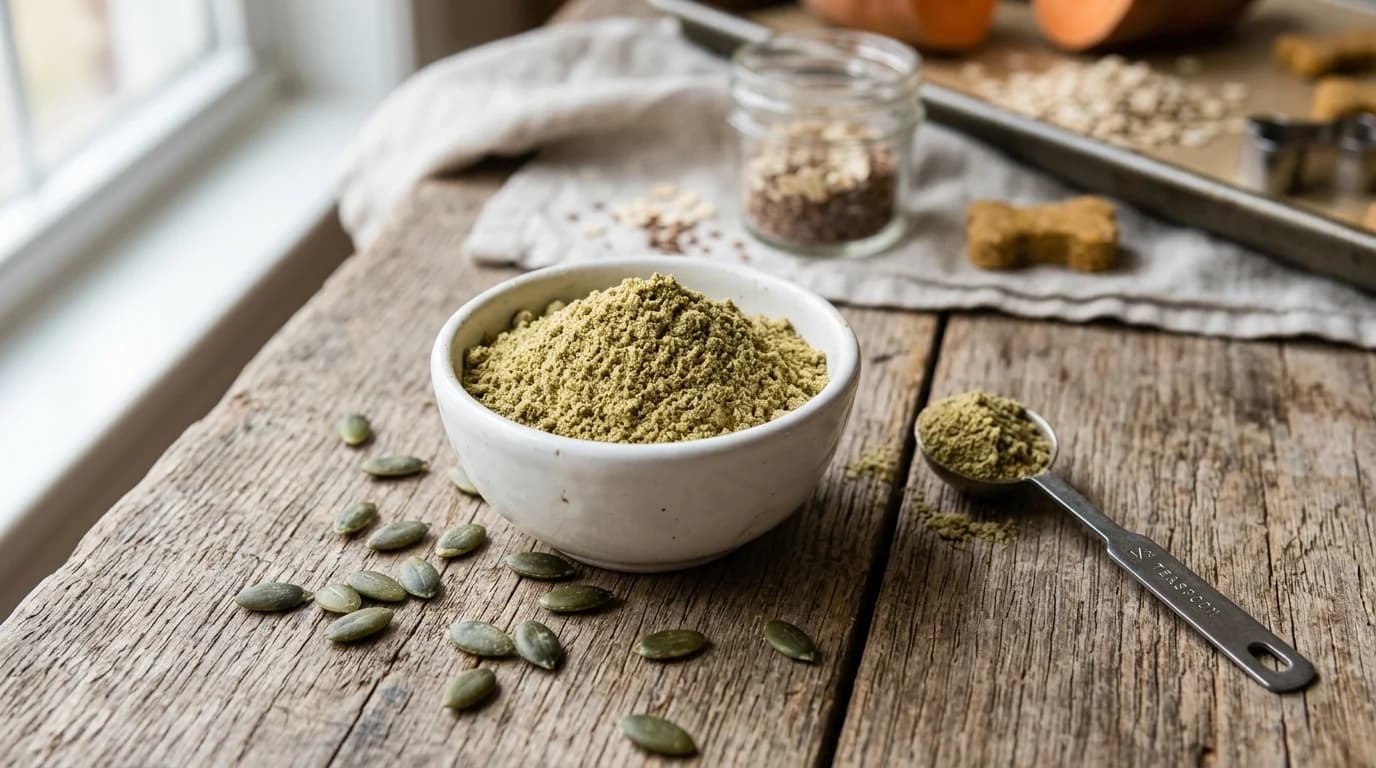
The safest and most digestible preparation is plain, dry-roasted, unsalted seeds, ground to a coarse powder in a clean coffee grinder or food processor.
1. Buy raw pumpkin seeds (pepitas are fine), or scoop them straight from a fresh pumpkin.
2. Rinse them in a colander to remove any pumpkin fibers.
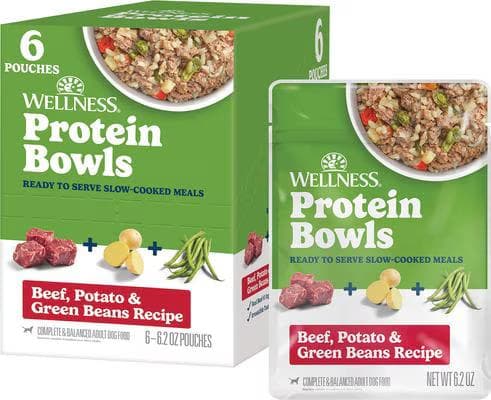
Case of six 6.2-oz pouches at $27.98 ($0.76/oz). New Autoship orders save 35%, dropping the first delivery to $18.19.
Petful may earn a commission when you click through to Chewy, at no extra cost to you.
3. Dry-roast in a single layer at 300 degrees F for 15-20 minutes, stirring once, with absolutely no oil, salt, or seasoning.
4. Let them cool completely, then grind to a coarse powder.
5. Store the ground powder in an airtight container in the fridge for up to two weeks.
Can Dogs Eat Pumpkin Seed Shells?
Whole pumpkin seeds with the shells on are generally safe for medium and large dogs in small amounts, but the shells are fibrous and difficult to digest. For small dogs, puppies, or any dog with a sensitive stomach, remove the shells or grind the whole seed before serving. The risk is choking and gastrointestinal blockage, not toxicity.
Can Dogs Eat Raw Pumpkin Seeds?
Yes, raw pumpkin seeds are technically safe, but dry-roasting improves both digestibility and flavor. Raw seeds also have a slightly higher chance of carrying mold or bacteria if they have been sitting out at room temperature. If you go raw, grind them and use them quickly.
Are Pumpkin Seeds Safe for Puppies?
Healthy puppies older than 12 weeks can have a tiny amount of ground pumpkin seed mixed into their regular puppy food. Start with a pinch (roughly 1/8 teaspoon) and watch for any digestive change. Pumpkin seeds should never be a primary nutrition source for a growing puppy.

Petful may earn a commission when you click through to Chewy, at no extra cost to you.
What If My Dog Ate Salted, Sugared, or Spiced Pumpkin Seeds?
A few salted seeds will not poison most dogs, but the salt load can cause excessive thirst, urination, and stomach upset. Pumpkin spice blends often contain nutmeg, which is toxic to dogs in large amounts, and cinnamon, which is fine in tiny amounts but irritating in larger ones. Watch for vomiting, lethargy, tremors, or excessive drinking.
- A whole bag of salted or pumpkin-spiced seeds, especially if your dog is showing tremors, vomiting, weakness, or excessive thirst. Sodium poisoning is a real risk in small dogs. Contact ASPCA Animal Poison Control: 888-426-4435.
Pumpkin Seed Alternatives and Pairings
Pumpkin seeds pair naturally with plain canned pumpkin for a gentle digestive support snack. Other dog-safe seed and nut options include sunflower seeds (unsalted, shelled), chia seeds in tiny amounts, and ground flaxseed. Avoid macadamia nuts (toxic), pistachios (high fat), and any seed mix with raisins or chocolate. Petful’s guide to whether dogs can eat sunflower seeds covers shells, salt, and safe portions.
Frequently Asked Questions About Dogs and Pumpkin Seeds
Yes, in the recommended portion (about 1/2 teaspoon ground per 20 pounds), once a day is fine for most healthy adult dogs. Take a break for a few days if you notice loose stool.
Yes, but you should rinse off the pumpkin flesh, dry the seeds, and either roast them at 300 degrees for 15 minutes or grind them raw. Whole wet seeds straight from a carved jack-o-lantern carry a higher mold risk.
There is no veterinary-confirmed timeline. Cucurbitin from pumpkin seeds is a mild adjunct, not a primary dewormer. Any visible worm infestation should be treated with a prescription dewormer from your vet, not pumpkin seeds alone.
Healthy puppies over 12 weeks can have a small pinch of ground seed mixed into their food. Skip puppies younger than 12 weeks or any puppy with a sensitive stomach.
Not toxic, but they are hard to digest and can pose a choking risk for small dogs. Grinding solves both problems.
Only if it is unsweetened and unsalted. Most commercial pumpkin seed butters are marketed to humans and contain added sugar, salt, or oils that are unhealthy for dogs.
Probably not. Pumpkin seeds are high in phosphorus, which dogs with kidney disease usually need to limit. Ask your vet before adding them to a renal-support diet.
- Rich in omega-3 fatty acids and zinc that support skin and coat health
- Contains cucurbitin, a natural compound some vets use as a mild parasite deterrent
- Easy to portion at 1/2 teaspoon of ground seeds per 20 lbs of body weight
- Affordable nutrient topper that pairs naturally with plain canned pumpkin
- High phosphorus content makes them unsuitable for dogs with kidney disease
- Shells are tough to digest and a choking risk for small breeds
- Salted or oil-roasted versions can trigger sodium toxicity or pancreatitis
- Not a substitute for vet-prescribed deworming protocols when worms are confirmed
30 minutes to 2 hours: excessive thirst and increased urination. 2 to 4 hours: vomiting, possible diarrhea. 4 to 8 hours: weakness or tremors in severe cases. 8 to 24 hours: if symptoms worsen or your dog stays lethargic, this could be sodium ion poisoning, a vet emergency. Call your vet or ASPCA Animal Poison Control (888-426-4435) right away.
Buy raw pepitas or scoop fresh seeds from a real pumpkin. Rinse to remove pumpkin flesh, dry-roast at 300 degrees F for 15 to 20 minutes (no oil, no salt), cool completely, then grind to a coarse powder in a clean coffee grinder or food processor. Store in an airtight container in the fridge for up to two weeks.
Dogs with kidney disease (phosphorus load), puppies under 12 weeks, dogs with confirmed pancreatitis history (high fat content), and any dog showing loose stool from fiber sensitivity. Always ask your vet before adding pumpkin seeds to a renal-support or sensitive-stomach diet.
More Dog-Food Safety Reads on Petful
Keep exploring our dog-food cluster: can dogs eat edamame, can dogs eat black beans, can dogs eat peanuts, can dogs eat applesauce, and our breakdown on The Farmer's Dog cost and value for pet parents comparing fresh whole-food diets. For accidental ingestion of seasoned, salted, or pumpkin-spice seeds, our what to do if your dog ate a grape guide walks through the same emergency-triage steps.
Pumpkin seeds are a low-effort, high-nutrient topper for most healthy adult dogs. Grind, measure, and stay plain. Skip the seasoned versions, and let pumpkin seeds support, not replace, the rest of your dog's balanced diet.

Carol Bryant is the founder FidoseofReality.com and SmartDogCopy.com. A pet product expert, Carol is the Past President of the Dog Writers Association of America (DWAA) and winner of Best Dog Blog. A dog lover of the highest order is how Gayle King introduced Carol when she appeared with her Cocker Spaniel on Oprah Radio’s Gayle King Show to dish dogs. She helps pet, animal, and lifestyle brands achieve copywriting and content marketing success using well-trained words that work and is well-known in the pet industry.
Sign up for expert-backed reviews and safety alerts all in one place.