Can Dogs Eat Sunflower Seeds? A Comprehensive Guide
Can dogs eat sunflower seeds safely? Yes, but only plain, unsalted, shelled kernels in moderation. Here is the vet-reviewed serving size by dog weight, the shell and salt risks to avoid, plus what to know about sunflower seed butter.

Veterinarian · BVMS, MRCVS

Petful is reader supported. As an affiliate of platforms like Amazon and Chewy, we may earn a commission when you buy through links on this page. There is no extra cost to you.
- 1Only plain, unsalted, shelled kernels are safe. The fibrous shells are a choking and intestinal-blockage hazard and should never be fed.
- 2Sunflower seeds are high in fat, so keep them an occasional treat (under 10 percent of daily calories) to avoid stomach upset and pancreatitis.
- 3Salted or flavored seeds can cause sodium ion poisoning. Skip anything seasoned, spiced, or oil-roasted.
- 4Dogs with a history of pancreatitis or a very sensitive stomach should avoid sunflower seeds completely.
- 5Plain sunflower seed butter (SunButter) is fine in small amounts only if it contains no xylitol, salt, or added sugar.
Can dogs eat sunflower seeds? Yes. According to the AKC and PetMD, dogs can safely eat sunflower seeds when they are plain, unsalted, and fully shelled. The kernels are high in fat, so serve them in moderation as an occasional treat. Dogs prone to pancreatitis should avoid them.

Sign up for expert-backed reviews and safety alerts all in one place.
Can Dogs Eat Sunflower Seeds Safely?
Yes, dogs can eat sunflower seeds safely as long as they are plain, unsalted, and shelled, and you keep portions small. The American Kennel Club and PetMD both confirm that the kernels themselves are not toxic to dogs and can even offer some nutritional value. The catch is in how they are served: the fibrous outer shell, added salt, and high fat content are where the real risks live, not the seed itself.
Sunflower seeds are best thought of as an occasional treat, never a meal replacement or a daily staple. Treats of any kind should make up no more than 10 percent of your dog's daily calories, with the other 90 percent coming from a complete and balanced diet. If you want to add variety to your dog's snacks, many dog owners also turn to the best vegetables for dogs, which tend to be lower in fat than seeds and nuts.
- Dogs with a history of pancreatitis, obesity, or a very sensitive stomach should avoid sunflower seeds entirely. The high fat content can trigger a flare of [pancreatitis in dogs](https://www.petful.com/pet-health/pancreatitis/), which is painful and potentially life-threatening. When in doubt, ask your veterinarian before offering any new high-fat treat.
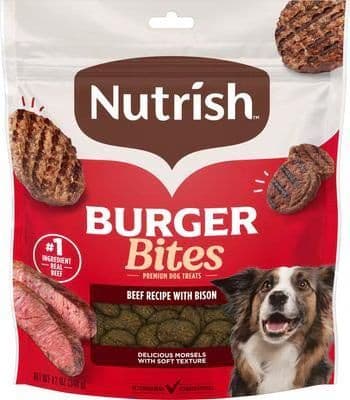
Soft, real-beef burger bites with bison, grain-free and sized for occasional training-treat sharing.
Petful may earn a commission when you click through to Chewy, at no extra cost to you.
Are Sunflower Seeds Good for Dogs? Nutritional Benefits
In small amounts, sunflower seeds can be good for dogs because they deliver vitamin E, healthy fatty acids, and antioxidants. Vitamin E is a fat-soluble antioxidant that supports skin and coat health and immune function, while the linoleic acid (an omega-6 fatty acid) in the seeds contributes to a shiny coat. The seeds also supply small amounts of magnesium, selenium, and B vitamins.
What nutrients do sunflower seeds provide?
- Vitamin E for skin, coat, and immune support
- Linoleic acid (omega-6) that helps maintain a healthy coat
- Antioxidants that help combat oxidative stress
- Trace minerals like magnesium and selenium
- Plant-based protein and fiber in modest amounts
That said, your dog does not need sunflower seeds to get these nutrients. A complete and balanced commercial diet already provides them, which is why seeds are a bonus rather than a requirement. If you are weighing different snacks, our guide on how to choose the best dog food explains how to read a label so treats stay a small extra on top of solid nutrition.
Are Sunflower Seeds Bad or Toxic to Dogs?
Sunflower seeds are not toxic or poisonous to dogs. Unlike genuinely dangerous foods such as grapes, onions, or chocolate, plain shelled sunflower kernels will not poison your dog. The concerns are practical, not toxic: too much fat can upset the stomach or inflame the pancreas, salt can cause sodium problems, and shells can lodge in the digestive tract.
So when people ask whether sunflower seeds are bad for dogs, the honest answer is that they are only bad when fed the wrong way or in the wrong amount. Salted, flavored, or shell-on seeds are where trouble starts. For perspective on foods that truly are dangerous, see Petful's roundup of foods that can harm your dog.
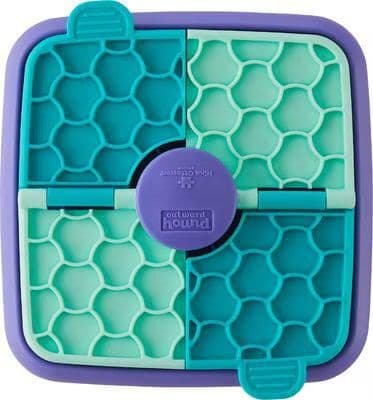
Petful may earn a commission when you click through to Chewy, at no extra cost to you.
Why too many sunflower seeds cause problems
- High fat can lead to stomach upset, vomiting, and diarrhea
- Repeated high-fat treats raise the risk of pancreatitis
- Excess calories contribute to weight gain and obesity over time
- Salted seeds risk sodium ion toxicosis
- Shells can cause choking or intestinal blockage
Can Dogs Eat Sunflower Seeds With Shells?
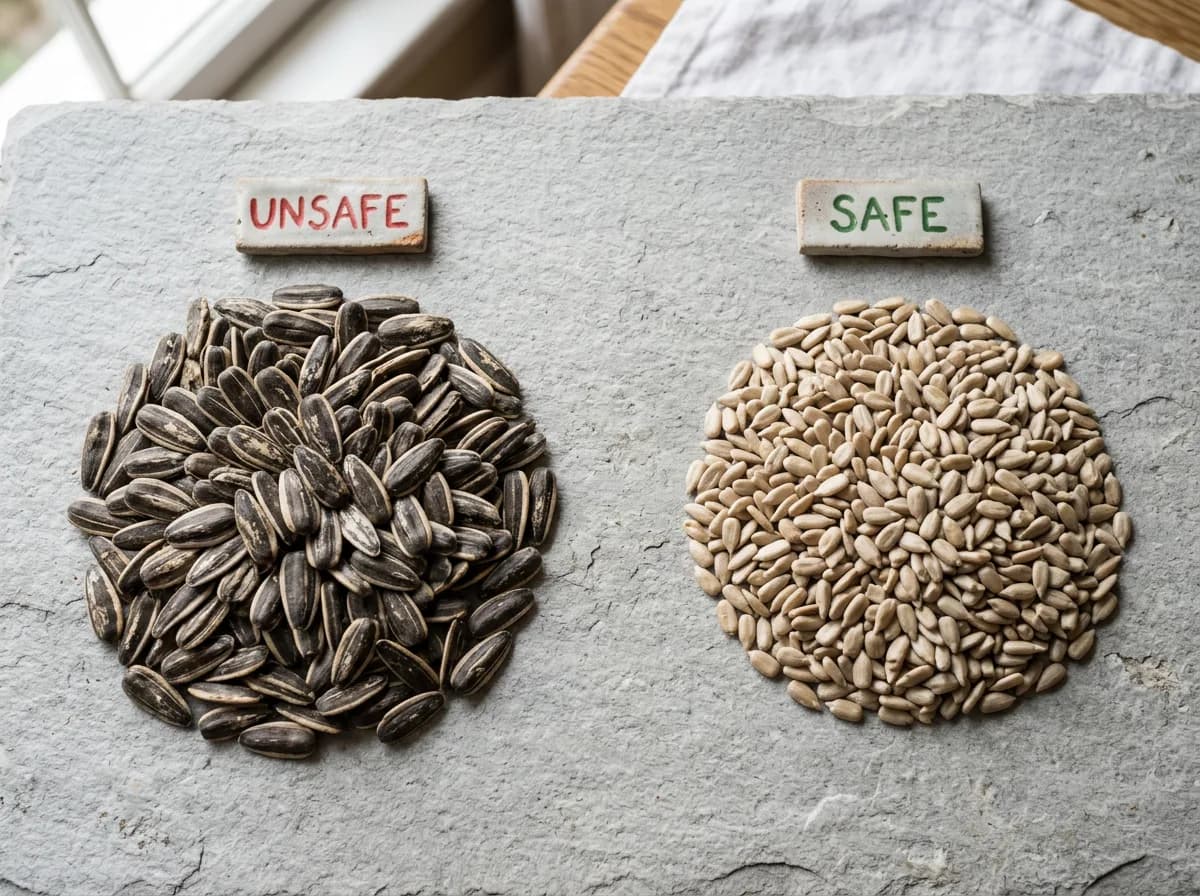
No, dogs should never eat sunflower seeds with the shells on. The fibrous, sharp-edged husks are not digestible and pose two real dangers: they are a choking hazard, especially for small dogs, and a quantity of shells can cause a painful intestinal blockage or irritate the lining of the digestive tract. Only the soft inner kernel, sometimes sold as shelled sunflower seeds or sunflower kernels, is safe.
This means store-bought in-shell seeds (the kind people eat at a ballgame) are off the menu. Buy raw or dry-roasted, unsalted, shelled kernels instead, or shell them yourself before sharing. Sunflower kernels and shelled sunflower seeds are the same thing, and they are the only form you should offer your dog.
- A few shells swallowed accidentally usually pass without trouble, but watch for vomiting, straining to poop, loss of appetite, lethargy, or a tender belly. If your dog ate a large amount of shells or shows any of those signs, this can indicate an obstruction. Call your vet right away and review [vomiting and diarrhea in dogs](https://www.petful.com/pet-health/vomiting-and-diarrhea-in-dogs-cats/) for what to monitor.
How Many Sunflower Seeds Can Dogs Eat? Serving Size by Weight
How many sunflower seeds a dog can eat depends on its size. As a general guide, the AKC suggests roughly 10 to 20 shelled seeds per week for small dogs and 20 to 40 per week for large dogs, given as an occasional treat rather than daily. An easy alternative method is to crush or grind a small pinch of kernels and sprinkle them over your dog's regular food.
Use the table below as a starting point, then adjust down for smaller or less active dogs. Always introduce a new food in a tiny amount first to make sure it agrees with your dog's stomach, and remember treats should stay under 10 percent of daily calories to avoid weight gain and obesity in dogs.
- Grinding kernels before serving makes the nutrients easier to digest and removes the risk of a whole seed being inhaled. A light sprinkle over food (about a half teaspoon for small dogs up to 2 teaspoons for giant breeds) is the safest way to share.
| Dog Size | Approx. Weight | Safe Amount (shelled, plain) | How Often |
|---|---|---|---|
| Small | Under 20 lbs | About 1/2 teaspoon crushed, or 10 to 20 seeds | Occasional treat, weekly |
| Medium | 20 to 50 lbs | About 1 teaspoon crushed | Occasional treat, weekly |
| Large | 50 to 90 lbs | About 1.5 teaspoons, or 20 to 40 seeds | Occasional treat, weekly |
| Giant | Over 90 lbs | About 2 teaspoons crushed | Occasional treat, weekly |
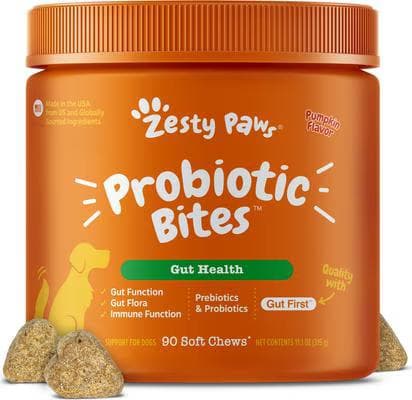
Pumpkin-flavored probiotic soft chews that support healthy gut flora and digestion in dogs.
Petful may earn a commission when you click through to Chewy, at no extra cost to you.
Can Dogs Eat SunButter or Sunflower Seed Butter?
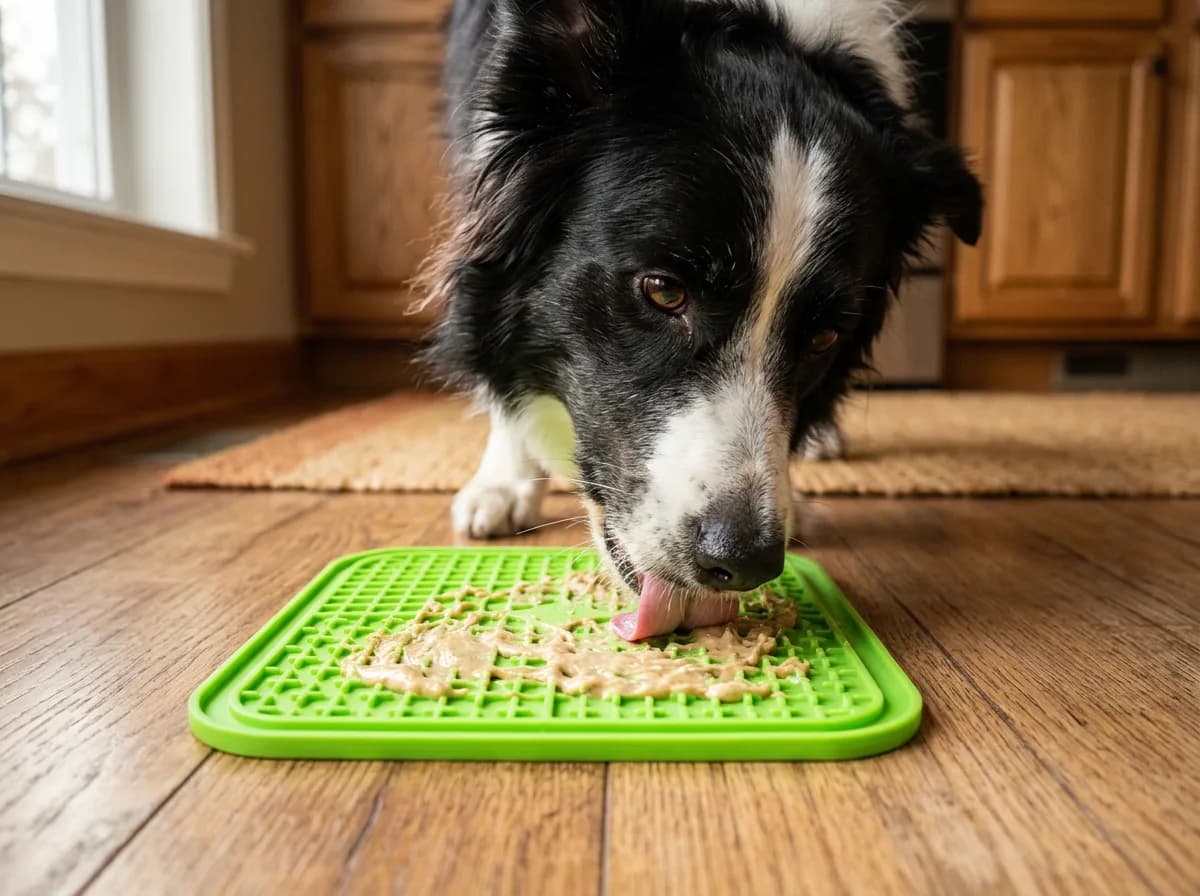
Yes, dogs can eat sunflower seed butter (often sold under the brand name SunButter) in small amounts, as long as it is plain and contains no xylitol, added salt, or sugar. Because it is made from ground sunflower kernels, plain sunflower butter carries the same vitamin E and healthy-fat profile as the seeds, and it is a popular peanut-free option for stuffing a lick mat or food puzzle.
The single most important step is to read the label. Some nut and seed butters contain xylitol, an artificial sweetener that is highly toxic to dogs. Confirm the jar lists no xylitol (sometimes labeled birch sugar) before sharing. If your dog ever gets into a xylitol product, treat it as an emergency and review the xylitol poisoning in dogs timeline.
- Even small amounts of xylitol can cause a dangerous drop in blood sugar within 10 to 60 minutes, and larger doses can lead to liver damage over the following hours to days. Only offer sunflower seed butter that is 100 percent plain with no sweeteners or salt, and keep portions to a thin smear (a lick mat dot, not a spoonful).
Like the seeds themselves, sunflower butter is high in fat, so a thin smear is plenty. It is not a daily food and should never make up a meaningful part of your dog's calories.
Plain, Raw, Roasted, Salted: Which Sunflower Seeds Are Safe?
The safest sunflower seeds for dogs are plain, unsalted, shelled kernels, whether raw or dry-roasted. Preparation matters as much as the seed itself. Here is how the common types stack up:
Can dogs eat raw sunflower seeds?
Yes. Raw, shelled, unsalted kernels are safe in moderation and retain their full vitamin E. Just be sure they are shell-free and plain.
Can dogs eat roasted sunflower seeds?
Plain dry-roasted, unsalted kernels are fine. Avoid oil-roasted seeds, which add unnecessary fat, and anything roasted with salt or seasoning.
What about salted or flavored seeds?
Skip them. Salted, barbecue, ranch, or otherwise flavored seeds can deliver far too much sodium and additives. Excess salt can cause sodium ion poisoning, with signs ranging from excessive thirst and vomiting to tremors and seizures in severe cases.
- Black-oil sunflower seeds and bird-feed mixes are often left in the shell, salted, or chemically treated, and may be moldy. Do not use bird seed as a dog treat. Stick to plain, shelled kernels meant for human consumption.
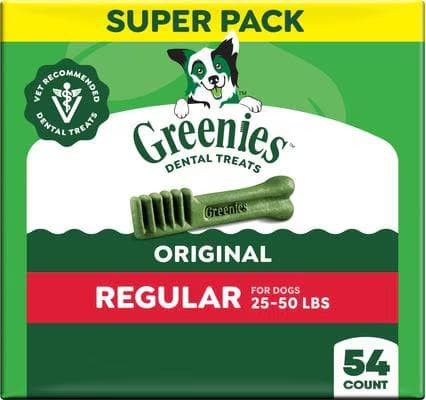
Daily dental chew that cleans teeth, freshens breath, and is accepted by the Veterinary Oral Health Council. Sized for dogs 25 to 50 lbs.
Petful may earn a commission when you click through to Chewy, at no extra cost to you.
What About Sunflower Oil and Sunflower Lecithin?
Sunflower oil and sunflower lecithin are different from the whole seeds and are generally considered safe for dogs in small, controlled amounts. Sunflower oil is sometimes added to dog foods and supplements as a source of linoleic acid, and a small drizzle is occasionally suggested to support a dog's coat and itchy, dry skin. Because it is pure fat, use only tiny amounts and check with your vet first, especially for any dog prone to pancreatitis.
Sunflower lecithin is an emulsifier sometimes found in supplements and treats. In the small quantities used as a food ingredient it is not considered harmful to dogs, but it is not something you need to add on your own. As with any fat or supplement, more is not better, and a complete diet already covers your dog's needs.
Can Puppies Eat Sunflower Seeds?
It is best to wait before giving sunflower seeds to puppies. Puppies have developing digestive systems and need a carefully balanced growth diet, so high-fat, hard-to-chew treats are not a good fit. A whole or shelled seed is also a bigger choking risk for a small mouth. If you want to offer a taste to an older puppy, a tiny pinch of finely ground, plain kernels sprinkled on food is the safest approach, and your vet can confirm whether your puppy is ready.
Can Dogs Be Allergic to Sunflower Seeds?
Dogs can be allergic to sunflower seeds, though it is uncommon. As with any new food, watch for signs of an allergic reaction the first few times you offer them: itching, red or inflamed skin, ear issues, excessive paw licking, or digestive upset such as vomiting and diarrhea. If you notice any of these, stop offering the seeds and contact your veterinarian.
Because the symptoms of a food sensitivity overlap with other issues, it can take some detective work to confirm a true allergy. Petful's overview of food allergies in dogs walks through how vets identify problem ingredients and what an elimination diet involves.
Can Dogs Eat Sunflowers, Petals, and the Plant?
The sunflower plant itself is generally considered non-toxic to dogs, so a curious nibble of a petal or leaf is not poisonous. However, the rough, fibrous stalks, leaves, and petals are not meant to be eaten and can cause mild stomach upset, vomiting, or diarrhea if your dog munches on them. Garden sunflowers may also carry pesticides or fertilizer residue, which is a separate concern. The seeds (prepared as described above) are the only part worth offering, and the rest of the plant is best kept out of reach.
Do Sunflower Seeds Help With Dog Anxiety?
There is no solid evidence that sunflower seeds calm an anxious dog. The idea comes from the fact that sunflower kernels contain small amounts of tryptophan and magnesium, nutrients sometimes linked to relaxation in humans. But the quantities in a dog-safe serving are far too small to have a meaningful calming effect, and feeding more to chase that benefit would only add risky fat and calories. If your dog struggles with anxiety, work with your veterinarian on proven approaches rather than relying on a seed.
My Dog Ate a Bag of Sunflower Seeds: Should I Be Worried?
If your dog ate one or two plain seeds, you do not need to worry; a single sunflower seed will not harm a dog. The concern is quantity and type. A dog that gulped down a large amount of seeds, especially salted ones or seeds still in the shell, can develop vomiting, diarrhea, dehydration from the salt, or in worse cases pancreatitis or an intestinal blockage.
Watch closely for vomiting, diarrhea, excessive thirst, a painful or swollen belly, lethargy, straining to defecate, or signs of distress. If you see any of these, or if the seeds were heavily salted, call your veterinarian or an animal poison control line right away. Petful's guide to what to do in a pet poison emergency explains the immediate steps to take while you reach a professional.
Frequently Asked Questions
Nothing harmful. A single plain, shelled sunflower seed is not toxic and will not hurt a dog. Even one in-shell seed rarely causes problems. The risk only appears with larger quantities, with salted or flavored seeds, or with a mouthful of shells, which can cause stomach upset or, rarely, a blockage. Monitor your dog and call your vet if anything seems off.
Yes, dogs can eat both plain, unsalted, shelled sunflower and pumpkin seeds in moderation. Both should be shell-free and given as small, occasional treats. Like sunflower seeds, pumpkin seeds are high in fat, so keep portions tiny and crush them over food. Avoid any salted, seasoned, or in-shell versions of either seed.
Yes. The shells are fibrous and indigestible, making them a choking hazard and a possible cause of intestinal blockage or digestive irritation. Never feed in-shell seeds. Only the soft inner kernel is safe. If your dog swallows shells, watch for vomiting, straining, or appetite loss and contact your vet if those signs appear.
No, dogs should not eat salted sunflower seeds. The added sodium can cause excessive thirst, vomiting, and, in large amounts, sodium ion poisoning with tremors or seizures. Always choose plain, unsalted kernels. The same goes for flavored, barbecue, or ranch seeds, which add salt and additives a dog does not need.
Plain sunflower seed butter is safe for dogs in small amounts as long as it contains no xylitol, added salt, or sugar. Always read the label first, since xylitol is highly toxic to dogs. Because it is high in fat, offer only a thin smear as an occasional treat, never a daily food.
Sunflower seeds are best given weekly, not daily. As a guide, small dogs can have about 10 to 20 shelled seeds per week and large dogs 20 to 40, all plain and unsalted. Treats should stay under 10 percent of daily calories. When possible, crush the kernels and sprinkle a small pinch over food.

Carol Bryant is the founder FidoseofReality.com and SmartDogCopy.com. A pet product expert, Carol is the Past President of the Dog Writers Association of America (DWAA) and winner of Best Dog Blog. A dog lover of the highest order is how Gayle King introduced Carol when she appeared with her Cocker Spaniel on Oprah Radio’s Gayle King Show to dish dogs. She helps pet, animal, and lifestyle brands achieve copywriting and content marketing success using well-trained words that work and is well-known in the pet industry.
Veterinarian · BVMS, MRCVS
Dr. Pippa Elliott, BVMS, MRCVS, is a veterinarian with nearly 30 years of experience in companion animal practice. Dr. Elliott earned her Bachelor of Veterinary Medicine and Surgery from the University of Glasgow. She was also designated a Member of the Royal College of Veterinary Surgeons. Married with 2 grown-up kids, Dr. Elliott has a naughty Puggle named Poggle, 3 cats and a bearded dragon.
Sign up for expert-backed reviews and safety alerts all in one place.