Can Dogs Eat Celery? Everything You Need To Know
Yes, dogs can eat celery in moderation. A vet-reviewed guide to how much celery to feed by weight, raw vs. cooked, the peanut butter pairing rules, and which dogs should skip celery entirely because of kidney or bladder stones.

Veterinarian · BVMS, MRCVS
Petful is reader supported. As an affiliate of platforms like Amazon and Chewy, we may earn a commission when you buy through links on this page. There is no extra cost to you.
- 1Can dogs eat celery? Yes, in moderation. Celery is low-calorie, hydrating, and a good source of fiber, vitamin K, and vitamin C.
- 2Always cut celery into bite-sized pieces (about 1/4 inch) before serving. Long fibrous stalks are a known choking hazard, especially for small dogs.
- 3Skip celery for dogs with a history of kidney or bladder stones. Celery contains oxalates that can worsen stone formation in susceptible pets.
- 4Treats, including celery, should make up no more than 10% of your dog's daily calories. The other 90% should come from a complete and balanced diet.
Yes, dogs can eat celery in moderation. So when pet parents ask, "Can dogs eat celery safely?" the short veterinary answer is yes: raw, plain celery, cut into bite-sized pieces, is a crunchy, low-calorie treat that supports hydration, weight management, and even fresher breath. The catches are simple: keep portions small, slice it short to prevent choking, and skip celery entirely for dogs prone to urinary or kidney stones. The vet-reviewed guide below walks through serving sizes by weight, safe preparation, the risks worth knowing, and how celery stacks up against other dog-friendly vegetables.

Sign up for expert-backed reviews and safety alerts all in one place.
Is Celery Safe for Dogs? The Vet-Backed Answer
Plain raw celery is non-toxic to dogs and is widely accepted by veterinarians as a safe occasional treat. It earns its place on most vet-approved "dog-safe vegetables" lists for the same reasons humans like it: it is around 95% water, very low in calories, and packed with crunch that some dogs love. A few ground rules keep celery firmly in the safe zone:
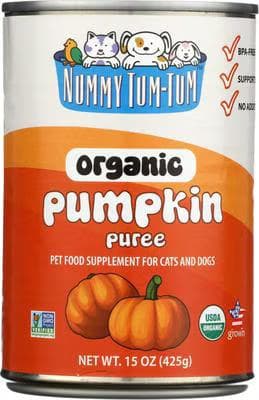
Pure USDA-organic pumpkin puree, no fillers or additives. Adds gentle soluble fiber to firm up loose stool and settle a mildly upset stomach. A simple vet-favorite topper.
Petful may earn a commission when you click through to Chewy, at no extra cost to you.
- Serve it raw or lightly steamed, never seasoned. Skip butter, salt, oil, ranch dip, onion powder, and garlic powder. Onions and garlic are toxic to dogs even in small amounts.
- Cut into 1/4-inch pieces. Long fibrous stalks are a documented choking hazard for small breeds and gulping eaters.
- Introduce slowly. Start with one or two slices and watch for any digestive upset over the next 24 hours before making celery a regular treat.
- Wash thoroughly. Conventional celery is on the EWG's "Dirty Dozen" produce list for pesticide residue. Rinse under running water or buy organic when possible.
- If you can squash the piece flat between your thumb and forefinger without much effort, it's small enough for most dogs. For toy breeds and puppies, cut even smaller (1/8 inch) and always supervise.
How Much Celery Can Dogs Eat? Serving Size by Weight
Veterinarians follow the 10% rule: treats of any kind should account for no more than 10% of your dog's daily calorie intake. The rest comes from a complete and balanced diet. Celery is forgiving on calories (about 6 calories per medium stalk), so the cap is really about fiber and choking, not calories. The table below gives a safe daily ceiling, served as 1/4-inch slices, by body weight.
| Dog weight | Daily celery (1/4-inch slices) | Notes from a vet's perspective |
|---|---|---|
| Toy / Extra small (under 10 lb) | 1 to 2 slices | Cut even smaller (1/8 inch). Stick to 2 to 3 days a week. |
| Small (10 to 25 lb) | 2 to 4 slices | Watch for stringy bits. Remove tough fibers from the back of the stalk. |
| Medium (25 to 60 lb) | 5 to 6 slices | A safe everyday treat in this range for most healthy adults. |
| Large (60 to 100 lb) | 7 to 9 slices | Still slice. Whole stalks are not necessary and increase gulping risk. |
| Giant (over 100 lb) | 9 to 10 slices | Pair with a low-calorie meal when used for weight management. |

Petful may earn a commission when you click through to Chewy, at no extra cost to you.
These ranges assume a healthy adult dog with no kidney, bladder, or urinary issues. For puppies, senior dogs, or any dog on a prescription diet, ask your veterinarian before adding celery as a daily treat.
Nutritional Benefits of Celery for Dogs
Celery is mostly water, but the small amount of nutrient density it carries lines up well with what dogs need from a fresh treat:
- Hydration. At roughly 95% water, celery is a useful supplemental hydration source on hot days, after exercise, or for dogs who do not drink enough from their bowl.
- Vitamin K. Supports normal blood clotting and bone metabolism.
- Vitamin C and antioxidants. Dogs produce their own vitamin C, but the antioxidant compounds in celery (apigenin, luteolin) help neutralize free radicals.
- Potassium. Plays a role in nerve and muscle function. Celery's potassium content is modest but a useful addition for active dogs.
- Fiber. Supports regular bowel movements and can help dogs feel full on fewer calories, useful for weight management.
- Mechanical dental benefit. Crunchy raw celery scrapes mild plaque off teeth as your dog chews, and the fibrous texture is often credited with freshening breath.
How to Prepare Celery Safely for Your Dog
Can dogs eat celery raw?
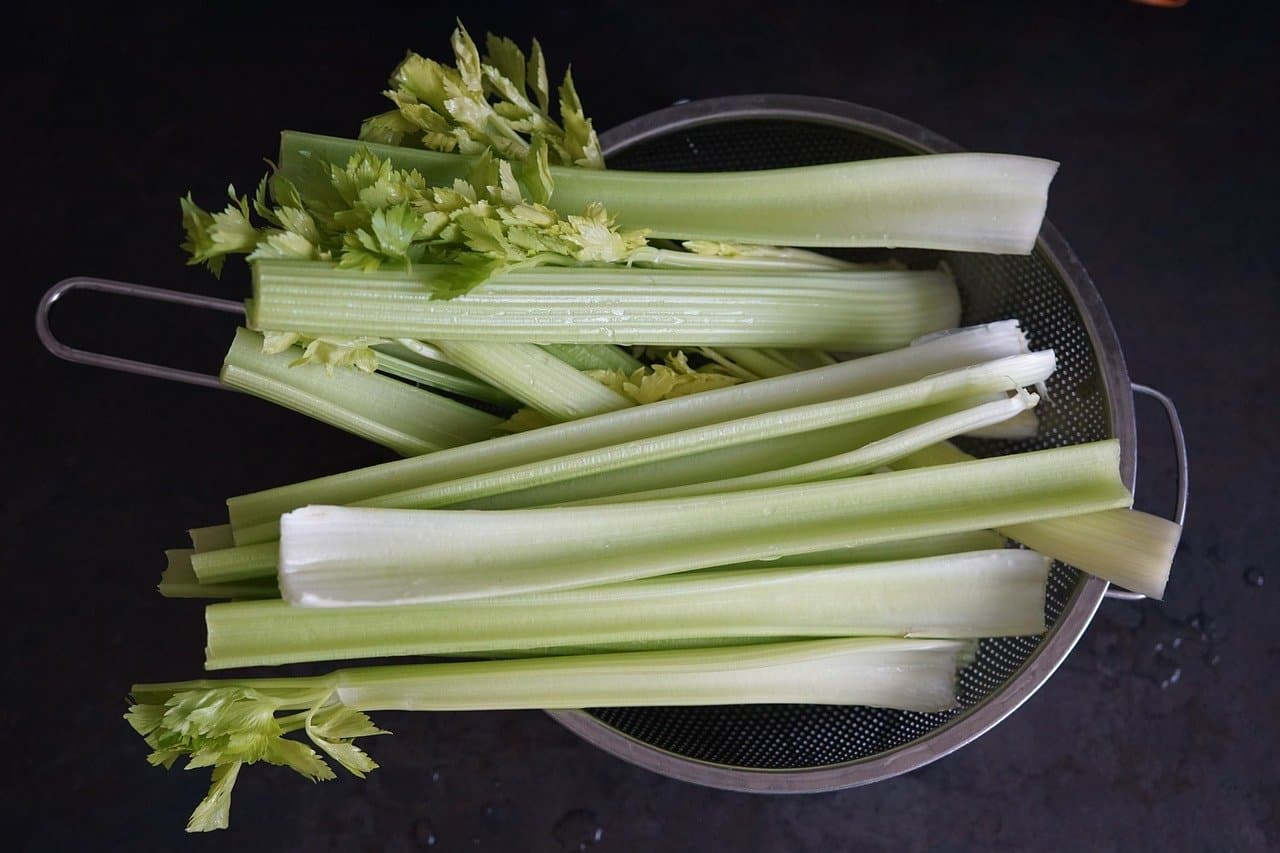
Yes, and raw is the form most veterinarians recommend. Raw celery keeps the highest water content, the most intact vitamin C, and the crunch that gives it the mild dental scrubbing benefit. Wash the stalk well, peel off the tough back strings with a vegetable peeler or paring knife, and slice into 1/4-inch pieces before serving.
Can dogs eat cooked celery?
Yes. Lightly steamed or boiled celery (plain, no salt, no oil, no broth made from onion or garlic) is softer and easier on senior dogs or dogs with dental issues. Cooking does reduce some vitamin C, but it also softens the long strings that cause choking. If your dog is a gulper, cooked celery is the safer pick.
Can dogs eat celery leaves?
Yes. Celery leaves are non-toxic and contain a slightly higher concentration of antioxidants than the stalks. Tear a few leaves and toss them on your dog's regular food as a low-calorie garnish. Stick to a small handful at a time, since the leaves are also higher in oxalates than the stalk.
What about the fibrous strings on the back of a celery stalk?
Remove them. Those long, tough fibers can twist together in a dog's throat and cause coughing, gagging, or a true choking emergency, especially in small breeds. A quick pass with a vegetable peeler down the back of the stalk handles it in a few seconds.
Popular Ways to Serve Celery to Dogs
Can dogs eat celery with peanut butter?
Yes, with one important warning: the peanut butter must be xylitol-free. Xylitol (sometimes labeled "birch sugar") is a sugar substitute used in some peanut butters and is highly toxic to dogs, causing a sudden, life-threatening drop in blood sugar. Always check the ingredient label. A small smear of 100% natural peanut butter on a short celery stick is a classic enrichment treat. Keep it to about a teaspoon for a medium dog to avoid loading on extra calories.
Can dogs eat celery every day?
For most healthy adult dogs, yes, in small amounts. A handful of 1/4-inch slices several times a week is fine. The reason to keep daily portions modest is fiber: too much too quickly can cause loose stools, gas, or stomach discomfort. Rotate celery with other vet-approved fresh treats like carrots, cucumber, or green beans so your dog gets a wider mix of nutrients.
Is celery good for a dog's bad breath?
It can help around the edges. The fibrous crunch lightly scrubs plaque, and the high water content rinses out food particles that can sour breath between brushings. Celery is not a replacement for dental care, though. Persistent bad breath in dogs is often a sign of periodontal disease and deserves a vet exam, not a crunchy snack.
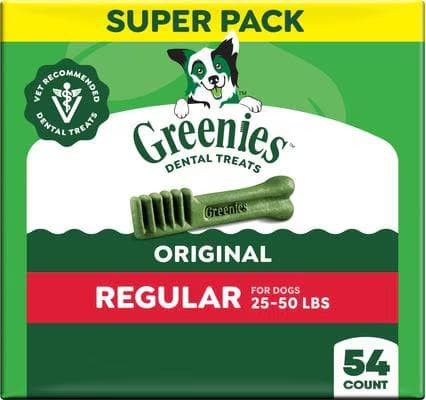
Daily dental chew that cleans teeth, freshens breath, and is accepted by the Veterinary Oral Health Council. Sized for dogs 25 to 50 lbs.
Petful may earn a commission when you click through to Chewy, at no extra cost to you.
Can dogs eat cooked celery and carrots together?
Yes. Plain cooked celery and carrots are one of the most common vet-friendly veggie pairings. Steam or boil them in plain water, with no seasoning, salt, oil, butter, onion, or garlic. Let them cool and chop into bite-sized pieces. The two work well together because carrots are sweeter (most dogs love them) and celery adds extra water and crunch.
Celery vs. Carrots vs. Cucumber for Dogs
All three are popular fresh treats and all three are safe for dogs. The right pick depends on what you are optimizing for: weight management, hydration, dental crunch, or sweetness for a picky eater. Here is the side-by-side.
| Vegetable | Calories per medium serving | Best for | Watch out for |
|---|---|---|---|
| Celery | ~6 cal per stalk | Hydration, weight management, mild plaque scrubbing | Long strings, oxalates for dogs with kidney issues |
| Carrots | ~25 cal per medium carrot | Picky eaters, training treats (low-cost, dogs love the sweetness) | Higher natural sugar; bite-sized pieces to prevent choking |
| Cucumber | ~16 cal per cup | Hot-day hydration, weight loss diets (lowest calorie of the three) | Bland flavor, slippery slices can be a gulping risk |
Picky eater? Start with carrots for dogs. Dog on a weight-loss plan in summer? Try cucumber. Looking for a daily hydration and fiber boost with the bonus of mechanical breath-freshening? Celery is the pick.
Risks and When to Avoid Celery
Celery is not toxic to dogs, but a few situations call for caution or skipping it entirely:
- Choking on long strings. The single biggest risk. Long, fibrous stalks and stringy back fibers can lodge in a dog's throat. Always slice and peel.
- Digestive upset from too much fiber. Dogs new to celery, or dogs given too much in one sitting, may have gas, soft stools, or mild diarrhea. Stay within the serving guide above.
- Pesticide residue. Celery consistently appears on the EWG's Dirty Dozen list. Wash thoroughly under running water, or buy organic if your budget allows.
- Sodium in celery juice or store-bought "veggie sticks." Whole, plain celery is very low in sodium. Pre-prepped celery snacks and celery juices often add salt. Stick to whole, fresh stalks.
- Celery contains naturally occurring oxalates. In dogs with a history of calcium oxalate bladder stones or chronic kidney disease, foods higher in oxalates can contribute to new stone formation. If your dog has been treated for stones, is on a urinary or kidney prescription diet, or has been told to limit oxalates, leave celery off the treat list and ask your veterinarian for a safer alternative.

Get a free quote in 90 seconds. Coverage for vet emergencies like obstruction surgery and allergic reactions.
- AI-powered claims paid in minutes
- Cancel anytime, no fees
- Covers accidents and illnesses
Petful may earn a commission when you click through to Lemonade, at no extra cost to you.
- Celery allergies in dogs are uncommon but possible. Stop feeding celery and call your veterinarian if you see vomiting, persistent diarrhea, itchy or hot skin, hives, facial swelling, or any swelling around the face, lips, or throat after a celery treat. Severe reactions are an emergency.
When to Call Your Veterinarian
For most dogs, celery is a low-risk treat that never needs a vet phone call. Reach out promptly if you see any of these after feeding celery:
- Repeated coughing, gagging, retching, or pawing at the mouth (possible string stuck in the throat)
- Diarrhea or vomiting that lasts more than 24 hours
- Blood in the stool or urine
- Straining to urinate or only producing small amounts (this can be a urinary emergency, especially in male dogs)
- Facial swelling, hives, or any sign of an allergic reaction
Frequently Asked Questions
Yes, in very small amounts (1 to 2 finely chopped 1/8-inch pieces) once a puppy is fully transitioned onto solid food, usually around 8 to 10 weeks. Puppies have smaller airways, so cut even smaller than you would for an adult dog and always supervise. If your puppy is on a vet-prescribed feeding plan, check before adding any new treat.
Celery is not a true laxative, but its high fiber and water content can soften stools and encourage more regular bowel movements. Dogs given too much celery at once may have loose stools or mild diarrhea. Keep portions within the serving guide above to avoid digestive upset.
No. Ranch dressing, blue cheese dip, and most prepared dips contain onion powder, garlic powder, dairy fats, and high sodium that can upset a dog's stomach. Onion and garlic are also toxic to dogs. Serve celery plain, or with a small smear of xylitol-free peanut butter at most.
Stick with whole, plain celery. Celery juice loses most of the fiber that makes celery a useful treat, often contains added salt, and can deliver oxalates in a more concentrated form. Whole celery is safer and easier to portion.
No. Celery seeds are sometimes used as a diuretic supplement and are not recommended without veterinary guidance. Celery salt is heavily salted and often contains other seasonings, so it is not safe for dogs.
Most healthy dogs who eat one stalk of plain raw celery will be fine. Watch for choking, coughing, vomiting, or trouble passing stool over the next 24 hours. Call your veterinarian if any of those appear, if your dog is very small, or if your dog has a history of kidney or bladder stones.
Related Reading on Petful
Building a fresh-treat rotation for your dog? Pair celery with our other vet-reviewed produce guides: Can Dogs Eat Carrots?, Can Dogs Eat Cucumber?, Can Dogs Eat Broccoli?, and Can Dogs Eat Kale?. For a broader overview, see our roundup of the best vegetables for dogs.
References
- American Kennel Club. Can Dogs Eat Celery?
- ASPCA Animal Poison Control. People Foods to Avoid Feeding Your Pets (onion, garlic, and xylitol toxicity reference).
- Merck Veterinary Manual. Feeding Adult Dogs (treat allowance and balanced diet guidance).
- Environmental Working Group. EWG's 2025 Dirty Dozen (celery pesticide residue ranking).

Carol Bryant is the founder FidoseofReality.com and SmartDogCopy.com. A pet product expert, Carol is the Past President of the Dog Writers Association of America (DWAA) and winner of Best Dog Blog. A dog lover of the highest order is how Gayle King introduced Carol when she appeared with her Cocker Spaniel on Oprah Radio’s Gayle King Show to dish dogs. She helps pet, animal, and lifestyle brands achieve copywriting and content marketing success using well-trained words that work and is well-known in the pet industry.
Veterinarian · BVMS, MRCVS
Dr. Pippa Elliott, BVMS, MRCVS, is a veterinarian with nearly 30 years of experience in companion animal practice. Dr. Elliott earned her Bachelor of Veterinary Medicine and Surgery from the University of Glasgow. She was also designated a Member of the Royal College of Veterinary Surgeons. Married with 2 grown-up kids, Dr. Elliott has a naughty Puggle named Poggle, 3 cats and a bearded dragon.
Sign up for expert-backed reviews and safety alerts all in one place.