Can Dogs Eat Kale? An Eye-Opening Guide
Can dogs eat kale? A few small, washed, chopped pieces are usually fine, but kale carries real risks, from calcium oxalate stones to thyroid-affecting goitrogens. Here is the full breakdown: stems, raw versus cooked, and safe amounts by size.

Veterinarian · BVMS, MRCVS
Petful is reader supported. As an affiliate of platforms like Amazon and Chewy, we may earn a commission when you buy through links on this page. There is no extra cost to you.
- 1Kale can be risky for dogs due to compounds that may cause digestive issues, kidney stones, or toxicity in large amounts.
- 2While rich in vitamins and minerals, it should only be given in tiny portions and never as a regular treat.
- 3Always consult a vet before feeding kale, and opt for safer veggies like carrots or cucumbers instead.

Sign up for expert-backed reviews and safety alerts all in one place.
Can Dogs Eat Kale? The Short Answer
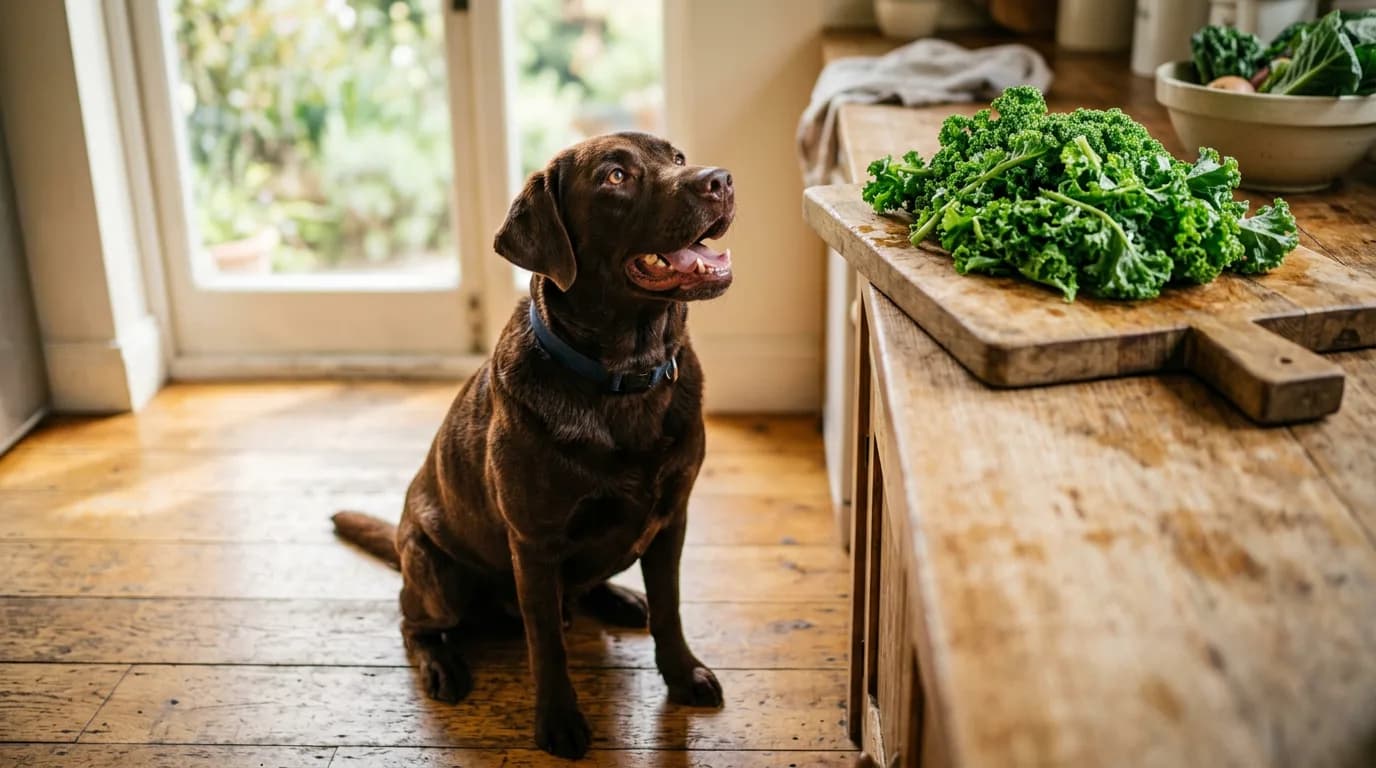
Can dogs eat kale? Yes, a small amount of plain, washed, chopped kale is safe for most healthy dogs as an occasional treat. But kale carries real risks: it contains calcium oxalate, which can promote bladder and kidney stones, plus goitrogens that may affect the thyroid (American Kennel Club). Skip it for dogs with urinary or thyroid issues, and keep treats under 10 percent of daily calories.
Kale, a leafy green vegetable that is a common ingredient in smoothies and snacks lately, has become a popular health food for humans, but can dogs eat kale as part of their diet? This question draws a lot of attention from pet owners aiming to give their furry friends the best possible nutrition. This article will dive into the potential risks of feeding kale to dogs, how to introduce it into their diet, and some important considerations to keep in mind.
Is Kale Good for Dogs, or Is It Bad and Toxic?
The safety of kale for dogs is a matter of debate, as while it offers nutritional advantages, there are associated risks and necessary precautions to consider before incorporating kale into a dog's diet. That is why it is important to discuss with a vet first for personalized advice because kale can pose some risks to dogs if not fed properly, such as:
- Thallium: Kale can absorb thallium, a heavy metal from the soil, which can be toxic in large amounts.
- Isothiocyanates: Kale contains compounds that can cause mild to potentially severe gastric irritation in some dogs.
- Calcium Oxalate: Present in kale, this compound can contribute to the formation of kidney and bladder stones in predisposed dogs.
How Much Kale Can a Dog Eat by Size?
Given that it is a more complicated snack option for dogs, when incorporating kale into your dog's diet, it's crucial to adhere to size-appropriate serving guidelines to ensure their safety and well-being. The amount of kale your pup can consume depends largely on their size and overall individual health. Below is a general guideline on how much kale dogs of different sizes can likely eat. However, it's important to remember that these are just starting points, and individual tolerance can vary. It is very important to consult a veterinarian before offering any amount of kale to your pup given the risks associated with it.
- Extra Small (<10 lbs): For extra small dogs, start with a very small amount, such as a 1/4 teaspoon of finely chopped or steamed kale mixed into their regular food. Observe for any adverse reactions and consult your vet if unsure.
- Small (10-25 lbs): Small dogs can typically have about a 1/2 teaspoon of chopped or steamed kale. It's essential to start at the lower end while monitoring your dog's reaction.
- Medium (25-60 lbs): Medium-sized dogs may tolerate about 1 teaspoon of kale. Introduce it slowly into their diet and ensure it's well-tolerated first.
- Large (60-100 lbs): Large dogs can usually consume 2 teaspoons of kale or less.
- Giant (100+ lbs): Giant breeds might be able to consume up to 1 tablespoon of kale, but not given all at once. The key is moderation and close observation for signs of adverse reactions.
It’s important to remember that kale should not be a daily addition to your dog's diet and that there are better, less risky vegetable options to offer your pup instead. It's essential to introduce it slowly and in amounts appropriate for your dog's size. Always keep an eye on your dog's health and consult your vet to ensure the dietary changes are beneficial for your pet.

Soft, real-beef burger bites with bison, grain-free and sized for occasional training-treat sharing.
Petful may earn a commission when you click through to Chewy, at no extra cost to you.
What Are the Nutritional Benefits of Kale for Dogs?
Kale is considered a superfood for humans, but what about for dogs? It certainly is rich in fiber, minerals and vitamins A, C, and K, as well as calcium, magnesium, potassium, and iron.
These nutrients, which are typical of other cruciferous vegetables such as broccoli, cauliflower, and cabbage too, do support various bodily functions in dogs:
- Vitamin A: Helpful for healthy vision, immune function, and skin and coat health.
- Vitamin C: An antioxidant that can help support the immune system.
- Vitamin K: Important for blood clotting and bone health.
- Calcium and Magnesium: Supports strong bones and teeth, and muscles.
- Potassium: Essential for normal heart function, muscles, and fluid balance.
- Iron: Necessary for healthy blood cells.
However, kale does still have dangerous aspects for dogs and it should only be given in extreme moderation and under veterinarian advice.

How Do You Safely Prepare Kale for Dogs?
When introducing kale or any new food into your dog's diet, it's important to start slowly and observe how your dog reacts. Here are are some tips for adding kale to your dog's meals if you choose to do so:
- Start Small: Begin with a small amount of kale mixed into their regular food and monitor for adverse reactions.
- Preparation: Ensure the kale is clean and free from pesticides, and avoid giving them the stems.
- Cooked vs. Raw: Lightly steaming kale can make it easier for your dog to digest and reduce the risk of potential irritants affecting your dog. Make sure to not use added oils, salts, or seasonings like onions and garlic when cooking kale for your dog, as they can be very toxic.
- Moderation is Key: If added, then kale should only be a very small part of your dog's diet, complementing their regular, balanced dog food.
- Consult Your Vet: Always consult with your veterinarian before making significant changes to your dog's diet, like adding kale, especially if your dog has existing health issues.
Signs Your Dog Reacts Badly to Kale
Kale, like any new food, can potentially cause allergic reactions in some dogs. While allergies to kale are not very common, it's important to be aware of the possible symptoms, which can vary in severity. Here's a list of potential allergy symptoms to watch for in dogs after consuming kale:
- Skin Irritations: Look for signs of itching, redness, rash, or hives on the skin. Dogs may excessively lick at the affected areas.
- Gastrointestinal Issues: Symptoms include vomiting, diarrhea, excessive gas, a general upset stomach or abdominal pain.
- Ear Infections: Recurring ear infections or head shaking can be signs of an allergic reaction.
- Respiratory Problems: Though less common, some dogs might experience sneezing, coughing, or difficulty breathing if they have an allergic reaction.
- Swelling: Swelling can be a sign of a more severe allergic reaction and requires immediate veterinary attention.
- Lethargy: A general decrease in energy or sudden lethargy can sometimes result from allergic reactions, though it may also likely be a sign of a broader issue.
- Anaphylaxis: In rare cases, a severe allergic reaction called anaphylaxis can occur, which is characterized by a sudden onset of many symptoms, including difficulty breathing, extreme swelling, and collapse. This is a medical emergency.
If you notice any of these symptoms in your dog after introducing kale to their diet, it's important to stop feeding them kale immediately and consult your veterinarian. They can provide a proper diagnosis and treatment plan. Always introduce new foods gradually and in small amounts to monitor your dog's reaction and minimize the risk of allergies or other adverse effects, especially with kale, given its possible risks.
In conclusion, kale can be a risky vegetable. When served in moderation and prepared properly, it can reduce some of the potential dangers for your dog. Its rich nutritional profile can offer various health benefits, however, it's crucial to be aware of the potential risks and if choosing to give some to your dog, introduce it slowly and only in very small amounts to ensure it suits their digestive system. Always consult with your veterinarian before making significant changes to your pet's diet to ensure it aligns with their specific health needs.
Frequently Asked Questions (FAQ)
| Dog Size | Safe Kale Amount (occasional) | Notes |
|---|---|---|
| Extra-small (under 10 lb) | About 1/2 teaspoon, chopped | Stick to tender leaf only; skip the stem and watch for gas |
| Small (10-25 lb) | About 1 teaspoon, chopped | Lightly steamed is easier to digest than raw |
| Medium (25-50 lb) | About 2 teaspoons, chopped | A few times a week at most, not daily |
| Large (50-90 lb) | About 1 tablespoon, chopped | Keep total treats under 10 percent of daily calories |
| Extra-large (90 lb+) | About 2 tablespoons, chopped | Avoid entirely for dogs with stone or thyroid history |
Can Dogs Eat Kale Stems and Stalks?
Kale stems and stalks are not toxic, but they are best avoided or only given in tiny, finely chopped amounts. The thick fibrous stem is much tougher than the leaf, harder for a dog to digest, and can cause choking or stomach upset, especially in small dogs.
If your dog grabs a piece of raw stem off the floor, it is usually nothing to panic about. The bigger issue is making stems a habit, because the tough fiber can lead to gas, bloating, or an upset stomach, and the stem carries the same oxalates and goitrogens as the leaf.
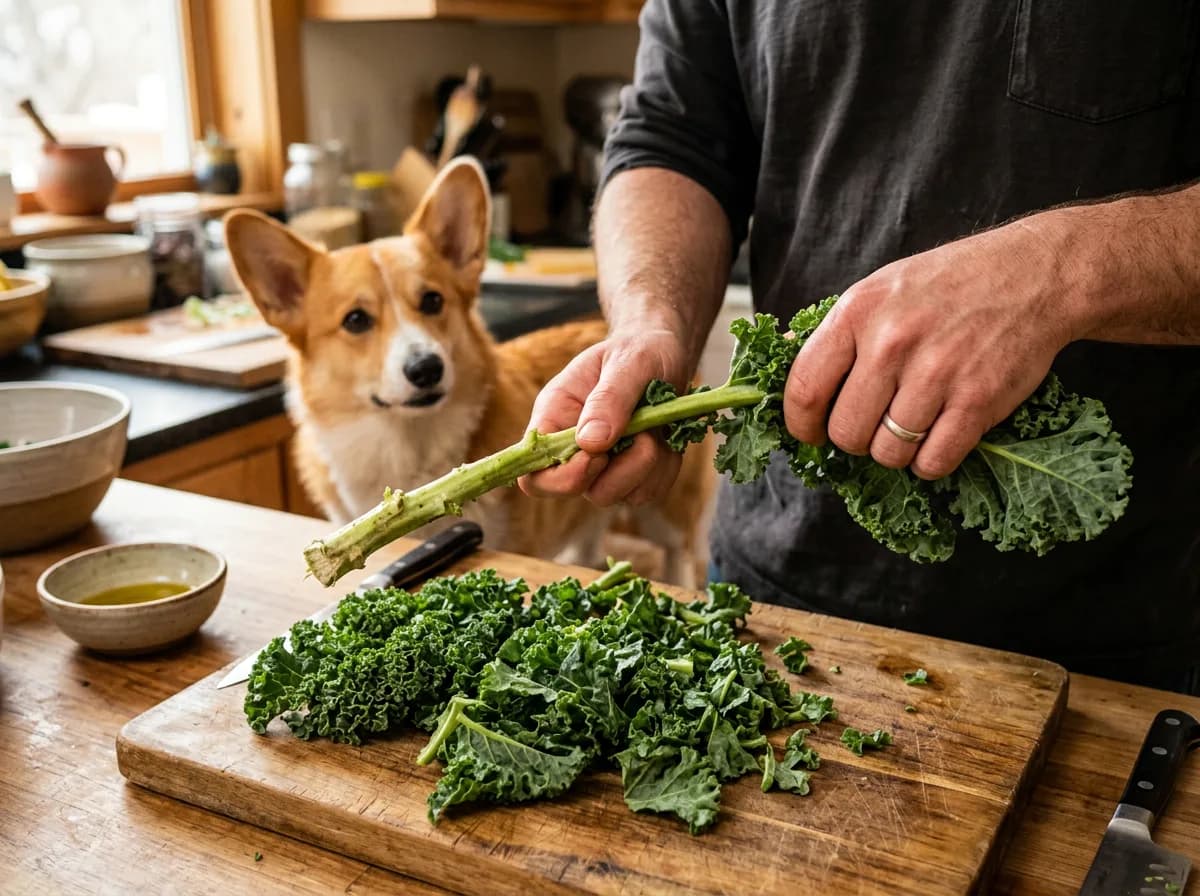
The safer move is to strip the leaves off the stalk, chop the leaves small, and either feed them lightly steamed or skip the stem entirely. Steaming softens any stem you do include and makes the whole leaf easier to digest.
- To prep kale the safe way, hold the base of the stalk and run your fingers up it to strip the leaves off, then discard the thick stem. Chop the leaves into small, bite-size pieces before serving.

Pumpkin-flavored probiotic soft chews that support healthy gut flora and digestion in dogs.
Petful may earn a commission when you click through to Chewy, at no extra cost to you.
Can Dogs Eat Raw Kale or Should It Be Cooked?
Dogs can eat raw kale in small amounts, but lightly cooked kale is usually the better choice. Raw kale is tougher and harder to digest, and the cruciferous fiber can cause more gas and bloating than cooked kale does.
Steaming or blanching plain kale softens the leaves, makes nutrients easier to absorb, and is gentler on a dog's stomach. Never cook it with oil, butter, salt, garlic, or onion, since garlic and onion are toxic to dogs and added fat and salt cause their own problems.
Whether you serve it raw or cooked, the amount matters more than the method. Keep it to a small treat-size portion, washed and chopped, and watch how your dog handles it the first few times.
- Plain only. Kale sauteed or seasoned with garlic, onion, butter, or salt is not safe for dogs. Garlic and onion are toxic to dogs even in modest amounts.
Kale vs. Spinach: Which Is Better for Dogs?
Kale and spinach are both leafy greens that are okay for dogs in small amounts, and both contain calcium oxalate, which can contribute to bladder and kidney stones in prone dogs. Neither is a clear winner, and neither should be a daily staple.
The two differ in where the risk sits. Spinach is much higher in oxalates than kale, so it is the bigger concern for dogs prone to stones, while kale is lower in oxalates but adds goitrogens that can affect the thyroid. For a healthy dog, an occasional small serving of either is fine, but dogs with a history of urinary stones or thyroid disease should avoid both.
If you just want a safe green to share, lower-risk options like green beans, cucumber, or a few pieces of broccoli are easier on most dogs than either kale or spinach.
Can Puppies and Specific Dogs Eat Kale?
It is best to skip kale for puppies. Their digestive systems are still developing and are more easily upset by tough, fibrous greens, and a growing puppy already gets everything it needs from a complete puppy food. If you want to add a vegetable, ask your vet first and start with something gentle.
Some adult dogs should avoid kale entirely. Dogs with a history of bladder or kidney stones, urinary problems, or thyroid disease are the most likely to be harmed by kale's oxalates and goitrogens, so those dogs should not have it at all.
Breed matters less than size and health. A small breed like a French bulldog can have a tiny amount of plain, chopped kale if it is healthy, but smaller dogs need much smaller portions, and any dog with the conditions above should skip it.
- When in doubt, ask your vet before adding kale or any new human food, especially for puppies, seniors, or dogs with a urinary or thyroid history.
What About Baby Kale, Curly Kale, Frozen Kale, and Kale Chips?
Baby kale, curly kale, and lacinato kale (also called cavolo nero or dinosaur kale) are all fine in the same way: a small amount of plain, washed, chopped leaf is acceptable for a healthy dog, with the same oxalate and goitrogen cautions. Baby kale is more tender and a little easier to digest.
Frozen kale is okay as long as it is plain, with no added sauces, salt, or seasoning. Thaw it and chop or lightly steam it before serving so it is not a cold, tough clump, and keep the portion small.
Kale chips are the one form to avoid. Store-bought and homemade kale chips are usually loaded with oil, salt, and seasonings like garlic or onion powder that are unhealthy or outright toxic for dogs. Stick to plain kale, not the snack version.
- Skip kale chips entirely. The oil, salt, and garlic or onion seasoning that make them tasty for people are exactly what makes them a bad idea for dogs.
What Are the Signs of Kale Poisoning in Dogs?
Kale is not poisonous to dogs the way a truly toxic food like grapes or onions is, so a small amount almost never causes an emergency. The real risks come from eating too much, too often, or from the longer-term effect of oxalates and goitrogens in vulnerable dogs.
After a large or unusual amount of kale, watch for vomiting, diarrhea, gas, bloating, or loss of appetite. With ongoing overfeeding, the warning signs to take seriously are straining to urinate, blood in the urine, or any change in urination habits, which can point to bladder or kidney stones.
If your dog ate a very large quantity, has any of those urinary signs, or seems unwell, call your veterinarian. For a suspected poisoning of any kind, the ASPCA Animal Poison Control Center is available at 888-426-4435.
- Straining to urinate, blood in the urine, or repeated vomiting after eating kale is a reason to call your vet. Those can signal stones or a serious digestive problem.

Multiple ridges and valleys slow eating, reduce gas and bloating, and turn mealtime into a fun puzzle. Non-skid base, dishwasher safe, 4-cup capacity.
Petful may earn a commission when you click through to Chewy, at no extra cost to you.
Safer Green Vegetables to Feed Instead of Kale
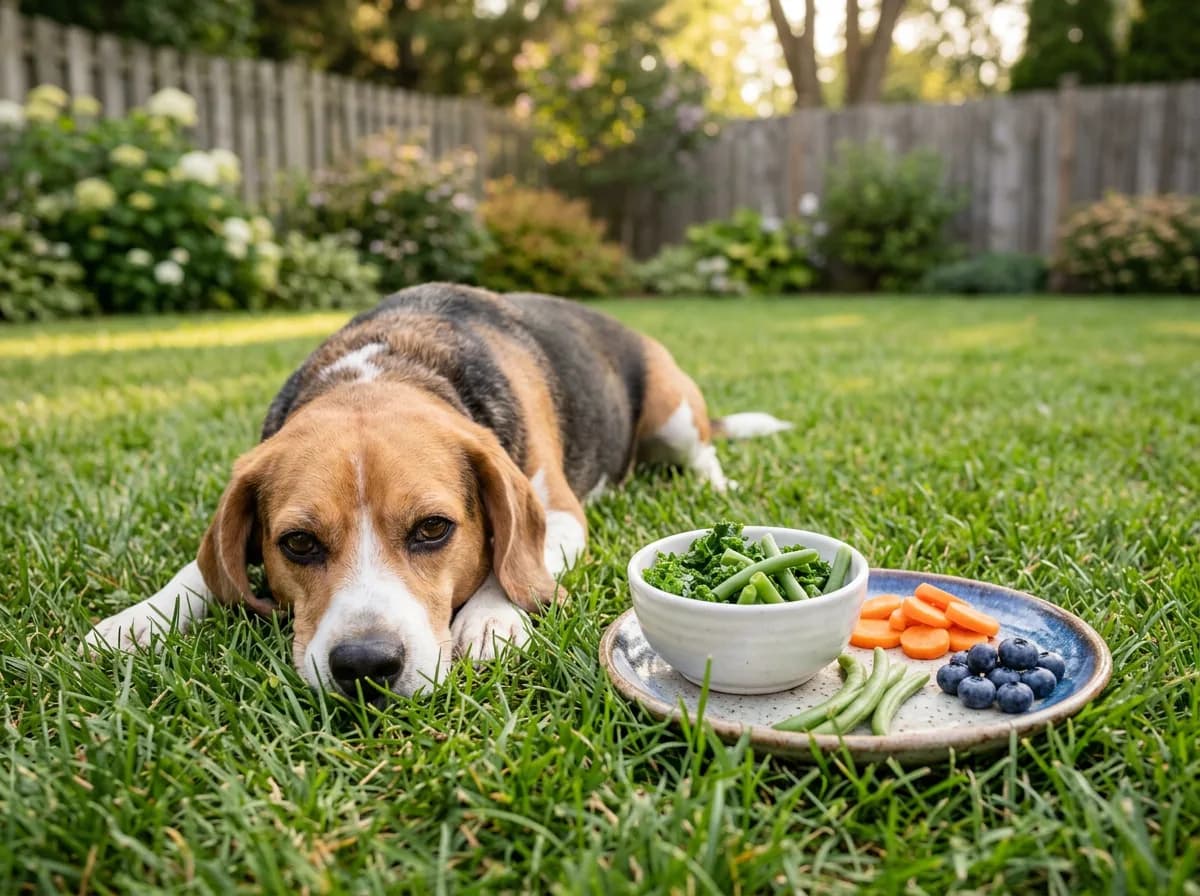
Because kale has to be washed, stemmed, chopped, and rationed carefully, and is off-limits for dogs with urinary or thyroid issues, many owners decide it is not worth the trouble. Plenty of vegetables give the same crunchy, low-calorie treat with fewer strings attached.
Lower-risk picks include green beans, cucumber, carrots, celery, and a little plain pumpkin, all of which are gentle on most dogs and need minimal prep. As with any treat, keep vegetables to about 10 percent of your dog's daily calories and introduce new foods one at a time.
Related Petful Guides
- broccoli
- green beans, cucumber, carrots
- celery
- a little plain pumpkin
- blueberries
- apple slices (cored and seeded)
Keep kale to a small, occasional treat. As a rough guide by size, that is about half a teaspoon of chopped kale for a tiny dog up to a couple of tablespoons for a very large one, a few times a week at most. Treats, including kale, should make up no more than about 10 percent of your dog's daily calories.
Kale stems are not toxic, but they are best avoided. The thick stalk is tough, hard to digest, and a choking risk, especially for small dogs, and it carries the same oxalates and goitrogens as the leaf. Strip the leaves off the stalk, chop them small, and discard the stem, or lightly steam any stem you do include.
Dogs can eat raw kale in small amounts, but lightly steamed or blanched kale is usually easier to digest and causes less gas. Whether raw or cooked, serve it plain. Never add oil, salt, garlic, or onion, since garlic and onion are toxic to dogs. Keep the portion small either way.
Neither is clearly better, and both should be occasional only. Kale and spinach both contain calcium oxalate, which can promote bladder and kidney stones, and kale adds thyroid-affecting goitrogens. For a healthy dog, a small serving of either is fine, but dogs with urinary or thyroid issues should avoid both.
Kale is not poisonous like grapes or onions, so a small amount rarely causes an emergency. Eating too much can cause vomiting, diarrhea, gas, or bloating. The signs to take seriously are straining to urinate, blood in the urine, or a change in urination habits, which can point to stones. Call your vet if those appear.
It is best not to give puppies kale. Their developing digestive systems are easily upset by tough, fibrous greens, and a complete puppy food already provides everything they need. If you want to introduce a vegetable, ask your vet first and start with something gentler than kale.
Most leafy greens are fine in moderation, but a few are not. Avoid anything in the onion, garlic, leek, or chive family, which is toxic to dogs, and keep dogs away from rhubarb leaves, which are poisonous. Kale and spinach are not toxic but should be limited because of their oxalate content.
Simple, Vet-Smart Ways to Serve Kale to Your Dog
If you do choose to incorporate kale into your dog's diet, be sure to talk with a vet first to see if it is safe for your specific pup's health. Here are some simple kale recipes for dogs that can be given in small amounts and in moderation. Remember to introduce any new food gradually to your dog's diet and consult with your veterinarian, especially if your dog has specific health concerns or dietary needs.
Kale and Pumpkin Puree
Ingredients:
- 1 cup of washed, chopped fresh kale (steamed and cooled)
- 1 cup canned pumpkin puree (ensure it's plain pumpkin, not pie filling)
- 1/2 cup water or low-sodium chicken broth (as needed for consistency)
- Instructions:
- Blend the steamed kale and pumpkin puree in a blender or food processor.
- Add water or broth as needed to achieve a smooth, pureed consistency.
- Serve a small amount mixed into your dog's regular food, or freeze in ice cube trays for a cool treat.
Simple Steamed Kale
Ingredients: Fresh kale leaves, washed and chopped. Instructions:
- Wash the kale leaves thoroughly and remove the stems.
- Steam the kale leaves for about 5-10 minutes until they are soft but still green.
- Let the kale cool down, then chop it finely.
- Mix a small amount of the steamed, chopped kale into your dog's regular food.
Always remember, these treats and additions should only make up a small portion of your dog's diet, which should be balanced and nutritionally complete. Treats and extras should not exceed 10% of their daily caloric intake to maintain a healthy weight and overall well-being.
Curious about what other foods dogs can eat? Check out these related articles below: Can Dogs Eat Squash? Can Dogs Eat Corn? Can Dogs Eat Tomatoes? Can Dogs Eat Beets? Can Dogs Eat Mushrooms? Can Dogs Eat Radishes?

Carol Bryant is the founder FidoseofReality.com and SmartDogCopy.com. A pet product expert, Carol is the Past President of the Dog Writers Association of America (DWAA) and winner of Best Dog Blog. A dog lover of the highest order is how Gayle King introduced Carol when she appeared with her Cocker Spaniel on Oprah Radio’s Gayle King Show to dish dogs. She helps pet, animal, and lifestyle brands achieve copywriting and content marketing success using well-trained words that work and is well-known in the pet industry.
Veterinarian · BVMS, MRCVS
Dr. Pippa Elliott, BVMS, MRCVS, is a veterinarian with nearly 30 years of experience in companion animal practice. Dr. Elliott earned her Bachelor of Veterinary Medicine and Surgery from the University of Glasgow. She was also designated a Member of the Royal College of Veterinary Surgeons. Married with 2 grown-up kids, Dr. Elliott has a naughty Puggle named Poggle, 3 cats and a bearded dragon.
Sign up for expert-backed reviews and safety alerts all in one place.