Can Dogs Eat Lemons? Vet's Citric Acid Risks Guide
No, dogs should not eat lemons. The citric acid, essential oils, and psoralens in the peel and flesh commonly cause vomiting, drooling, diarrhea, and in larger amounts, nervous-system effects. Here is exactly what to watch for.

Veterinarian · BVMS, MRCVS

Petful is reader supported. As an affiliate of platforms like Amazon and Chewy, we may earn a commission when you buy through links on this page. There is no extra cost to you.
- 1No, dogs should not eat lemons. The citric acid plus essential oils (limonene and linalool) and psoralens reliably cause vomiting, drooling, and diarrhea.
- 2A single accidental lick of lemon juice is not an emergency, but eating any meaningful amount of lemon flesh, peel, or zest can cause GI upset and (rarely) nervous-system signs.
- 3The peel and zest are the riskiest parts because the essential-oil concentration is highest in the rind.
- 4Skip lemonade, lemon-flavored treats, lemon zest in baked goods, and any product sweetened with xylitol, which is highly toxic to dogs.
Can dogs eat lemons? No, lemons are not safe for dogs. The American Kennel Club and PetMD both list lemons on the "do not feed" list for dogs. The combination of citric acid, the essential oils limonene and linalool, and natural psoralens reliably triggers vomiting, drooling, and diarrhea in most dogs that eat even a small piece. The peel and zest carry the highest concentration of essential oils, making rind ingestion the most concerning scenario. A single lick of lemon juice off a finger is not an emergency, but a dog that chews a lemon, eats a slice with peel attached, or laps up a glass of lemonade needs monitoring for 12 to 24 hours. In larger doses, lemons can cause nervous-system signs like tremors and loss of coordination. Lemonade, lemon zest in baked goods, and any lemon product sweetened with xylitol are firmly off the menu.

Sign up for expert-backed reviews and safety alerts all in one place.
Are Lemons Safe for Dogs?
No, lemons are not safe for dogs, even though they are not as acutely toxic as grapes or chocolate. The problem is reliable GI irritation, not lethal poisoning. Most dogs that eat a lemon end up vomiting, drooling, or having loose stool, sometimes within 30 minutes.
The three culprits are citric acid (which irritates the stomach lining directly), the essential oils limonene and linalool (concentrated in the peel and zest), and psoralens (plant compounds that can cause photosensitivity and, in larger amounts, nervous-system signs). The whole fruit, juice, peel, and zest all contain these compounds in varying concentrations.
- Lemons are on the "skip" list for dogs. A licked finger after slicing a lemon is not a vet emergency. A chewed lemon, a swallowed lemon slice with peel, or a bowl of lemonade is. Watch for vomiting, drooling, and diarrhea over 12 to 24 hours.
Why Are Lemons Risky for Dogs?
Lemons combine three problem compounds that hit dog digestion harder than the human gut handles them:
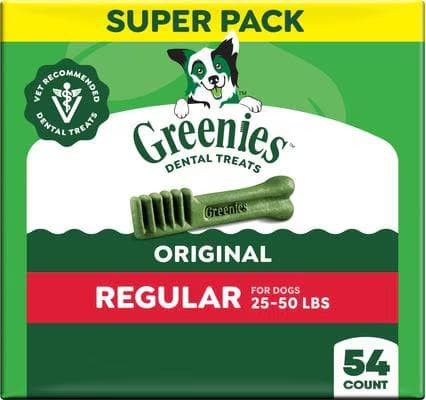
Daily dental chew that cleans teeth, freshens breath, and is accepted by the Veterinary Oral Health Council. Sized for dogs 25 to 50 lbs.
Petful may earn a commission when you click through to Chewy, at no extra cost to you.
• Citric acid: lemons are one of the most acidic fruits, with a pH around 2.0. Concentrated citric acid irritates the lining of a dog's stomach and small intestine, triggering vomiting and diarrhea.
• Essential oils (limonene and linalool): these are concentrated in the peel and zest, which is why lemon rind smells so strongly. Both are irritating to the GI tract and, in larger doses, can affect the central nervous system.
• Psoralens: natural plant compounds in citrus peel that can cause photosensitivity (sunburn-like skin reactions) and, in large amounts, tremors or loss of coordination.
• High sugar in commercial lemon products: lemonade, lemon-flavored yogurts, and lemon baked goods add sugar (and sometimes xylitol) to mask the sourness, layering more risk on top of the citrus problem.
Can Dogs Drink Lemon Juice?
No, do not let your dog drink lemon juice.
Lemon juice is concentrated citric acid with very little water to buffer it. Even a small lap from a glass of lemon water can trigger vomiting in sensitive dogs. A whole shot of lemon juice almost always causes GI upset within an hour. The bigger problem is that "lemon water" trends keep encouraging pet parents to add lemon to a dog's water bowl for "fresh breath" or "weight loss." Both claims are unsupported, and the citric acid is genuinely harmful. Plain fresh water is always the right choice.
- Despite the social media trend, adding lemon juice to a dog's water bowl provides zero health benefit and consistently causes stomach upset. Stick to plain fresh water and consider dog-safe water additives (like vet-approved dental water additives) instead.
Can Dogs Eat Lemon Peel or Zest?
No, the peel and zest are the most concentrated source of essential oils.
Limonene and linalool, the two essential oils that give lemon peel its strong smell, are most concentrated in the rind. A piece of lemon peel chewed and swallowed reliably causes drooling, vomiting, and stomach upset. Lemon zest sprinkled into baked goods carries the same risk per gram. The peel is also a choking and intestinal-blockage hazard, especially for small dogs that swallow a whole peel without chewing.
Can Dogs Eat Lemonade?
No, skip the lemonade entirely.
Lemonade combines the worst of two worlds: concentrated citric acid plus heavy added sugar. Many commercial lemonades also contain xylitol (in "sugar-free" or "diet" versions), which is highly toxic to dogs and causes life-threatening hypoglycemia in even small amounts. A few lapped sips of regular lemonade is unlikely to cause an emergency, but it usually causes GI upset. A glass of sugar-free lemonade is a vet emergency. Always read the label of any sugar-free product before letting your dog near it.
What Happens If My Dog Ate a Lemon?
Most dogs that eat lemon flesh, peel, or zest show GI upset within 30 minutes to a few hours. The amount eaten and the dog's size determine the risk:
| Amount eaten | Toy dog (under 10 lb) | Small dog (10-20 lb) | Medium dog (20-50 lb) | Large dog (50+ lb) |
|---|---|---|---|---|
| Single lick of juice | Monitor at home | Monitor at home | Monitor at home | Monitor at home |
| A few bites of flesh | Vomiting and drooling likely; call vet | Vomiting likely; monitor closely | Probable GI upset; monitor | Mild GI upset possible |
| Whole slice with peel | Vet visit recommended | Call vet, monitor 24 hr | Significant GI upset likely | Monitor for vomiting and diarrhea |
| Whole lemon | Vet emergency | Vet visit recommended | Call vet for guidance | Monitor 24 hr, call if symptoms |
| Sugar-free lemonade (any amount) | EMERGENCY | EMERGENCY | EMERGENCY | EMERGENCY |
How Do I Spot Symptoms of Lemon Poisoning?

Case of six 6.2-oz pouches at $27.98 ($0.76/oz). New Autoship orders save 35%, dropping the first delivery to $18.19.
Petful may earn a commission when you click through to Chewy, at no extra cost to you.
Lemon ingestion symptoms usually appear within an hour and resolve within 24 to 48 hours in most healthy dogs. Watch for:
1. Vomiting and drooling (most common, usually within 30 minutes to 2 hours).
2. Diarrhea (often within 4 to 12 hours).
3. Lethargy and disinterest in food.
4. Tremors, weakness, or loss of coordination (rare, only with large peel or juice ingestion).
5. Photosensitivity (sunburn-like rash on bare skin areas), which can develop hours to days later from psoralen exposure.
Can Puppies Eat Lemons?
No, puppies should never have lemon in any form. Puppies have smaller bodies and more sensitive digestive systems, so even a tiny piece of lemon flesh can cause significant vomiting and dehydration. If your puppy licks a lemon out of curiosity, watch closely and call your vet at the first sign of vomiting or refusal to eat. The dehydration risk in puppies is much higher than in adult dogs.
What About Lemon-Flavored Treats or Lemon Zest in Baked Goods?
Most lemon-flavored human treats (lemon bars, lemon cookies, lemon pound cake) combine real lemon zest or juice with sugar, butter, flour, and sometimes xylitol. Even the dog-friendlier-sounding versions (lemon yogurt, lemon Greek yogurt) usually contain added sugar and may contain xylitol. The safer rule: anything with "lemon" in the name is off the menu for dogs.
- If you want a tangy homemade dog treat, use plain unsweetened apple puree or a small amount of plain Greek yogurt instead. Both deliver a tart flavor without the citrus oils and acid that cause problems.

Petful may earn a commission when you click through to Chewy, at no extra cost to you.
What If My Dog Ate a Lot of Lemon?
Step 1: Estimate the amount. A few bites of lemon flesh is different from a whole lemon with peel. The peel and zest are the most concerning parts.
Step 2: Watch for symptoms over 12 to 24 hours. Most dogs vomit or have diarrhea within a few hours and recover with a bland diet (boiled chicken and rice).
Step 3: Offer fresh water but do not force it. Skip the next meal if your dog is vomiting, then offer a small bland meal.
- Your dog ate sugar-free lemonade or any lemon product with xylitol, ate a whole lemon including the peel, is showing tremors or weakness, has persistent vomiting or bloody diarrhea, is a small or toy breed, or is a puppy. ASPCA Animal Poison Control: 888-426-4435.
Safer Treats Than Lemons
If you want to share a fresh fruit treat with your dog, skip citrus entirely and reach for blueberries, blackberries, applesauce (unsweetened), or honeydew melon. All are non-toxic, easy to portion, and rich in the vitamin C dogs would have gotten from citrus without any of the citric-acid or essential-oil risks.
Frequently Asked Questions About Dogs and Lemons
No to both. The risk is identical whether your dog eats one lemon or several. Citric acid, essential oils, and psoralens are present in every lemon and reliably cause GI upset.
A single lick is unlikely to cause more than a face wrinkle. Many dogs are repelled by the sourness on the first taste. Watch for drooling or stomach upset over the next few hours, but no immediate action is needed.
Lemon juice is not classified as a "toxic" food the way chocolate or xylitol are, but it consistently causes vomiting and stomach upset. A small spill is not an emergency; a measured dose used as a home remedy is misguided and harmful.
No. Lemon zest concentrates the essential oils (limonene and linalool) that irritate a dog's GI tract and central nervous system in larger doses. Most lemon baked goods also contain sugar, butter, and sometimes xylitol.
If it was regular sugar-sweetened lemonade and only a few sips, watch for vomiting or diarrhea over the next 12 to 24 hours. If it was diet or sugar-free lemonade (potentially xylitol-sweetened), call your vet or ASPCA Poison Control immediately.
No. The "lemon water for fresh breath" trend is unsupported by veterinary evidence and consistently causes stomach upset. Talk to your vet about dental chews or vet-approved water additives instead.
No. Meyer lemons are slightly less acidic than regular lemons, but they still contain enough citric acid, essential oils, and psoralens to cause GI upset. All citrus is on the skip list for dogs.
- A single accidental lick of lemon juice is not a vet emergency for most healthy dogs
- Lemons are not on the "highly toxic" list (unlike grapes or chocolate)
- Most dogs naturally avoid lemons because of the sourness (the smell repels them)
- Symptoms typically resolve within 24 to 48 hours with a bland diet and rest
- Citric acid, essential oils, and psoralens reliably cause vomiting and diarrhea
- Peel and zest carry the highest essential-oil load and are the most concerning parts
- Lemonade often contains sugar and sometimes xylitol (a life-threatening dog toxin)
- No nutritional benefit dogs need that they cannot get from safer fruits like blueberries
30 minutes to 2 hours: drooling, face wrinkling, possible vomiting from citric acid irritation. 2 to 6 hours: continued vomiting, possible diarrhea. 6 to 12 hours: if peel was eaten, watch for lethargy and abdominal pain. 12 to 24 hours: most healthy dogs recover with bland diet and rest. If tremors, weakness, or bloody diarrhea appear, or symptoms persist past 24 hours, call your vet.
In order of risk (highest to lowest): the peel and zest (highest essential-oil concentration, most likely to cause significant GI upset and rare nervous-system signs), the seeds (choking hazard plus mild citric acid), the flesh (citric acid plus moderate essential oil), and finally the juice (concentrated citric acid but no peel). All carry some risk; none are safe to feed.
Sugar-free lemonade or any lemon product with xylitol on the label (life-threatening hypoglycemia). A whole lemon eaten by a small or toy breed (severe GI upset and dehydration risk). Tremors, weakness, or loss of coordination at any size (potential essential-oil nervous-system effect). Persistent vomiting beyond 4 to 6 hours. Bloody diarrhea or refusal to drink water.
More Dog-Food Safety Reads on Petful
Skip the citrus and stick to safer treats from our dog-food cluster: can dogs eat blackberries, can dogs eat applesauce, can dogs eat honeydew, and can dogs eat papaya. If your dog grabbed a whole lemon or a lemon-flavored product with xylitol, our emergency-response walkthrough on what to do if your dog ate a grape lays out the same triage steps and vet-call thresholds.
Lemons are a firm "skip" for dogs. They are not acutely toxic, but the citric acid, essential oils, and psoralens reliably cause GI upset with no nutritional payoff. A licked finger is fine; a chewed lemon is a 24-hour monitor. Sugar-free lemonade is a vet emergency. Stick to dog-safe fruits like blueberries and applesauce and pour your dog a bowl of plain fresh water instead.

Carol Bryant is the founder FidoseofReality.com and SmartDogCopy.com. A pet product expert, Carol is the Past President of the Dog Writers Association of America (DWAA) and winner of Best Dog Blog. A dog lover of the highest order is how Gayle King introduced Carol when she appeared with her Cocker Spaniel on Oprah Radio’s Gayle King Show to dish dogs. She helps pet, animal, and lifestyle brands achieve copywriting and content marketing success using well-trained words that work and is well-known in the pet industry.
Veterinarian · BVMS, MRCVS
Dr. Pippa Elliott, BVMS, MRCVS, is a veterinarian with nearly 30 years of experience in companion animal practice. Dr. Elliott earned her Bachelor of Veterinary Medicine and Surgery from the University of Glasgow. She was also designated a Member of the Royal College of Veterinary Surgeons. Married with 2 grown-up kids, Dr. Elliott has a naughty Puggle named Poggle, 3 cats and a bearded dragon.
Sign up for expert-backed reviews and safety alerts all in one place.