Can Dogs Eat Honeydew? A Comprehensive Guide
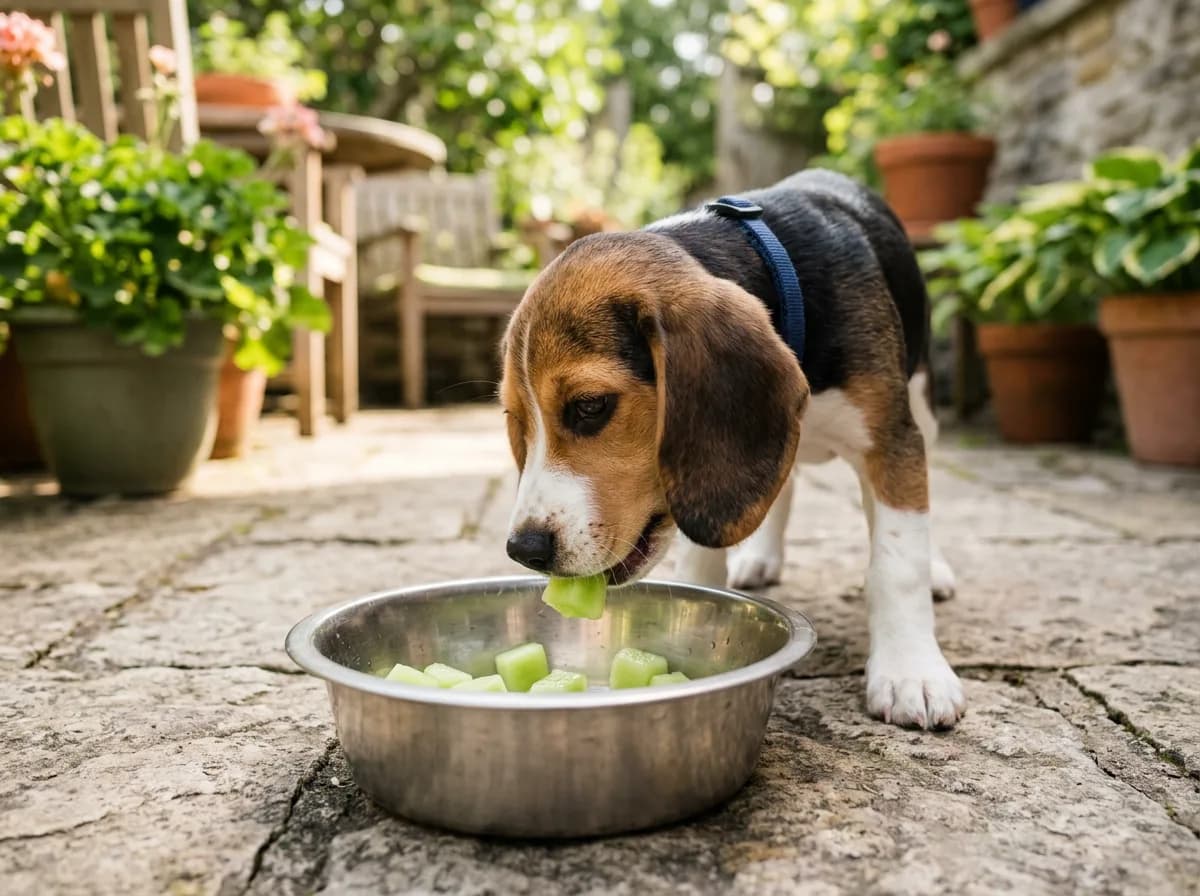
Can dogs eat honeydew? Yes, in moderation. This sweet melon is non-toxic and about 90% water, but the seeds and rind are not safe. Here is how much honeydew dogs can have, plus easy frozen treat ideas.


Veterinarian · BVMS, MRCVS
Petful is reader supported. As an affiliate of platforms like Amazon and Chewy, we may earn a commission when you buy through links on this page. There is no extra cost to you.
- 1Yes, dogs can eat honeydew in moderation as a refreshing, low-calorie treat.
- 2Packed with vitamins and hydration, it supports digestion and overall health, but always remove the seeds and rind.
- 3Too much can cause digestive upset, so introduce it slowly and watch for any allergic reactions.

Sign up for expert-backed reviews and safety alerts all in one place.
Can Dogs Eat Honeydew?
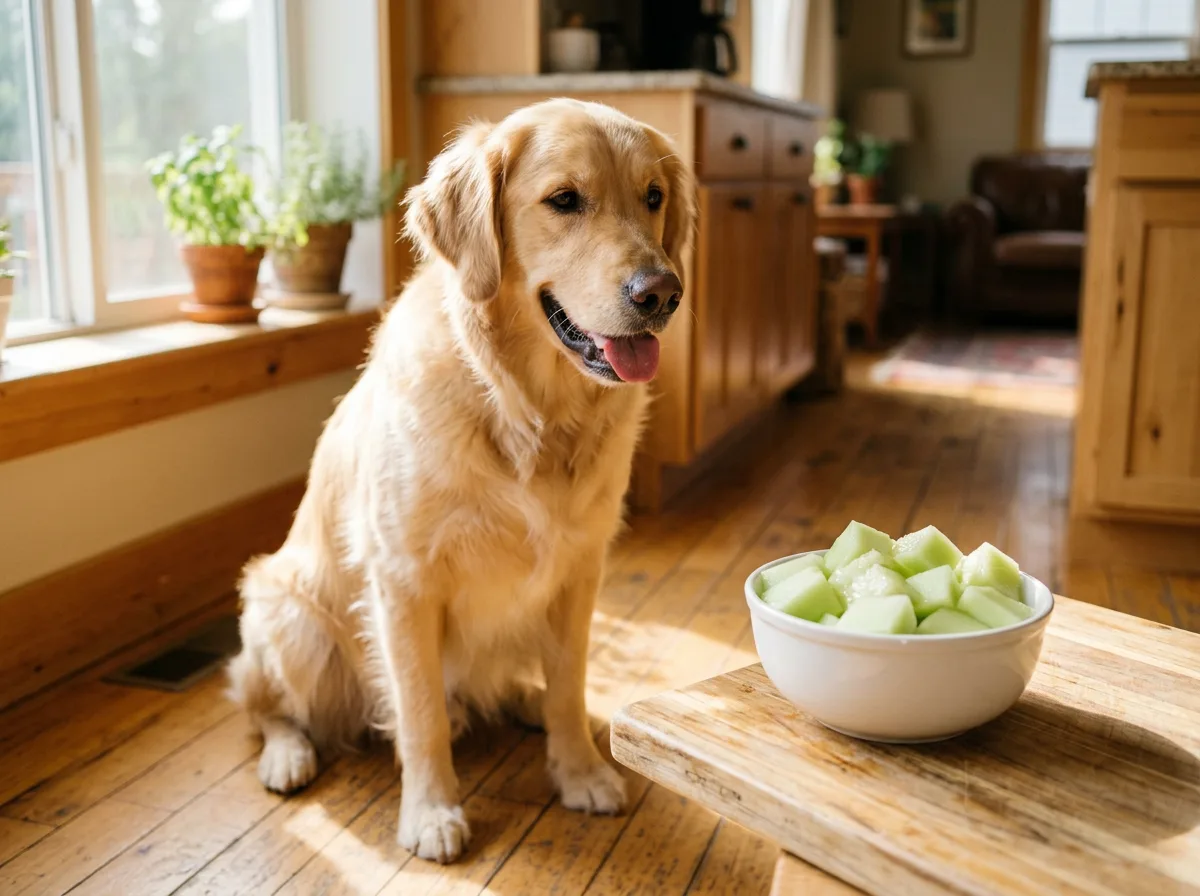
Can dogs eat honeydew? Yes, in moderation. The ASPCA lists honeydew (Cucumis melo) as non-toxic to dogs, and at roughly 90% water it is a hydrating, low-calorie treat that supplies vitamin C plus smaller amounts of vitamin A and potassium. Always remove the seeds and rind first, and keep it to about 10% of your dog's daily calories.
Honeydew melon, the sweet and refreshing snack that’s always a staple in summer fruit platters, is popular amongst many people, including pet owners who might want to share a few bites with their dog. So, if you have been wondering “can dogs eat honeydew?”, the answer is yes, in moderation. However, there are still some important precautions and factors to consider to ensure it's a healthy choice for your pet.
Is Honeydew Toxic or Safe for Dogs?
While honeydew melon can be a safe treat for dogs, there are several precautions pet owners should take when considering the question of "can dogs eat honeydew?":
- Moderation is Key: Due to its high sugar content, honeydew should only be given in moderation to avoid digestive upset or weight gain.
- Remove the Seeds and Rind: The seeds can be a choking hazard and potentially cause intestinal blockage or obstruction. Additionally, the rind is difficult for dogs to digest and can lead to gastrointestinal upset.
- Introduce Slowly: When introducing honeydew to your dog, add it slowly into their diet to ensure they don't have an allergic reaction or sensitivity to the fruit.
- Digestive Issues: Overconsumption of honeydew can lead to diarrhea or stomach upset in some dogs.
- Allergic Reactions: Though rare, some dogs might be allergic to honeydew. Symptoms of an allergic reaction include hives, swelling, difficulty breathing, and gastrointestinal upset.

Soft, real-beef burger bites with bison, grain-free and sized for occasional training-treat sharing.
Petful may earn a commission when you click through to Chewy, at no extra cost to you.
How Much Honeydew Can Dogs Eat by Weight?
When it comes to feeding honeydew to dogs, portion control is crucial to prevent any adverse effects like digestive upset or further health issues. Here's a general guideline based on dog size:
- Extra Small Dogs (<10 lbs): About less than 1 small piece (about the size of a dice), no more than once or twice a week.
- Small Dogs (10-25 lbs): Around 1 small piece (about the size of a dice) no more than once or twice a week.
- Medium Dogs (25-60 lbs): About 2 small pieces once or twice a week at most.
- Large Dogs (60-100 lbs): Around 3-4 small pieces, once or twice a week at most.
- Giant Dogs (100+ lbs): A medium wedge, chopped into manageable pieces, in moderation to avoid any digestive upset. Once or twice a week at most.
It's essential to start with the smaller portion size when introducing honeydew to your dog's diet and observe their reaction to it. Adjust the amount accordingly, ensuring it doesn't exceed the recommended frequency and portion size for their weight. Always consult with a veterinarian before introducing new foods to your dog, especially if they have any pre-existing health problems or dietary restrictions.
Is Honeydew Good for Dogs? Nutrition and Benefits
Honeydew melon is low in calories and full of nutrients, containing many essential vitamins, minerals and antioxidants that are beneficial for dogs and their immune system, such as:
- Vitamin C: An antioxidant that can help reduce inflammation and cognitive aging.
- Potassium: Supports heart health, muscle function, and overall bodily fluid balance.
- Dietary Fiber: Helps with digestion and helps to maintain a healthy weight.
How Do You Safely Feed Your Dog Honeydew?
When serving honeydew to your dog, it's important to do so properly to ensure their safety:
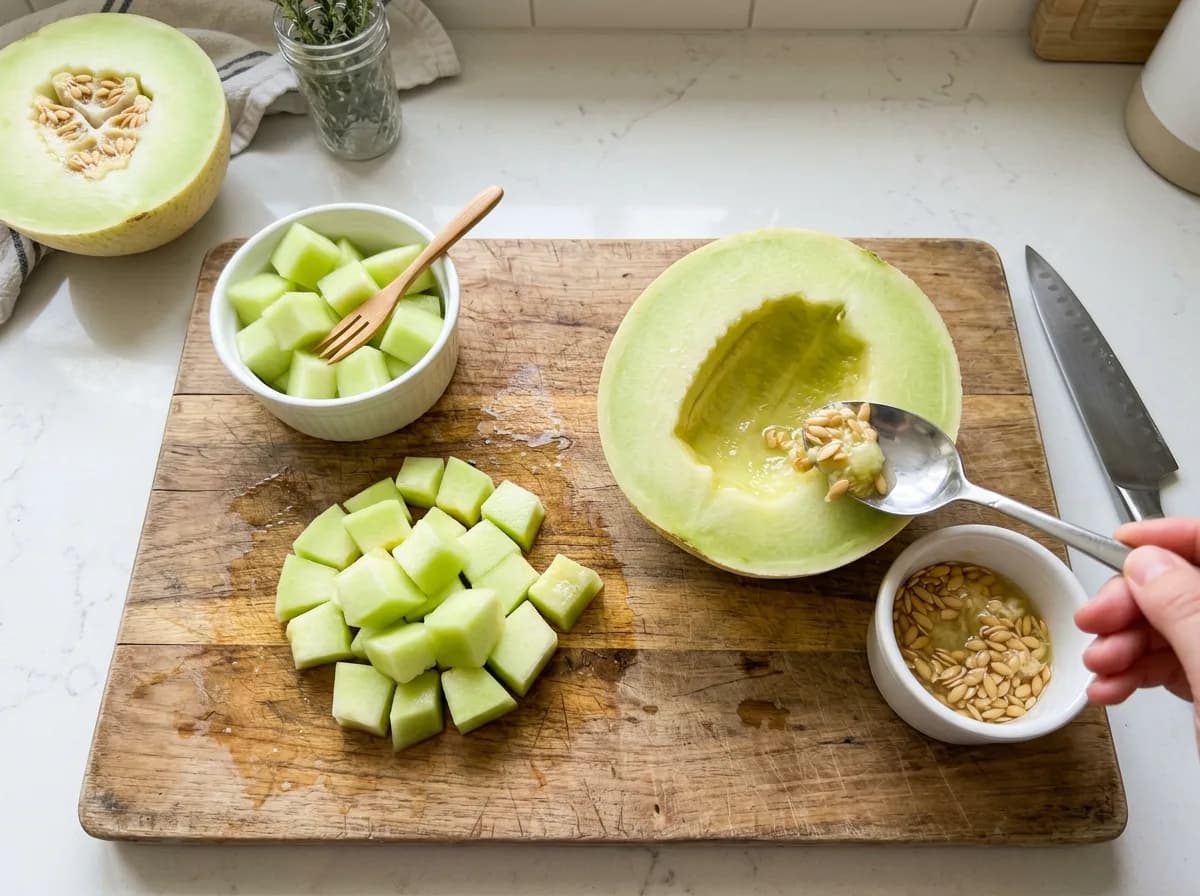
- Portion: Cut into small, manageable pieces to reduce the risk of choking and make it easier for your dog to eat.
- Seeds and Skin: Remove the skin and the seeds of the honeydew before serving to your dog, as the seeds can pose a choking hazard and the skin is hard to digest.
- No Additives: Serve the honeydew plain without any added sugars or sweeteners, which can be harmful to pups.
- Moderation: Use honeydew as an occasional treat, not a regular part of your dog's diet.

Can Dogs Be Allergic to Honeydew?
While allergies to honeydew in dogs are relatively rare, it's important to be aware of the potential allergic reactions that could occur. If you're introducing your dog to honeydew, or any new food, it's essential to watch for signs of an allergic reaction. These can include:
- Skin Irritations: Look for signs of hives, redness, or itchy skin. Your dog might scratch or bite at their skin excessively due to discomfort.
- Gastrointestinal Upset: Signs include vomiting, diarrhea, or excessive gas.
- Respiratory Issues: Some dogs might exhibit symptoms such as coughing, wheezing, or difficulty breathing. These require immediate veterinary attention.
- Ear Infections: Recurrent ear infections can sometimes be a sign of a food allergy in dogs.
- Swelling: Swelling around the face, lips, eyelids, or ears can be a sign of a more severe allergic reaction known as angioedema.
- Anaphylaxis: In rare cases, a severe and potentially life-threatening allergic reaction called anaphylaxis could occur. This is characterized by extreme difficulty breathing, a sudden drop in blood pressure, and collapse. This is an emergency situation requiring immediate veterinary care.
If you notice any of these symptoms after feeding your dog honeydew, it's important to stop feeding them the fruit and consult your veterinarian. In cases of severe reactions, immediate veterinary intervention is vital. When introducing your dog to any new food, doing so gradually and in small quantities can help you monitor their reaction and ensure their well-being.
In summary, honeydew melon can be a refreshing and nutritious treat for dogs when given in moderation and with the proper precautions. Always remove the seeds and rind, and introduce it slowly to your pet's diet. Keep an eye out for any signs of digestive upset or allergic reactions. As with any treat, it's best to consult with your veterinarian before adding new foods into your dog's diet to ensure they're suitable for your pet's health needs.
Frequently Asked Questions (FAQ)
| Dog Size (Weight) | Serving of Honeydew | How Often |
|---|---|---|
| Extra small (under 10 lbs) | 1 dice-sized piece (1-2 tsp) | Once or twice a week |
| Small (10-25 lbs) | 1-2 dice-sized pieces (1-2 tbsp) | Once or twice a week |
| Medium (25-60 lbs) | 2-3 small pieces (about 3 tbsp) | Once or twice a week |
| Large (60-100 lbs) | 3-4 small pieces (4-5 tbsp) | Once or twice a week |
| Giant (100+ lbs) | 1 small chopped wedge (up to 1/2 cup) | Once or twice a week |

Pumpkin-flavored probiotic soft chews that support healthy gut flora and digestion in dogs.
Petful may earn a commission when you click through to Chewy, at no extra cost to you.
Can Dogs Eat Honeydew Rind, Skin, and Seeds?
No, dogs should not eat honeydew rind, skin, or seeds. Only the soft green flesh is safe. The tough outer rind and skin are very difficult for a dog to digest and can sit in the stomach or intestines, where they may cause vomiting, diarrhea, or, in the worst case, a dangerous intestinal blockage that needs surgery. Small dogs and fast eaters who gulp without chewing are at the highest risk, so the rind should always come off before any honeydew reaches the bowl.
Honeydew seeds carry a similar warning. They are not poisonous the way grape or certain stone-fruit pits can be, but they are slick, hard, and just the right size to lodge in a dog's airway or gut. A single seed swallowed by accident is rarely an emergency, yet a mouthful can become a choking hazard or contribute to a blockage in a smaller dog. The safe habit is simple: scoop out every seed and cut away the rind, then offer only seedless, bite-sized cubes of the inner fruit.
If your dog does manage to swallow a chunk of rind or a pile of seeds, watch closely for the next 24 to 48 hours. Repeated vomiting, a hard or painful belly, straining without producing stool, lethargy, or loss of appetite are all signs to call your veterinarian right away. When in doubt, it is always cheaper and safer to phone the clinic than to wait out a possible obstruction at home.
- Rind and seeds are the real hazards with honeydew, not the fruit itself. Prep every serving by removing the skin and all seeds and cutting the flesh into small cubes before you hand it over.
Honeydew vs Cantaloupe for Dogs: Which Is Better?
Both honeydew and cantaloupe are safe, non-toxic melons for dogs, so neither is a wrong choice when served correctly. The differences are nutritional rather than safety-based. Cantaloupe is the orange-fleshed melon and is actually the more nutrient-dense of the two: it carries roughly twice the vitamin C of honeydew, far more beta-carotene and vitamin A, and a little more potassium, all of which support eye and immune health. Honeydew, the pale green melon, is lighter on those nutrients but has a milder, less musky flavor that some picky dogs prefer.
Calorie and sugar levels are close enough that the practical rules are identical for both. Remove all seeds and rind, cut the flesh into bite-sized pieces, and keep the total fruit to no more than 10% of your dog's daily calories. Many owners mix the two for variety, which is perfectly fine. If you want to compare melons further, see our guides on whether dogs can eat cantaloupe and whether dogs can eat watermelon, the third dog-safe melon in the family.
For dogs watching their weight or managing blood sugar, the two melons are close: honeydew and cantaloupe carry similar natural sugar (roughly 8 grams per 100 grams), so neither is clearly the lower-sugar pick. The bigger factor is portion size and preparation. A few clean cubes of either melon a couple of times a week is a refreshing summer treat; a big bowl of either, rind and seeds included, is what causes trouble.
- Mixing honeydew and cantaloupe is fine for most dogs. Just keep the combined fruit under 10% of daily calories and always serve it seedless and rind-free.

Multiple ridges and valleys slow eating, reduce gas and bloating, and turn mealtime into a fun puzzle. Non-skid base, dishwasher safe, 4-cup capacity.
Petful may earn a commission when you click through to Chewy, at no extra cost to you.
Can Dogs With Diabetes Eat Honeydew?
Honeydew is sweet for a reason: it carries a meaningful amount of natural sugar. For a healthy dog in moderation, that sugar is not a problem, but for a dog with diabetes, obesity, or a tendency toward pancreatitis, it can be. Veterinary guidance is direct on this point: PetMD's vet-reviewed honeydew article states that because the fruit is high in sugar, it may not be safe for dogs with diabetes and is not a good fit for overweight dogs. If your dog falls into one of these groups, talk to your veterinarian before offering honeydew at all.
The same natural sugar plus honeydew's high fiber and water content is also why overfeeding causes loose stools. Too much fruit too fast can trigger diarrhea or a gassy, upset stomach even in a healthy dog. Introduce honeydew slowly, starting with a single small cube, and watch how your dog handles it over the next day before offering more. Puppies, with their still-developing digestive systems, should get an especially tiny first taste, if any.
For overweight or diabetic dogs whose vet gives the green light, the safest approach is to count the honeydew as part of the daily treat allowance, not an extra, and to favor lower-sugar dog-safe options like a few green beans or a slice of cucumber on most days. Honeydew can stay an occasional indulgence rather than a routine, keeping the sugar load low while your dog still gets the fun of a sweet, juicy treat now and then.
- Ask your vet before feeding honeydew to a dog with diabetes, obesity, or a history of pancreatitis. For those dogs the natural sugar matters, and a lower-sugar treat is usually the better pick.
Related Petful Guides
No, honeydew melon is not toxic to dogs. The ASPCA lists honeydew (Cucumis melo) as non-toxic to dogs, cats, and horses, so the flesh is safe in moderation. The cautions are practical, not toxic: the seeds are a choking and blockage risk, the rind is hard to digest, and the natural sugar means honeydew should stay an occasional treat rather than a daily food.
There is no common melon that is outright toxic to dogs. Honeydew, cantaloupe, and watermelon flesh are all safe in moderation. The parts to avoid are the same across melons: skip the rind and seeds, and never let a dog chew a whole melon or large chunks, which can cause choking or an intestinal blockage. Always serve peeled, seedless, bite-sized pieces.
No, dogs should not eat honeydew rind or skin. The tough outer rind is very hard for dogs to digest and can cause vomiting, diarrhea, or a dangerous intestinal blockage, especially in small dogs. Always slice the green flesh away from the rind and serve only the soft inner fruit in small, bite-sized pieces.
No, you should remove honeydew seeds before serving. While the seeds are not poisonous, they are a choking hazard and, if eaten in quantity, can contribute to an intestinal blockage that may need veterinary care. Scoop out every seed and offer your dog only seedless, bite-sized pieces of honeydew flesh.
Yes, dogs can eat both honeydew and cantaloupe in moderation, and many dogs enjoy a mix. Both are non-toxic and hydrating, with cantaloupe the more nutrient-dense of the two (notably higher in vitamin A, beta-carotene, and vitamin C). The rules are identical for each: remove all seeds and rind, cut into bite-sized pieces, and keep the combined fruit to about 10% of your dog's daily calories to avoid stomach upset.
Keep honeydew to no more than 10% of your dog's daily calories. As a rough guide, give extra-small dogs a single dice-sized piece, small dogs one to two pieces, medium dogs two to three small pieces, and large or giant dogs a few small pieces up to about half a cup, offered once or twice a week. Start with a tiny amount the first time and watch for any digestive upset.
Easy Frozen Honeydew Treats for Dogs
Introducing honeydew to your dog in a fun and tasty way can be a delightful treat, especially during warm weather. Here are some simple honeydew recipes tailored for dogs, ensuring they are safe and enjoyable for your furry friend. Remember to remove all seeds and the rind, and to use these treats in moderation as part of a balanced diet.
Honeydew Cubes
Ingredients: Pure honeydew melon Instructions:
- Puree honeydew melon flesh in a blender until smooth.
- Pour the puree into an ice cube tray.
- Freeze until solid.
- Serve one cube at a time as a refreshing treat.
Honeydew & Yogurt Pops
Ingredients: Honeydew melon
- Plain, unsweetened yogurt (ensure it’s xylitol free)
- Instructions:
- Blend honeydew melon into a puree, ensure it's been peeled and seeded first.
- Mix equal parts of honeydew puree and plain unsweetened yogurt.
- Pour the mixture into ice cube trays or small silicone molds.
- Freeze until solid.
- Pop out a treat and offer it to your dog on a hot day, making sure you’re mindful of your dog’s size and the treat’s shape to avoid choking hazards.
When preparing these treats, always keep your dog's size and dietary needs in mind to determine the appropriate serving size. It's also essential to introduce new foods slowly and in moderation to avoid any digestive upset. Always consult with your vet if you're unsure about introducing new ingredients into your dog's diet, especially if they have specific health concerns or dietary restrictions.
Curious about what other foods dogs can eat? Check out these related articles below: Can Dogs Eat Grapes? Can Dogs Eat Apples? Can Dogs Eat Lemons? Can Dogs Eat Pomegranate? Can Dogs Eat Cantaloupe? Can Dogs Eat Kiwi?
Veterinarian · BVMS, MRCVS
Dr. Pippa Elliott, BVMS, MRCVS, is a veterinarian with nearly 30 years of experience in companion animal practice. Dr. Elliott earned her Bachelor of Veterinary Medicine and Surgery from the University of Glasgow. She was also designated a Member of the Royal College of Veterinary Surgeons. Married with 2 grown-up kids, Dr. Elliott has a naughty Puggle named Poggle, 3 cats and a bearded dragon.
Sign up for expert-backed reviews and safety alerts all in one place.