Can Dogs Eat Pomegranate? Why Vets Recommend Skipping
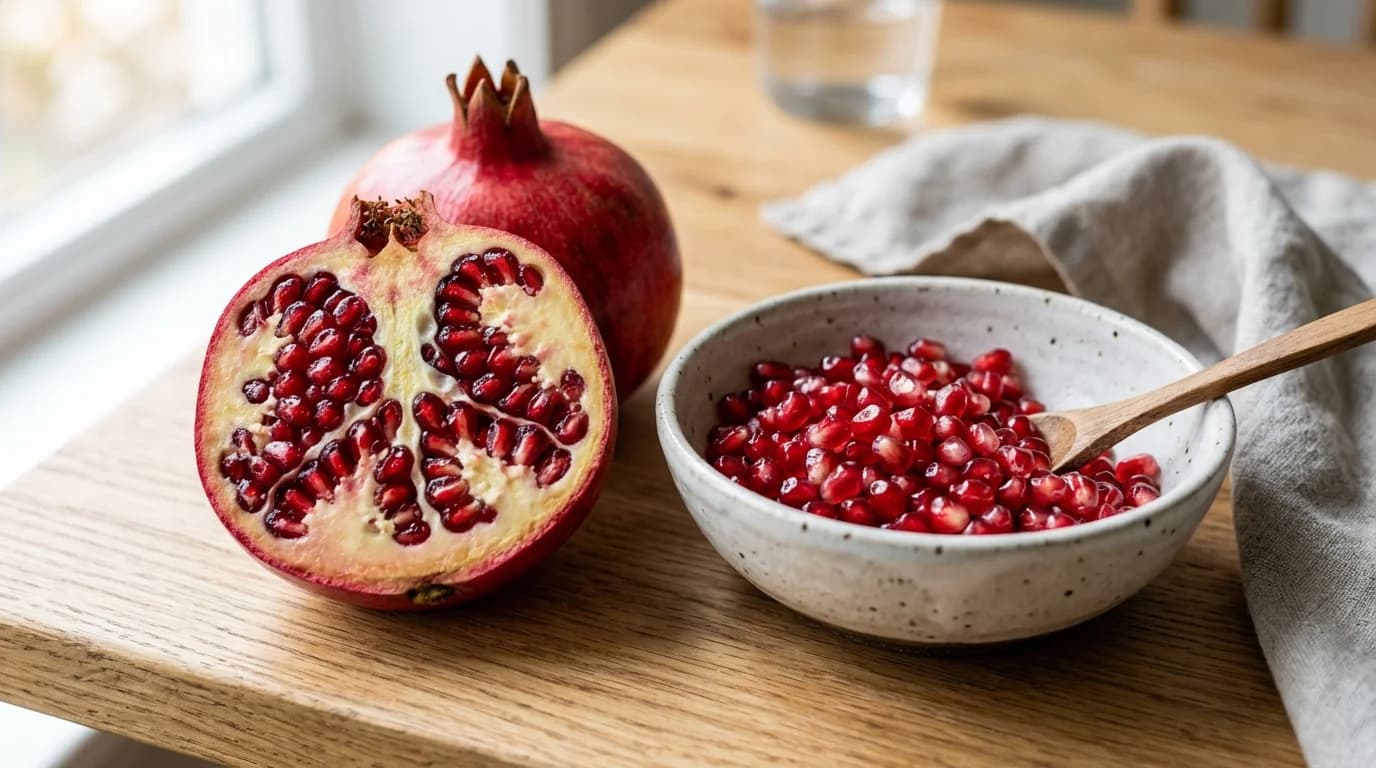
No, dogs should not eat raw pomegranate. While pomegranates are not toxic to dogs, the tannins and acidity in the seeds and arils cause vomiting and diarrhea in most dogs, and the tough rind is a choking and blockage hazard.

Petful is reader supported. As an affiliate of platforms like Amazon and Chewy, we may earn a commission when you buy through links on this page. There is no extra cost to you.
- 1No, dogs should not eat raw pomegranate. The tannins and acidity in the seeds and arils commonly cause vomiting, diarrhea, and stomach upset.
- 2Pomegranates are not technically toxic, so a sneaky nibble is not an emergency, but the rind and tough membranes pose a real choking and intestinal-blockage risk.
- 3Commercial dog foods and supplements with measured pomegranate extract are safe in vet-recommended dosages, but raw fruit is not the same as extract.
- 4If your dog ate a small amount of pomegranate, watch for vomiting and diarrhea over 24 hours. Call your vet for large amounts, rind ingestion, or any small-breed dog.
Can dogs eat pomegranate? No, raw pomegranate is not recommended for dogs. While pomegranates are not technically toxic to dogs, the high tannin and acid content of the seeds and arils causes vomiting, diarrhea, and stomach upset in most dogs that eat them. PetMD and the American Kennel Club both recommend skipping raw pomegranate as a dog treat. The tough rind and white membranes are also a choking hazard and can cause intestinal blockage, especially in small dogs. A sneaky nibble of a few arils is rarely an emergency, but a full pomegranate (rind included) or a large amount of seeds warrants a vet call. The good news: commercial dog foods and supplements that contain measured pomegranate extract are safe in formulated doses, because the extract is processed to remove the problematic tannins and roughage.

Sign up for expert-backed reviews and safety alerts all in one place.
Why Are Pomegranates Bad for Dogs?
Pomegranates are not on the toxic-fruit list (unlike grapes, which cause kidney failure), but they are on what veterinarians call the "do not bother" list: foods that are non-toxic but consistently cause problems for dogs, with no compensating nutritional upside that you cannot get from a safer fruit.
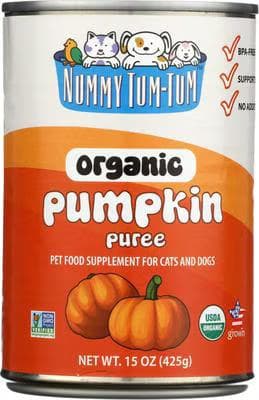
Pure USDA-organic pumpkin puree, no fillers or additives. Adds gentle soluble fiber to firm up loose stool and settle a mildly upset stomach. A simple vet-favorite topper.
Petful may earn a commission when you click through to Chewy, at no extra cost to you.
The problem comes down to three things: tannins, acidity, and physical structure. Pomegranate arils (the juicy seeds) are full of tannins, the same astringent compound found in unripe persimmons and certain wines. Tannins irritate the lining of a dog's GI tract. The fruit is also highly acidic, which compounds the irritation. And the white pith and outer rind are tough, fibrous, and indigestible.
What's in Pomegranates That Causes Stomach Issues in Dogs?
• Tannins (specifically punicalagins): astringent plant compounds that irritate the GI lining and trigger vomiting and diarrhea in dogs.

Daily dental chew that cleans teeth, freshens breath, and is accepted by the Veterinary Oral Health Council. Sized for dogs 25 to 50 lbs.
Petful may earn a commission when you click through to Chewy, at no extra cost to you.
• Citric and malic acids: the same acids that give pomegranate juice its tang. In concentrated doses (which is what an aril is), they irritate the stomach.
• Natural sugars: pomegranate is one of the higher-sugar fruits, around 14 grams per 100 grams. Not toxic, but unnecessary calories for dogs.
• Tough membranes and rind: the white pith and outer skin are fibrous and difficult to digest. For small dogs, they are a real choking and blockage risk.
- Commercial pomegranate extract used in dog supplements and food formulations is processed to remove the irritating tannins and indigestible roughage, leaving just the anti-inflammatory polyphenols. The dose is also calibrated. The processed extract is safe in formulated doses; the raw fruit is not.
Can Dogs Eat Pomegranate Seeds (Arils)?
Not recommended.
Pomegranate arils (the juicy red seeds) are the most commonly eaten part of the fruit and the most common cause of stomach upset in dogs. The tannins and acidity hit hardest here. A handful of arils is not a poisoning emergency, but it is a recipe for vomiting and diarrhea, especially in small dogs. The hard seed inside each aril is also a choking hazard for small breeds.
Can Dogs Eat Pomegranate Skin or Rind?
No, never feed your dog the rind or white pith.
The leathery outer skin and the white membranes inside are tough, fibrous, and indigestible. They are not toxic, but they are a serious choking hazard and can cause intestinal blockage, which sometimes requires surgical removal. If you let your dog play with a whole pomegranate, you risk an emergency vet visit.
Can Dogs Drink Pomegranate Juice or Eat Pomegranate Yogurt?
No, skip both.
Pomegranate juice combines all the problematic compounds (tannins, acid) in a more concentrated form than the whole fruit, with no fiber to slow the absorption. Commercial pomegranate juice also often contains added sugar. Pomegranate-flavored yogurt typically contains sugar, dairy, and sometimes xylitol or other dog-toxic sweeteners. Both belong on the "no" list.
What About Pomegranate Supplements for Dogs?
Veterinary nutraceuticals that contain pomegranate extract (specifically the anti-inflammatory polyphenol punicalagin) at calibrated doses are generally safe and may offer cardiovascular or joint support in some dogs. The dose and processing matter: a commercial dog supplement with pomegranate extract is not the same thing as a piece of raw pomegranate. Ask your vet before adding any supplement.
- The polyphenols and antioxidants in pomegranates are also abundant in dog-safe fruits like blueberries, blackberries, and watermelon (rind and seeds removed). Rotate those in for the same antioxidant benefit with none of the GI risk.
How Much Pomegranate Is Dangerous for Dogs?
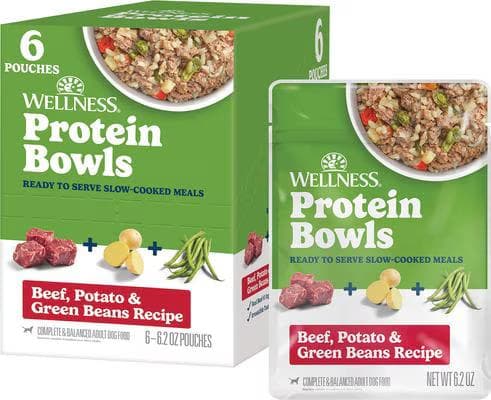
Case of six 6.2-oz pouches at $27.98 ($0.76/oz). New Autoship orders save 35%, dropping the first delivery to $18.19.
Petful may earn a commission when you click through to Chewy, at no extra cost to you.
| Amount | Likely outcome | Action |
|---|---|---|
| 1-2 arils | Usually fine, possibly mild stomach upset | Monitor at home |
| Small handful (10-20 arils) | Vomiting and/or diarrhea likely | Bland diet, monitor, call vet if severe |
| Half a pomegranate worth of arils | Significant GI upset likely | Call vet, may need fluids |
| Whole pomegranate including rind | Risk of blockage and severe GI upset | Vet visit recommended, watch for blockage signs |
| Any amount in a toy/small breed | Higher risk of choking and dehydration from vomiting | Call vet right away |
What If My Dog Ate Pomegranate?
Step 1: Identify what your dog actually ate. Just arils? Some rind? A whole pomegranate? The risk scales with the amount and which parts they got. Pomegranate skin or rind is more concerning than just arils.
Step 2: Watch for symptoms over the next 12 to 24 hours. The most common signs of pomegranate-related GI upset are:
• Vomiting (usually within 2 to 6 hours)
• Diarrhea (sometimes bloody)
• Lethargy and disinterest in food
• Abdominal discomfort or pacing
Step 3: Offer plain water and a small bland meal (boiled chicken and rice) if vomiting has stopped. Call your vet if symptoms are severe, persistent, bloody, or if your dog is small.

Petful may earn a commission when you click through to Chewy, at no extra cost to you.
- Your dog ate the rind or skin of a pomegranate (blockage risk), is showing repeated vomiting or bloody diarrhea, is a small or toy breed, is dehydrated, or seems weak or unresponsive. ASPCA Animal Poison Control: 888-426-4435.
Safer Fruit Alternatives for Dogs
You can get every nutritional benefit of pomegranate from safer, easier-to-feed fruits. Top swaps include blueberries (high antioxidants, easy portion control), blackberries (similar polyphenol profile), raspberries (limited portions), and watermelon (rind and seeds removed) for hydration. All are non-toxic, easy to portion, and well-tolerated by most dogs.
Can Puppies Eat Pomegranate?
No.
Puppies have more sensitive digestive systems and a smaller body mass, so even a small amount of pomegranate can cause significant vomiting and diarrhea. The same risk and recommendation applies: avoid raw pomegranate entirely. If your puppy got into one, watch closely and call your vet at the first sign of GI upset or lethargy.
Frequently Asked Questions About Dogs and Pomegranate
No, pomegranates are not technically toxic the way grapes or chocolate are. But the tannins and acidity reliably cause vomiting and diarrhea, and the rind is a choking hazard. "Not toxic" does not mean "safe to feed."
A few arils are usually not an emergency. Watch for vomiting or loose stool over the next 6 to 12 hours, offer plenty of fresh water, and skip pomegranate going forward.
Dog-formulated treats that list "pomegranate extract" as an ingredient are usually safe in the small amounts they contain. Human-formulated pomegranate snacks (candy, granola, yogurt) are not safe due to added sugar, xylitol, and other ingredients.
Avoid it. Dried pomegranate is more concentrated in tannins and sugar, and is often paired with other dog-unsafe ingredients in trail mix or dried fruit blends.
It concentrates the tannins and acid without the fiber that slows absorption in the whole fruit. Pomegranate juice typically also contains added sugar, which is unnecessary calories for dogs.
No. Dairy ice creams often upset lactose-intolerant dogs, sorbets are loaded with sugar, and many commercial frozen desserts contain xylitol, which is highly toxic to dogs.
Yes. Small and toy breeds are at higher risk of GI upset, dehydration from vomiting, and choking on the rind or seeds. The same amount of pomegranate causes worse problems in a 7-pound dog than in a 70-pound dog.
- Not technically toxic (a sneaky nibble of arils is rarely an emergency)
- Commercial pomegranate extract supplements use safe processed dosages
- Rich in punicalagin antioxidants (humans benefit; dogs benefit marginally)
- Easy to skip because safer fruit alternatives like blueberries and strawberries are abundant
- Tannins reliably cause vomiting and diarrhea even in small portions
- Tough rind is a choking and intestinal-blockage hazard
- Higher natural sugar than most dog-safe fruits
- Concentrated juice and pomegranate-flavored yogurt are double trouble (sugar plus tannins)
30 minutes to 2 hours: drooling, possible vomiting from tannin irritation. 2 to 6 hours: diarrhea, abdominal pain. 6 to 12 hours: if rind was eaten, watch for blockage signs (no defecation, repeated retching, hunched posture). 12 to 24 hours: most healthy dogs recover with a bland diet. If the rind was consumed, monitor for 24 to 48 hours and call your vet if any blockage signs appear.
Commercial pomegranate extract sold in vet-formulated dog supplements is processed to remove the irritating tannins and indigestible roughage, leaving just the anti-inflammatory polyphenols at a calibrated dose. Raw pomegranate arils and rind are NOT the same thing. The fruit is still on the do-not-feed list; the extract in a properly formulated supplement may be fine at vet-recommended doses.
In order of risk (highest to lowest): rind and skin (choking plus blockage), large quantity of arils (significant tannin GI upset), few arils (mild stomach upset most likely), commercial extract supplement at vet-approved dose (likely safe). If your dog grabbed an arils-only portion, watch for vomiting over 12 to 24 hours. If they got the whole fruit including rind, call your vet.
More Dog-Food Safety Reads on Petful
Safer fruit options from our dog-food cluster: can dogs eat strawberries, can dogs eat applesauce, can dogs eat honeydew, can dogs eat watermelon rind, and can dogs eat radishes (for antioxidant alternatives). Pomegranate sits in the same "skip it" category as grapes for dog parents, and our what to do if your dog ate a grape emergency walkthrough covers the exact vet-call thresholds, monitoring windows, and at-home triage steps you should follow if your dog gets into a pomegranate.
Pomegranates are a "skip it" fruit for dogs. They are not toxic, but the tannins, acid, and tough rind reliably cause GI upset and choking risks with no nutritional payoff that you cannot get from blueberries or blackberries. Save the pomegranate seeds for your own salad and pour your dog a bowl of fresh water instead.
Sign up for expert-backed reviews and safety alerts all in one place.