Can Dogs Eat Kiwi? A Comprehensive Guide
Can dogs eat kiwi? Yes, in small amounts, this nutrient-dense fruit is a safe, hydrating treat when peeled and de-seeded. Here is how much kiwi is safe by dog size, the benefits, and the risks to watch for.


Veterinarian · BVMS, MRCVS

Petful is reader supported. As an affiliate of platforms like Amazon and Chewy, we may earn a commission when you buy through links on this page. There is no extra cost to you.
- 1Yes, dogs can eat kiwi in moderation, but it should be peeled, sliced, and given in small amounts.
- 2Packed with vitamins, fiber, and hydration, kiwi can support digestion and overall health.
- 3Avoid the skin and seeds, as they can be tough to digest and pose choking hazards, especially for smaller dogs.

Sign up for expert-backed reviews and safety alerts all in one place.
Can Dogs Eat Kiwi?
Can dogs eat kiwi? Yes, in moderation. Peeled, de-seeded, and cut into bite-sized pieces, kiwi is a safe, non-toxic treat rich in vitamin C, potassium, and fiber. The American Kennel Club advises keeping treats like kiwi under 10% of a dog's daily calories. Skip the fuzzy skin, woody ends, and canned kiwi, and ask your vet first.
The tasty, tangy kiwi fruit is a treat for most people, but a common question is can dogs eat kiwi too? The answer is yes, your furry friend can eat kiwi as an occasional treat, but there are always important precautions to take to ensure your pet can enjoy a new food safely. This article explores whether kiwi is safe for dogs, its potential health benefits, and how to properly include it in a dog's diet.
Is Kiwi Safe for Dogs?
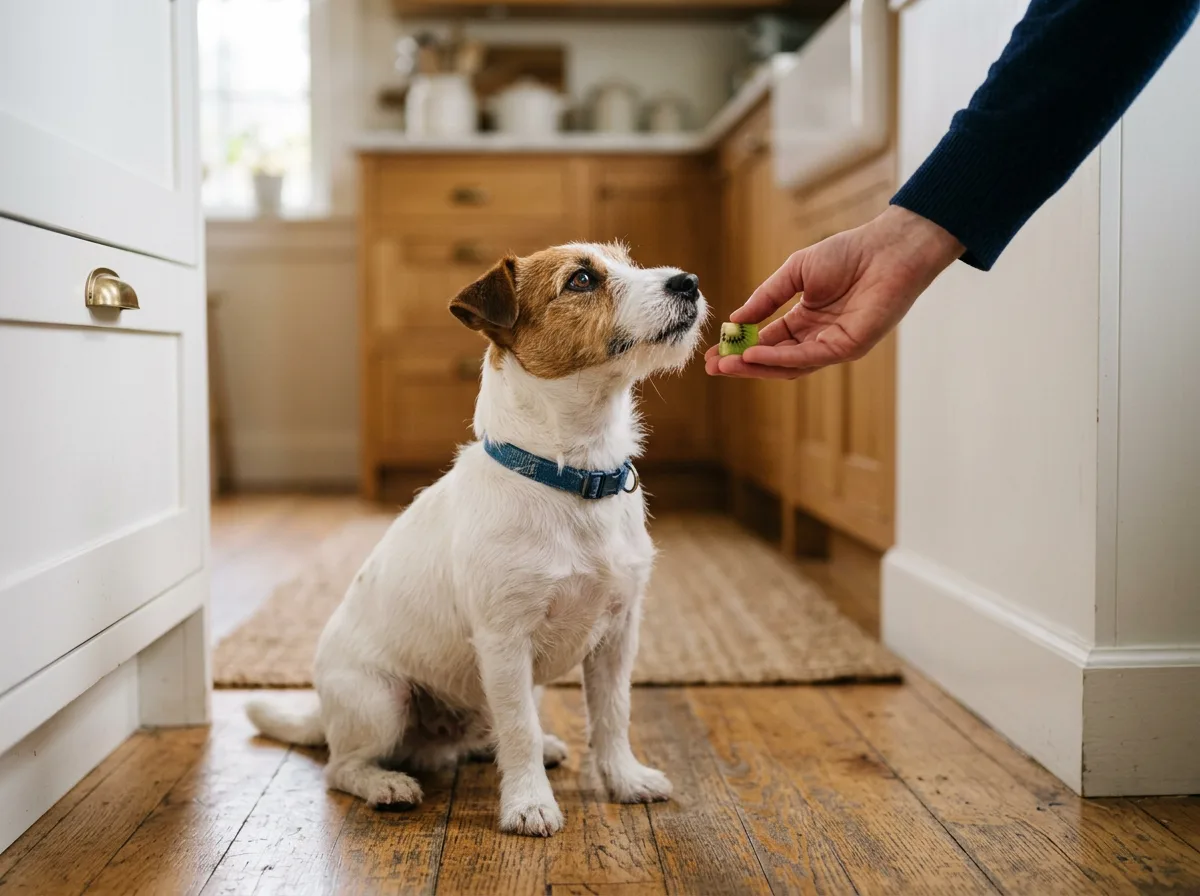
Yes, dogs can eat kiwi, as it is generally safe to do so. In fact, kiwi’s can be good for dogs when given in moderation and prepared correctly. However, there are some considerations and precautions to keep in mind:
- Preparation: Remove the skin of the kiwi, as it can be tough and difficult for dogs to digest. Also, consider removing the seeds to prevent any potential choking hazards, especially for smaller dogs.
- Possible Allergy: Some dogs could have an allergic reaction to kiwi. If you notice any signs of an allergy (like itching, swelling, or stomach upset), stop feeding it to them and consult your vet.
- Portion Size: Be mindful of the portion size, especially for smaller dogs. Too much kiwi or pieces that are too large can lead to stomach discomfort or diarrhea.
- Moderation: Kiwi should be given in moderation, as consuming too much could lead to stomach issues.
- Digestive Issues: Some dogs might find kiwi difficult to digest, leading to diarrhea or vomiting.
- Choking Hazard: Pieces of kiwi should be cut into appropriate, bite-sized pieces to prevent choking, especially for smaller dogs.
While kiwi does have many health benefits to offer your dog, it is always best to discuss with a veterinarian before introducing new foods to your pet.

Soft, real-beef burger bites with bison, grain-free and sized for occasional training-treat sharing.
Petful may earn a commission when you click through to Chewy, at no extra cost to you.
How Much Kiwi Can a Dog Eat?
When feeding kiwi to dogs, it's important to consider the size and weight of the dog to determine the appropriate serving size. This is because kiwi may affect smaller breeds and larger breeds differently. These suggestions may vary depending on your dog’s own individual health situation, but this provides a general guideline:
- Extra Small (<10 lbs): Start with a very small piece, around 1 teaspoon, to see how they react.
- Small (10-25 lbs): Half a kiwi slice or less should be sufficient.
- Medium (25-60 lbs): One kiwi slice is usually safe. Observe your dog's reaction and adjust accordingly.
- Large (60-100 lbs): One to two slices of kiwi can be given. Monitor their response, particularly if they haven’t had kiwi before.
- Giant (100+ lbs): Up to 4 small pieces of kiwi, sliced into appropriate sized pieces, could be appropriate, depending on the dog's overall health and diet.
Remember, every dog reacts differently to new foods. What's a delicious treat for one might cause digestive issues in another, so always monitor your pet closely when introducing any new food item and be sure to chop them into bite-sized, easily digestible pieces.
Is Kiwi Good for Dogs? Nutritional Benefits
Kiwis have a plethora of nutritional benefits for your dog, including:
- Vitamins and Minerals: Kiwi is rich in vitamin K, vitamin E, and C, potassium, beta carotene and fiber. Vitamin C is an antioxidant that can boost the immune system, while vitamin K is essential for blood clotting. Potassium supports heart health, and fiber can help with your dog’s digestion.
- Low-Calorie Treat: Kiwi can be a good low-calorie treat for dogs. It’s also relatively low in sugar compared to other fruits, which is helpful if you are trying to maintain a healthy weight for your dog.
- Hydration: With its high water content, kiwi can help keep dogs hydrated.
With these nutritional benefits, kiwi surely can be a healthy treat option for your dog. However, it is not a suitable replacement for a balanced diet, and should only be given slowly and in moderation. Consult a vet to see if adding kiwi to your pup’s regular food intake is safe, and be sure to monitor for any adverse reactions.

How to Safely Feed Your Dog Kiwi
Kiwi can be a beneficial and enjoyable treat for dogs when given correctly. Its nutritional content supports overall health, but it's crucial to introduce it cautiously and in appropriate amounts to avoid any potential problems. Always be sure to consult with your veterinarian before introducing new foods into your dog's diet. Here are some guidelines:
- Moderation is Key: While kiwi is safe for dogs, it should be given in moderation. Too much can lead to gastrointestinal upset because it is so high in fiber.
- Start Small: Introduce kiwi in small quantities and pieces, and observe your dog’s reaction. Some dogs might be more sensitive to new foods than others.
- Wash: Thoroughly clean the fruit before preparing it for your dog to eat.
- Peel and Slice: Remove the kiwi’s outer skin, as it can be tough for dogs to digest, and cut the fruit into appropriate sizes to prevent choking.
- No Seeds Necessary: It is advisable to remove the kiwi seeds to prevent any potential choking hazard, especially for smaller dogs.
Can Dogs Be Allergic to Kiwi?
Although it is rare, dogs can develop allergies to kiwi. As with any food allergy, the reactions can vary from mild to severe. If you're introducing kiwi to your dog's diet, it's important to be aware of potential allergic reactions. Here are some signs to watch for:
- Skin Reactions: A common sign of an allergy in dogs is skin irritation, which may include itching, redness, hives, or rashes.
- Gastrointestinal Issues: Allergic reactions can affect a dog’s digestive system, such as vomiting, diarrhea, or general gastrointestinal upset.
- Respiratory Symptoms: A food allergy can sometimes cause respiratory issues, which may look like sneezing, coughing, wheezing, or issues breathing.
- Ear Infections: Dogs with food allergies may experience recurrent ear infections. Symptoms include redness, odour, scratching at the ears, or head shaking.
- Lethargy or Behavioural Changes: Any significant change in your dog’s behaviour or energy levels after consuming kiwi might indicate an allergic reaction or intolerance.
Remember, while kiwi allergies in dogs are not common, they are possible. Always introduce new foods into your dog’s diet cautiously and consult your vet if you have any concerns. If you notice any signs of an allergic reaction, stop feeding your dog kiwi immediately and contact a veterinarian for advice. Be sure to keep a close eye on your dog for any further signs of distress or discomfort.

Pumpkin-flavored probiotic soft chews that support healthy gut flora and digestion in dogs.
Petful may earn a commission when you click through to Chewy, at no extra cost to you.
Frequently Asked Questions (FAQ)
| Dog Size (Weight) | Suggested Kiwi Serving | Notes |
|---|---|---|
| Extra small (under 10 lbs) | About 1 teaspoon, peeled and diced | Start tiny; watch for any stomach upset |
| Small (10 to 25 lbs) | Half a slice or less, diced | Cut into bite-sized pieces |
| Medium (25 to 60 lbs) | 1 slice, diced | Observe the reaction the first few times |
| Large (60 to 100 lbs) | 1 to 2 slices, diced | Still a treat, not a meal |
| Giant (100+ lbs) | Up to 4 small pieces | Keep all treats under 10% of daily calories |
Can Dogs Eat Kiwi Skin and Seeds?
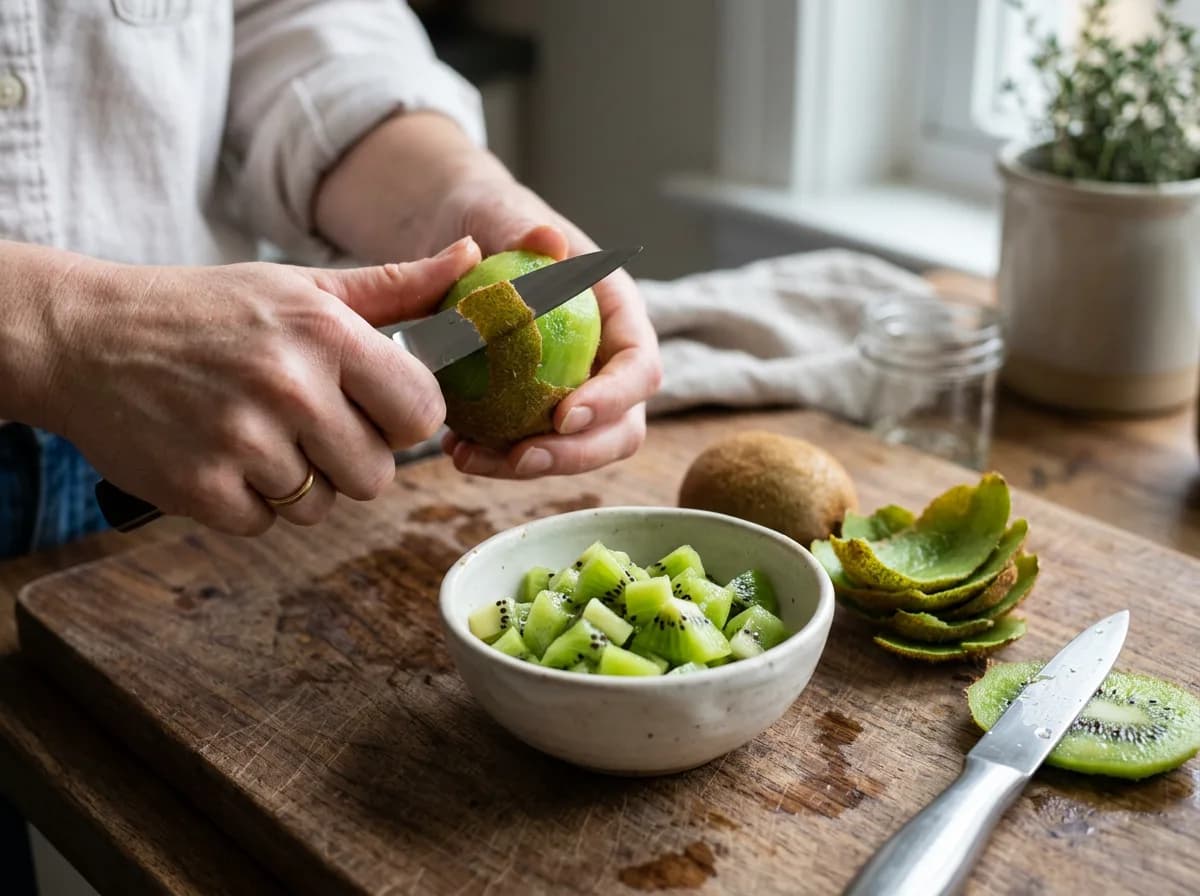
It is safest to remove both the skin and the seeds before you offer kiwi to your dog. The fuzzy green skin is tough and fibrous, difficult for dogs to digest, and can trigger vomiting or contribute to a choking risk if a dog gulps a piece whole. Washing helps, but the skin can still carry pesticide residue, so peeling it off entirely is the cleaner choice. While yellow and golden kiwi have a smoother, thinner skin, it is still best peeled for the same digestive reasons.
Kiwi seeds are a much smaller concern. The tiny black seeds in a green kiwi are not toxic, and PetMD notes they are small enough that they should not pose a choking hazard or cause an intestinal blockage. A dog who swallows the seeds in a properly diced piece is very unlikely to come to harm, so removing them is optional rather than essential. If you prefer, scooping out or slicing away the dense seedy core before serving is a simple precaution and makes the fruit easier to portion.
Two more parts deserve attention: the woody stem ends and any canned kiwi. The hard ends at the top and bottom of the fruit are a choking hazard and should be cut off. Canned or syrup-packed kiwi is loaded with added sugar that dogs do not need and should be skipped entirely. Fresh, peeled, de-seeded, bite-sized pieces are the only form of kiwi a dog should eat.
- Kiwi is naturally high in sugar. If your dog is diabetic, overweight, or prone to pancreatitis, talk to your vet before offering kiwi and keep portions to the smallest amount in the chart, if any at all.
Can Dogs Eat Golden, Red, or Yellow Kiwi?
Yes. Golden (also sold as yellow or SunGold) kiwi and red kiwi are just as safe for dogs as the familiar green variety, provided you follow the same rules: peel the fruit, remove the dense seedy core, dice it into bite-sized pieces, and keep the portion small. No common kiwi cultivar is toxic to dogs, so the variety you reach for matters far less than how you prepare and portion it.
The main practical difference is sweetness. Golden and red kiwi tend to taste sweeter and carry slightly more natural sugar than green kiwi, which most dogs find appealing but which also means the sugar caution applies even more here. For overweight, senior, or diabetic dogs, that extra sweetness is a reason to keep servings at the low end of the range or to skip sugary varieties altogether in favor of lower-sugar treats.
Whichever color you choose, introduce it the same way you would any new food: offer a tiny piece first, wait 24 hours, and watch for loose stool, gas, or vomiting before making kiwi a regular rotation treat. Searches for golden, yellow, and red kiwi have been climbing, but the safety answer does not change with the color, only the sweetness and the portion discipline it calls for.

Multiple ridges and valleys slow eating, reduce gas and bloating, and turn mealtime into a fun puzzle. Non-skid base, dishwasher safe, 4-cup capacity.
Petful may earn a commission when you click through to Chewy, at no extra cost to you.
What Other Fruits Can Dogs Eat?
Kiwi is one of many fruits that make a safe, occasional treat when they are prepared correctly and kept within the 10% treat rule. If your dog enjoys a little kiwi, there are several other dog-friendly fruits worth rotating in so no single treat dominates the calorie budget. As with kiwi, the keys are always the same: wash the fruit, remove any pits, seeds, cores, or tough skins, cut it into bite-sized pieces, and start with a small amount to make sure your dog tolerates it.
Good options to explore include mango, pineapple, oranges, strawberries, and bananas, each with its own nutrient profile and serving notes. Tropical fruits like mango and pineapple are sweet and fiber-rich, so they follow the same small-portion logic as kiwi. Berries and bananas are popular lower-prep choices. Read the dedicated guide for each before you serve it, because a few fruits that look harmless (grapes and raisins, for example) are genuinely toxic to dogs and must be avoided completely.
Explore more dog-safe fruit guides here: Can Dogs Eat Mango?, Can Dogs Eat Pineapple?, Can Dogs Eat Oranges?, Can Dogs Eat Strawberries?, and Can Dogs Eat Bananas? Each guide walks through the benefits, the risks, and exactly how to prepare and portion that fruit, so you can build a varied, vet-smart treat rotation around the fruits your dog likes best.
Related Petful Guides
- Can Dogs Eat Mango?
- Can Dogs Eat Pineapple?
- Can Dogs Eat Oranges?
- Can Dogs Eat Strawberries?
- Can Dogs Eat Bananas?
No, kiwi is not toxic to dogs. No part of the kiwi fruit is poisonous, so a dog who sneaks a piece is unlikely to be in danger. The real risks are the tough skin and woody ends (choking and digestive upset) and overfeeding, which can cause diarrhea from the high fiber and water content. The tiny seeds are not toxic and are too small to be a real choking concern, though many owners scoop them out as a simple precaution. Serve kiwi peeled and in small amounts.
Most veterinarians agree kiwi is fine as an occasional treat when it is peeled, de-seeded, and given in small portions. Some, like AKC's Dr. Ann Hohenhaus, note that dogs do not need fruit nutritionally and that sensitive dogs may not tolerate it. The consensus: kiwi is a safe extra, not a diet staple, so introduce it slowly, keep it under 10% of daily calories, and watch for stomach upset.
Peeling the skin is the important step. Kiwi skin is tough and fibrous, hard for dogs to digest, and may carry pesticide residue even after washing. The small black seeds are not toxic and are small enough that they are unlikely to cause choking or blockage, so they are a minor concern. If you prefer, you can scoop out the seedy core as a precaution. Peel the fruit, cut off the woody ends, and serve bite-sized pieces.
Yes. Golden (yellow) and red kiwi are just as safe for dogs as the common green variety, as long as they are peeled, de-seeded, and fed in moderation. Golden and red kiwi are slightly sweeter and a bit higher in sugar, so keep portions small, especially for overweight or diabetic dogs, and introduce any new variety gradually with a tiny piece first.
Portion by size: about 1 teaspoon for toy dogs under 10 lbs, half a slice for small dogs (10 to 25 lbs), one slice for medium dogs (25 to 60 lbs), and one to two slices for large dogs. Keep all treats, kiwi included, under 10% of daily calories, and offer kiwi only a few times a week, not daily.
It is best avoided. Dried kiwi concentrates the fruit's natural sugar into a much smaller piece, and many store-bought dried fruits also contain added sugar or preservatives. A tiny piece of unsweetened dried kiwi is not toxic, but fresh peeled kiwi is the healthier, lower-sugar choice. Skip any dried fruit mixes that may contain raisins, which are toxic to dogs.
Recipes
When prepared correctly and given in moderation, kiwi can be a healthy and enjoyable treat for dogs. It’s rich in essential nutrients which can contribute to a healthy diet. These recipes provide some fun ways to include kiwi in your dog's diet. However, always ensure you consult a veterinarian before introducing new foods to your dog. Additionally, always be sure to remove the kiwi skin and seeds, and it’s important to introduce kiwi slowly and watch for any adverse reactions.
Here are some dog-friendly kiwi recipes that you can easily make at home:
1. Kiwi Frozen Treats
Ingredients 1 ripe kiwi, peeled and mashed
- 1 cup plain yogurt (ensure it's xylitol-free and suitable for dogs)
- 1 banana, mashed
- Instructions:
- Mix the mashed kiwi and banana with the yogurt until well combined.
- Pour the mixture into an ice cube tray or silicone mold.
- Freeze until solid.
- Serve these refreshing cool treats on a warm day.
2. Kiwi Smoothie Bowl
Ingredients: 1 ripe kiwi, peeled 1/2 banana A splash of water Instructions: Blend all ingredients until smooth.
- Serve in a bowl as a special treat. Ensure it's a small portion suitable for your dog’s size.
Curious about what other foods dogs can eat? Check out these related articles below: Can Dogs Eat Raisins? Can Dogs Eat Mango? Can Dogs Eat Dates? Can Dogs Eat Pineapple? Can Dogs Eat Figs? Can Dogs Eat Oranges?
Veterinarian · BVMS, MRCVS
Dr. Pippa Elliott, BVMS, MRCVS, is a veterinarian with nearly 30 years of experience in companion animal practice. Dr. Elliott earned her Bachelor of Veterinary Medicine and Surgery from the University of Glasgow. She was also designated a Member of the Royal College of Veterinary Surgeons. Married with 2 grown-up kids, Dr. Elliott has a naughty Puggle named Poggle, 3 cats and a bearded dragon.
Sign up for expert-backed reviews and safety alerts all in one place.