Can Dogs Eat Marshmallows? Beware the Risks in Our All-Inclusive Guide
Can dogs eat marshmallows? The short answer is no. Learn why vets warn against the sugar, choking, and xylitol risks, how much is dangerous by dog size, and exactly what to do if your dog ate marshmallows.


Veterinarian · BVMS, MRCVS
Petful is reader supported. As an affiliate of platforms like Amazon and Chewy, we may earn a commission when you buy through links on this page. There is no extra cost to you.
- 1No is the honest answer: marshmallows have no nutritional value for dogs and are not a treat you should hand out.
- 2Xylitol (a sugar substitute in sugar-free, keto, and skinny marshmallows) is the lethal risk. It can cause hypoglycemia and liver failure even in small amounts.
- 3Standard marshmallows like Jet-Puffed use sugar and corn syrup, not xylitol, so one plain marshmallow usually means just monitor at home.
- 4The spongy, sticky texture is a real choking hazard for puppies, small breeds, and flat-faced dogs like French Bulldogs.
- 5Call your vet or ASPCA Animal Poison Control (888-426-4435) right away if your dog ate xylitol marshmallows, a large quantity, or chocolate s'mores.
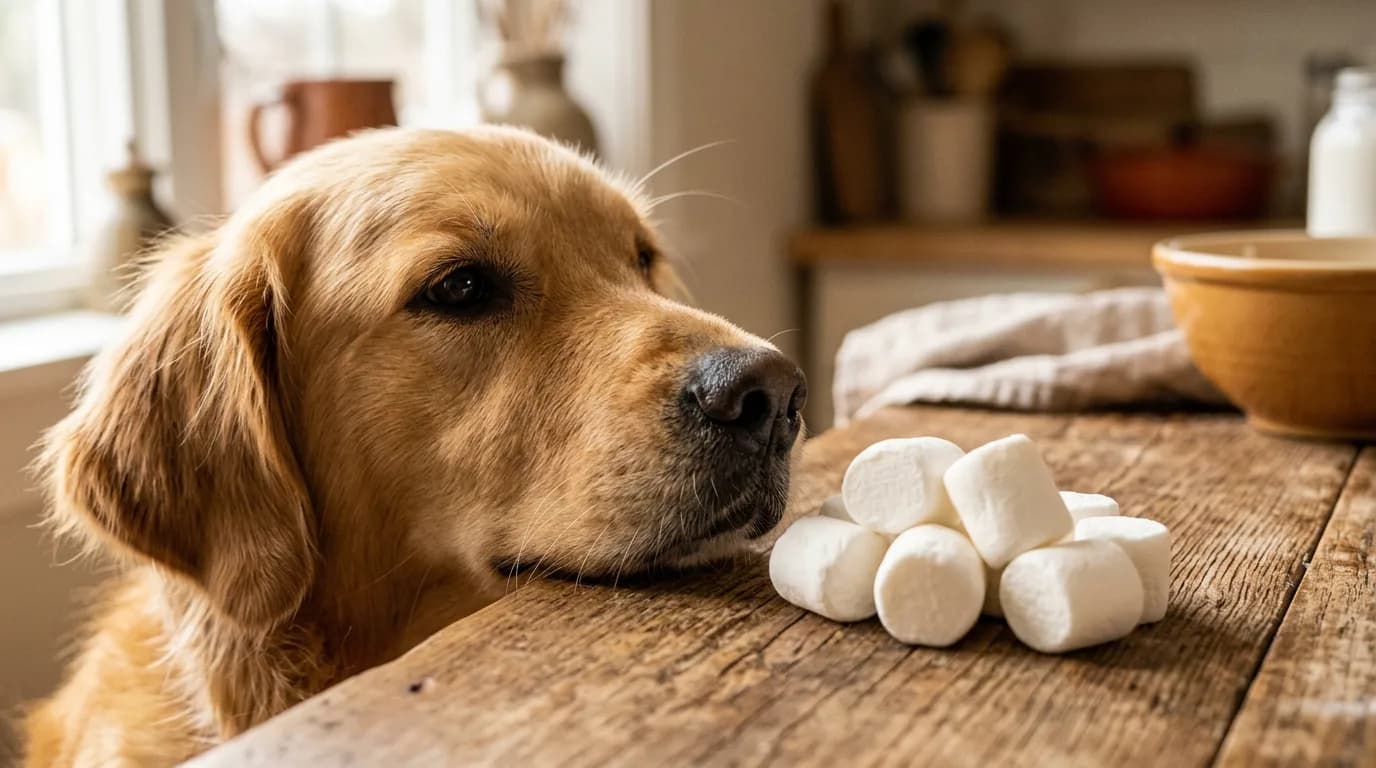
Can dogs eat marshmallows? No, they should not. Veterinarians and the ASPCA note that marshmallows offer no nutritional value, and their sugar can cause stomach upset while the sticky texture is a choking hazard. One plain marshmallow rarely harms an average dog, but sugar-free versions with xylitol can be fatal.

Sign up for expert-backed reviews and safety alerts all in one place.
Can Dogs Eat Marshmallows? The Short Answer
If your dog snagged a marshmallow off the counter, you are right to pause. Marshmallows are not toxic the way grapes or onions are, but they are pure sugar, gelatin, and corn syrup with no benefit for a dog. The bigger worry is what the label hides. Regular marshmallows are usually safe from the deadliest ingredient, xylitol, but sugar-free versions are not. A single plain marshmallow in a medium or large dog is almost always a non-event you can simply watch at home.
The reason this question matters so much is timing. Searches for marshmallows and dogs spike every November and December around campfires, s'mores, and holiday baking, exactly when a bag is most likely to be left within a curious dog's reach. Knowing the real risks before that moment means you react calmly instead of panicking. For a broader picture of pantry items that cause trouble, our guide to foods that can harm your pet is worth a bookmark.
- Xylitol is an artificial sweetener found in sugar-free, keto, diabetic-friendly, and skinny marshmallow brands. It may be listed as birch sugar. As little as 0.1 grams per kilogram of body weight can trigger dangerous hypoglycemia, and around 0.5 grams per kilogram can cause acute liver failure. If a marshmallow product is sugar-free, treat it as a poisoning emergency and call your vet immediately.
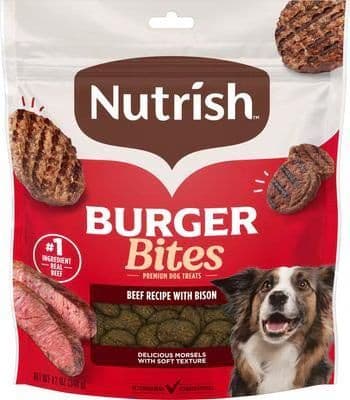
Soft, real-beef burger bites with bison, grain-free and sized for occasional training-treat sharing.
Petful may earn a commission when you click through to Chewy, at no extra cost to you.
Why Marshmallows Are Risky for Dogs
Veterinarians point to four distinct hazards. Understanding each one helps you judge how worried to be based on what your dog actually ate.
Xylitol toxicity (the deadly one)
Xylitol is the single reason a marshmallow can turn into an emergency vet visit. In dogs it triggers a rapid insulin release, dropping blood sugar to dangerous levels typically within 30 to 60 minutes, and at higher doses it can destroy liver cells. Standard marshmallows are sweetened with sugar and corn syrup and do not contain it, but you must verify, because xylitol is increasingly common in sugar-free sweets. Read more about how fast it acts in our breakdown of xylitol poisoning in dogs.
High sugar content
A marshmallow is essentially whipped sugar. A sudden hit of it commonly causes vomiting and diarrhea, and a large fatty, sugary binge can even trigger pancreatitis in dogs, a painful and sometimes life-threatening inflammation of the pancreas. Over the long term, regular sugary snacking feeds obesity in dogs, dental disease, and diabetes.
Digestive upset
Even without xylitol, the gelatin-and-sugar combination is hard for a dog's gut to process. Watch for gas, soft stool, or a few episodes of vomiting and diarrhea in dogs over the following 24 hours. This is the most common outcome of a plain-marshmallow snack and usually resolves on its own.
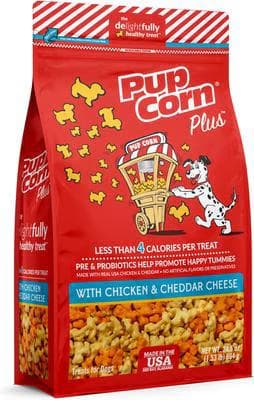
Crunchy, low-calorie cheese-and-chicken popcorn-shaped treats with pre and probiotics for digestive support. Less than 4 calories per piece. Made in the USA with real chicken and no artificial flavors.
Petful may earn a commission when you click through to Chewy, at no extra cost to you.
Choking hazard
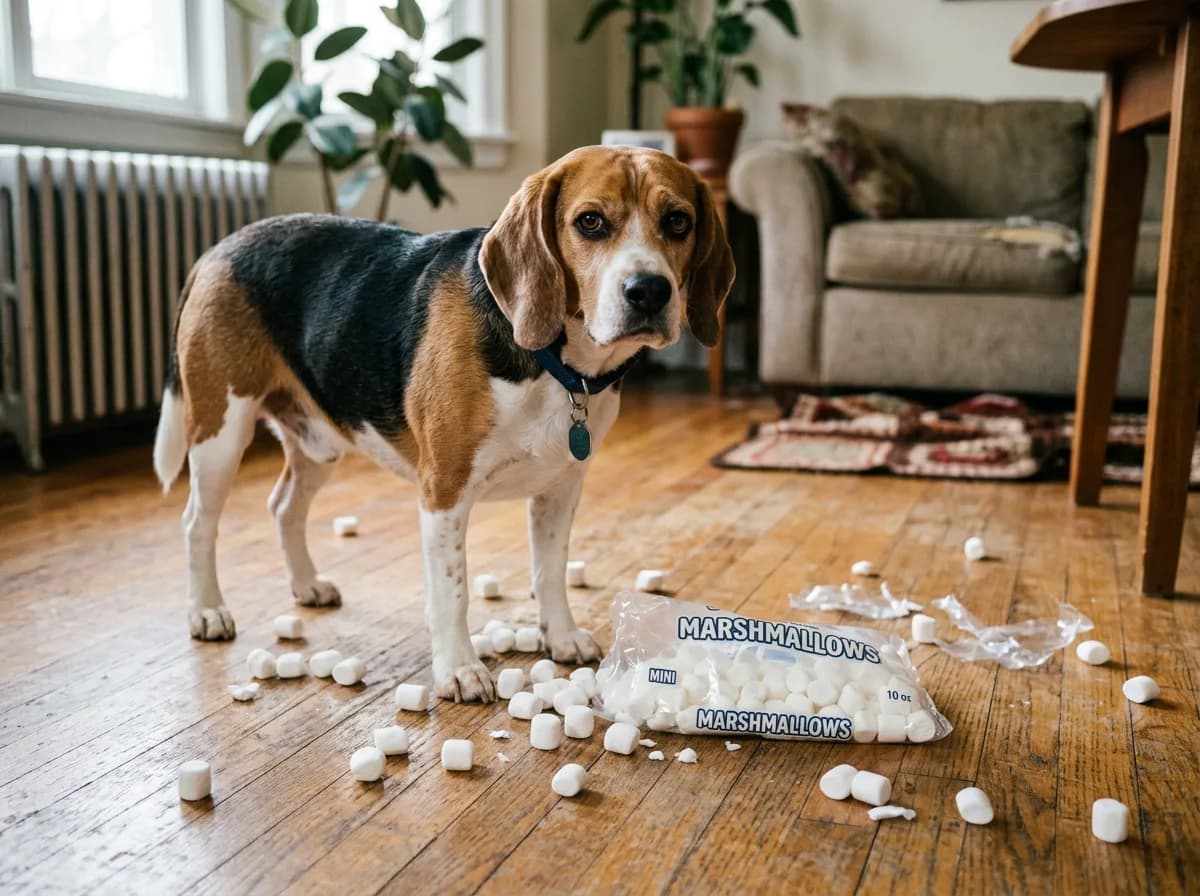
The spongy, sticky texture that makes marshmallows fun for people makes them genuinely dangerous for dogs. A marshmallow can lodge in the throat or stick to the roof of the mouth, especially in puppies, toy breeds, and brachycephalic (flat-faced) dogs. Dogs gulp rather than chew, so the airway-obstruction risk is real even with a small marshmallow.
What Happens If My Dog Eats a Marshmallow?
What happens next depends almost entirely on three things: whether the product contained xylitol, how much your dog ate, and your dog's size. A 70 lb Labrador that swipes one plain marshmallow is in a completely different situation than a 6 lb Yorkie that ate a handful of sugar-free ones.
For a single plain marshmallow in an average dog, expect either nothing at all or mild, short-lived stomach upset. Offer fresh water, hold off on the next meal for a couple of hours, and watch for vomiting or diarrhea. For a large quantity, any xylitol product, or a chocolate s'more, skip the wait-and-see and call your vet. The serving guide below shows where the line sits by body weight.
- Your dog ate any sugar-free or xylitol marshmallow, ate a large quantity or a whole bag, ate a s'more or anything with chocolate, or is showing weakness, wobbliness, vomiting, collapse, or seizures. Contact your vet or ASPCA Animal Poison Control at 888-426-4435 immediately, and do not induce vomiting unless a professional tells you to.
How Many Marshmallows Are Dangerous? Serving Guide by Dog Size
There is no safe serving size for marshmallows, because they have no nutritional value and should not be a regular treat. This table is a risk-reference for an accidental snack, not a feeding recommendation. It assumes plain, sugar-based marshmallows. Any amount of a xylitol-containing product is an emergency regardless of your dog's weight, and any chocolate combination shifts the whole situation into chocolate is toxic to dogs (s'mores warning) territory.
When in doubt, weigh the worst case and call your vet. The cost of a phone call is nothing next to the cost of a missed xylitol exposure.
| Dog Size | Example Breeds | One Plain Marshmallow | Large Quantity or Whole Bag | Any Xylitol Product |
|---|---|---|---|---|
| Toy (under 12 lbs) | Yorkie, Chihuahua | Monitor; watch for choking | Call vet, high GI and choking risk | Emergency, call vet now |
| Small (12 to 25 lbs) | French Bulldog, Beagle | Usually fine, monitor | Call vet, sugar overload likely | Emergency, call vet now |
| Medium (25 to 60 lbs) | Border Collie, Bulldog | Typically harmless, monitor | Watch closely, call vet if symptoms | Emergency, call vet now |
| Large (60 lbs and up) | Labrador, German Shepherd | Almost always a non-event | Monitor; call vet if vomiting persists | Emergency, call vet now |
Do Jet-Puffed Marshmallows Have Xylitol? Reading the Label
This is the most useful brand-check most owners need. Standard Jet-Puffed marshmallows are sweetened with corn syrup and sugar, not xylitol, so a single plain Jet-Puffed marshmallow is the classic monitor-at-home scenario. The same is generally true of other mainstream sugar-sweetened brands.
The danger lives in the sugar-free aisle. Keto, diabetic-friendly, low-carb, and skinny marshmallows are exactly where xylitol shows up. Always flip the bag over and scan the ingredient list. Xylitol can be hidden under the name birch sugar, and other sugar alcohols like erythritol and sorbitol are far less dangerous but still worth noting. If the front of the package says sugar-free, assume the worst until the label proves otherwise.
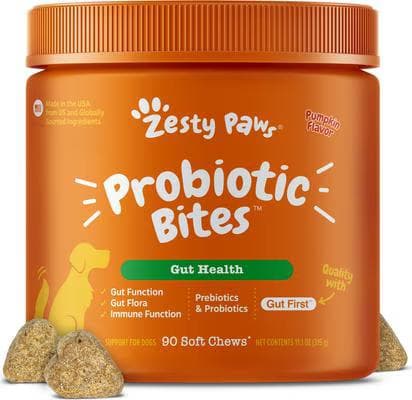
Pumpkin-flavored probiotic soft chews that support healthy gut flora and digestion in dogs.
Petful may earn a commission when you click through to Chewy, at no extra cost to you.
Can Dogs Eat Mini Marshmallows, Fluff, and Lucky Charms?
Can dogs eat mini marshmallows?
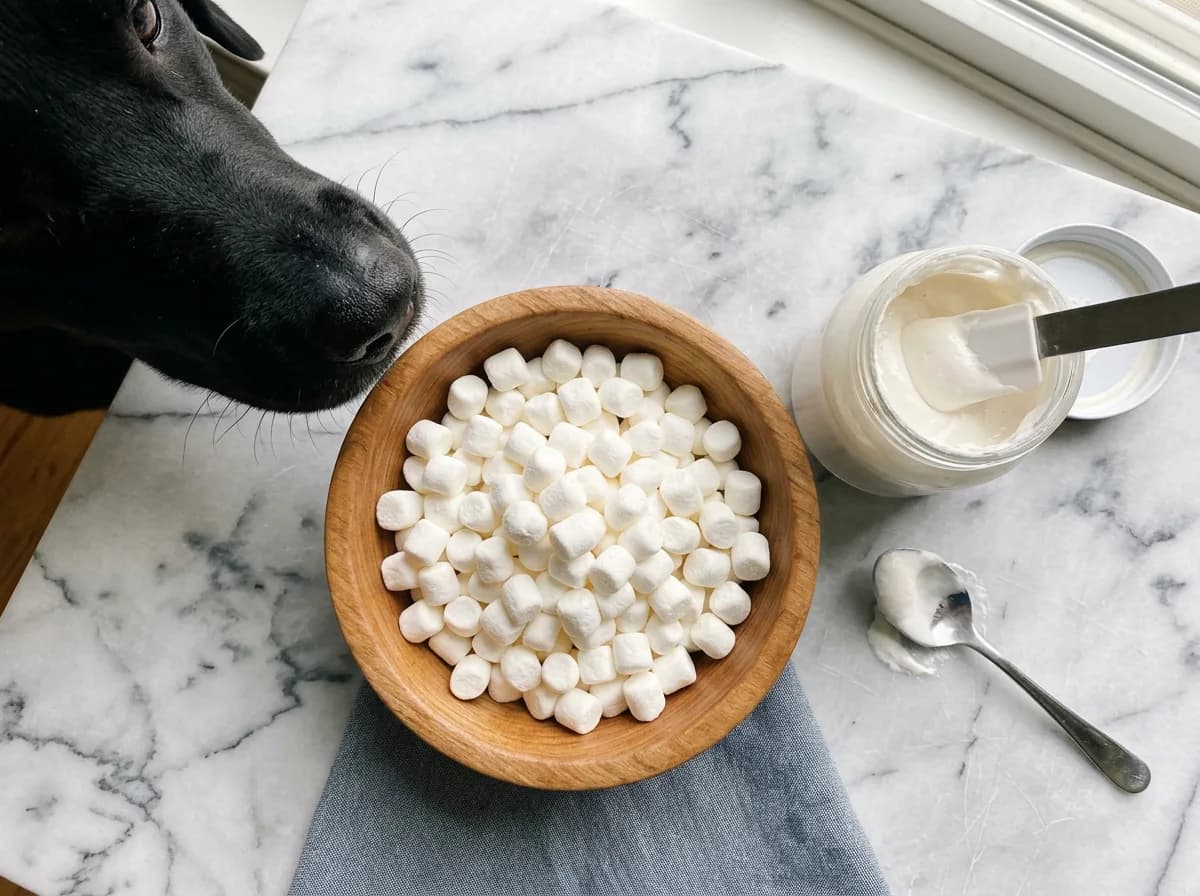
Mini marshmallows carry the same ingredients as full-size ones, just in smaller pieces. The lower individual size slightly reduces the choking risk for big dogs, but it makes it dangerously easy for a small dog to vacuum up a large quantity fast. Count the total sugar and total volume, not the cuteness of each piece.
Can dogs eat marshmallow fluff?
Marshmallow fluff is even worse than the puffed candy. It is concentrated sugar and corn syrup with a gummy, sticky consistency that clings to teeth and the roof of the mouth. There is no upside here. Keep fluff and fluffernutter sandwiches away from your dog entirely.
Can dogs eat Lucky Charms marshmallows?
The dehydrated marshmallow bits in cereals like Lucky Charms are sugar and artificial color, and the cereal itself adds more sugar and salt. A stray piece off the floor is not an emergency, but it is not a treat to share. The same logic covers Peeps, which spike in households every Easter and are simply sugar-coated marshmallow.
Are Marshmallows Toxic or Poisonous to Dogs?
Plain, sugar-based marshmallows are not classified as toxic or poisonous to dogs the way chocolate, grapes, or onions are. They are unhealthy and pose choking and GI risks, but they will not poison a dog through any inherent ingredient. That changes the instant xylitol enters the picture. A xylitol-sweetened marshmallow is genuinely poisonous and can be fatal, which is why owners search whether marshmallows can kill dogs.
So can marshmallows kill a dog? A plain one, no. A xylitol one, yes, especially in a small dog, by causing hypoglycemia or liver failure. The honest framing is that marshmallows range from harmless-but-pointless to potentially lethal entirely based on the sweetener. If you are ever unsure which kind your dog ate, our overview of pet poison emergencies walks through the right first steps.
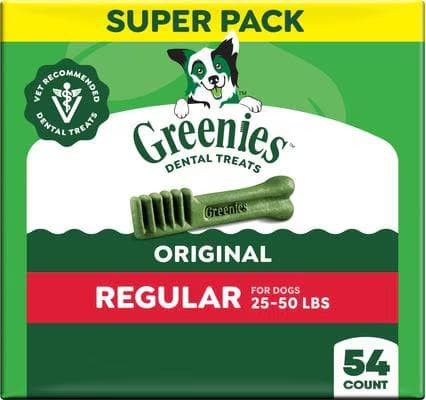
Daily dental chew that cleans teeth, freshens breath, and is accepted by the Veterinary Oral Health Council. Sized for dogs 25 to 50 lbs.
Petful may earn a commission when you click through to Chewy, at no extra cost to you.
What To Do If Your Dog Ate Marshmallows
If you just discovered an empty bag or caught your dog mid-snack, work through these steps calmly and in order.
- Assess the situation. Figure out roughly how many marshmallows are gone and your dog's weight. A handful for a big dog is very different from a handful for a small one.
- Check for xylitol. Find the bag and read the ingredients. Look for xylitol or birch sugar. Sugar-free anything is a red flag.
- Rule out chocolate. If it was a s'more or anything chocolate-coated, treat the chocolate as the primary emergency.
- Observe your dog. Over the next several hours watch for vomiting, diarrhea, weakness, wobbliness, tremors, or collapse. Note the time symptoms start.
- Call your veterinarian. For any xylitol exposure, large quantity, chocolate combo, or worrying symptom, call your vet or ASPCA Animal Poison Control (888-426-4435) right away. Do not induce vomiting on your own.
- Follow professional advice and prevent a repeat. Store sweets in sealed, dog-proof containers and never use marshmallows as a training reward.
One quick disambiguation: marshmallow root (Althaea officinalis) is a completely different thing from the campfire confection. It is an herbal demulcent that is generally considered dog-safe and is sometimes used to soothe digestion, so do not confuse a marshmallow-root supplement with a bag of candy.
Safer Alternatives to Marshmallows for Dogs
If you want to hand your dog something soft and sweet without the risk, nature already made better options. Reach for dog-safe fruit in moderation instead of candy.
Good swaps include blueberries (safe alternative), which are low-calorie and rich in antioxidants, seedless watermelon (safe alternative) for a hydrating summer treat, and apple slices (safe alternative) with the seeds and core removed. A few plain banana (safe alternative) pieces also satisfy a sweet tooth. Keep all treats, even healthy ones, to roughly 10 percent of daily calories, and pair the habit with good dog dental health so the occasional sweet does not become a cavity.
Frequently Asked Questions
Usually yes, without harm, if it is a plain sugar-based marshmallow and your dog is medium or large. One marshmallow has no nutritional value but rarely causes more than mild stomach upset. Offer water and monitor for a few hours. The exception is any sugar-free or xylitol marshmallow, which is dangerous even in a single piece.
Marshmallows without xylitol are not toxic, but they are still not good for dogs. They are pure sugar and corn syrup with no benefit, and they pose a choking risk. An occasional accidental piece is fine to monitor at home, but you should not feed marshmallows as a treat. Choose dog-safe fruit like blueberries or apple slices instead.
No. Standard Jet-Puffed marshmallows are sweetened with corn syrup and sugar, not xylitol, so a single plain one is typically a monitor-at-home situation. Always read the label anyway, because sugar-free, keto, and skinny marshmallow products are the ones that contain xylitol, sometimes listed as birch sugar.
A plain sugar marshmallow will not kill a healthy dog, though a large quantity can trigger pancreatitis. A xylitol-sweetened marshmallow absolutely can be fatal by causing severe hypoglycemia or liver failure, especially in small dogs. If your dog ate any sugar-free marshmallow, treat it as an emergency and call your vet or poison control immediately.
First check whether they contained xylitol; if so, call your vet or ASPCA Animal Poison Control (888-426-4435) right away. For a large quantity of plain marshmallows, expect vomiting or diarrhea and watch for signs of pancreatitis like belly pain or lethargy. Call your vet, do not induce vomiting on your own, and keep fresh water available.
Yes, marshmallow root (Althaea officinalis) is a different thing entirely from the candy and is generally considered safe for dogs. It is an herbal demulcent sometimes used to soothe the digestive and urinary tracts. Do not confuse it with marshmallow confections, and check with your vet before giving any herbal supplement.
Veterinarian · BVMS, MRCVS
Dr. Pippa Elliott, BVMS, MRCVS, is a veterinarian with nearly 30 years of experience in companion animal practice. Dr. Elliott earned her Bachelor of Veterinary Medicine and Surgery from the University of Glasgow. She was also designated a Member of the Royal College of Veterinary Surgeons. Married with 2 grown-up kids, Dr. Elliott has a naughty Puggle named Poggle, 3 cats and a bearded dragon.
Sign up for expert-backed reviews and safety alerts all in one place.