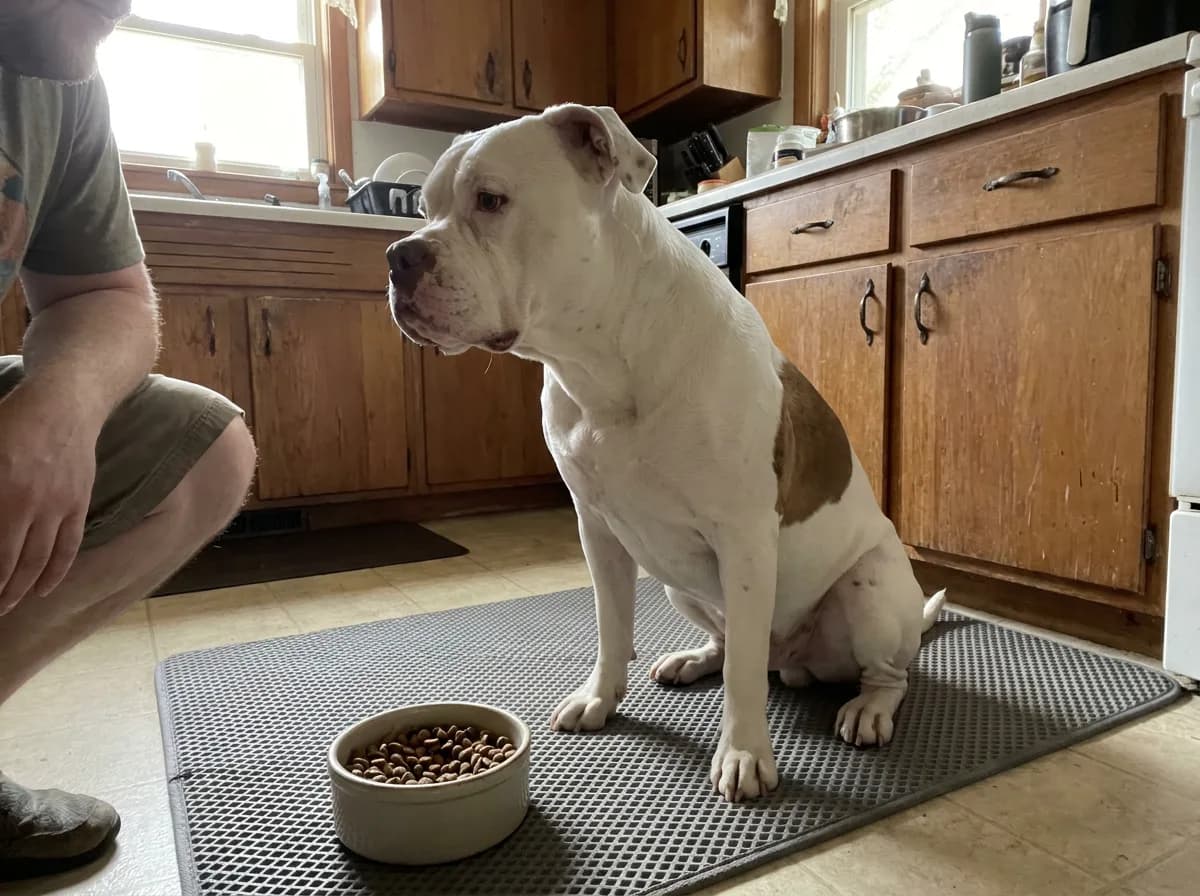
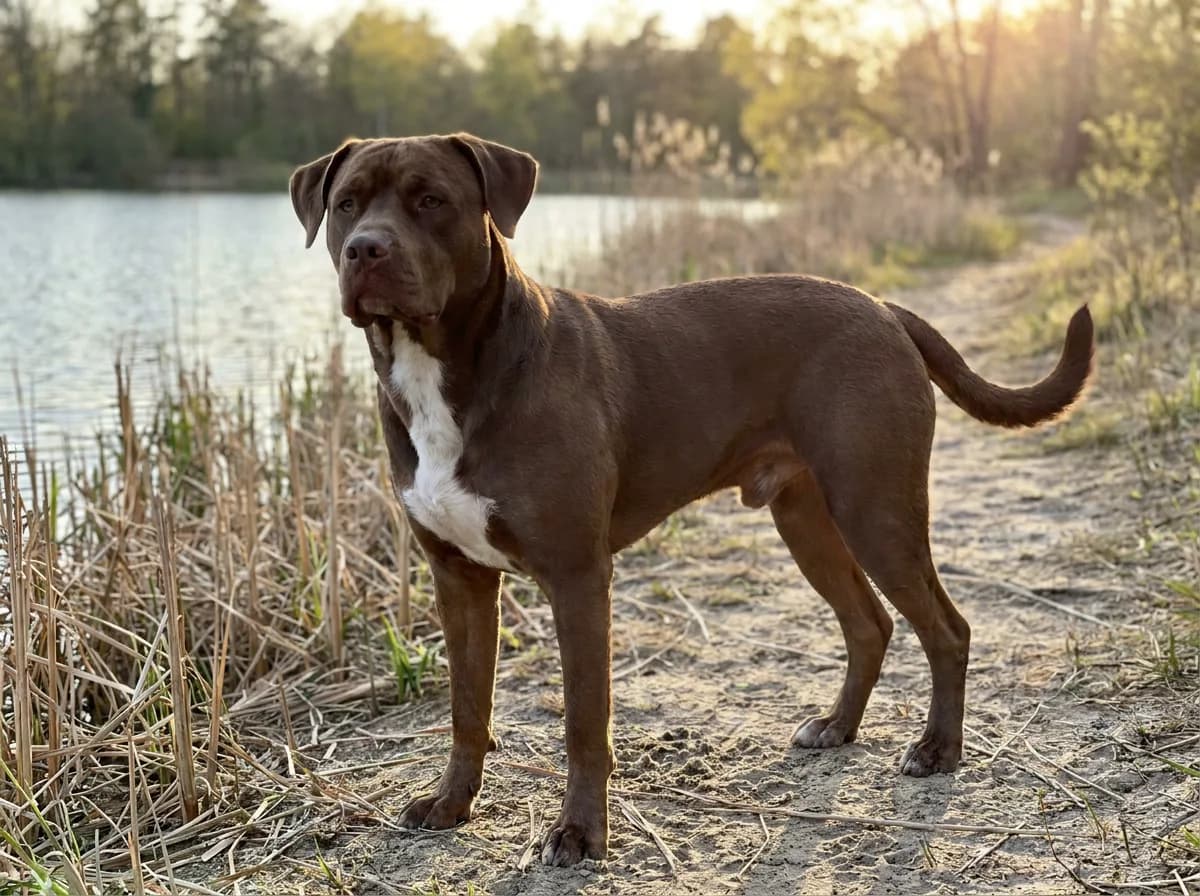
Schnoodle: Temperament, Coat Types, and Care
Schnoodles vary widely in size, coat, and personality. Learn what the Schnauzer-Poodle mix needs, how to evaluate a puppy or adult, and which daily care decisions matter before bringing one home.
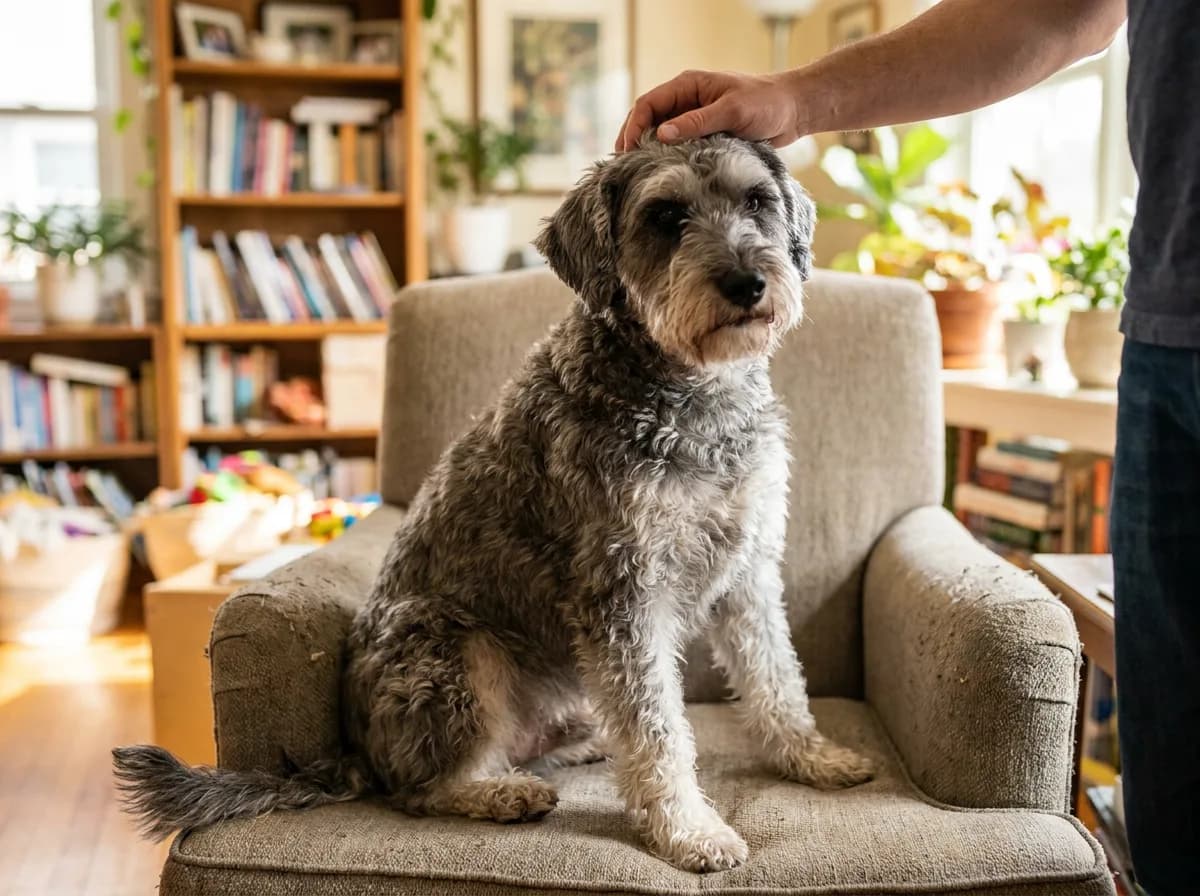
Appearance alone does not establish ancestry or predict adult size.
Petful is reader supported. As an affiliate of platforms like Amazon and Chewy, we may earn a commission when you buy through links on this page. There is no extra cost to you.
A Schnoodle is a Schnauzer-Poodle mix, often an alert, playful companion with a coat that needs regular grooming. The name does not describe one fixed size or temperament: the parent dogs, early experiences, and everyday care matter more than a teddy-bear appearance.
Before choosing a puppy, look beyond a cute face. This guide helps you compare the daily work, check a breeder's claims, and decide whether a Schnoodle suits your household.
A Schnoodle can suit an engaged household that enjoys training and budgets for coat care. Ask about the actual parent dogs, adult size, health screening, and behavior. A Poodle cross does not guarantee a quiet, allergy-safe, or low-maintenance dog.

Sign up for expert-backed reviews and safety alerts all in one place.
What is a Schnoodle?
A Schnoodle is a Schnauzer crossed with a Poodle. Like other Poodle crosses, it may be described as a doodle. Both parent breeds come in different sizes, so the mix can be a small companion or a substantial athletic dog. There is no single Schnoodle breed standard: adults vary in appearance, personality, and care needs.
The American Kennel Club's Poodle profile describes an athletic companion, while its Miniature Schnauzer profile emphasizes an outgoing, small companion. These are helpful clues about the parent breeds, but puppies do not inherit a fixed half of every trait.
- Ask which Schnauzer breed and Poodle variety produced the litter.
- Ask to see adult relatives, rather than relying on a puppy photograph.
- Ask what the parents are like around visitors, other dogs, grooming, and time alone.
- Treat a puppy's current behavior as useful observation, not a lifetime guarantee.

You may see labels such as F1, F1b, or multigenerational. An F1 generally means a first-generation cross between the parent breeds. A Schnoodle crossed back to a Toy Poodle is a backcross, rather than the same pairing as a Schnauzer and Poodle. These labels explain family relationships, but they cannot promise identical coats, allergy compatibility, health, or personality across a litter.

Petful may earn a commission when you click through to Chewy, at no extra cost to you.
Likewise, “teddy bear Schnoodle” usually describes a fluffy appearance or trim. It is not a separate breed standard. A puppy advertised under that label can still grow into a lively dog that needs considerable exercise and grooming.
What a DNA test can tell you
If a rescue dog's ancestry is uncertain, the Embark Breed Identification Dog DNA Test Kit is one existing option for investigating breed ancestry. Use the result as additional background, not proof of how the dog will behave. It does not replace meeting the dog, reviewing veterinary records, or assessing the household fit.
Breed identification is also different from health screening. A consumer ancestry result cannot certify that breeding parents completed all recommended orthopedic, eye, or other clinical examinations. Ask for the actual records when making a puppy decision.
Schnoodle temperament and everyday behavior
Schnoodle temperament often combines curiosity, attachment to people, and alertness. Some dogs readily greet strangers; others need space and gradual introductions. “Intelligent” does not mean automatically obedient. A bright dog can quickly learn that barking opens the door or jumping produces attention.
The useful question is how the individual dog behaves in ordinary situations. Observe how quickly they recover after a noise, whether they can disengage from an exciting activity, and whether they settle when people stop interacting. A dog that is quiet during one short visit may act differently after settling into a home.
- Reward four paws on the floor before giving attention.
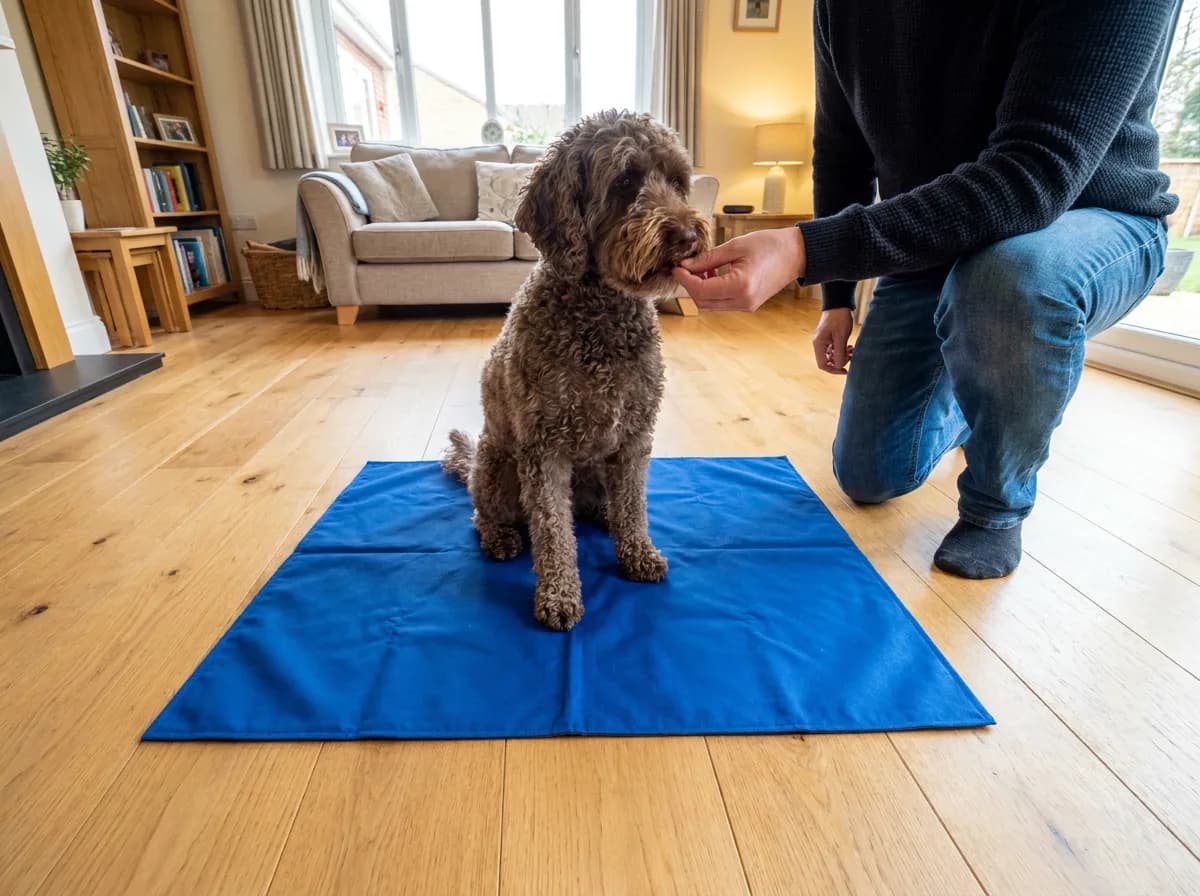
- Practice returning to a mat during quiet moments, before expecting success around visitors.
- Offer sniffing, gentle play, and short training sessions as well as walks.
- Introduce alone time gradually and watch for distress rather than assuming barking is stubbornness.
Schnoodle barking can be an alert to movement, frustration, excitement, or an unmet need. Reduce repeated rehearsal by blocking a street-facing window when necessary and rewarding calm behavior at a manageable distance from triggers. Punishment that frightens the dog may suppress a sound without addressing the underlying problem. Howling also needs context: note whether your Schnoodle responds to a sound or vocalizes when left alone. The AKC’s howling guide explains that a new increase in vocalizing can accompany pain or illness, so a sudden change deserves veterinary attention.
Petful may earn a commission when you click through to Chewy, at no extra cost to you.
For potty training a Schnoodle puppy, take them to the toilet area after waking, eating, playing, and other predictable transitions. Reward immediately after they finish in the right place. Keep an easy-to-clean supervised space between trips. A small puppy needs frequent opportunities; accidents are information about the routine, not evidence of spite.
Family and pet introductions
A Schnoodle can be a good family dog when the individual dog and household are compatible. Children need adult supervision and clear rules about leaving a sleeping or eating dog alone. Small dogs can be injured by rough handling; larger dogs can knock children over without intending harm.
When introducing another pet, use physical separation, short controlled meetings, and enough space for both animals to retreat. A history of living comfortably with cats is more useful than a generic claim that the mix is “good with everything.” Some dogs retain a strong interest in chasing small moving animals.
Coat colors, shedding, and allergies
- Listings may call a pale coat blonde or golden; light brown, parti, brindle, and sable are further descriptive labels you may encounter. Ask the source to explain the actual coat pattern and family history. A golden Schnoodle label by itself does not establish Golden Retriever parentage, and color words do not predict health or temperament.
Ask the groomer whether TropiClean puppy and kitten shampoo suits the coat and follow the label’s directions. Keep Frisco small-pet nail clippers on a separate care checklist only if they suit the dog’s nail size; larger Schnoodles may need different tools.
Interpreting color descriptions
Schnoodle coat colors include black, white, brown, chocolate, cream, tan, apricot, red, silver, and gray, with salt-and-pepper or contrasting markings also appearing in listings. Terms such as phantom, parti, or merle describe patterns; ask the seller to explain the actual parentage rather than paying more for a supposedly rare label. Puppy pictures cannot tell you the mature texture or how someone with allergies will react to the dog.
Schnoodle coat texture can be curly, wavy, or relatively wiry. The face may have a noticeable beard or fuller eyebrows. Grooming changes the outline substantially: the same dog can look round and fluffy in a longer trim and much slimmer in a short practical cut.
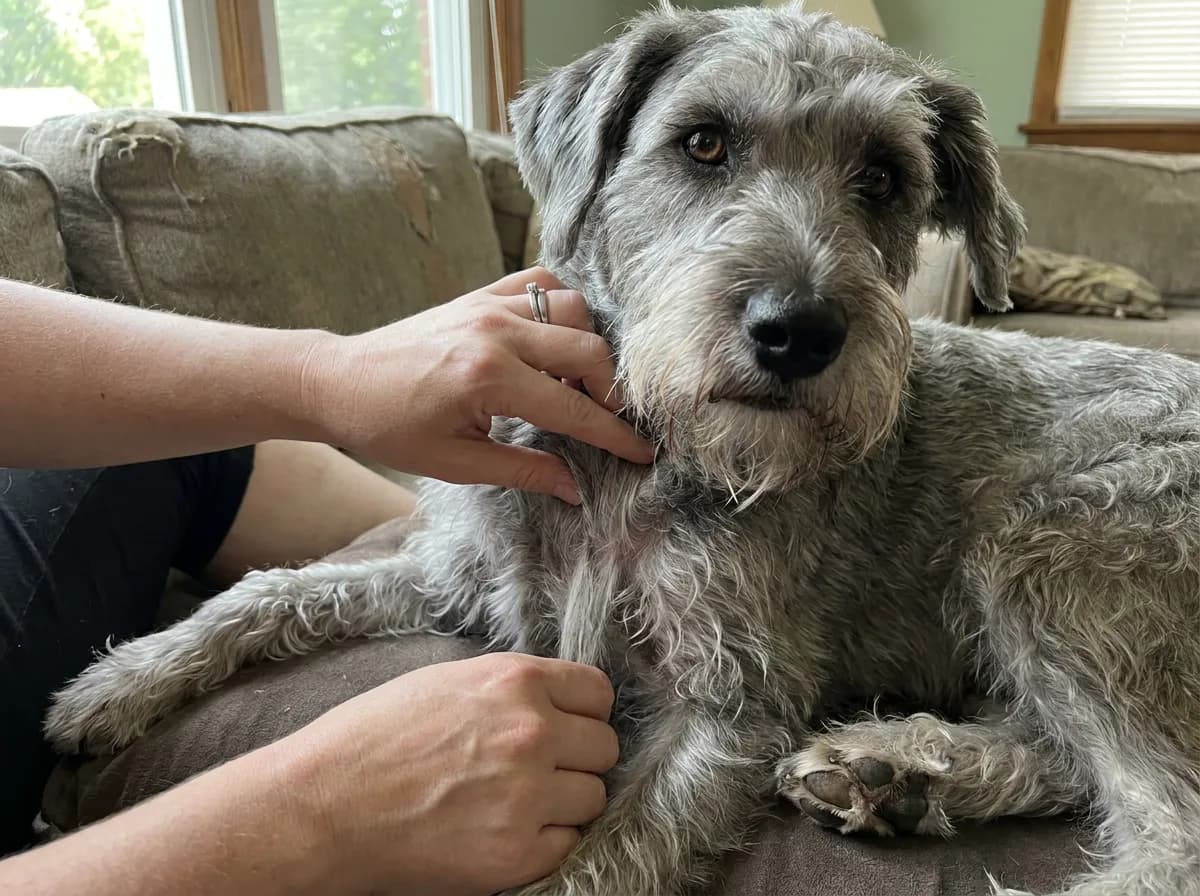
- A curlier coat may hold loose hairs instead of releasing them onto the floor.
- Friction behind ears, beneath a harness, and inside the legs can create tangles.
- A beard can collect water and food and benefits from gentle daily attention.
- Longer styles need more brushing time than short maintenance trims.
A Schnoodle is not reliably hypoallergenic, and low shedding is not the same as no maintenance. Loose hairs may remain in the coat, but that does not prove the dog will be safe for someone with allergies. Individual reactions vary; spend time with the actual dog and discuss significant allergies with your own clinician before committing.
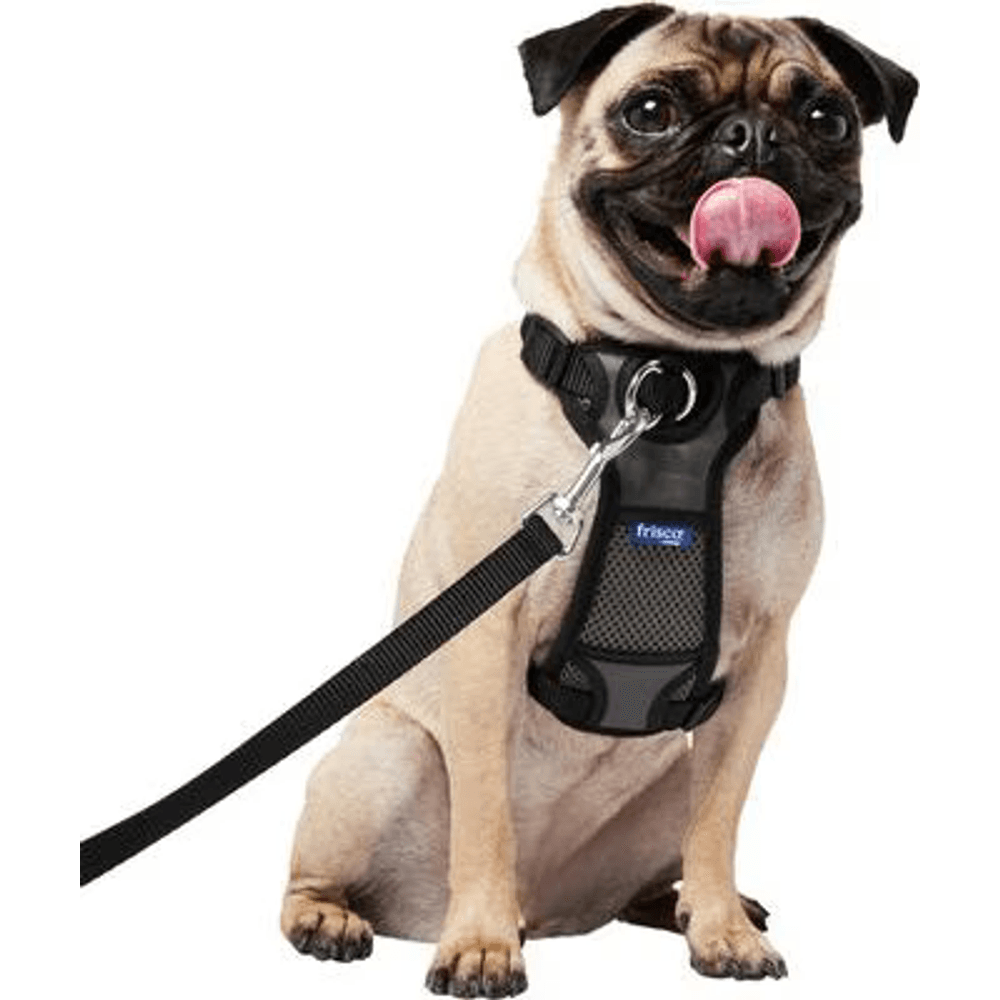
A budget-friendly padded no-pull harness that keeps leash pressure off a coughing dog's neck and windpipe by distributing it across the chest. A simple, affordable way to protect an irritated airway or a collapsing trachea on every walk.
Petful may earn a commission when you click through to Chewy, at no extra cost to you.
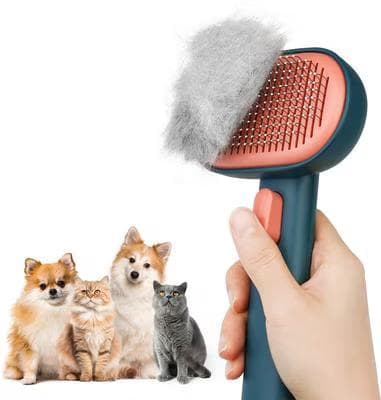
A slicker such as the aumuca Self Cleaning Slicker Brush may help maintain an appropriate coat when used gently. Ask a groomer to demonstrate technique and check the coat with a suitable comb. Do not assume that brushing the outer surface means the hair near the skin is untangled.
The Schnoodle haircuts and grooming guide compares styles and coat-care requirements. It is the better place to choose a haircut; the key ownership decision here is whether you can sustain the upkeep throughout the dog's life.
Choosing a puppy or adopting an adult
Schnoodle rescues and dogs for adoption may appear through general shelters as well as mix-focused organizations. To adopt a Schnoodle, ask about observed behavior, veterinary records, and any return or support policy. If deciding where to buy a Schnoodle puppy, use the same evidence-first approach instead of treating a listing or an available photograph as proof.

For a dog being rehomed, ask why the placement is ending and request its current feeding, exercise, and grooming routine. Continuity can make the transition easier. Ask which food it eats and discuss any change with your veterinarian.
Choose a Schnoodle puppy or adult by evidence about health, behavior, and the source's practices. When comparing a male and a female, ask about the individual dogs rather than treating sex as a guarantee of an easier companion. Neither a very high purchase price nor a polished social-media account proves careful breeding. An adult adoption can offer more information about eventual size and coat, although behavior may change as the dog adjusts.
Chewy’s Schnoodle guide gives a breeder-price estimate of $1,500–$4,000. Treat that published range as context, not a national survey or current quote. The actual purchase or adoption amount varies with location, age, source, and included care; request the total in writing. Budget separately for veterinary care, food, grooming, equipment, training, and care during travel.

A dual-ended toothbrush with a large and a small head to fit different mouth sizes and reach the back molars where plaque hides. Soft bristles angled for the gumline.
Petful may earn a commission when you click through to Chewy, at no extra cost to you.
Questions to ask before paying
- Which parent breeds and sizes are involved, and can you see the adult dogs?
- Which health examinations were completed, on which dogs, and when?
- How were puppies introduced to household sounds, handling, people, and ordinary routines?
- What veterinary care and records accompany the dog?
- What support and return provisions are documented if the placement fails?
The Orthopedic Foundation for Animals explains health screening programs and maintains searchable results. Ask for records relevant to both parent breeds. A DNA panel alone is not a substitute for every recommended physical examination. A health-screening certificate also cannot guarantee that a puppy will never develop disease.
Avoid pressure to pay before you can establish who is responsible for the dog. For a rescue, ask what is known, what remains uncertain, and how the dog has behaved in a foster home or similar setting. Honest limits are more valuable than a promise of a perfect companion.
Budget for ordinary care, not just arrival day
Arrange a veterinary appointment, identify a groomer familiar with mixed coats, and price appropriate training support before bringing the dog home. Include replacement equipment as a puppy grows. If your household works away from home, include the practical cost of toilet breaks and supervision.
When you compare insurance or create an emergency fund, read actual terms and think about cash flow. Do not assume routine grooming or every inherited condition is automatically covered. This planning supports the dog's care; it does not change the puppy's underlying health risk.
Size, grooming, and health guides
A general breed guide cannot tell you the exact adult weight of a puppy. Start with the actual parents and then use the appropriate guide for the decision you are making. These pages divide physical size, subtype ownership, grooming, and health so you can go directly to the relevant detail.
Mini Schnoodle guide
The Mini Schnoodle guide focuses on living with a smaller Schnauzer-Poodle mix. Miniature Schnoodle puppies are not automatically quiet apartment dogs. Handling, toilet access, alert barking, and daily activity matter alongside a portable size. Meet adult relatives when possible and choose equipment using actual measurements.
Giant Schnoodle guide
The Giant Schnoodle guide addresses the larger mix's exercise, handling, training, and household logistics. A giant Schnoodle puppy becomes a substantial dog, so teach calm greetings and cooperative care early. Consider vehicle access, visitor management, and who can safely handle the dog before choosing this size.
Full-grown size guide
For toy, miniature, standard, and giant comparisons, use the Schnoodle full-grown size guide. A size label is a starting point, not a calibrated measurement. Parent size and repeated growth records provide better evidence than one puppy photograph or a seller's estimate, especially where different breeders use the same label differently.
Haircut and coat-care guide
The Schnoodle haircuts guide compares teddy bear, puppy, lamb, and Schnauzer-inspired trims. Schnoodle grooming needs depend on coat texture and retained length. Shedding and allergy compatibility are separate questions from appearance. Bring a clear reference photo to the groomer and agree on a practical style that your dog can comfortably maintain between appointments, rather than preserving length through painful detangling.
Lifespan and health guide
The Schnoodle lifespan guide explains longevity estimates, inherited risks, and senior care. No crossbreed is guaranteed healthy. Keep current veterinary records and ask which screenings apply to your dog's size, ancestry, and history. A change in appetite, thirst, movement, or behavior deserves attention rather than being dismissed as a breed trait.
A practical first-month care plan
For food-based enrichment, compare a supervised Pet Parents Forager snuffle mat with an Outward Hound Lick N’ Flip puzzle introduced at an easy setting. Use part of the daily ration, and remove either activity if the dog starts chewing pieces or fabric.
Use this household fit checklist before the dog arrives: who manages meals and toilet trips, who books grooming, where the dog rests, and how you will handle days when the usual routine changes. A clear daily care budget includes both time and money. If you are considering timed meal equipment, compare automatic dog feeders.
Start with a small set of predictable routines. Give the dog a quiet resting space, use gradual introductions, and build confidence with short successful activities. Buying many toys does not replace an appropriate routine or time spent learning the dog's preferences.
| Decision | What to check before buying |
|---|---|
| Walking equipment | Measure the dog's chest and neck; check the exact item's size chart |
| Grooming | Match tools and trim length to actual coat texture and tolerance |
| Food | Choose an appropriate life-stage diet and review the feeding amount with your vet |
| Rest | Provide enough room to lie comfortably and a place away from busy traffic |
For a small adult whose measurements match it, the Frisco Padded No Pull Dog Harness in Small is an equipment option. The listing's size is not a recommendation for every Schnoodle. Recheck fit as a puppy grows and after substantial coat changes.
Build dental handling gradually. The Virbac C.E.T. Dual-Ended Dog & Cat Toothbrush is one option to discuss with your veterinarian for a toothbrushing routine using pet toothpaste. Start with brief, comfortable sessions rather than forcing the mouth open. Dental equipment is useful only when the routine is safe and suitable for the individual dog.
Review the routine after two weeks
- Record when barking occurs so you can change the situation, not just react to noise.
- Check whether the coat is becoming tangled between grooming appointments.
- Adjust toilet-trip timing based on actual accidents and successes.
- Notice whether the dog can rest, eat, and explore comfortably.
- Ask for professional help early if fear, distress, or unsafe behavior is escalating.
This approach turns “Is a Schnoodle right for me?” into a practical comparison. The right match is a dog whose needs your household can consistently meet, with room for individual variation and unexpected costs.
Schnoodle questions
The main downsides for a Schnoodle owner are regular coat upkeep, possible alert barking, and the need to teach comfortable time alone. These demands can be manageable, but they may disappoint someone expecting an effortless small dog. Compare your available time with the actual dog’s behavior, price professional grooming, and arrange backup care before committing.
Chewy gives a general Schnoodle breeder-price estimate of $1,500–$4,000. That is a published reference rather than a guaranteed current quote. Compare the individual dog’s records and included services, and add ongoing food, grooming, veterinary care, training, and an emergency reserve to your household budget.
Some Schnoodle dogs bark readily at sounds, visitors, or moving animals; others are comparatively quiet. Look for the cause and the pattern. Managing a busy window, rewarding calm behavior, and providing suitable activity may help. Persistent distress when alone calls for professional assessment, not an assumption that the dog simply needs to be corrected more firmly.
Schnoodles do not calm down at one predictable age. Maturity, size, individual temperament, sleep, exercise, and learned habits all affect behavior. A young dog may become easier to live with as routines become familiar, but calm settling still needs practice. A sudden loss of energy is different from healthy maturity and should be discussed with your veterinarian.

Coreen Saito is a pet writer and longtime shelter volunteer with more than a decade in animal rescue. She covers cat behavior, breed care, and the small, ordinary science of sharing a life with companion animals, with a particular focus on honest takes about the products and decisions that actually matter. At home in Arizona, she's outranked by Mac (a dog with the loudest opinion in the house), Rebel (a cat who governs by quiet authority), and Meri (an orange tabby who runs the late shift and the laundry basket). She writes about all three, plus the rescues that keep coming through her life, at LifeWithMinty.com.
Sign up for expert-backed reviews and safety alerts all in one place.