Mini Schnoodle: Size, Temperament, and Daily Care
A Mini Schnoodle can be a lively small companion. Compare adult-size expectations, apartment suitability, barking, training, grooming, and the records to request before choosing a puppy or adult.
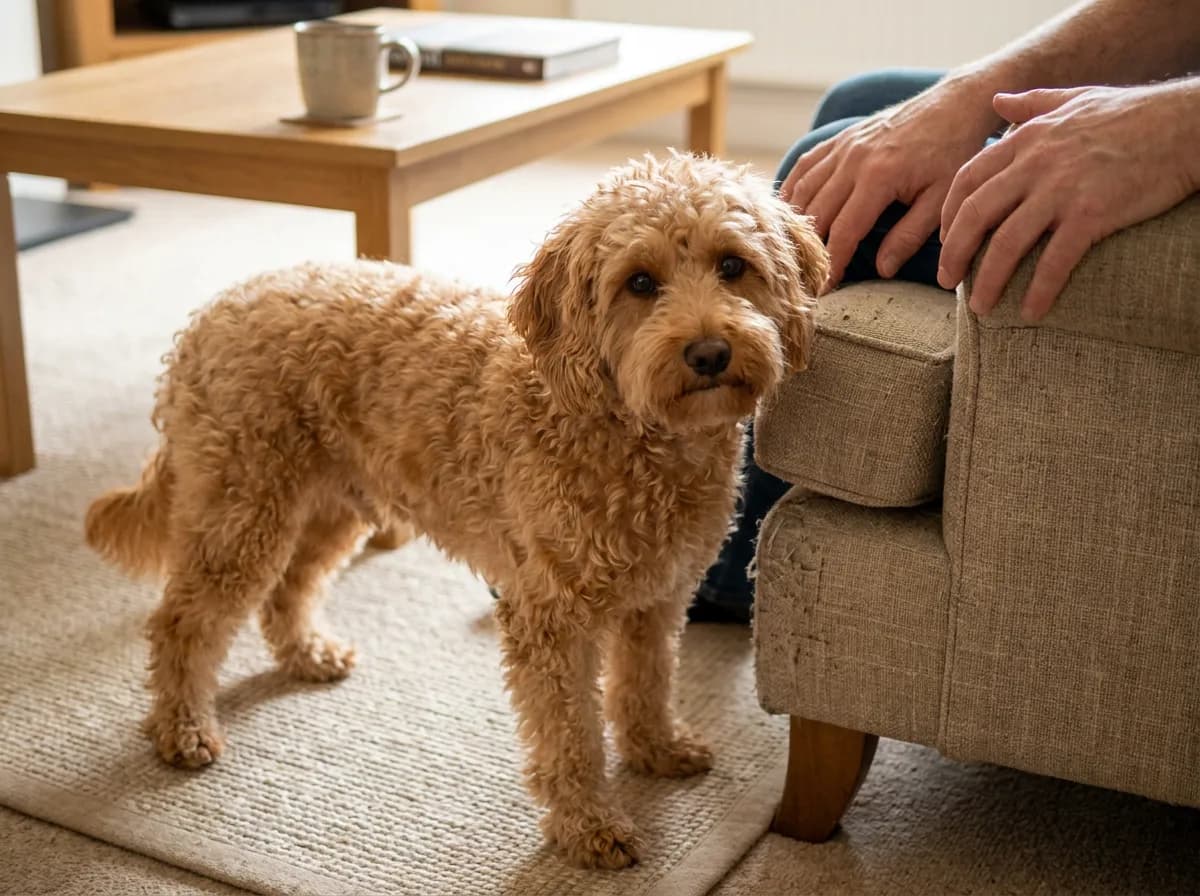
Appearance alone does not establish ancestry or predict adult size.
Petful is reader supported. As an affiliate of platforms like Amazon and Chewy, we may earn a commission when you buy through links on this page. There is no extra cost to you.
A Mini Schnoodle is a small Schnauzer-Poodle mix, usually involving a Miniature Schnauzer and a Toy or Miniature Poodle. It may suit someone seeking an interactive small companion, provided regular grooming, training, and companionship fit the household routine.
Small does not mean effortless. Adult size varies, and a compact dog can still be vocal, energetic, and uncomfortable when left alone without preparation.
Choose a Mini Schnoodle by its actual parents, behavior, and care requirements. The mini label does not guarantee a particular adult weight, a quiet personality, or freedom from allergies. A manageable routine matters more than the puppy's teddy-bear appearance.

Sign up for expert-backed reviews and safety alerts all in one place.
What is a Mini Schnoodle?
A Mini Schnoodle is a smaller Schnauzer-Poodle mix, also called a Miniature Schnoodle. Ask which parent breeds and sizes produced the litter: a Miniature Schnauzer crossed with a Toy Poodle is a different pairing from one crossed with a Miniature Poodle. Neither the mini label nor an F1b backcross label fixes the puppy’s adult size or shedding.

Petful may earn a commission when you click through to Chewy, at no extra cost to you.
The American Miniature Schnauzer Club describes the parent breed's size and grooming needs. Those traits help explain the mix, but they are not a contract for a puppy. An individual can inherit a different balance of coat, build, and behavior than its littermates.
- Ask for each parent's breed, adult height, and adult weight.
- Look at adult relatives from the same pairing when they are available.
- Meet the dog in a setting where normal behavior is visible.
- Separate factual records from phrases such as perfect, hypoallergenic, or guaranteed tiny.
For broader ancestry and ownership context, see the Schnoodle breed guide. This page focuses on the practical differences of a smaller companion: safe handling, apartment routines, appropriate equipment, and grooming that remains manageable.
If you adopt a dog whose ancestry is unknown, the Embark Breed Identification Dog DNA Test Kit can provide ancestry information. It cannot determine whether your particular home is suitable or substitute for veterinary screening. A familiar label is less important than the dog's observed needs.
Mini Schnoodle full-grown size and appearance
- A teddy bear haircut can make a Mini Schnoodle look rounder without changing its body size. Mini Schnoodle pictures should be assessed with that distinction in mind: black, brown, or white puppies can appear different after trimming and maturation. Ask to see adults standing naturally rather than estimating weight from a close-up face photo.
A Mini Schnoodle full grown is generally a small dog, but there is no universally enforced weight range for the label. For perspective, the AKC breed weight chart lists Miniature Schnauzers at 11–20 pounds, Miniature Poodles at 10–15 pounds, and Toy Poodles at 4–6 pounds. These are parent-breed references, not guaranteed bounds for their offspring.
The adult Mini Schnoodle may have a compact or relatively leggy outline. A full coat can make a small dog look larger, while a short haircut exposes its underlying shape. Evaluate body condition by an appropriate hands-on assessment with your veterinary team, not by the width of a fluffy photograph.
| Question | More useful evidence |
|---|---|
| Will this puppy stay small? | Actual parent measurements and repeated growth records |
| Is an adult dog overweight? | Veterinary body-condition assessment, not coat volume |
| Will this harness fit? | Chest and neck measurements matched to the exact product |
| Will the puppy keep this look? | Adult relatives, coat changes, and grooming requirements |
Black, white, cream, apricot, and other coat appearances occur in Mini Schnoodles. A teddy-bear trim can create a rounded face, but it does not identify a separate miniature variety. Color does not establish temperament, and a premium color claim is not a substitute for health records.
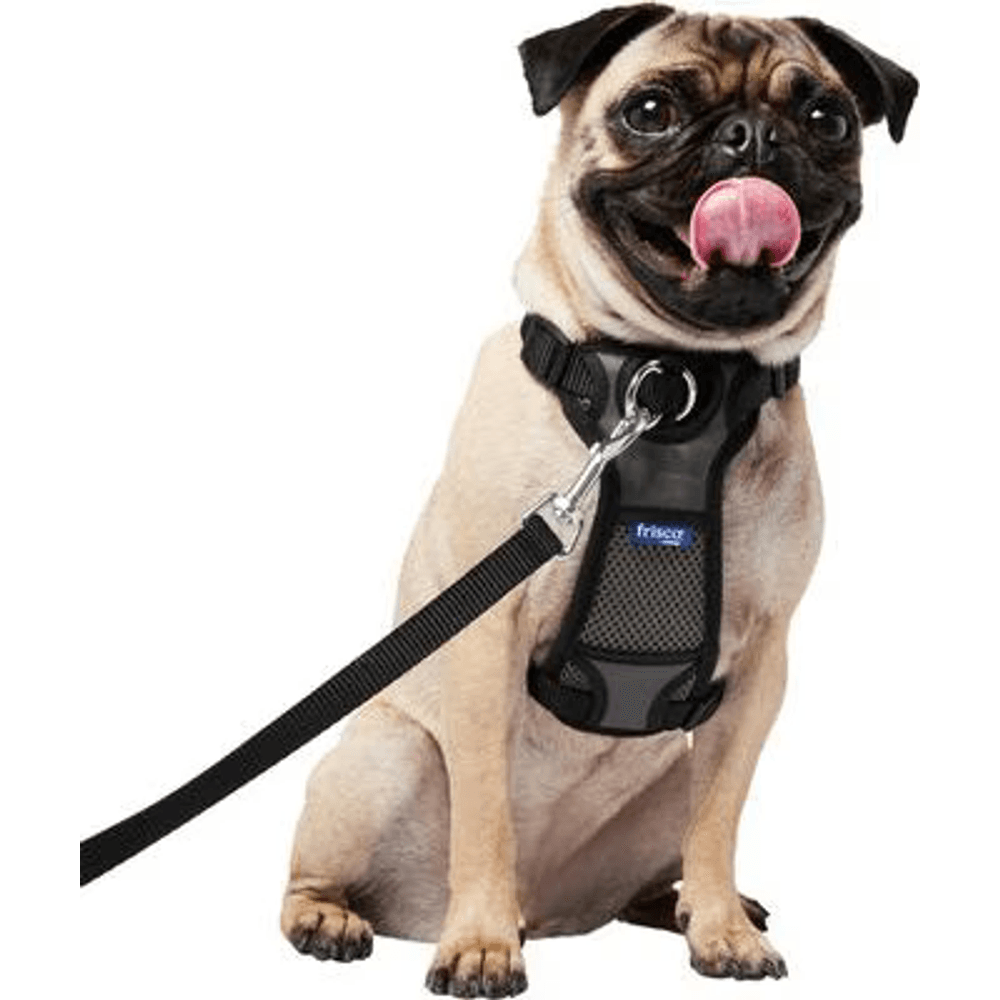
A budget-friendly padded no-pull harness that keeps leash pressure off a coughing dog's neck and windpipe by distributing it across the chest. A simple, affordable way to protect an irritated airway or a collapsing trachea on every walk.
Petful may earn a commission when you click through to Chewy, at no extra cost to you.
Use the Schnoodle full-grown size comparison when you need to compare toy, miniature, standard, and giant labels. Here, the important question is how the actual dog's size affects your day: carrying safely when needed, arranging toilet access, and selecting equipment without restricting movement.
Temperament, barking, and apartment life
A Mini Schnoodle can live in an apartment if the household can provide suitable activity, toilet trips, rest, and training. Floor space alone does not predict success. A busy corridor, frequent deliveries, or a window overlooking dogs may be more challenging than the square footage.
The small-home suitability check is practical: where can the dog sleep without repeated disturbance, where will you practice calm behavior, and how will you manage barking before neighbors become frustrated? If getting outside requires an elevator ride, a puppy needs a realistic toilet plan from the first day.
- Create a resting area away from the front door when possible.
- Use visual barriers if constant street activity triggers barking.
- Pair ordinary building sounds with calm, manageable practice.
- Arrange help if the dog's age or needs exceed the time you can be home.
Mini Schnoodle temperament varies. Some are friendly with unfamiliar people; others need gradual introductions. Ask what the dog does when a visitor enters, when someone handles its feet, and when attention ends. These observations reveal more than a claim that all small doodles are easygoing.
Children need supervision around a small dog. Teach them to let the dog approach, keep faces away from the dog's face, and leave resting or eating animals alone. Provide a dog-only retreat. A dog that feels trapped may defend itself even if it has previously been sociable.
- A small-home suitability check should include a quiet retreat as well as floor space. Put the resting area away from corridor noise and busy doorways, and teach children to leave the dog alone there. If the dog cannot settle during ordinary household movement, change the location or add a visual barrier before asking it to tolerate more activity.
Training and the small-dog daily routine
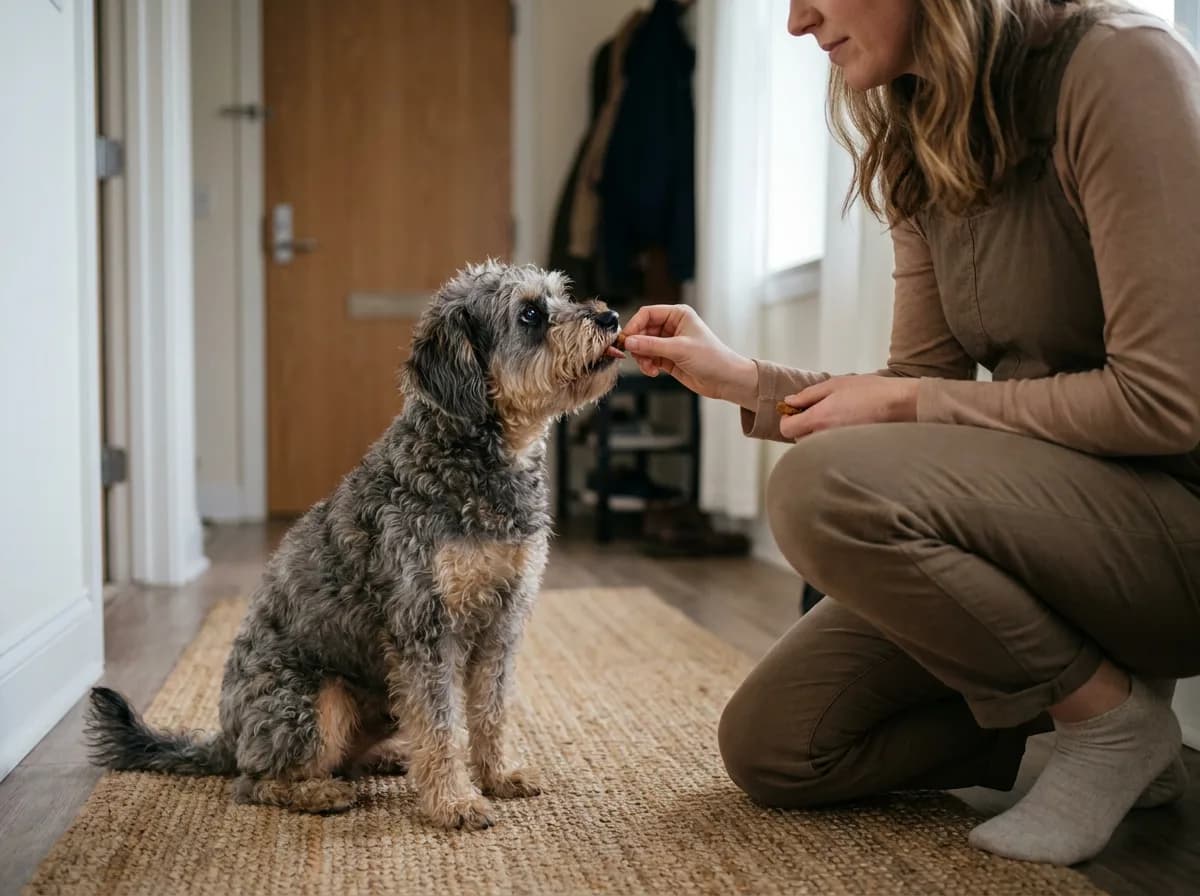
Start Mini Schnoodle training with skills that make ordinary life easier: coming when called indoors, settling on a mat, accepting gentle handling, and walking without constant pulling. Keep sessions short enough that the dog remains engaged. Use rewards the individual enjoys rather than repeating a cue until frustration builds.
A Frisco 1.5-cup travel bowl is useful on short outings as well as long ones. At home, a supervised Pet Parents Forager snuffle mat can turn some of the regular ration into a food-search activity; remove it if your dog chews the fabric.
Petful may earn a commission when you click through to Chewy, at no extra cost to you.
Potty training needs supervision and frequent opportunities. Take a puppy to the chosen area after waking, eating, and playing. Reward after the puppy finishes, then return to a supervised space. A little dog has little margin for long delays while you find shoes or wait for an elevator.
A workable daily rhythm
- Morning: toilet break, appropriate meal, and a short exploratory walk or play session.
- Midday: another toilet opportunity and a brief training or sniffing activity.
- Afternoon: quiet rest with gradually practiced independence.
- Evening: suitable exercise, grooming practice, and an unhurried final toilet trip.
Adapt this example to the dog's age, health, and energy. It is not a prescription for a fixed number of exercise minutes. Puppies need rest as well as activity, and a dog that is frantic at night may be overtired rather than under-exercised.
For a dog whose measurements match the listing, the Frisco Padded No Pull Dog Harness, Small is one walking-equipment option. The name of the breed is not a sizing system. Check chest and neck fit, watch for rubbing behind the front legs, and recheck after growth or a substantial haircut.
Practice being apart gradually
Build short separations while the dog is comfortable and its immediate needs are met. Return before distress escalates and extend only as the dog copes. A camera can help distinguish quiet resting from sustained vocalizing or pacing. If the dog panics when alone, seek qualified professional guidance instead of repeatedly leaving it to rehearse distress.
Training progress is rarely a straight line. Adolescence, a move, or a change in household schedule may require easier practice again. Reward-based routines and predictable handling help you adjust without treating every setback as a personality flaw.
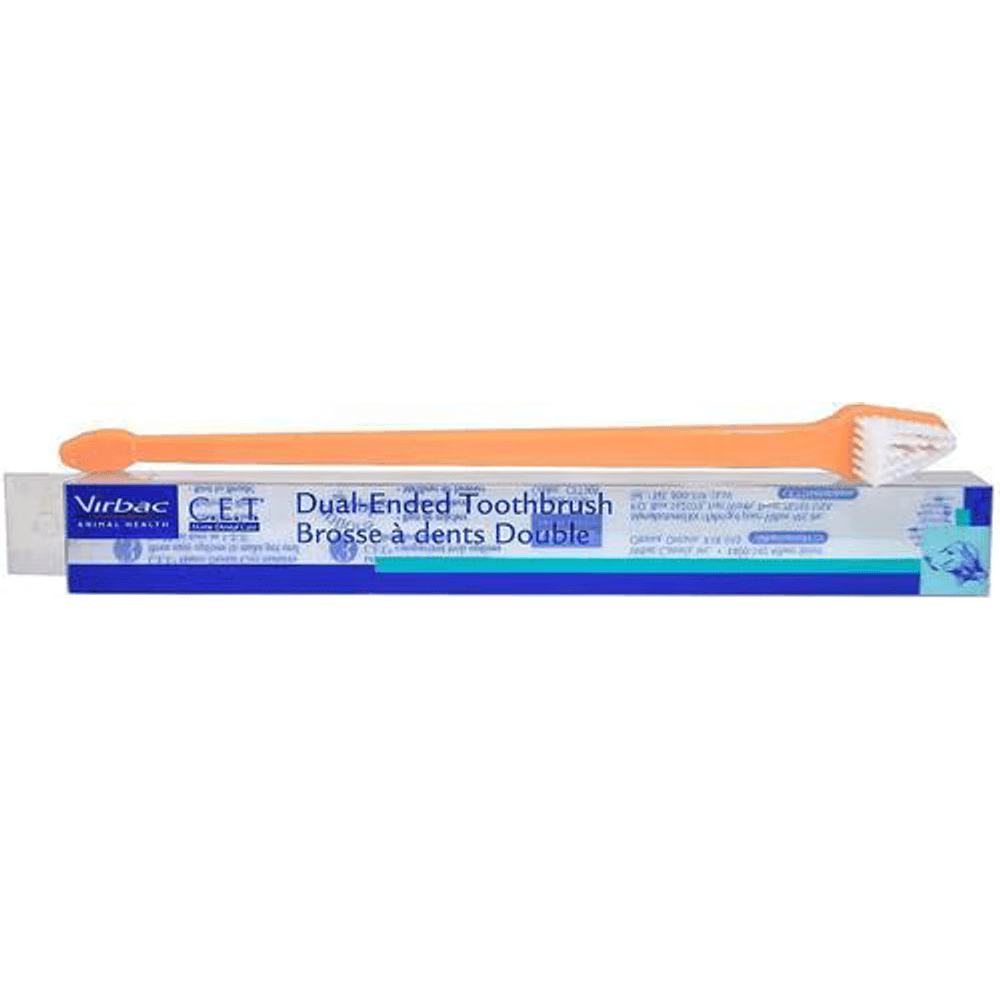
A dual-ended toothbrush with a large and a small head to fit different mouth sizes and reach the back molars where plaque hides. Soft bristles angled for the gumline.
Petful may earn a commission when you click through to Chewy, at no extra cost to you.
Finding a puppy or adult Mini Schnoodle
Ask for records and an explanation of how the source evaluates a good home. A responsible conversation includes your routine and experience, not simply which puppy color you want. If you are considering Mini Schnoodle puppies, ask about the parents' health screening and the puppies' early handling.
For an adult Mini Schnoodle in rescue, ask about known behavior with children, visitors, dogs, cats, grooming, and being alone. Shelter behavior can differ from behavior in a home; a foster report is especially useful when available. Be prepared for a settling-in period and establish a quiet predictable routine.
- Request actual veterinary and health-screening records.
- Confirm who is responsible for the dog and how you can contact them.
- Read the written contract, including support or return arrangements.
- Ask what is known and what has not been assessed.
Mini Schnoodle cost is not one national figure. Obtain a current itemized purchase or adoption quote, then compare the ongoing budget. Grooming can be a substantial repeated expense even for a small dog. Include training, food, preventive care, equipment replacement, and care when you travel.
Consider whether your budget can absorb unexpected veterinary treatment. A lower arrival price does not guarantee lower lifetime cost, and a high purchase price does not guarantee a healthy dog. Evaluate the underlying evidence independently of the sales language.
Grooming and preventive care
Compare Frisco small-pet nail clippers with your dog’s actual nail size, and introduce a pet toothpaste such as Virbac C.E.T. dog and cat toothpaste in a separate dental routine. A small label does not establish that every tool will fit comfortably.
A Mini Schnoodle coat can tangle behind the ears, in the armpits, and wherever equipment rubs. Ask a groomer to show you how to brush down to the coat's base without scraping the skin. If a comb catches repeatedly, the problem may be deeper than the surface looks.
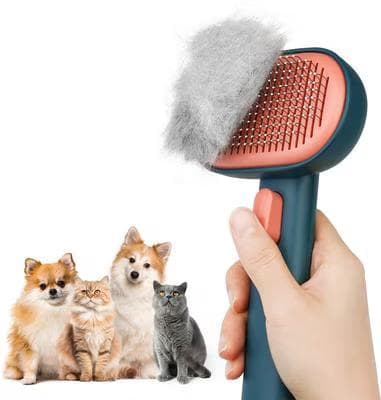
The aumuca Self Cleaning Slicker Brush is a brush option to discuss with your groomer for an appropriate coat. Brush gently and stop if the dog is uncomfortable. Tight mats should be assessed professionally; do not cut into them with household scissors near skin you cannot see.
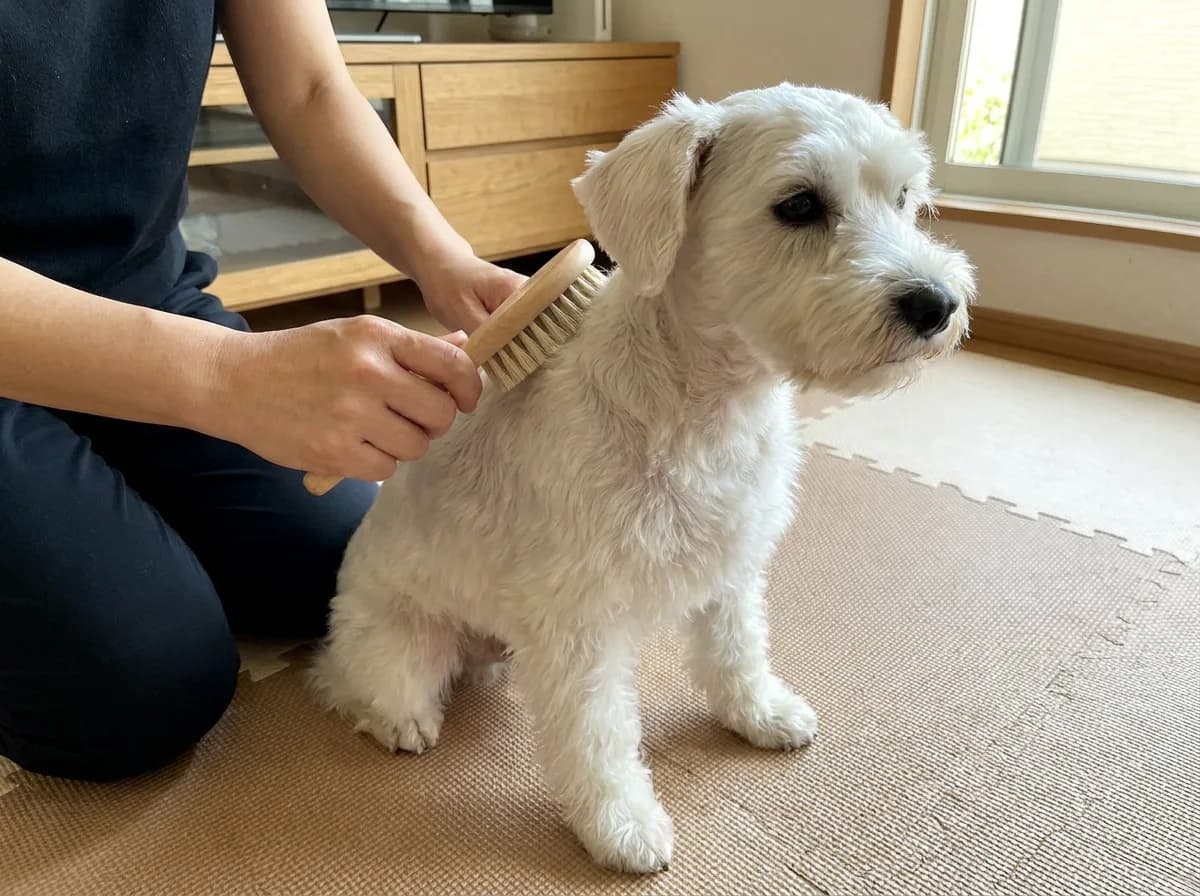
Choose a trim you can maintain. Longer teddy-bear styles demand more time than shorter practical coats. The Schnoodle haircut guide explains how to communicate a style request and balance appearance with comfort. Low shedding does not remove the need for grooming or guarantee allergy compatibility.
Create a handling and rest plan: briefly touch a shoulder, reward calm acceptance, and stop before the dog struggles. Add one new handling task at a time. A quiet, nonslip surface and predictable breaks can make care easier than restraining the dog through a long session.
Dental and veterinary routines
The Virbac C.E.T. Dual-Ended Dog & Cat Toothbrush is one option for a veterinary-approved brushing routine using pet toothpaste. Choose a comfortable brush head and gradually build acceptance. Do not use a product or force a session when the mouth appears painful; seek veterinary advice.
Ask the veterinarian about weight, diet, vaccinations, parasite prevention, and screening relevant to the actual ancestry and history. The Schnoodle lifespan and health guide covers the distinction between a broad longevity estimate and an individual dog's outlook. Health changes deserve assessment even when the dog is still young. For questions about oral options, see the guide to oral flea treatments for dogs.
Mini Schnoodle questions
Mini Schnoodles usually remain small dogs, but how big one will get depends on the actual parent sizes and individual growth. Breeders use the mini label differently. Ask for adult parent weights and heights, compare mature siblings when available, and keep veterinary growth records. Coat fluff or puppy paw size cannot guarantee the final measurement.
For a Mini Schnoodle, the main downsides may be barking in a busy apartment, a coat that tangles without regular care, and difficulty coping with an unsuitable alone-time routine. Small size does not remove those responsibilities. Consider your capacity for daily training and professional grooming, and arrange help before choosing a puppy simply because it looks portable.
Chewy’s Schnoodle guide gives a general breeder-price estimate of $1,500–$4,000. This is not a verified Mini Schnoodle average, a national survey, or a current quote. Request an itemized purchase or adoption price and compare it with the dog’s records and support agreement. Then add grooming, food, veterinary care, equipment, training, and money for unexpected treatment.
Mini Schnoodles may become easier to settle as they mature, but there is no guaranteed age when they calm down. Sleep, exercise, learned routines, and temperament all matter. Teach brief calm activities and gradually extend them. If your dog becomes unusually quiet or tired suddenly, ask your veterinarian rather than assuming it has simply grown up.
Mini Schnoodles can be good companions for people who enjoy interaction and can meet the individual dog’s needs. During a visit, watch how the dog responds to handling, household activity, and opportunities to rest. Compare those observations with your routine, including safe child interactions, regular grooming, and care during absences.
Some Mini Schnoodles bark a lot around sounds, visitors, or movement; others are quieter. Observe your dog’s triggers and avoid letting it repeatedly rehearse barking at a window or corridor. Reward calm behavior and introduce manageable practice. Distress during separation needs a different plan from ordinary alert barking and may warrant professional help.

Coreen Saito is a pet writer and longtime shelter volunteer with more than a decade in animal rescue. She covers cat behavior, breed care, and the small, ordinary science of sharing a life with companion animals, with a particular focus on honest takes about the products and decisions that actually matter. At home in Arizona, she's outranked by Mac (a dog with the loudest opinion in the house), Rebel (a cat who governs by quiet authority), and Meri (an orange tabby who runs the late shift and the laundry basket). She writes about all three, plus the rescues that keep coming through her life, at LifeWithMinty.com.
Sign up for expert-backed reviews and safety alerts all in one place.