Schnoodle Full Grown: Size and Weight Compared
Full-grown Schnoodles vary widely in size. Compare toy, miniature, standard, and giant labels, understand parent-breed clues, and measure your individual dog before choosing everyday equipment.
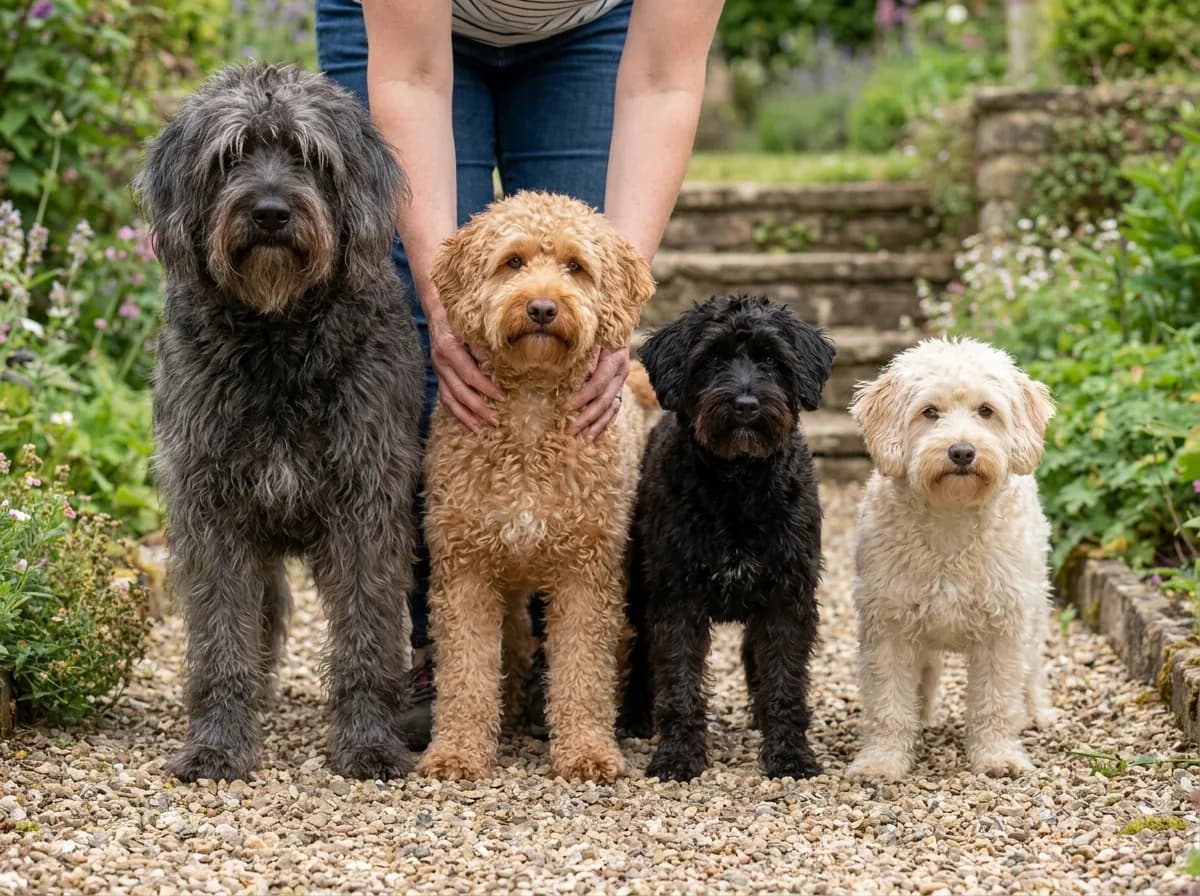
Appearance alone does not establish ancestry or predict adult size.
Petful is reader supported. As an affiliate of platforms like Amazon and Chewy, we may earn a commission when you buy through links on this page. There is no extra cost to you.
A Schnoodle full grown can be a small companion or a large dog because both Schnauzers and Poodles come in different sizes. Toy, miniature, standard, and giant are useful descriptive labels, but the Schnoodle has no single size standard that makes those labels identical across breeders.
To estimate a puppy's adult size, start with its actual parents and repeated growth records. To buy equipment for an adult, measure the dog in front of you rather than shopping by a breed label.
There is no one full-grown Schnoodle weight. Ask which Schnauzer breed and Poodle variety are in the pedigree, obtain the parents' measurements, and track growth with your veterinarian. Compare size labels cautiously and fit equipment to the individual dog.

Sign up for expert-backed reviews and safety alerts all in one place.
How big is a Schnoodle full grown?
Full-grown Schnoodle size depends heavily on parentage, with additional variation between individual dogs. A puppy from small parents has a different starting point from one with Giant Schnauzer and Standard Poodle ancestry. Even within a litter, size is not guaranteed to be identical.
Petful may earn a commission when you click through to Chewy, at no extra cost to you.
Many online size charts present precise cutoffs as though they were a formal breed standard. That can be misleading. A more useful comparison begins with parent-breed measurements, then distinguishes what is known from what remains an estimate.
| Schnoodle label | Parentage often associated with the label | What to verify |
|---|---|---|
| Toy | Small Poodle and Schnauzer ancestry | Which parent breeds and sizes were actually used |
| Miniature | Miniature Schnauzer with Toy or Miniature Poodle | Adult parent measurements and previous offspring |
| Standard | Medium or larger parent combination | Whether standard refers to the Poodle, Schnauzer, or seller's label |
| Giant | Giant Schnauzer, usually with Standard Poodle | Adult size, physical handling, and growth expectations |
The AKC breed weight chart provides established parent-breed references. Miniature Schnauzers are listed at 11–20 pounds, Toy Poodles at 4–6 pounds, and Miniature Poodles at 10–15 pounds. The chart lists Standard Schnauzers at 30–50 pounds, Standard Poodles at 40–70 pounds, and Giant Schnauzers at 75–95 pounds for males or 55–80 pounds for females. Those figures describe the parent breeds; they are not a formula that produces a guaranteed crossbred weight.
Pictures versus measurements
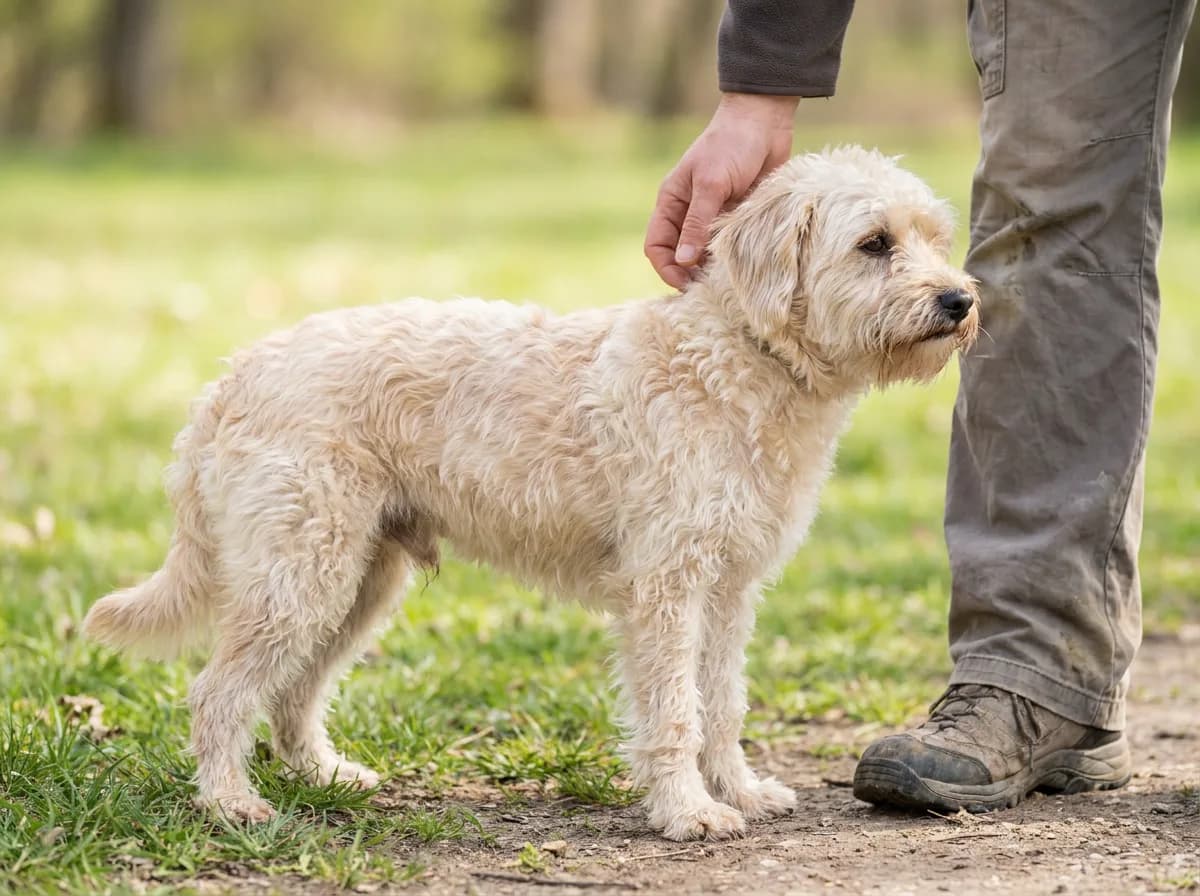
Full-grown Schnoodle pictures are helpful for seeing possible adult proportions and coat appearance. They are poor measuring instruments. Camera angle, distance, haircut, and a dog's posture can make two dogs look more or less similar than they are.
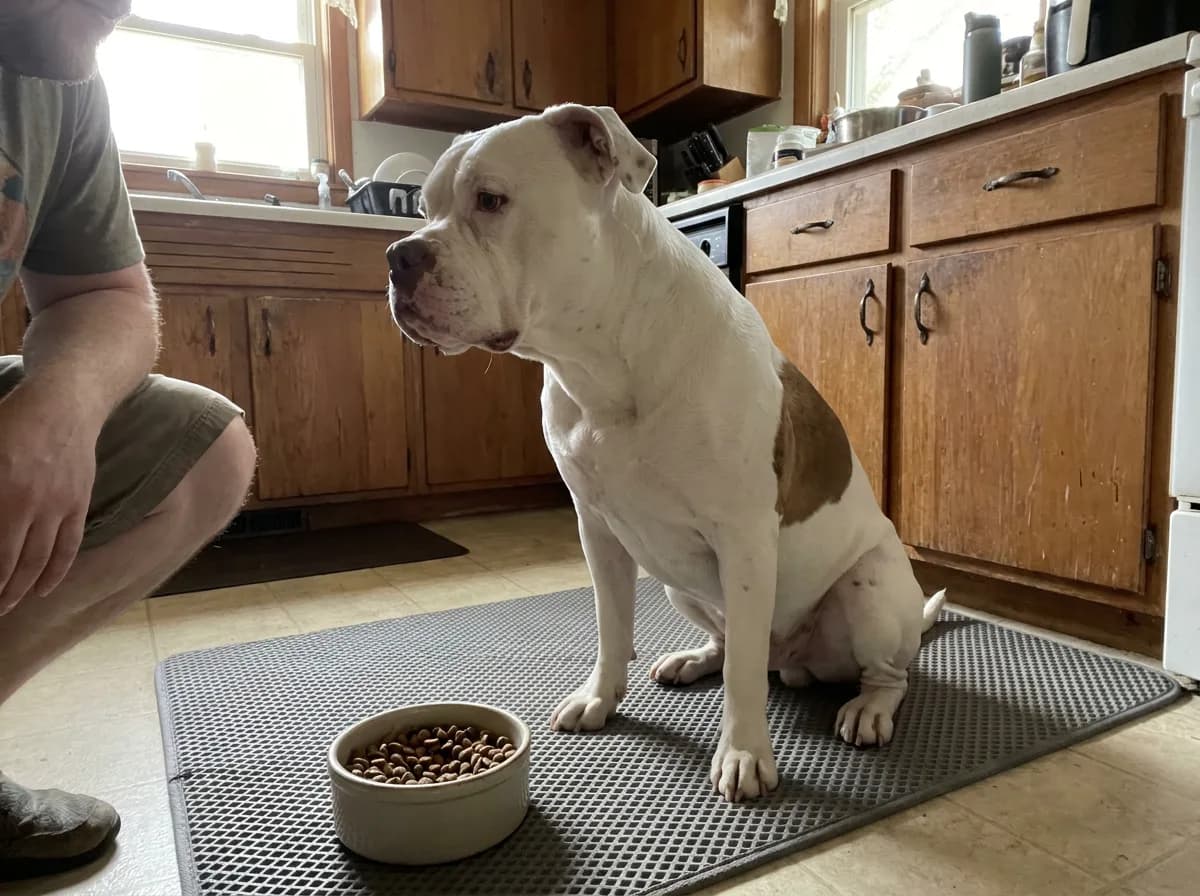
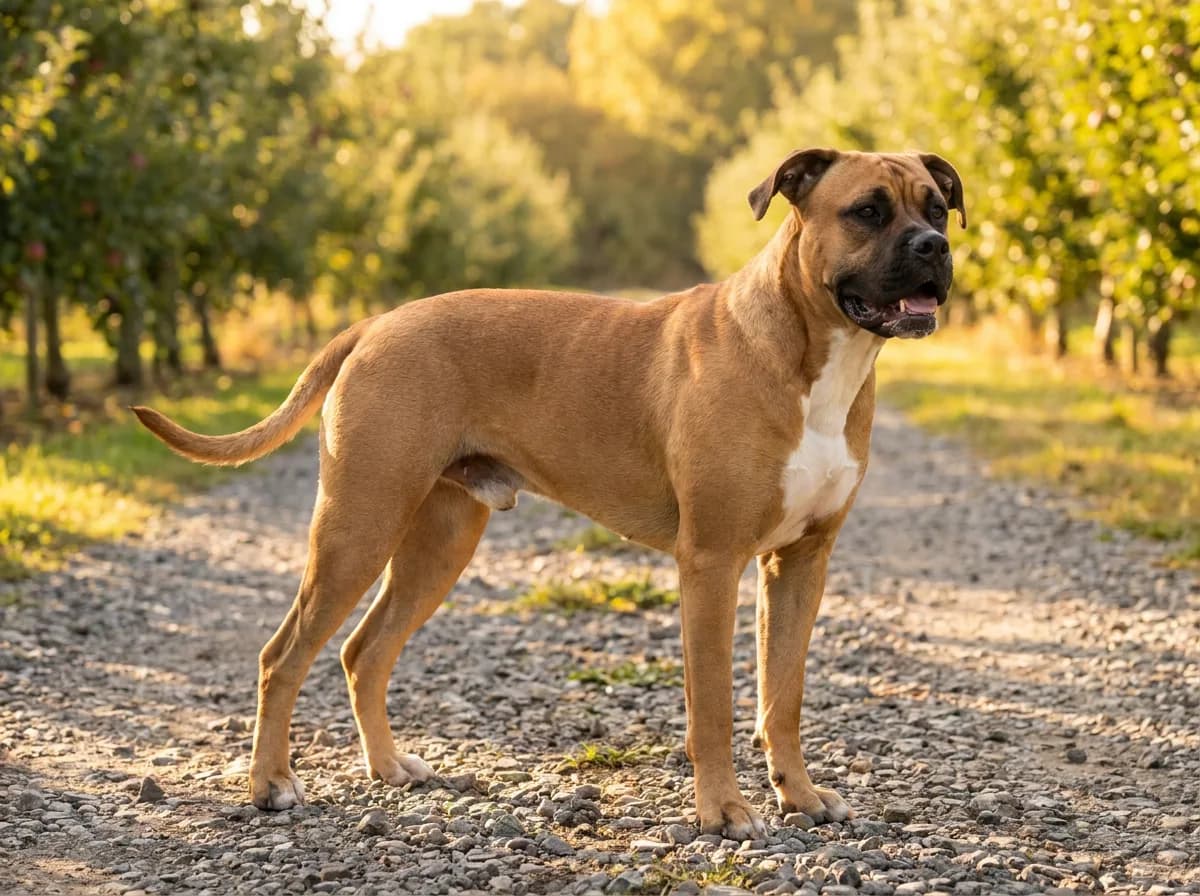
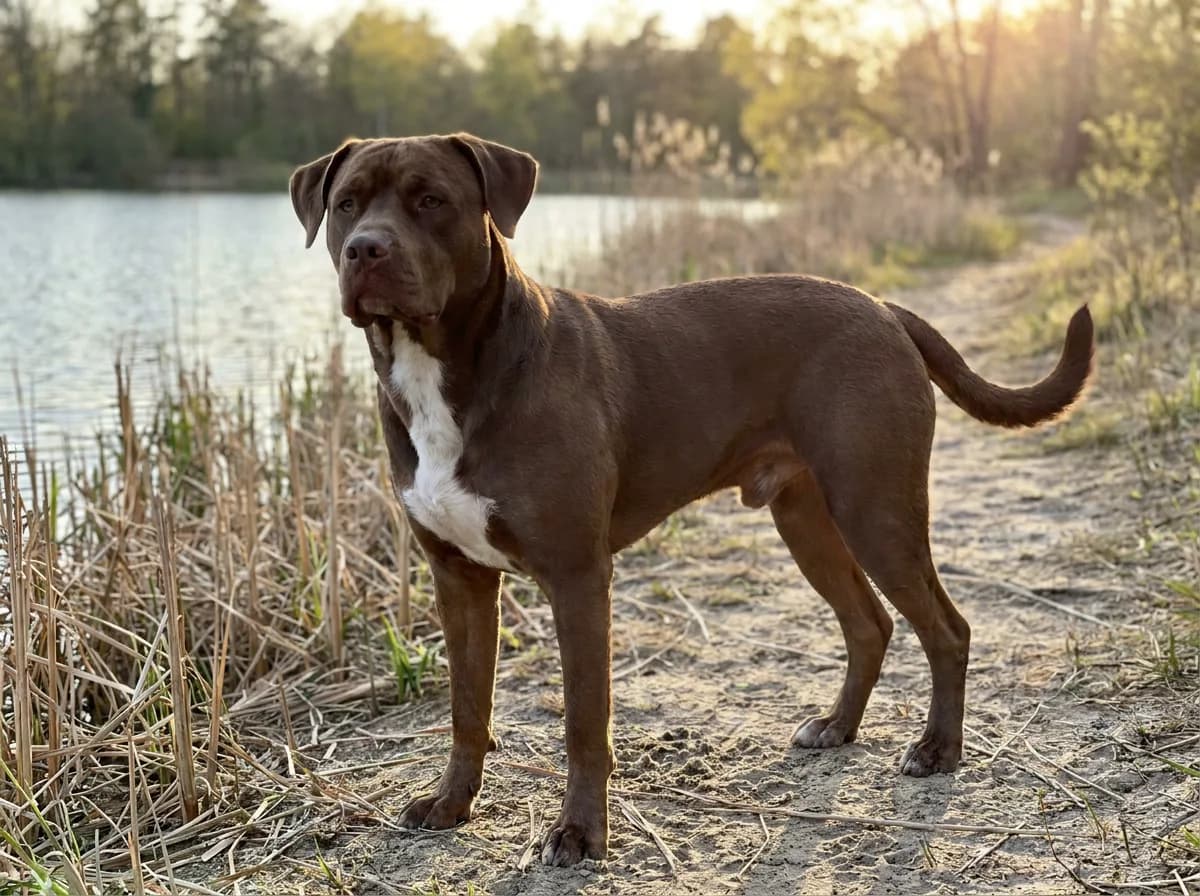
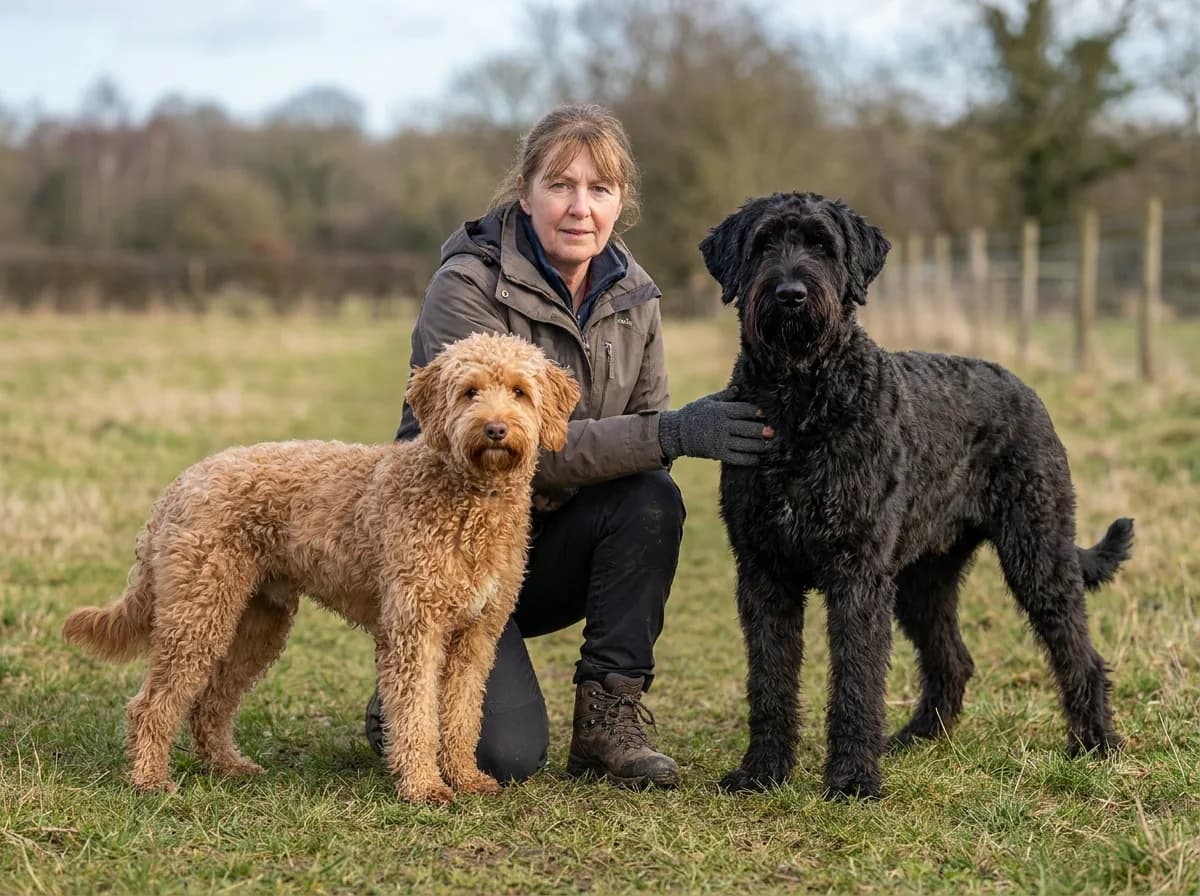
Use a standing side view and a familiar scale reference when asking for photographs. A photo beside an adult handler is more informative than a close-up of the face. Our illustrative images show possible size relationships, not a verified growth history of the same real dog.
Toy and miniature Schnoodle size labels
Toy Schnoodle and miniature Schnoodle labels usually refer to smaller dogs, but they do not establish identical boundaries. Ask what a seller means by each term. A “toy” label may refer to a Toy Poodle parent rather than a guaranteed adult size for the puppy.
A Mini Schnoodle full grown often remains portable, but portable is not the same as safe to carry one-handed or suitable for every carrier. Measure body length and height as well as weight. A relatively leggy dog may need more room than another dog of the same weight.

Petful may earn a commission when you click through to Chewy, at no extra cost to you.
- Ask for the actual adult weights of both parents.
- Ask whether the parents were measured at a healthy body condition.
- Compare any adult siblings from the same pairing.
- Avoid treating a marketing term such as teacup as a health or size guarantee.
The Mini Schnoodle ownership guide covers apartment routines, handling, and daily care. This comparison concentrates on measurements. Small size does not automatically imply a calm temperament, easy grooming, or a dog that can be left alone all day.
Teddy-bear and teacup claims
A full-grown teddy bear Schnoodle is simply a dog with a fluffy appearance or rounded trim. The haircut does not define a height or weight category. Ask for measurements rather than judging size from coat color or a close-up portrait.
- “Teacup Schnoodle” has no uniform size standard. Ask for the evidence behind any projected adult weight and discuss very small size with your veterinarian. Do not limit a puppy's nutrition in an attempt to keep it tiny. Feeding should support healthy development, not a seller's appearance promise.
Standard and giant Schnoodle size labels
Standard Schnoodle is particularly easy to misunderstand because it may describe the offspring's approximate size or the variety of one parent. Ask whether the pairing includes a Standard Schnauzer, a Standard Poodle, or both. The word alone does not answer the question.
A Giant Schnoodle generally involves a Giant Schnauzer and a Standard Poodle, but the actual pedigree still needs confirmation. Adult size may be substantial enough that transport, physical handling, and the ability to assist an injured dog become important planning factors.
| Practical question | Why size matters |
|---|---|
| Can everyone walk the dog safely? | Pulling and sudden movement require appropriate management |
| Can the dog fit comfortably in the car? | Body length and height matter alongside weight |
| Is the rest area large enough? | The dog should stretch, turn, and change position naturally |
| What happens after an injury? | Lifting or assisted transport may require planning |
The Giant Schnoodle guide addresses exercise, temperament, and household suitability. Choose that page when the decision is about living with the larger mix. A full-grown size chart can help compare possibilities, but it cannot evaluate an individual dog's behavior.
Do not confuse coat bulk with body mass
A long coat can hide a narrow frame or excess weight. A short trim may make the same dog appear suddenly smaller without any change on the scale. Ask your veterinary team to demonstrate body-condition assessment appropriate for your dog, including what to feel beneath the coat.
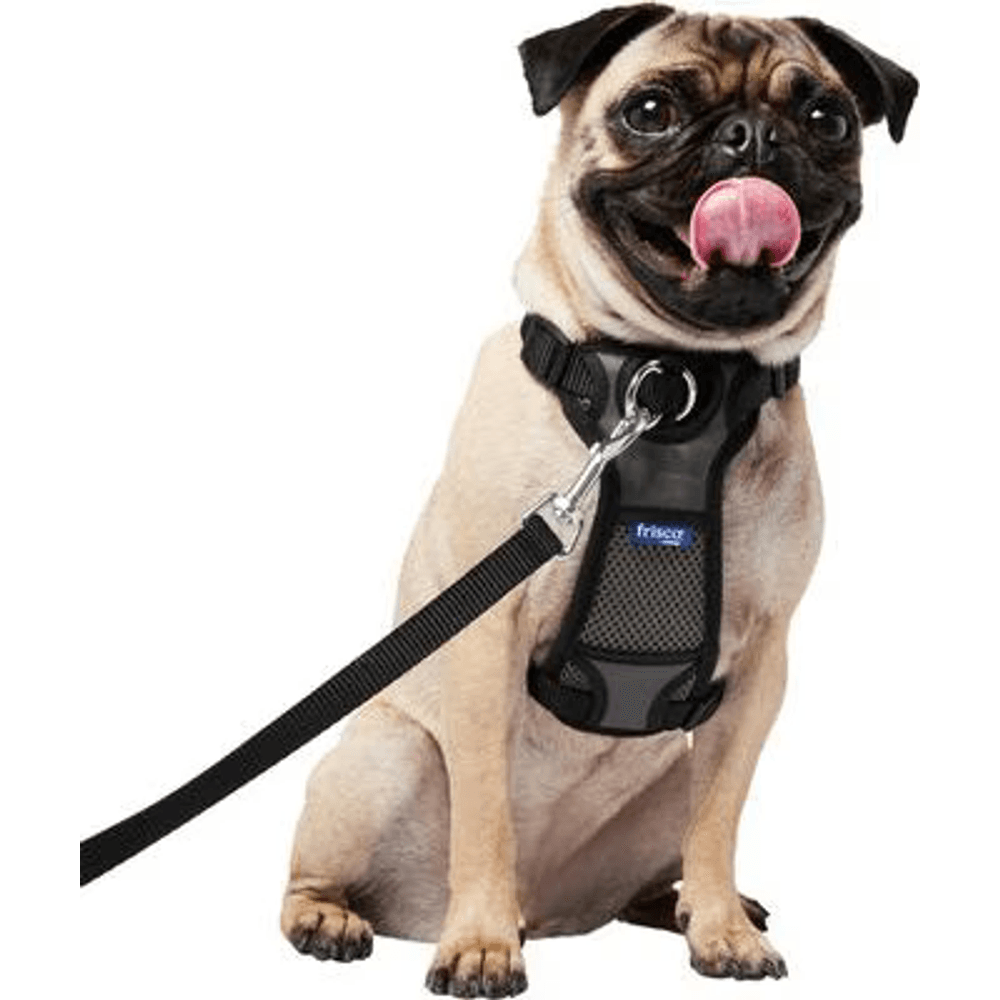
A budget-friendly padded no-pull harness that keeps leash pressure off a coughing dog's neck and windpipe by distributing it across the chest. A simple, affordable way to protect an irritated airway or a collapsing trachea on every walk.
Petful may earn a commission when you click through to Chewy, at no extra cost to you.
If a dog gains weight after reaching adult height, do not assume it is simply filling out. Diet, activity, health, and body condition need consideration. Compare measurements and veterinary advice rather than trying to match the upper end of an online range.
When does a Schnoodle stop growing?
Growth timing varies with expected adult size. The AKC’s general puppy-growth guidance says most dogs finish growing taller by about 12 months, while larger and giant dogs may continue developing until 18–24 months. These are general size-related reference points, not validated deadlines for Schnoodles. Use the parents’ measurements and your dog’s dated growth record with veterinary advice. Height, body mass, muscle, and behavioral maturity do not all finish changing together.
A Frisco 1.5-cup travel bowl remains a practical travel item while equipment sizes change. A supervised Pet Parents Forager snuffle mat can use part of the normal ration, but its capacity says nothing about how much a growing dog should eat.
Ask your veterinarian to interpret your puppy's progress using its size, health, and repeated measurements. An individual growth record is more useful than multiplying one puppy weight by a fixed number and presenting the result as certain.
- Record weight on a consistent scale when practical.
- Note age, body condition, and any major diet changes.
- Ask about unexpectedly rapid gain, weight loss, or stalled growth.
- Discuss exercise and life-stage food transitions rather than changing them solely by calendar age.
The AAHA canine life-stage guidance emphasizes individual factors such as size and lifestyle when planning care. It supports a tailored discussion with your veterinary team rather than a one-size-fits-all growth or maturity schedule.
Petful may earn a commission when you click through to Chewy, at no extra cost to you.
A simple growth record template
Use a growth record template with columns for date, age, weight, measured height, body-condition notes, food amount, and questions for the next visit. You do not need daily weighing to make the record useful. Consistency and the veterinarian's interpretation matter more than collecting many noisy measurements.
Do not compare a puppy's weight with another litter's photographs and assume something is wrong. Conversely, do not dismiss a significant change because a breeder predicted an unusual final size. Clinical context should guide the next step.
Estimate size from parents and growth records
A parent-size evidence checklist separates three levels of confidence: information you have verified, estimates supported by adult relatives, and claims that lack a clear basis. Use that distinction when comparing puppies or discussing a rescue dog's likely development.
Verified information might include the parents' identities and current measurements. Supporting evidence might include adult siblings from a repeated pairing. A sales estimate without records remains a guess, even when it is expressed as a narrow number.
Ask for the basis of the estimate
- Were both parents actually measured, and when?
- Are their weights appropriate for their body condition?
- Is the prediction based on previous adult offspring or a calculator?
- How much variation occurred within earlier litters?
- What happens if the puppy exceeds the stated size expectation?
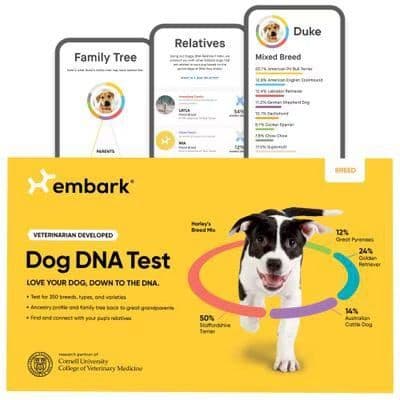
For an adopted dog of uncertain ancestry, the Embark Breed Identification Dog DNA Test Kit can add breed-background information. It should not be used as a promise of exact adult dimensions or a substitute for growth assessment. Your veterinarian's examination and repeated measurements remain important.
Why exact forecasts can mislead
Growth calculators can be useful conversation starters, but the inputs and assumptions affect the result. A breed label entered incorrectly, an inaccurate age estimate, or a measurement taken on a different scale can change the output. Crossbred dogs also vary in the way inherited traits combine.
Treat a forecast as a planning range and keep room for uncertainty in major purchases. Choose adjustable equipment where appropriate, and avoid buying an expensive fitted item far in advance of the dog's growth. A flexible plan is more useful than insisting the dog conform to an early prediction.
For long-term care beyond growth, the Schnoodle lifespan and health guide explains health records, preventive care, and senior changes.
Measure your dog for everyday equipment
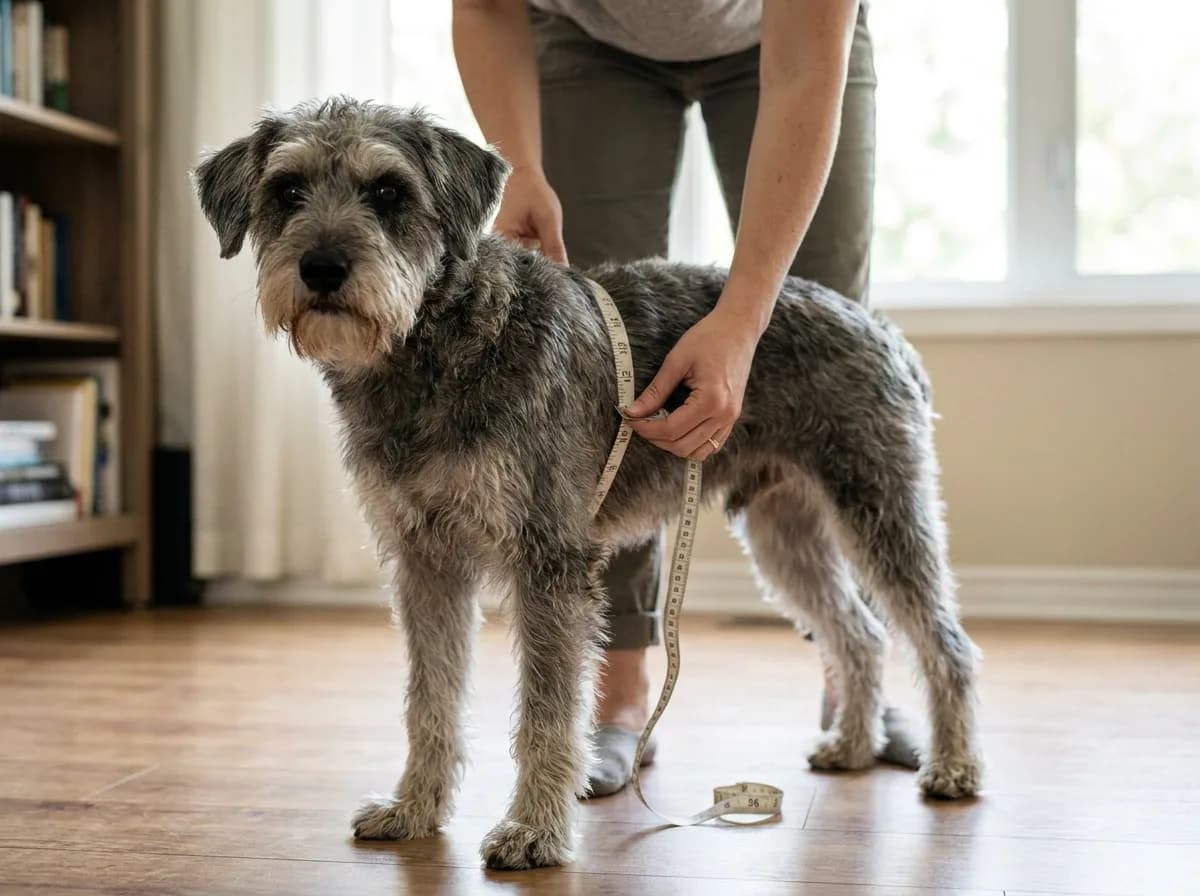
Measure your dog while it stands naturally on level ground. Use a soft tape without compressing the coat or tightening it around the body. Follow the exact manufacturer's instructions because products differ in where and how they are measured.
Measure the opening and bar spacing before buying a Frisco 30-inch gate and playpen; height alone does not establish containment. Compare a Petsfit 19-inch soft-sided carrier with standing height, body length, and comfortable turning room. This carrier is an option only for dogs that fit its stated limits.
For a harness, chest girth behind the front legs is often important; some designs also require neck measurements. For a bed or crate, body length, standing height, and a comfortable resting posture matter. Weight alone is rarely enough to determine fit.
| Equipment option | Fit boundary to check |
|---|---|
| Frisco Padded No Pull Harness, Small | Exact chest and neck range; intended for a dog that actually fits Small |
| PetSafe Easy Walk Harness, Medium/Large | Manufacturer's girth instructions and comfortable movement |
| Frisco Heavy Duty Wire Crate, X-Large | Standing, turning, lying, and stretching space |
For a smaller adult, compare the Frisco Padded No Pull Dog Harness, Small with the dog's measurements. For a larger dog, the PetSafe Easy Walk Dog Harness, Medium/Large is a different existing option, not an automatic upgrade based on a breed name.
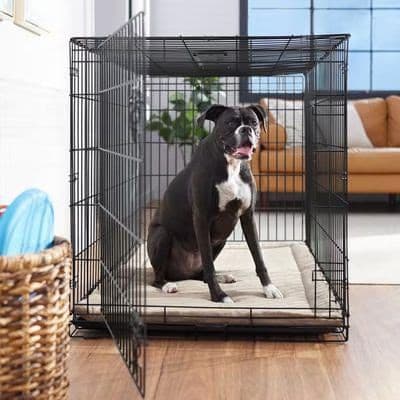
The Frisco Heavy Duty Fold & Carry Single Door Wire Dog Crate, X-Large is another measurement-dependent purchase. Ensure the actual dimensions provide enough room. A correctly sized crate still requires gradual positive introduction and is not an appropriate default response to separation panic.
Recheck fit as circumstances change
Puppy growth, weight changes, and grooming can affect how equipment sits. Check for rubbing, restricted shoulder movement, slipping, or pressure beneath straps. A dog that fits an item at one age may outgrow it before the next planned shopping trip.
Use the main Schnoodle guide for temperament, barking, cost, and overall suitability. Those questions matter when choosing a dog, but they cannot be answered by size alone. The most useful outcome of this comparison is a clearer set of measurements and questions, not a belief that one label predicts every feature of adult life.
Full-grown Schnoodle questions
Schnoodles can get as big as a large companion or remain a small dog, depending on the Schnauzer and Poodle varieties in their family. There is no single full-grown weight for the mix. Ask for actual parent measurements, compare mature relatives when available, and use veterinary growth records to refine a puppy’s likely size before purchasing fitted equipment.

Coreen Saito is a pet writer and longtime shelter volunteer with more than a decade in animal rescue. She covers cat behavior, breed care, and the small, ordinary science of sharing a life with companion animals, with a particular focus on honest takes about the products and decisions that actually matter. At home in Arizona, she's outranked by Mac (a dog with the loudest opinion in the house), Rebel (a cat who governs by quiet authority), and Meri (an orange tabby who runs the late shift and the laundry basket). She writes about all three, plus the rescues that keep coming through her life, at LifeWithMinty.com.
Sign up for expert-backed reviews and safety alerts all in one place.