Giant Schnoodle: Size, Temperament, and Care
A Giant Schnoodle can be a substantial, active companion. Explore size uncertainty, handling, exercise, grooming, health planning, and the household logistics to consider before choosing one.
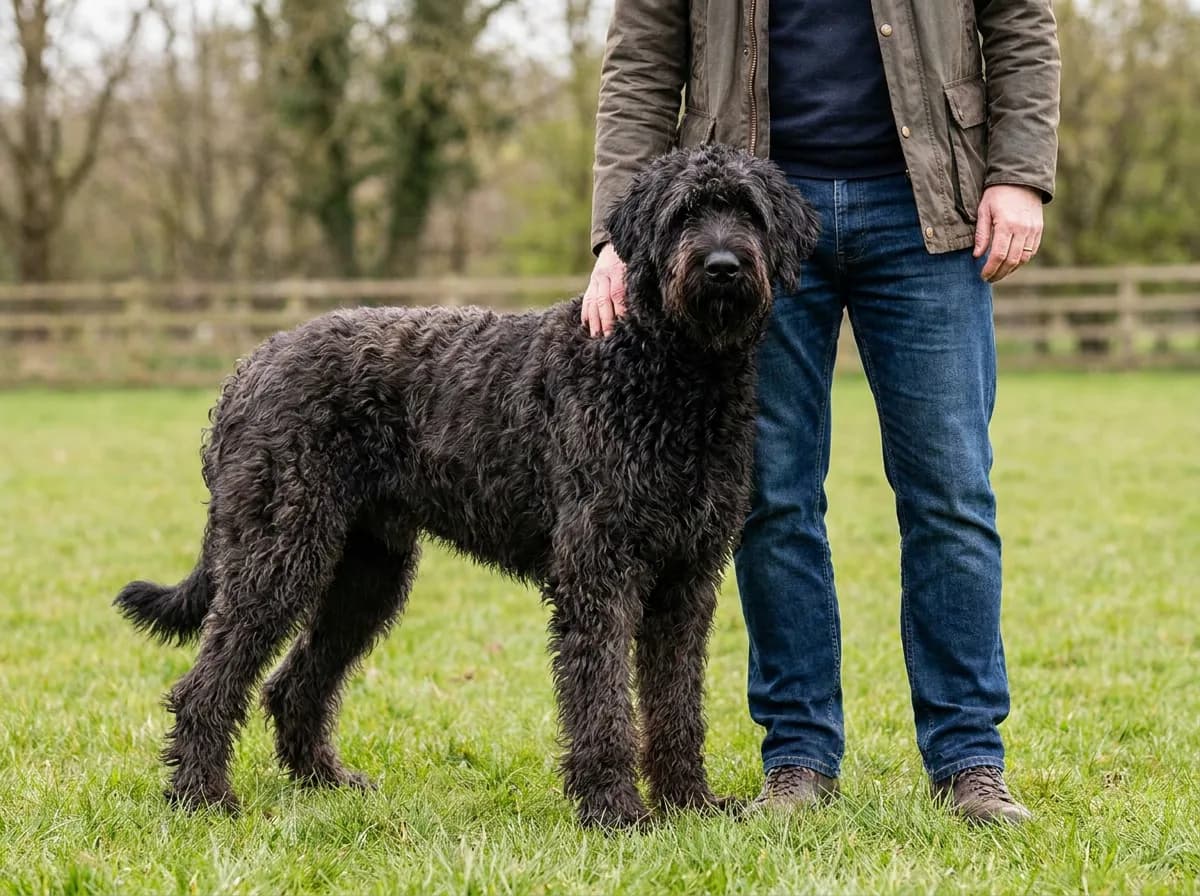
Appearance alone does not establish ancestry or predict adult size.
Petful is reader supported. As an affiliate of platforms like Amazon and Chewy, we may earn a commission when you buy through links on this page. There is no extra cost to you.
A Giant Schnoodle is a large Giant Schnauzer-Poodle mix, usually involving a Standard Poodle. It can be an engaging companion for a household ready to train, exercise, groom, and physically manage a substantial dog. The important decision is whether that daily work fits your life.
Neither the Schnoodle name nor a curly puppy coat guarantees an easygoing adult. Parent history, individual behavior, health, and early learning all affect the dog you bring home.
A Giant Schnoodle needs more than room to run. Plan for calm greetings, comfortable handling, suitable exercise, regular grooming, and the practical costs of a large dog. Meet adult relatives and check health records instead of relying on a size or temperament promise.

Sign up for expert-backed reviews and safety alerts all in one place.
What is a Giant Schnoodle?
The usual Giant Schnoodle pairing combines a Giant Schnauzer and a Standard Poodle. The Giant Schnauzer is a distinct large working breed, not an oversized Miniature Schnauzer. The AKC Giant Schnauzer profile emphasizes strength, intelligence, and loyalty. Those characteristics help explain why a large mix deserves thoughtful training and handling.
Poodles also have an athletic background. Crossing the two does not produce one predictable middle point in temperament or appearance. One dog may be relatively sociable with strangers; another may be more watchful. A litter can include different coat textures, sizes, and levels of confidence.
- Verify that the parentage actually includes a Giant Schnauzer.
- Ask which size of Poodle was used and the parents' adult measurements.
- Request specific examples of the parents' behavior, not only adjectives.
- Ask whether the same pairing has produced adult dogs you can learn about.
First-generation and backcross labels describe breeding relationships. They do not certify a quiet personality, allergy compatibility, or freedom from inherited disease. If a seller emphasizes “F1b” or “teddy bear” language, bring the conversation back to the actual parents, records, and care needs.
The Schnoodle breed guide covers the broader mix and its smaller relatives. This page focuses on what changes when your companion is large enough that jumping, pulling, transport, and grooming become significant household logistics.
Petful may earn a commission when you click through to Chewy, at no extra cost to you.
How to interpret photographs
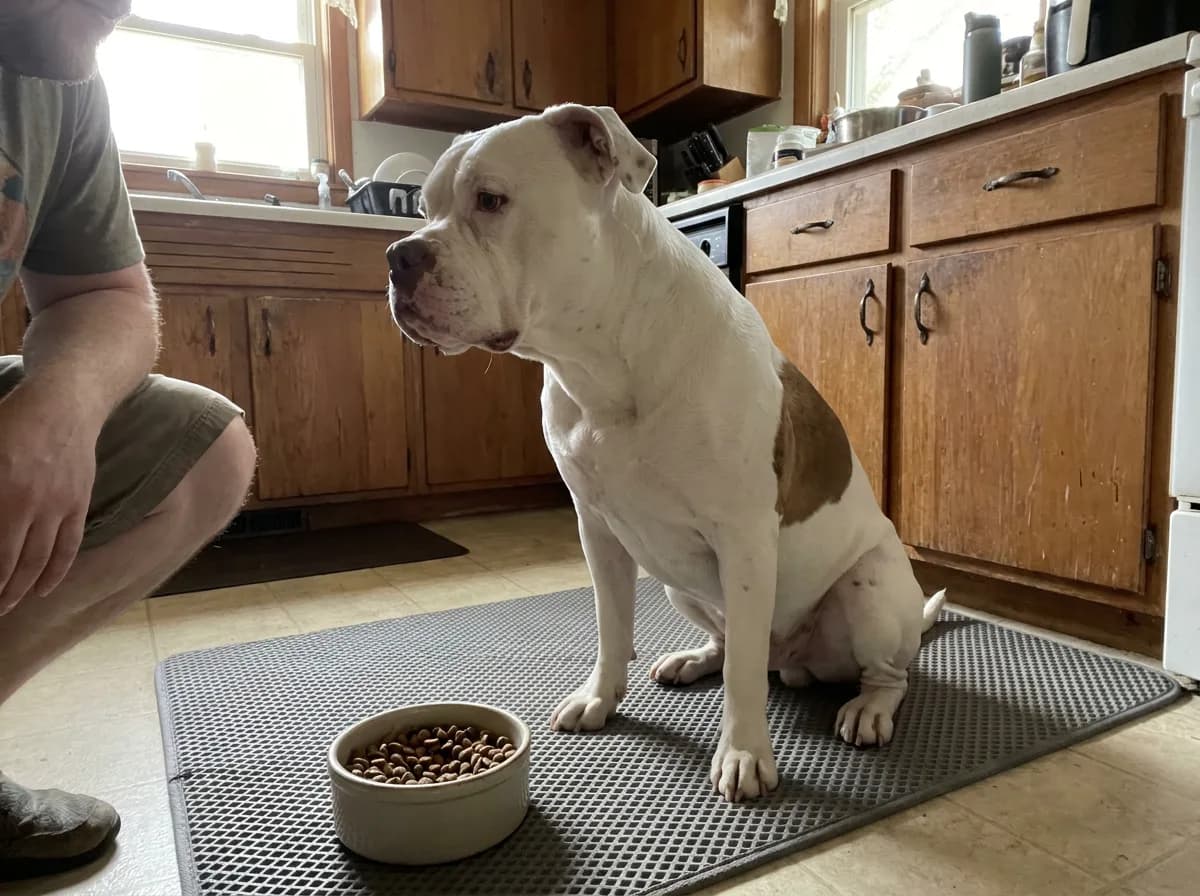
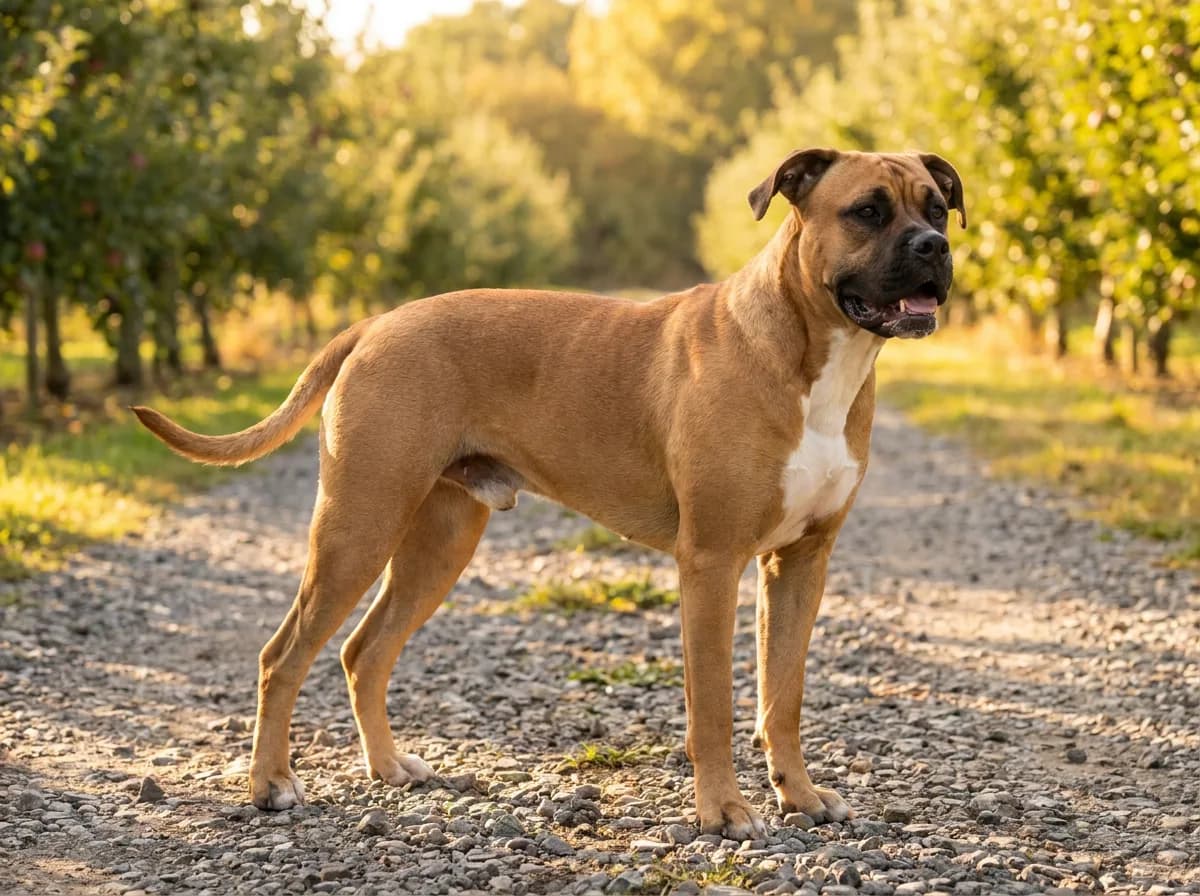
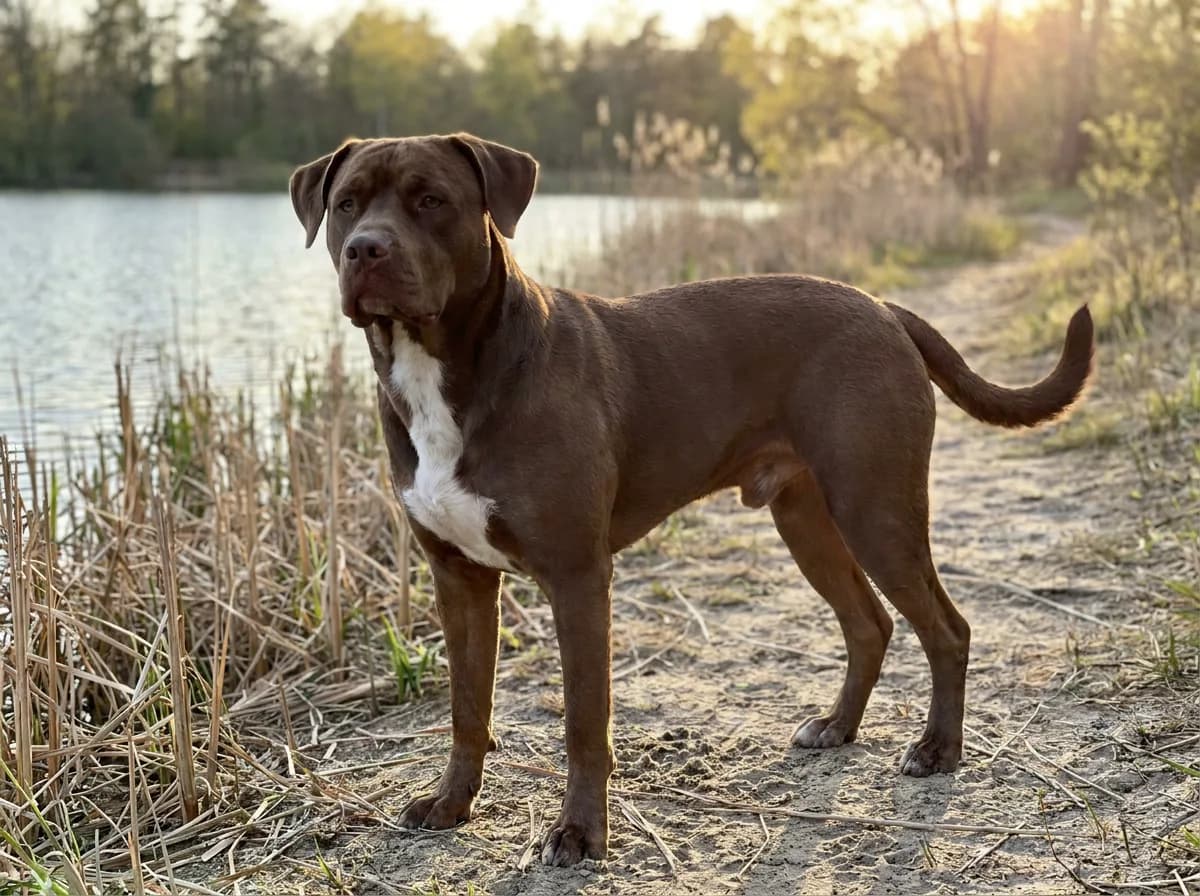
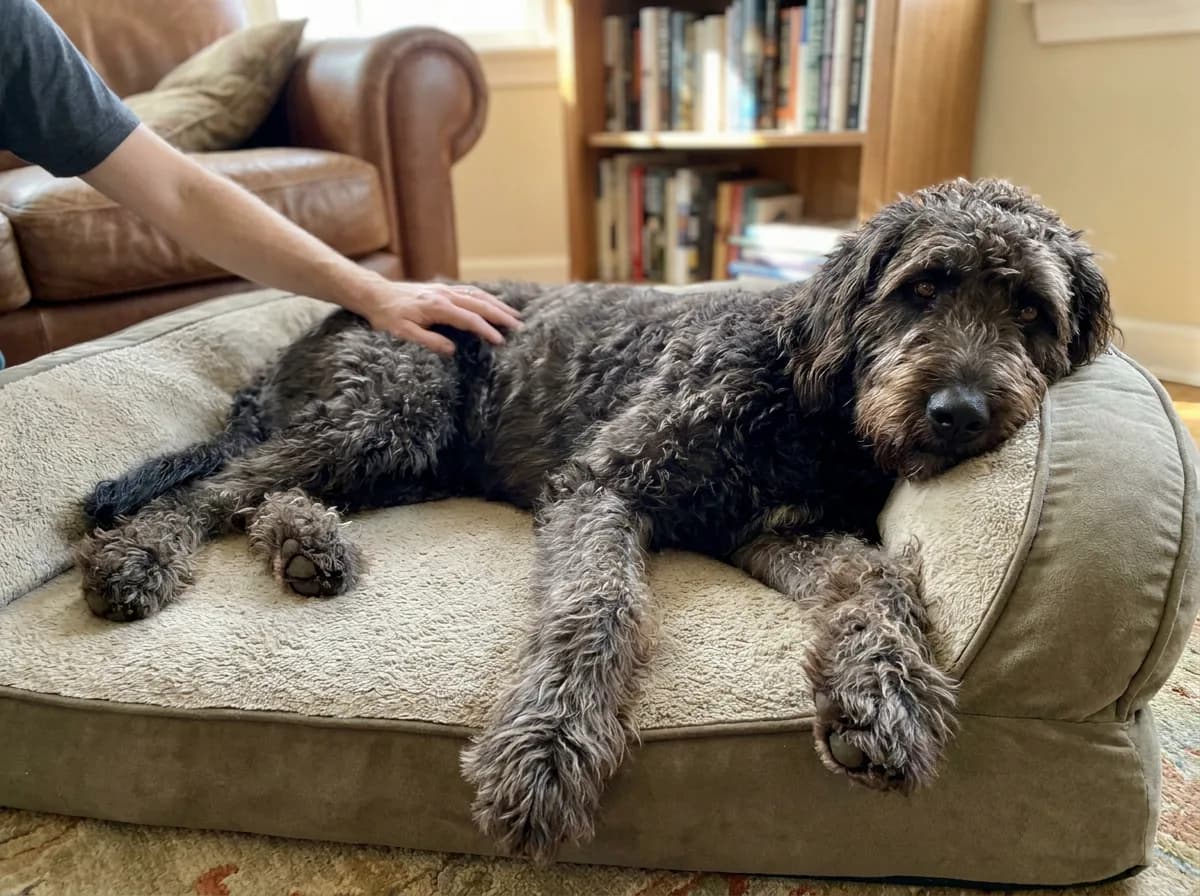
A close-up portrait can make a large puppy look like a compact companion. Ask for full-body images alongside an ordinary object or adult handler, and request current measurements. Adult Giant Schnoodle proportions become clearer in a side view than beneath a long coat in a tightly cropped photograph.
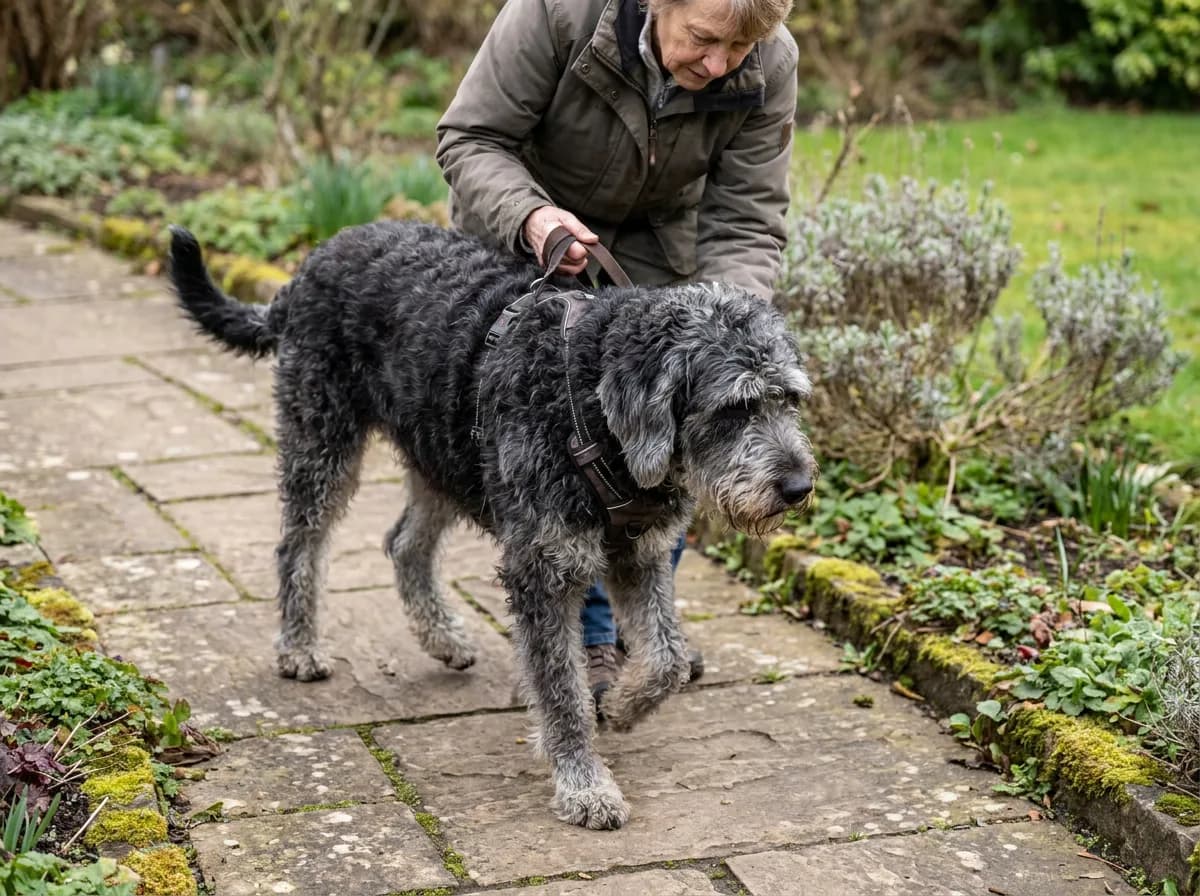
Coat appearance can vary from curlier Poodle-like hair to a wavier mix with pronounced facial furnishings. Black, gray, cream, white, brown, and mixed appearances are seen in dogs sold under the label. Appearance alone cannot confirm ancestry or predict behavior. Our illustrative photographs show possible looks, not standardized outcomes for a litter.
Giant Schnoodle size and physical needs
| Household decision | What to measure or discuss |
|---|---|
| Walking equipment | Actual dimensions and secure handling |
| Sleeping and travel space | Room to stand, turn, and rest comfortably |
| Daily routine | Exercise, training, coat care, and time with people |
A Giant Schnoodle is generally a large dog, but there is no single recognized weight standard for the mix. Parent measurements are a more useful starting point than a breeder's label. The AKC weight chart lists Giant Schnauzer males at 75–95 pounds and females at 55–80 pounds, while Standard Poodle ranges are smaller on average. Crossbred offspring are not guaranteed to fall exactly between those figures.
Ask whether the quoted adult weight is based on actual adult relatives or simply an estimate. Keep the puppy's growth records with the veterinary team. A single weight taken during a growth spurt is less informative than a consistent series measured on the same scale.
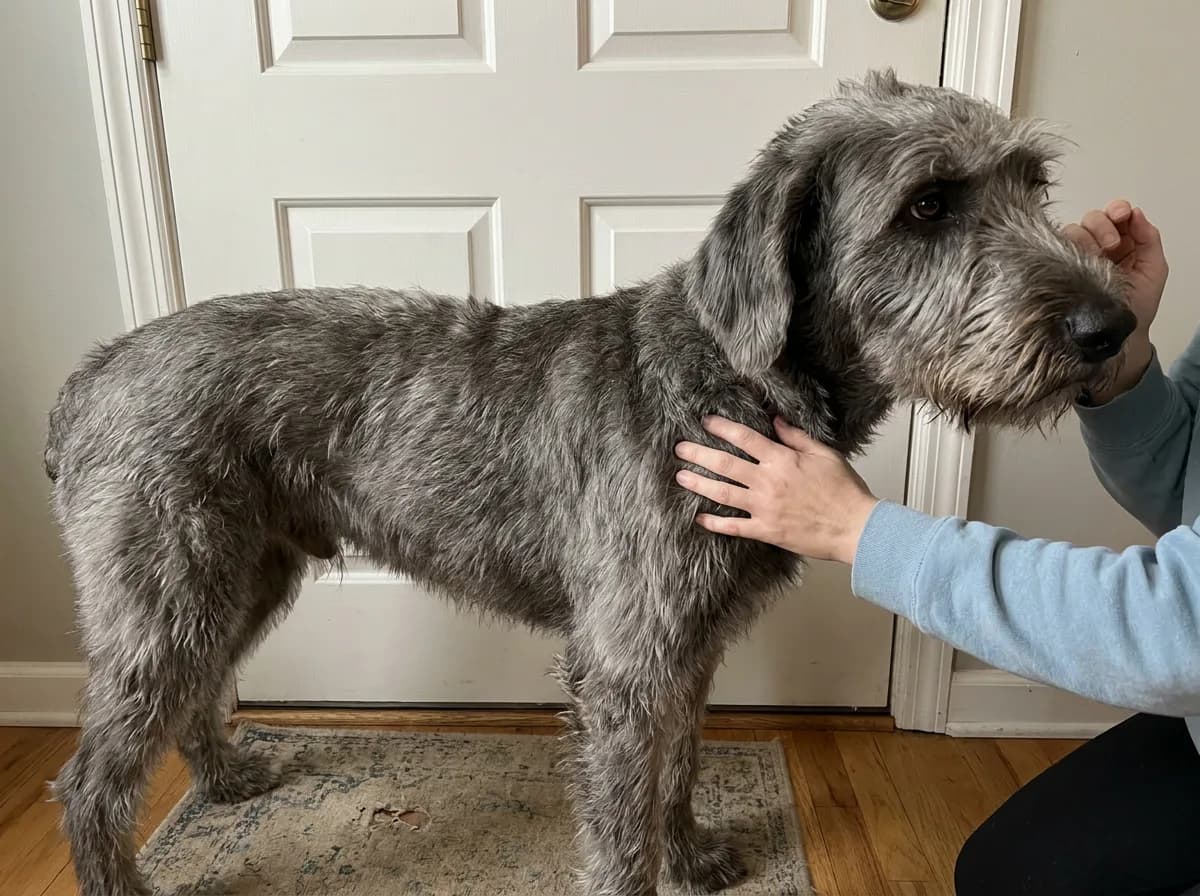
- Large-dog handling and transport should be planned before an injury makes lifting or vehicle access difficult.
The large-dog logistics check
- Can your usual handler safely manage the dog if it becomes excited on a walk?
- Is there room for a properly sized resting area without blocking household movement?
- Can the dog travel safely in your vehicle?
- How would you transport it if illness or injury made walking difficult?
- Can you afford food, grooming, boarding, and veterinary needs at this size?
A fenced yard can be useful, but it does not replace interaction, training, or walks that provide new scents and experiences. Check gates, fence condition, and access to visitors. A bored dog in a yard may rehearse barking or boundary-running rather than gaining the calm activity you intended.
For a full comparison across the family, see Schnoodle full-grown sizes. A Giant Schnoodle size estimate is useful for planning, but equipment should always be fitted to the actual dog.
Rest and transport
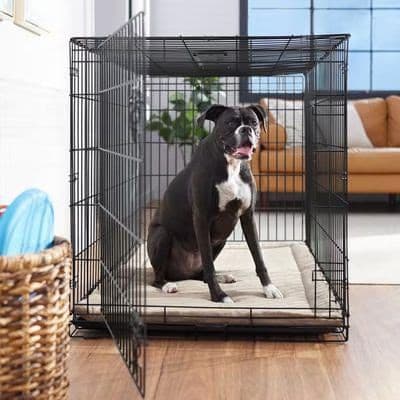
Choose a resting space that lets the dog stretch and change position easily. A crate should permit normal standing, turning, and comfortable lying down. The Frisco Heavy Duty Fold & Carry Single Door Wire Dog Crate, X-Large is an existing option to compare with your dog's dimensions. X-Large is a product label, not a guarantee that every Giant Schnoodle will fit.
Introduce confinement gradually. A crate is not a solution for panic when left alone, and forcing an anxious dog into one can create another problem. Some dogs do better with a safe room or gated space. The appropriate arrangement depends on behavior, safety, supervision, and the time involved.

Petful may earn a commission when you click through to Chewy, at no extra cost to you.
Think ahead about vehicle entry. A young dog may leap in easily, but that does not solve later mobility needs. Teach comfortable, controlled loading and consider whether a stable ramp would be useful. Make the decision before you are trying to lift an uncomfortable dog in a hurry.
Temperament, children, and other pets
Giant Schnoodle temperament can include close attachment to family, quick learning, energy, and watchfulness. None of those traits should be translated into a promise of automatic protection or universal friendliness. The dog needs clear routines and carefully managed experiences, especially where its size could frighten or injure someone accidentally.
Ask about recovery as well as reaction. Does the dog notice a new sound and then return to normal activity, or remain distressed? Can it disengage from an exciting game? Can it watch a visitor without rushing forward? These details are more useful than labeling a dog dominant or stubborn.
- Supervise all child-dog interactions actively.
- Prevent running games that encourage chasing or body-checking children.
- Give the dog an area where children do not approach it.
- Teach adults to stop rough play before arousal becomes difficult to manage.
Young children should not be responsible for walking a powerful dog. Even a friendly dog can pull abruptly toward another animal or lose balance on a slippery surface. Match handling responsibility to physical ability and training, not to the dog's usual good intentions.
Introductions to resident pets
Use barriers and distance before close contact. Let dogs observe one another without forcing a greeting, and arrange controlled meetings in an appropriate space. Feed separately during the adjustment period and remove high-value items when competition is possible. Progress according to both animals' comfort.
For homes with cats or other small animals, look for an individual history of safe coexistence. An enthusiastic chase can be dangerous regardless of whether the dog intends harm. Gates, separate areas, and supervision may remain necessary. Do not leave newly introduced animals together simply because the first meeting appeared calm.
A visitor arrival routine
Practice your visitor arrival routine before a crowded event. Put the dog in a comfortable separate area or on a well-rehearsed station while the door opens. Reward calm behavior, then allow an introduction only when it is manageable. Visitors should avoid leaning over, grabbing, or exciting the dog.
If the dog is afraid or threatening, creating distance is more useful than forcing friendliness. Work with an appropriately qualified professional on a plan suited to the behavior. A large dog's difficulties are easier to address before repeated confrontations establish a pattern.
Exercise and training for a powerful dog
A Giant Schnoodle generally needs regular physical activity and opportunities to use its brain. An individual plan should reflect age, fitness, health, weather, and behavior. More exercise is not always the answer to restlessness; insufficient sleep, anxiety, or an overly exciting routine can also make settling difficult.
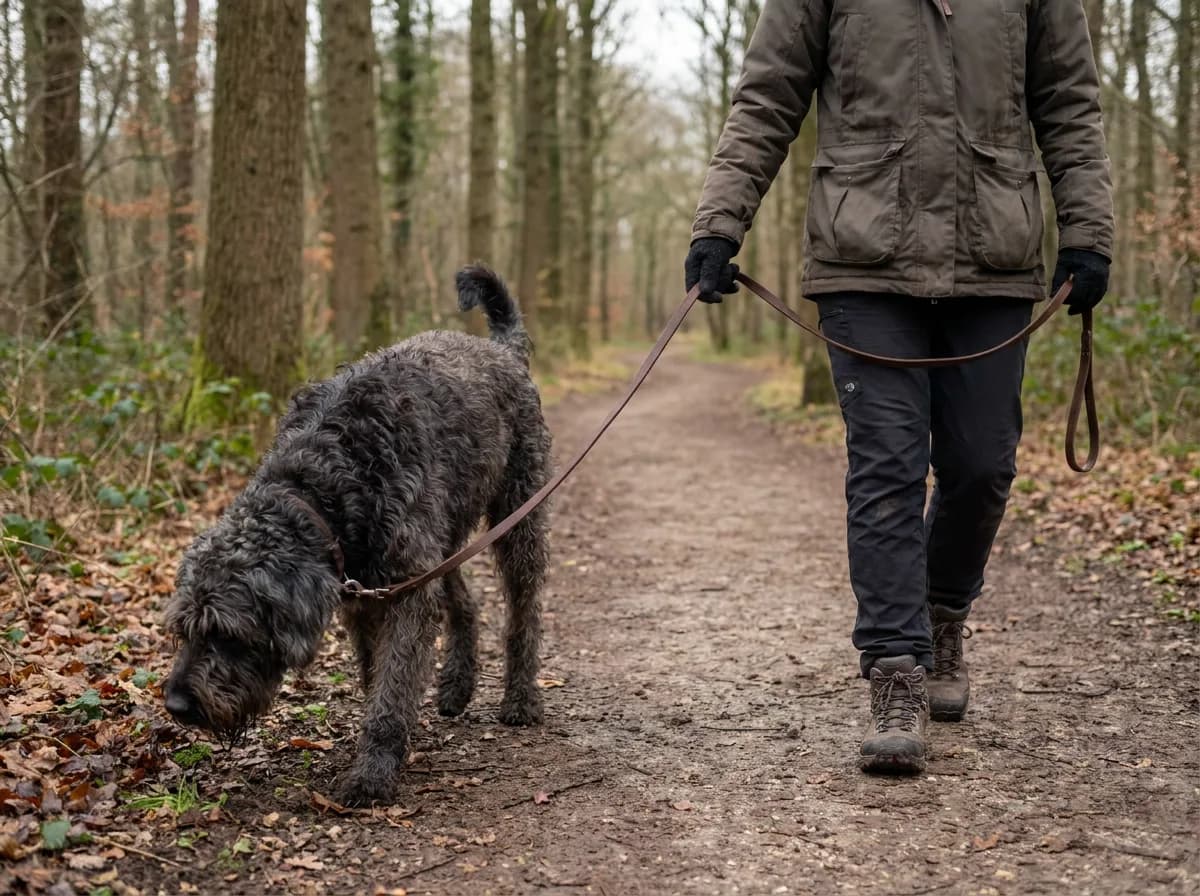
Compare a Frisco six-foot traffic leash with the dog’s size and the handler’s grip, and carry a Frisco 1.5-cup travel bowl plus enough water for the outing. A second leash handle is equipment, not a substitute for training or secure handling.
Combine walks that allow sniffing with short training games, appropriate play, and quiet recovery. The goal is a dog that can move comfortably and then rest, not a dog pushed into exhaustion. Ask your veterinarian about suitable exercise as a puppy grows or if an adult has joint, heart, or other health concerns.
Skills worth teaching early
- Loose-leash walking in low-distraction settings before busy routes.
- Returning when called within a secure space.
- Waiting calmly while a door or vehicle opens.
- Moving to a mat during household activity.
- Accepting brief examination of feet, ears, and coat.
The PetSafe Easy Walk Dog Harness, Medium/Large is one equipment option if the exact size and design suit your dog. Check the manufacturer's measurements and watch for rubbing or restricted movement. A harness can support management, but it does not teach a dog how to walk calmly.
Petful may earn a commission when you click through to Chewy, at no extra cost to you.
Reward the behavior you want while it is happening. If the dog cannot respond around a distraction, increase distance and make the task easier. Repeatedly pulling the dog through an overwhelming situation is not a substitute for a progression it can understand.
A sample training progression
Start inside with a quiet environment and short sessions. Teach a cue, reward a successful response, and finish before the dog loses interest. Add one difficulty at a time: a different room, a slightly longer duration, or a mild distraction. Avoid changing everything simultaneously and then assuming the dog has forgotten.
Take the same skill to a quiet outdoor location before a crowded path. Keep rewards available and choose moments when the dog is able to learn. Returning to an easier stage is a sensible adjustment, not a failure.
Record the situations that remain difficult. “Pulls whenever another dog passes within ten feet” gives a trainer something concrete to work with. “Doesn't listen” does not distinguish lack of understanding from excitement, fear, or an environment that is too demanding.
Alone time and rest
Practice separation gradually. Meet immediate needs, arrange a comfortable space, and begin with absences the dog can handle. Observe behavior rather than relying on silence alone; pacing, drooling, and frantic attempts to escape can indicate distress even if barking is limited.
If the dog becomes distressed, seek veterinary or qualified behavioral guidance. Avoid assuming the solution is a stronger crate or a longer period of forced separation. The plan needs to address how the dog feels as well as the physical environment.
Choosing a breeder or adopting an adult
Evaluate a Giant Schnoodle source with the same care you would use for any long-term commitment. Ask why the specific parents were paired, what their temperaments are like, and which health screening was performed. Request documents you can connect to the actual dogs, rather than a generic statement that the line is healthy.
The OFA health-screening resource explains breed-based screening programs. Requirements differ by ancestry and test type. A normal result reduces uncertainty in a specific area; it does not certify an entire lifetime of health. Ask your veterinarian to help interpret unfamiliar records.

A dual-ended toothbrush with a large and a small head to fit different mouth sizes and reach the back molars where plaque hides. Soft bristles angled for the gumline.
Petful may earn a commission when you click through to Chewy, at no extra cost to you.
Compare these points before a deposit
- Identification of the breeding parents and access to relevant results.
- Veterinary records for the puppy or adult dog.
- Early experiences with handling, people, and ordinary environments.
- Clear communication about size and temperament uncertainty.
- A written agreement and a realistic support or return process.
For adoption, ask what has been observed in a home, on walks, and around other animals. An adult's known size and grooming needs can make planning easier. Its history may be incomplete, so establish a veterinary baseline and allow time for adjustment before judging every behavior as permanent.
Purchase price versus lifetime budget
For a reference amount, Chewy’s Schnoodle guide lists $1,500–$4,000 for breeder puppies in general. That is an editorial estimate, not a measured Giant Schnoodle range or a current quote. Obtain an itemized price for the specific dog. A large upfront fee does not establish better health screening, and a low adoption fee does not remove future care costs.
Build a budget around your actual local services. Ask a groomer about the likely cost for the dog's coat and size. Check boarding policies for large dogs. Compare food costs using the diet and amount appropriate for the individual rather than assuming all dogs of this label eat the same quantity.
Consider your plan for unexpected care. Insurance terms, exclusions, waiting periods, and payment arrangements differ. An emergency fund also needs to be accessible when a bill arrives. Neither approach prevents illness; it is a way to prepare financially for decisions you may face.
Questions for an adult-dog meeting
Watch the dog at rest as well as in play. Ask whether the apparent energy is typical, whether handling is comfortable, and how staff or foster carers manage transitions. If you need compatibility with children or cats, obtain specific evidence rather than assuming a friendly greeting answers the question.
Bring the household's actual constraints into the discussion. A dog may be excellent in one home and unsuitable in another because of working hours, stairs, other animals, or handling capacity. Honest matching benefits the dog and the people.
Coat care and household equipment
Discuss a label-appropriate TropiClean puppy and kitten shampoo with your groomer and Virbac C.E.T. dog and cat toothpaste for the separate dental routine. Plan the time and workspace for caring for a large dog, as well as the cost of each supply.
A large Schnoodle coat can take substantial time to maintain, especially when kept long. Curly or wavy hair may trap loose hair, while friction under a harness or behind ears creates tangles. Arrange a grooming plan early and choose a trim that matches what you can sustain between appointments.
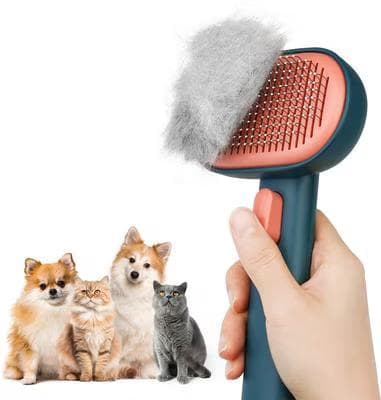
The aumuca Self Cleaning Slicker Brush is one brush option to discuss with your groomer. Learn how to part the coat and brush gently, then use a suitable comb to check your work. The dog should not have to endure painful pulling to preserve a long style.
- Inspect friction areas frequently, especially beneath equipment.
- Dry a wet beard and check for trapped food.
- Introduce paws, ears, and body handling in short comfortable sessions.
- Arrange professional help for tight mats or skin changes.
The Schnoodle haircut guide covers styles and what to request. “Low shedding” does not mean a dog is allergy-safe, and it does not mean grooming is optional. Discuss allergy concerns with your own clinician and spend time with the individual dog before committing.
Make care physically manageable
A nonslip floor, good lighting, and a stable working position make home care easier. Avoid balancing a heavy dog on an improvised table. If you cannot safely reach an area, change the setup or ask a professional to demonstrate a better method.
For dental care, the Virbac C.E.T. Dual-Ended Dog & Cat Toothbrush is an existing option for an appropriate pet-toothpaste routine. Start with brief comfortable contact and work at the dog's pace. A painful mouth should be assessed by a veterinarian before you continue trying to brush it.
Feeding without guessing by breed label
Choose food for the dog's life stage and individual needs, and monitor body condition with your veterinarian. A puppy expected to become large may need a diet specifically appropriate for large-breed growth. Do not add calcium or other supplements merely because the puppy looks tall or lean.
Use measured portions and account for training treats. If you change food, follow appropriate transition advice and watch how the dog responds. Sudden weight change, ongoing digestive trouble, or a change in appetite warrants a veterinary discussion rather than repeated trial-and-error product purchases.
Health and lifespan planning
A Giant Schnoodle can inherit health risks from either parent, and large size adds practical considerations for mobility and care. Ask your veterinarian which screenings and preventive measures are appropriate for the actual dog. Do not assume a crossbreed is protected from inherited conditions simply because it has two breed backgrounds.
The Schnoodle lifespan and health guide explains why a broad longevity estimate is not a forecast. A large dog may age differently from a smaller relative; medical history, body condition, and individual disease matter more than a single internet number.
Build a usable veterinary record
- Keep vaccination and parasite-prevention records together.
- Record weight and any notable changes in appetite, thirst, or movement.
- Save health-screening documents and a list of current medications.
- Discuss the right timing of routine visits and any life-stage changes.
Large, deep-chested dogs can be at risk of gastric dilatation-volvulus, or GDV. AAHA's bloat guidance identifies unproductive retching and abdominal swelling among warning signs. Suspected bloat is an emergency: contact an emergency veterinarian immediately rather than trying a home remedy or waiting for a product to help.
Ask your veterinarian whether the individual dog's build and history justify a discussion of preventive gastropexy. This is a clinical decision, not a universal recommendation that follows automatically from the Giant Schnoodle label.
Plan for aging while the dog is mobile
Review stairs, slippery floors, and vehicle access before they become difficult. Comfortable bedding, traction, and a predictable routine can make daily life easier. Changes in willingness to jump, rise, or walk should be assessed rather than dismissed as normal laziness.
Use the large-dog logistics check again as circumstances change. A new apartment, a handler's injury, or a dog's medical condition can alter what is workable. The best plan is one you can adapt while preserving comfort, safety, and an appropriate level of activity.
Giant Schnoodle questions
Giant Schnoodles generally become large dogs, but how big they get depends on the actual parents and individual growth. Ask about the Giant Schnauzer and Poodle parents and any mature offspring from the same pairing. Their measured weight and height give a better planning reference than a puppy photo, although no responsible estimate can remove all variation.
A Giant Schnoodle may be active, intelligent, attentive to family, and watchful around unfamiliar situations. Individual temperament varies, so observe the dog and ask about ordinary behavior around visitors, other animals, and handling. Plan training and calm routines instead of expecting the crossbreed label to guarantee an easygoing or protective personality.
The main downsides of a Giant Schnoodle are the handling demands and costs that accompany a large, active dog. A playful dog can knock someone over, transport takes planning, and a long coat takes time to maintain. Assess your handling capacity, local grooming costs, and daily schedule before deciding that a large teddy-bear appearance is the right match.
Chewy’s general Schnoodle estimate is $1,500–$4,000 for breeder puppies, but it is not a verified Giant-only price range. Request a current itemized quote, then assess health records, early care, and the support agreement independently of the fee. Add recurring grooming, food, training, preventive care, and a plan for unexpected veterinary bills before comparing the household cost.
Some Giant Schnoodle dogs bark readily at sounds, visitors, or movement; others are quieter. Notice the trigger, prevent repeated rehearsal, and reward calm responses at a difficulty the dog can handle. Barking linked to fear or separation distress needs a suitable behavior plan. Stronger physical control alone does not address why the dog is reacting.
The best haircut for a Giant Schnoodle is one that keeps its actual coat comfortable and fits the brushing time you can provide. Bring a photograph and discuss length in practical terms with the groomer. A short maintained trim is preferable to preserving a long style that develops painful mats or makes care distressing.

Coreen Saito is a pet writer and longtime shelter volunteer with more than a decade in animal rescue. She covers cat behavior, breed care, and the small, ordinary science of sharing a life with companion animals, with a particular focus on honest takes about the products and decisions that actually matter. At home in Arizona, she's outranked by Mac (a dog with the loudest opinion in the house), Rebel (a cat who governs by quiet authority), and Meri (an orange tabby who runs the late shift and the laundry basket). She writes about all three, plus the rescues that keep coming through her life, at LifeWithMinty.com.
Sign up for expert-backed reviews and safety alerts all in one place.