Great Pyrenees Price: Puppy Cost and Lifetime Budget
Great Pyrenees price planning starts with an $800-$2,500 breeder range or lower adoption fee, then adds food, fencing, equipment and veterinary care.
Petful is reader supported. As an affiliate of platforms like Amazon and Chewy, we may earn a commission when you buy through links on this page. There is no extra cost to you.
A Great Pyrenees puppy commonly costs about $800 to $2,500 from a breeder, while rescue adoption fees are often several hundred dollars. Those figures are planning ranges, not proof that a seller is responsible or that a dog is healthy. The purchase price is also a small part of the commitment. Giant-dog food, secure fencing, XL equipment, grooming, training, preventive care, and unexpected veterinary treatment can cost far more over the dog's life. Petful’s guide to PetSmart dog training cost has the full breakdown.
This guide separates Great Pyrenees price into acquisition, first-year setup, monthly care, annual expenses, and lifetime risk. Dollar figures are U.S. planning estimates captured in August 2026. Prices vary by region, provider, dog, tax, shipping, and medical need, so replace each range with current local quotes before deciding.

Sign up for expert-backed reviews and safety alerts all in one place.
Great Pyrenees cost at a glance
- 1Plan roughly $800-$2,500 for a breeder puppy or a few hundred dollars for adoption, then verify exactly what the fee includes
- 2Giant-dog equipment, fencing and food make the first year materially more expensive than the purchase alone
- 3A high price does not prove responsible breeding and a low adoption fee does not signal low quality
- 4Keep routine care, optional purchases and emergency reserves in separate budget lines
- 5Get written local quotes before committing
| Cost category | Planning range or method | What changes the number |
|---|---|---|
| Acquisition | About $800-$2,500 breeder; rescue commonly several hundred | Region, records, included care, source and contract |
| First-year setup | Build from local quotes; commonly several thousand beyond the fee | Fence work, crate, bed, training, veterinary schedule |
| Monthly care | Add food, preventives, grooming, treats and replacement supplies | Dog size, calories, local prices, coat and health |
| Annual fixed care | Examination, vaccines by risk, tests, licensing and training | Region, age, lifestyle and provider |
| Risk reserve | Emergency savings or insurance premium and deductible plan | Coverage, exclusions, age and household cash flow |
Great Pyrenees cost planning begins with the source fee, but it must also include a giant dog's first-year setup and recurring care. The Great Pyrenees price changes with local veterinary rates, fencing needs, food choice, grooming support, training and medical risk. Record each quote with its date and inclusions, then separate required expenses from optional upgrades. This makes breeder, rescue and lifetime scenarios comparable without treating one advertised number as the complete cost.
How much do Great Pyrenees puppies cost?
Purchase and adoption price includes great pyrenees price, great pyrenees dog price, great pyrenees puppy price, great pyrenees price range, and great pyrenees average price. These are related but distinct reader decisions, best resolved by separating the advertised amount from lifetime costs and verifying what each quote includes. Use the measurements, records and observable conditions in this section to identify what is known, what still needs confirmation and which next action the evidence supports. Before acting, record the source, date and individual-dog evidence behind the conclusion. That prevents a broad breed tendency, seller label or isolated number from becoming a promise about one dog and keeps the decision practical, traceable and useful. The short answer is that many Great Pyrenees puppies cost about $800 to $2,500 from a breeder, while adoption fees are often lower. To estimate how much a Great Pyrenees puppy will cost, include region, verifiable health testing, veterinary care, transport and contract support. Compare what each price includes, because a high number does not prove responsible breeding and a low number does not explain missing records.
Are Great Pyrenees good pets?
The short answer is yes: Great Pyrenees can be good pets for households prepared for a giant, independent guardian. The home needs secure boundaries, a barking plan, patient training, heavy coat care and a budget for large-dog food, equipment and veterinary treatment. They are a poor fit for anyone needing a quiet, low-shedding dog with automatic off-leash reliability.
Why do so many Great Pyrenees end up in shelters?
Great Pyrenees are often surrendered after households underestimate recurring costs, adult size, barking, secure fencing and housing restrictions. A low purchase price does not make those obligations smaller. Before adopting or buying, confirm landlord and insurance rules, price an adult-size setup and decide how routine and emergency care will be funded.
An adult foster dog may reduce uncertainty about house manners, handling and equipment size, but adoption is not cost-free. Review known medical needs, transport, grooming, training and return support. A transparent fee with useful records may be better value than a cheaper placement with no history.
Can you keep a Great Pyrenees in the house?
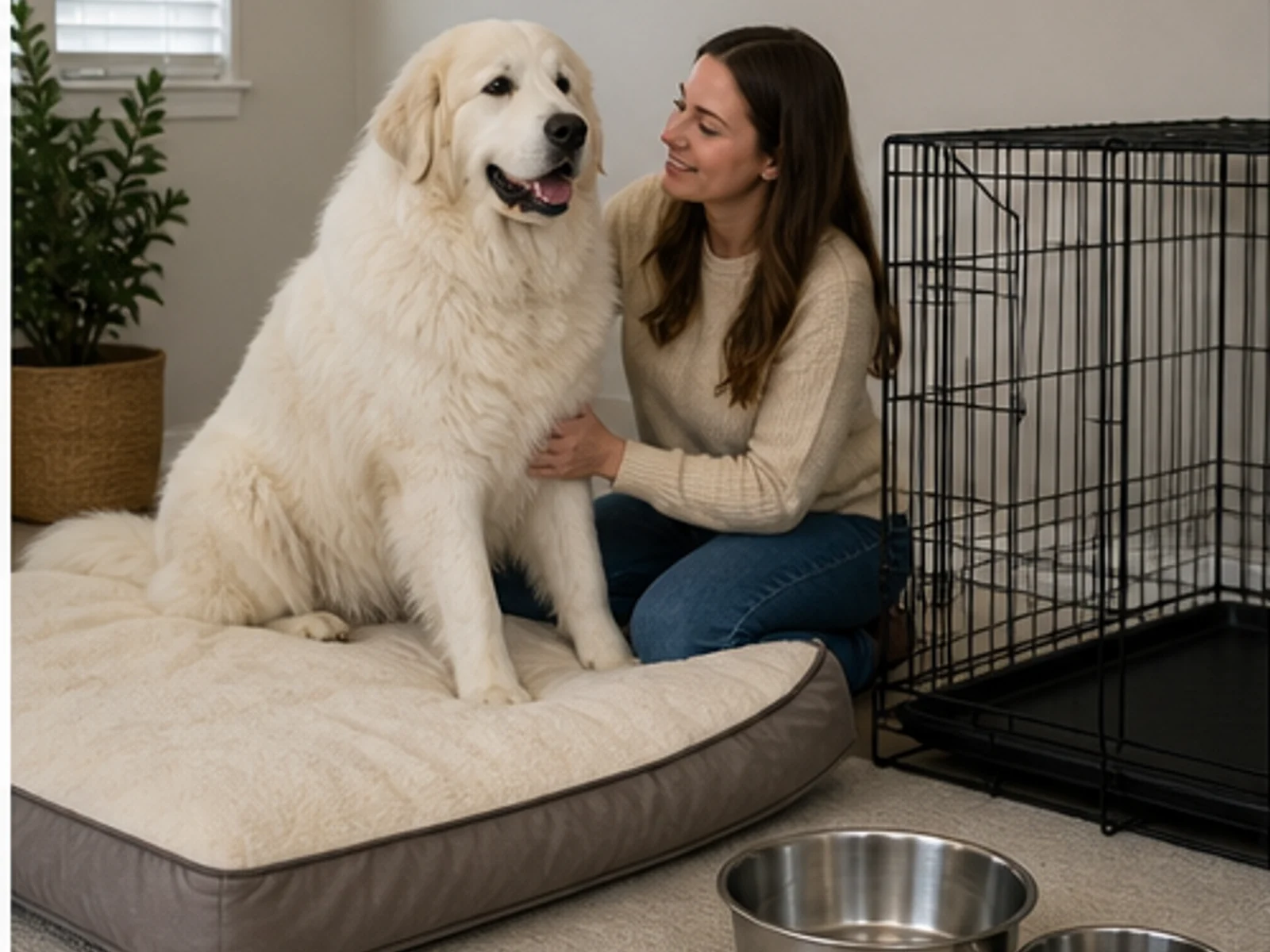
Yes, and most companion Great Pyrenees benefit from indoor family life, but the house must accommodate a giant body, heavy coat, barking and safe separation. Budget for non-slip surfaces, gates, a full-size resting area, cleaning tools and a vehicle plan. A yard is not a replacement for indoor rest, training or companionship.
Renters should get pet, weight and breed permissions in writing. Homeowners should review insurance and fence requirements before paying a deposit. Housing costs created by one dog can exceed the purchase price, which is why they belong in the budget from the beginning.
Great Pyrenees asking prices appear across marketplaces, breeder pages, care-financing content, and rescue listings, but a listing does not verify a seller and an asking price is not a completed sale. The AKC Great Pyrenees profile supplies breed context; National Great Pyrenees Rescue shows an adoption path that should be compared on support and fit, not fee alone.
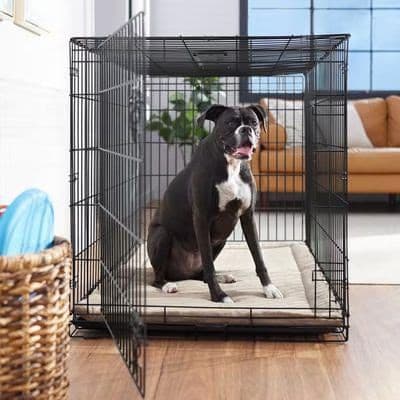
- Price the Frisco XL collapsible wire crate only after measuring the expected adult sleeping space and the planned room. Buying a temporary size without a divider or growth plan can create an avoidable second equipment purchase.
Petful may earn a commission when you click through to Chewy, at no extra cost to you.
- If the Frisco XL collapsible wire crate fits the adult plan, include a mat, maintenance and replacement risk in the setup estimate. The expense supports temporary management and travel skills, not outdoor containment or all-day housing.
Great Pyrenees puppy price from a breeder
Questions involving Why puppy prices vary and Breeder price, adoption fees and rescue costs are best resolved by checking identity, health records, written terms, observed behavior and payment protections before committing. For initial planning, $800 to $2,500 covers many published breeder-puppy figures, while some dogs cost more. Location, demand, transportation, veterinary work, registration, breeding program expenses, show or working credentials, and the contract can influence asking price. None of those variables automatically makes a placement responsible. Ask for the actual documents behind the price:
- Registered identities of the parents where applicable.
- Breed-relevant health-screening results tied to those identities.
- The puppy's dated veterinary and parasite records.
- A written contract, health terms, return policy, and support expectations.
- Details of the puppy's early environment and social learning.
- A clear description of what is included at pickup.
A seller who charges more but cannot produce records has not converted price into evidence. A seller who charges less may be placing farm-bred puppies responsibly or may be avoiding screening and support; the fee alone cannot tell you which.
Avoid paying for marketing labels
Buying safely and puppy sourcing includes Buying-safely red flags and great pyrenees puppies for sale price. These are related but distinct reader decisions, best resolved by checking identity, health records, written terms, observed behavior and payment protections before committing. The dedicated Petful guide owns the full analysis; this section supplies the context needed to choose the right next step without duplicating the owner page. Before acting, record the source, date and individual-dog evidence behind the conclusion. That prevents a broad breed tendency, seller label or isolated number from becoming a promise about one dog and keeps the decision practical, traceable and useful. Revisit the conclusion when the dog's age, health, environment or household capacity changes, because the same label can lead to a different decision as the evidence changes.
Adoption and rescue fees
Great Pyrenees rescue adoption fees commonly fall in the low hundreds and may include an examination, core vaccines, microchip, parasite care, and sterilization, depending on age and organization. Confirm the exact package rather than assuming. Transport, a required home visit, training support, or a refundable equipment deposit may affect the final amount.
An adult foster dog can provide financial value that is not visible in the fee: known house manners, barking patterns, animal compatibility, handling tolerance, and medical history. That information can prevent an expensive mismatch. Ask what support is available after adoption and what happens if the placement fails.
First-year Great Pyrenees costs
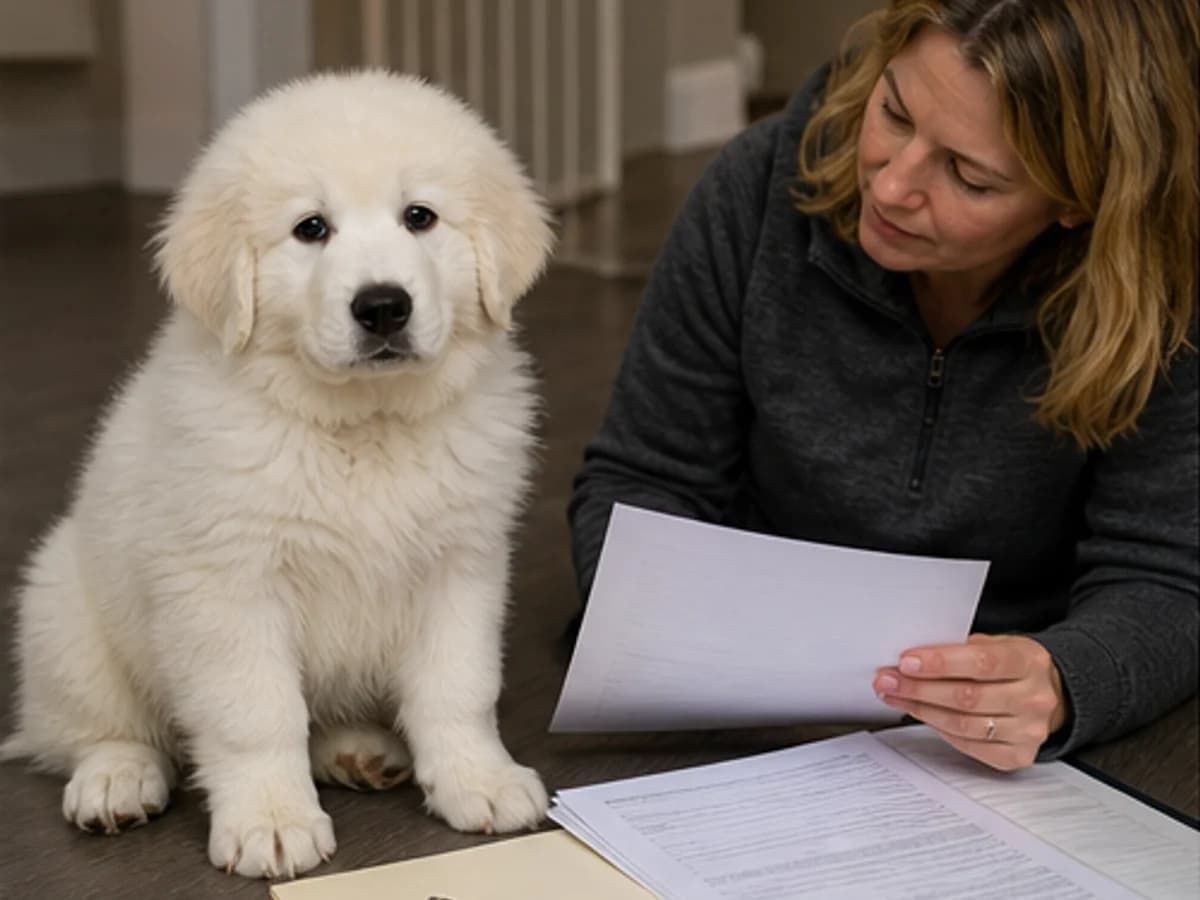
The first year concentrates one-time equipment and medical expenses. Training, fencing and grooming costs belong beside veterinary care, food and equipment in the same quote-backed worksheet, because any one of those categories can change the first-year total substantially. Build the budget from documented local estimates rather than one rounded number.
| Item | Why it matters | Quote or measure before buying |
|---|---|---|
| Secure fencing and gates | Roaming and guardian patrol are predictable risks | Contractor or repair quote; inspect gaps and latches |
| XL confinement area | House training, recovery and visitor management | Adult dimensions, divider, room or gate alternative |
| Bed and washable covers | Giant-dog rest and household zoning | Usable sleep surface and cover cost |
| Food and storage | Large volume and pest control | Calories, bag price, monthly consumption |
| Veterinary plan | Baseline exam, vaccines, tests, preventives | Clinic estimate based on age and region |
| Training | Leash control, visitor routines and handling | Class or private-session quote |
| Grooming supplies | Double-coat brushing, nails and bathing | Tool fit and professional backup |
The Frisco XL collapsible wire crate is one tracked equipment option to price against a dog-proofed room or secure gated area. Measure the adult dog's standing height and nose-to-rump length; “XL” is a product label rather than a universal Great Pyrenees size.
If comparing the Frisco XL crate, include a divider, mat, replacement tray risk, and the possibility that a panicked or powerful dog needs another confinement plan. A crate is poor value when it does not fit or cannot be used humanely.
Fencing can be the largest setup expense
Some homes need only latch repairs and gap closure; others need a new physical fence. Get a site-specific quote. Include gate hardware, digging points, climbable objects near the fence, and ongoing repairs. An electronic boundary does not prevent other animals or people from entering and may not contain a motivated guardian.
Training is a cost-control tool
Early reward-based help can reduce damage, gate rushing, leash pulling, and surrender risk. Ask trainers about methods, credentials, class size, giant-dog experience, and support between sessions. Avoid packages built around fear, pain, or promises of instant off-leash reliability.
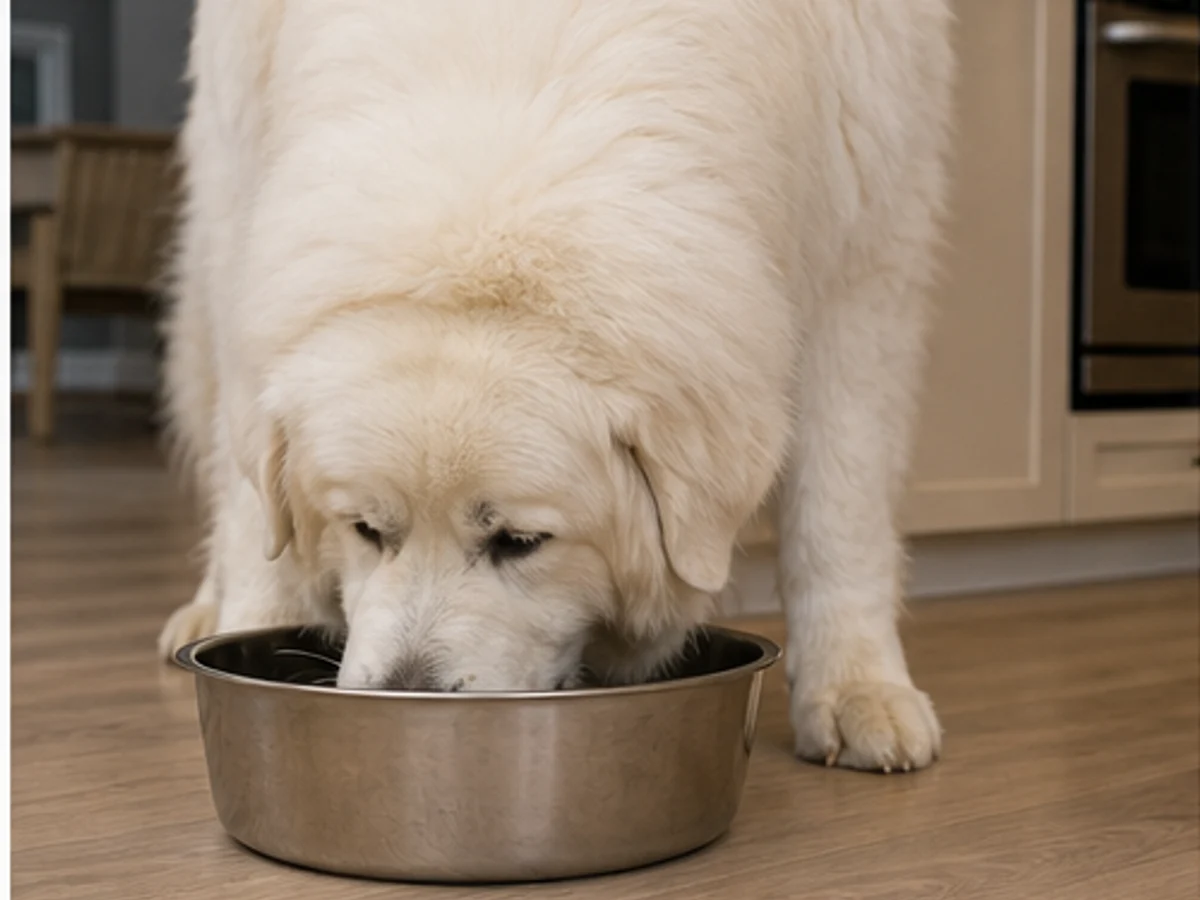
- When budgeting a Outward Hound four-cup slow feeder, compare capacity with the dog's actual meal size, cleaning time and replacement durability. The least expensive bowl is not economical if its pattern frustrates the dog or its material does not suit supervised use.

Multiple ridges and valleys slow eating, reduce gas and bloating, and turn mealtime into a fun puzzle. Non-skid base, dishwasher safe, 4-cup capacity.
Petful may earn a commission when you click through to Chewy, at no extra cost to you.
- Test the Outward Hound four-cup slow feeder before treating it as a permanent budget line. Keep the receipt, monitor eating and clean it as directed; no bowl substitutes for measured portions or veterinary advice about diet and bloat risk.
Monthly food and supply costs
Food cost depends on calorie needs and the food's calories per cup, not breed name alone. A large bag that appears expensive may cost less per 1,000 calories than a cheaper small bag. Calculate:
- Daily calories recommended for the individual starting point.
- Calories per cup or can.
- Daily quantity and bag duration.
- Current local or delivered price including tax.
- Treats and substantial chews counted within the calorie plan.
Growing puppies should eat a complete food appropriate for large-size growth. Adults should be kept lean enough that ribs can be felt under the coat. Petful's Great Pyrenees size and growth guide explains why body condition matters more than pursuing a giant number.
The Outward Hound four-cup slow feeder is one tracked feeding tool to compare if the dog eats rapidly. Its price is small relative to food, but it only has value when stable, easy to clean, properly sized, and comfortable for the dog's muzzle.
A slow bowl is not medical insurance. When pricing the Outward Hound slow feeder, do not assign it a guarantee against gastric dilatation-volvulus. Discuss feeding and bloat-risk questions with the veterinarian.
What is the best food for a Great Pyrenees puppy?
The best food is a complete diet formulated for growth of large-size dogs that suits the individual puppy and the veterinary plan. Brand price alone does not establish quality or the right calorie amount. Compare calories per cup, measured daily portions and body-condition trend so the monthly estimate reflects the food actually fed.
Avoid budgeting from the cheapest bag size without accounting for calorie density, availability and transition waste. A food that repeatedly causes intolerance or is difficult to source can cost more through substitutions. Persistent digestive signs, poor growth or unexplained weight change needs veterinary attention rather than a budget-only switch.
Recurring supply costs
Recurring supplies may include parasite prevention, waste bags, dental products, shampoo, brush replacement, nail care, treats, chews, laundry, cleaning products, and damaged-item replacement. Track actual spending for three months; estimates become more useful when replaced by receipts.
Routine veterinary costs
Ask local clinics for a planning estimate that covers examinations, vaccines based on risk, fecal or heartworm testing, parasite prevention, microchipping, dental care, and age-related screening. WebVet's guide to how much a vet visit costs explains why the examination fee and the total invoice are different numbers.
Routine care changes with age and region. A rural working dog and an indoor suburban companion may face different parasite and injury risks. Great Pyrenees can also need extra handling time, appropriate imaging equipment, or referral care because of body size.
Insurance or cash reserve
Compare policy premium, deductible, reimbursement, annual limits, waiting periods, bilateral-condition rules, pre-existing exclusions, examination-fee coverage, dental illness, rehabilitation, and cancellation terms. Insurance transfers some risk; it does not make care free. If self-funding, set a concrete emergency target and monthly contribution.
Petful's Great Pyrenees health and lifespan guide identifies the clinical questions that should inform the reserve without predicting that one dog will develop every listed condition.
Rest, grooming and replacement equipment
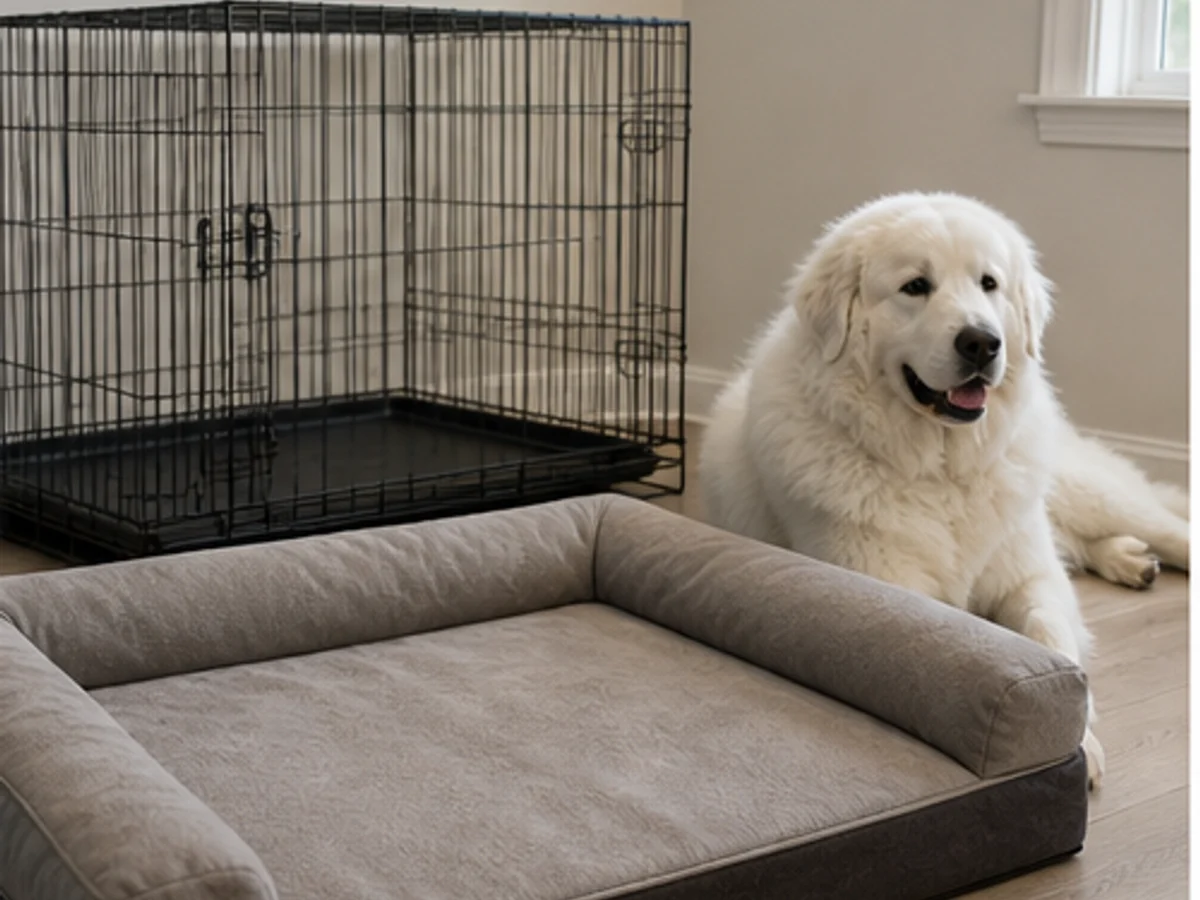
Large dogs need large washable surfaces. The FurHaven NAP jumbo orthopedic bed is one tracked option to compare by usable flat dimensions, step-on height, cover-care instructions, and the dog's chewing and temperature preferences.
Before buying the FurHaven jumbo bed, include replacement covers and the chance that the dog prefers a cool floor. A bed may support comfort, but stiffness or difficulty rising needs veterinary assessment rather than repeated retail substitutions.
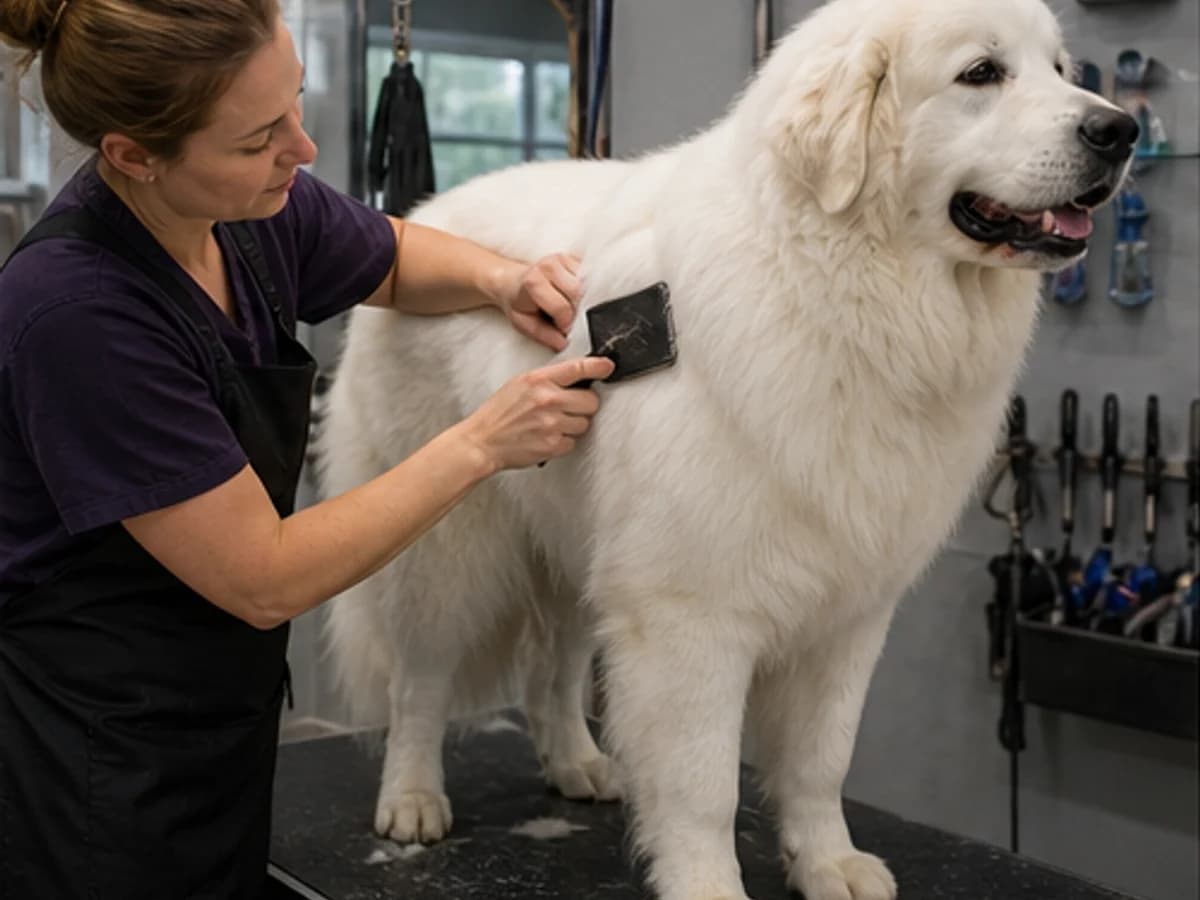
Professional grooming prices vary by coat condition, dog size, region, and handling time. A maintained coat costs less to service than a badly matted or impacted coat. Petful's Great Pyrenees grooming guide details the home routine that can reduce emergency grooming.
- Compare the FurHaven NAP jumbo orthopedic bed on cost per usable sleep area, washable-cover access and likely replacement interval. A lower sticker price can lose value if the flat surface is too small for the dog or the cover cannot handle routine coat debris.
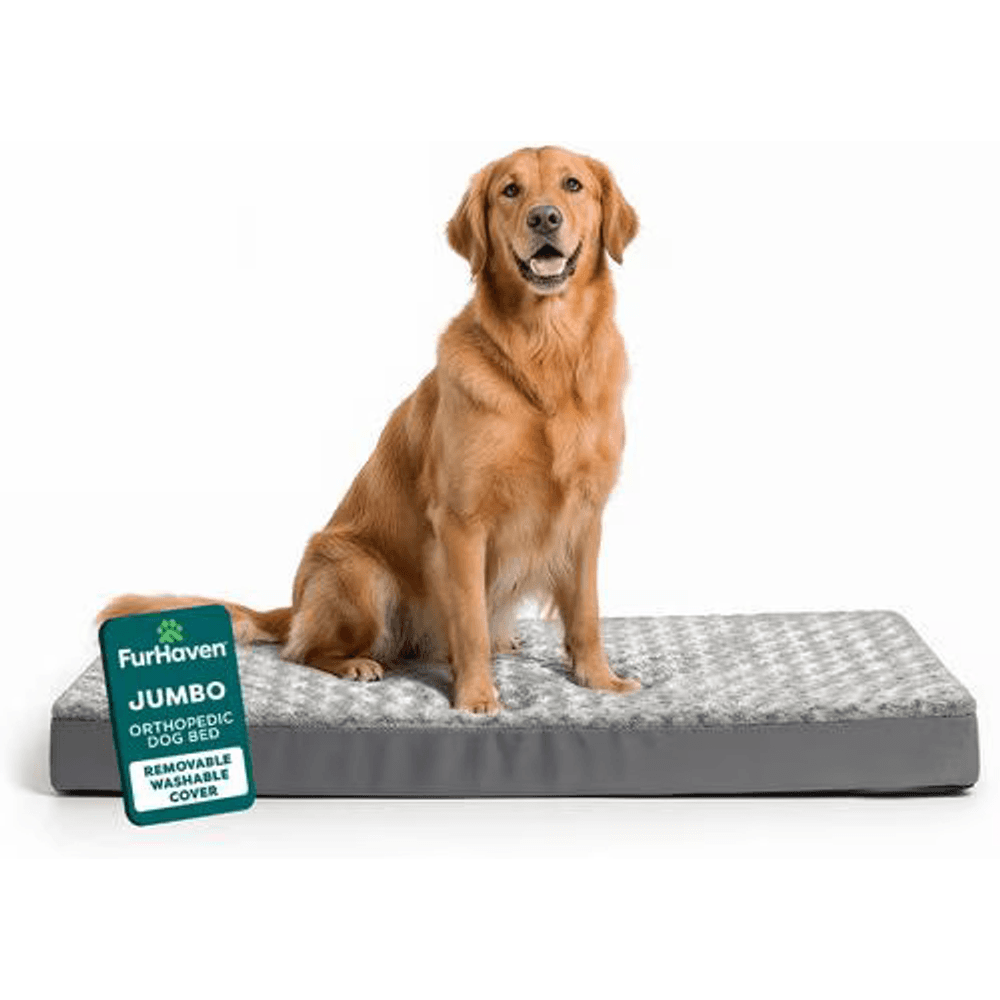
A plush orthopedic foam mattress that cushions aging joints and pressure points, giving a stiff or trembling senior dog warm, supportive rest.
Petful may earn a commission when you click through to Chewy, at no extra cost to you.
- Include the FurHaven NAP jumbo orthopedic bed only after the dog's measurements and mobility needs are known. Keep a separate medical reserve because a comfortable bed cannot resolve pain, weakness or a new change in how the dog rises.
Optional DNA testing
The Embark Breed and Health DNA test is one tracked optional purchase, especially for a rescue dog with uncertain ancestry. It can report selected ancestry and genetic variants, but it does not replace a physical examination, orthopedic imaging, laboratory work, or the parents' documented screening.
If budgeting for the Embark Breed and Health test, read the current test scope and decide in advance how actionable results will be reviewed with a veterinarian. Do not cut routine care to fund an optional panel.
Lifetime cost scenarios
Avoid presenting one lifetime total as certain. Build scenarios with a common structure:
Lean routine scenario
This household already has secure fencing, performs most grooming, uses group training, buys food efficiently, and experiences no major medical event. It still pays for food, preventive care, routine veterinary work, replacement equipment, licenses, boarding or pet care, and age-related changes.
Typical supported scenario
This household adds professional grooming, private training, routine boarding, insurance premiums or a larger cash reserve, and periodic diagnostic care. Its annual cost is higher, but support may make ownership sustainable.
High-needs scenario
Fence construction, chronic disease, orthopedic surgery, emergency hospitalization, behavioral consultation, prescription diets, rehabilitation, or frequent professional grooming can push lifetime spending far above an average. The purpose of this scenario is not fear; it is deciding how the household will respond before the dog needs help.
- Multiply recurring costs by expected years only after separating inflation and age-related changes. Keep a second total that includes a realistic emergency or insurance strategy. A precise-looking lifetime number built from vague inputs is less useful than a range backed by local quotes.
- Add the Embark Breed and Health DNA test to the optional, not required, part of a Great Pyrenees budget. Before purchasing, identify the specific ancestry or variant question and compare it with records the breeder, rescue or veterinarian can already provide.

Petful may earn a commission when you click through to Chewy, at no extra cost to you.
- If the Embark Breed and Health DNA test is purchased, reserve additional money for professional interpretation or confirmatory care when a result warrants it. The test price does not buy a diagnosis or a guarantee against future veterinary costs.
Ways to control cost without cutting care
- Adopt through an organization that provides records and honest foster information.
- Verify screening before buying rather than paying for marketing claims.
- Maintain fences, coat, nails, teeth, weight, and training before problems compound.
- Measure food and track body condition to avoid waste and excess weight.
- Compare cost per calorie and product dimensions, not package size or label alone.
- Build cooperative handling so appointments and grooming are safer.
- Use routine veterinary care to identify problems before emergencies where possible.
- Maintain an emergency plan, insurance strategy, or both.
Do not save money by skipping parasite prevention without veterinary guidance, using livestock or human medication, adding unneeded supplements, buying an undersized crate, or delaying urgent care.
Review the budget every six months
Update food consumption, preventive prices, insurance terms, clinic fees, grooming, boarding, and the emergency balance. Replace estimates with receipts and note which costs were one-time. A growing puppy, a house move, a new diagnosis, or a senior dog's mobility change can alter the plan quickly. A brief scheduled review is more useful than discovering during an emergency that the policy, savings target, or vehicle arrangement no longer fits.
Costs that are easy to overlook
Transportation includes more than fuel. A giant dog may require a larger vehicle opening, cargo barrier, stable ramp, washable cover, and a second person during illness. If the household travels, compare boarding, in-home care, and a sitter's ability to manage gates, barking, medications, and leash strength. Holiday rates and multi-visit days can change the annual total materially.
Housing expenses may include pet deposits, monthly pet rent, fence repairs, yard restoration, larger rental restrictions, or insurance changes. Confirm rules before adoption or purchase. A dog accepted under one lease may be difficult to place under the next, so mobility of the household belongs in the lifetime decision.
Professional support also changes over time. Puppy classes may be followed by private help for barking or visitor routines. Home grooming can become professional grooming when the caregiver is injured or the dog's mobility changes. Senior care may add laboratory monitoring, rehabilitation, prescription medication, and paid midday assistance.
| Category | Examples | How to estimate |
|---|---|---|
| Transport | Ramp, barrier, larger vehicle, cleaning | Measure current vehicle and price a safe setup |
| Pet care | Sitter, boarding, medication visits | Get peak and ordinary rates |
| Housing | Deposit, pet rent, fence repair, insurance | Verify written property and policy terms |
| Damage and replacement | Screens, gates, bedding, landscaping | Keep a household contingency line |
| Aging | Rehabilitation, monitoring, mobility help | Ask the clinic about common senior planning items |
Add these lines before judging whether the routine monthly number is affordable. A budget that omits every infrequent expense will appear accurate for several months and then fail exactly when the dog needs support.
Build a quote-backed budget instead of one total
A scenario budget becomes useful when every important number has a source, date and renewal schedule. Create separate acquisition, setup, monthly, annual and risk columns. Do not hide emergency savings inside the monthly food estimate or treat optional DNA testing as preventive care.
Collect written local quotes for:
- Breeder or rescue fee and exactly what records or services are included.
- Fence repair, gate hardware and any landlord or insurance charge.
- Adult-size crate or safe room, bed, harness, leash, bowls and grooming tools.
- Veterinary examination, vaccines by risk, preventives, licensing and microchip updates.
- Training support, professional grooming, boarding and pet care.
- Insurance premium, deductible, reimbursement limits and exclusions, or a cash-reserve target.
Next, assign each line one of four labels: required now, required later, risk reserve or optional. This makes tradeoffs visible. A decorative upgrade can wait; a secure gate cannot. A DNA test may answer a question; it does not replace a veterinary examination. A larger washable bed may reduce replacement frequency, but only if it fits the dog and home.
Review the worksheet every six months and after a move, health change or insurer renewal. Record-first price testing keeps the quote, contract terms and actual care needs connected. It also prevents the advertised Great Pyrenees price from obscuring the lifetime scenarios that determine whether the placement is sustainable.
More Great Pyrenees guides from Petful
Pair this quote-backed budget with Petful's complete Great Pyrenees breed profile so every cost line reflects the adult guardian behavior, coat and handling the household is preparing to support.
Frequently asked questions
The short answer is that many Great Pyrenees puppies cost about $800 to $2,500 from a breeder, while adoption fees are often lower. To estimate how much a Great Pyrenees puppy will cost, include region, verifiable health testing, veterinary care, transport and contract support. Compare what each price includes, because a high number does not prove responsible breeding and a low number does not explain missing records.
Great Pyrenees are often surrendered after households underestimate recurring giant-dog costs, barking, fencing and housing restrictions. A low acquisition fee does not reduce those obligations. Price an adult-size setup, confirm landlord and insurance rules, review known medical needs and decide how routine and emergency care will be funded before paying a deposit or adoption fee.
The short answer is yes: Great Pyrenees can be good pets for households prepared for a giant, independent guardian. The home needs secure boundaries, a barking plan, patient training, heavy coat care and a budget for large-dog food, equipment and veterinary treatment. They are a poor fit for anyone needing a quiet, low-shedding dog with automatic off-leash reliability.
Expect many breeder quotes to fall around $800 to $2,500, but ask what each amount includes before comparing. One quote may include verifiable parent screening, a veterinary exam, microchip and return contract, while another may cover little beyond the puppy. Adoption fees are often lower. In either case, add fencing, food, training, a giant crate or secure room, grooming tools and an initial veterinary reserve to the acquisition cost.
Adoption is usually less expensive upfront than buying from a breeder, and the fee may include a veterinary exam, core vaccines, microchip and spay or neuter. It does not make ongoing care inexpensive. Food, parasite prevention, grooming, training, fencing and medical treatment still reflect a giant dog's needs. Ask exactly what the adoption fee covers and budget for follow-up care or behavior support that begins after placement.
Price can rise with region, documented parent health screening, veterinary care, registration, transport, breeder support and the cost of raising a litter responsibly. None of those factors should be assumed from a number alone. Ask for records connected to the named parents and a written contract. Marketing claims about rare color, oversized dogs or immediate shipping do not establish health or quality and may signal a seller to avoid.
There is no dependable national monthly figure because food prices, insurance, veterinary fees, grooming and local services vary. Build a household estimate using the dog's calorie needs, current food price, preventives, insurance or medical savings, routine care, grooming and training. Then add an emergency reserve and annual costs divided by 12. A low routine month should not be mistaken for the amount needed when illness or equipment replacement occurs.
Calculate feeding cost from the dog's daily calorie target and the calories per bag, can or package, then multiply by the current local price. Do not estimate from cups alone because calorie density varies between foods. Include treats, supplements prescribed by a veterinarian and price changes. Puppies may eat differently across growth stages, while adult cost changes with body condition, activity, health and the chosen diet.
A first-year setup usually includes secure fencing and gates, adjustable leash and harness equipment, identification, a giant crate or dog-proofed room, durable bed, measured feeding supplies, grooming tools, nail-care equipment, cleanup supplies and safe chews. Vehicle access and non-slip flooring may also matter. Buy adjustable items during growth, but do not economize on boundary security or equipment that must safely contain and handle a powerful dog.
A Great Pyrenees can cost tens of thousands of dollars over its lifetime once acquisition, food, routine veterinary care, parasite prevention, training, grooming, equipment, fencing and emergencies are included. There is no honest universal total because local prices and medical needs vary. Build low, expected and high-cost scenarios for roughly a decade of care, include inflation and maintain a separate emergency or insurance plan.
Before committing, run the completed budget through one disrupted month: a car repair, missed work, holiday boarding, or an unexpected veterinary invoice. If normal care immediately becomes impossible, adjust the emergency strategy, delay acquisition, or choose a placement whose documented needs fit more comfortably. Financial preparation protects both the dog and the household.
The bottom line
The purchase price answers only how money changes hands on day one. A responsible Great Pyrenees budget answers how the dog will be contained, fed, trained, groomed, transported, treated, and supported for years. Use the $800-to-$2,500 breeder range or several-hundred-dollar rescue fee as a starting point, not the decision.
Replace national estimates with written local quotes, maintain a risk reserve, and leave room for the individual dog to differ from expectations. The most affordable placement is the one whose needs, records, behavior, and support fit the household well enough to last.

Coreen Saito is a pet writer and longtime shelter volunteer with more than a decade in animal rescue. She covers cat behavior, breed care, and the small, ordinary science of sharing a life with companion animals, with a particular focus on honest takes about the products and decisions that actually matter. At home in Arizona, she's outranked by Mac (a dog with the loudest opinion in the house), Rebel (a cat who governs by quiet authority), and Meri (an orange tabby who runs the late shift and the laundry basket). She writes about all three, plus the rescues that keep coming through her life, at LifeWithMinty.com.
Sign up for expert-backed reviews and safety alerts all in one place.