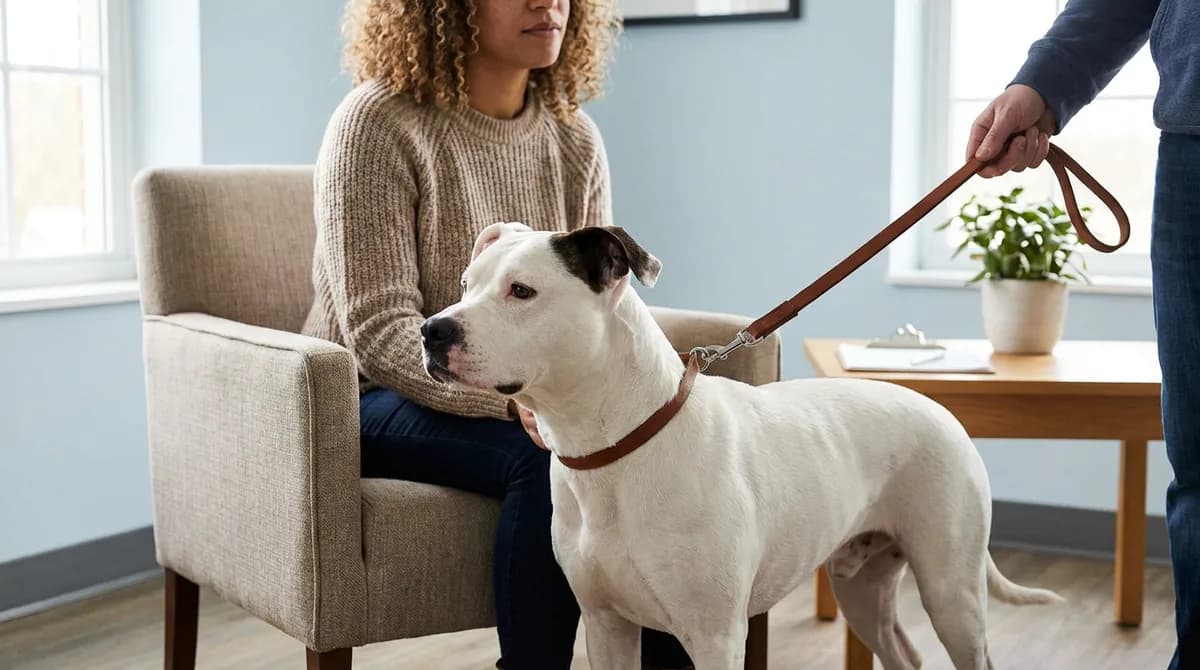
Dogo Argentino vs Cane Corso: Size, Care and Family Fit
Compare Dogo Argentino and Cane Corso size, appearance, working backgrounds and health records, then use practical household questions to assess which individual dog fits your life.

Compare physical traits separately from the individual dog’s behavior.
Petful is reader supported. As an affiliate of platforms like Amazon and Chewy, we may earn a commission when you buy through links on this page. There is no extra cost to you.
The Dogo Argentino vs Cane Corso choice comes down to more than which dog looks larger. Both are powerful working breeds, but their histories, appearance and screening needs differ. The better match is the individual whose needs you can meet, with a realistic plan for training, household management and ongoing care.

Sign up for expert-backed reviews and safety alerts all in one place.
Dogo Argentino vs Cane Corso at a glance
The Dogo Argentino developed in Argentina for big-game hunting. The Cane Corso is an Italian working breed associated with farm and guardian duties. Those different working roles help explain what to investigate, but they do not predict every dog's behavior. Ask how the individual responds to everyday handling, visitors and other animals.
Their overlapping height ranges also make “the bigger breed” a poor shortcut. Compare males with males and females with females, and distinguish a standard's approximate weight from a measurement of a particular dog. The DACA standard and AKC Cane Corso size information provide the source-specific figures below.
| Decision | Dogo Argentino | Cane Corso |
|---|---|---|
| Working background | Argentine big-game hunting breed | Italian farm and guardian background |
| Male adult height | DACA: 24–26.5 inches at the withers | AKC: 25–27.5 inches |
| Female adult height | DACA: 24–25.5 inches at the withers | AKC: 23.5–26 inches |
| Weight description | DACA approximate weights: males 88–100 pounds; females 88–95 pounds | Weight proportional to height; not an equivalent fixed sex-specific range |
| Coat and appearance | Short white coat with limited permitted head markings | Short coat in several colors, including black, gray, fawn and brindle patterns |
| Records to investigate | BAER hearing, hips and cardiac results; DACA CHIC requirements include an elective test | AKC lists patella, hip, elbow, cardiac, DSRA and NCL1 screening |
| Household decision | Assess hunting-related interests, handling and individual compatibility | Assess visitor management, handling and individual compatibility |
Either dog needs an adult who can manage its everyday movement. A fixed-length Frisco Traffic Leash is one walking option to assess alongside properly fitted equipment. No lead can substitute for teaching manageable walking or choosing suitable distances from distractions.

A fixed-length lead for supervised walking and consistent handling practice with either breed.
Petful may earn a commission when you click through to Chewy, at no extra cost to you.
Size, build, coat and appearance
Dogo Argentino vs Cane Corso size comparisons should start at the shoulder, not the ears or the top of the head. The male Cane Corso range extends higher, but the ranges overlap. A large female of one breed can also exceed a smaller male of the other. For beds, harnesses and transport, the measurements of the dog you are bringing home are more useful than a breed label.

The Dogo's appearance combines a substantial head and chest with an athletic outline. Its standard calls for a white coat and permits a limited dark head marking. A black patch around an eye does not change the breed into a different variety, and an unusually large build should not be treated as evidence of superior quality.
The Cane Corso also has a substantial, muscular frame, but its head, muzzle and coat can give a different overall impression. Its range of coat colors creates greater visual variety than the Dogo's predominantly white appearance. Compare the full dog rather than deciding from color, ear shape or a cropped photograph.

Both short coats still need routine care. Use grooming to collect loose hair and notice changes in the skin, adjusting the routine to the individual dog. A Four Paws Magic Coat glove and curry brush is one option for gentle short-coat grooming. Do not assume the two breeds will shed the same amount simply because their hair looks short.

A glove and curry brush for routine short-coat grooming, adjusted to the individual dog's needs.
Petful may earn a commission when you click through to Chewy, at no extra cost to you.
Look at the head as part of the whole appearance. The Dogo standard describes a powerful, balanced head, a strong muzzle and tight-fitting lips. Natural ears hang beside the cheeks. Those visible features help explain the breed's outline without requiring an ear procedure or a claim about bite strength.

A Cane Corso's broad head and substantial muzzle are also distinctive. A relaxed head portrait is more useful for comparing visible features than a posed growl. Ear position, expression and camera angle can change the impression of the same dog, so do not turn those photographs into temperament assessments.

Dogo Argentino Size: Height, Weight and Measuring Guide
For Dogo Argentino size and weight, keep the source labels attached to the numbers. Approximate adult weights are not targets for every individual, and a puppy does not need to reach the top of a range as quickly as possible. The Dogo Argentino size guide explains shoulder height, chest circumference and body-length measurements so you can use the comparison for practical purchases.
Different histories and working roles
The Dogo's development centered on a dog capable of finding and pursuing large game with a powerful, agile build. That background makes its interest in movement and animals relevant to a household assessment. It does not tell you that a particular Dogo will be incompatible with every pet, nor that early exposure will guarantee compatibility.
The Cane Corso's Italian farm and guardian background suggests a different set of questions about everyday work alongside people and responses to visitors. For a modern companion, investigate how the dog actually behaves when someone arrives, walks past the property or handles it. The Cane Corso breed profile covers its history and owner responsibilities in more detail.
Dogo Argentino: Breed Facts, Care and Owner Fit
A Dogo Argentino is a distinct breed, not another name for a white Cane Corso. Its origins, standard and care decisions should be understood on their own terms. The Dogo Argentino breed guide provides that wider context. When choosing a companion, connect the breed's background to concrete arrangements for activity, handling and rest rather than treating history as a script every dog will follow.
Temperament around family, visitors and animals
What is the #1 most aggressive dog breed? A universal ranking is not a sound way to choose between these dogs. “Aggressive” can describe different behaviors in different situations, and a breed label does not establish the individual dog's history. Ask about actual incidents, the circumstances around them and the management currently needed.
Both dogs need a household that can supervise interactions and create space when necessary. Affection toward familiar adults does not establish safety around every child or visitor. A strong, enthusiastic dog can also knock someone over without intending harm. Plan for arrivals, mealtimes and rest before relying on a verbal cue in a busy room.
Useful questions for either dog's caregiver include:
- How does the dog respond to unfamiliar visitors entering the home?
- What is known about living with children of different ages?
- How does it behave around unfamiliar dogs and smaller animals?
- Can it rest comfortably apart from household activity?
- Has there been a bite, attempted bite or conflict requiring intervention?
For a home with children, decide which adult supervises and where the dog rests when attention is elsewhere. For a home with existing pets, ask whether separation can be maintained during feeding and absences. These arrangements apply to either breed, but the details should follow each animal's known behavior rather than an assumption that a hunting or guarding label settles compatibility.
Dogo Argentino Temperament: Training and Family Fit
Dogo Argentino temperament varies between individuals, and female Dogo Argentino temperament is not guaranteed to be easier. The Dogo Argentino temperament guide explains household routines and compatibility questions. It also addresses checking local rules, housing and insurance. A claim that ownership is illegal everywhere, or permitted everywhere, should not replace checking the actual requirements for your address and circumstances.
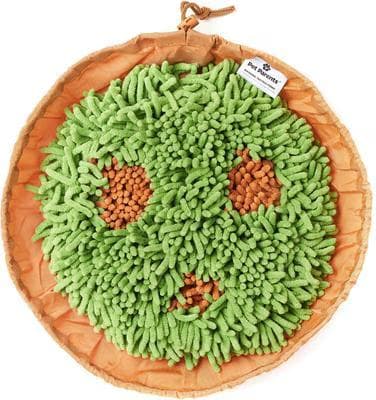
A supervised food-search activity to complement walks, training and rest for either individual dog.
Petful may earn a commission when you click through to Chewy, at no extra cost to you.
Training, exercise and daily workload
For either breed, assess the ordinary workload rather than an ideal weekend. Someone needs to provide appropriate activity, practice everyday skills and handle care when the usual person is unavailable. Secure space can help with management, but a yard does not organize those activities or teach the dog how to respond outside it.
The American Veterinary Society of Animal Behavior recommends reward-based training. Start at a level where the dog can participate comfortably, reward the response you want and increase difficulty gradually. Neither size nor a working history justifies intimidation or a contest over who can physically overpower the other.
A supervised food-search activity is one way to use part of a meal during the day. The Pet Parents Forager Snuffle Mat is an option for a dog that searches without tearing or swallowing the material. Use it separately if animals compete over food, and put it away after supervised use.
Practice around manageable distractions
For example, practice moving away from a distraction before attempting a close pass on a narrow path. Begin where the dog can respond, reward the turn and leave enough room to continue calmly. This is a useful skill for either breed, and it reveals a practical ownership question: can the adults in your household carry out the same routine consistently? Equipment and an ambitious exercise plan do not answer that on their own.
Build the schedule around a few repeatable tasks:
- Practice a check-in and walking together in a manageable setting.
- Introduce people, places and sounds through positive experiences with room to retreat.
- Provide activities appropriate to the dog's age, health and fitness.
- Teach comfortable handling in small steps.
- Protect opportunities for uninterrupted rest.
WebVet's puppy socialization checklist can help organize positive experiences. Socialization is not a requirement to greet every dog or tolerate unwanted contact. For an adult rescue, begin with the information you have and give the dog time to become familiar with its new arrangements.
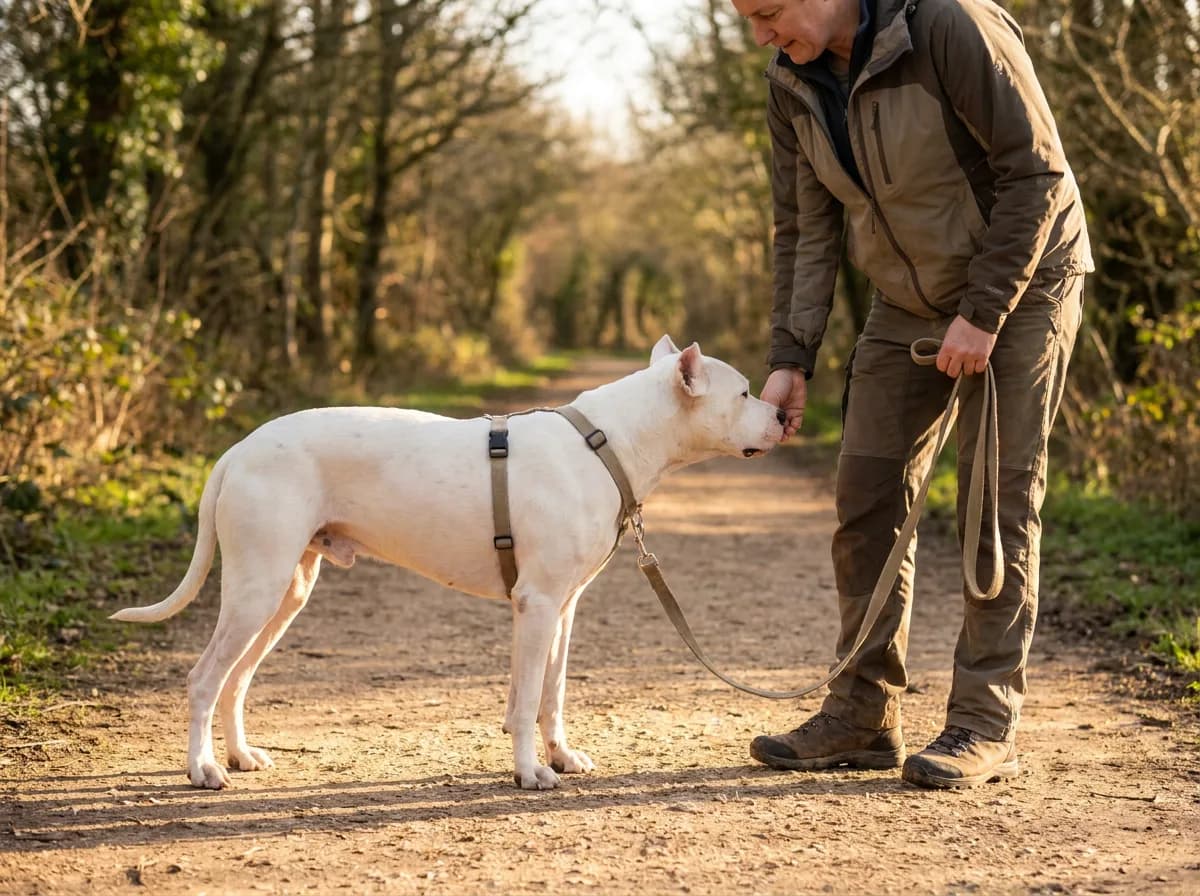
There is no useful single exercise quota that determines the winner of this comparison. Consider the individual dog and the type of activity, then ask your veterinarian how health and age should shape it. Also consider your backup plan: who handles walks, visitors or appointments when you are ill or working late? That answer can matter more than a small difference in adult height.
Health screening and ownership costs
Compare verified health screening rather than deciding that the breed with a shorter list of health concerns is healthier. A screening recommendation identifies records to investigate; it is not a disease-prevalence figure or a guarantee about an individual puppy. Match reports to the dog or parent named in them and read the results themselves.

Compare coverage choices for your pet, then request a quote directly on Lemonade.
- Check a price for your pet
- Review available coverage choices
- See the terms before you decide
Eligibility, waiting periods, limits and exclusions apply.
Petful may earn a commission when you click through to Lemonade, at no extra cost to you.
DACA's health program specifies BAER hearing evaluation, hip screening, a cardiac examination at 12 months or older by a cardiologist, and an elective test within its CHIC structure. A CHIC number indicates completion and public reporting of the required screening, not that every result was normal. Ask separately for the puppy's own BAER report.
The AKC's working-group health-testing guidance lists Cane Corso patella, hip and elbow evaluations, a cardiac exam, and DNA testing for dental skeletal retinal atrophy, or DSRA, and neuronal ceroid lipofuscinosis, or NCL1. Ask for the relevant parent records and clarify how results informed the breeding decision.
Read the individual screening results
Keep the distinction between testing and results clear. A document saying a test was completed is only the beginning of the comparison. Check which dog was tested, what the result states and whether the relevant professional can explain any uncertainty. A seller's general description of healthy bloodlines does not provide those details. For each prospective dog, collect:
- The actual screening reports and identifying details.
- The puppy's or adult dog's available veterinary records.
- The written purchase or adoption terms.
- The care already included and any expected follow-up.
- Local quotes for the services your household will use.
You can also request a personalized Lemonade pet insurance quote. Compare the offered terms, including eligibility, waiting periods and exclusions, rather than assigning either breed an invented average premium. Insurance for veterinary expenses is separate from permission to keep the dog and any homeowners or renters liability questions.
Dogo Argentino Lifespan: Estimates, Health and Care
The AKC lists a Dogo Argentino lifespan reference range of 9–15 years. That is not a prediction for the dog you choose or a measured national average. A deaf Dogo Argentino may require different communication and management arrangements, so clarify hearing status rather than judging it from appearance. The Dogo Argentino lifespan guide explains the evidence and care context behind lifespan estimates.
Feeding decisions for either breed
For either breed, compare foods by their nutritional adequacy statement and suitability for the dog's life stage. Ask who formulates the diet, what nutrition qualifications they have and how the company checks finished products. For a puppy, discuss the growth diet with your veterinarian; for an adult, choose a food appropriate to its current needs. WSAVA's food-selection guide explains these checks, which are more useful than choosing by a muscular dog on the packaging.
Next, find the food's calories per cup, gram or serving and measure what you actually feed. Include food used during training and enrichment when discussing the daily plan with your veterinary team. A Dogo and a Cane Corso should each have an individual feeding plan, with portions reviewed alongside weight and body condition. WSAVA's nutrition toolkit includes body-condition charts and calorie starting points to support that conversation. Keep the food label and a simple feeding record so adjustments are based on the dog's actual intake.
Dogo Argentino Price: Puppy Costs and Ownership Budget
Dogo Argentino price should be compared through a specific seller or rescue agreement, not a claim that one breed is always cheaper. The Dogo Argentino price guide separates acquisition from ongoing spending. Use the Cane Corso price guide for the corresponding ownership questions. In both cases, price equipment, training, food and veterinary care for your actual circumstances before committing.
Which breed fits your household?
Which one is better, Cane Corso or Dogo Argentino? There is no universal winner. A suitable choice depends on the individual dog, your handling ability, the animals already in the home and whether you can sustain the required routine. Neither breed is a shortcut to effortless security, easy family compatibility or low-maintenance ownership.
Use the comparison to identify what your home can provide and where an assumption still needs checking. An experienced household with secure space can still be a poor match for a particular dog. A confident first meeting also cannot answer questions about daily care when the household is busy.
| Your situation | Question to resolve | What a workable plan needs |
|---|---|---|
| Small animals already at home | What is known about this dog's behavior around them? | Secure separation and an individual compatibility assessment |
| Frequent visitors | Can arrivals happen without crowding or uncontrolled access? | A practiced visitor routine and a separate resting area |
| Limited secure space | How will activity and movement between spaces be managed? | Suitable walking arrangements and secure access points |
| Novice handling experience | Who can teach the household and provide support? | Qualified reward-based help and realistic handling practice |
| Changing work hours | Who provides care when the usual handler is unavailable? | A dependable backup arrangement |
| Tight budget | Can ongoing care be funded after acquisition? | A personal budget based on actual quotes |
The framework also helps identify what might change your decision. Reliable backup care could resolve a scheduling problem, while an unresolved conflict with a resident animal may be much harder to accommodate. Separate questions you can answer with a measurement or document from those requiring observation and professional assessment. Do not treat every unknown as equally easy to fix after the dog arrives.
Before deciding, walk through an ordinary day with the caregiver. Discuss mornings, visitors, time alone, exercise, other animals and bedtime. Ask which parts currently work well and which need support. Then check those needs against the time, space and help you actually have. Choosing neither dog is reasonable if the necessary arrangements are not available.
Dogo Argentino vs Cane Corso questions
Dogo Argentino bite force vs Cane Corso claims often reduce the comparison to a dramatic number. The evidence used here does not establish a standardized breed-wide bite-force ranking, and such a number would not settle household fit. Different working roles are better understood through training needs and daily behavior than through a proposed strength contest.
Keep the decision tied to household management and verified health screening. Size alone cannot tell you how a dog handles a visitor, learns a routine or lives with another animal. There is no universal winner, but there can be a well-supported choice for your particular household.
No. They are different breeds, and coat color does not change ancestry. A white dog should not be identified as a Dogo solely from its color, just as a darker dog is not automatically a Cane Corso. Use reliable history and documentation when available, and assess the individual rather than relying on a listing's label.
That depends on individual compatibility. Consider both dogs' histories, behavior and the household's ability to manage resources and space. Controlled introductions and separation may be necessary, and living together should not be treated as a breed-based guarantee. Get qualified help if either dog's behavior or the proposed arrangement raises concern.
No. Behavior cannot be guaranteed in an unfamiliar or threatening situation. Watchfulness does not establish reliable judgment, and encouraging threatening behavior can create new problems. For a companion, prioritize safe handling and training, appropriate visitor arrangements and the ability to manage the dog in everyday settings.
Handling demands include strength, responses to distractions and the support the household needs, so size alone does not determine suitability. A slightly smaller dog can still be difficult for an inexperienced handler. Meet the individual, discuss its history and arrange realistic training support before deciding whether either breed fits your circumstances.

Coreen Saito is a pet writer and longtime shelter volunteer with more than a decade in animal rescue. She covers cat behavior, breed care, and the small, ordinary science of sharing a life with companion animals, with a particular focus on honest takes about the products and decisions that actually matter. At home in Arizona, she's outranked by Mac (a dog with the loudest opinion in the house), Rebel (a cat who governs by quiet authority), and Meri (an orange tabby who runs the late shift and the laundry basket). She writes about all three, plus the rescues that keep coming through her life, at LifeWithMinty.com.
Sign up for expert-backed reviews and safety alerts all in one place.