Anatolian Shepherd Temperament: Guardian Traits and Fit
Anatolian Shepherds can be affectionate with family while making independent guardian decisions. Learn how their traits affect visitors, children, animals, barking, training, and the routines a home needs.
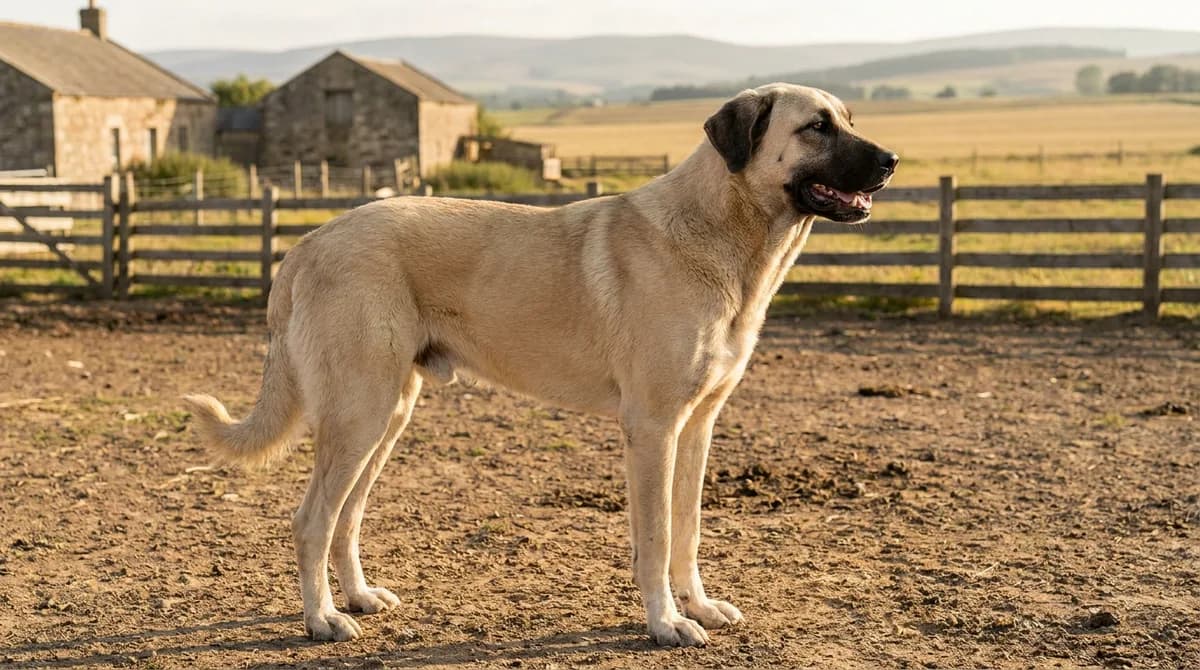
Observe the individual dog alongside the breed background.
Petful is reader supported. As an affiliate of platforms like Amazon and Chewy, we may earn a commission when you buy through links on this page. There is no extra cost to you.
Anatolian Shepherd temperament combines independence, watchfulness, and attachment to familiar people and animals. Those qualities developed alongside livestock-guardian work. They can fit an appropriately managed home, but they also affect ordinary events such as a delivery, a visiting child, or a dog passing the fence.
The useful question is not whether every Anatolian is friendly or difficult. It is whether you can understand and manage the individual dog in the setting you offer. Look at its history, observed behavior, health, and daily routine alongside the breed's general tendencies.

Sign up for expert-backed reviews and safety alerts all in one place.
What is the Anatolian Shepherd temperament like?
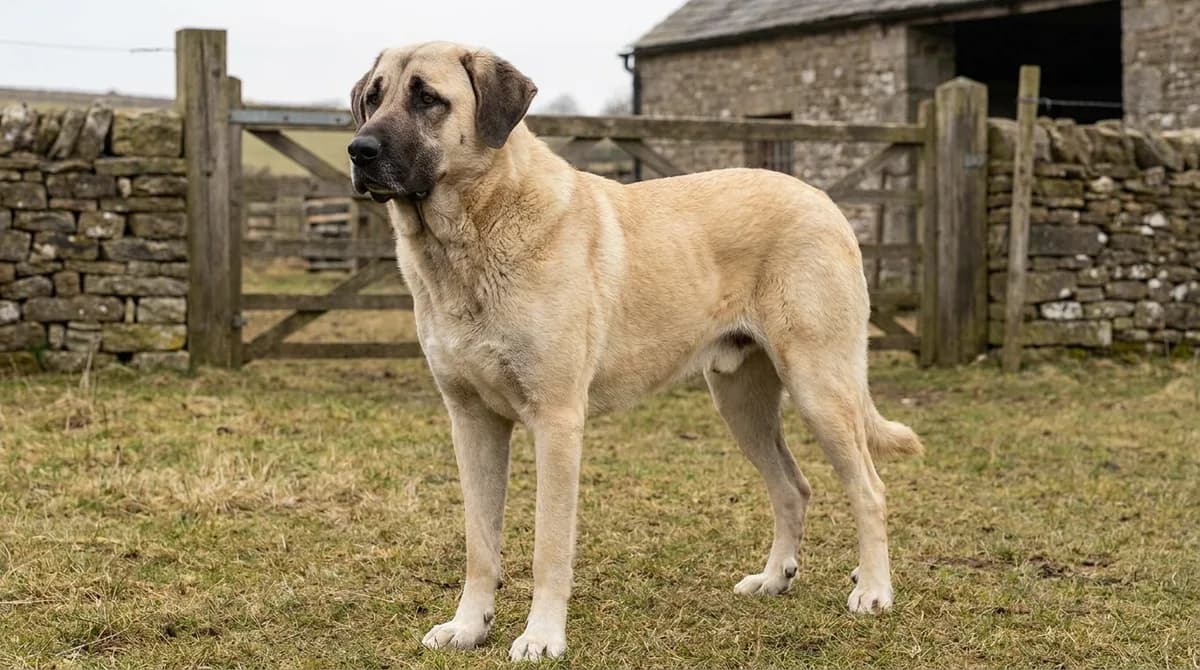
The AKC Anatolian Shepherd standard describes a calm, observant guardian with territorial behavior and reserve around strangers. An Anatolian may notice changes in its surroundings and make decisions without waiting for a person to direct every action. Quiet observation can therefore be part of its temperament, not evidence that it needs no supervision.
The same trait can have different consequences in different settings. Watchfulness around a flock does not translate neatly to welcoming contractors into a suburban yard. Independence may be useful in guardian work while requiring patience when you teach a household routine. These are practical considerations, not reasons to label the dog stubborn before understanding the situation.
When meeting an Anatolian, separate three kinds of information:
- Breed tendencies: The background that helps you anticipate questions.
- Individual history: What the current caregiver can document about this dog.
- Current observations: What you see in that setting on that day.
A relaxed meeting provides useful information, but it is only a sample. Ask how the dog behaves at entrances, around resources, during handling, and when its usual person is absent. Notice whether the caregiver can describe specific events rather than relying entirely on labels such as “protective” or “great with everyone.”
Anatolian Shepherd breed overview
The Anatolian developed as a livestock guardian associated with Turkey and Asia Minor. Its working background, size, and coat are parts of the same overall care decision. Our Anatolian Shepherd breed overview explains history, appearance, and household considerations. Use that context to prepare questions, then assess the dog in front of you rather than expecting every individual to match a short breed description.
How livestock-guardian work shapes behavior
An Anatolian Shepherd LGD, or livestock guardian dog, protects rather than primarily herding animals from place to place. Its work may involve staying attentive to the animals and surroundings without continuous direction. Calling it a guard dog should not be taken as an invitation to develop threatening behavior toward people.
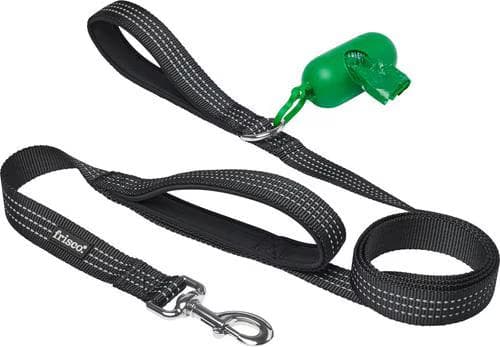
Compare the Frisco Traffic Leash for supervised practice. Check attachment fit and hardware suitability; a lead does not replace training.
Petful may earn a commission when you click through to Chewy, at no extra cost to you.
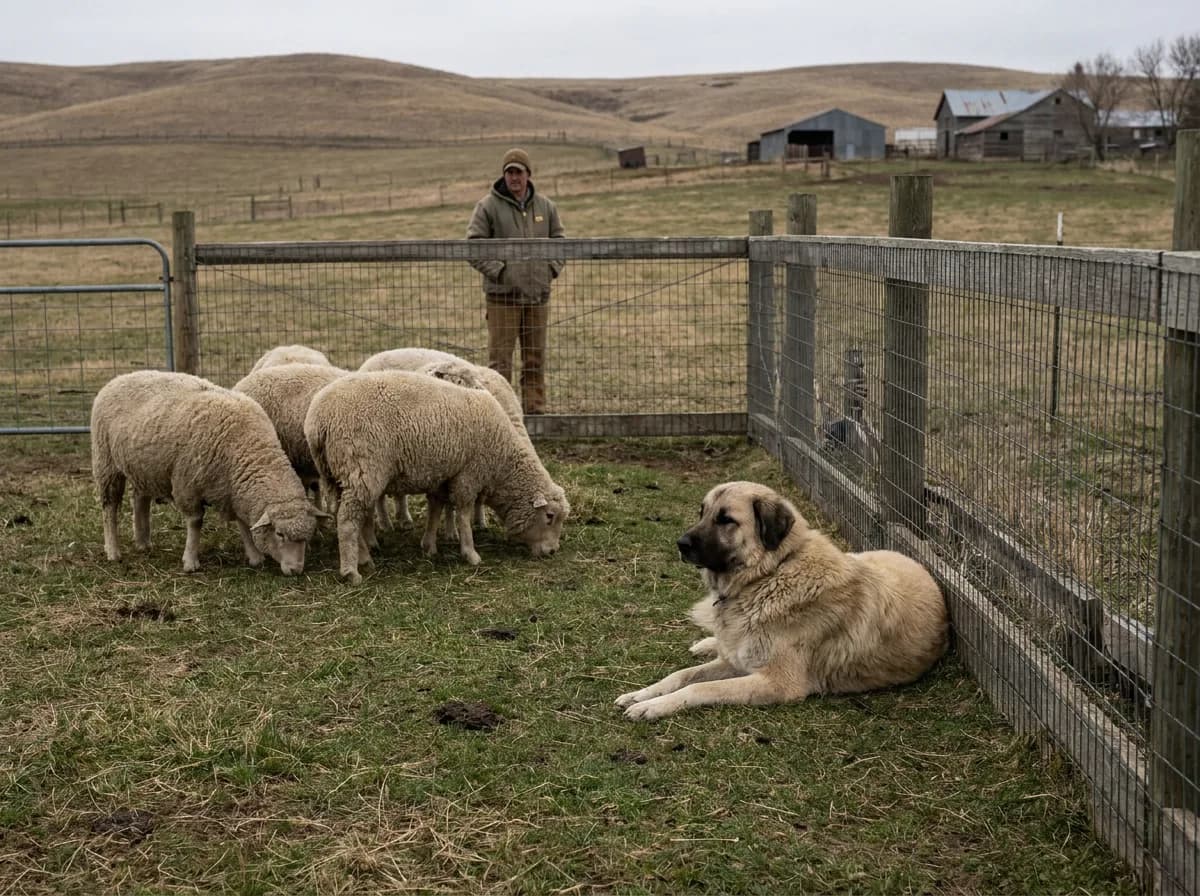
Individual livestock experience matters more than the label alone. Ask which species the dog has lived with, the age and type of animals, what supervision was used, and how its behavior was assessed. A puppy pictured near sheep has not necessarily learned the routines required to work safely around your animals.
An experienced adult also needs a transition plan. New livestock, different handlers, unfamiliar boundaries, and a new group of dogs change the setting. Ask for examples of ordinary work rather than a dramatic account of confronting a predator. Useful observations include settling near the animals, moving calmly through a gate, and responding appropriately during routine handling.
Before introducing a guardian to a working property:
- Identify safe areas for rest and separation.
- Discuss the dog's actual experience with the intended livestock.
- Plan supervised introductions and access.
- Decide who will observe progress and handle problems.
- Arrange guidance from someone with relevant experience.
- Keep physical boundaries and livestock care in place.
Is the Anatolian Shepherd the strongest dog? The available breed standard does not establish a strongest-dog ranking. Physical size, power, endurance, judgment, and response to a situation are different qualities. None provides a reason to provoke an animal or test a dog through confrontation.
For selection, replace that question with a practical one: does this dog's experience and behavior suit the work, and can the people responsible manage it safely? A credible caregiver should be able to discuss limitations as well as strengths. Guardian ancestry does not make a puppy self-training or make an adult reliable in every setting.
Include routine farm access in the plan. A veterinarian, worker, or family member may need to enter an animal area while the guardian is present. Decide how the dog will be moved or separated during those tasks and teach that routine before it is urgently needed. Ask the current caregiver how similar situations are handled. A useful guardian arrangement includes predictable access for people as well as an appropriate relationship between the dog and the stock.
Affection, independence and family life
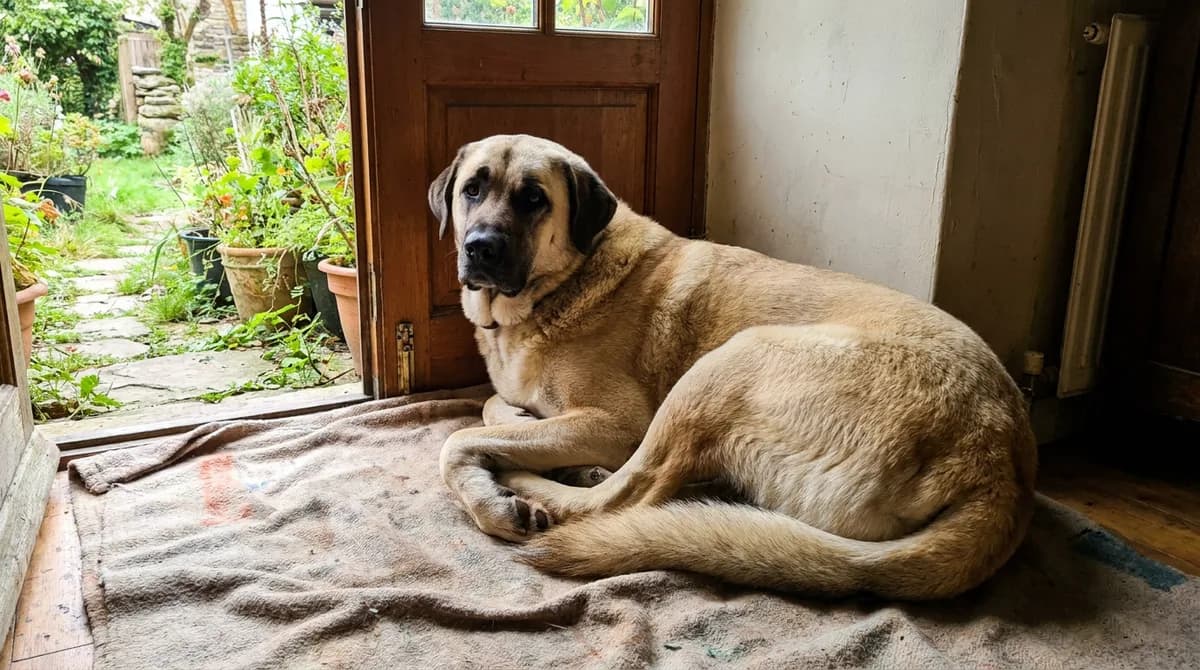
Can Anatolian shepherds be affectionate? Yes, an Anatolian can be attached and affectionate with familiar family members while remaining independent or reserved with strangers. Affection does not have to look like constant cuddling. Quietly choosing to rest nearby or seeking contact at particular times can be part of the relationship.
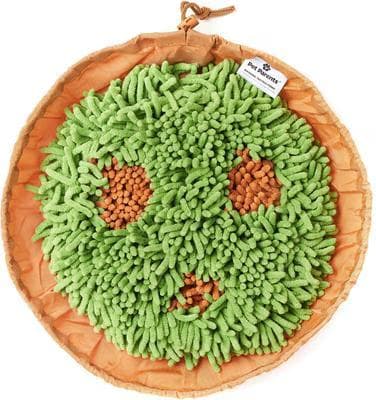
Use the Pet Parents Forager for supervised food searching in a quiet area. Keep activities separate when animals need their own space.
Petful may earn a commission when you click through to Chewy, at no extra cost to you.
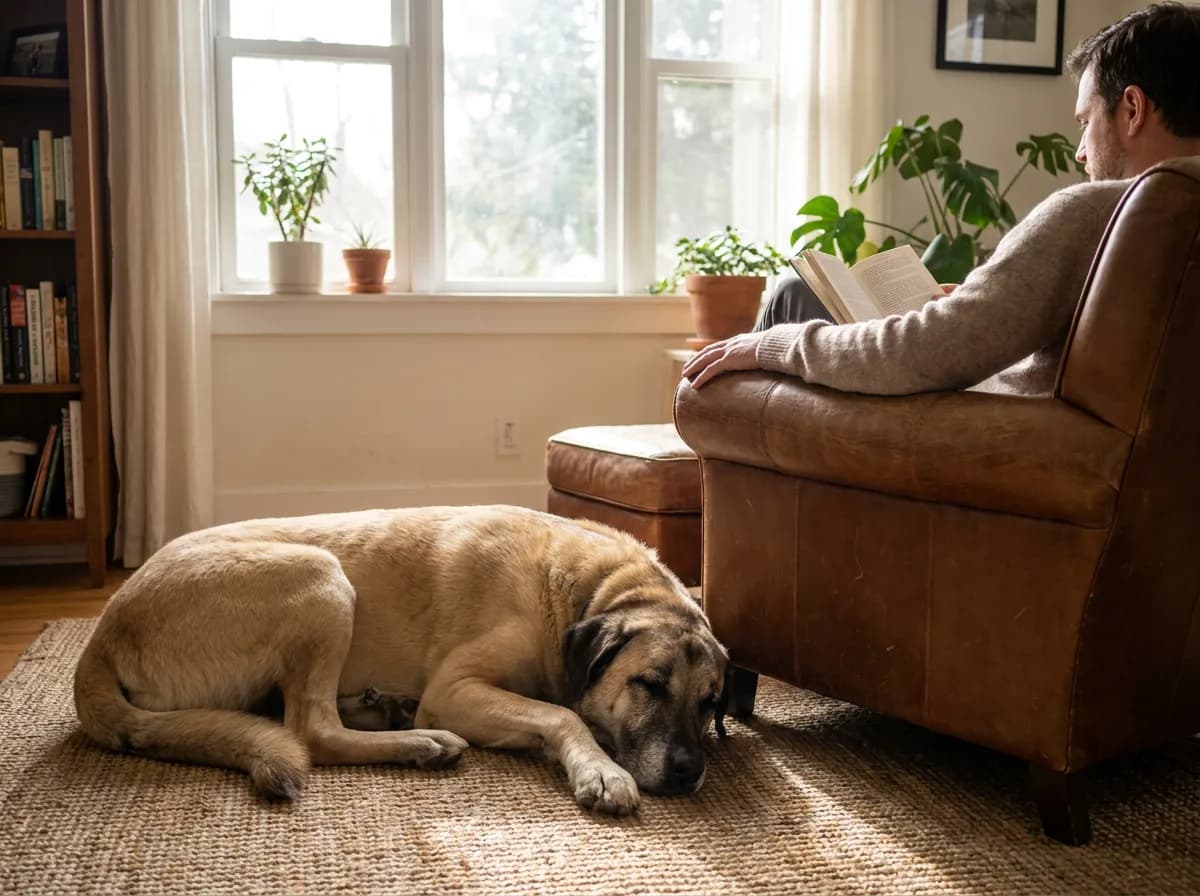
Allow the dog to choose comfortable contact. Do not force hugging or expect a visiting person to receive the same response as a familiar caregiver. Pay attention when the dog moves away, becomes still, or otherwise appears uncomfortable, and give it room rather than insisting that it accept attention.
Children need close adult supervision and simple, consistent rules. A dog that is gentle during one interaction is not a substitute for supervision during another. Busy play, food, sleeping areas, and unfamiliar visiting children create different situations. Adults should manage access rather than expecting either the child or the dog to decide what is safe.
Give family members a shared routine:
- Leave the dog undisturbed while it eats or rests.
- Invite interaction rather than cornering or climbing on the dog.
- Keep children away from gates while an adult manages arrivals.
- Provide a resting area the dog can reach without being followed.
- Use barriers when an adult cannot actively supervise.
- Tell visiting families the rules before they enter.
Indoor life also requires ordinary teaching. Show the dog where to settle, how to move calmly through doors, and how to spend time apart from household activity. A large yard does not teach those skills. Conversely, a dog that settles inside still needs appropriate activity, care, and management of the outside environment.
Make the quiet resting area part of ordinary life rather than a place used only when trouble starts. Give the dog opportunities to settle there while familiar people move around normally. Everyone should understand when to leave it undisturbed. If a child is visiting, an adult can arrange separation before play becomes busy instead of expecting the dog to remain comfortable through increasing noise and movement.
Ask a breeder or rescue how the candidate dog has lived. An adult raised mainly around livestock may have little experience with household surfaces, visitors, or busy indoor routines. That does not justify assuming failure, but it does mean the transition should be planned rather than described as automatic.
Anatolian Shepherd lifespan and health
A change in behavior can accompany a change in comfort or health. If a normally tolerant dog becomes reluctant to be touched or seems unusually irritable, arrange veterinary assessment rather than treating the problem only as disobedience. Our Anatolian Shepherd lifespan and health guide explains the wider care context. Breed temperament does not account for every new behavior, especially when the change is sudden.
Territorial behavior and visitor management
Are Anatolian Shepherds dangerous? Breed identity alone cannot establish whether an individual dog will bite, and it cannot guarantee safety. A large guardian's response to an unfamiliar person can have serious consequences, so assess its history and build a visitor routine that does not depend on hoping the dog will approve. Ask whether the dog has reacted to people entering, approaching a caregiver, reaching toward it, or handling its equipment. Those are different contexts and may need different precautions. Describe any known incident accurately when seeking help; a vague label such as “protective” can conceal the details needed to plan safely.
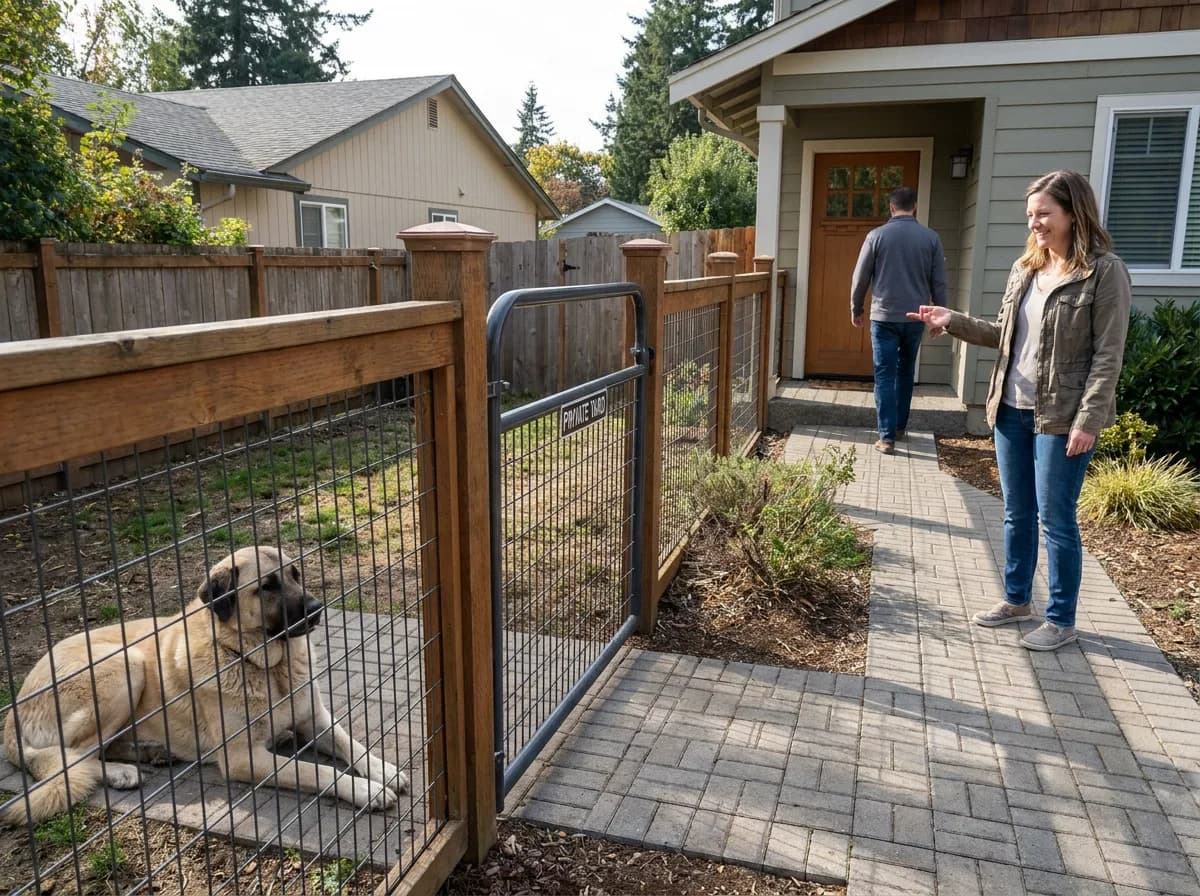
Create a managed visitor route. Decide which entrance people use, where the dog will be before they arrive, and who controls the doors or gates. A delivery driver should not need to negotiate with the dog to reach the front door. A guest should receive instructions before entering rather than being told to “let the dog sort it out.”
Practice the arrangement when no visitor is waiting. Teach the dog to move to its secure area and settle there, and ensure household members can use the barriers reliably. If a visitor is expected, set up before the arrival instead of trying to restrain an excited dog in the doorway.
A workable arrival sequence is straightforward:
- Confirm who is arriving and which entrance they will use.
- Place the dog in the planned secure area.
- Check that doors and gates are closed properly.
- Admit the visitor through the managed route.
- Decide whether any introduction is appropriate for that dog and situation.
- Keep separation if safe, relaxed interaction is uncertain.
An Anatolian Shepherd growl is a warning to take seriously, not a challenge to win. Stop the interaction, create safe distance, and consider what preceded the response. Do not punish the warning or have a stranger continue approaching to prove that nothing bad will happen. A professional can help assess patterns and plan changes without repeated confrontations.
If a dog has bitten, attempted to bite, or repeatedly made it difficult to admit people safely, prevent the situation from recurring and seek veterinary and qualified behavior support. Record the context as accurately as possible: who was present, where the dog was, what happened immediately beforehand, and how the interaction ended. Avoid deliberately recreating the event.
The plan should also cover people the dog knows. Familiarity is not permission for anyone to enter through any gate at any time. Contractors carrying equipment, guests arriving after dark, and relatives accompanied by an unfamiliar dog may create different situations. Consistent entry routines reduce the amount everyone has to improvise.
Other dogs, pets and livestock
Ask about the candidate dog's experience with the animals already in your home. “Good with animals” is too broad to be useful. Living alongside another adult dog, watching poultry through a fence, and sharing space with a cat are different experiences.
For introductions, establish separation options first. Each animal needs a safe area, and people need a way to move them without forcing close contact. Work with the breeder, rescue, or an appropriate professional on a plan matched to the animals involved. Do not assume they should be left to settle a disagreement themselves.
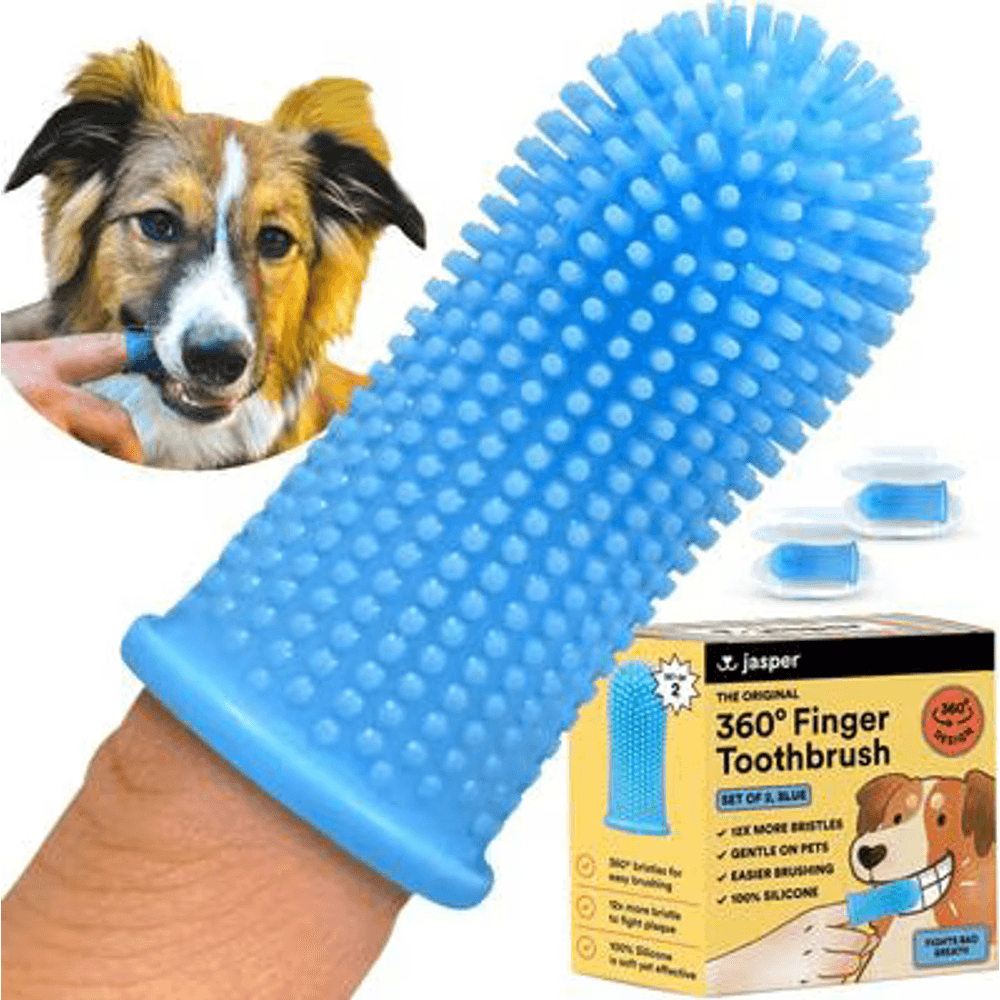
Consider the Jasper 360 finger toothbrush for cooperative oral care. Introduce gentle mouth handling before making brushing a routine.
Petful may earn a commission when you click through to Chewy, at no extra cost to you.
Gather specific history:
- Which animals lived with the dog and for how long.
- Whether interactions were supervised or separated by barriers.
- How food, resting places, and valued objects were managed.
- Any chasing, guarding, conflict, or escape incidents.
- Whether the dog has experienced young or vulnerable livestock.
- What changed when a new animal entered the setting.
After an initially calm meeting, continue observing the animals as routines develop. Shared space, feeding, visitor activity, or access to a favored resting spot may introduce situations that were absent at the first meeting. Progress should follow what you observe, not a calendar that assumes every pair is ready at the same point.
For livestock, do not treat unsupervised access as a way to find out whether the dog is reliable. Maintain appropriate separation and discuss the next step with someone who understands the dog's history and the animals' needs. Protecting vulnerable animals is part of the owner's management responsibility throughout the process.
Resource arrangements deserve their own plan. Provide feeding and resting spaces that let each animal be comfortable without competition, and keep introductions separate from high-value food or exciting play. If one animal repeatedly avoids the other or cannot rest, do not interpret the absence of a fight as proof that the arrangement is working. Review access and seek help before assuming more time together will solve the difficulty. Keep household members informed about what has been observed. Someone who did not witness a tense interaction still needs to know which barrier must stay closed and how animals should be moved. Consistent handling makes the plan usable beyond the person who arranged the first meeting.
Barking, boundaries and neighborhood fit
An Anatolian Shepherd bark can serve an alerting function, but a household still needs to understand and manage the circumstances around it. Barking at a passing dog, delivery activity, or an unfamiliar nighttime sound may have different triggers. Record what the dog notices and what happens next rather than assigning every episode the same cause.
| Behavior trigger | What to observe | Physical boundary or distance | Practical management |
|---|---|---|---|
| Activity at the fence | What passes, how close it comes, and how long the dog stays alert | Secure boundary and a comfortable distance from traffic | Change access, supervise, and reward calm observation |
| Visitor arrival | Response to the gate, door, and unfamiliar person | Separate secure area and managed visitor route | Set up before arrival; avoid forced greeting |
| Unfamiliar animals | Staring, tension, attempts to approach, or inability to settle | Suitable separation and comfortable distance | Use controlled introductions with appropriate guidance |
| Nighttime alerts | Sounds, movement, location, and ability to settle afterward | Secure nighttime arrangement | Identify barking triggers and review the setting |
Do Anatolian Shepherds howl? An individual may howl or use other vocalizations, but the evidence here does not establish how often the breed does so. Ask about the particular dog's habits and context. A new or persistent vocal pattern, especially with signs of distress or discomfort, deserves attention rather than dismissal as a breed quirk.
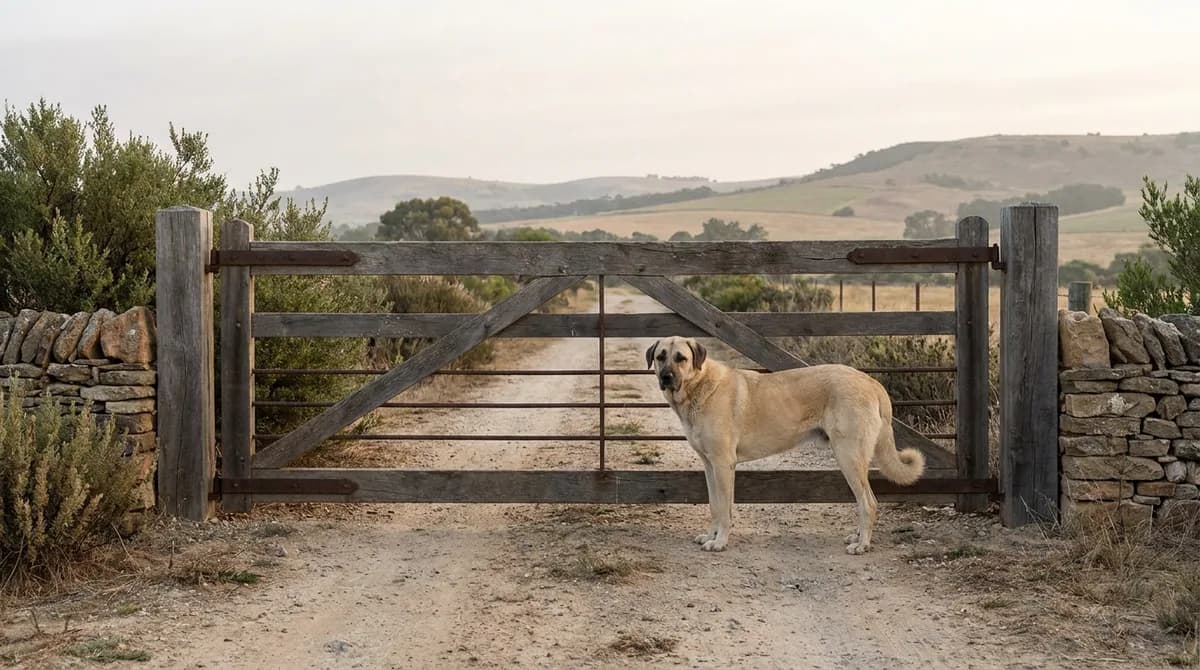
Physical boundaries must work independently of a training cue. Walk the fence line, inspect the base and joins, and check how gates are used. A fence can be intact yet ineffective if family members regularly leave the entrance open. A dog that returns when called in a quiet yard still needs secure containment when something exciting happens outside it.

Compare coverage choices for your pet, then request a quote directly on Lemonade.
- Check a price for your pet
- Review available coverage choices
- See the terms before you decide
Eligibility, waiting periods, limits and exclusions apply.
Petful may earn a commission when you click through to Lemonade, at no extra cost to you.
For neighborhood fit, consider the whole day:
- How often pedestrians or dogs pass the boundary.
- Where delivery vehicles and visitors stop.
- What the dog can see from its usual resting area.
- Where it sleeps and what happens after a nighttime alert.
- Whether someone can supervise and redirect calmly.
- How nearby neighbors may experience the noise.
A quiet food-search activity can be one part of a settled routine when the dog is comfortable. The Pet Parents Forager can hold part of the normal food allowance in a separate, supervised area. It does not resolve fear or territorial behavior by itself. Remove it if the dog starts chewing the material, and keep food activities separate if animals need their own resources.
If the dog cannot settle, repeatedly lunges at the boundary, or seems distressed, increase safety and seek appropriate help. Changing the setting may be necessary alongside training. Repeated exposure at an intensity the dog cannot manage is not the same as useful socialization.
Anatolian Shepherd costs and budgeting
Containment repairs, training support, transport, and care belong in the ownership budget. Our Anatolian Shepherd price guide separates attributed acquisition examples from property-specific and ongoing costs. Get quotes for the actual work your home needs. An inexpensive puppy is not an inexpensive placement if the household lacks the boundaries or support needed to manage it comfortably.
Reward-based training for an independent dog
Training an Anatolian Shepherd starts with understandable tasks and a setting where the dog can succeed. Its guardian background may favor independent decisions, but that does not make learning unnecessary or impossible. Rather than repeating a cue more forcefully, check whether the dog understands the action, can manage the distractions, and finds the reward worthwhile.
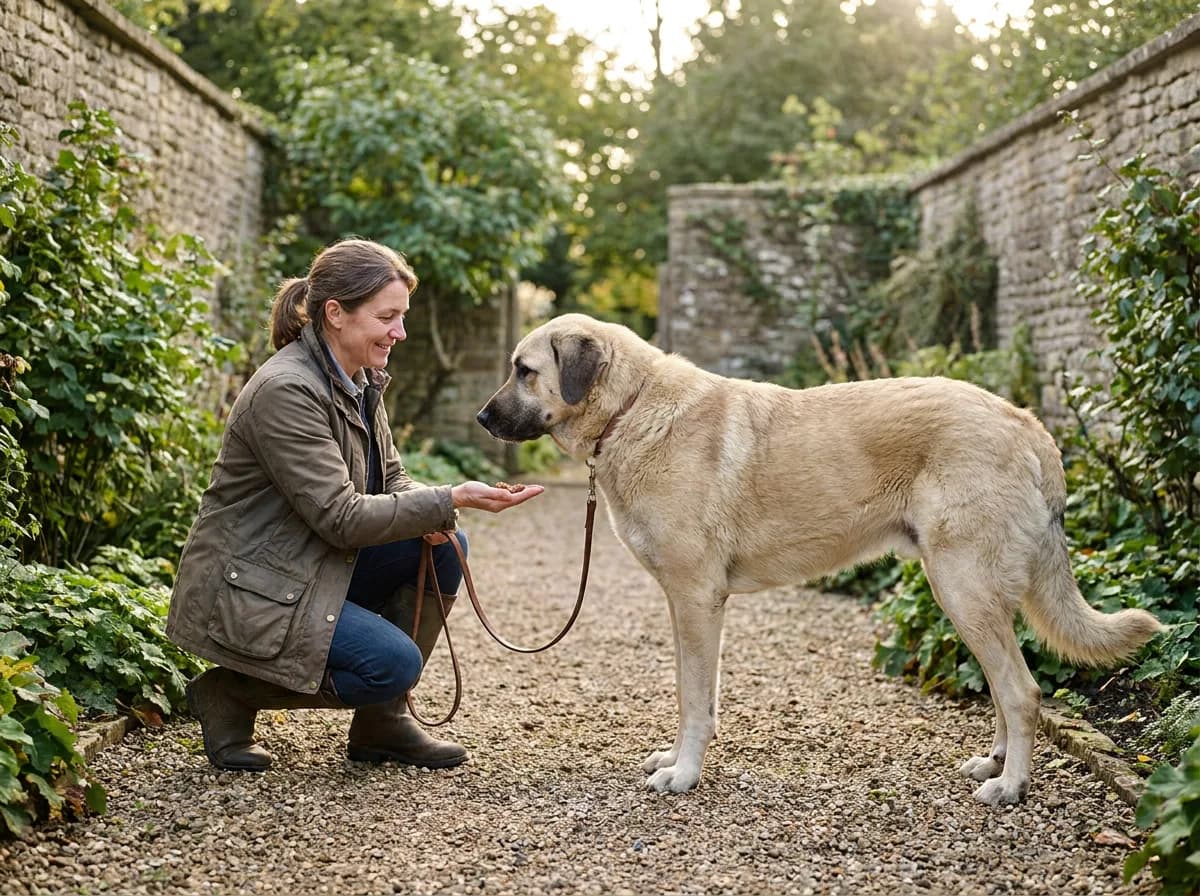
The AVSAB humane training position statement supports reward-based training. Use reinforcement for desired behavior and management to prevent difficult situations while skills develop. Physical intimidation and dominance-based methods are not required by an independent breed.
Choose a small set of useful skills:
- Voluntarily turn attention toward the handler.
- Move with the handler on a loose lead.
- Wait while a gate or door is managed.
- Go to a comfortable resting area.
- Come away from a distraction in a controlled setting.
- Accept brief, gentle handling.
- Release access to a space when guided to another.
Start with a manageable version of the task. For a gate routine, practice when the area is quiet before adding a familiar helper, then more realistic distractions as the dog succeeds. Reward calm observation at a comfortable distance rather than insisting on a close greeting. Progress should reflect the dog's response, not a deadline.
Socialization means learning about people, animals, places, and handling through appropriate experiences. It does not mean forcing an uncertain puppy or adult into every encounter. Make observations that help you adjust the next session:
- Setting: Note where you practiced and what people, animals, or sounds were present.
- Distance: Start far enough away that the dog can observe comfortably rather than requiring a close interaction.
- Response: Watch whether the dog can turn attention back to you and settle, or remains tense and preoccupied.
- Next step: Repeat a manageable version, take a break, or obtain help instead of automatically increasing difficulty.
Keep the aim specific. A calm pause while a familiar helper opens a gate is one useful success; it is not proof that the dog is ready for an unfamiliar visitor to enter freely. Change one part of the exercise at a time when practical, and continue using physical boundaries while learning develops. WebVet's dog training schedule can help organize regular practice around daily routines. Keep sessions manageable and end before either dog or handler becomes frustrated. Track what the dog can do in each setting so a behavior learned in the kitchen is not mistaken for a fully practiced skill at the front gate. For rewards, consider what motivates the individual while keeping food within the daily allowance. WebVet's guide to dog training treats discusses practical options. The reward should support the task; it should not be used to lure an uncomfortable dog into contact it would otherwise avoid.
The Frisco Traffic Leash is one fixed-length option for supervised practice. Check fit, attachment, and hardware suitability, and keep the lead loose when the exercise allows. An extra handle is not a substitute for teaching the dog how to move with you. Cooperative care is another useful training goal. A Jasper 360 finger toothbrush may suit a dog comfortable with gentle mouth handling. Introduce touching and brief handling separately from a full brushing session, follow veterinary guidance, and avoid turning oral care into a struggle.
Do not rely on an Anatolian Shepherd intelligence ranking, including a purported female ranking, to choose training methods. Obedience performance measures a particular task under particular conditions; it is not a complete measure of intelligence. Record the skills your dog needs and how it responds to teaching instead of trying to assign it a place in a breed league table.
Is this breed right for your household?
Household suitability depends on the actual dog and the care available. Can an Anatolian Shepherd be a house dog? Some can live successfully as companions when their needs and the household's routines fit. Is an Anatolian Shepherd a good family dog? That depends on the individual dog, supervision, visitor management, other animals, and the adults' ability to provide consistent care. Neither answer follows from affection alone.
| Decision area | Questions to answer before placement |
|---|---|
| Visitor management | Who controls arrivals, and where can the dog stay securely separated? |
| Nearby neighbors | What activity may trigger alerts, and how will noise and boundaries be managed? |
| Other animals | What history is documented, and what introduction and separation options exist? |
| Physical containment | Are the fence, gates, and household barriers suitable for the individual? |
| Handling capacity | Can responsible adults manage transport, appointments, and everyday movement? |
| Daily care | Who provides training, activity, grooming, and comfortable rest? |
| Professional support | Is qualified help accessible if behavior or health needs change? |
A household with frequent unplanned visitors may need a more formal entry routine than one with predictable arrivals. A working property may need separate handling arrangements for livestock and the guardian. Neither setting is automatically suitable just because it is rural, spacious, or experienced with other breeds.
Before committing, have every regular caregiver agree on the dog's role and routines. Ask the breeder or rescue what support is available, which behaviors are known, and what remains uncertain. A responsible decision may be to choose a different individual if the candidate's needs do not match what the household can sustain.
If insurance is part of the plan, request a personalized Lemonade quote and describe the dog's circumstances accurately. Confirm eligibility and terms, including any relevant working role. Do not assume that a policy covers every veterinary expense or every use of a guardian dog.
Anatolian Shepherd size and measurements
Handling plans need to work for the adult, not only for the puppy you can carry now. Our Anatolian Shepherd size guide explains the standard's adult measurements and individual equipment fit. Size does not determine temperament, but it affects the consequences of rushing a doorway, pulling on a lead, or needing assistance with transport. Plan those practical details before the dog reaches maturity.
Related breeds, mixes and comparisons
What are some popular large Turkish dog breeds? Anatolian Shepherd and Kangal are two names you may encounter when researching large Turkish guardians. This guide does not establish a popularity ranking. Registry terminology matters: the UKC has a Kangal Dog standard, while the AKC publishes the Anatolian Shepherd standard. Do not assume every seller uses those names as universal synonyms.
Breed labels can guide further questions, but they should not replace records or an individual assessment. Ask which registry or ancestry information the caregiver means and what is actually known about the dog. Appearance and a persuasive name cannot establish behavior, working experience, or compatibility with your household.
Anatolian Shepherd mixes and ancestry
There is no verified average lifespan that applies to every Anatolian Shepherd mix. Different ancestry and individual health histories make a single number misleading. Our Anatolian Shepherd mix guide explains known parentage, appearance-based guesses, and practical adoption questions. Do not assume a mix will have a milder temperament or a predictable combination of parental traits; evaluate its observed behavior and needs.
Comparing Anatolian Shepherds and Great Pyrenees
Which is better, Great Pyrenees or Anatolian Shepherd? The useful choice depends on the candidate dogs and the home or farm, not an overall winner. Our Anatolian Shepherd versus Great Pyrenees comparison compares standards, coats, guardian work, and property requirements. Both deserve an assessment of handling, visitors, other animals, and documented experience rather than a simple friendly-versus-protective label.
Anatolian Shepherd temperament questions
They can learn and make independent decisions, traits relevant to guardian work. Independent intelligence may not look like constant eagerness to repeat a command. Obedience is not an IQ score; assess the dog's skills, motivation, and learning conditions instead.
Neither sex is universally better. Individual temperament and household compatibility matter more than a simple male or female preference. Consider the candidate's history, behavior, health, size, and relationships with any animals already in the home.
Some can. History and careful introductions help assess the pairing, while separate resources and safe separation remain useful. Compatibility is individual, and a calm first meeting does not establish that the dogs can immediately share everything unsupervised.
A guarding tendency is not a protection guarantee. Choose a dog for a suitable household or working role, with no guarantee or attack training attached. Manage boundaries and visitors rather than expecting the dog to judge every situation safely.

Coreen Saito is a pet writer and longtime shelter volunteer with more than a decade in animal rescue. She covers cat behavior, breed care, and the small, ordinary science of sharing a life with companion animals, with a particular focus on honest takes about the products and decisions that actually matter. At home in Arizona, she's outranked by Mac (a dog with the loudest opinion in the house), Rebel (a cat who governs by quiet authority), and Meri (an orange tabby who runs the late shift and the laundry basket). She writes about all three, plus the rescues that keep coming through her life, at LifeWithMinty.com.
Sign up for expert-backed reviews and safety alerts all in one place.