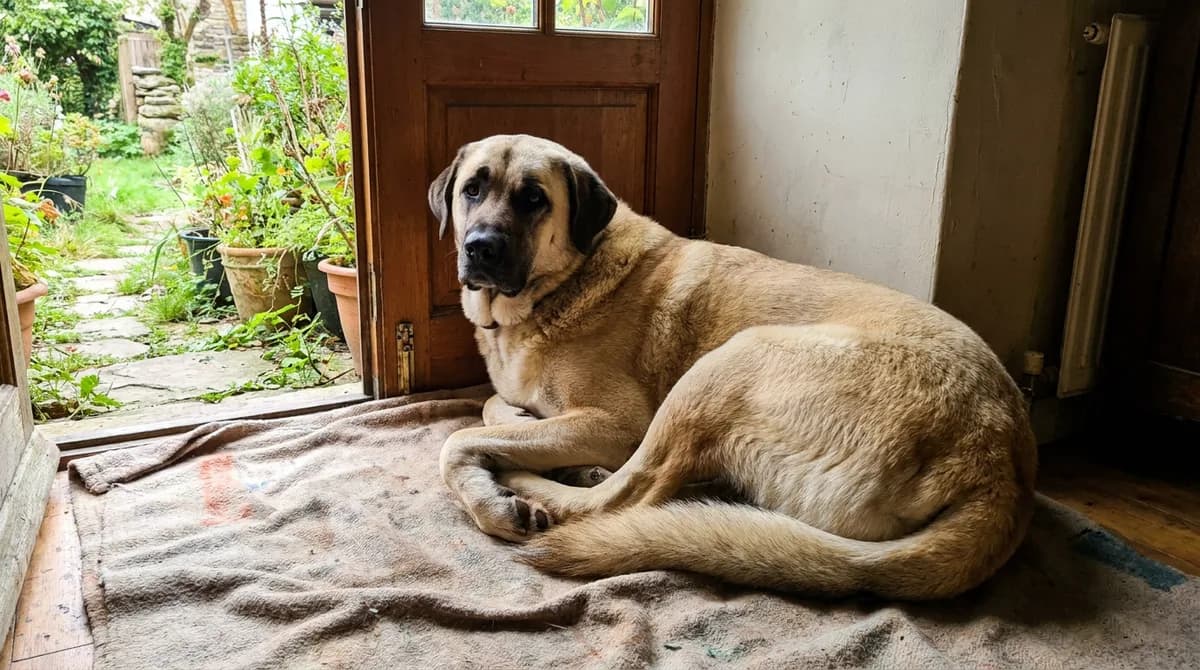
Anatolian Shepherd Size: Adult Height, Weight and Growth
An adult Anatolian needs more than a large bed. Learn what the breed standard actually says, how to measure your dog, and how to plan feeding, transport, and everyday space around the individual.
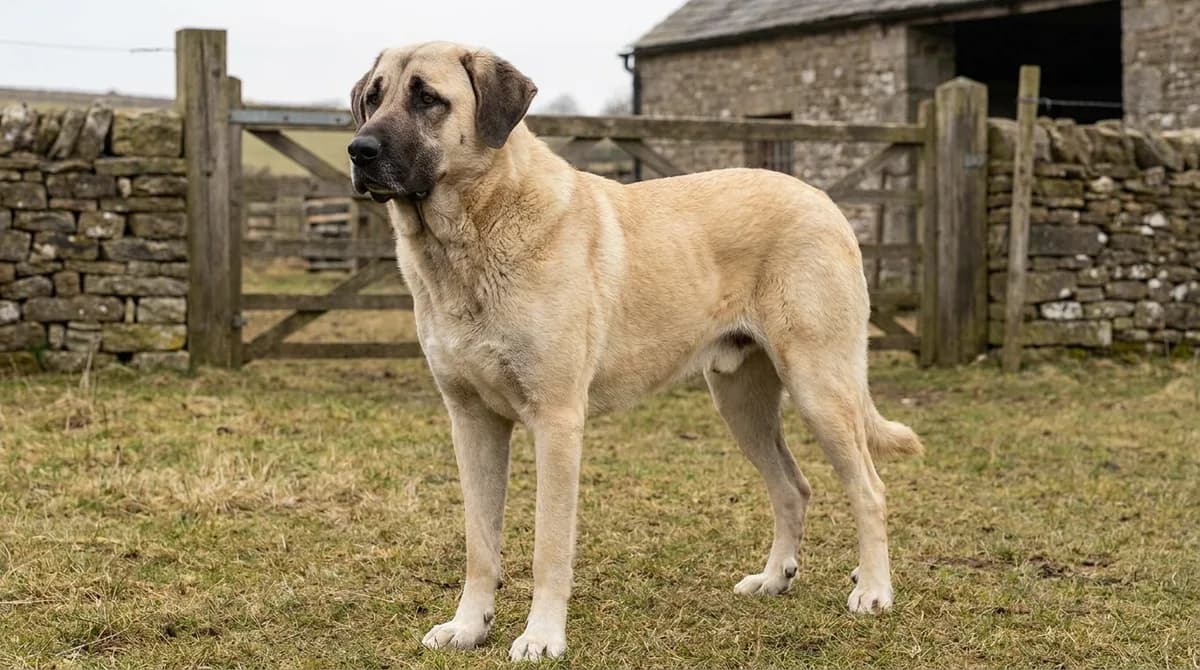
Adult measurements provide context; equipment still needs to fit the individual.
Petful is reader supported. As an affiliate of platforms like Amazon and Chewy, we may earn a commission when you buy through links on this page. There is no extra cost to you.
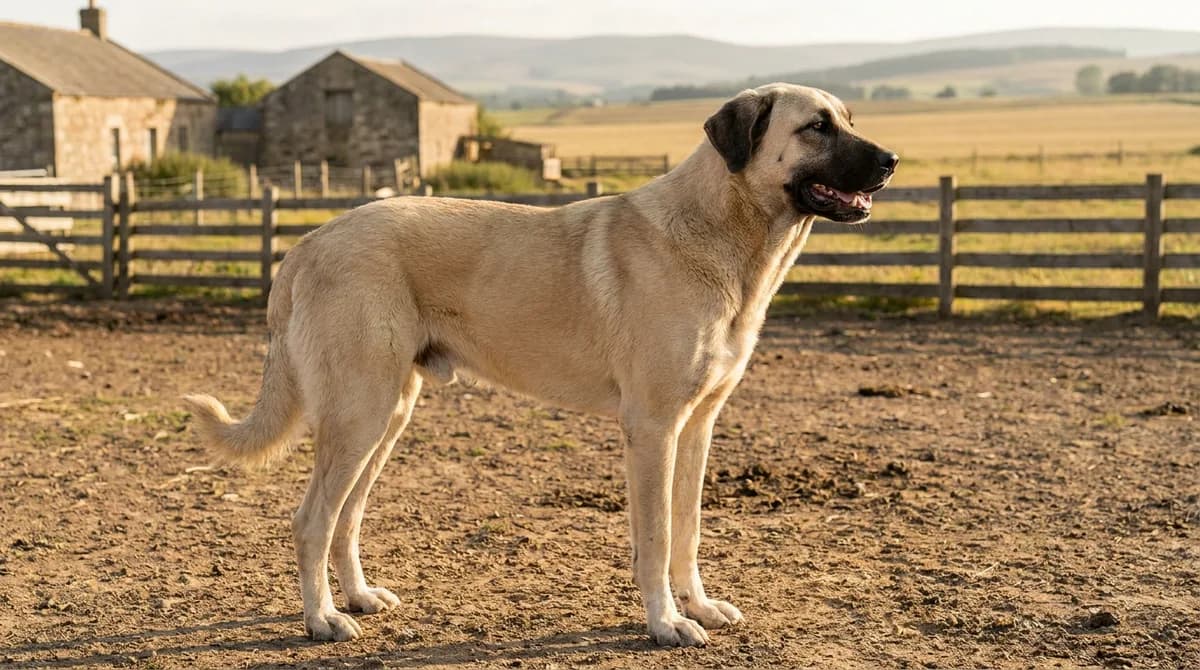
Anatolian Shepherd size is substantial, but the numbers need context. The AKC breed standard describes males from 29 inches and 110–150 pounds and females from 27 inches and 80–120 pounds, for dogs two years of age or older. Those heights are measured at the shoulder.
Use those figures for human context and handling preparation, then measure the individual dog. A full-grown Anatolian's comfort in a vehicle, healthy weight, and equipment fit cannot be decided from sex or a photograph alone.

Sign up for expert-backed reviews and safety alerts all in one place.
How big is a full-grown Anatolian Shepherd?
An adult Anatolian Shepherd is a large livestock guardian with enough height and weight to make everyday handling a practical consideration. The male and female ranges overlap in weight, so a female is not automatically a small alternative to a male. Neither sex should be selected on the assumption that the dog will finish at the lowest published figure.
The largest Anatolian Shepherd in a social-media post is not a useful target for your puppy. A credible “biggest dog” claim needs an identified animal, a dated measurement, and a clear method. Height, weight, and overall visual bulk are different claims. Without that documentation, an impressive photograph establishes appearance, not a verified size record.
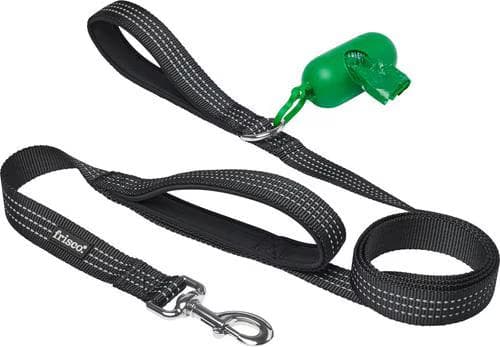
Compare the Frisco Traffic Leash for supervised handling. Check attachment fit and hardware suitability for your individual dog.
Petful may earn a commission when you click through to Chewy, at no extra cost to you.
Plan for the adult's actual needs before bringing a puppy home:
- An adult handler must be able to manage the dog at doorways and appointments.
- Sleeping space must allow comfortable changes of position.
- Transport must accommodate the dog's body and the chosen restraint.
- Household routines must work when the puppy can no longer be carried.
Anatolian Shepherd breed overview
Size developed alongside a working role: the Anatolian protected livestock rather than simply moving animals on command. Independence and watchfulness can suit that work, while creating demands for household management. The advantages include a devoted guardian; the challenges include containment, visitor routines, and consistent training. Our Anatolian Shepherd breed overview explains those tradeoffs, history, coat care, and choosing a suitable dog.
Male and female measurements in the breed standard
The official AKC Anatolian Shepherd standard provides the reference below. Its male and female adult standards apply at age two or older. “From” matters: 29 and 27 inches are starting heights in that description, not maximum heights or a promise that every dog will measure exactly that much.
| Standard category | Shoulder height | Weight | Qualification |
|---|---|---|---|
| Male measurements | From 29 inches | 110–150 pounds | Age two or older; measure at withers |
| Female measurements | From 27 inches | 80–120 pounds | Age two or older; measure at withers |
The weight ranges describe breed-standard size and weight, not a prescribed weight for every frame. A male at the lower end of the range does not automatically need extra food, and a female near the upper end is not automatically overweight. Those decisions require body condition, muscle, health, and an examination of the individual.
When comparing two sources, check what each number represents. An average from measured dogs, a breed-standard description, an individual owner's report, and an estimate on a puppy listing are different kinds of information. A range without an age or measurement method is less useful for assessing your own dog.
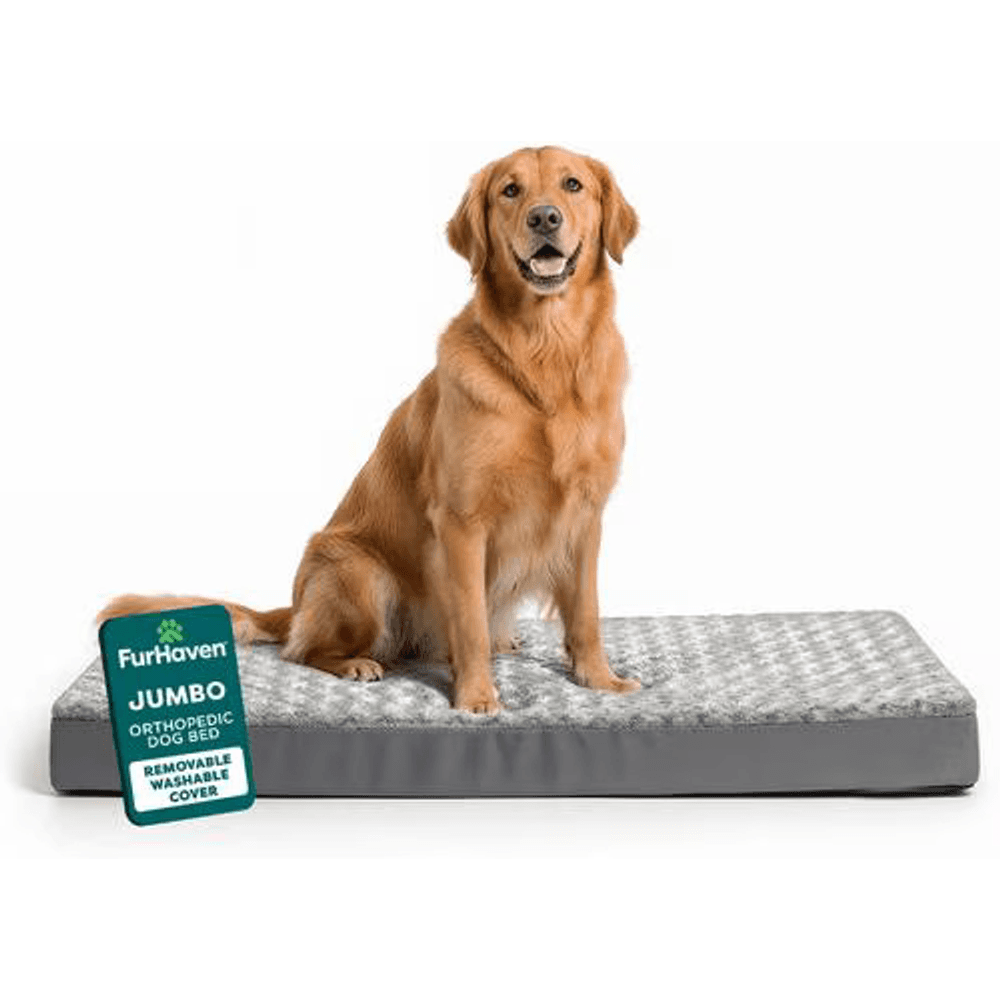
Consider the FurHaven NAP bed only after comparing usable dimensions and support limits with your dog's measured resting space.
Petful may earn a commission when you click through to Chewy, at no extra cost to you.
How to measure height and weight
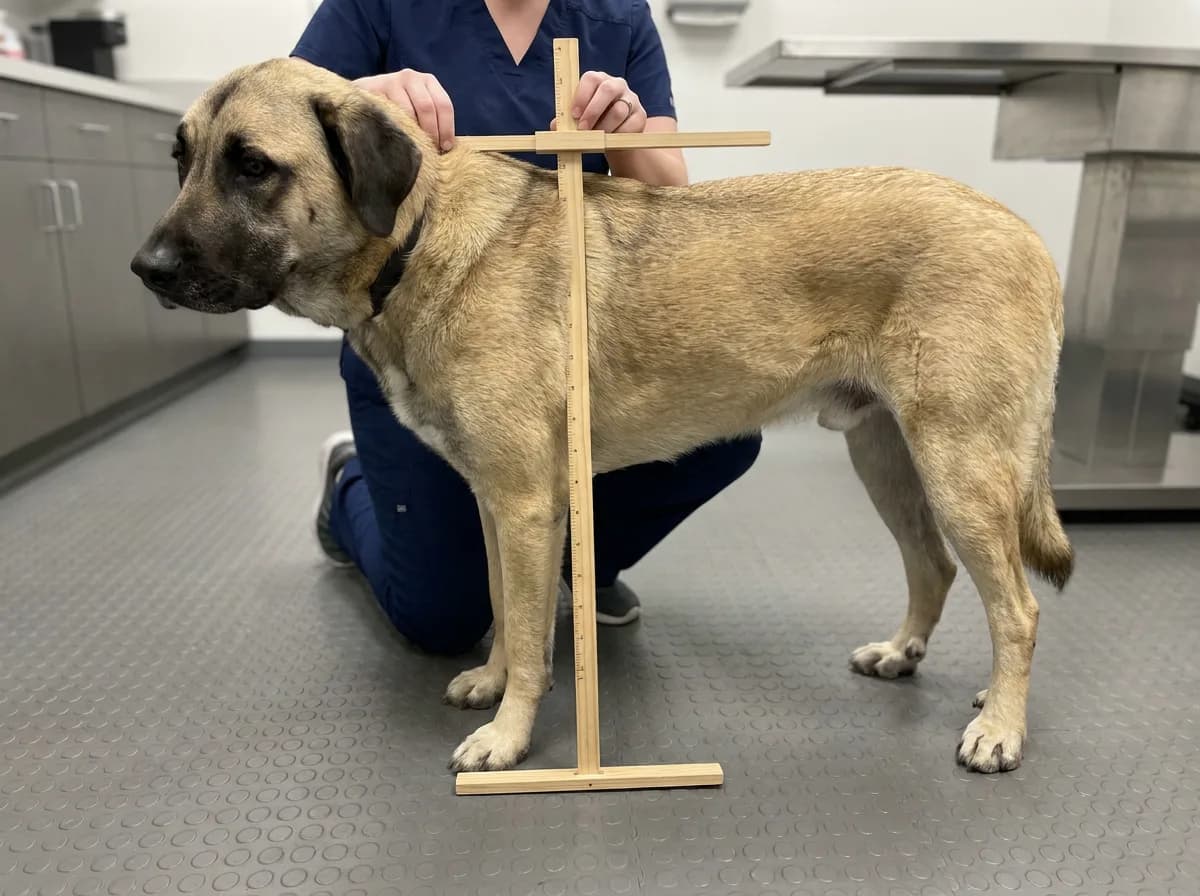
Measure height at the shoulder, specifically the withers: the high point over the shoulder blades where the neck meets the back. Use a level, nonslip surface and a relaxed dog standing naturally on all four feet. A vertical measuring stick with a level horizontal arm makes the reference point easier to repeat.
- Let the dog settle into a balanced stance rather than stretching forward for food.
- Place the stick upright beside the shoulder, with its base on the same floor as the feet.
- Bring the horizontal arm gently to the withers without pressing the dog down.
- Read the vertical distance from the floor and record the units.
- Repeat after the dog resettles if the first reading involved movement.
For weight, arrange access to a suitable veterinary or other dog scale. Record whether the dog wore equipment and try to use comparable weighing conditions each time. A collar, harness, shifting stance, or a different scale can complicate small comparisons. Do not try to lift an adult Anatolian onto a household scale.
Keep height and weight in separate columns. A number that changes unexpectedly deserves a repeat measurement before you interpret it as growth or weight loss. If the dog dislikes the equipment, practice calm approaches and brief pauses with rewards rather than forcing a prolonged standing position. Accurate records depend on a safe, repeatable process.
Puppy growth and adult maturity
An eight-week-old Anatolian Shepherd is at the beginning of a long development period. The adult standard cannot tell you precisely what that puppy should weigh today. The same applies to a two-month-old or three-month-old puppy: age helps organize the record, but it does not supply a validated breed-specific target.
If your Anatolian is four months old, then five or six months old, compare the new measurement with that puppy's earlier records and veterinary assessment. Littermates need not grow at identical rates. A photograph of another puppy of the same age is especially weak evidence because posture, coat, distance, and ancestry can all differ.
| Record date | Recorded age | Measured weight | Body condition | Veterinary notes |
|---|---|---|---|---|
| Each weighing date | Exact age when known | Scale reading and units | Assessment discussed with your veterinarian | Feeding plan, movement concerns, or follow-up |
| Next comparable weighing | Updated age | New measured weight | Changes from the previous assessment | Questions to discuss at the next visit |
Use this as an Anatolian Shepherd puppy weight chart filled with your dog's measurements, rather than a schedule of numbers to achieve. Record the food, amount offered, appetite, and any change in activity alongside the basic fields. That context helps a veterinarian interpret a change in growth more usefully than a weight in isolation.
There is also a distinction between the standard's age-two qualification and adult maturity. The Anatolian Shepherd Dog Club of America discusses full maturity around age three. A standard describing measurements at two years does not say every part of physical or behavioral development ends on that birthday.
Bring specific observations to growth appointments:
- A trend in weight recorded on comparable scales.
- Any limping, reluctance to move, or difficulty rising.
- A change in appetite, stool, or usual activity.
- The current food label and measured daily amount.
- Questions about the timing of adult-food changes and exercise progression.
Healthy condition and feeding during growth
What is the best diet for an Anatolian Shepherd? The useful choice is a nutritionally complete food appropriate to the dog's life stage and expected adult size, with a feeding amount adjusted to the individual. For a growing puppy, ask your veterinarian to confirm that the food is suitable for large-dog growth. No single recipe or fixed cup amount can be best for every puppy and adult.

Use part of the normal food allowance in the Pet Parents Forager for supervised searching. It adds activity without requiring extra treats.
Petful may earn a commission when you click through to Chewy, at no extra cost to you.
Choose body condition rather than maximum weight as the goal. Feeding extra to reach the top of a breed range confuses mass with healthy development. Your veterinarian can assess the dog hands-on and help you adjust intake as growth, activity, and condition change.
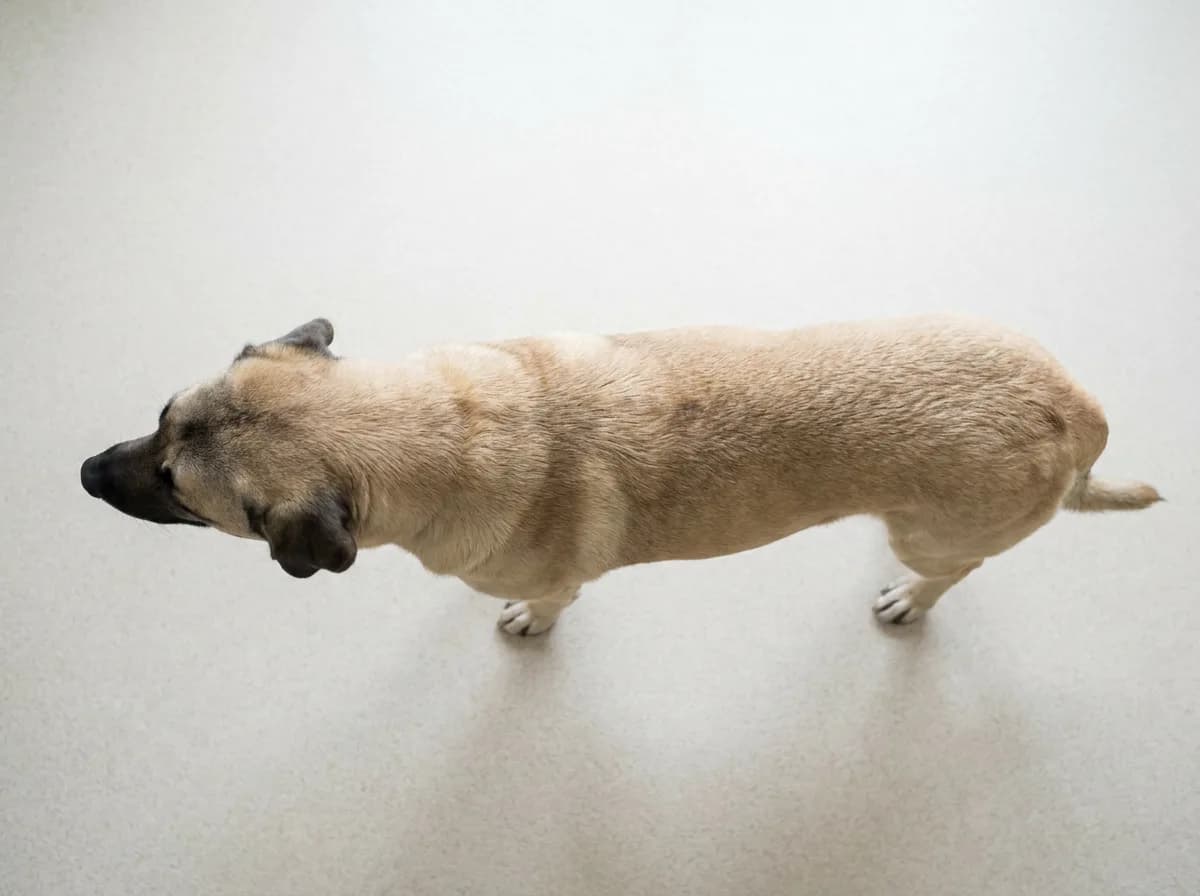
An overhead view can help you notice the waist behind the rib cage, but a double coat can hide the outline. Looking is only one part of assessment. Ask your veterinarian to demonstrate how to feel the ribs and evaluate condition on your particular dog, rather than deciding from an online photograph.
Track the whole feeding routine, including rewards offered by different people. WebVet's guide to dog training treats can help you think about rewards as part of intake. If you use a Pet Parents Forager, set aside some of the normal food allowance and supervise the activity. Remove it if the dog starts chewing the material.
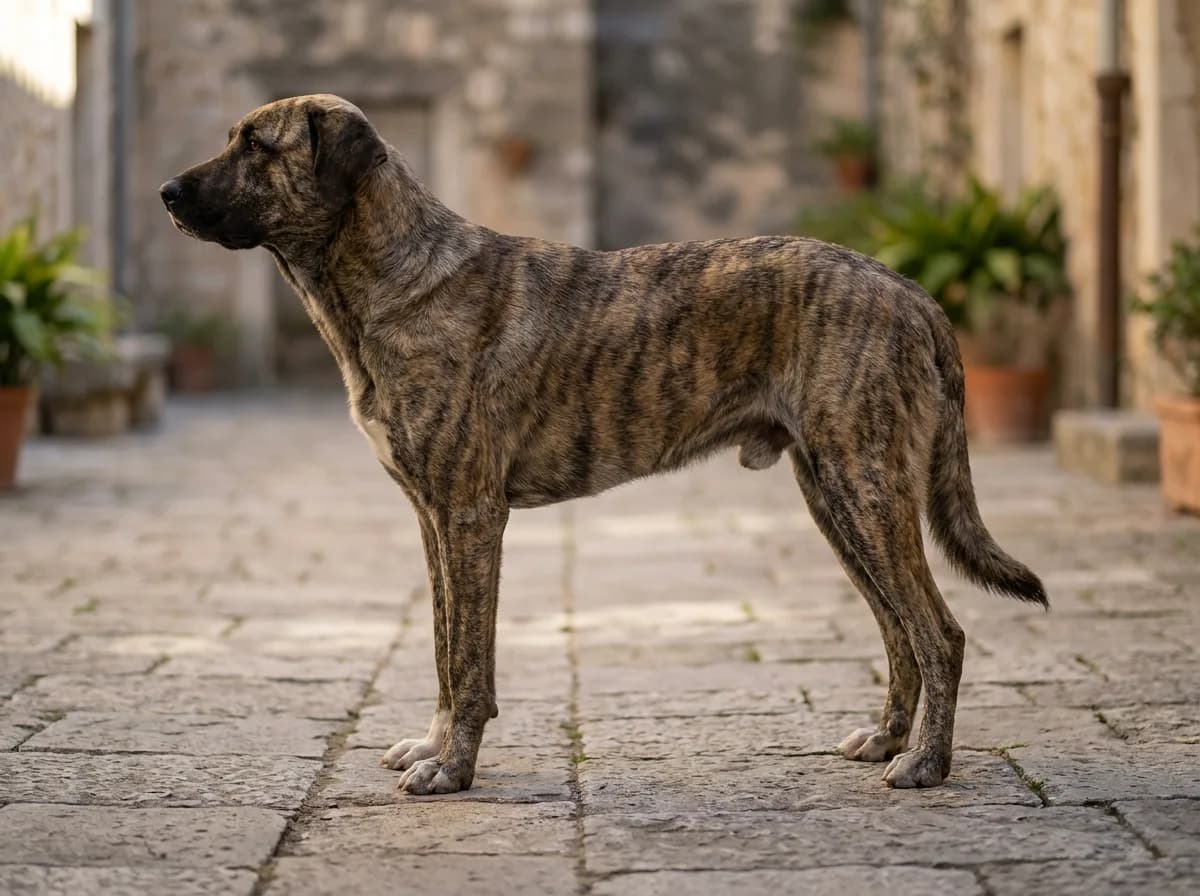
A separate side view shows the frame and abdominal outline, but it still cannot diagnose excess weight, inadequate nutrition, or an orthopedic problem. Compare observations over time and ask about changes in comfort or movement. An adult who becomes less active may need a different feeding plan even when the breed-standard range stays the same.
If growth seems to stall or weight changes unexpectedly, the next step is assessment rather than adding supplements or sharply restricting food yourself. Our Anatolian Shepherd lifespan and health guide explains the broader care context. Size is one part of health; it cannot establish whether an individual dog is well.
Size beside people and other large dogs
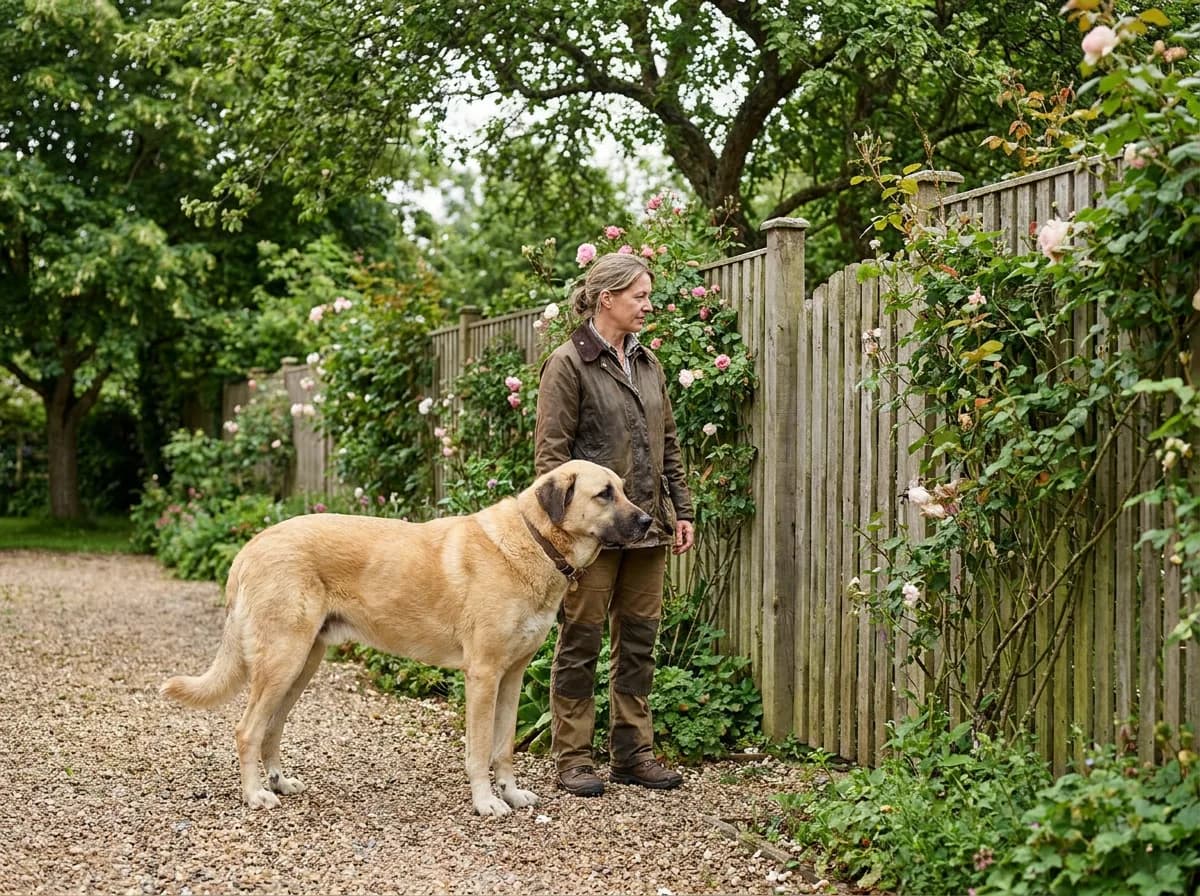
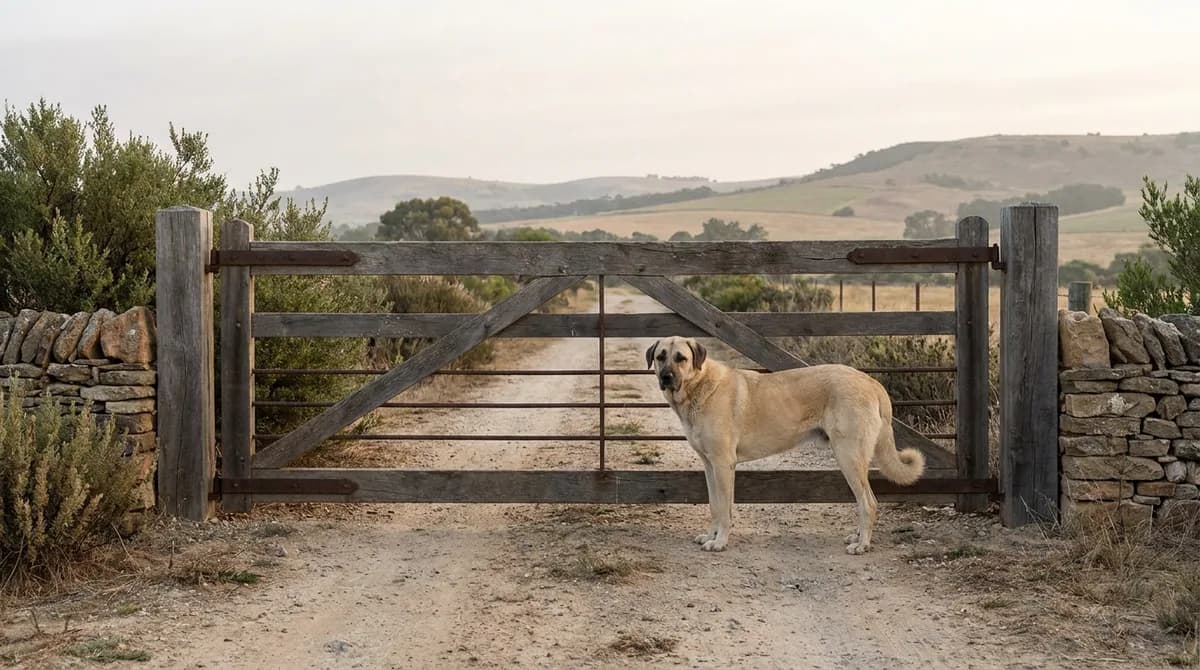
An Anatolian Shepherd next to a human can look strikingly large, but the comparison is only useful when both stand on the same ground plane. A dog closer to the camera appears larger. A crouching person, a raised surface, or an upward camera angle can exaggerate the impression further.
For a practical Anatolian Shepherd size comparison, picture the dog's shoulder height beside a doorway or piece of furniture you can actually measure. Then consider body length and turning room separately. Reaching a particular point on a person's leg does not tell you whether the dog fits comfortably in a vehicle or can turn inside a crate.

Compare coverage choices for your pet, then request a quote directly on Lemonade.
- Check a price for your pet
- Review available coverage choices
- See the terms before you decide
Eligibility, waiting periods, limits and exclusions apply.
Petful may earn a commission when you click through to Lemonade, at no extra cost to you.
What is the largest shepherd breed? There is no single answer without defining “largest” and deciding which breeds count as shepherds. Maximum reported weight, typical adult height, and an official standard produce different comparisons. Anatolians are substantial guardians, but this evidence does not establish them as the universal largest shepherd breed.
An Anatolian Shepherd versus German Shepherd size comparison generally favors the Anatolian for height. The Anatolian standard gives 29 inches for males and 27 inches for females at two years or older. The AKC German Shepherd standard gives desired shoulder heights of 24–26 inches for males and 22–24 inches for females. These are breed-standard measurements, not guarantees for every dog. Measure the actual adult when fitting equipment.
Comparing Anatolian Shepherds and Great Pyrenees
The Great Pyrenees standard describes males at 27–32 inches and females at 25–29 inches. That allows overlap with Anatolian shoulder heights; a heavier-looking coat does not settle which individual is larger. Our Anatolian Shepherd versus Great Pyrenees comparison connects size with coat care, guardian behavior, and household needs rather than declaring one breed the automatic better choice.
Space, transport and equipment for an adult dog
Measure the space the dog uses, not just the length printed on a product label. A sleeping dog may curl up at first and stretch out later. A vehicle opening can be tall enough while the area beyond it is too short for a comfortable resting position. Try the arrangement while the vehicle is parked before depending on it for a trip.
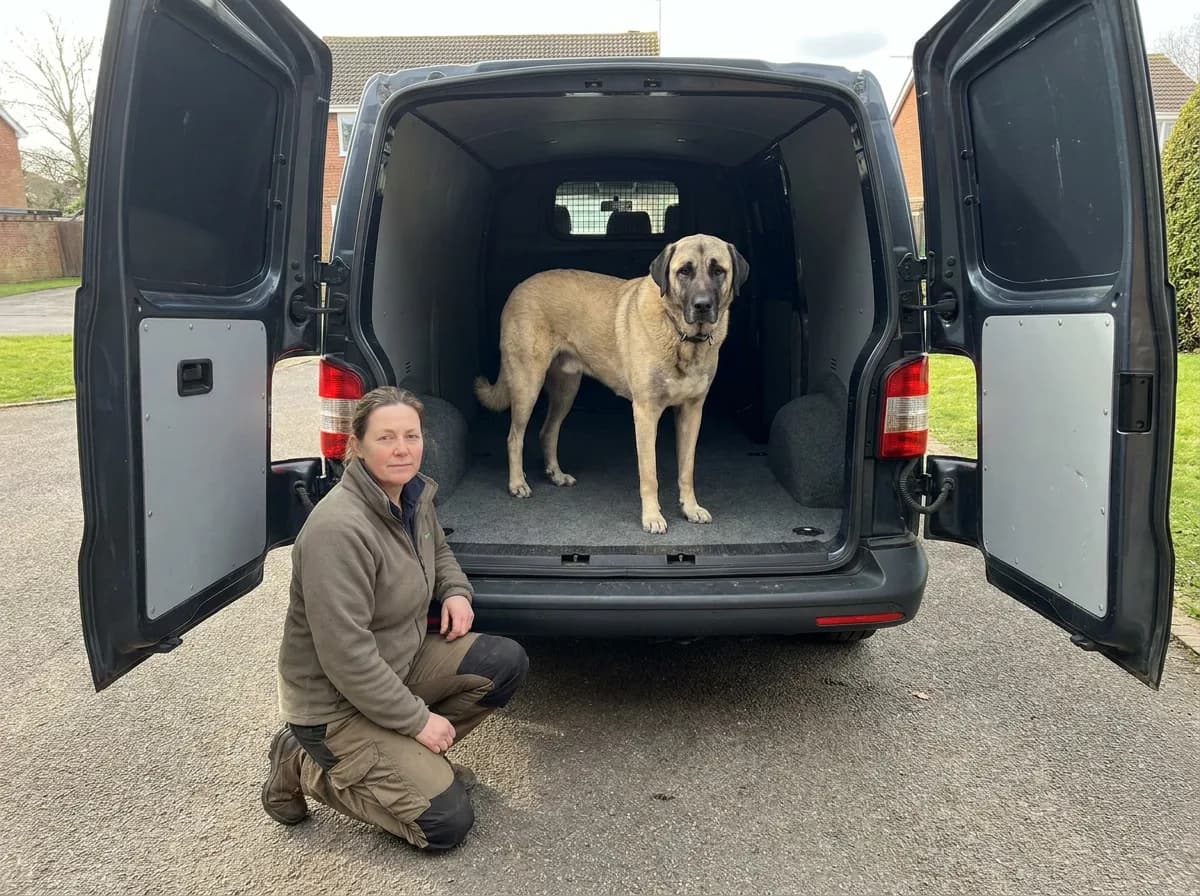
For transport, consider the dog's entry route, usable interior area, and compatible restraint together. The space must allow an appropriate posture without placing the dog against luggage or interfering with the driver. A roomy loading area in a photograph does not prove crash protection; evaluate the specific restraint separately.
Use measurements and manufacturer instructions to check each purchase:
- Beds: Compare the usable sleep surface with the dog's stretched and curled positions, plus the stated support limit.
- Crates: Check standing, turning, and lying space, door clearance, and the manufacturer's sizing guidance.
- Harnesses and collars: Measure the specified body locations and recheck adjustment as the puppy grows.
- Leashes: Assess the attachment, hardware, condition, and whether the handler can use the arrangement comfortably.
- Access aids: Check the vehicle opening, stable footing, and suitability for the dog's weight and movement.
The Frisco Traffic Leash is a fixed-length handling option to compare for supervised outings. Its extra handle does not replace loose-leash practice or guarantee control of a powerful dog. The attachment point and the rest of the equipment still need to suit the individual.
For rest, compare the FurHaven NAP bed against your dog's measurements and the current product specifications. “Jumbo” is a size name, not proof of fit for a 150-pound Anatolian. A bed that accommodates a curled dog may leave legs or part of the body unsupported when the dog stretches.
For an older dog, easy access may become as important as surface area. WebVet's guide to helping a senior dog with joint pain discusses comfort considerations. A dog newly reluctant to climb into a vehicle needs an assessment, not simply a stronger push or pull.
Anatolian Shepherd costs and budgeting
Large equipment can affect the initial shopping list, while replacement gear, food, and veterinary care affect the ongoing budget. Our Anatolian Shepherd price and budgeting guide separates acquisition examples from recurring expenses. If insurance is part of your plan, request a personalized Lemonade quote using the actual dog's information. Check eligibility and terms, including any relevant working role, rather than assuming a breed label establishes coverage.
Temperament and mixed-breed differences
A size table tells you how much dog you may need to accommodate. It does not answer whether that dog is a suitable companion for your household or can safely work around your animals. The same adult weight can belong to individuals with very different handling histories, comfort around visitors, and responses to other dogs.
The Anatolian Shepherd profile outlines the breed's practical pros and cons. An independent guardian may suit an appropriately managed working home while demanding routines another household cannot provide. Plan containment and introductions before arrival, not after the puppy becomes physically difficult to redirect.
Anatolian Shepherd temperament and behavior
How aggressive are Anatolian Shepherds? Their guardian background supports watchfulness and territorial responses, but it does not provide an aggression score for an individual dog. Evaluate the dog's history, observed behavior, socialization, and setting. Our Anatolian Shepherd temperament guide explains management and reward-based training. Regardless of size, adult supervision and a secure separation plan matter when unfamiliar people or animals enter the home.
Anatolian Shepherd mixes and ancestry
An Anatolian Shepherd mix should be assessed from known history and the individual dog's development. Appearance alone cannot establish the parents. Nor does a mix label provide a reliable average lifespan: the available evidence does not support one figure for all Anatolian crosses. Our Anatolian Shepherd mix guide explains ancestry uncertainty and adoption questions so you can separate documented information from a guess.
Anatolian Shepherd size questions
No. A 200-pound claim concerns individual reports, not the published male or female weight range. Verify the measurement and ask a veterinarian about that dog's condition. Health is not maximum size, and a striking number is not a feeding goal.
There is no validated chart in this evidence that predicts an individual Anatolian's adult measurements. A monthly growth chart can organize observations, but it should not manufacture targets. Track the individual puppy with measured weights, age, condition, and veterinary guidance.
The published figure is a withers measurement, not head height. The withers remain the shoulder reference point while head position varies as the dog looks up, lowers its nose, or moves. Use the shoulder reference when comparing measurements.
No. The table describes a purebred standard, while mixed ancestry varies. Known parent information may offer context, but it does not make either parent's standard an individual growth forecast. Use actual measurements and ongoing assessment for the dog in front of you.

Coreen Saito is a pet writer and longtime shelter volunteer with more than a decade in animal rescue. She covers cat behavior, breed care, and the small, ordinary science of sharing a life with companion animals, with a particular focus on honest takes about the products and decisions that actually matter. At home in Arizona, she's outranked by Mac (a dog with the loudest opinion in the house), Rebel (a cat who governs by quiet authority), and Meri (an orange tabby who runs the late shift and the laundry basket). She writes about all three, plus the rescues that keep coming through her life, at LifeWithMinty.com.
Sign up for expert-backed reviews and safety alerts all in one place.