Anatolian Shepherd Lifespan: Health and Senior Care
The Anatolian Shepherd Dog Club of America estimates 11–13 years in a normal, safe environment. Learn how screening, daily care, working conditions, and senior monitoring inform an individual dog's care.

BVMS, MRCVS
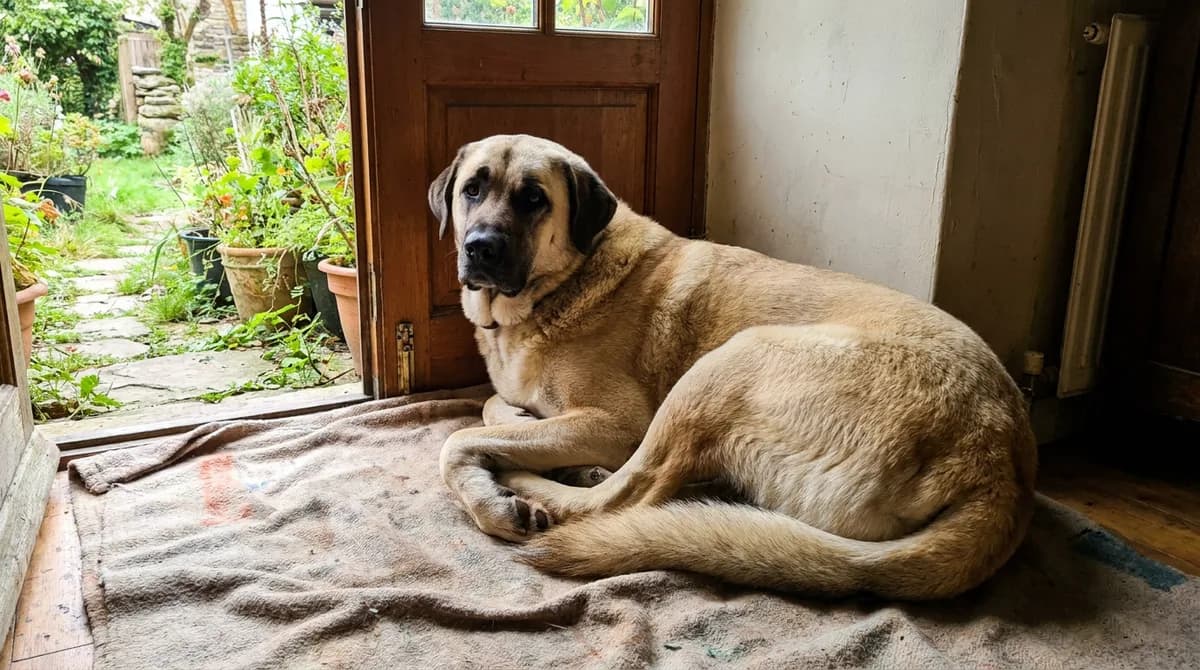
A mature Anatolian Shepherd rests comfortably in an ordinary setting; age alone does not establish illness.
Petful is reader supported. As an affiliate of platforms like Amazon and Chewy, we may earn a commission when you buy through links on this page. There is no extra cost to you.
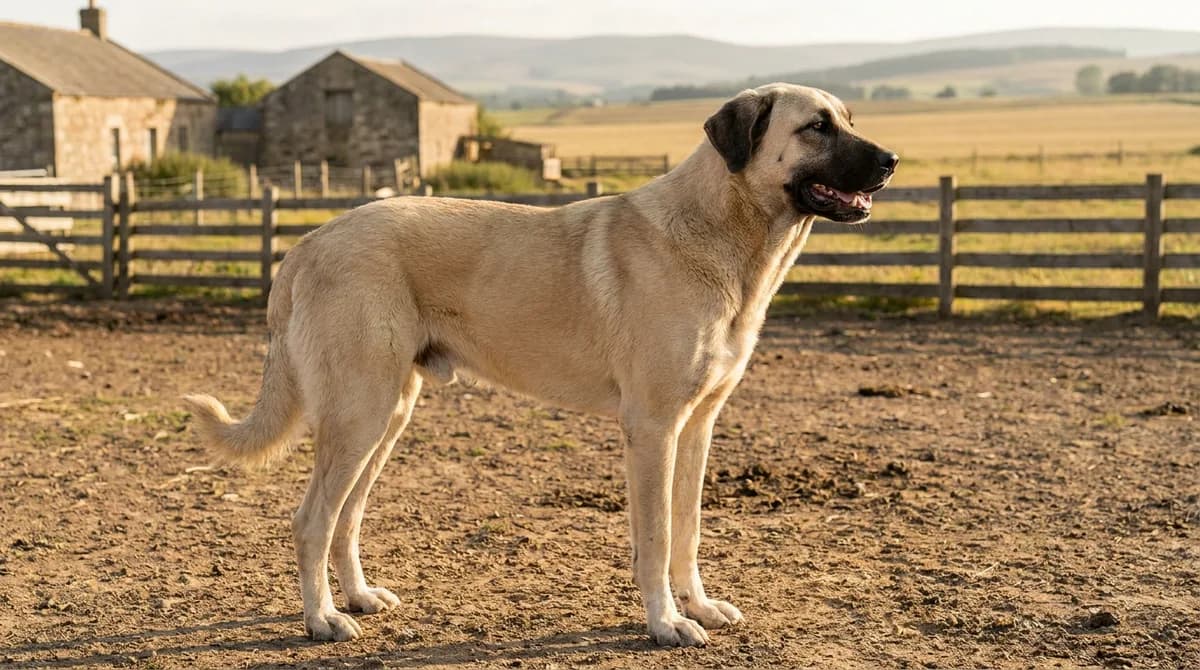
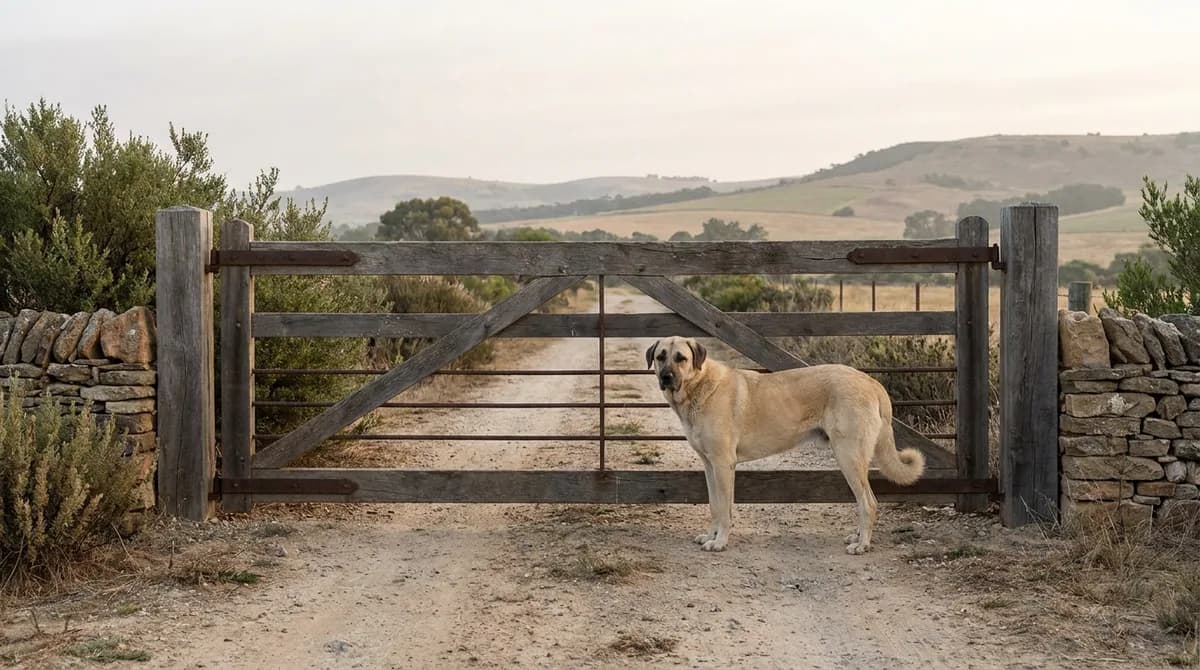
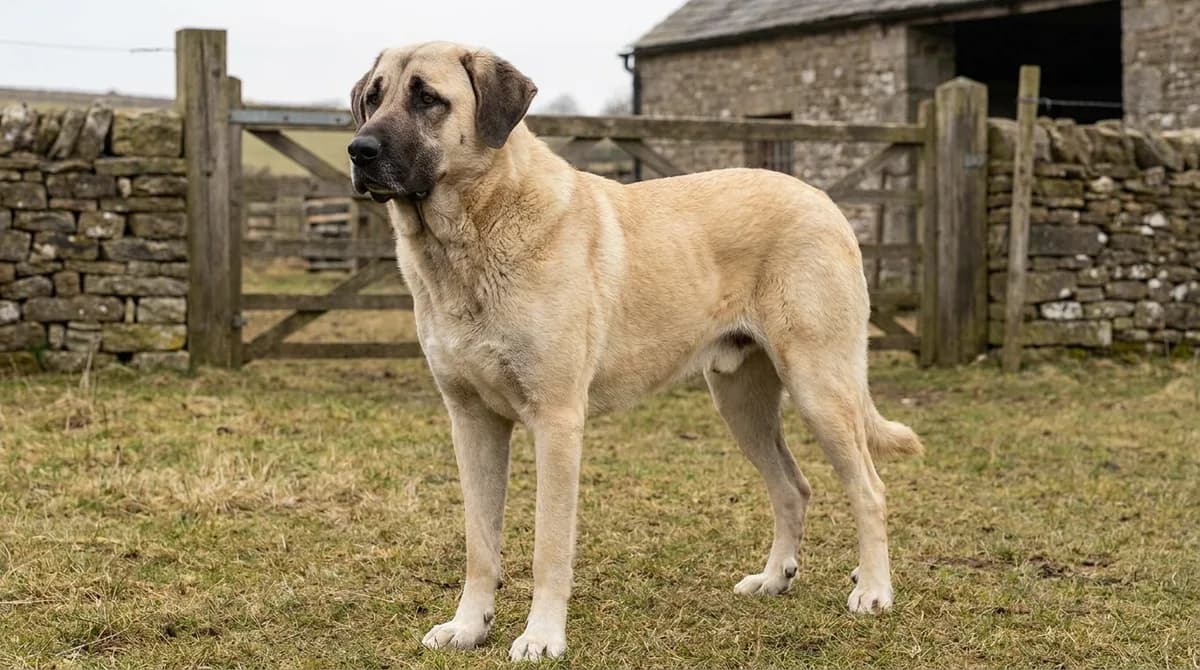
The Anatolian Shepherd lifespan estimate from the Anatolian Shepherd Dog Club of America is 11 to 13 years in a normal, safe environment. That qualification matters for a large guardian dog whose daily surroundings may include livestock, property boundaries, weather, and outdoor work.
Individual variation means the range is useful for long-term planning, not a prediction for your dog. Hip and elbow screening, appropriate daily care, safe surroundings, and attention to changes from the dog's usual baseline are more useful than trying to calculate a precise lifespan.

Sign up for expert-backed reviews and safety alerts all in one place.
How long do Anatolian Shepherds live?
The Anatolian Shepherd Dog Club of America, or ASDCA, gives an 11–13-year lifespan estimate with the condition that the dog lives in a normal, safe environment. It does not provide a deadline or guarantee for an individual.
You may see different Anatolian Shepherd life expectancy figures elsewhere. Do not average several published ranges to produce a more precise answer. Without knowing their sources and methods, the extra precision would be misleading.
Sex and mix uncertainty remain: there is no verified separate male or female Anatolian Shepherd lifespan estimate in the sources used here. The club range can provide broad context for either sex, but a dog's current health and history are what matter when discussing its personal prognosis with a veterinarian.
Anatolian Shepherd breed overview
Anatolian Shepherds were developed as livestock guardians, and their size and independence affect everyday care. Secure boundaries, manageable handling, and access to suitable veterinary support are relevant throughout life. Our Anatolian Shepherd breed overview explains that broader ownership context. A long-term care plan should fit the actual dog's home or working setting rather than assume that every Anatolian lives the same life.
Health problems, nutrition and preventive care
Food, body condition and daily activity
The best food for an Anatolian Shepherd is one that meets the dog's life-stage and health needs within a feeding plan that maintains appropriate body condition. There is no single breed-specific formula that guarantees longevity. Ask your veterinarian to review the main diet, treats, supplements, and any medical restrictions together.
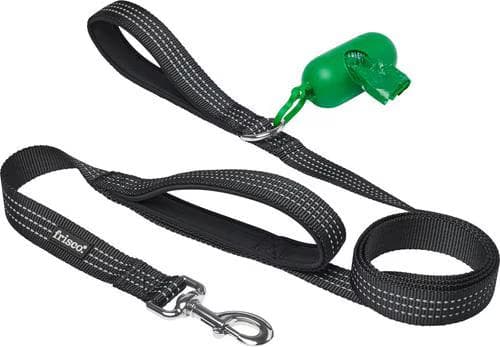
Support controlled outings with a fixed-length lead. Check equipment fit and choose a pace and route comfortable for your dog.
Petful may earn a commission when you click through to Chewy, at no extra cost to you.
Daily activity should also fit the dog you have now. Use manageable routes and observe comfort before, during, and after an outing. A dog with new stiffness or reduced stamina needs assessment rather than pressure to complete its former routine.
A Frisco Traffic Leash with Dual Padded Handles is one fixed-length option for supervised walks. Check the hardware, fit with the dog's walking equipment, and your own ability to handle a large dog comfortably.
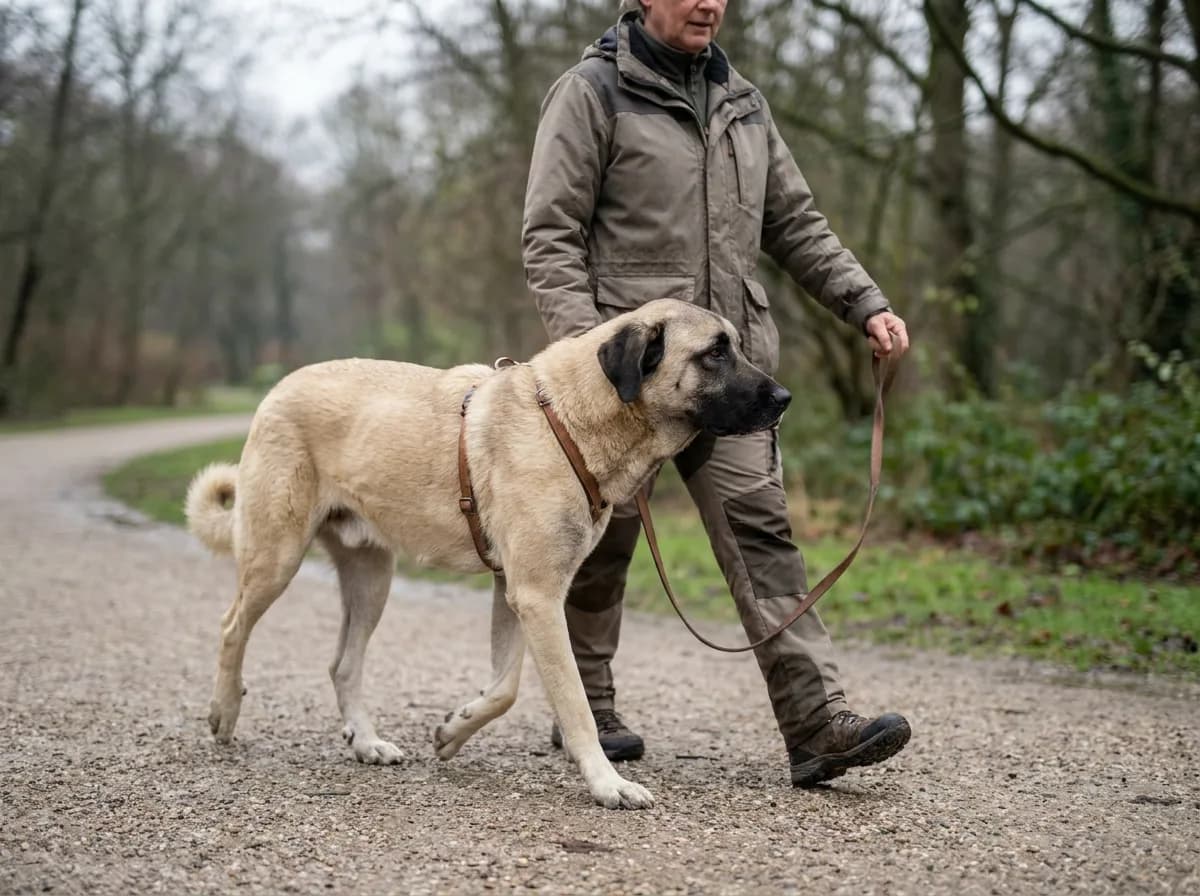
Plan food around condition, not a maximum breed weight
Weigh or otherwise measure meals according to the agreed feeding plan. Include training rewards, chews, toppings, and food used for medication. Several small additions from different caregivers can change the total even when the main meals remain the same.
Ask the veterinary team to demonstrate body-condition assessment. Weight alone does not explain whether the dog is carrying an appropriate amount of fat or maintaining muscle. A thick coat can make gradual changes difficult to judge by appearance.
Bring useful information to a feeding review:
- The exact food and calorie information.
- The daily portion and how it is measured.
- Treats, chews, supplements, and other extras.
- Changes in appetite, weight, activity, or digestion.
Do not use old breed advice about a particular protein level as a substitute for a current assessment. A growing puppy, healthy adult, and dog with a medical condition may need different decisions. If appetite or weight changes unexpectedly, investigate the change rather than assuming a different food alone will solve it.
Include oral care in the routine
Ask your veterinarian about your Anatolian Shepherd's teeth and gums and which home care is appropriate. Introduce mouth handling gradually while the dog is comfortable. Brushing should not become a struggle or an attempt to work through a painful area.
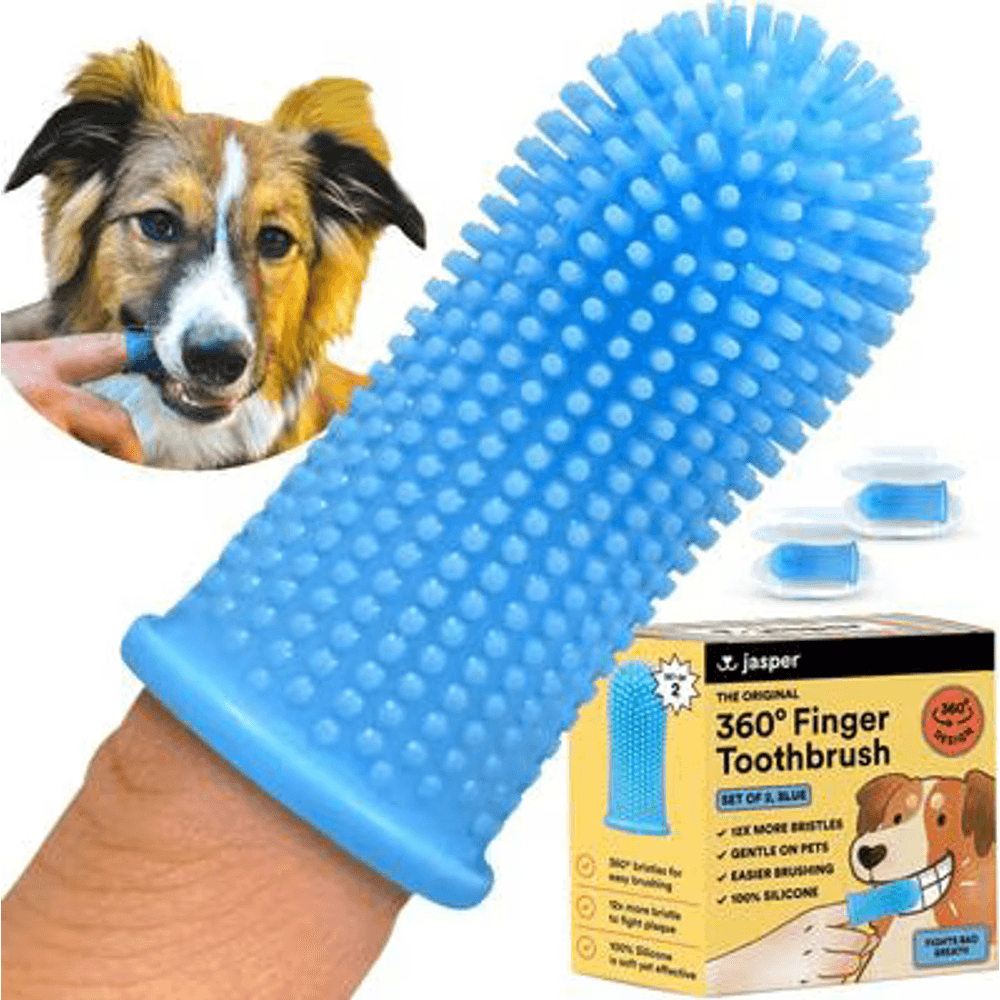
Consider a finger toothbrush for a dog comfortable with mouth handling. Ask your veterinarian about suitable toothpaste and dental care.
Petful may earn a commission when you click through to Chewy, at no extra cost to you.
The Jasper 360 Dog Finger Toothbrush is one option for a dog that already accepts gentle mouth handling. Use suitable dog toothpaste and the veterinary team's recommended approach. Do not put your fingers into the mouth of a dog that resists or may bite.
Notice changes in chewing, dropping food, or willingness to have the face touched. Continuing to eat does not establish that the mouth is comfortable. Home brushing also does not replace an examination or professional treatment when needed.
Keep necessary care manageable
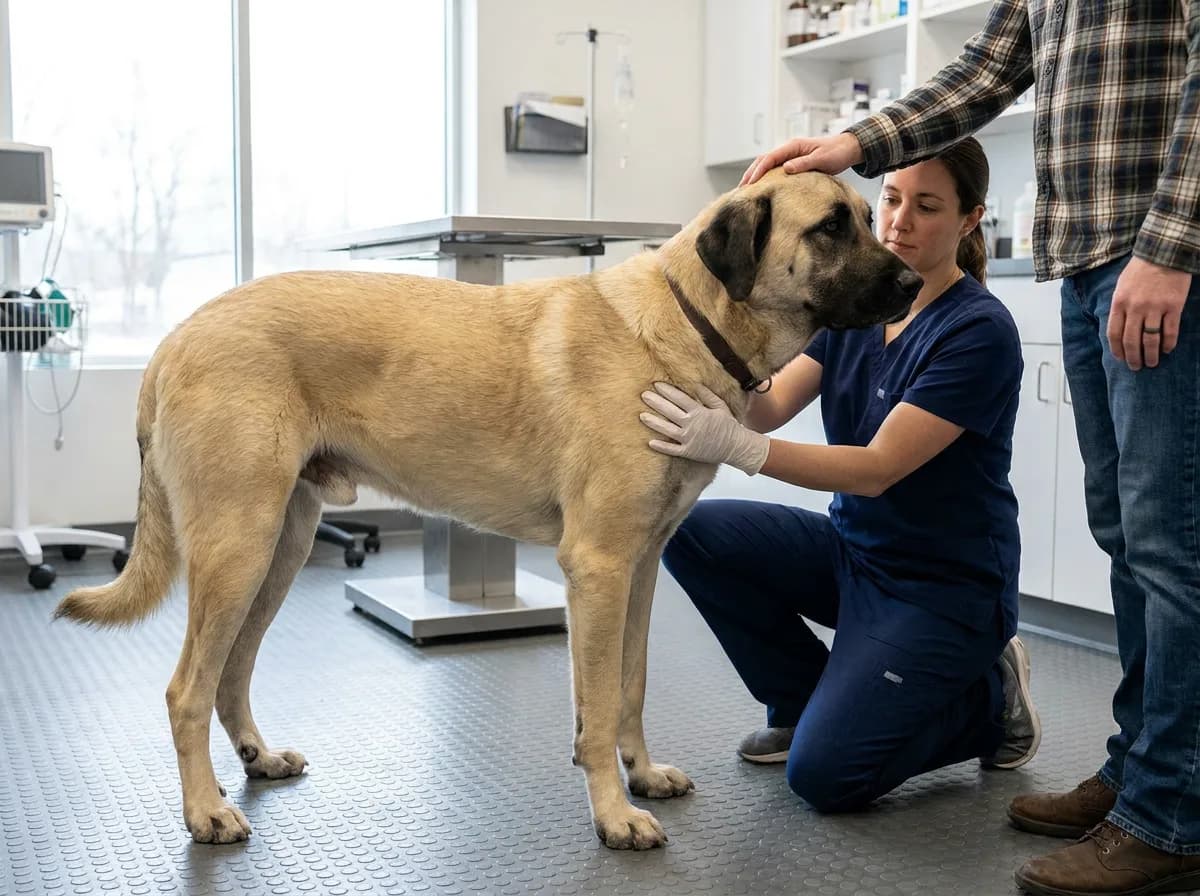
Comfort with handling is part of a workable health routine. Practice brief, rewarded steps for touching paws, examining the coat, and putting on walking equipment while the dog is well. Stop if the dog becomes uncomfortable rather than holding it still to finish.
Tell the veterinary team if transport or examination is difficult so the visit can be planned. A large dog that avoids handling needs a practical approach, not an assumption that it will cooperate when care becomes urgent. Make sure a backup caregiver knows the routine and can manage the dog's physical needs safely.
Anatolian Shepherd size and measurements
The size of an Anatolian Shepherd affects food planning, transport, and equipment, but breed measurements are not a target weight for every pet. Our Anatolian Shepherd size and measurement guide explains the adult standards and practical measurements. Use the dog's actual build and the veterinary team's body-condition assessment when making care decisions, rather than trying to reach the largest number in a breed range.
Why environment and individual health change the picture
The club's safe-environment qualification directs attention to preventable exposure as well as medical care. A working guardian may encounter different hazards from a household companion, but the available evidence does not establish a separate numerical working-dog lifespan.
Look at the actual surroundings. Roads, damaged fencing, poorly secured gates, machinery, chemicals, and unsafe interactions with livestock can create risks unrelated to ordinary aging. A guardian background does not make a dog immune to injury or remove the need for supervision and care.
Review the job as the dog changes
A routine that suited a younger adult may become harder as mobility or stamina changes. Notice whether the dog can comfortably reach resting areas, water, and the places it is expected to work. Adjust access and duties when necessary rather than expecting it to keep up because it still appears willing.
Discuss known conditions with the veterinarian in the context of that work. Explain the terrain, weather exposure, other animals, and distance from help. These details can affect the practicality of treatment and recovery, even when they cannot be translated into a lifespan calculation.
Plan where a working dog can recover if activity must be restricted. The area should allow comfortable rest and necessary care without requiring the dog to resume patrol or interact with livestock before the veterinarian recommends it.
Senior mobility, comfort and behavior changes
Senior care starts with an individual baseline. Know how your dog usually rises, walks, eats, drinks, rests, and interacts. A new difference is worth attention even if the dog is still completing most of its routine.
WebVet's senior dog health guide offers a broader checklist. Keep observations brief and useful: what changed, when it began, and whether it is becoming more frequent. You do not need to assign a diagnosis before calling the clinic.
Make rest and essential routes accessible
Provide a clear non-slip route between the resting place, water, and the outside door. Check for loose rugs, awkward steps, and tight turns. A large dog needs enough space to change position without continually squeezing around furniture.
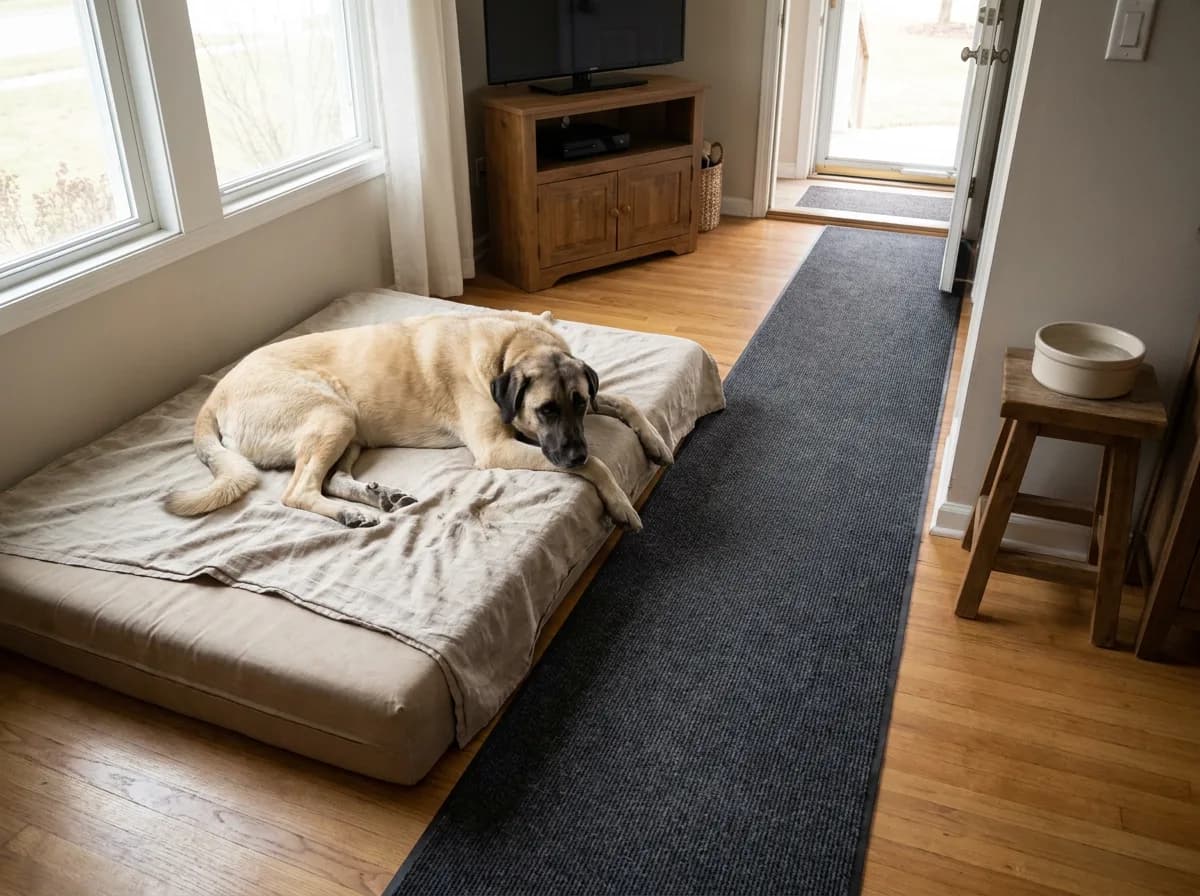
A FurHaven NAP Ultra Plush Orthopedic Deluxe bed is one low resting option when its dimensions and support suit the dog. Check the usable sleeping area and access rather than assuming the Jumbo label fits every Anatolian Shepherd. Bedding supports comfort; it does not treat the cause of stiffness or extend lifespan.
Review everyday function, not just walking distance
Notice whether the dog can comfortably reach water, turn in its resting area, and use the usual route outside. Senior mobility involves those small transitions as well as longer walks. Moving a resting place or clearing a narrow passage may address a practical obstacle while the veterinarian assesses the medical concern.
Ask what improvement the care plan is intended to achieve and when it should become apparent. Comfortable rising, easier rest, or participation in a familiar activity may be meaningful goals. If the plan is not helping, report that rather than continuing it indefinitely without review.
Quality of life is broader than reaching the upper end of a breed lifespan range. Discuss persistent discomfort or loss of interest in valued activities, including which problems may be treatable and which need ongoing accommodation. These conversations are more useful before a crisis than after the dog can no longer manage essential routines.
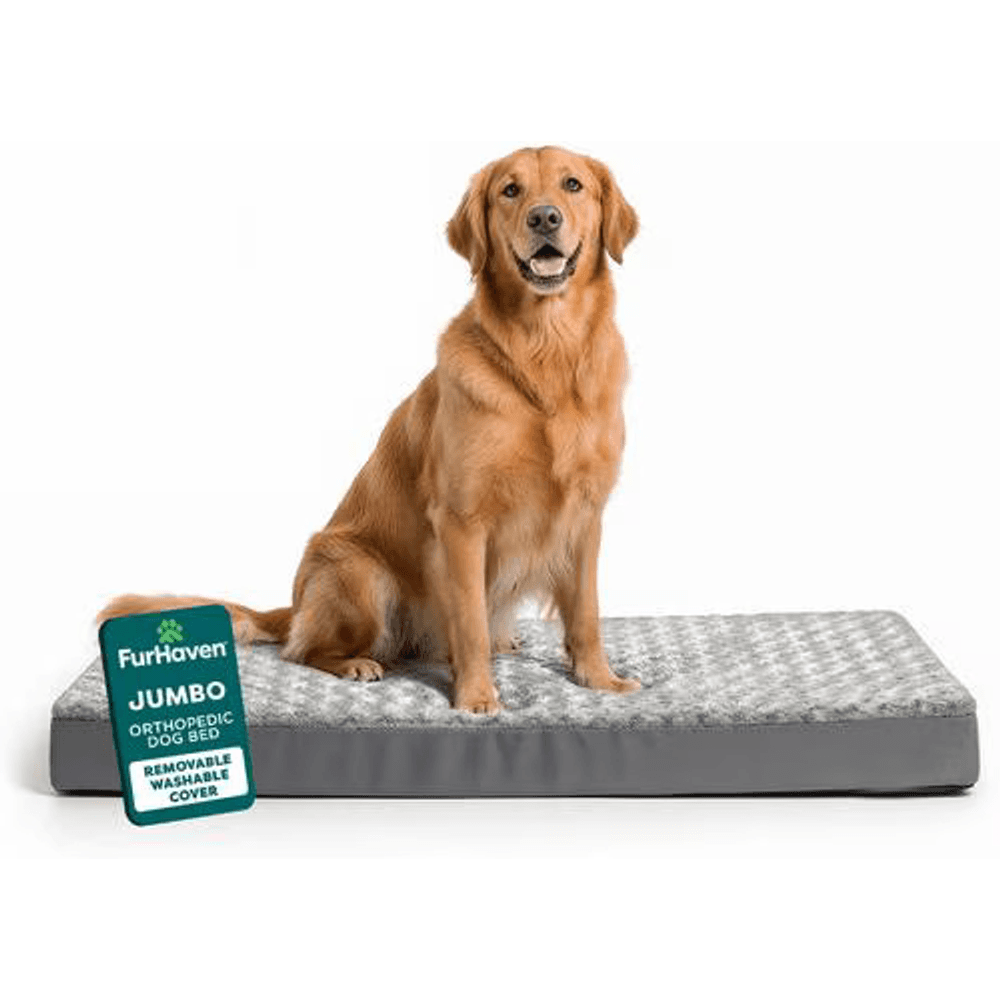
Consider a low bed with room for your dog to stretch. Check dimensions, support, and ease of access against the individual dog's needs.
Petful may earn a commission when you click through to Chewy, at no extra cost to you.
Record changes that can guide an appointment
| Area | Usual pattern | What to record with the date |
|---|---|---|
| Appetite and drinking | Normal interest in food and usual water routine | New changes in intake or difficulty eating |
| Mobility | Rising, turning, walking, and familiar steps | Mobility changes, slipping, stiffness, or reluctance |
| Rest | Comfortable positions and usual sleep | Restlessness or difficulty settling |
| Weight and condition | Dated measurements and veterinary assessment | Unexplained gain, loss, or changed condition |
| Interaction | Usual contact and handling tolerance | Withdrawal, irritability, or another behavior change |
| Context | Normal household or working routine | Record date, recent activity, weather, and other relevant changes |
Stiffness, limping, or difficulty rising should not automatically be filed under age. WebVet's senior dog joint-pain guide explains observations and comfort measures to discuss with your veterinarian. Report which tasks are difficult and how the dog responds afterward.
Anatolian Shepherd temperament and behavior
Anatolian Shepherd temperament varies between individuals, and a health-related change should not be dismissed as independence. Some dogs prefer nearby company to cuddling, but a new avoidance of familiar touch deserves attention. Our Anatolian Shepherd temperament and behavior guide covers everyday affection, learning, other dogs, and guardian-related management. It helps separate normal preferences from changes that need further assessment.
Health screening and veterinary records
Hip and elbow screening are recommended for Anatolian Shepherd breeding dogs. Ask for the actual results for each parent when choosing a puppy. The breed health statement hosted by the AKC provides the relevant screening context.
A puppy's routine veterinary examination and a parent's screening results serve different purposes. An ancestry test serves another purpose again. None guarantees that a dog will remain healthy or reach a particular age.
| Information | What to request | What it does not replace |
|---|---|---|
| Hip evaluation | Identifiable parent screening results | Examination of a dog with new mobility problems |
| Elbow evaluation | Identifiable parent screening results | Clinical assessment of pain or lameness |
| Routine veterinary history | Examinations, preventive care, treatments, and follow-up | Separate parent screening documentation |
| Current individual history | Medications, symptoms, activity, and past problems | A veterinary examination when something changes |
| DNA ancestry testing | The exact test and its stated purpose | Hip or elbow evaluation, clinical care, or a lifespan prediction |
Check that the documents belong to the relevant dog and ask about unclear results. For an adopted adult, request the available veterinary history and establish an appropriate care plan from the current examination. Missing puppy records do not mean every possible test is automatically useful now.
Anatolian Shepherd costs and budgeting
The price of an Anatolian Shepherd is only the beginning of the care budget. Include veterinary appointments, follow-up, suitable equipment, transport, and help when you are unavailable. Our Anatolian Shepherd price and budgeting guide separates documented purchase-price context from the ongoing expenses you need to estimate locally. Budget around the dog's actual needs rather than a universal annual figure.

Compare coverage choices for your pet, then request a quote directly on Lemonade.
- Check a price for your pet
- Review available coverage choices
- See the terms before you decide
Eligibility, waiting periods, limits and exclusions apply.
Petful may earn a commission when you click through to Lemonade, at no extra cost to you.
A personalized Lemonade pet insurance quote can be one part of that planning. Review exclusions, waiting periods, deductibles, and reimbursement terms. Ask how the policy treats the dog's existing history before assuming a future bill would be covered.
Heat, water and working-dog safety
Anatolian Shepherd temperature tolerance is not a fixed safe-weather threshold. Coat, activity, humidity, health, age, and access to shelter all matter. A reputation for working outdoors does not remove the need for heat safety.
Do Anatolian Shepherds like hot weather? Preference is not the useful measure. Provide deep shade and accessible clean water, reduce activity when conditions are unsuitable, and watch the individual dog. An animal that keeps patrolling or follows you is not necessarily coping comfortably.
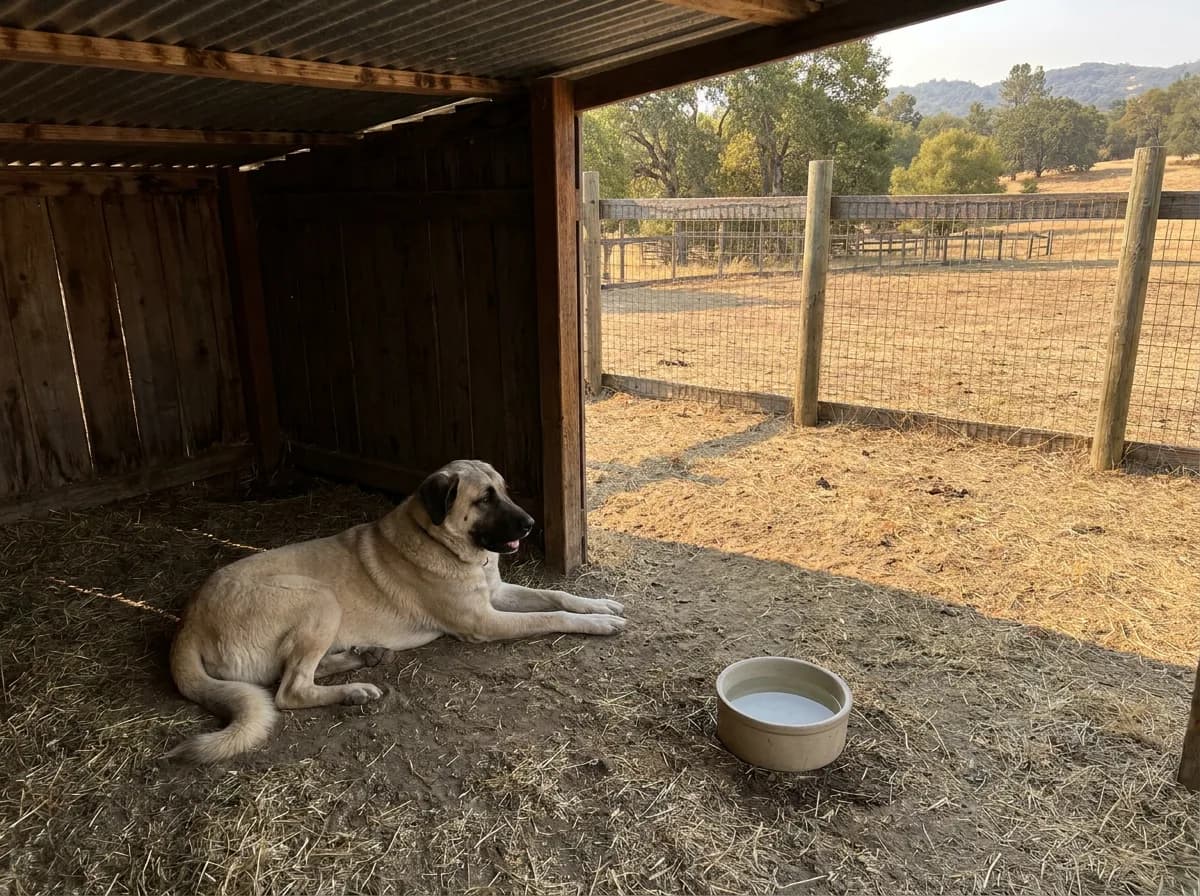
Make shade, shelter, and water reliable
Check that shade remains available as the sun moves. A resting area should be dry, accessible, and sheltered, with adequate airflow in warm conditions. Do not rely on a space that becomes hot and enclosed during the day.
- Keep drinking water clean and available where the dog can reach it.
- Check containers during the day rather than assuming an earlier fill is enough.
- Adjust outings or work when heat and humidity make activity unsafe.
- Never leave the dog in a parked vehicle.
- Ensure the dog can leave an exposed area and reach appropriate shelter.
Can Anatolian Shepherds handle cold weather? Their coat and working history do not establish that every individual is comfortable in every cold condition. Provide dry shelter, protection from wind and wet, and accessible unfrozen water. Young, older, unwell, or unaccustomed dogs may need different arrangements. Watch their response rather than using a breed label as permission for unrestricted exposure.
Check the working area as conditions change
On a property, inspect the places the dog actually uses, not only its designated shelter. A damaged boundary or newly accessible road can change the risk quickly. Confirm that gates close securely and that visitors or workers understand how the dog is contained.
Keep agricultural chemicals, medications, and other hazardous materials inaccessible. Consider machinery movements and whether livestock can trap or injure a resting dog. A history of successful guardian work does not make every new animal or arrangement safe.
After severe weather or a change in the property layout, check access to water and resting areas again. An older dog may struggle with a route it previously managed easily, especially if the ground becomes slippery or uneven. Adjust the environment rather than relying on persistence to get the dog through it.
Water access is different from enjoying swimming
Do Anatolian Shepherds like water? Individual preferences vary. Do not assume a dog will swim safely, enjoy being immersed, or use a pool to cool itself. Drinking water must remain available whether or not the dog likes recreational water.
Around ponds, troughs, or pools, consider safe access and exit. Avoid forcing a reluctant dog into water. A household cooling plan should work without depending on swimming ability or willingness.
Recognize heat illness promptly
Heavy persistent panting, excessive drooling, weakness, vomiting, wobbliness, or collapse in hot conditions can indicate heat illness. Stop activity, move the dog out of the heat, begin cooling with cool water, and contact an emergency veterinarian. Do not force water into the mouth of a weak or poorly responsive dog.
WebVet's heatstroke signs and first-aid guide explains the response in more detail. Veterinary care is still needed after suspected heatstroke even if the dog appears to improve.
Health problems to discuss with your veterinarian
What health problems do Anatolian Shepherds have? Hip and elbow health are important screening priorities, but a breed checklist cannot diagnose an individual. Discuss symptoms and examination findings rather than assuming every dog develops the same conditions.
The Anatolian Shepherd's eyes and teeth also need ordinary clinical attention. Squinting, eye discomfort, changes in chewing, or resistance to mouth handling should be reported. A previous normal check does not establish the cause of a new problem.
Use evidence without inventing prevalence
The club's health-survey announcement is an effort to collect information, not a set of published disease rates. It cannot establish how common a condition is or prove that the breed is free of particular problems.
Keep the clinical questions practical: which findings matter for this dog, what needs further investigation, and what response should you expect from the proposed plan? Ask about new symptoms rather than relying on unsupported claims about low disease risk or special anesthesia sensitivity.
Sex, temperament and other pets
Is a male or female Anatolian Shepherd better? Neither sex guarantees easier care or a longer life. Choose around the individual's history, physical needs, and compatibility with the proposed household.
Are Anatolian Shepherds smart, protective, or comfortable with other dogs? Those questions concern learning and management, not a lifespan calculation. Intelligence does not guarantee reliable responses in every setting, and guardian ancestry does not promise personal protection. Use the Anatolian temperament guide for the fuller behavior discussion.
Anatolian Shepherd mixes and ancestry
Mixed ancestry does not produce a reliable longevity formula. An Anatolian Shepherd mix cannot be assigned a lifespan by averaging parent-breed ranges, and a DNA ancestry result does not predict when the individual will develop a health problem. Our Anatolian Shepherd mix guide explains how to evaluate reported parentage, actual measurements, and known history when choosing and caring for a mixed dog.
Changes that need prompt veterinary attention
Contact your veterinarian about new mobility difficulty, appetite changes, unusual withdrawal, or altered tolerance of handling. Describe what changed and when it started. Do not require the dog to repeat a painful movement to demonstrate it.
Collapse, serious breathing difficulty, suspected poisoning, or severe distress warrant emergency help. Repeated unsuccessful attempts to vomit, especially with salivation or restlessness, can be signs of gastric dilatation and volvulus, or GDV. The Merck Veterinary Manual describes this emergency; suspected GDV needs immediate veterinary attention, not a home remedy.
Prepare for help with a large dog
Keep the regular and emergency clinic details accessible to caregivers. Think through transport before the dog is unable to get into the vehicle independently. Ask the veterinary team about appropriate assistance rather than improvising an unsafe lift.
When calling, give the main sign, onset, whether it is worsening, and whether the dog can stand and breathe comfortably. Bring medication information if readily available, but do not delay urgent care to assemble a perfect record.
Anatolian Shepherd lifespan questions
There is no verified separate average in the sources used here. The working environment can introduce environmental hazards, while the club's 11–13-year estimate includes a normal, safe-environment qualification. Review the dog's actual exposure and care rather than assigning a numerical lifespan from its job title.
There is no verified sex-specific estimate here that supports predicting extra years for a male or female. Individual history, current health, and examination findings are more useful for care decisions. Do not convert differences in typical size into a personal longevity calculation.
No. Mixed ancestry is not a longevity guarantee, and ancestry does not predict an individual lifespan. Consider known parent health when available and plan care around the dog's actual condition. Averaging two breed ranges does not create a validated estimate for a cross.
Arrange veterinary assessment for a new mobility or behavior change, particularly when it persists, worsens, or interferes with ordinary activities. Slowing down is an observation, not a diagnosis. Seek urgent help if the dog is unable to stand, appears severely distressed, collapses, or has difficulty breathing.
BVMS, MRCVS
Dr. Pippa Elliott, BVMS, MRCVS, is a veterinarian with nearly 30 years of experience in companion animal practice. Dr. Elliott earned her Bachelor of Veterinary Medicine and Surgery from the University of Glasgow. She was also designated a Member of the Royal College of Veterinary Surgeons. Married with 2 grown-up kids, Dr. Elliott has a naughty Puggle named Poggle, 3 cats and a bearded dragon.
Sign up for expert-backed reviews and safety alerts all in one place.