Male Calico Cat: Why These Rare Cats Are 1 in 3,000
Male calico cats are a 1-in-3,000 genetic rarity. Learn why nearly all calicos are female, how XXY chromosomes, chimerism, and mosaicism create rare males, whether they can have kittens, and what a male calico is really worth.
Petful is reader supported. As an affiliate of platforms like Amazon and Chewy, we may earn a commission when you buy through links on this page. There is no extra cost to you.
According to the University of Missouri College of Veterinary Medicine, a male calico cat shows up only about once in every 3,000 calico births. That makes him one of the rarest cats you will ever meet: a tri-color tom wearing a coat that feline genetics reserves almost exclusively for females. When a male calico does appear, he is the product of a genetic plot twist, usually an extra X chromosome, occasionally two embryos fused into one cat. In this guide, you will learn exactly why male calicos are so rare, the three ways they happen, whether they can father kittens, what health problems to watch for, and the honest answer to the question everyone asks: is a male calico actually worth money?
- 1Only about 1 in 3,000 calico cats is male (roughly 0.03 percent), a figure traced to a University of Missouri study
- 2Male calicos happen three ways: XXY chromosomes (Klinefelter syndrome), chimerism (two fused embryos), or somatic mosaicism
- 3Most male calicos are sterile, and the rare fertile ones are usually chimeras or mosaics, not XXY cats
- 4Rarity does not equal value: male calicos have no breeding worth, and registries offer them no show or breeding premium
- 5XXY males need extra health vigilance for weight gain, diabetes, and behavioral quirks, plus routine neutering

Sign up for expert-backed reviews and safety alerts all in one place.
What Is a Calico Cat? (a Color Pattern, Not a Breed)
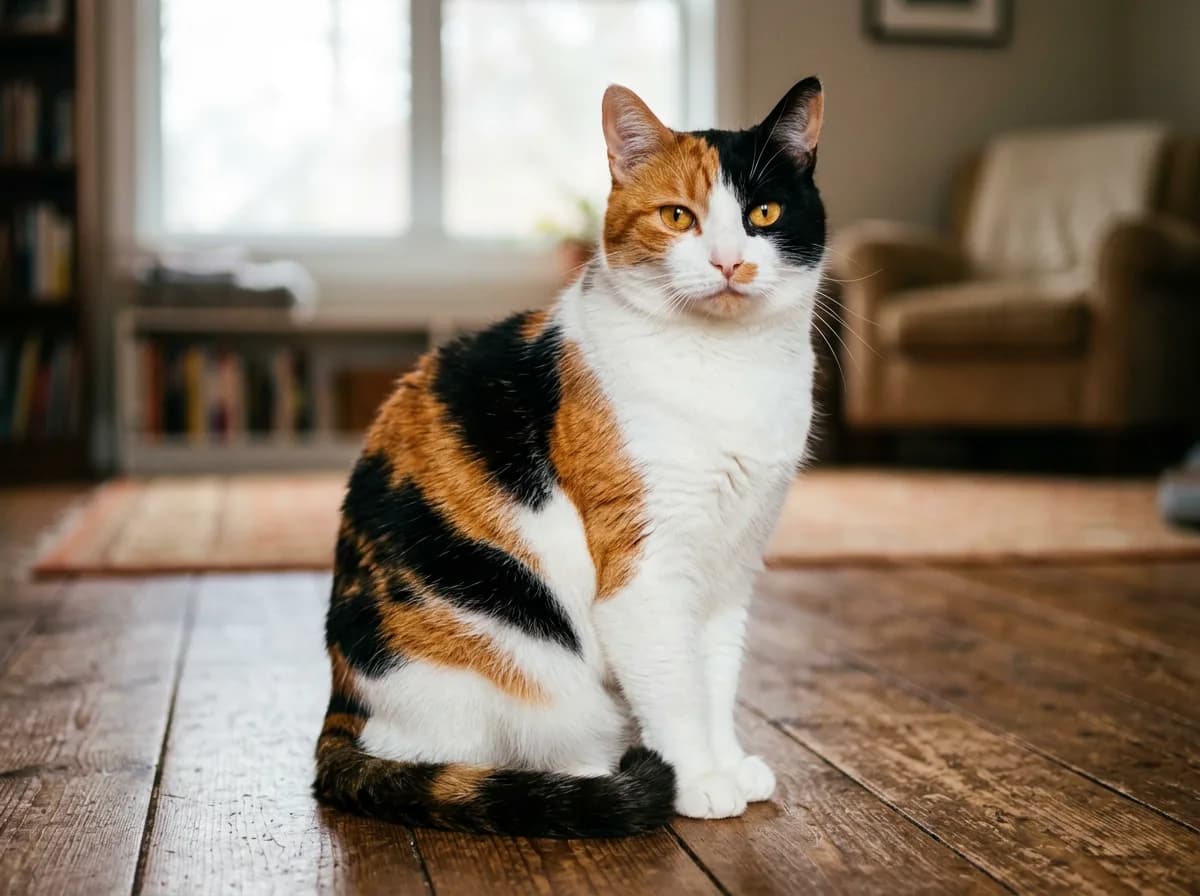
Start with the most common misconception: calico is not a breed. It is a coat pattern, a predominantly white coat broken up by distinct, separate patches of orange and black. Major registries like the Cat Fanciers' Association (CFA) and The International Cat Association (TICA) treat calico as a color class that appears across many breeds, not as a breed of its own.
That distinction matters for this article, because "male calico cat" describes a male cat of any breed or mix who happens to wear the calico pattern. The genetics that build the pattern are the same whether the cat is a barn-born domestic shorthair or a pedigreed Persian with a tri-color coat.
Several breeds accept calico in their show standards, including the Persian, Maine Coon, Manx, American Shorthair, British Shorthair, Japanese Bobtail, Exotic Shorthair, Devon Rex, Norwegian Forest Cat, and Turkish Van. Purebred status always comes from the breed, never from the pattern. There is more on this in Petful’s guide to Japanese Bobtail colors.
Calico vs. Tortoiseshell vs. Caliby
Three tri-color terms get tangled together, and telling them apart helps you understand what you are looking at:

Compare coverage choices for your pet, then request a quote directly on Lemonade.
- Check a price for your pet
- Review available coverage choices
- See the terms before you decide
Eligibility, waiting periods, limits and exclusions apply.
Petful may earn a commission when you click through to Lemonade, at no extra cost to you.
- Calico: mostly white coat with large, distinct patches of orange and black. The white comes from a separate white-spotting gene (a KIT-related piebald spotting gene) that pushes the colors apart into clean blocks.
- Tortoiseshell: orange and black woven together in a brindled, marbled mix with little or no white. Same color genetics, minus the white spotting.
- Caliby (calico tabby): a calico whose orange or black patches carry tabby stripes. If your tri-color cat has striped patches, you are looking at a caliby, sometimes called a tabico. The stripes come from the same pattern genes behind every tabby color variation.
There is also the dilute calico, where a gene called MLPH (melanophilin) softens black to blue-gray and orange to cream. Every one of these variations follows the same sex-linked rules, which means male versions of all of them are equally rare.
Why Are Almost All Calico Cats Female? The Genetics Explained
The calico pattern is a genetics lesson written in fur, and it hinges on one fact: the gene that decides between orange and black sits on the X chromosome.
Female cats have two X chromosomes (XX). Male cats have one X and one Y (XY). The orange gene, written O, produces phaeomelanin, the red-yellow pigment, and masks the black pigment eumelanin. A male cat, with his single X, gets one vote: he is either orange or he is not. He cannot be both. A female, with two X chromosomes, can carry orange on one X and non-orange on the other, and that is where the magic happens.
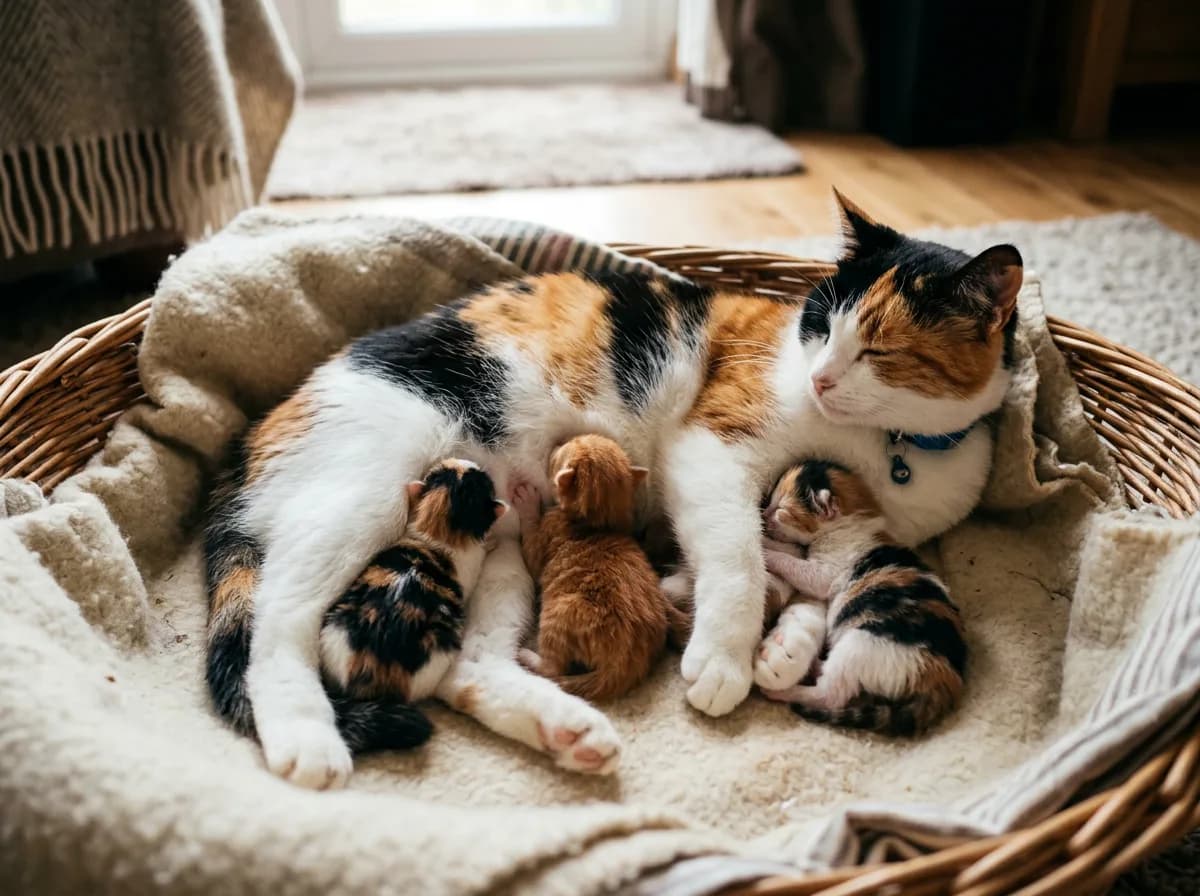
In every cell of a female mammal, one of the two X chromosomes shuts down early in embryonic development. This process, called X-chromosome inactivation or lyonization, was described by the geneticist Mary Lyon in 1961. Which X switches off in each cell is random, so a female carrying both orange and non-orange ends up a living mosaic: some skin cells express the orange X, others express the black X, and her coat grows out in patches of both colors. That mosaic is the tortoiseshell. Add the white-spotting gene, which separates the colors into bigger, cleaner patches on a white background, and you get the calico.
A male cat with the normal XY makeup simply cannot run this program. One X means one color choice, no mosaic, no calico. That is why virtually every calico and tortoiseshell you have ever met, roughly 99.9 percent of them, is female.

Never Scoop Again® with the Whisker Litter-Robot, the smart self-cleaning automatic litter box. Monitor visits and track weights for better overall care in the Whisker® app. Multi-cat friendly.
Petful may earn a commission when you click through to Whisker, at no extra cost to you.
- For decades scientists knew the orange gene lived on the X chromosome but not which gene it was. In 2025, two independent teams, Greg Barsh's group at HudsonAlpha and Stanford and Hiroyuki Sasaki's team at Kyushu University, identified it as a regulatory deletion affecting the ARHGAP36 gene, published in Current Biology. The 60-year-old calico mystery finally has a molecular answer.
The 2025 ARHGAP36 discovery did more than name the gene. It confirmed that calico and tortoiseshell coats are the textbook visible example of X-inactivation at work: each orange patch on a calico marks a population of cells where the deletion-carrying X stayed active, and each black patch marks cells where the other X won.
How Rare Is a Male Calico Cat?
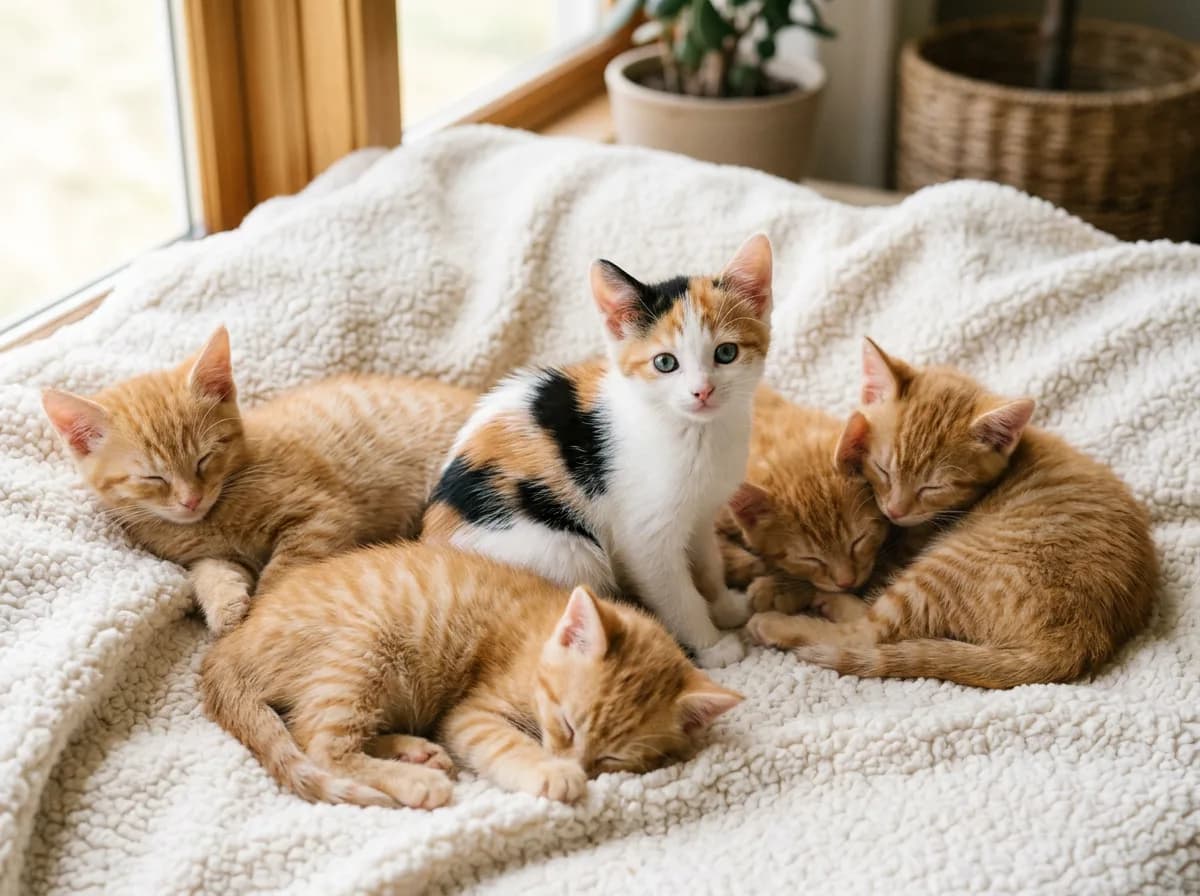
A male calico cat occurs about once in every 3,000 calico cats, a figure that traces back to a study from the University of Missouri's College of Veterinary Medicine and is also cited by the Cornell Feline Health Center. Put another way, only about 0.03 percent of calico cats are male.
To feel how small that number is: a typical animal shelter could process calicos for years without ever logging a single male. Veterinarians routinely go entire careers seeing one or two. When a male calico kitten turned up at a Colorado rescue in 2023, the story made national news and drew hundreds of interested adopters, precisely because most people, including many vets, have never seen one in person.
And the rarity compounds. Most male calicos are sterile, and researchers estimate that only about 1 in 10,000 male calicos is fertile. Multiply the odds together and a fertile male calico is on the order of one cat in 30 million, which is why individual fertile males become minor celebrities when they are documented.
Male Calico vs. Male Tortoiseshell
A male tortoiseshell is exactly as rare as a male calico, and for the same reason: both patterns require two X chromosomes in a cat that also carries a Y. The only difference between the two cats is the white-spotting gene. A rare male with orange and black brindled together and little white is a male tortie; give him large white areas with distinct color patches and he is a male calico. Every cause, health consideration, and fertility rule in this article applies equally to both.
How Rare Is a Female Calico, by Comparison?
Female calicos are not rare at all. Any female cat that inherits orange on one X, non-orange on the other, and at least one copy of the white-spotting gene will be calico. Mixed-breed female calicos are everyday residents of shelters across the country, which is part of why the price gap people imagine between "rare" male calicos and ordinary calicos does not hold up (more on that below).
How Male Calico Cats Happen: Klinefelter Syndrome, Chimerism, and Mosaicism
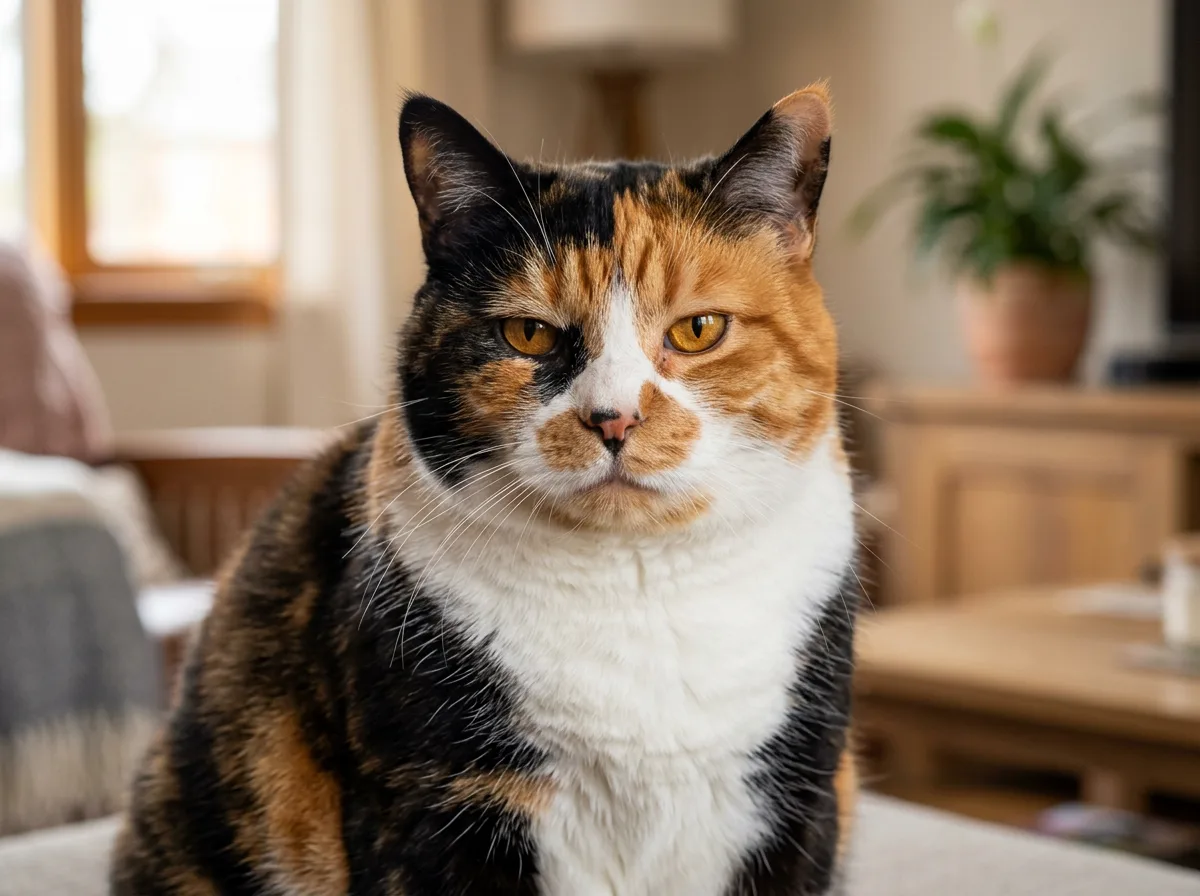
If a normal male cat cannot be calico, how does a male calico cat exist at all? There are three documented routes, and they matter because they predict the cat's fertility and health.
1. XXY: Klinefelter Syndrome (the Most Common Cause)
Most male calicos carry an extra X chromosome: XXY instead of XY. The Y chromosome makes the cat anatomically male, while the two X chromosomes give him the genetic raw material for the calico mosaic, exactly like a female. The condition parallels Klinefelter syndrome in humans, named for Dr. Harry Klinefelter, who first described it in 1942.
The XXY arrangement usually results from a fault in cell division, called nondisjunction, when the egg or sperm formed, or from an error in early embryonic cell division. XXY male calicos are almost always sterile, because the extra X disrupts sperm production, and they can carry a package of health concerns covered in the health section below.
- A normal cat carries 38 chromosomes arranged in 19 pairs, including one pair of sex chromosomes. An XXY male calico carries 39. That single extra chromosome is the difference between an ordinary orange tom and a 1-in-3,000 tri-color male.
2. Chimerism: Two Cats in One Body
A chimera forms when two separate embryos fuse into a single individual very early in development. If a male (XY) embryo fuses with a female (XX) embryo, or with another male embryo carrying different color genes, the resulting kitten is one cat built from two genetically distinct cell lines. When those cell lines carry different coat-color genes, the cat can grow a calico coat while remaining, in his reproductive organs, an ordinary fertile male.
Chimeric male calicos are the headline-makers. The best documented is Dawntreader Texas Calboy, a pedigreed Maine Coon from Texas whose DNA testing at the Veterinary Genetics Laboratory at the University of California, Davis confirmed chimerism, and who proved fertile.
3. Somatic Mosaicism: a Mutation Mid-Development
The third route is somatic mosaicism. Here a single embryo starts as a normal XY male, but a mutation or chromosome change arises in some of his cells partway through development. If a portion of his skin cells gain or switch the orange gene's expression, he can show patches of both orange and black even though he began as a one-color male. Depending on which tissues carry the change, a mosaic male calico can have entirely normal testes and normal fertility.
| Cause | What Happens | Typical Fertility | Health Outlook |
|---|---|---|---|
| XXY (Klinefelter syndrome) | Extra X chromosome from a cell-division error gives a male the two X's needed for calico | Almost always sterile | Higher risk: obesity, diabetes, low bone density, cognitive and behavioral issues, often shorter lifespan |
| Chimerism | Two embryos fuse into one cat with two distinct cell lines and mixed color genes | Can be fertile | Usually normal health and lifespan |
| Somatic mosaicism | A color-gene change arises in some cells of a normal XY male during development | Often fertile | Usually normal health and lifespan |
Are Male Calico Cats Sterile? Can They Have Babies?
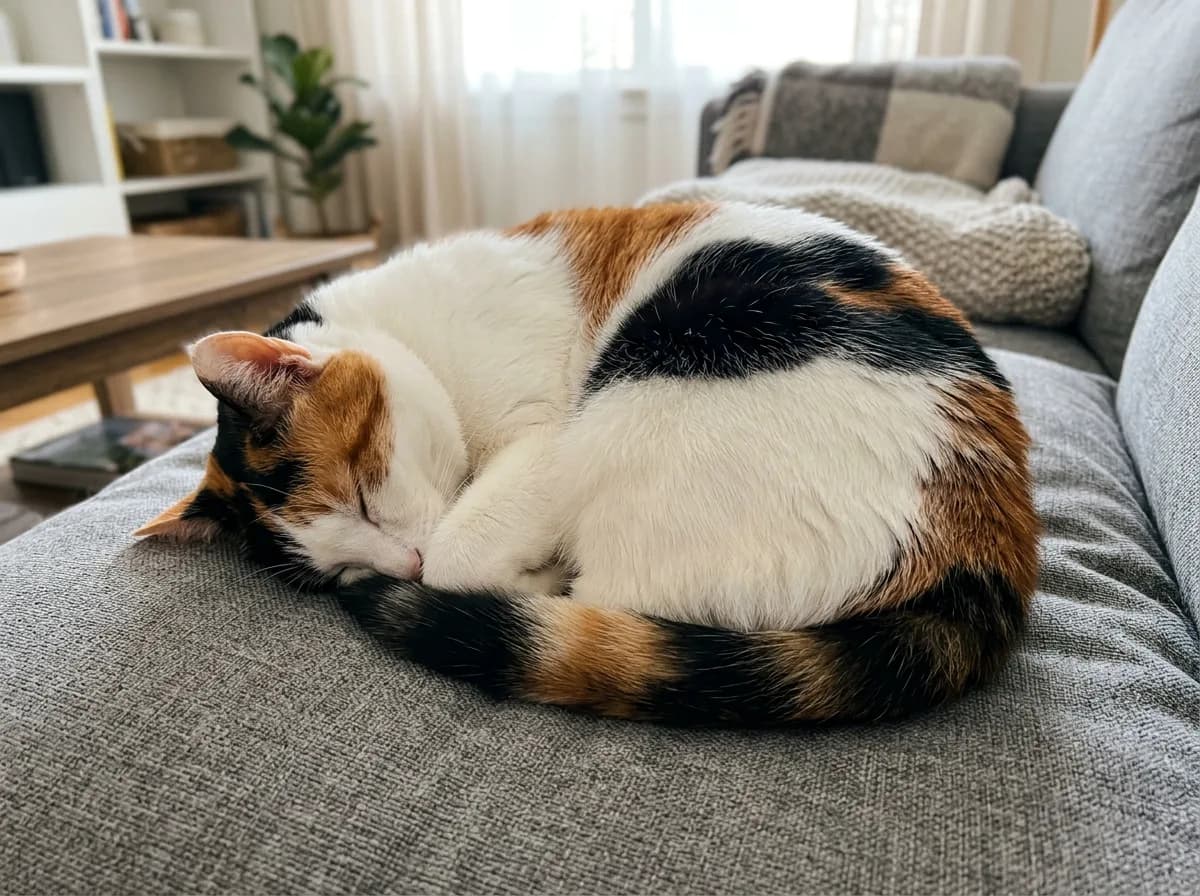
Most male calico cats cannot have babies. The majority are XXY, and the extra X chromosome derails sperm production, leaving the cat sterile even though he has male anatomy and male behavior.
But "most" is not "all," and this is the nuance nearly every article gets wrong. The rare fertile male calicos are almost never XXY cats. They are chimeras or mosaics, males whose reproductive tissue is genetically normal XY even though their skin grew a tri-color coat. Researchers put the fertile fraction at roughly 1 in 10,000 male calicos. Dawntreader Texas Calboy is the proof of concept: a DNA-confirmed chimera who sired kittens.
Here is the part that surprises breeders: even a fertile male calico cannot reliably pass the calico pattern along. Calico requires two X chromosomes carrying different color versions, so a fertile male calico's sons inherit his single Y-linked path to maleness and one color, and his daughters' patterns depend on the mother's genes as much as his. There is no such thing as "breeding male calicos" as a line.
- An XXY male calico still produces testosterone, which drives spraying, roaming, and aggression whether or not he can sire kittens. Veterinarians recommend neutering male calicos on the normal schedule, both for behavior and to remove any testicular disease risk.
Male Calico Cat Health Problems and Lifespan
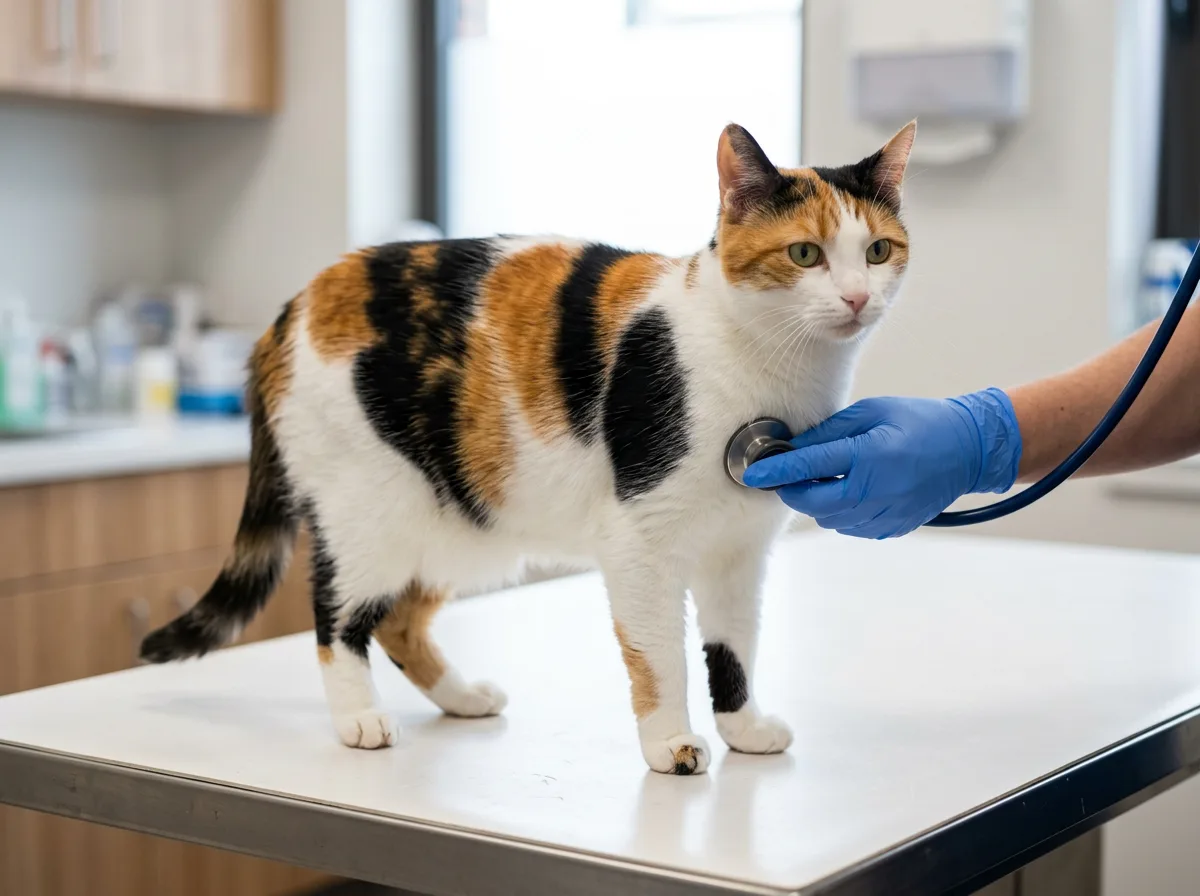
A male calico's health outlook depends almost entirely on which of the three causes built him.
Chimeric and mosaic males are, medically speaking, ordinary male cats in unusual coats. Their genetics are normal where it counts, and they share the typical healthy indoor-cat lifespan of 12-16 years, with some cats reaching 20.
XXY (Klinefelter) males need more vigilance. Documented concerns associated with the extra X chromosome include:

63-inch multi-level cat tree with scratch posts, hammock, plush perches, and dangling toys. Vertical territory is non-negotiable for high-energy climbing breeds like the Bengal.
Petful may earn a commission when you click through to Chewy, at no extra cost to you.
- Weight gain and increased body fat, which raises the risk of joint strain, heart disease, and diabetes
- Diabetes mellitus risk compounding the obesity tendency
- Reduced bone mineral content, which can mean more fragile bones
- Cognitive and developmental differences, which can surface as behavioral quirks, slower learning, or disorientation
- A shorter average lifespan than typical males, though individual outcomes vary widely with care
None of this makes an XXY male calico a tragedy. It makes him a cat who repays attentive ownership: measured meals instead of free feeding, daily play to manage weight, dental care, and twice-yearly veterinary exams so metabolic problems get caught early.
- If your male calico is gaining weight rapidly, drinking and urinating more than usual, or showing sudden behavior changes, see your veterinarian promptly. Those are the early flags for the diabetes and metabolic issues XXY cats are prone to, and early treatment changes outcomes.
Pet Insurance for a Male Calico
If you adopt a male calico, especially one confirmed or suspected XXY, enroll him in pet insurance early, ideally as a kitten, before any chromosome-linked condition appears in his record. Insurers do not charge more for a calico coat, but they universally exclude pre-existing conditions, so a diabetes diagnosis before enrollment means the costliest part of XXY care never gets covered. A plan with solid chronic-condition coverage matters more for these cats than accident-only coverage.
Is a Male Calico Cat Worth Money?
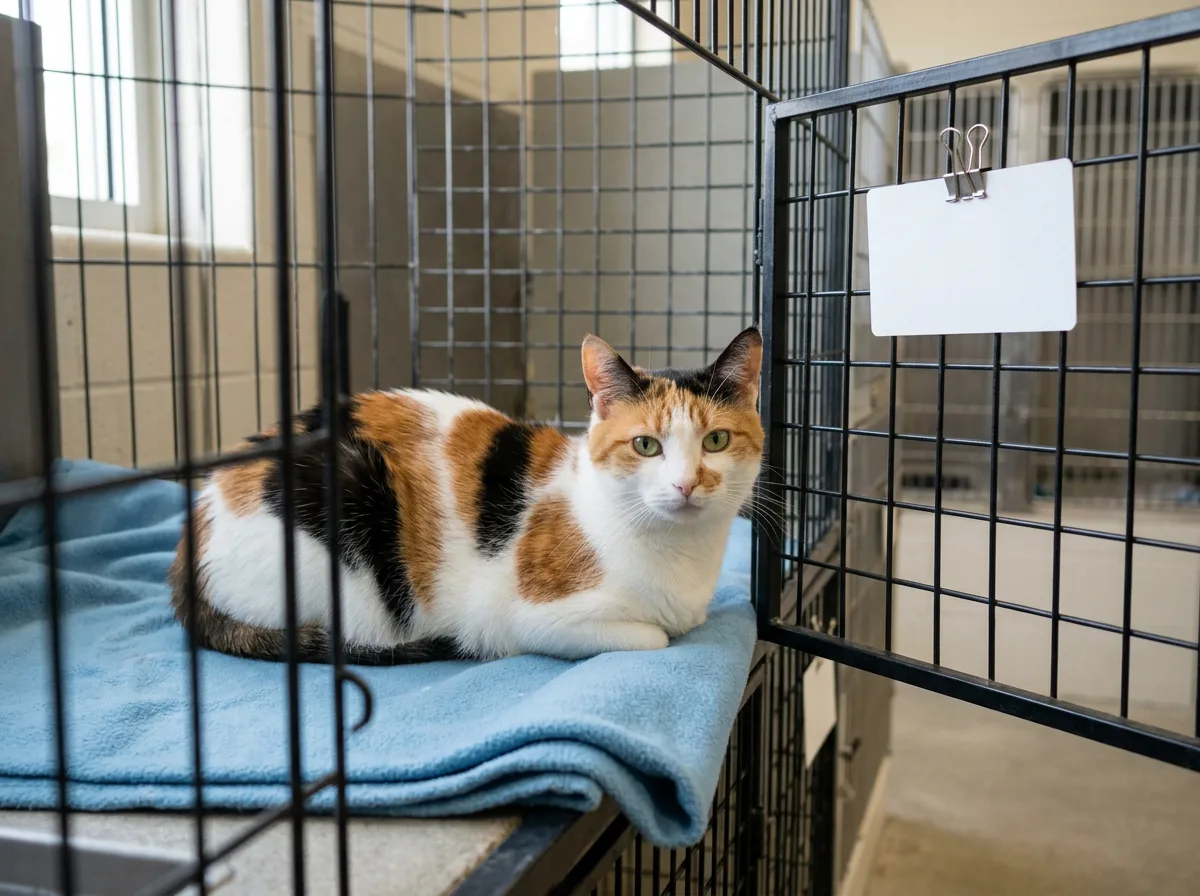
Here is the honest answer the internet keeps dodging: no. A male calico cat is rare, but rarity only creates value when it can be reproduced or it confers some advantage. A male calico offers neither.
- No breeding value. Most male calicos are sterile, and even the rare fertile ones cannot pass the calico pattern along as a trait. A breeder cannot build a line of male calicos, so catteries place no premium on them.
- Registries give them no special status. After the fertile chimera Dawntreader Texas Calboy began competing, the Cat Fanciers' Association amended its show rules to make male cats whose color combinations occur only by virtue of a genetic anomaly ineligible to win championship titles. To the cat fancy, a male calico is a curiosity, not a prize.
- Shelters price them like any other cat. When that rare male calico kitten appeared at a Colorado rescue in 2023, the rescue's founder anticipated huge adoption offers and said publicly that the kitten would go to the best home for him, not to the highest bidder.
| Where You Get the Cat | Typical Cost | What You Are Paying For |
|---|---|---|
| Shelter or rescue adoption | $50-200 | Standard adoption fee covering spay/neuter, vaccines, and microchip, same as any cat |
| Purebred kitten that happens to be calico | $800-2,500 | The breed pedigree (Persian, Maine Coon, etc.), never the pattern or the cat's sex |
| "Rare male calico" premium from a seller | $0 justified | Nothing. Sterile, non-showable rarity has no market value; a big markup is a red flag |
The real value of a male calico is the same as any cat's: companionship, plus an unbeatable conversation starter. He is a genetic curiosity worth bragging about, not a lottery ticket.
How to Tell if You Really Have a Male Calico
Most "male calico" reports turn out to be something else, so before you call the local paper, work through this checklist. No competitor will tell you this, but misidentification is the single most common explanation.
1. Re-check the sex. Kitten sexing is genuinely easy to get wrong, even for experienced fosters. Have a veterinarian confirm the kitten is male; a large share of supposed male calicos are simply mis-sexed females.
2. Re-check the pattern. An orange tabby with white can read as "calico" at a glance, and so can a black-and-white bicolor with sun-bleached rusty patches. A true calico shows three colors: white plus clearly distinct orange and black (or, in dilutes, cream and blue-gray) patches.

108-oz stainless steel pet fountain with quiet pump and water-level window. Bengals are notoriously water-obsessed; a flowing fountain encourages hydration and pulls them away from sinks and toilets.
Petful may earn a commission when you click through to Chewy, at no extra cost to you.
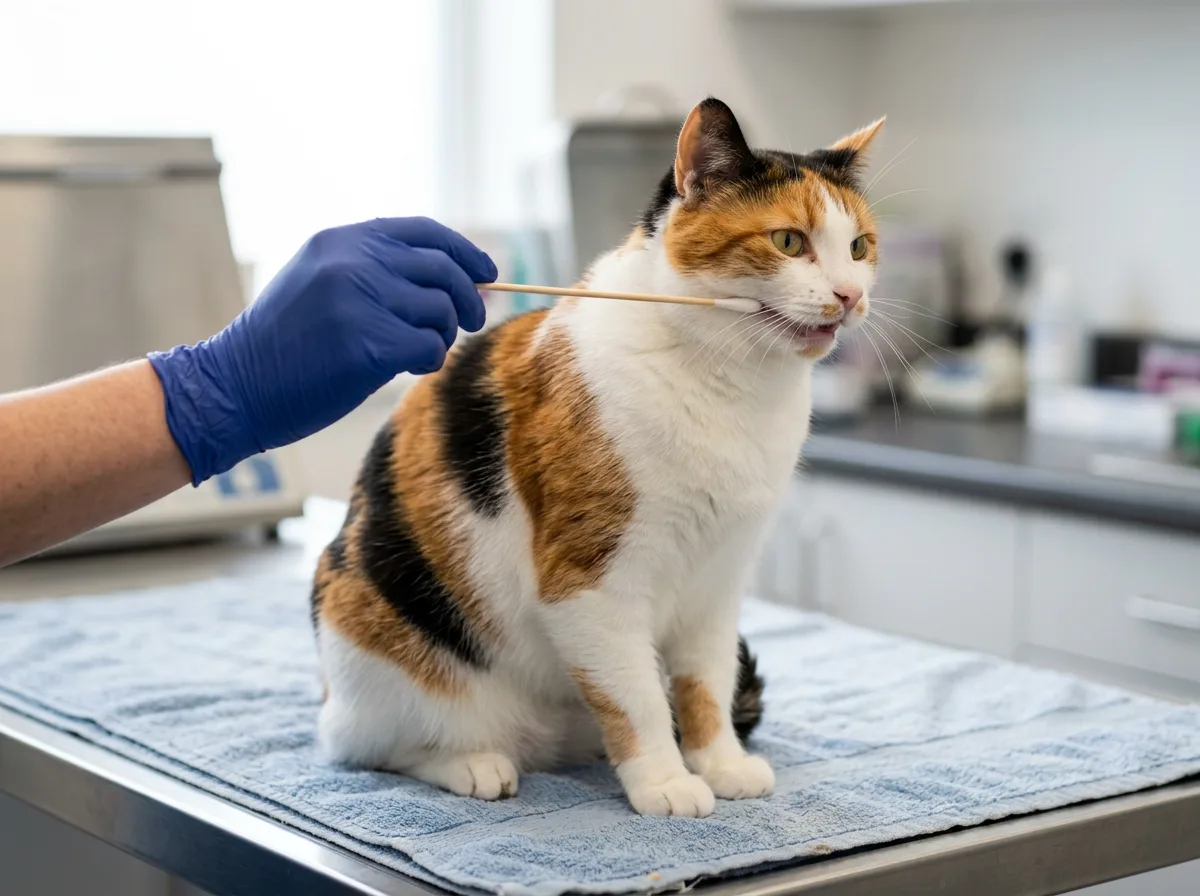
3. Ask for a karyotype. If the cat is confirmed male and genuinely tri-color, your vet can submit a blood sample to a veterinary genetics laboratory for a karyotype, a chromosome count that reveals whether he is XXY (39 chromosomes) or a normal XY male.
4. Test for chimerism if the karyotype is normal. A normal XY result on a real male calico points to chimerism or mosaicism. DNA testing across multiple tissue samples, the approach the UC Davis Veterinary Genetics Laboratory used to confirm Dawntreader Texas Calboy, can identify two distinct cell lines.
Why bother testing? Because the cause determines the care plan. An XXY cat goes on the metabolic watch list above; a chimera or mosaic needs nothing special. If you do not want to spend on testing, the practical default is to assume XXY (the most common cause) and manage weight and bloodwork accordingly.
- Karyotyping and chimerism panels are specialty tests, not something to order casually online. Ask your veterinarian to coordinate with a veterinary genetics laboratory; they will know which sample types the lab needs and how to interpret the result for your cat's care plan.
Famous Male Calico Cats
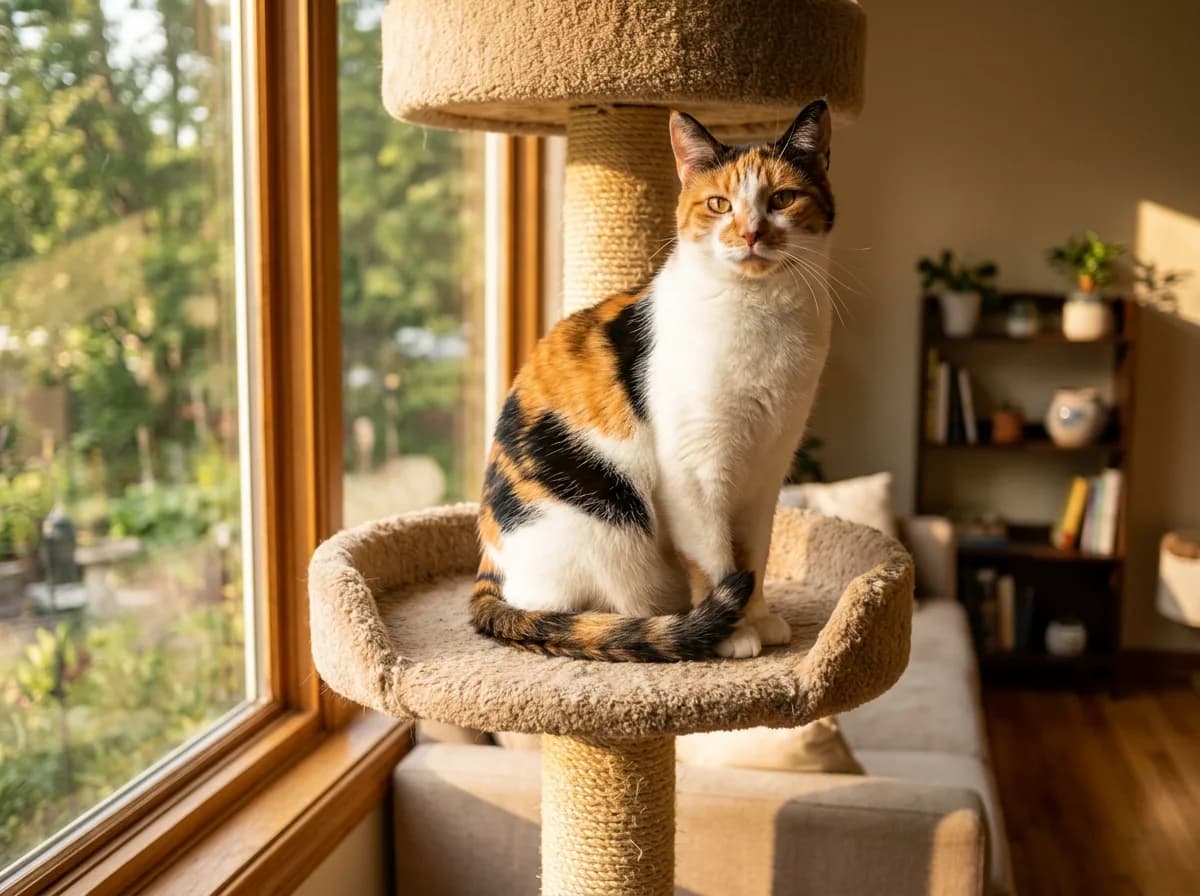
Because each one is a 1-in-3,000 event, individual male calicos regularly become local and even national celebrities. A few documented stars, useful both as proof these cats exist and as name inspiration:
- Dawntreader Texas Calboy: the famous fertile chimera from Texas. DNA-tested at UC Davis, shown in pedigreed competition, and the trigger for the CFA's rule change on male calicos. The single most scientifically documented male calico in recent memory.
- Cohen the Male Calico: an Instagram-famous male calico (@cohenthemalecalico) whose account highlights his 0.03 percent rarity while he helps foster orphaned kittens. He ranks among the most visible male calicos alive today.
- The 2023 Colorado "unicorn" kitten: a male calico who landed with a rescue in Loveland, Colorado, made national headlines, and drew hundreds of interested adopters before going home with the adopter judged the best fit, not the highest bidder.
- Comet: a rare male calico taken in by The Animal Foundation in Las Vegas in 2022 and quickly adopted.
- Date Mike: a male calico adopted through KC Pet Project in Kansas City, whose adoption story went viral on the shelter's social channels.
- Sherman: a high-energy male calico kitten who charmed staff at Humane Society Silicon Valley in 2015; one of the shelter's own veterinarians said she had never seen a male calico in 20 years of shelter work.
Notice the pattern in these stories: every famous male calico is famous for existing, not for being sold at a high price. The shelters and rescues involved placed them as ordinary adoptions instead of auctioning them to the highest bidder, which says everything about the "male calicos are worth thousands" myth.
Male Calico Cat Personality and Care
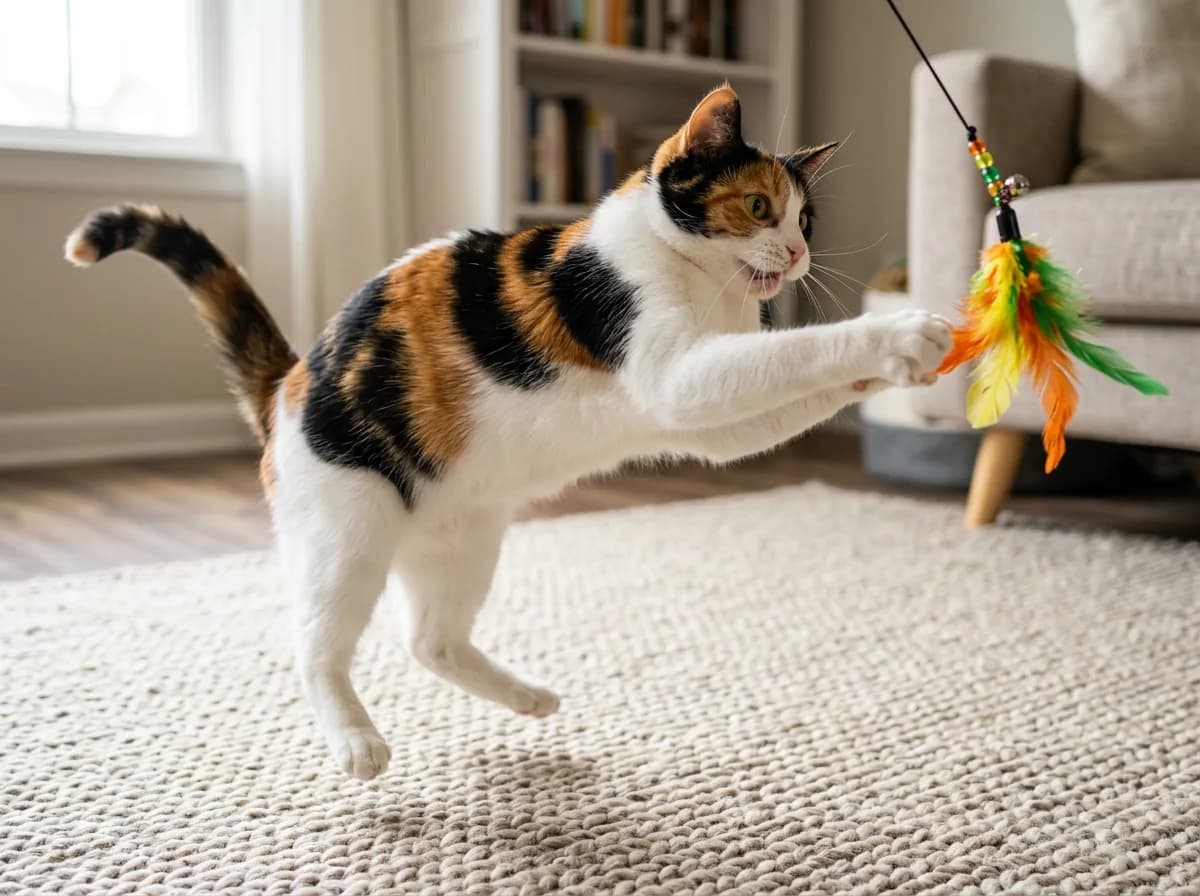
Does a male calico act different from other cats? The honest answer: his coat does not write his personality, and the science here is thinner than the internet suggests.
The "calico-tude" reputation comes mostly from a single piece of research: a University of California, Davis veterinary survey (Stelow, Bain, and Kass, published 2016 in the Journal of Applied Animal Welfare Science) that found owners reported slightly higher rates of aggressive behaviors, things like hissing and swatting, in tortoiseshell and calico cats. Two caveats matter. The data was owner-reported, not clinically measured, and the effect was modest, with individual variation dominating. Breed, socialization, and early handling shape a cat's temperament far more than coat color does. Coat genetics produce plenty of quirky surprises, from tri-color toms to extra-toed polydactyl cats, but they do not dictate personality.
For an XXY male specifically, owners sometimes report a mellower, slightly "kittenish" adult cat, consistent with the cognitive and developmental differences the chromosome anomaly can bring. Day-to-day care looks like good care for any male cat, with a few emphases:
- Neuter on the normal schedule (see above; sterility does not switch off testosterone-driven behavior).
- Guard the waistline. Portion-controlled meals and daily play sessions matter doubly for XXY cats with their obesity and diabetes tendencies.
- Keep him indoors or supervised. A 1-in-3,000 cat deserves the indoor-cat safety margin, and indoor life is where that 12-16 year lifespan comes from.
- Schedule twice-yearly vet visits with periodic bloodwork from middle age onward, so metabolic issues surface early.
- Be patient with quirks. If your XXY boy learns a little slower or startles a little easier, structure and routine help more than correction.
Calico Cats in Folklore: Lucky Ships, Money Cats, and Maryland

Long before anyone could spell ARHGAP36, sailors and fishermen had decided calico cats were lucky, and males luckiest of all, presumably because they were so hard to find.
In Japan, the calico is the mi-ke, meaning "triple fur," and Japanese fishermen prized calico ships' cats as protection against storms and misfortune. The maneki-neko, the beckoning cat figurine that waves from shop counters worldwide, is traditionally depicted as a calico, inviting good fortune and prosperity. In American folklore, calicos are sometimes called "money cats," a nickname that no doubt fuels the modern myth that a male calico is worth a fortune.
The calico even holds public office in the United States: on October 1, 2001, Maryland named the calico its official state cat, because the pattern's orange, black, and white matches the Baltimore oriole, the state bird, and the Baltimore checkerspot butterfly, the state insect.
So if you share your home with a male calico, folklore says you are holding a double dose of luck: a lucky pattern on a 1-in-3,000 cat. Science says you are holding a genetics lecture with whiskers. Both are right.
Frequently Asked Questions
About 1 in 3,000 calico cats is male, a figure from a University of Missouri College of Veterinary Medicine study that is also cited by the Cornell Feline Health Center. That works out to roughly 0.03 percent of all calicos, which is why many veterinarians never see one in an entire career.
No. Male calicos are rare but have no extra market value: most are sterile, none can reliably pass the calico pattern to offspring, and CFA show rules make males whose color comes only from a genetic anomaly ineligible to win championship titles. Shelters charge their standard $50-200 adoption fee, and any seller demanding a "rare male" premium is a red flag.
Cats show affection through slow blinks (often called cat kisses), head bunting, kneading with their paws, purring while curled against you, grooming your hair or skin, and simply following you from room to room. Returning a relaxed slow blink is one of the clearest ways to say it back.
Almost never. Most male calicos are XXY and sterile because the extra X chromosome disrupts sperm production. The rare fertile exceptions, roughly 1 in 10,000 male calicos, are usually chimeras or mosaics whose reproductive tissue is genetically normal, like the DNA-confirmed chimera Dawntreader Texas Calboy.
Most are. The majority of male calicos carry XXY chromosomes (Klinefelter syndrome), which almost always causes sterility. Males created by chimerism or somatic mosaicism can be fertile, but they are a small fraction of an already tiny group.
About 0.03 percent, or 1 in 3,000. Put the other way, roughly 99.9 percent of calico and tortoiseshell cats are female, because the pattern normally requires two X chromosomes.
The same as any comparable cat: typically $50-200 to adopt from a shelter or rescue, or roughly $800-2,500 for a pedigreed kitten of a breed that happens to allow calico, where you are paying for the breed rather than the pattern. There is no legitimate male-calico premium.
Usually not in the anatomical sense. Most male calicos are XXY: a sex-chromosome variation, but the Y chromosome makes them anatomically male, and they look and behave like ordinary toms. Some chimeras can show mixed reproductive anatomy, but that is the exception, not the rule.
XXY males can. Klinefelter syndrome in cats is associated with weight gain and increased body fat, higher diabetes risk, reduced bone mineral content, and cognitive or behavioral differences. Chimeric and mosaic male calicos typically have completely normal health.
A chimeric or mosaic male calico has a normal lifespan, typically 12-16 years indoors and sometimes 20. XXY males often live shorter lives because of their metabolic and developmental issues, though attentive care, weight control, and early veterinary intervention narrow the gap.
A calico has a predominantly white coat with large, distinct patches of orange and black, created by an added white-spotting gene. A tortoiseshell shows the same two colors brindled and interwoven across the body with little or no white. Both patterns are almost exclusively female for the same X-chromosome reasons.
Breeds whose standards accept calico include the Persian, Maine Coon, Manx, American Shorthair, British Shorthair, Japanese Bobtail, Exotic Shorthair, Devon Rex, Norwegian Forest Cat, and Turkish Van, among others. Calico is a color pattern, so the breed comes from pedigree, never from the coat.
There is no evidence the calico pattern itself sets personality. A 2016 UC Davis survey found owners reported modestly higher feistiness in tricolor cats, but it was owner-reported and small, with individual variation dominating. Some XXY males seem mellow or kittenish, likely tied to the chromosome difference rather than the coat.
Yes, on the normal schedule. Even sterile XXY males produce testosterone, so an intact male calico can still spray, roam, and fight. Neutering curbs those behaviors, removes testicular disease risk, and for the rare fertile chimera it prevents accidental litters.

Coreen Saito is a pet writer and longtime shelter volunteer with more than a decade in animal rescue. She covers cat behavior, breed care, and the small, ordinary science of sharing a life with companion animals, with a particular focus on honest takes about the products and decisions that actually matter. At home in Arizona, she's outranked by Mac (a dog with the loudest opinion in the house), Rebel (a cat who governs by quiet authority), and Meri (an orange tabby who runs the late shift and the laundry basket). She writes about all three, plus the rescues that keep coming through her life, at LifeWithMinty.com.
Sign up for expert-backed reviews and safety alerts all in one place.