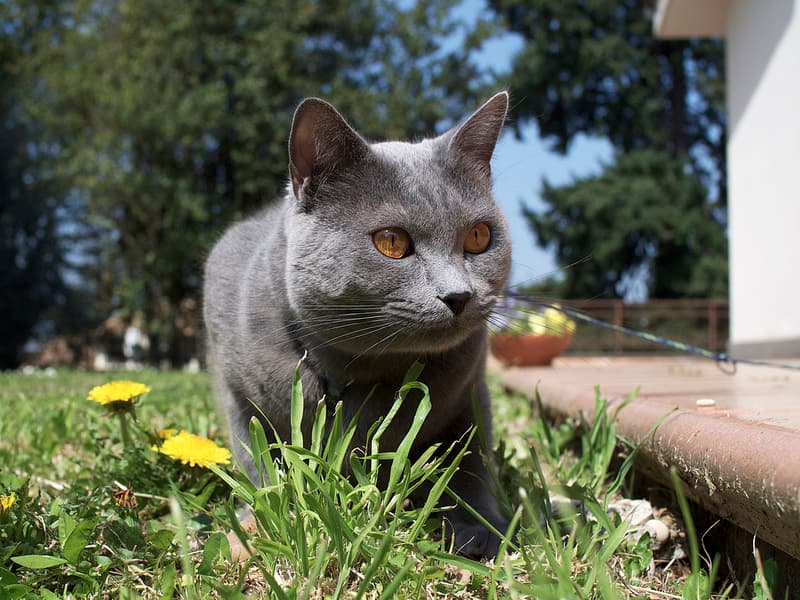
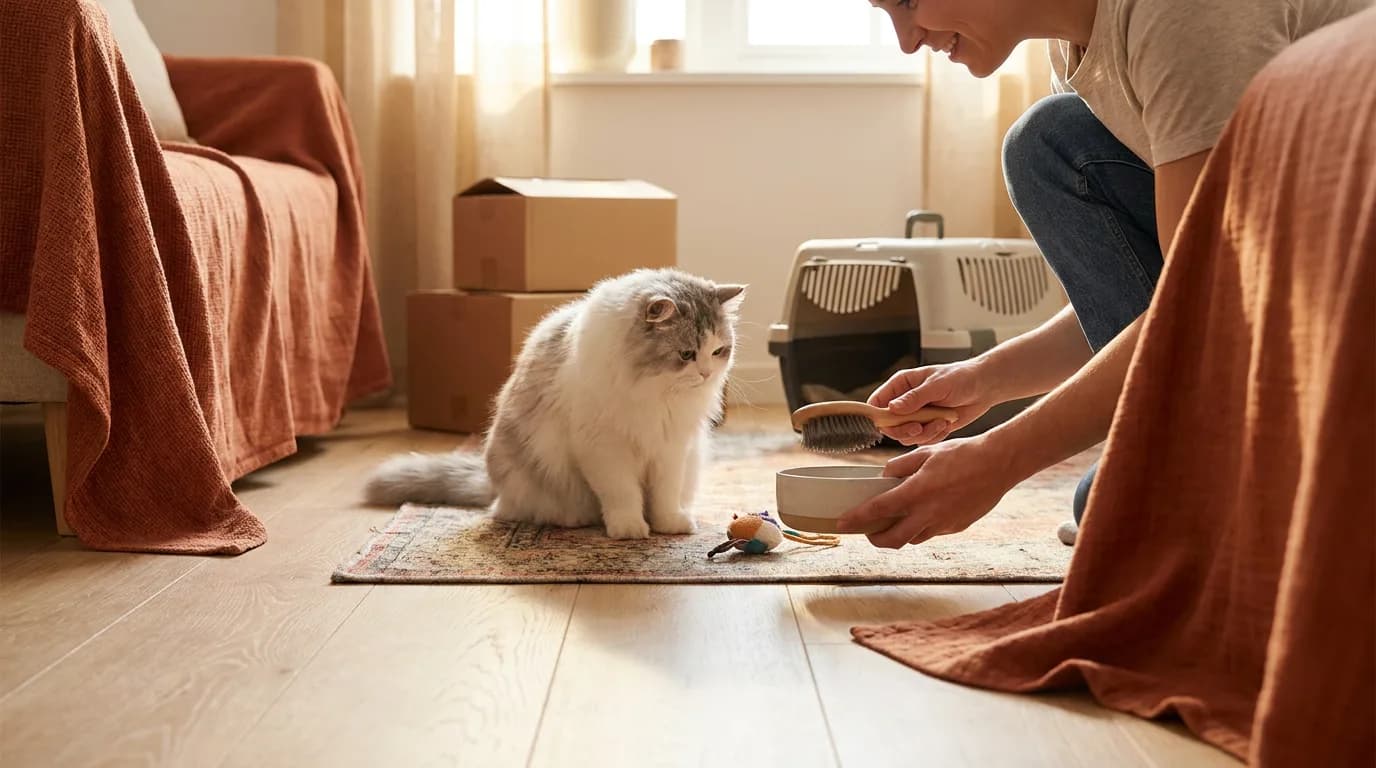
British Shorthair Price: How Much Do They Cost in 2026?
British Shorthair price in 2026 ranges from $1,200 to $3,500 from a reputable breeder, with rare colors reaching $5,500. This guide covers kitten prices, monthly costs, health expenses, and how to adopt for $75-200.
Petful is reader supported. As an affiliate of platforms like Amazon and Chewy, we may earn a commission when you buy through links on this page. There is no extra cost to you.
The british shorthair price in 2026 ranges from $1,200 to $3,500 from a reputable breeder, according to CFA-registered catteries across the United States. Those numbers can climb to $5,500 for rare coat colors like golden or chocolate, and drop to as little as $75 if you adopt from a rescue. Before you fall for those dense plush cheeks and round copper eyes, it pays to understand exactly where your money goes, what red flags to watch for, and what the full lifetime cost actually looks like. This guide covers every number.
- 1Pet-quality British Shorthairs from reputable breeders cost $1,200-2,500 in 2026
- 2Show or breeding-quality cats run $2,500-3,500
- 3Rare colors (golden, chocolate, lilac, colorpoint) can reach $3,000-5,500
- 4Shelter adoption costs $75-200 and is the most affordable path
- 5First-year total ownership cost including setup and vetting typically reaches $2,500-4,500

Sign up for expert-backed reviews and safety alerts all in one place.
What Is the British Shorthair Price in the US? (2026 Range)
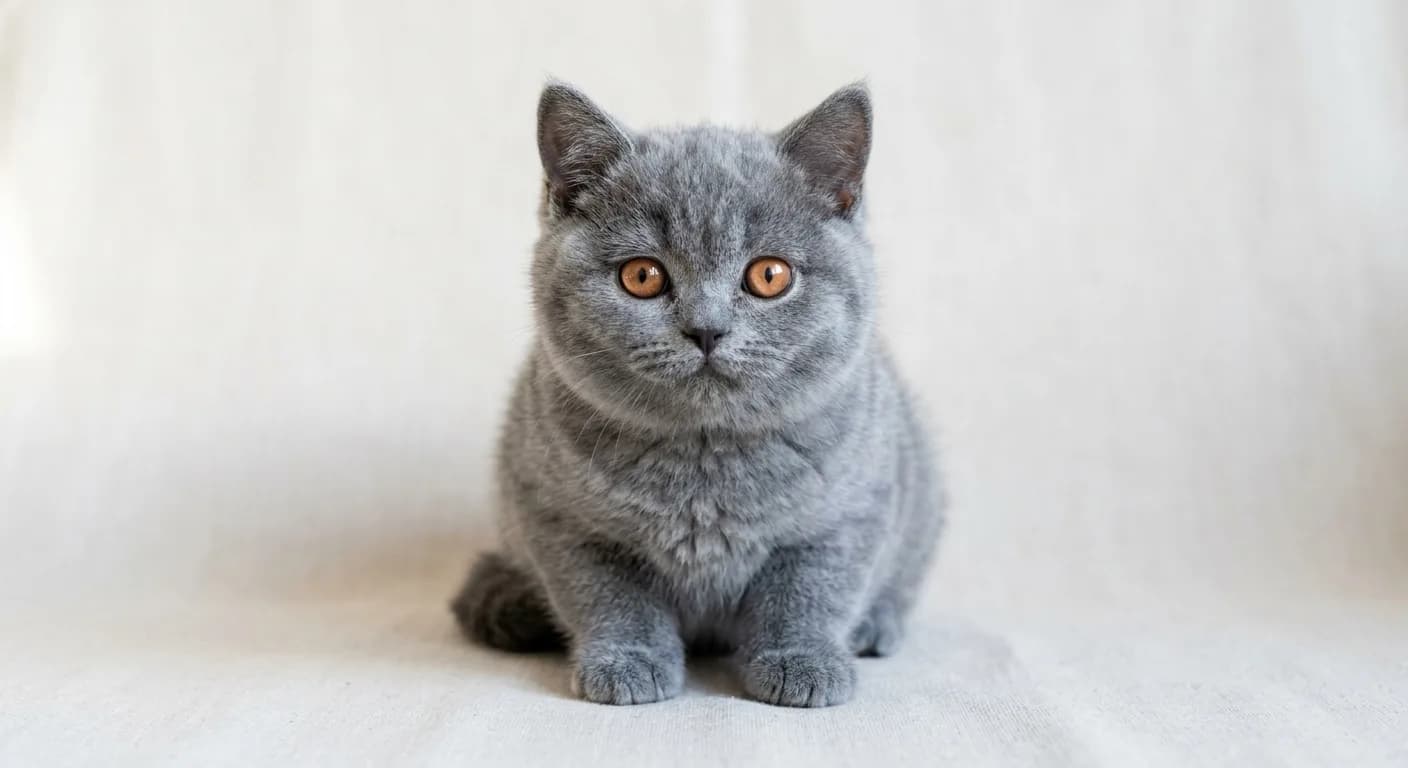
No other pedigreed cat looks quite like a British Shorthair. The round head, chubby cheeks, and dense plush coat that earned them the "teddy bear cat" nickname are the direct product of decades of careful selective breeding, and the price reflects that investment.
Here is the 2026 price landscape for British Shorthairs purchased in the United States:
| Category | Price Range | What You Get |
|---|---|---|
| Pet-quality (reputable breeder) | $1,200 - $2,500 | HCM/PKD health-tested parents, spay/neuter contract, pedigree, TICA/CFA registration |
| Show-quality | $2,500 - $3,500 | Exceptional conformation, show potential, champion bloodlines |
| Rare colors (golden, chocolate, lilac, colorpoint) | $3,000 - $5,500 | Standard BSH quality plus hard-to-produce genetics, green/blue-green eyes on goldens |
| Backyard breeder / untested | $500 - $1,200 | No health guarantees, potential hereditary disease risk |
| Shelter or rescue adoption | $75 - $200 | Includes spay/neuter, initial vaccines, microchip |
The $1,200 floor is not arbitrary. A responsible breeder pays for health screening (more on that below), TICA or CFA registration fees, quality nutrition for the queen during pregnancy, kitten vaccines, microchipping, and often a vet check before placement. Cut below that floor from a private seller and you are almost certainly bypassing those costs, not getting a bargain.
- British Shorthair litters are typically small (3-4 kittens on average) and the breed is slow to mature, meaning a breeder invests 3-5 years developing each breeding cat to full form before it even enters a program. Small litters plus high fixed costs per kitten push prices up relative to high-volume breeds.
Breeder vs. Adoption: How Much Does a British Shorthair Cost?
Buying from a Reputable Breeder
TICA-registered and CFA-registered breeders represent the gold standard. Expect to pay $1,200-2,500 for a pet-quality kitten with a spay/neuter agreement, and $2,500-3,500 for show-quality. What that price includes:
Never Scoop Again® with the Whisker Litter-Robot, the smart self-cleaning automatic litter box. Monitor visits and track weights for better overall care in the Whisker® app. Multi-cat friendly.
Petful may earn a commission when you click through to Whisker, at no extra cost to you.
- Parents screened by echocardiogram for hypertrophic cardiomyopathy (HCM) and DNA-tested for polycystic kidney disease (PKD) and hemophilia B
- Written health guarantee (typically 2 years against genetic conditions)
- First core vaccine series and deworming
- Microchip (often already registered in your name)
- TICA or CFA registration papers
- A kitten pack (food sample, blanket with queen's scent, care instructions)
Reputable breeders typically have waiting lists of 6-12 months for pet-quality kittens. That wait is a feature, not a problem. It means the breeder is not overbreeding.
Adopting from a Shelter or Rescue
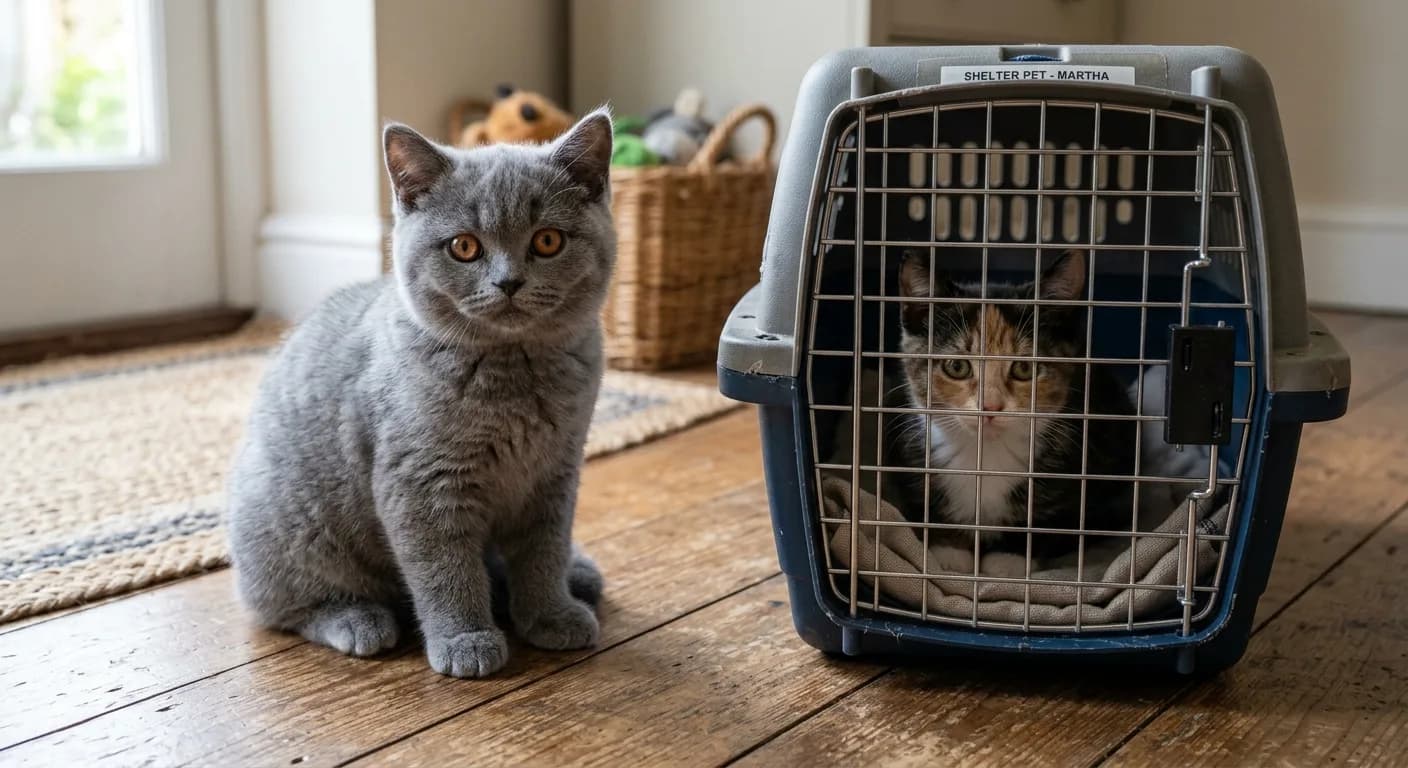
Adoption fees run $75-200, which covers spay/neuter surgery, a full vaccine series, microchipping, and often a health exam. The catch is availability. British Shorthairs are rarely surrendered, and when they are, they are claimed fast.
Your best bets for finding a BSH in rescue:
- TICA Rescue (tica.org has a rescue referral page)
- PetFinder with "British Shorthair" as the breed filter
- Breed-specific Facebook groups where owners rehome cats directly
- Contact registered breeders directly; some have retired breeding cats available at a reduced price ($300-600 range)
7 Factors That Affect the British Shorthair Price
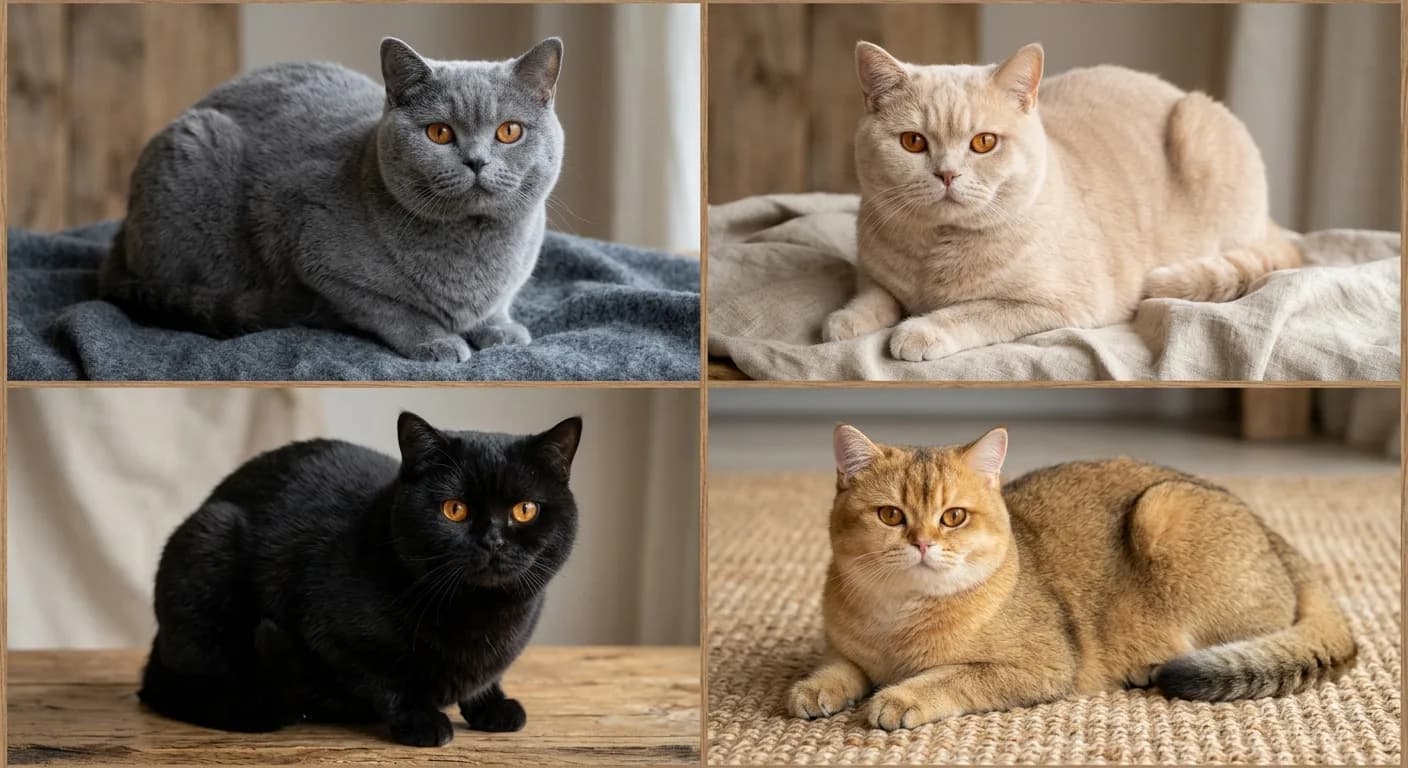
Not all British Shorthairs command the same price. Here are the seven variables that move the number up or down.

Compare coverage choices for your pet, then request a quote directly on Lemonade.
- Check a price for your pet
- Review available coverage choices
- See the terms before you decide
Eligibility, waiting periods, limits and exclusions apply.
Petful may earn a commission when you click through to Lemonade, at no extra cost to you.
1. Coat Color and Pattern
Unlike Maine Coons, where reputable breeders charge the same for every color, British Shorthair pricing genuinely tracks coat genetics. The CFA and TICA recognize 30+ color varieties, and rarity at the genetic level translates directly into price at the sale.
- Blue (the classic gray): The most common and most affordable, typically in the lower half of the $1,200-2,500 range
- Black, white, cream, red, and standard tabby: Mid-range, similar to blue
- Bicolor: Slightly higher, good demand
- Chocolate and lilac (a dilute of chocolate): Rarer because both parents must carry the recessive chocolate gene; expect $2,000-3,500 for pet quality
- Cinnamon and fawn: Even rarer, $2,500-4,500
- Colorpoint (Himalayan-patterned BSH): Premium, $2,500-4,500
- Golden shaded / golden tipped: The most sought-after color. Produces the warm apricot-to-gold coat with green (not copper) eyes; genetics are complex to produce consistently. Top of the range: $1,800-5,500
2. Registration and Pedigree
TICA and CFA-registered kittens from champion-line parents cost more than unregistered kittens. Registration papers document the health-testing chain and breed purity, which is why they are worth the premium.
3. Breeder Location
Breeders in major metropolitan areas (New York, Los Angeles, San Francisco, Seattle) typically charge 10-20% above the national average, partly reflecting their cost of living and partly reflecting higher local demand. A breeder in the Midwest may price the same quality kitten at the low end of the range.
4. Breeding Quality vs. Pet Quality
Show-quality and breeding-quality kittens have conformation that meets the standard closely enough to represent the breed in competition or produce show-quality offspring. Breeders invest years in developing bloodlines to this level, and pricing reflects it.
5. Gender
Female British Shorthairs occasionally carry a small premium (roughly $100-200) when sold with breeding rights. For spayed/neutered pet-quality placements, gender rarely affects price significantly.
6. Generation and Champion Bloodlines
Kittens with multiple grand champions in the first three generations of their pedigree command higher prices. If the sire or dam is an active show champion, expect to pay toward the top of the range.

63-inch multi-level cat tree with scratch posts, hammock, plush perches, and dangling toys. Vertical territory is non-negotiable for high-energy climbing breeds like the Bengal.
Petful may earn a commission when you click through to Chewy, at no extra cost to you.
7. Health Testing Investment
Breeders who perform echocardiograms annually (not just once) and use genetic panel testing from labs like UC Davis or Optimal Selection charge more. That premium is real insurance against a $6,000-10,000 cardiac treatment bill later.
- A British Shorthair offered for $400-800 with "papers" almost certainly has no verifiable health testing, may not be purebred, and could be from a kitten mill. The breed's slow maturity and small litters make it physically impossible for a responsible breeder to recover costs at that price. Walk away.
One-Time Setup Costs for a British Shorthair
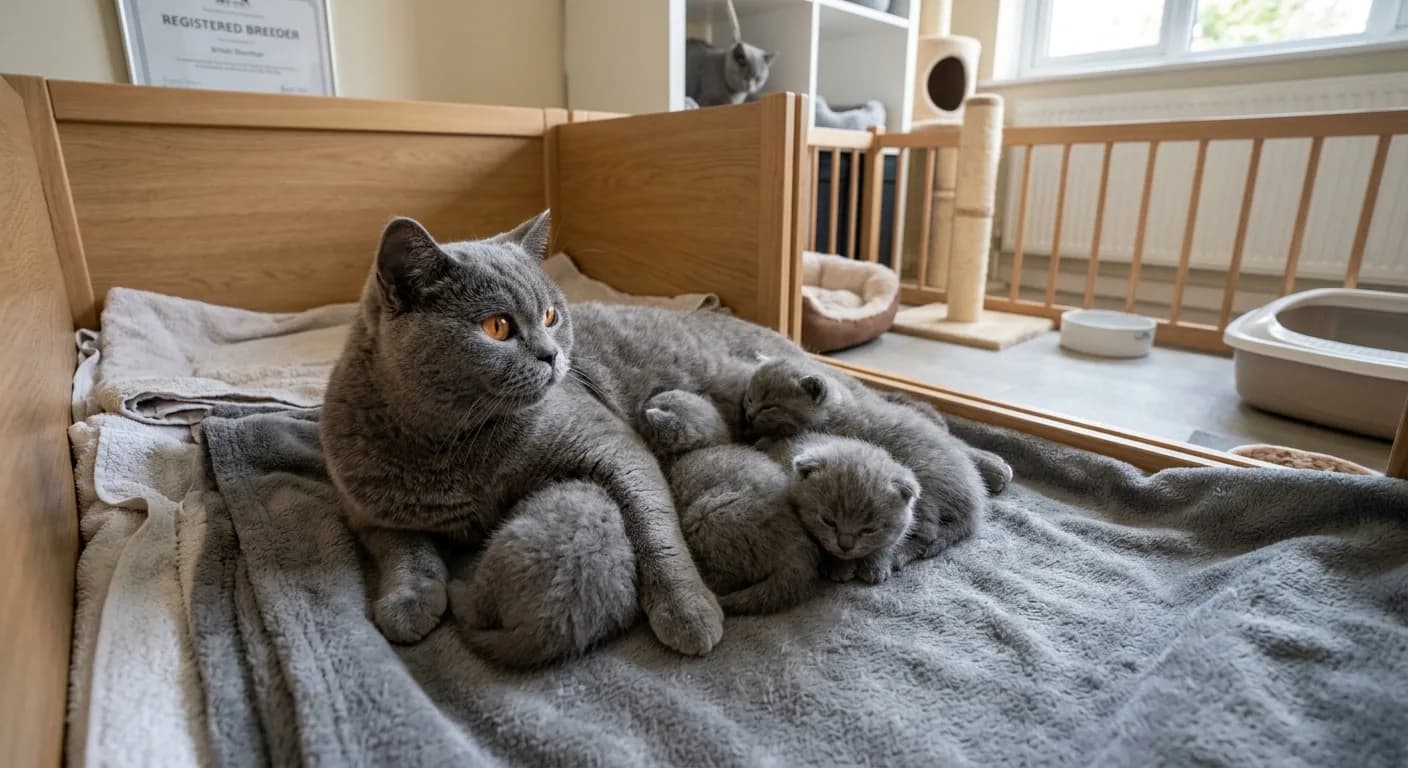
The kitten purchase price is not your only first-year expense. Budget for these one-time setup costs before bringing your cat home.
| Item | Budget Option | Mid-Range Option | Notes |
|---|---|---|---|
| Large litter box (covered or open) | $25 | $65 | BSH adults are stocky; get a large box |
| Litter (initial supply) | $20 | $40 | Clumping or crystal, monthly ongoing |
| Scratching post / cat tree | $40 | $150 | Tall enough for adult cobby size |
| Food and water bowls | $10 | $35 | Stainless or ceramic; avoid plastic |
| Carrier | $30 | $90 | Hard-sided for vet visits |
| Interactive toys | $20 | $60 | Puzzle feeders help manage weight |
| Microchip registration (if not done) | $20 | $20 | One-time fee |
| Spay/neuter (if not included) | $200 | $450 | Most reputable breeders include this |
| Initial vet exam + vaccines | $150 | $350 | If not covered by breeder |
| FELV/FIV test | $40 | $80 | Recommended at first exam |
| Flea/tick prevention (6 months) | $30 | $60 | Year-round in warm climates |
| TOTAL ESTIMATE | $585 | $1,400 | Does not include the kitten purchase price |
Most buyers land in the $500-1,000 range for setup, with first-year vet costs pushing the total higher. Budget $2,500-4,500 for your total first-year expenditure including the kitten.
Monthly Cost of Owning a British Shorthair Cat
Once past the first year, British Shorthairs are moderately expensive to maintain. Their calm, indoor-only lifestyle keeps some costs low, but their stocky build and food motivation mean diet management is critical.
| Expense | Low End | High End | Notes |
|---|---|---|---|
| Premium dry food | $20 | $50 | ~1/2 to 3/4 cup per day for adults |
| Wet food (3-4 cans/week) | $15 | $40 | Excellent for hydration; supports urinary health |
| Litter | $15 | $35 | Depends on brand and box count |
| Treats | $5 | $15 | Keep low; BSH are obesity-prone |
| Toys and enrichment | $5 | $20 | Monthly rotation |
| Flea/heartworm prevention | $10 | $20 | Monthly topical or oral |
| Pet insurance premium | $20 | $60 | More below |
| Routine vet (amortized) | $10 | $20 | One annual wellness exam divided by 12 |
| MONTHLY TOTAL | $50 | $150 | Excludes unexpected health costs |
| ANNUAL TOTAL | $600 | $1,800 | Average is roughly $900-1,200/year |
The $50-150 monthly range aligns with current ownership data from BSH breeder communities and lines up with costs for similar cobby indoor breeds. Weight management is the biggest ongoing variable. A British Shorthair who free-feeds on low-quality kibble will be obese within two years, which drives vet costs up significantly.
- The British Shorthair's calm personality and food motivation make it the breed most likely to gain weight when food is always available. Measure portions according to your veterinarian's guidance for your cat's ideal weight, not the bag instructions, which typically overestimate.
Veterinary and Health Costs to Budget For
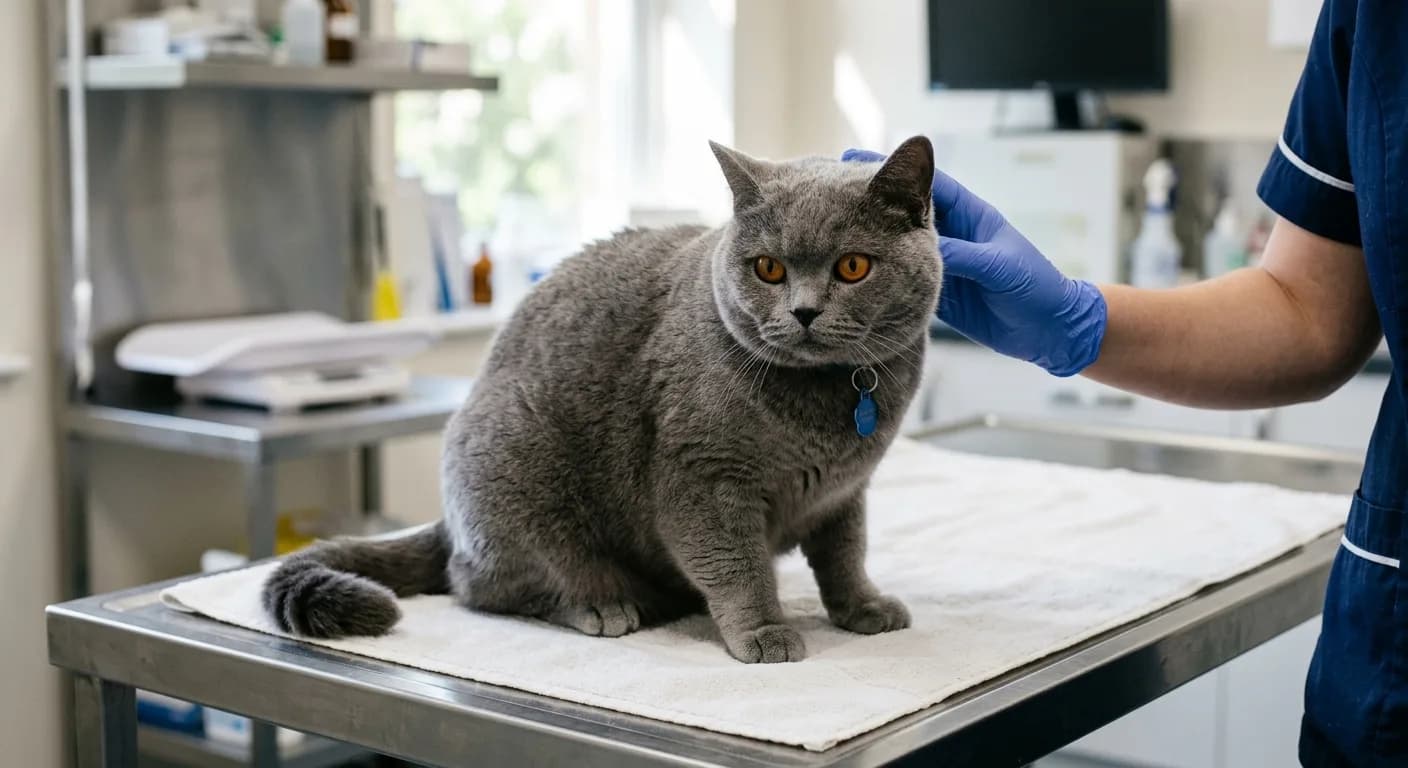
British Shorthairs are generally robust, but three inherited conditions require proactive monitoring, according to the CFA Health Committee and veterinary cardiologists who study pedigreed cat populations.
Hypertrophic Cardiomyopathy (HCM)
HCM is the thickening of the heart muscle and is the leading cardiac disease in cats. In British Shorthairs, it is not a single-gene condition like the MyBPC3 mutation in Maine Coons; it is polygenic, meaning DNA testing cannot fully rule it out. The standard of care is annual cardiac echocardiogram screening by a board-certified veterinary cardiologist, which costs $200-350 per scan. A kitten whose parents have been echo-screened negative annually for multiple years has meaningfully lower risk.
If HCM is diagnosed and progresses to congestive heart failure, ongoing medication (atenolol, furosemide, clopidogrel) runs $50-150 per month, with monitoring echos every 6 months.

108-oz stainless steel pet fountain with quiet pump and water-level window. Bengals are notoriously water-obsessed; a flowing fountain encourages hydration and pulls them away from sinks and toilets.
Petful may earn a commission when you click through to Chewy, at no extra cost to you.
Polycystic Kidney Disease (PKD)
PKD causes fluid-filled cysts in the kidneys and is DNA-testable. Ask your breeder for the actual lab report showing the sire and dam tested PKD-negative (UC Davis Veterinary Genetics Laboratory is the gold-standard lab). A positive-testing breeder cat should not be in any responsible program.
Hemophilia B
Hemophilia B (Factor IX deficiency) is sex-linked and DNA-testable. It affects male cats primarily. Reputable breeders test breeding females.
Obesity-Related Costs
Because British Shorthairs are calm and food-motivated, obesity is a genuine breed risk. Overweight BSH are prone to diabetes, joint strain, and hepatic lipidosis. Weight management diets, dental cleanings (overweight cats have higher periodontal disease rates), and diabetes management (insulin, $80-200/month if it develops) are the most common downstream costs in the breed.
Annual Vet Budget
- Routine wellness exam: $75-150. Vaccines (annual boosters): $50-100. Dental cleaning (every 1-3 years under anesthesia): $300-700. Cardiac echo (especially if parents untested): $200-350. Blood panel (recommended annually at age 7+): $100-250. Flea/heartworm prevention: $120-240/year.
Pet insurance is worth serious consideration for this breed given cardiac risk. See the FAQ section below for details.
How to Own a British Shorthair on a Budget
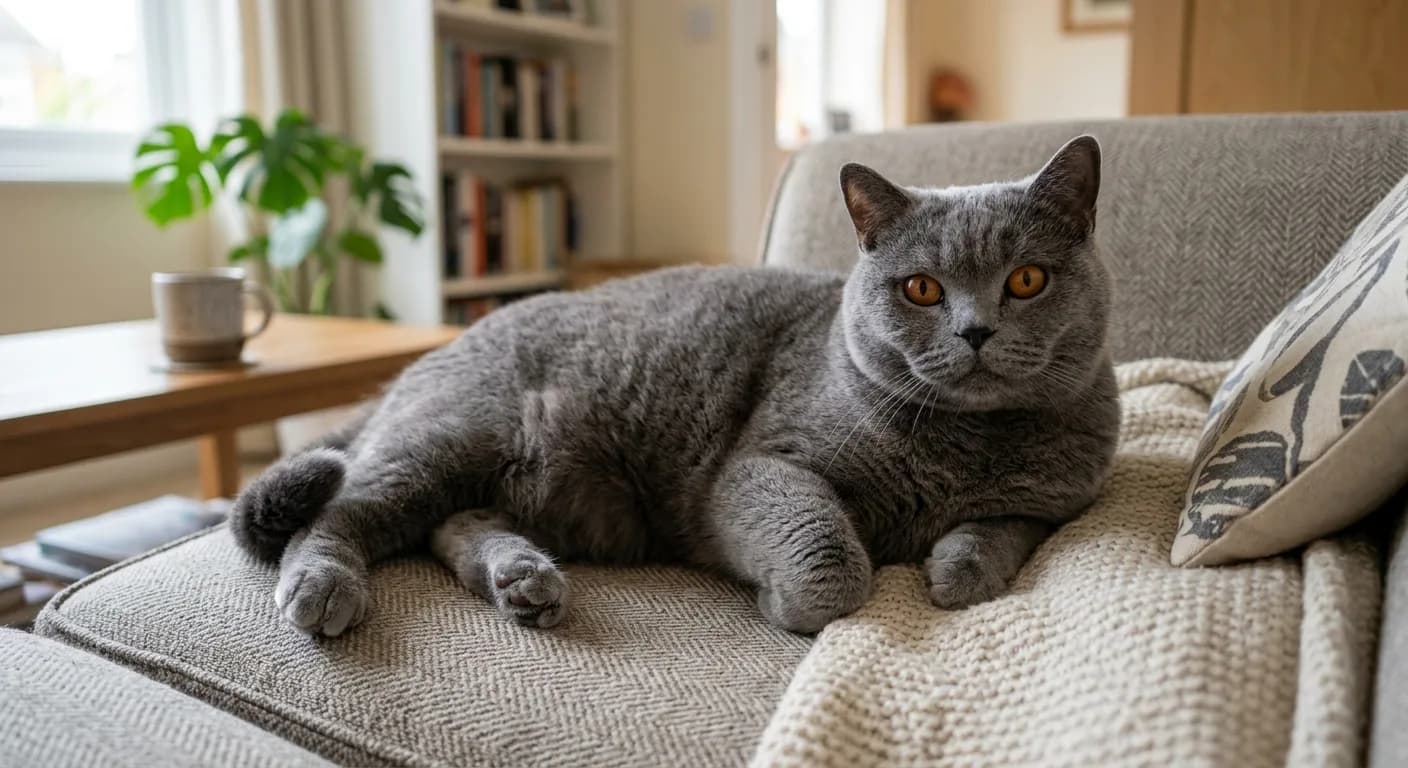
The honest answer is that a well-bred, health-tested British Shorthair is not a budget cat. But these strategies can bring real costs down without compromising welfare.
1. Adopt Instead of Shop
A rescue or shelter British Shorthair costs $75-200 versus $1,200-2,500, and comes already spayed/neutered, vaccinated, and microchipped. The British Shorthair breed profile on Petful lists behavioral traits that make them particularly easy to integrate into adult households.
2. Get a Retired Breeder Cat
As mentioned above, retired queens and studs from reputable breeders are health-tested, socialized adults, typically priced at $300-600. They are the best-value British Shorthair you can buy.
3. Buy Pet-Quality, Not Show-Quality
If you are not showing or breeding, pet-quality kittens offer the same temperament, health testing, and registration as show-quality cats. You are not paying for conformation that only matters in a show ring.
4. Compare Prices to Similar Breeds
If the BSH price is genuinely out of reach, consider comparing the Persian cat price and costs or the Himalayan cat price, which have similar calm temperaments and overlapping price ranges. For a shorter-coated blue cat at a potentially lower price, the Russian Blue cat profile is worth exploring.
5. Get Pet Insurance on Day One
This is counterintuitive for budget buyers, but insurance purchased before any diagnosis covers HCM medication and diagnostics at a fraction of out-of-pocket costs. A $30-60 monthly premium versus a $6,000+ cardiac care bill is a clear calculation. The Ragdoll cat breed profile discusses a similar calculus for another HCM-prone large breed.
6. Feed Better Food from the Start
Premium food that maintains healthy weight costs more per month but prevents the obesity-driven vet bills that quietly double the lifetime cost of ownership for many British Shorthair owners.
7. Prioritize a Tested Breeder Over a Cheaper Untested One
A $500 kitten from an untested breeder who develops HCM at age four will cost far more in total than a $1,800 kitten from a screened program. The upfront savings evaporate.
- The British Shorthair Cat Club (BSCC) and TICA's breed section maintain lists of registered breeders. Owner Facebook groups and Reddit communities (r/BritishShorthair) provide candid first-hand reports of specific catteries, waiting times, and post-purchase support. Community intelligence beats any single review site.
Expect to pay $1,200-2,500 for a pet-quality British Shorthair from a reputable, health-testing breeder in 2026. Show-quality or breeding-quality kittens range from $2,500-3,500, and rare colors like golden or chocolate can reach $3,000-5,500. Adoption from a shelter or rescue costs $75-200.
British Shorthairs are expensive because their litters are small (typically 3-4 kittens), the breed matures slowly (3-5 years to full development), and responsible breeders invest heavily in annual cardiac echos, DNA health panels, and registration. Those fixed costs spread across a small number of kittens per year make a low price nearly impossible without cutting corners.
The main practical downsides are price, availability (long waiting lists for reputable breeders), obesity tendency that requires careful feeding management, cardiac disease risk requiring ongoing monitoring, and the fact that they are more independent than affectionate - they are not lap cats. Their dense coat also sheds noticeably.
Adoption fees typically run $75-200, which covers spay/neuter surgery, a full vaccine series, microchipping, and a health exam. Purebred British Shorthairs are rarely available in shelters, so the wait for one to appear can be long.
Monthly costs typically fall in the $50-150 range, covering premium food, litter, flea/tick prevention, and routine care amortized over the year. Pet insurance adds $20-60/month. First-year costs are higher due to setup expenses and initial vetting, with the total often reaching $2,500-4,500 including the kitten price.
Yes, significantly. Blue (grey) is the most common and least expensive color. Golden shaded, chocolate, lilac, cinnamon, and colorpoint BSH are genetically rarer and harder to produce, commanding premiums of $500-3,000 above the standard pet-quality price. Note this is different from Maine Coons, where responsible breeders typically charge the same for all colors.
Pet-quality British Shorthairs from reputable breeders run $1,200-2,500 in 2026. Show-quality kittens (with conformation close enough to compete in CFA or TICA shows) run $2,500-3,500. Both are from health-tested parents; the difference is physical conformation, not health or temperament.
For spayed/neutered pet placements, gender rarely affects price meaningfully. Intact females sold with breeding rights occasionally carry a $100-200 premium. Males and females have similar temperaments in this breed.
A reputable British Shorthair breeder should include: TICA or CFA registration papers, written health guarantee (minimum 1-2 years for genetic conditions), echocardiogram and DNA test results for both parents (HCM, PKD, hemophilia B), first core vaccine series, deworming, microchip, and a spay/neuter contract or completed surgery. A kitten pack with food sample and a piece of bedding smelling of the queen is also standard.
Yes, for most owners. HCM is a breed risk that cannot be completely eliminated through testing, and cardiac care for an affected cat can easily exceed $6,000-10,000 over the course of treatment. Policies purchased before any diagnosis typically cost $30-60/month and can cover diagnostics, medication, and specialist visits. Getting insurance within the first 6-8 weeks avoids pre-existing condition exclusions.
Verify TICA or CFA registration by searching the registry directly (not just taking the breeder's word). Ask for the actual lab reports for HCM echo and DNA tests, not just verbal assurance. Never wire money or use payment apps to hold an unseen kitten. Prices under $800 for a claimed pedigreed BSH are a near-certain red flag. Legitimate breeders welcome video calls showing the cattery and kittens with the queen.
Ask for documentation showing: annual cardiac echocardiogram results (negative for HCM) on both sire and dam from a board-certified veterinary cardiologist, PKD DNA test results (negative) from a lab like UC Davis, and hemophilia B DNA test results on any queen in the program. Some breeders also screen for blood type compatibility. All paperwork should include the cat's name, microchip or tattoo number, test date, and the certifying lab or cardiologist's name.
A British Shorthair is a real investment, so a free MyPetID profile is worth setting up early to keep your cat's microchip number, vaccination records, and proof of ownership in one place, with a QR tag to help a lost cat get home fast.
Set up a free MyPetID profileRelated British Shorthair guides: British Shorthair colors, the British Longhair, and British Shorthair temperament.

Coreen Saito is a pet writer and longtime shelter volunteer with more than a decade in animal rescue. She covers cat behavior, breed care, and the small, ordinary science of sharing a life with companion animals, with a particular focus on honest takes about the products and decisions that actually matter. At home in Arizona, she's outranked by Mac (a dog with the loudest opinion in the house), Rebel (a cat who governs by quiet authority), and Meri (an orange tabby who runs the late shift and the laundry basket). She writes about all three, plus the rescues that keep coming through her life, at LifeWithMinty.com.
Sign up for expert-backed reviews and safety alerts all in one place.