Himalayan Cat Price: What to Budget in 2026
Wondering about the Himalayan cat price? We break down 2026 adoption, breeder, and show-lineage costs, the factors that drive them, and the ongoing grooming, food, vet, and insurance costs of owning this flat-faced beauty.
Petful is reader supported. As an affiliate of platforms like Amazon and Chewy, we may earn a commission when you buy through links on this page. There is no extra cost to you.
The Himalayan cat price typically runs from about $75 to $200 to adopt, $500 to $1,500 from a reputable breeder for a pet-quality kitten, and $1,500 to $3,000 or more for show or championship lineage, with rare point colors sitting at the top of that range. Where your money goes depends on whether you rescue an adult or buy a pedigreed kitten, the breeder's health-testing program, and how in-demand the cat's color and bloodline are. Below we break down every tier, the factors that move the number, and the ongoing costs most price guides skip.
- 1Adoption is the lowest-cost path at roughly $75 to $200, while a health-tested breeder kitten typically runs $500 to $1,500.
- 2Color rarity, lineage, and breeder reputation are the biggest price drivers, with rare point colors and show lines reaching $1,500 to $3,000 or more.
- 3Ongoing costs (grooming, food, PKD-aware vet care, and insurance) often add $1,000 to $2,500+ per year, so the purchase price is only the beginning.

Sign up for expert-backed reviews and safety alerts all in one place.
How Much Is a Himalayan Cat? Cost by Source
The single biggest factor in the Himalayan cat cost is where you get your cat. Adopting an adult or surrendered Himalayan is by far the cheapest route, while a kitten from a registered breeder with a full health-testing program commands a premium. The table below shows typical 2026 US ranges by source.
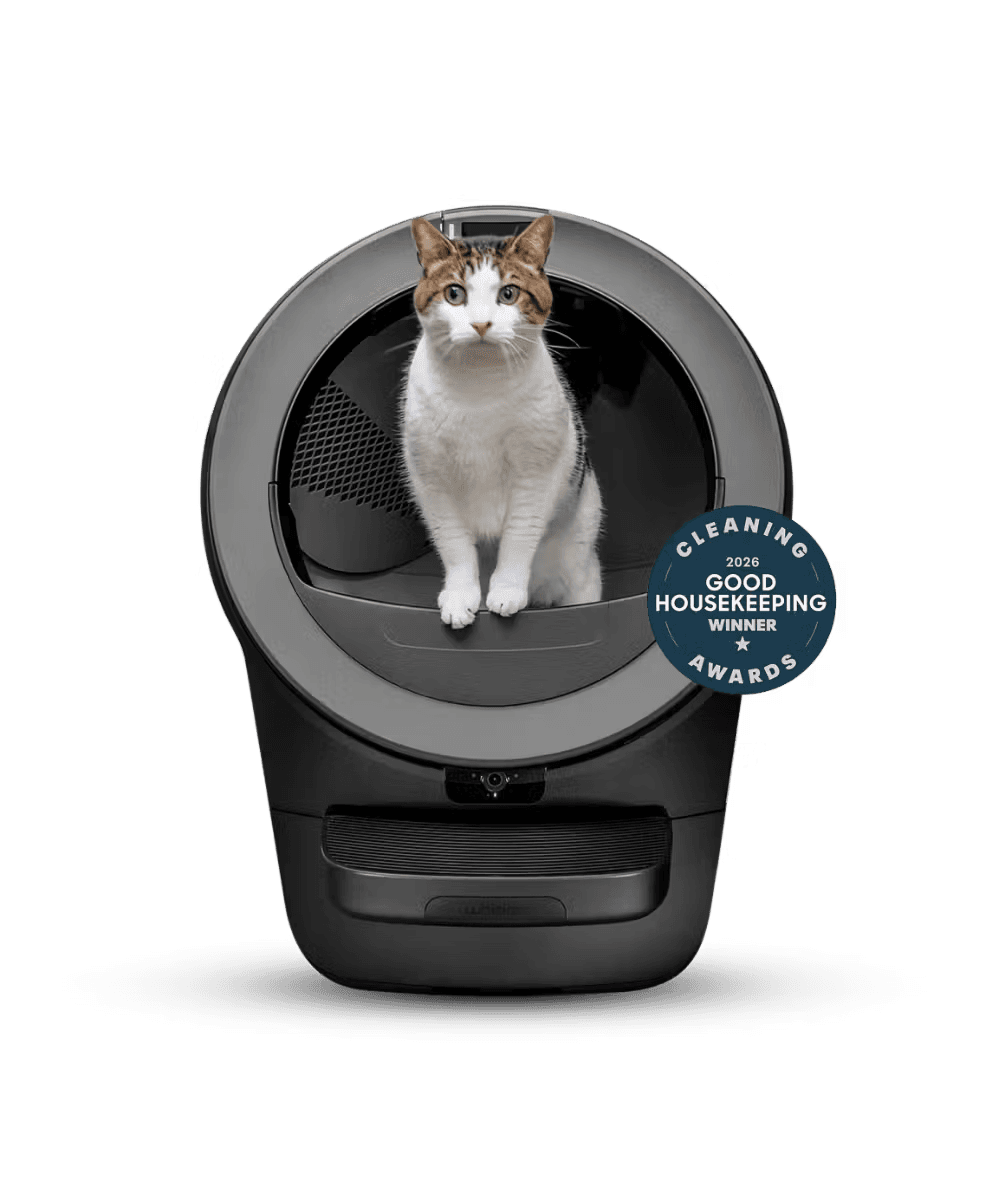
Never Scoop Again® with the Whisker Litter-Robot, the smart self-cleaning automatic litter box. Monitor visits and track weights for better overall care in the Whisker® app. Multi-cat friendly.
Petful may earn a commission when you click through to Whisker, at no extra cost to you.
| Source | Typical Price | What You Get |
|---|---|---|
| Shelter or breed rescue | $75 to $200 | An adult or older kitten, usually spayed/neutered, vaccinated, and microchipped, with vetting already done |
| Pet-quality breeder kitten | $500 to $1,500 | A registered kitten from health-tested parents, first vaccines, and a health guarantee |
| Show or championship lineage | $1,500 to $3,000+ | Top-conformation bloodlines, breeding rights in some cases, and pedigree documentation |
| Rare point colors (flame, lilac, chocolate) | $2,000 to $3,000+ | Sought-after coloring on top of strong lineage, the highest end of the market |
- A reputable breeder will show you written proof of PKD (polycystic kidney disease) screening and let you meet the kitten's parents. If a "bargain" Himalayan skips health testing, the savings often disappear into vet bills later.
What Drives the Price
Two Himalayan kittens born in the same litter can carry very different price tags. Here is what moves the number up or down.
Lineage and Pedigree
Kittens from documented championship bloodlines cost the most because breeders invest years building those lines. A registered pedigree through CFA or TICA signals that the cat meets the breed standard, which pushes the himalayan kitten price toward the upper end.
Color Rarity
Seal and blue points are the most common and most affordable. Flame (red), cream, lilac, and chocolate points are harder to produce and typically sell at a premium. Striking eye color and a well-defined mask also nudge the price up.
Because color drives so much of the price, it helps to know which shades carry a premium. Our guide to Himalayan cat colors walks through every point color, from common seal and blue to the rare lilac, cream, and flame points that breeders charge the most for. If a specific rare color is not a priority for you, choosing a common seal or blue point is an easy way to lower the purchase price without compromising on health or temperament.
Breeder Reputation
Established catteries that health-test, socialize kittens, and provide a written guarantee charge more than backyard breeders. That premium usually pays for itself in healthier cats and fewer surprises.
Location and Age
Prices skew higher in major metro areas and on the coasts, where demand and breeder costs run hotter. Kittens cost more than adults, and retired breeding cats or older surrenders are often available at a steep discount.

63-inch multi-level cat tree with scratch posts, hammock, plush perches, and dangling toys. Vertical territory is non-negotiable for high-energy climbing breeds like the Bengal.
Petful may earn a commission when you click through to Chewy, at no extra cost to you.
Ongoing Costs of Owning a Himalayan
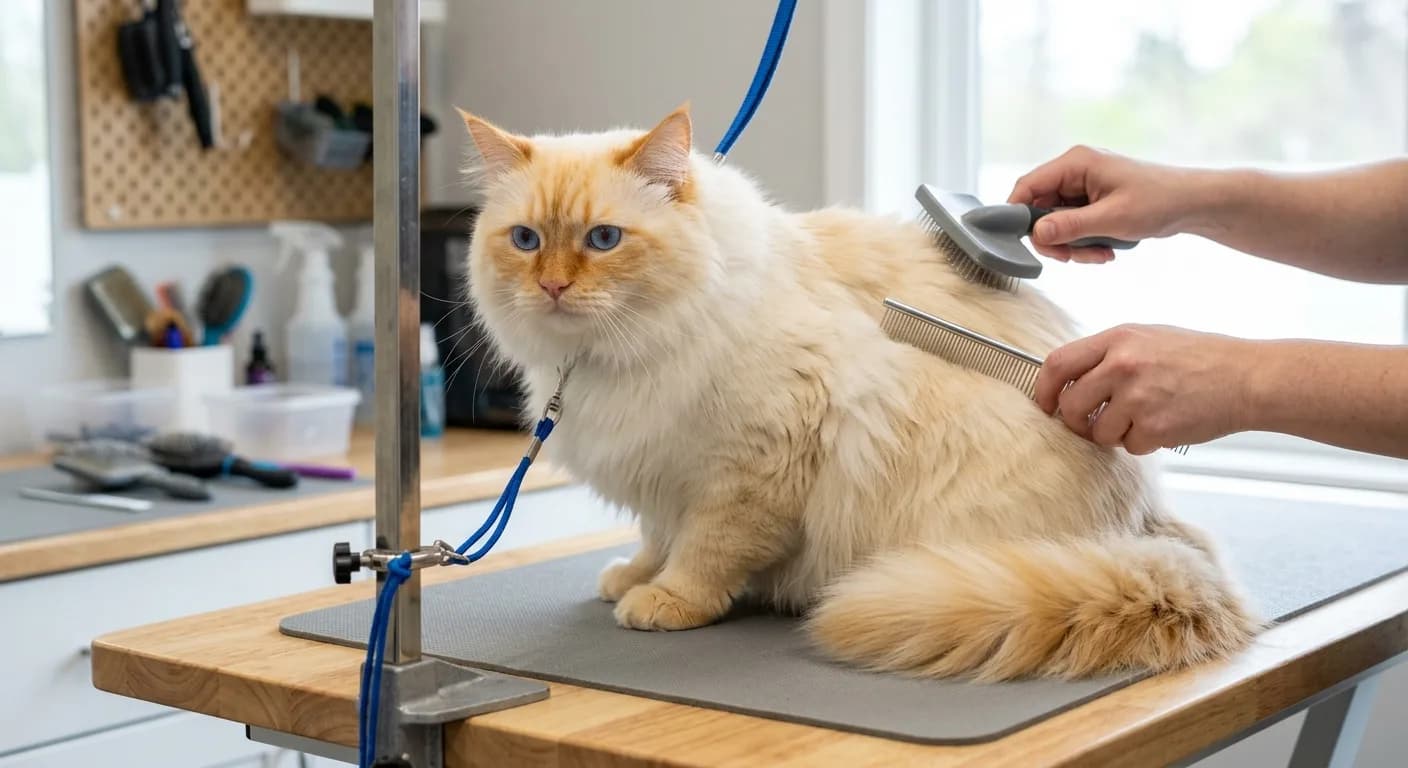
The purchase price is the down payment, not the full bill. Himalayans are a long-haired, flat-faced (brachycephalic) breed, which means their upkeep costs more than the average shorthair. This is the recurring-cost picture most price guides leave out.

108-oz stainless steel pet fountain with quiet pump and water-level window. Bengals are notoriously water-obsessed; a flowing fountain encourages hydration and pulls them away from sinks and toilets.
Petful may earn a commission when you click through to Chewy, at no extra cost to you.
- 1Budget for professional grooming on top of daily brushing.
- 2Plan for brachycephalic and PKD-aware vet care, not just routine checkups.
- 3Pet insurance is worth pricing early, before a pre-existing condition is on the record.
- Grooming: That gorgeous coat mats fast. Plan on daily brushing at home plus professional grooming or a sanitary trim every 4 to 8 weeks. Professional grooming typically runs about $50 to $90 per visit.
- Food: A quality diet for an adult Himalayan typically costs about $25 to $55 per month, more if you feed premium wet or prescription food.
- Health screening and vet care: Himalayans inherit Persian health risks, including PKD and the breathing and tear-duct issues that come with a flat face. Routine vet care plus breed-specific monitoring typically runs $300 to $800+ per year, and dental or eye care can add to that.
- Pet insurance: Premiums for a breed with known hereditary risks typically run about $25 to $60 per month. Enrolling young, before any condition is documented, keeps more of it covered.
Added up, ongoing ownership often lands between $1,000 and $2,500 or more per year, depending on your grooming routine and your cat's health.
- PKD and brachycephalic conditions can become "pre-existing" the moment a vet notes them. Getting a policy quote while your Himalayan is young and healthy is one of the few ways to keep long-term costs predictable.
Adoption vs Buying
If your priority is a loving companion rather than a show prospect, adoption is the most cost-effective and often the most rewarding path. Breed-specific rescues and shelters periodically have Himalayans and Himalayan mixes, usually already vetted, for a fraction of a breeder's price.
It also pays to budget beyond the sticker price from day one. Setting aside money for the first veterinary visit, any remaining vaccinations, a litter box, grooming tools, and a few weeks of food means a new Himalayan does not arrive with surprise costs. Factoring those starter expenses in alongside the purchase price gives you a realistic picture of what the first year really costs.
Buying from a reputable breeder makes sense when you want a specific color, a documented pedigree, or a kitten from health-tested parents you can meet in person. The higher Himalayan cat price at a quality cattery buys traceability and a health guarantee that a random listing cannot.
Whichever route you choose, avoid listings that price well below market with no health testing or pedigree. A suspiciously cheap Himalayan is the classic setup for inherited health problems that cost far more than the upfront savings. For the full breed picture, see our Himalayan cat breed profile, and if you are weighing the closely related parent breed, compare with our Persian cat price guide.
Himalayans are costly because reputable breeders invest in health testing (especially for PKD), championship bloodlines, and careful socialization. Rare point colors and strong pedigrees push prices to the top of the range.
A pet-quality Himalayan kitten from a reputable breeder typically costs $500 to $1,500, while show or championship lineage and rare colors can reach $1,500 to $3,000 or more.
Prices overlap heavily because the Himalayan is essentially a pointed Persian. A Himalayan with a rare point color or show lineage can cost as much as or more than a comparable Persian, but pet-quality kittens of both breeds typically fall in a similar range.

Coreen Saito is a pet writer and longtime shelter volunteer with more than a decade in animal rescue. She covers cat behavior, breed care, and the small, ordinary science of sharing a life with companion animals, with a particular focus on honest takes about the products and decisions that actually matter. At home in Arizona, she's outranked by Mac (a dog with the loudest opinion in the house), Rebel (a cat who governs by quiet authority), and Meri (an orange tabby who runs the late shift and the laundry basket). She writes about all three, plus the rescues that keep coming through her life, at LifeWithMinty.com.
Sign up for expert-backed reviews and safety alerts all in one place.