Himalayan Cat Colors: A Complete Guide to Every Point Color
A complete guide to Himalayan cat colors: all CFA-recognized point colors from seal and blue to rare lilac and cream, a quick color chart, why there is no true black or white Himalayan, and how the colorpoint gene shapes every coat.
Petful is reader supported. As an affiliate of platforms like Amazon and Chewy, we may earn a commission when you buy through links on this page. There is no extra cost to you.
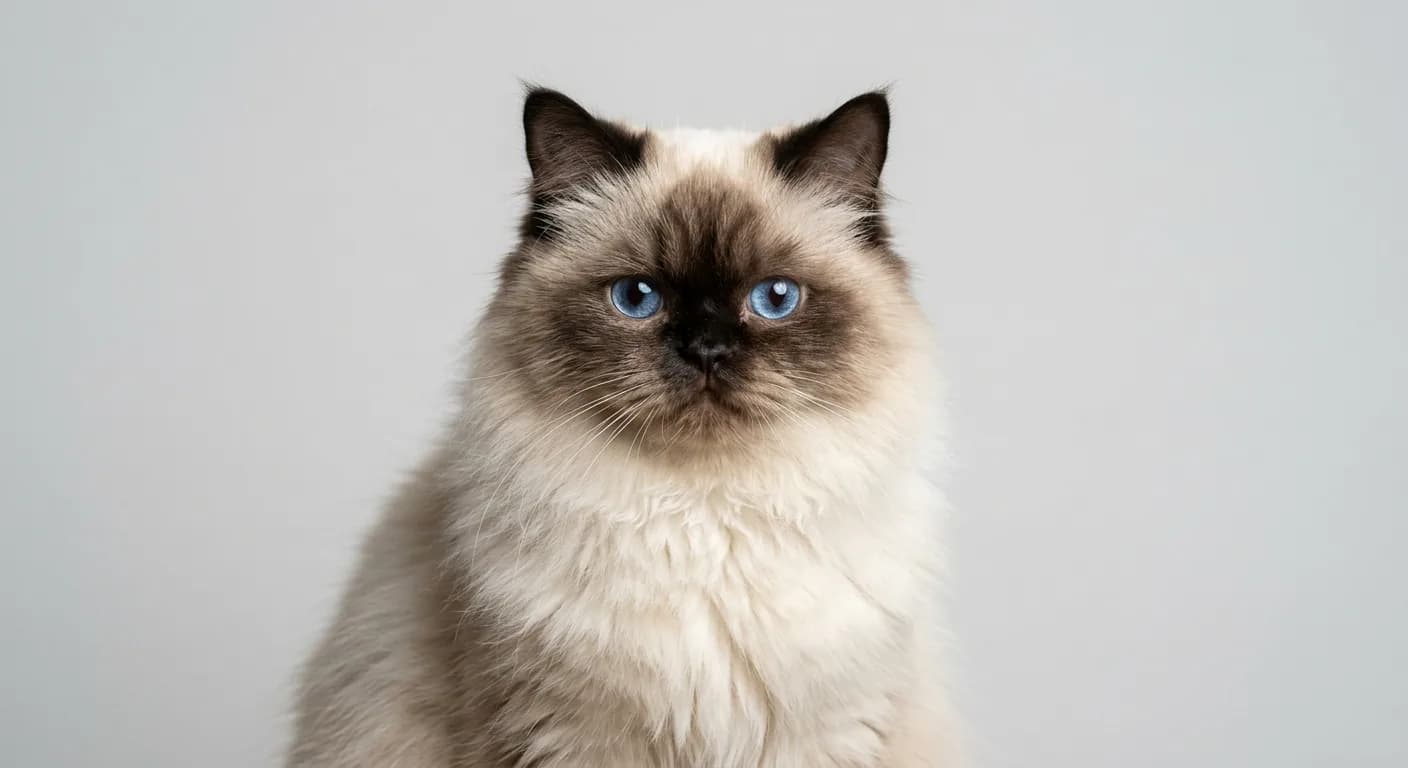
Himalayan cat colors all follow one rule: the Cat Fanciers' Association (CFA) recognizes the breed in a fixed set of point colors, where a pale, near-white body is paired with darker color on the ears, face, paws, and tail. The CFA accepts seal point, blue point, chocolate point, lilac point, flame (red) point, cream point, tortie point, blue-cream point, and the lynx (tabby) point variants of each. Every Himalayan, regardless of point color, has deep blue eyes and a creamy body that contrasts with its colored "points." That signature pattern comes from a single temperature-sensitive gene, which is also why there is no true solid-black or solid-white Himalayan.
- 1The CFA recognizes Himalayans in roughly 20 point variations built from a handful of base point colors.
- 2Seal point and blue point are the most common; lilac point and cream point are among the rarest.
- 3All Himalayans have blue eyes, and the colorpoint gene means a true all-black or all-white Himalayan does not exist.
Below you will find a full color chart, a breakdown of each point color group, and a plain-English explanation of the genetics behind the pattern. If you want the breed's full temperament, grooming, and care picture, start with our Himalayan cat breed profile. Because Himalayans are the colorpoint division of the Persian, they share their color vocabulary with longhaired Persians, covered in our Persian cat colors guide.

Sign up for expert-backed reviews and safety alerts all in one place.
Himalayan Color Chart
Here is every major Himalayan point color at a glance, with the point shade, the body shade it contrasts against, and a note on how often you see it.
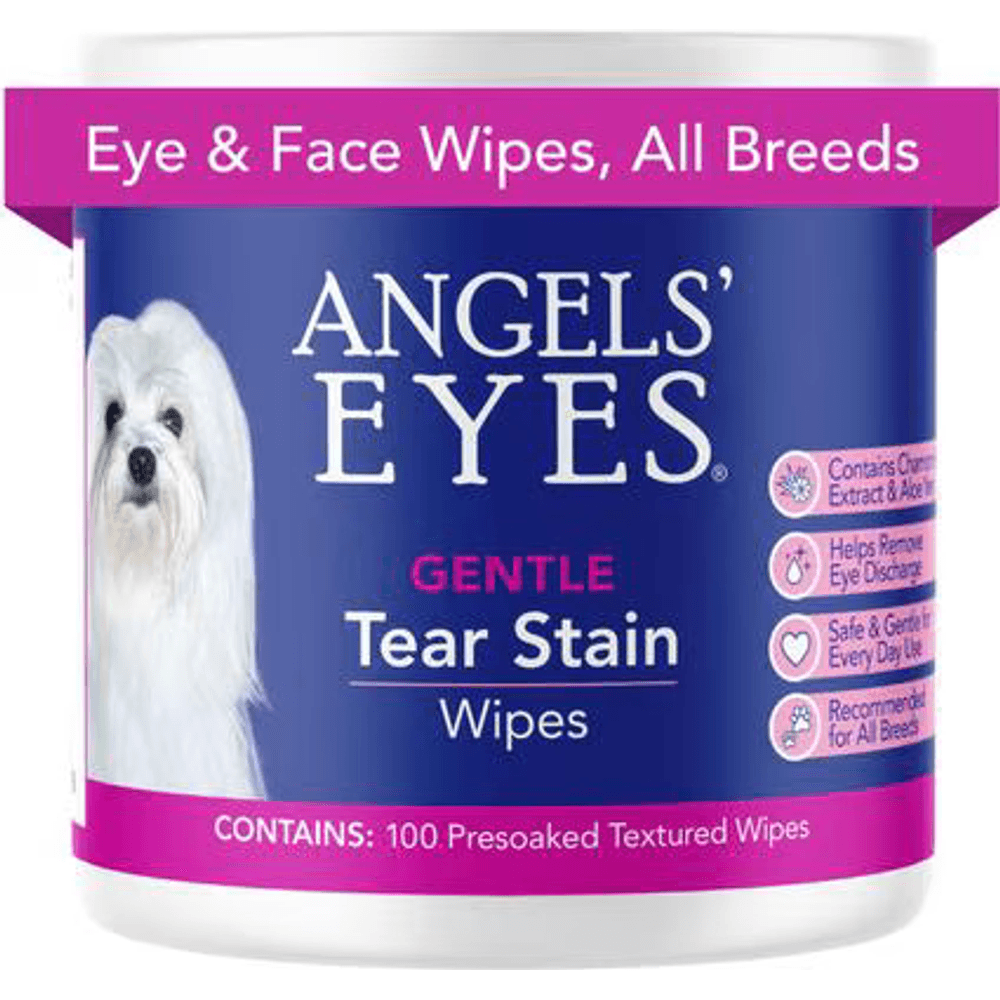
Presoaked wipes that gently clean the fur and skin around a dog's or cat's eyes, lifting away tear stains, discharge, and daily debris. A quick, no-rinse way to keep the eye area clean between baths. For routine cleaning only.
Petful may earn a commission when you click through to Chewy, at no extra cost to you.
| Color | Point Shade | Body Shade | Rarity or Notes |
|---|---|---|---|
| Seal Point | Deep dark brown to near-black | Pale fawn to cream | Most common; the "classic" Himalayan |
| Blue Point | Slate gray with a cool blue cast | Bluish white to platinum | Very common; second only to seal |
| Chocolate Point | Warm milk-chocolate brown | Ivory | Less common; warmer and lighter than seal |
| Lilac Point | Pinkish-gray (frosty) | Glacial white | Rare; the diluted form of chocolate |
| Flame (Red) Point | Bright reddish-orange | Creamy white | Uncommon; also called red point |
| Cream Point | Soft pale buff-cream | Creamy white | Rare; the diluted form of flame |
| Tortie Point | Mottled seal/chocolate with red patches | Cream | Female-dominant; mixed dark and red points |
| Blue-Cream Point | Mottled blue with cream patches | Bluish white | Female-dominant; the diluted tortie |
| Lynx (Tabby) Point | Any base color with tabby striping | Matching pale body | Striped points plus an "M" on the forehead |
How Himalayan Colorpoint Works
The reason a Himalayan has a light body and dark points comes down to one gene. Himalayans carry two copies of the colorpoint allele (written as cs), the same gene found in Siamese and other pointed breeds. This allele produces a form of partial albinism called acromelanism, which simply means "color at the extremities."
The cs gene makes the enzyme that produces pigment (tyrosinase) temperature-sensitive. At normal body temperature, that enzyme barely works, so the warm core of the cat (the torso and belly) stays pale. At the cooler extremities (the ears, face/mask, paws, and tail), the enzyme switches on and pigment develops fully. That temperature difference is why the points are dark and the body is light on the very same cat.

Never Scoop Again® with the Whisker Litter-Robot, the smart self-cleaning automatic litter box. Monitor visits and track weights for better overall care in the Whisker® app. Multi-cat friendly.
Petful may earn a commission when you click through to Whisker, at no extra cost to you.
- Pigment develops only where skin temperature is lowest. The ears, nose/mask, lower legs, paws, and tail sit a few degrees cooler than the body core, so that is exactly where the dark color shows up. The warm trunk stays creamy.
This mechanism is also why environment can nudge a Himalayan's shade. A cat that lives somewhere cold, or that develops a cool patch of skin (for example, over a healing surgical site that was shaved), can grow darker fur there. Conversely, warmth tends to keep fur lighter. The CFA documents this pointed pattern as the defining feature of the colorpoint Persian, which is one reason CFA color standards are the primary reference for identifying a Himalayan's color.
Why there is no solid-black Himalayan
People search for a "black Himalayan cat," but a true solid-black Himalayan does not exist. The colorpoint gene restricts dark pigment to the cool points and keeps it off the warm body, so a Himalayan can never be black all over the way a Bombay or solid Persian can. The darkest a Himalayan gets is a seal point, where the points are such a deep brown that they can read as near-black against the pale body. If you see an all-black longhair, you are looking at a black Persian or another breed, not a Himalayan.
Why there is no solid-white Himalayan either
For the same reason, there is no truly solid-white Himalayan. The body can look creamy-white, especially in a young or lightly pointed cat, but a genuine Himalayan always carries colored points. A "white Himalayan cat" is really a pale-bodied pointed cat (often a young blue or lilac point) whose points simply have not darkened much yet. A pure white longhair with no points is a white Persian or a different breed.
The Solid (Self) Point Colors
These four colors are the "solid" or self points: a single, even color on the points with no red and no striping.
Seal Point
The seal point is the original and most recognizable Himalayan. The points are a deep, dark seal brown that often looks nearly black, set against a warm fawn-to-cream body. This is the highest-volume Himalayan color people look up, and it is the easiest to picture: think of the classic dark-faced, blue-eyed longhair.
Blue Point
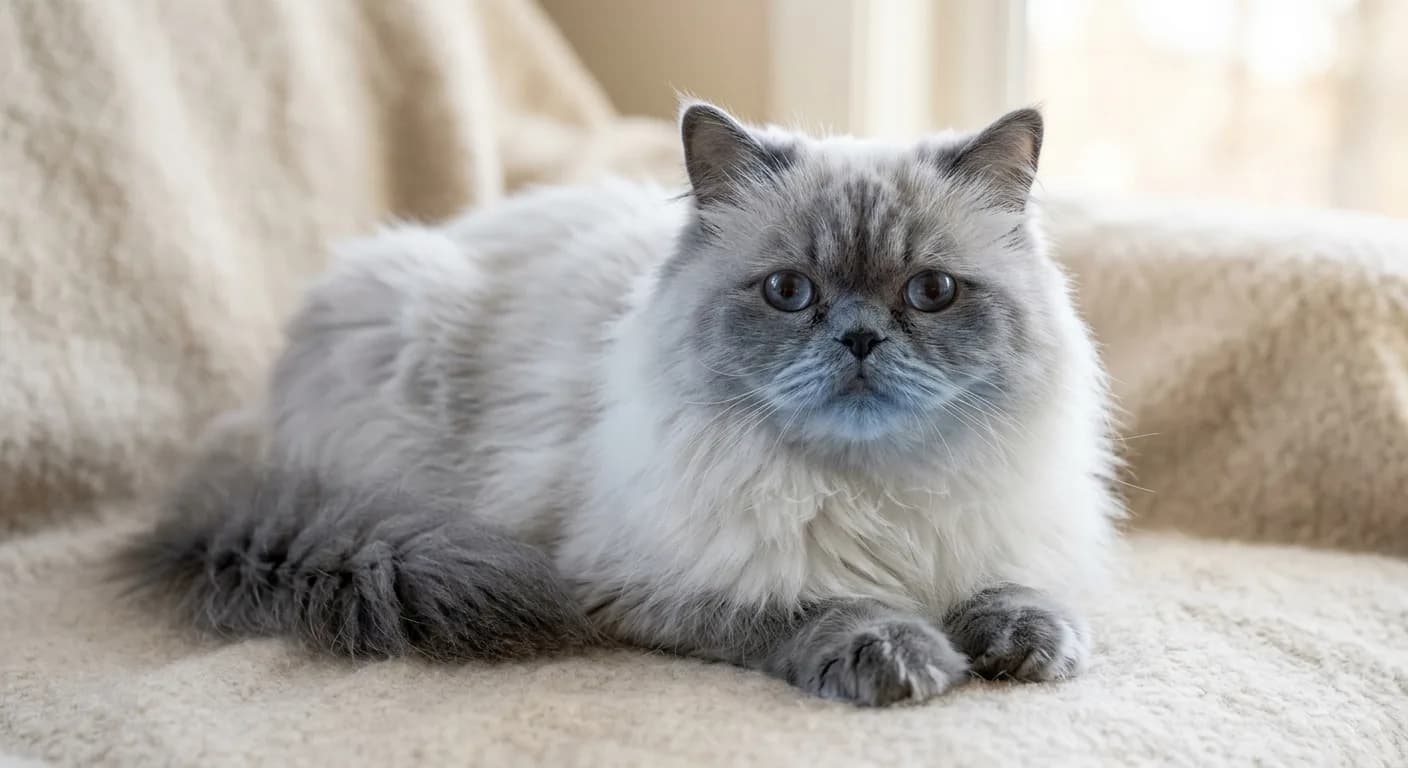
The blue point is the second most common and a longtime favorite. "Blue" in cat color language means a cool slate gray, so the points are a soft bluish-gray against a bluish-white or platinum body. Blue points look noticeably cooler and softer than the warm, dark seal.
Chocolate Point
The chocolate point carries warm, milk-chocolate-brown points on an ivory body. It is lighter and warmer than a seal, and genuine chocolate points are less common because the cat must inherit the recessive chocolate gene from both parents.
Lilac Point
The lilac point is the diluted version of chocolate: a frosty, pinkish-gray point color on a glacial-white body. Lilac is one of the rarest and most delicate-looking Himalayan colors, prized for its soft, icy appearance.
The Red-Based Point Colors
These points get their warmth from the red (orange) gene rather than from black-based brown pigment.

63-inch multi-level cat tree with scratch posts, hammock, plush perches, and dangling toys. Vertical territory is non-negotiable for high-energy climbing breeds like the Bengal.
Petful may earn a commission when you click through to Chewy, at no extra cost to you.
Flame (Red) Point
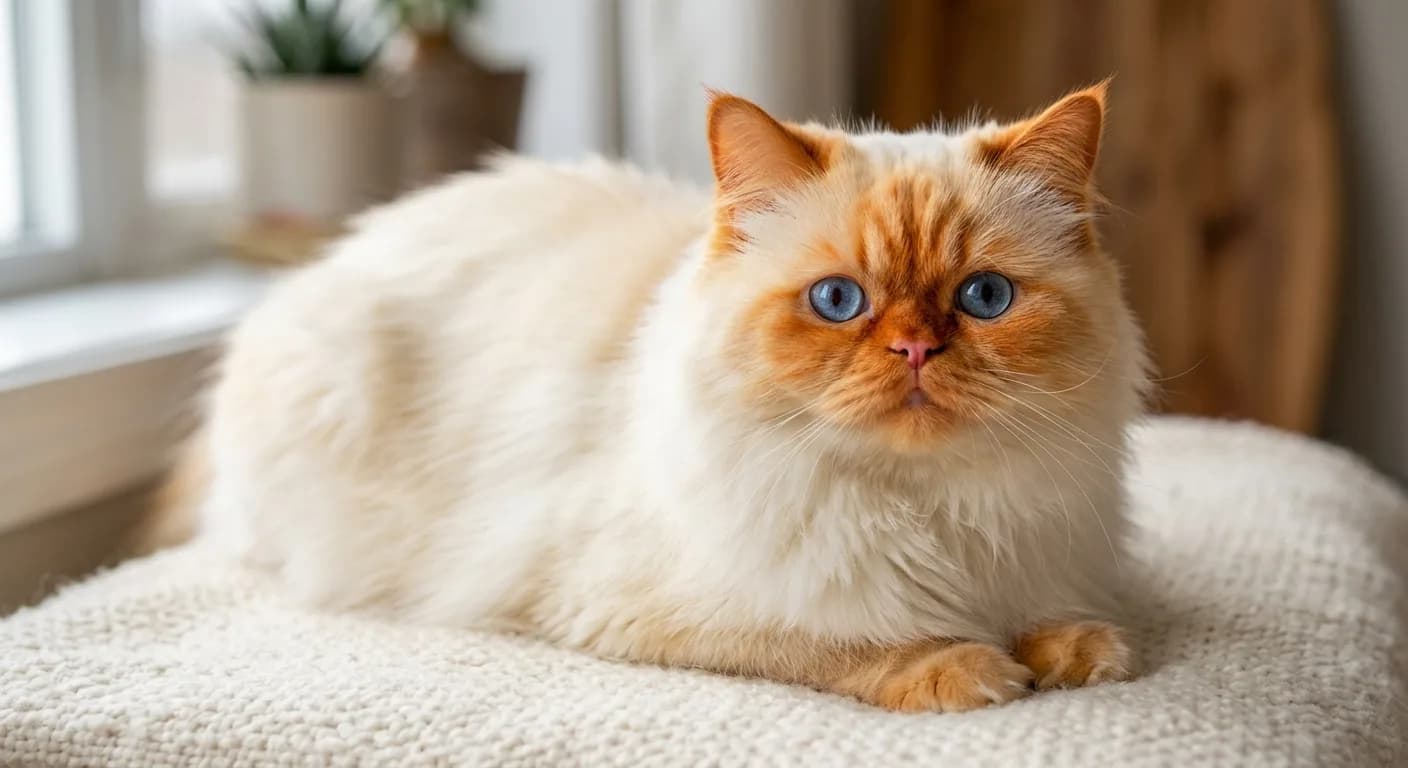
The flame point, also called the red point, has bright reddish-orange points against a creamy-white body. The color tends to be warm and vivid on the ears, mask, and tail. Flame points are eye-catching and moderately uncommon.
Cream Point
The cream point is the diluted form of flame: a soft, pale buff-cream on the points instead of bright orange, over a creamy body. The effect is subtle and pastel, and cream is one of the harder colors to find.
The Parti-Color and Tabby Point Colors
These groups combine colors or add tabby striping to the points.
Tortie Point
The tortie point (tortoiseshell point) mixes a dark base color (seal or chocolate) with patches of red or cream on the points, creating a mottled, two-tone look. Because the pattern depends on the red gene's link to the X chromosome, tortie points are almost always female.

108-oz stainless steel pet fountain with quiet pump and water-level window. Bengals are notoriously water-obsessed; a flowing fountain encourages hydration and pulls them away from sinks and toilets.
Petful may earn a commission when you click through to Chewy, at no extra cost to you.
Blue-Cream Point
The blue-cream point is the diluted tortie: cool blue-gray points softly intermingled with cream patches, over a bluish-white body. Like torties, blue-cream points are overwhelmingly female and have a gentle, watercolor-like blend.
Lynx (Tabby) Point
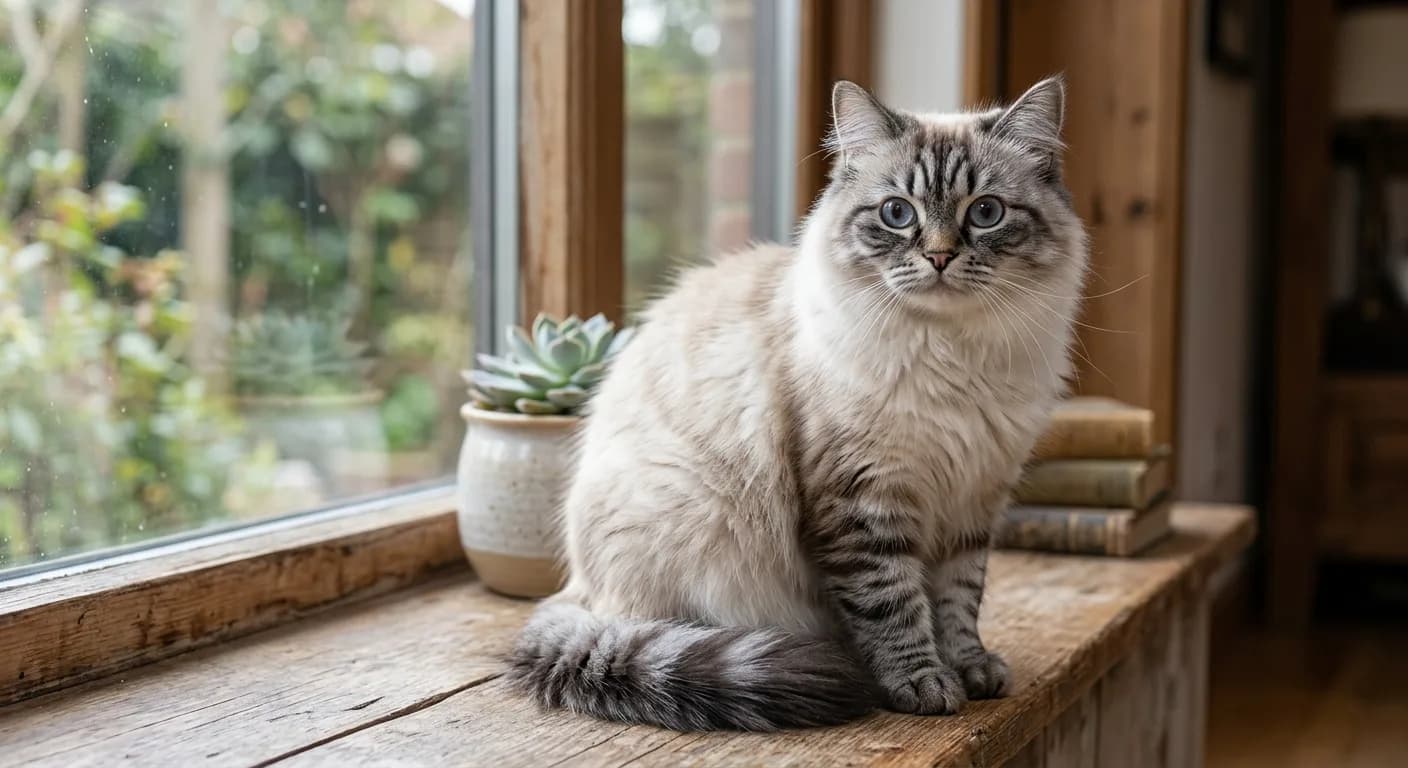
The lynx point, also called the tabby point, adds tabby striping to any of the base point colors. So you can have a seal lynx point, blue lynx point, flame lynx point, and so on. The giveaways are striped (rather than solid) points, lighter "spectacle" rings around the eyes, and a faint "M" marking on the forehead. The body stays pale while the points carry the stripes.
Eye Color, Kitten Development, and Shade Shifts
Eye color is always blue. Every Himalayan, in every point color, has blue eyes, ranging from a soft sky blue to a deep, vivid sapphire. Deeper, more saturated blue is generally considered more desirable, but the breed never comes in green, gold, or copper eyes. The blue comes from the same colorpoint gene that creates the pointed pattern.
Kittens are born almost white. Inside the warm womb, the temperature-sensitive pigment never switches on, so Himalayan kittens are born essentially cream all over with little to no visible point color. The points darken gradually over the first weeks and months as the kitten is exposed to cooler air, and the full adult color can take a year or two to settle in. This is why a young kitten can be hard to color-classify at first glance, and why a pale kitten is not the same thing as a "white Himalayan."
- Look at the ears and tail first, since those cool extremities show the truest early color. Pale newborns will deepen with age, so judge final color by the points as they come in, not by the still-developing body.
Coat shade can shift with temperature, sun, and age. Because pigment responds to skin temperature, the same cat can look darker in a cold climate or winter coat and lighter in a warm one. Sun exposure can lighten or bleach the longhaired coat over time, and older cats often darken overall as the body's pigment regulation changes with age. None of this changes the cat's underlying genetic color; it only shifts how saturated the coat looks at a given moment.
Rarest vs Most Common Himalayan Colors
If you are wondering which Himalayan colors you are most likely to meet versus which are prizes to find, here is the short version.
Most common: Seal point and blue point are by far the most frequently produced and the easiest to find from breeders. They are the "default" Himalayan colors and the ones most people picture.
Rarest: The diluted colors are the hardest to come by, because they require inheriting recessive genes from both parents. Lilac point (diluted chocolate) and cream point (diluted flame) sit at the rare end, along with well-marked blue-cream and chocolate points. Their scarcity, plus their soft, frosty coloring, makes them especially sought after.
Color rarity also tends to track price. The hardest-to-produce dilutes, like lilac and cream, usually command the highest breeder prices, while common seal and blue points are the most budget-friendly. For a full breakdown of what to expect to pay, see our Himalayan cat price guide.
- 1Seal and blue points are the most common and easiest to find.
- 2Lilac and cream points are among the rarest because they depend on recessive dilute genes.
- 3Rarity does not affect health or temperament, only availability and, often, price.
Frequently Asked Questions
The diluted colors are the rarest, with lilac point (a frosty pinkish-gray) and cream point (a pale buff) the hardest to find. They require recessive dilute genes from both parents, which is why they appear far less often than seal or blue points.
Nearly. Himalayan kittens are born almost entirely cream-white because the temperature-sensitive colorpoint gene does not produce pigment in the warm womb. Their points darken over the following weeks and months, with full adult color taking up to one to two years to develop.
Yes. Every Himalayan, in every point color, has blue eyes, from soft sky blue to deep sapphire. The same colorpoint gene that creates the pointed pattern also produces the blue eye color, so Himalayans never have green, gold, or copper eyes.
No true solid-black Himalayan exists. The colorpoint gene restricts dark pigment to the cooler points and keeps it off the warm body, so the darkest a Himalayan gets is a seal point, whose deep brown points can look nearly black. An all-black longhair is a Persian or another breed.
The CFA recognizes the Himalayan (the colorpoint Persian) in roughly 20 variations, built from base point colors, seal, blue, chocolate, lilac, flame/red, cream, tortie, and blue-cream, plus a lynx (tabby) point version of each.

Coreen Saito is a pet writer and longtime shelter volunteer with more than a decade in animal rescue. She covers cat behavior, breed care, and the small, ordinary science of sharing a life with companion animals, with a particular focus on honest takes about the products and decisions that actually matter. At home in Arizona, she's outranked by Mac (a dog with the loudest opinion in the house), Rebel (a cat who governs by quiet authority), and Meri (an orange tabby who runs the late shift and the laundry basket). She writes about all three, plus the rescues that keep coming through her life, at LifeWithMinty.com.
Sign up for expert-backed reviews and safety alerts all in one place.