5 Things to Know About American Bobtails
The American Bobtail is a smart, short-tailed cat with a famously doglike personality. Learn about its history, appearance, colors, temperament, lifespan, health, price, and how to find one.

Petful is reader supported. As an affiliate of platforms like Amazon and Chewy, we may earn a commission when you buy through links on this page. There is no extra cost to you.
The American Bobtail is one of the most distinctive cats in North America: a sturdy, short-tailed breed with a wild bobcat look and a personality that is far more lap cat than wildcat. People often describe the American Bobtail as doglike because these cats greet you at the door, learn to walk on a leash, play fetch, and bond with the whole household rather than fixating on one person. For more, see Petful’s guide to Pixie-Bob cat.
If you have fallen for that stubby, expressive tail and that loyal, sociable temperament, this guide covers everything you need before bringing one home: the breed’s history, appearance and color range, personality, lifespan and health, grooming, price, and how to find a reputable American Bobtail kitten or rescue.
- 1The American Bobtail is a medium to large, naturally short-tailed cat that reaches full maturity at 2 to 3 years old.
- 2It is prized for a confident, affectionate, doglike personality: it tolerates leash walks, travel, kids, dogs, and other pets unusually well.
- 3Coats come in two lengths (short and medium-long) and in virtually any color or pattern, so no two American Bobtails look exactly alike.
- 4Expect to pay roughly $600 to $1,200 for a pet-quality kitten from a registered breeder, with show lines costing more.
| Trait | American Bobtail |
|---|---|
| Weight | 12 to 16 lbs (male); 7 to 11 lbs (female) |
| Lifespan | 13 to 15 years |
| Coat | Short or medium-long, double coat, any color or pattern |
| Temperament | Affectionate, smart, doglike, sociable |
| Tail | Naturally short (about one-third normal length) |
| Price | About $600 to $1,200 for a pet-quality kitten |

Sign up for expert-backed reviews and safety alerts all in one place.
What Is an American Bobtail Cat? History and Origin
The American Bobtail is a natural breed, meaning its signature short tail came from a spontaneous genetic mutation rather than deliberate crossing with a wild cat. Despite the bobcat resemblance, the breed has no proven bobcat ancestry. The American Bobtail is a medium to large domestic cat, native to North America, with almond-shaped eyes, a muscular build, and a graceful, athletic stance.

The vet-favorite enzymatic toothpaste. Its dual-enzyme system keeps working between brushings to control plaque and freshen breath, and the poultry flavor makes daily brushing easy.
Petful may earn a commission when you click through to Chewy, at no extra cost to you.
John and Brenda Sanders were vacationing in Arizona in the late 1960s when they discovered a brown tabby kitten with a shortened tail. They named him Yodi and took him home to Iowa.
The Sanders’ existing cat, a mixed-breed domestic named Mishi, paired with Yodi once he matured. Their kittens carried the same naturally short tail, and the couple’s friends quickly took notice.
Several of those kittens were crossed with longhaired color point cats to develop the foundation of the modern breed. The earliest American Bobtails had specific color characteristics, but those proved too difficult to reproduce as a standard. Breeders eventually opened the standard to any acceptable coat color and pattern, which is why the breed is so visually varied today.
The International Cat Association (TICA) recognized the American Bobtail in 1989, and the Cat Fanciers’ Association (CFA) followed, granting full championship status in 2006. Both registries maintain the breed standard that defines the American Bobtail today.

Never Scoop Again® with the Whisker Litter-Robot, the smart self-cleaning automatic litter box. Monitor visits and track weights for better overall care in the Whisker® app. Multi-cat friendly.
Petful may earn a commission when you click through to Whisker, at no extra cost to you.
American Bobtail Appearance: Size, Colors and the Short Tail
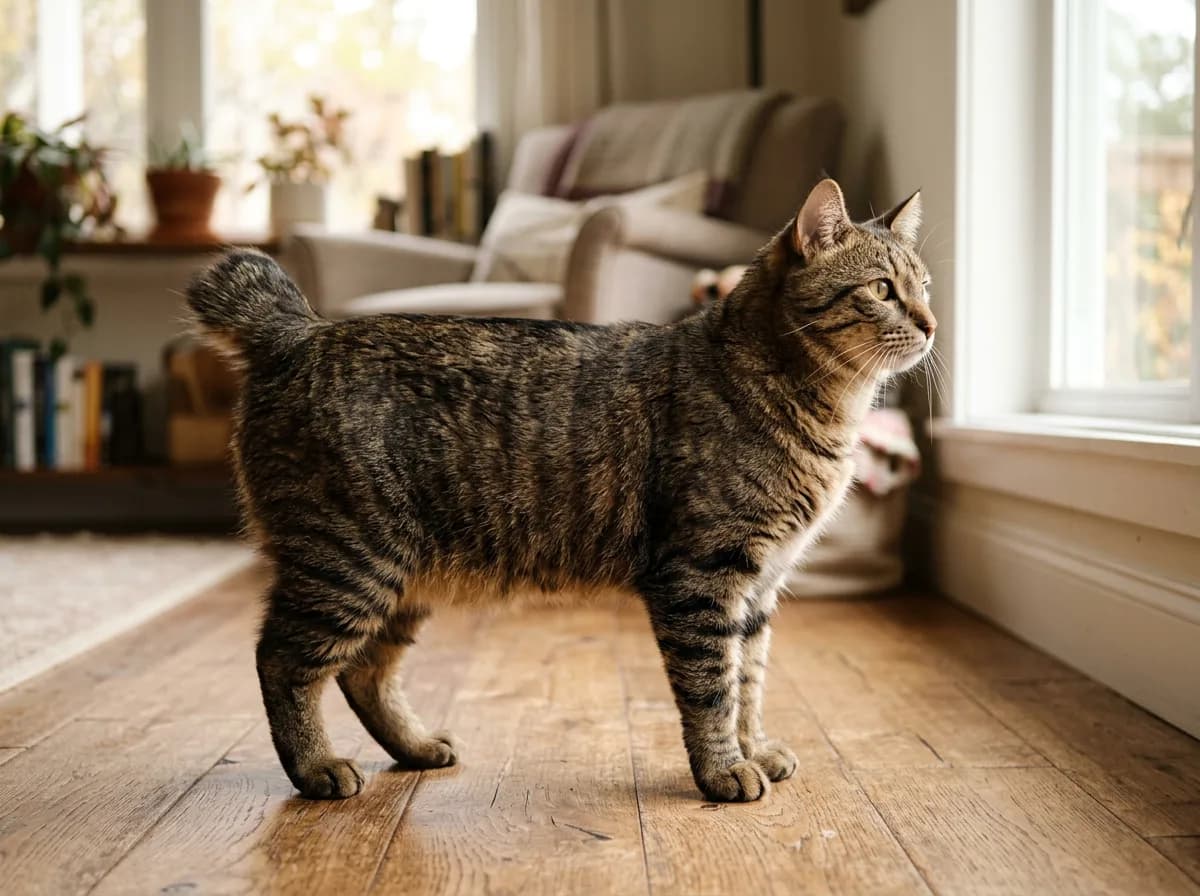
The American Bobtail is a substantial, athletic cat. Males typically weigh 12 to 16 pounds and females 7 to 11 pounds, with a broad chest, long legs (the hind legs slightly longer than the front), and large round paws. Because the breed is slow to mature, an American Bobtail is not fully grown until 2 to 3 years of age.
The signature short tail
The defining feature is the tail itself. A correct American Bobtail tail is short but clearly visible, roughly one-third the length of an ordinary cat’s tail, ending above the hock when the cat stands. No two tails are exactly alike: some are straight, some slightly curved, some knotted or bumped. The tail is flexible and expressive, and owners often note that it wags and twitches in step with the cat’s mood.
Colors and coat patterns
American Bobtail colors and patterns are essentially unlimited. You will find brown tabby, gray (blue), black, orange (red), silver, cinnamon, and bicolor cats, plus tabby, tortoiseshell, calico, and color point patterns. Brown tabby remains the most classic look because it best showcases the breed’s wild, bobcat-like appearance, but breeders accept the full color range.
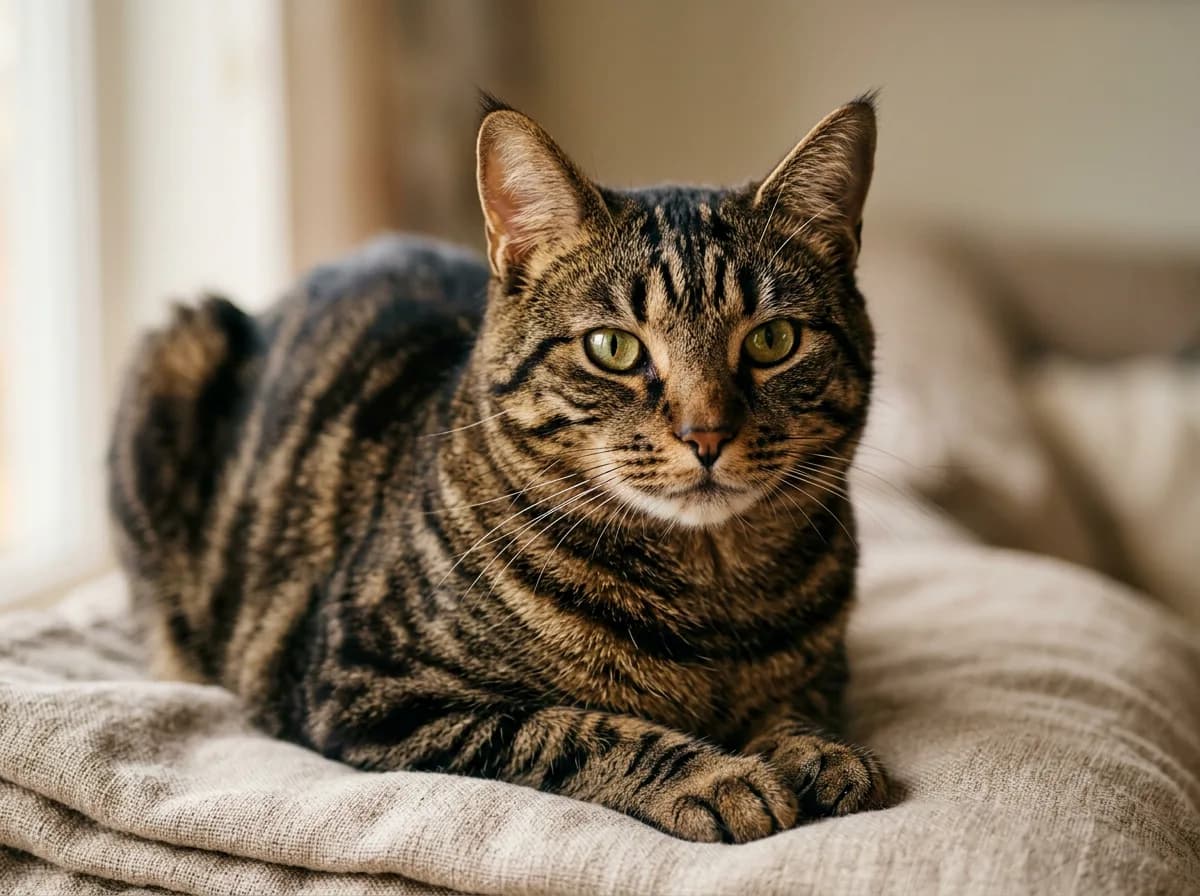
The coat comes in two lengths. The shorthair American Bobtail has a dense, resilient semi-dense coat, while the longhair (medium-long) variety is shaggy with a slight ruff. Both are double coats. For color genetics enthusiasts, the breed’s tortie and calico cats follow the same patterning you see in other breeds; our guide to the tortoiseshell pattern explains how those coats form.
- Almost, but not every tail is identical. A few kittens are born nearly tailless, and rarely one carries a longer-than-standard tail. A naturally short, flexible tail is the breed hallmark, but tail length and shape vary from cat to cat.
American Bobtail Personality and Temperament
American Bobtail personality is the breed’s biggest selling point. These cats are loving, confident, and people-oriented, and they tend to attach to the entire family rather than bonding with just one person. They want to be involved in whatever you are doing, yet they are rarely needy or demanding.
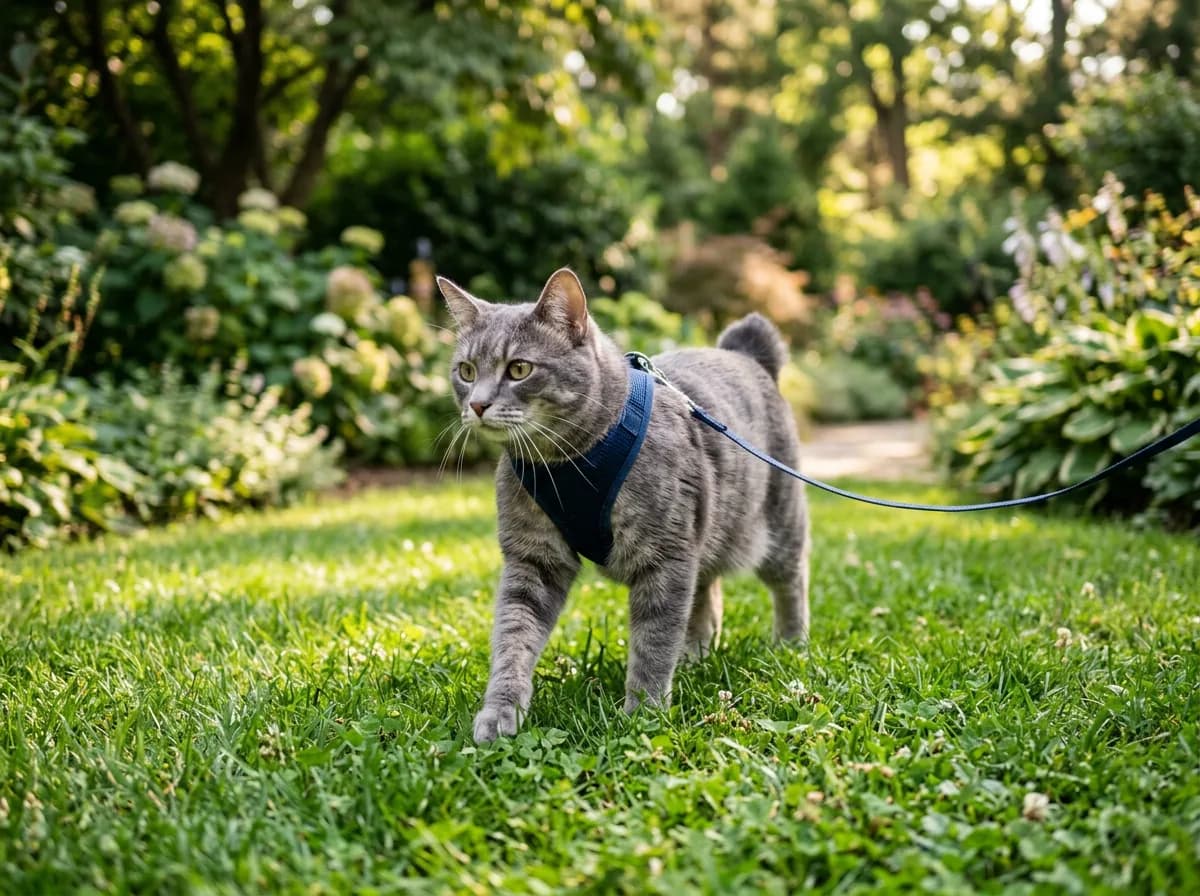
The doglike reputation is earned. American Bobtails are highly intelligent and can be taught to walk on a leash, play fetch, and master hide-and-seek and other tricks. Many owners report their Bobtail comes when called, greets visitors at the door, and follows them from room to room.
Their short tails wag according to their mood, and they are comfortable around children, dogs, and other pets, which makes them a strong fit for busy, social households. They are generally quiet cats that communicate with trills and chirps rather than loud meowing. Their adaptable, even temperament is one reason American Bobtails are often used as therapy cats.
- A bored American Bobtail will invent its own entertainment, often by escaping closed rooms or carriers. Puzzle feeders, a tall cat tree, daily play, and even leash walks channel that intelligence into good behavior.

63-inch multi-level cat tree with scratch posts, hammock, plush perches, and dangling toys. Vertical territory is non-negotiable for high-energy climbing breeds like the Bengal.
Petful may earn a commission when you click through to Chewy, at no extra cost to you.
American Bobtail Lifespan and Health Issues
The American Bobtail lifespan is generally 13 to 15 years, and the breed is considered robust and healthy overall. Because the short tail comes from a dominant gene rather than the lethal genetics seen in some tailless breeds, most American Bobtails do not suffer the spinal problems associated with extreme taillessness.
That said, a small number of kittens are born nearly tailless or with a malformed tail, and these individuals can develop spinal or hindquarter issues tied to vertebral malformation. Responsible breeders avoid pairings that produce these defects. Beyond the tail, American Bobtails are prone to the same conditions as most domestic cats, including obesity, dental disease, and hip dysplasia in some lines.
Routine veterinary care, a healthy weight, and good dental hygiene go a long way. Learn to spot the early signs that a cat is unwell so you can act quickly, and keep up with annual checkups throughout your cat’s life.
- Before buying a kitten, ask whether the parents have produced tailless or short-spined kittens. A reputable American Bobtail breeder screens against vertebral defects and will discuss the breed’s tail genetics openly.
American Bobtail Grooming and Care
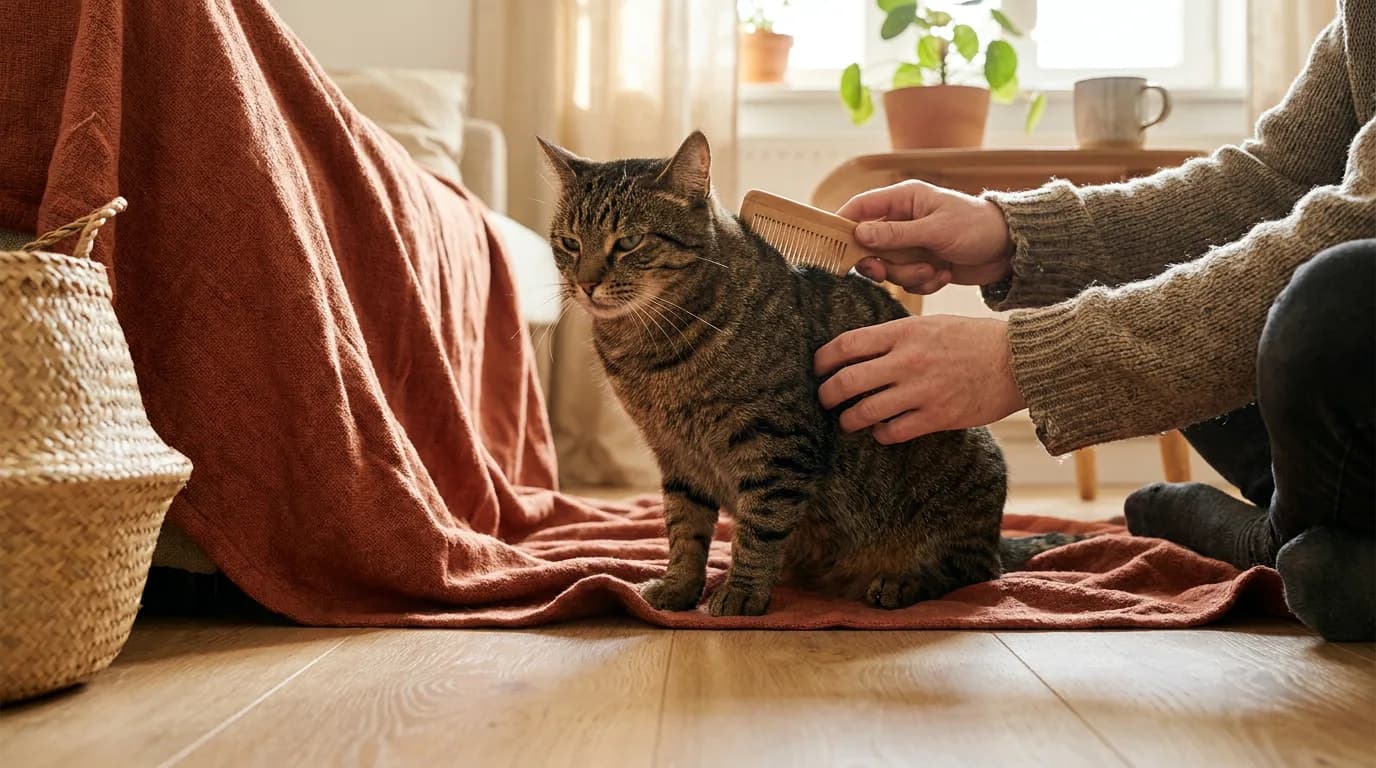
Both the shorthair and longhair American Bobtail carry a double coat, and both are surprisingly low-maintenance. Brush a shorthair once or twice a week and a longhair two to three times a week to remove loose hair and prevent mats. Shedding usually increases in spring and fall, so plan for a little extra brushing during those seasons.
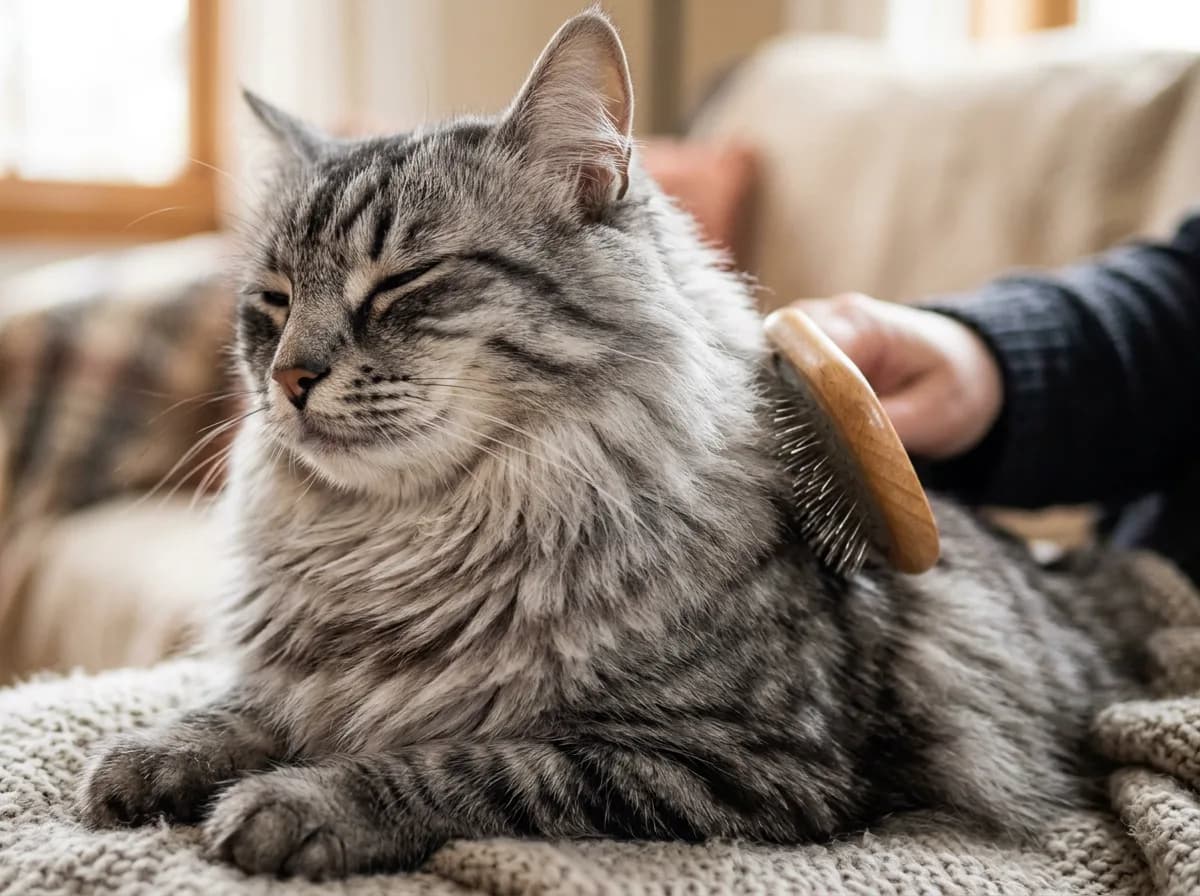
Bathe only occasionally. Round out the routine with regular nail trims, ear and eye checks for discharge or buildup, and regular tooth brushing to prevent periodontal disease. Providing sturdy scratching surfaces helps keep nails worn down between trims and protects your furniture.
Exercise and enrichment
American Bobtails are active and playful indoors and take well to leash walks outdoors. Provide daily play, climbing space, and puzzle toys to keep this smart breed engaged. If you notice weight gain, our roundup of easy ways to exercise your cat can help. Keeping your Bobtail primarily indoors is the safest choice, protecting it from traffic, predators, and disease while still allowing supervised outdoor time.

Color-changing crystal litter that flags pH shifts in your cat's urine, an early warning sign of UTIs, kidney issues, and more.
Petful may earn a commission when you click through to Chewy, at no extra cost to you.
American Bobtail Price and Cost
American Bobtail price varies with pedigree, lineage, and breeder reputation. A pet-quality American Bobtail kitten from a registered breeder typically costs about $600 to $1,200. Show-quality or breeding-rights kittens from champion lines can run $1,500 to $2,500 or more. Adoption through a rescue is far cheaper, usually a small adoption fee, though purebred Bobtails are uncommon in shelters. Petful’s guide to Pixie-Bob cat price has the full breakdown.
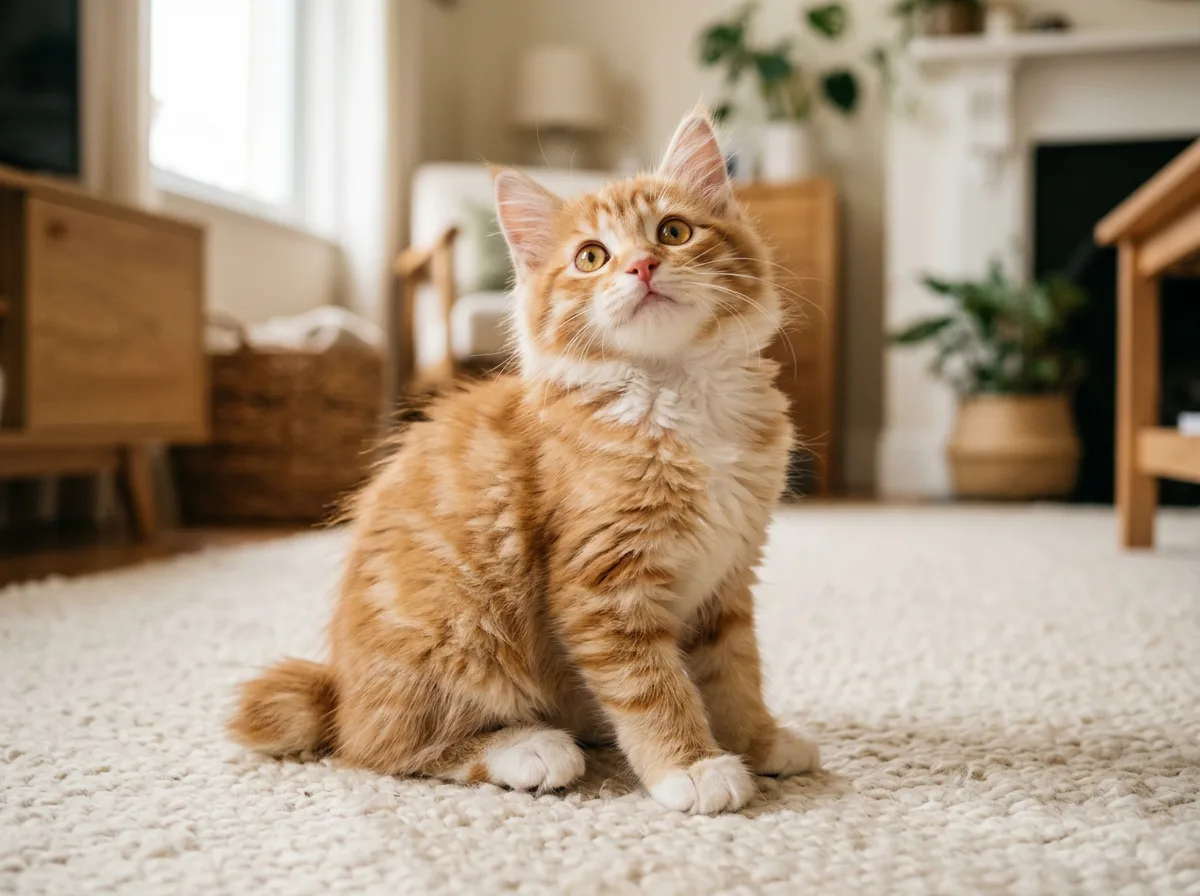
Remember that the purchase price is only the start. Budget for first-year costs such as spay or neuter, vaccinations, microchipping, and supplies, then ongoing costs for quality food, litter, annual veterinary care, and the occasional emergency. A self-cleaning litter box, a tall cat tree, and a health-monitoring litter are practical upgrades for a smart, active breed like this one.
- They sit in the mid-range for pedigreed cats. Expect roughly $600 to $1,200 for a pet-quality kitten, plus a few hundred dollars in first-year setup costs and ongoing care. That is pricier than a shelter mixed-breed but lower than many rare pedigrees.
Finding an American Bobtail: Breeders and Adoption
American Bobtails do turn up in shelters and rescues, so check adoption resources first. Browse our online cat adoption search and contact breed-specific rescues before you buy. Adopting saves a life and costs a fraction of a breeder kitten.
If you choose a breeder, buy only from a registered, ethical American Bobtail breeder. Look for someone who tests their cats, raises kittens underfoot, provides health guarantees, and lets you meet the parents. Walk away from anyone showing the warning signs of a kitten mill, such as multiple litters always available, no health records, or refusal to let you see where the cats live. The CFA and TICA breeder directories are good starting points for finding registered breeders.
- Whether you adopt or buy, set up before your American Bobtail arrives: food and water bowls, a litter box, a scratching post or cat tree, safe toys, a carrier, and a vet appointment within the first week.
For another registered bobtailed breed with a different body standard and tail context, use our Japanese Bobtail cat guide for personality, identification limits, and care.
American Bobtail vs. Manx and Other Similar Breeds
The American Bobtail is often confused with the Manx, but they are distinct breeds. The Manx is genuinely tailless or nearly so because of a different (and sometimes problematic) gene, and it has a rounder, more compact body. The American Bobtail keeps a short but visible, flexible tail and has a longer, more athletic, bobcat-like build. The Japanese Bobtail is another short-tailed breed, but it is smaller, finer-boned, and carries a distinctive pom-pom tail.
If you love the American Bobtail’s look and personality but want to compare options, you might also consider other large, friendly, intelligent breeds. Our profiles on the Maine Coon and the Norwegian Forest Cat cover two of the closest temperament matches.
For a real-world look at the breed in action, here is Iggy, an American Bobtail:
American Bobtail FAQ
American Bobtails are an uncommon breed. They are recognized by TICA and the CFA but are far less numerous than breeds like the Maine Coon or Persian, and purebred Bobtails rarely appear in shelters. Expect a wait list with most reputable breeders.
A true American Bobtail has a naturally short, flexible tail about one-third normal length, a muscular medium-to-large body, almond-shaped eyes, and a wild, bobcat-like appearance. Without registration papers from a breeder, you can only say a short-tailed cat resembles the breed; many shelter cats with short tails are mixed-breed look-alikes.
They are mid-priced among pedigreed cats. A pet-quality kitten usually costs about $600 to $1,200, while show or breeding lines can exceed $2,000. Adoption fees through a rescue are much lower.
A pet-quality American Bobtail kitten from a registered breeder typically costs $600 to $1,200. Plan for several hundred dollars more in first-year expenses such as spay or neuter, vaccinations, microchipping, and supplies.
No. The American Bobtail is a fully domestic breed with no proven bobcat ancestry. Its wild look comes from selective breeding of a natural short-tail mutation, not from crossing with wild cats.
Nearly all do, and the short tail is the breed hallmark, but tails vary from cat to cat. A few kittens are born almost tailless, and occasionally one has a longer-than-standard tail. No two American Bobtail tails are exactly alike.
American Bobtails generally live 13 to 15 years. With good nutrition, a healthy weight, regular veterinary care, and an indoor lifestyle, many reach the upper end of that range.
Yes. They are affectionate, sociable, and adaptable, bond with the whole family, and get along well with children, dogs, and other pets, which makes them an excellent choice for active households.
American Bobtails are confident, loving, and famously doglike. They are highly intelligent, enjoy leash walks and games of fetch, often greet people at the door, and tend to attach to the entire household rather than a single person.
Additional Resources

Kristine Lacoste has been researching dog and cat breeds for nearly a decade and has observed the animals up close at dog shows in both the United States and the United Kingdom. She is the author of the book One Unforgettable Journey, which was named as a finalist for a Maxwell Award from the Dog Writers Association of America, and was host of a weekly pet news segment on the National K-9 Academy Radio Show. In addition, she was the New Orleans coordinator for Dogs on Deployment, a nonprofit that helps military members and their pets, for 3 years. Kristine has researched and written about pet behaviors and care for many years. She holds a bachelor’s degree in psychology, another bachelor’s degree in English and a Master of Business Administration degree.
Sign up for expert-backed reviews and safety alerts all in one place.