Japanese Bobtail Cat: Breed Guide, Personality & Care
Meet the Japanese Bobtail cat. Learn its personality, pom-pom tail, size, history, care needs, colors, activity level, and household fit.
Petful is reader supported. As an affiliate of platforms like Amazon and Chewy, we may earn a commission when you buy through links on this page. There is no extra cost to you.
The Japanese Bobtail cat is an active, intelligent registered breed known for a naturally short, kinked tail that often forms a visible pom-pom. The breed comes in shorthair and longhair varieties, and its people-oriented personality can make it an engaging companion for a household prepared to provide daily play, climbing space, and respectful interaction. A bobbed tail or a mi-ke coat can suggest a resemblance, but neither proves Japanese Bobtail ancestry. Pedigree and registration records provide the meaningful evidence.
This pillar explains breed identity, history, structure, temperament, household fit, and care. More specific decisions belong to Petful's guides to Japanese Bobtail cat price, Japanese Bobtail kittens, Japanese Bobtail colors, and Japanese Bobtail vs Manx differences.

Sign up for expert-backed reviews and safety alerts all in one place.
Japanese Bobtail cat at a glance
The Cat Fanciers' Association Japanese Bobtail profile and standard describes a medium cat with long, clean body lines, high cheekbones, large upright ears, oval eyes, and slender legs whose hind pair is longer than the front. The cat should look balanced and well muscled, not fragile. Its distinctive tail is made of one or more curves, angles, kinks, or combinations of those forms, with hair that can create the characteristic pom-pom effect.
The TICA Japanese Bobtail breed profile emphasizes an active, social, intelligent companion. That is a useful expectation, not a behavioral guarantee. Early socialization, health, age, previous experience, household routines, and individual preference all affect how a particular cat plays, communicates, handles change, and seeks affection.
The answer-first summary is that this is an active intelligent cat with a naturally kinked pom-pom tail, documented ancestry, and recognized longhair and shorthair varieties. Those are useful breed-level facts, while the individual cat's behavior, health, and household fit still require direct evidence. No short summary can identify an undocumented cat, predict one cat's temperament, or replace a veterinary assessment when comfort, movement, appetite, or elimination changes.
Petful may earn a commission when you click through to Chewy, at no extra cost to you.
- 1A Japanese Bobtail is an active intelligent cat with a naturally bobbed pom-pom tail
- 2Registered pedigree records establish breed identity more reliably than appearance
- 3Both longhair and shorthair varieties exist
- 4Daily play, vertical space, routine care, and respectful handling are central to household fit
| Reader decision | Practical answer |
|---|---|
| Breed identity | Confirm with pedigree and registration records; a short tail alone is not proof |
| Body | Medium, lean, balanced, and muscular with long clean lines |
| Tail | Naturally short and kinked, with an individual bone structure and a pom-pom appearance |
| Coat | Shorthair and longhair varieties with many accepted colors and patterns |
| Activity | Interactive daily play and safe vertical territory are important |
| Social style | Often people-oriented and communicative, with individual variation |
| Care | Regular combing, nail and dental care, measured feeding, preventive veterinary care, and safe transport |
What is a Japanese Bobtail cat?
What is a Japanese Bobtail cat in practical terms? It is a pedigreed domestic cat breed whose identity rests on documented ancestry and a complete group of traits, not just a shortened tail. The registered breed has a distinct standard covering head, body, legs, coat, and tail. Japanese Bobtail cat facts are most useful when they help a reader separate the official breed from any unrelated cat that happens to have a bobbed or injured tail.
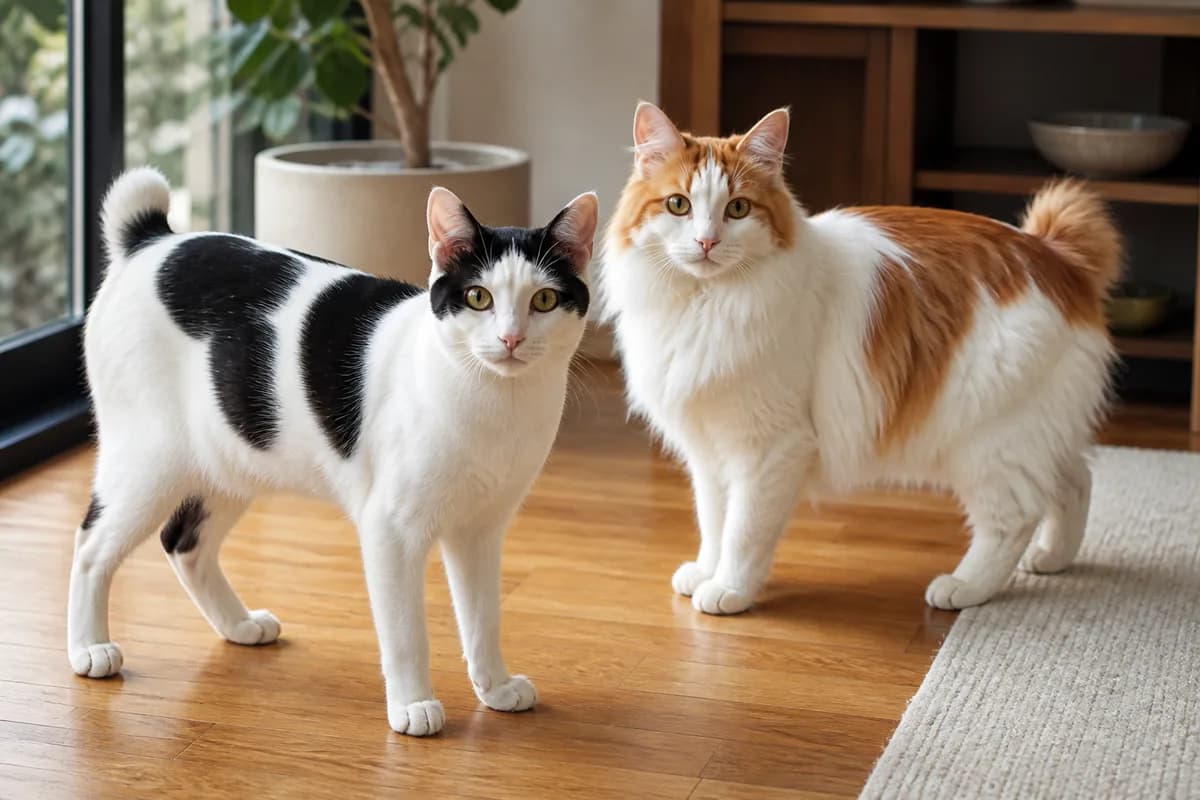
The breed has a long cultural association with Japan, including short-tailed cats depicted in art and traditional lucky-cat imagery. CFA and TICA describe the modern registered Japanese Bobtail as a naturally occurring breed with an established history in Japan and later development within organized cat registries. Historical association adds context, but it does not turn a modern cat into a Japanese Bobtail without records.
Three distinctions keep the description honest:
- A bobtailed cat is any cat with a visibly short tail, regardless of cause or ancestry.
- A Japanese Bobtail-type cat resembles parts of the standard but lacks sufficient documentary proof.
- A registered Japanese Bobtail has traceable pedigree or registry documentation tied to that individual cat.
The distinction matters for more than terminology. It helps adopters avoid paying a breed premium for an unsupported claim, helps shelters describe cats accurately, and prevents people from inferring health or personality from appearance. It also leaves room to appreciate a wonderful short-tailed domestic cat without inventing a pedigree.
Japanese Bobtail history and breed recognition
Official registry histories describe short-tailed cats as part of Japanese life for centuries. The breed's modern US story began when documented cats were imported and bred within registry programs. Recognition established a written standard and pedigreed population that breeders and judges could evaluate consistently. That standard is the appropriate reference point for breed traits today.
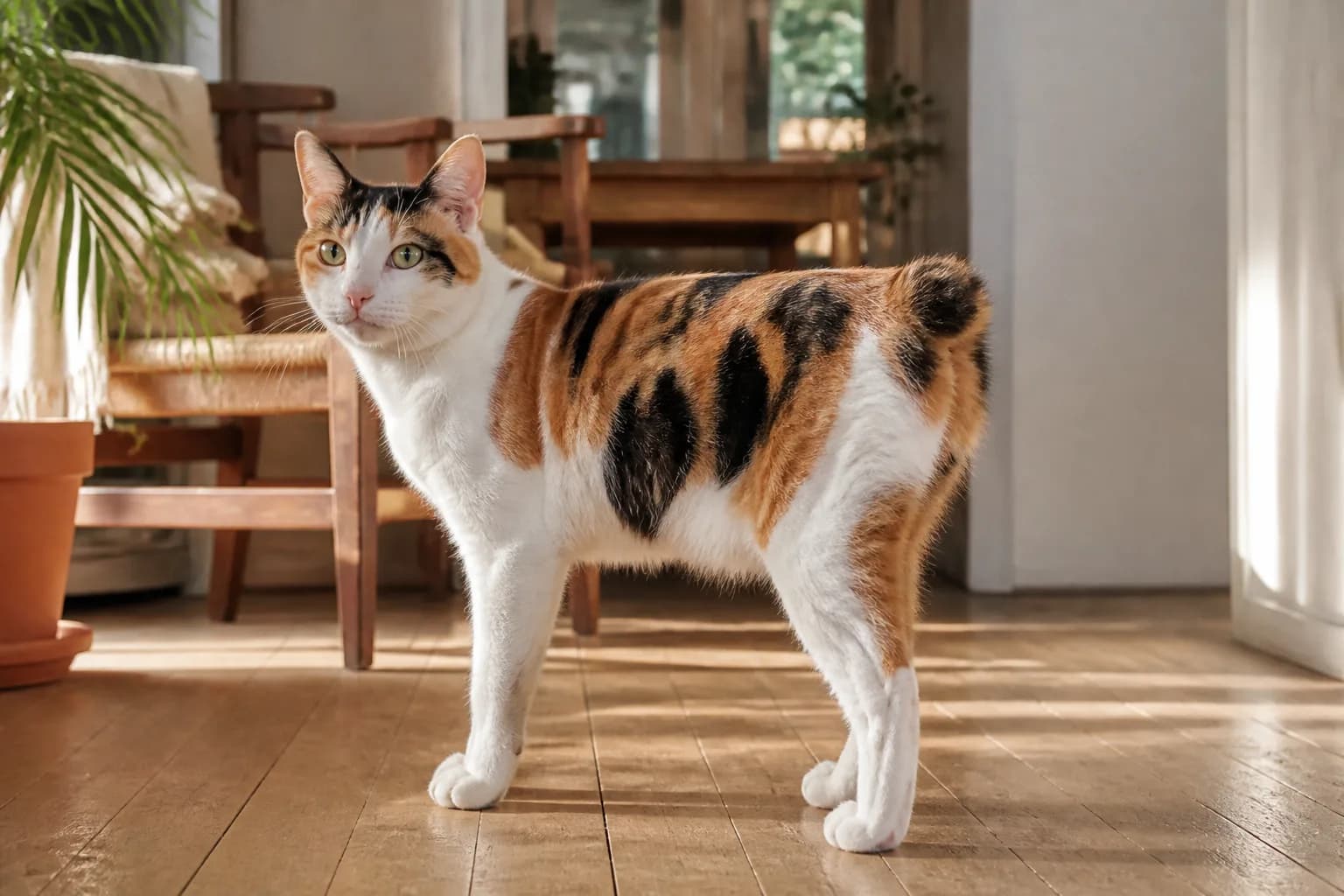
The familiar mi-ke cat, a red, black, and white pattern often called calico in everyday language, is strongly associated with Japanese Bobtails. It is culturally recognizable and visually striking, but it is not the only accepted appearance. Readers interested in the full range should use the dedicated Japanese Bobtail colors guide, which owns color and pattern identification in detail.
A responsible history account avoids two tempting shortcuts:
- It does not claim that every short-tailed cat in Japan belongs to the registered breed.
- It does not use a modern cat's resemblance to art, photographs, or a lucky-cat figure as proof of ancestry.
Breed history explains where the standard and population came from. A pedigree explains how a specific cat is connected to that population.

63-inch multi-level cat tree with scratch posts, hammock, plush perches, and dangling toys. Vertical territory is non-negotiable for high-energy climbing breeds like the Bengal.
Petful may earn a commission when you click through to Chewy, at no extra cost to you.
How to identify a Japanese Bobtail without guessing
Use an evidence ladder. Begin with the strongest available proof, then use physical observations only to check whether the story is internally consistent. Do not reverse the order and let a visually exciting tail make weak documents feel stronger.
The purpose is to separate appearance clues from documentary proof of breed ancestry. Appearance can guide careful observation, but it cannot promote a verbal claim into a registered pedigree. Use the tail, body, head, coat, and movement only as consistency checks after reviewing records. When documentation is absent, describe the observable bobtail and coat honestly rather than upgrading resemblance into a breed claim.
- Level 1: A short-tail appearance. This is an observation only. Natural variation, another breed, an injury, or an unknown background can produce a bobbed-tail appearance.
- Level 2: A verbal or listing claim. The seller, finder, or previous owner supplies a breed name, but the statement still needs verification.
- Level 3: Pedigree records. Named ancestors, registration numbers, dates, and breeder information create a traceable history. Check that the records belong to the same cat.
- Level 4: Registry documentation. A recognized registry record connected to the cat and pedigree provides the strongest practical evidence available to most owners.
After records, compare the whole cat with the official standard. Look for the characteristic head and eye shape, large upright ears, long and balanced body, slender legs, elevated hindquarters, coat texture, and individual bobtail. One feature should never carry the identification by itself.
- A pom-pom tail, mi-ke coat, long hind legs, or sociable personality may be compatible with a Japanese Bobtail, but none proves documented ancestry. Describe what you can observe and reserve the breed label for cats with reliable records.
This framework is also useful when a rescue uses wording such as "Japanese Bobtail mix." Cat ancestry cannot be read reliably from appearance, and a mix label may describe resemblance rather than known parentage. Ask what evidence supports the label, review veterinary records, and choose the cat for individual behavior and fit rather than a speculative breed story.
Japanese Bobtail tail, body, and coat
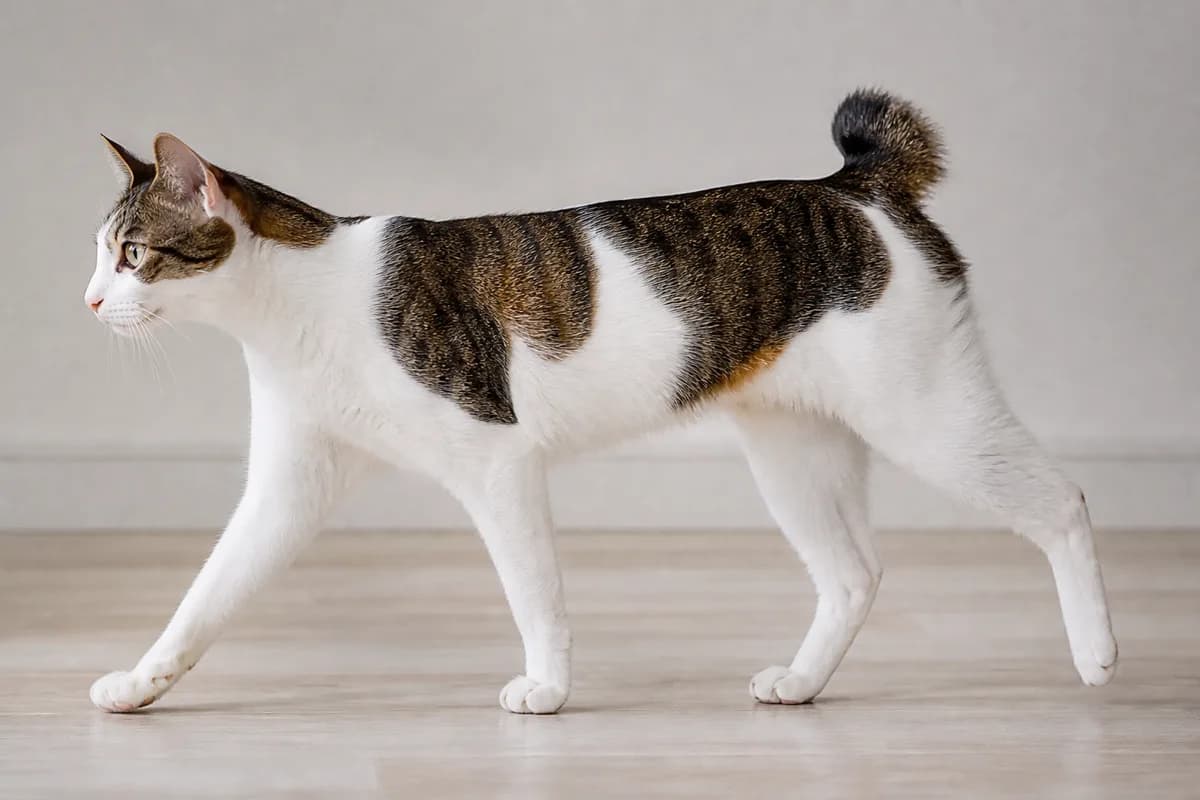
The Japanese Bobtail cat tail is naturally shortened and composed of vertebrae that form curves, angles, kinks, or combinations unique to the cat. Hair grows outward around the structure and can make the tail look like a pom-pom or chrysanthemum. The tail is not simply a miniature straight version of an ordinary long tail, and two Japanese Bobtails may have noticeably different tail shapes.
Are Japanese Bobtail cats born without tails? They are born with their individual tail structure, but the standard allows variation in how much tail is visible and how it is carried. Calling every cat "tailless" can obscure the actual anatomy. A visible bob, tight curl, or small projection may all look different under the coat. Never pull, straighten, repeatedly flex, or test the tail to decide whether a cat matches the breed.
A peer-reviewed study of Japanese Bobtail morphology and genetics supports treating the breed's tail inheritance and vertebral form as a distinct scientific question rather than assuming it is the same as the Manx condition. Petful's Japanese Bobtail vs Manx guide owns the full comparison. The practical rule here is simple: do not transfer Manx health claims to a Japanese Bobtail merely because both cats have short tails.

Feathered teaser wand with catnip-stuffed bird. Pairs perfectly with the no-bite training policy: redirect Bengal play drive into a 10-minute interactive session with the wand.
Petful may earn a commission when you click through to Chewy, at no extra cost to you.
Body and movement
The body is medium in size, long, lean, and well muscled. Long legs and higher-set hindquarters help produce an athletic outline, while oval paws and an alert carriage add to the impression of readiness. The cat should move comfortably and symmetrically. An unusual gait, pain, reluctance to jump, or sudden change in tail carriage needs veterinary attention, not a breed-based explanation.
Head shape matters as part of the complete standard. High cheekbones, a gently curved profile, large upright ears, and oval eyes contribute to the characteristic expression. However, many domestic cats share one or more of these features. Use them as supporting observations after documentation, not as an ancestry test.
Japanese Bobtail shorthair cat and longhair variety
A Japanese Bobtail shorthair cat has a medium-length, soft, silky coat that lies relatively close to the body. The longhair variety has longer hair with a similarly silky quality, and furnishings can be more visible around the ruff, hind legs, toes, and tail. CFA describes little noticeable undercoat, but individual coat density and shedding still vary with season, age, health, and environment.
Coat length does not change the documentary standard for identity. A longhaired bobtailed cat is not automatically a longhair Japanese Bobtail, and a shorthaired cat with a pom tail is not automatically the shorthair variety. Both need the same evidence chain.
Personality, activity, and everyday care
Japanese Bobtail personality is often described as active, social, intelligent, curious, and communicative. Many individuals want to observe or participate in household activity rather than remain in a distant room. They may carry toys, investigate water, learn routines, or answer people with a varied voice. These tendencies make the breed appealing to someone who wants an interactive companion, but they should not be turned into promises about every cat.
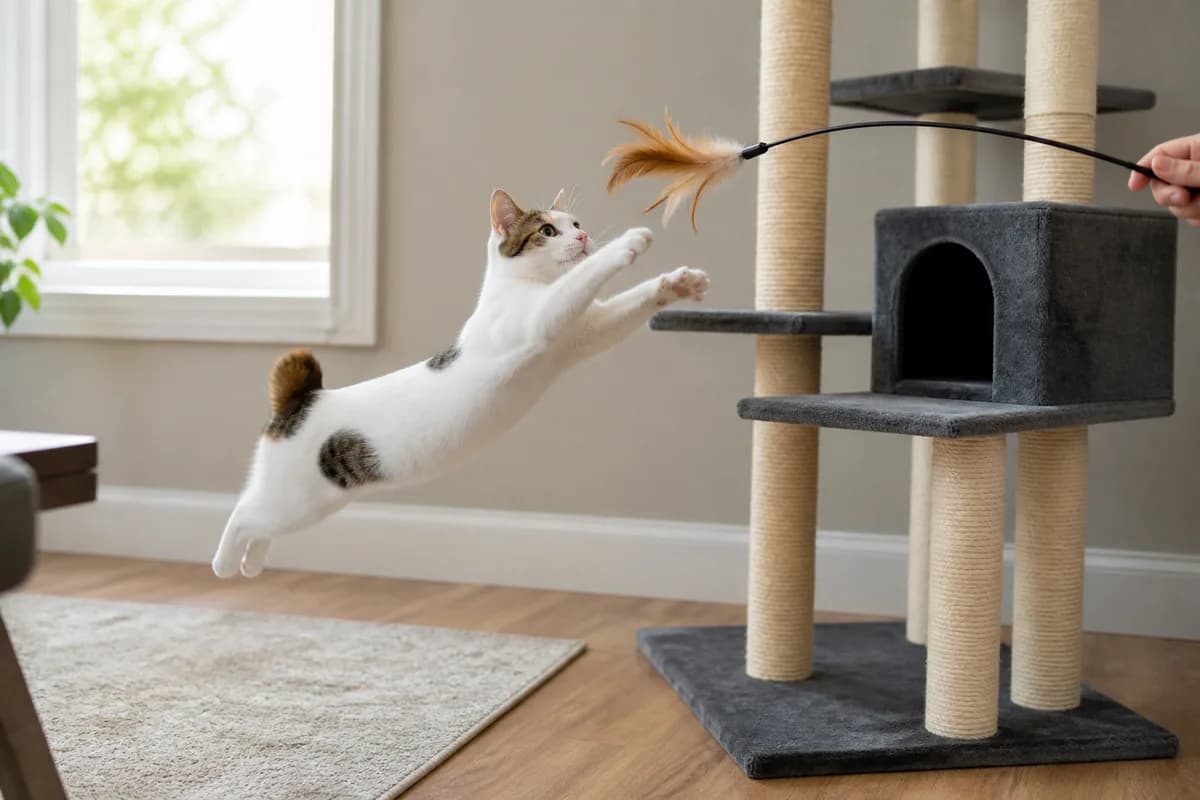
Plan at least a few short, focused play sessions across the day. A Frisco Bird with Feathers Teaser Wand Cat Toy supports chase and leap play when a person controls the movement and puts the toy away after use. The broader WebVet guide to interactive cat toys can help vary motion, puzzle, and solo activities without expecting one toy to meet every enrichment need.
Vertical territory is as important as floor space for many active cats. A stable Yaheetech Multi-Level 63-in Plush Cat Tree can add climbing, scratching, observation, and resting zones in one footprint. Place tall furniture on a level surface, follow anchoring instructions, and keep landing routes clear. A confident jumper still needs a safe setup.
Training and communication
Use reward-based training for carrier entry, grooming, nail care, target touches, and coming when called indoors. Keep sessions short enough that the cat remains engaged. A food reward, toy, praise, or access to a preferred perch may work, depending on the individual.
Vocal behavior varies. A talkative cat may use chirps and patterned calls during social interaction, while another is quieter. Sudden increased vocalization can also accompany pain, stress, sensory change, or a medical problem. Treat a meaningful change as information about the individual rather than as a cute breed trait.
Petful may earn a commission when you click through to Chewy, at no extra cost to you.
Japanese Bobtail lifespan and long-term planning
No registry standard can guarantee a Japanese Bobtail lifespan, and a single range cannot predict an individual cat's future. Genetics, preventive care, dental health, body condition, diet, indoor safety, exposure to infectious disease, and timely treatment all influence longevity. Plan finances and daily care for a long-term commitment instead of selecting a cat around an optimistic number.
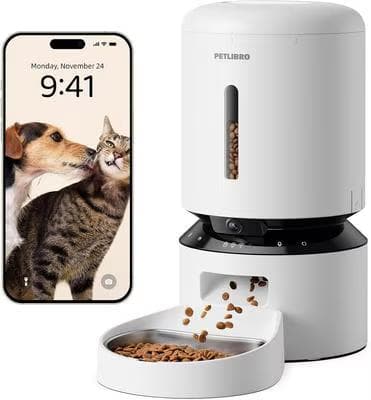
A consistent feeding routine can help caregivers notice appetite changes. The Petlibro Granary WIFI automatic feeder with camera can dispense measured dry-food portions on a schedule, but it does not calculate the correct calories, monitor wet-food intake, or replace direct observation. Confirm portions with a veterinarian, test dispensing, clean food-contact parts, and keep a manual backup for power or network interruptions.
Are Japanese Bobtail cats hypoallergenic? No cat breed can be assumed to be hypoallergenic. Allergens come from proteins associated with saliva, skin, and other secretions, not simply from visible coat length. Individual reactions and allergen levels vary. Someone with significant cat allergy should consult a clinician and make the decision based on real exposure and a realistic return plan, not a breed marketing claim.
Household fit with children and other pets
An active, social Japanese Bobtail can be a good household companion when people respect choice and provide predictable outlets for play. The best fit is not established by a breed label alone. Ask how the individual cat responds to handling, visitors, household noise, schedule changes, and separation, then compare that behavior with the real home.
Teach children to sit near the cat, invite contact, and stop when the cat moves away. Chasing, grabbing the tail, lifting without full-body support, or interrupting sleep is unsafe. An adult should actively supervise and intervene early, especially while the child is learning feline body language.
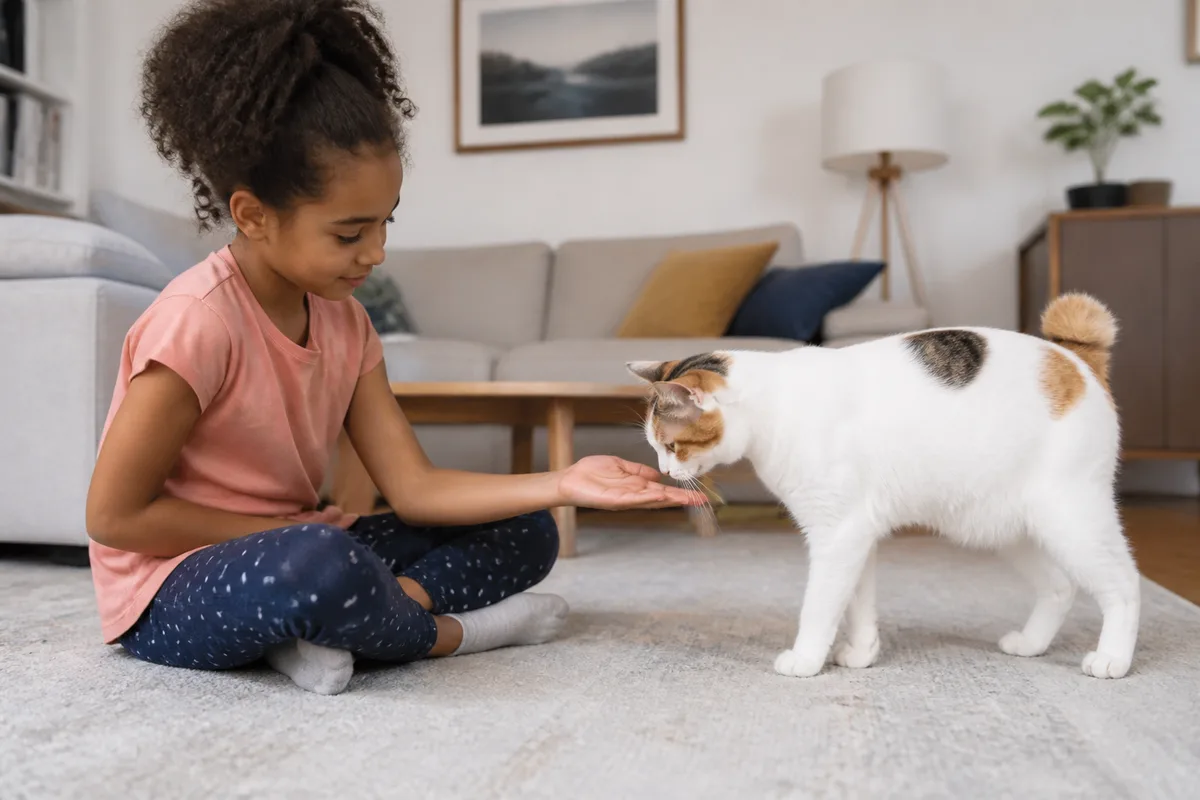
For cat-to-cat introductions, begin with separate spaces, scent exchange, and resources on both sides of a closed door. Move to brief visual access only when both cats can eat, play, or rest without escalating. Provide separate food, water, litter, resting, scratching, and hiding options so neither animal has to compete at a bottleneck.
With a dog, use a gate and leash at first, reward calm behavior, and protect high cat-only routes. Breed friendliness cannot make a dog with unsafe chase behavior compatible, and feline confidence cannot substitute for management. Small pets such as birds and rodents need secure separation because a playful cat is still a predator.
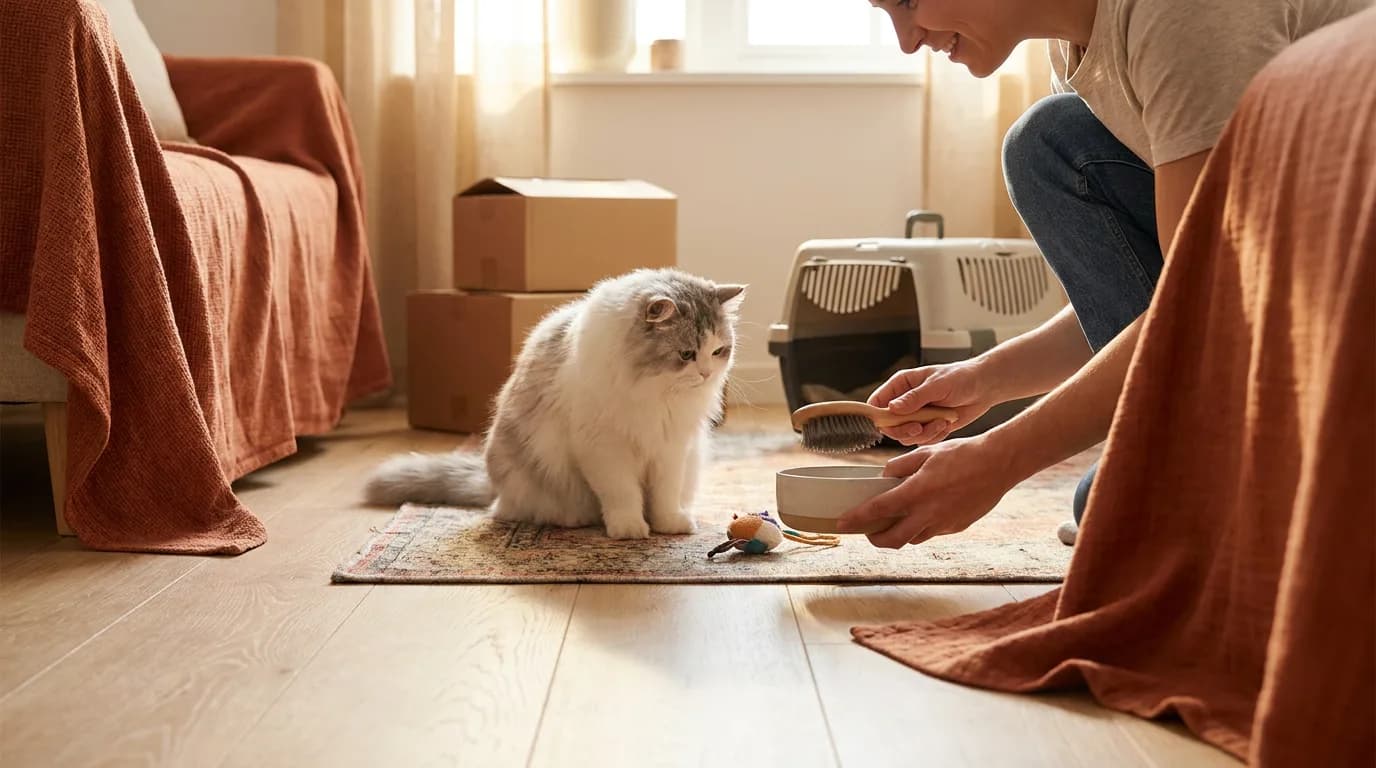
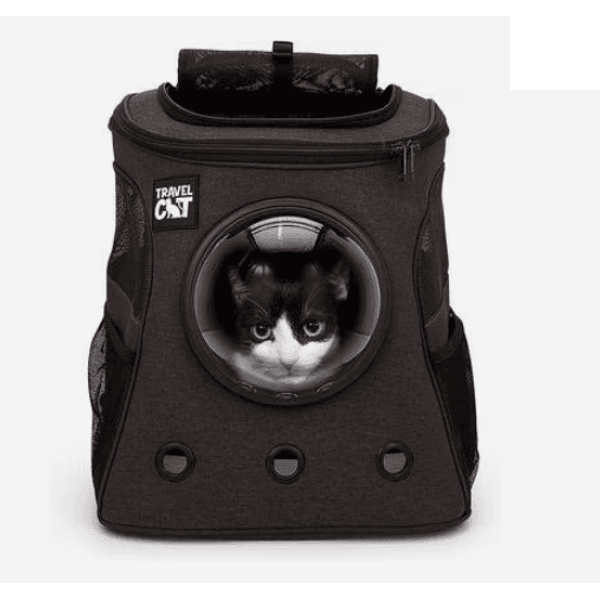
A familiar Travel Cat Fat Cat airline-approved backpack carrier can support planned moves between spaces during introductions or travel. Leave it open as a resting option, add comfortable bedding, and reward voluntary entry. The carrier should remain an escape-safe transport tool, not a punishment box.

108-oz stainless steel pet fountain with quiet pump and water-level window. Bengals are notoriously water-obsessed; a flowing fountain encourages hydration and pulls them away from sinks and toilets.
Petful may earn a commission when you click through to Chewy, at no extra cost to you.
Everyday care and preventive health planning
Grooming needs are generally manageable, but they are not zero. Comb the coat often enough to find tangles before they tighten, paying attention behind the ears, under the front legs, along the belly, and around the hindquarters. Longhair cats or cats in a seasonal shed may need more frequent attention. Start with very short sessions and pair handling with something the cat values.
Never brush aggressively over the bobtail or try to reshape it. Learn the individual tail's normal position and sensitivity. If touching the area causes a new reaction, or if you notice swelling, discharge, skin injury, odor, reduced movement, pain, or a sudden posture change, arrange veterinary care.
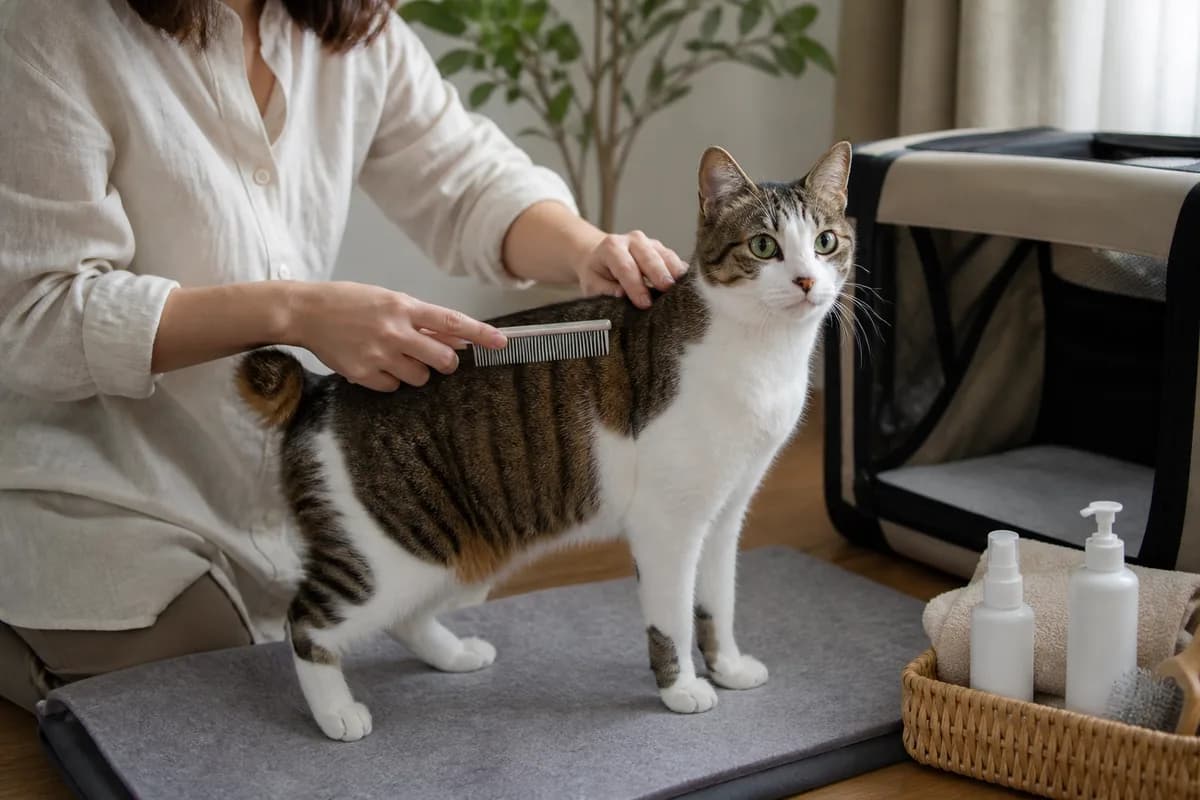
Use a simple preventive routine:
- Schedule veterinary examinations at an interval appropriate for the cat's age and health.
- Discuss vaccination and parasite prevention based on actual exposure risk.
- Keep the cat at an appropriate body condition and monitor muscle as well as weight.
- Build toothbrushing and oral checks gradually rather than waiting for obvious dental pain.
- Trim only the clear nail tip and stop before the quick.
- Track appetite, water intake, urine, stool, mobility, grooming, and social behavior for meaningful changes.
Hydration options can include fresh bowls in multiple quiet locations. A PawsPik SS-01 stainless steel cat fountain may appeal to a cat that prefers moving water, but introduce it beside an ordinary bowl and clean it on schedule. A fountain is not proof that a cat drinks enough, so watch the individual's habits and discuss concerning changes with a veterinarian.
Routine care should also include emergency readiness. Keep the carrier accessible, store the regular clinic and emergency hospital numbers, maintain current identification, and know which household member can transport the cat. Practice calm carrier entry before a crisis. Repeated vomiting, breathing trouble, collapse, inability to urinate, severe pain, sudden weakness, or rapid decline warrants prompt veterinary triage.
Feeding, enrichment, and a workable daily routine
A sustainable routine is more useful than an elaborate plan nobody can maintain. Feed a complete and balanced diet appropriate for the cat's life stage and individual needs, measure portions, offer fresh water, scoop litter boxes, and schedule play at predictable points. Adjust with veterinary guidance for growth, body condition, disease, pregnancy, or other clinical needs.
Automatic equipment can support a routine but should not hide changes. A second Petlibro Granary WIFI automatic feeder reference is useful only if timed portions solve a real household problem. Check the hopper, verify every meal during setup, and compare what was dispensed with what the cat actually ate. For multi-cat homes, prevent one cat from taking another's ration.
Rotate activities among several categories:
- Chase: a supervised Frisco feather teaser wand moved like prey, followed by a calm finish.
- Climb: a secured Yaheetech cat tree, shelves, or window perch with clear routes.
- Scratch: a securely mounted Necoichi wall scratcher or a horizontal surface matched to the cat's preferred angle.
- Search: small portions hidden in safe puzzle locations that the cat can solve without frustration.
- Observe: a protected window view, elevated resting place, or calm household participation.
- Train: voluntary carrier entry using the Travel Cat carrier, target touches, or brief handling practice.
Watch recovery as well as excitement. A good session leaves the cat able to settle, eat, groom, or rest. Frantic behavior, persistent conflict, redirected biting, or inability to disengage suggests the activity or environment needs adjustment.
Finding Japanese Bobtail kittens and adult cats
Readers searching for Japanese Bobtail kittens for sale or a Japanese Bobtail cat for sale need a verification-first process, not a list of sellers. The dedicated Japanese Bobtail kitten, breeder, and adoption guide owns that decision. Use it to check breeder identity, pedigree records, veterinary documentation, socialization, contracts, payment safety, and adoption alternatives.
Expect a responsible search to take time. Do not let a rare-color claim, unusually short deadline, shipping story, or emotional appeal replace a live conversation and traceable documentation. A higher quote does not prove quality, so use the Japanese Bobtail cost guide to compare acquisition cost with the first-year setup and ongoing care commitment.
For an adult cat from a shelter or rescue, evaluate the individual animal and records. A bobtail appearance can be described accurately without asserting pedigree. Known temperament, veterinary findings, and household behavior may make a well-assessed adult a better fit than a kitten selected mainly for color or breed resemblance.
Is a Japanese Bobtail right for you?
This breed can fit someone who wants an interactive cat, enjoys daily enrichment, can provide safe climbing space, and will make room for a cat that participates in household routines. The same traits can be frustrating for a person expecting a quiet decorative pet that needs little engagement.
Before deciding, answer concrete questions:
- Can everyone avoid pulling or manipulating the bobtail?
- Is there time for daily interactive play and reward-based care practice?
- Can the home provide stable vertical territory and separate resources for multiple pets?
- Is the budget built around veterinary care, food, supplies, transport, and emergencies rather than acquisition alone?
- Will the household choose the individual cat for observed fit and documented history instead of color or novelty?
- Interactive companion that often enjoys household participation
- Athletic and intelligent with strong play potential
- Shorthair and longhair varieties
- Many colors and patterns
- Needs daily enrichment and safe vertical space
- May become bored in an under-stimulating routine
- Tail requires respectful handling
- Small documented population can make responsible sourcing slow
The final choice should remain individual. Meet the cat more than once when possible, ask for specific observations, and compare those behaviors with the home you actually have. A registered breed can guide expectations, but it cannot guarantee affection level, trainability, tolerance of children, compatibility with pets, or health.
Japanese Bobtail cat FAQs
These answers address the article-specific questions while keeping price, sourcing, colors, and breed comparisons on their dedicated pages.
Yes, Japanese Bobtail cats are rare outside Japan compared with many familiar pedigreed breeds, so responsible sourcing may require patience and a wider search. Rarity is not pedigree proof or a reason to skip buyer checks. Verify registry and pedigree records, health and veterinary documentation, seller identity, contract terms, and the individual cat's household fit. Responsible sourcing means accepting a wait rather than paying an unverified listing because it claims immediate availability.
A Japanese Bobtail is a registered domestic cat breed with documented pedigree records, a naturally short kinked tail, long balanced body lines, and recognized longhair and shorthair varieties. Physical resemblance can support a description, but records establish ancestry.
No cat breed can be assumed to be hypoallergenic. Cat allergens are not determined only by coat length, and individual reactions vary. Anyone with significant cat allergy should consult a clinician and assess real exposure rather than relying on a breed label.

Coreen Saito is a pet writer and longtime shelter volunteer with more than a decade in animal rescue. She covers cat behavior, breed care, and the small, ordinary science of sharing a life with companion animals, with a particular focus on honest takes about the products and decisions that actually matter. At home in Arizona, she's outranked by Mac (a dog with the loudest opinion in the house), Rebel (a cat who governs by quiet authority), and Meri (an orange tabby who runs the late shift and the laundry basket). She writes about all three, plus the rescues that keep coming through her life, at LifeWithMinty.com.
Sign up for expert-backed reviews and safety alerts all in one place.