Japanese Bobtail Colors: Calico, White, Black & More
See Japanese Bobtail colors and patterns recognized by CFA, including mi-ke, calico, white, black, red, tortoiseshell, tabby, smoke, and bicolor.
Petful is reader supported. As an affiliate of platforms like Amazon and Chewy, we may earn a commission when you buy through links on this page. There is no extra cost to you.
Japanese Bobtail colors include the famous red, black, and white mi-ke pattern, plus solid white, black, chocolate, red, blue, lilac, and cream; bicolors and tricolors; tortoiseshell; tabby; smoke; silver; pointed coats; and other genetically possible combinations. The current Cat Fanciers' Association standard does not prefer one color or pattern over another. A beautiful coat can fit the standard, but color alone never proves Japanese Bobtail ancestry.
This visual guide explains how registry terms fit together, how mi-ke relates to calico, how solid and patterned coats differ, and why pedigree and registration records matter more than appearance. For temperament, tail, history, rarity, and lifespan context, use Petful's complete Japanese Bobtail breed guide.

Sign up for expert-backed reviews and safety alerts all in one place.
Japanese Bobtail colors at a glance
The current CFA Japanese Bobtail profile and standard lists a much wider palette than the public stereotype. Mi-ke is historically prominent, but the standard also recognizes solid colors, bicolor and tricolor combinations, parti-colors, tabbies, patched tabbies, smokes, colorpoints, and other colors or patterns genetically possible in the breed. Both longhair and shorthair Japanese Bobtails use the same broad color framework.
The TICA Japanese Bobtail profile likewise presents the breed as more than one coat. Registry language can differ in how colors are grouped or named, so check the current standard of the registry relevant to the cat. The durable principle is that coat description and breed documentation answer different questions.
The answer-first color summary is that the mi-ke calico pattern is famous, but all registry colors accepted by the current standard belong in the full picture, including solid, bicolor, tricolor, tabby, smoke, silver, tortoiseshell, and colorpoint presentations. This guide shows the full registry-recognized color range instead of presenting mi-ke as the only authentic coat.
Petful may earn a commission when you click through to Chewy, at no extra cost to you.
- 1Mi-ke is the famous mi-ke calico pattern, but it is not the only authentic Japanese Bobtail coat
- 2All registry colors accepted by the current standard include an extensive range of solid, bicolor, tricolor, tabby, smoke, pointed, and other genetically possible colors and patterns
- 3No color is preferred over another
- 4Pedigree and registry records, not coat color, establish ancestry
| Coat layer | What to identify | Examples |
|---|---|---|
| Base color | The main pigment family before white or pattern is added | Black, chocolate, red, blue, lilac, cream |
| Dilute expression | A lighter expression of the related base pigment | Blue instead of black; cream instead of red; lilac instead of chocolate |
| White spotting | The amount and placement of white added to a colored coat | Locket, bicolor, van-like distribution, tricolor mi-ke |
| Pattern | Markings layered over the base color | Classic, mackerel, spotted, ticked, patched tabby, smoke, silver, colorpoint |
| Eye color | A separate visible trait that should harmonize with the cat but can vary | Gold, blue, or odd eyes, among other standard-consistent presentations |
| Ancestry proof | Documentation rather than a visible coat layer | Traceable pedigree and registry record |
Mi-ke, calico, and tortoiseshell patterns
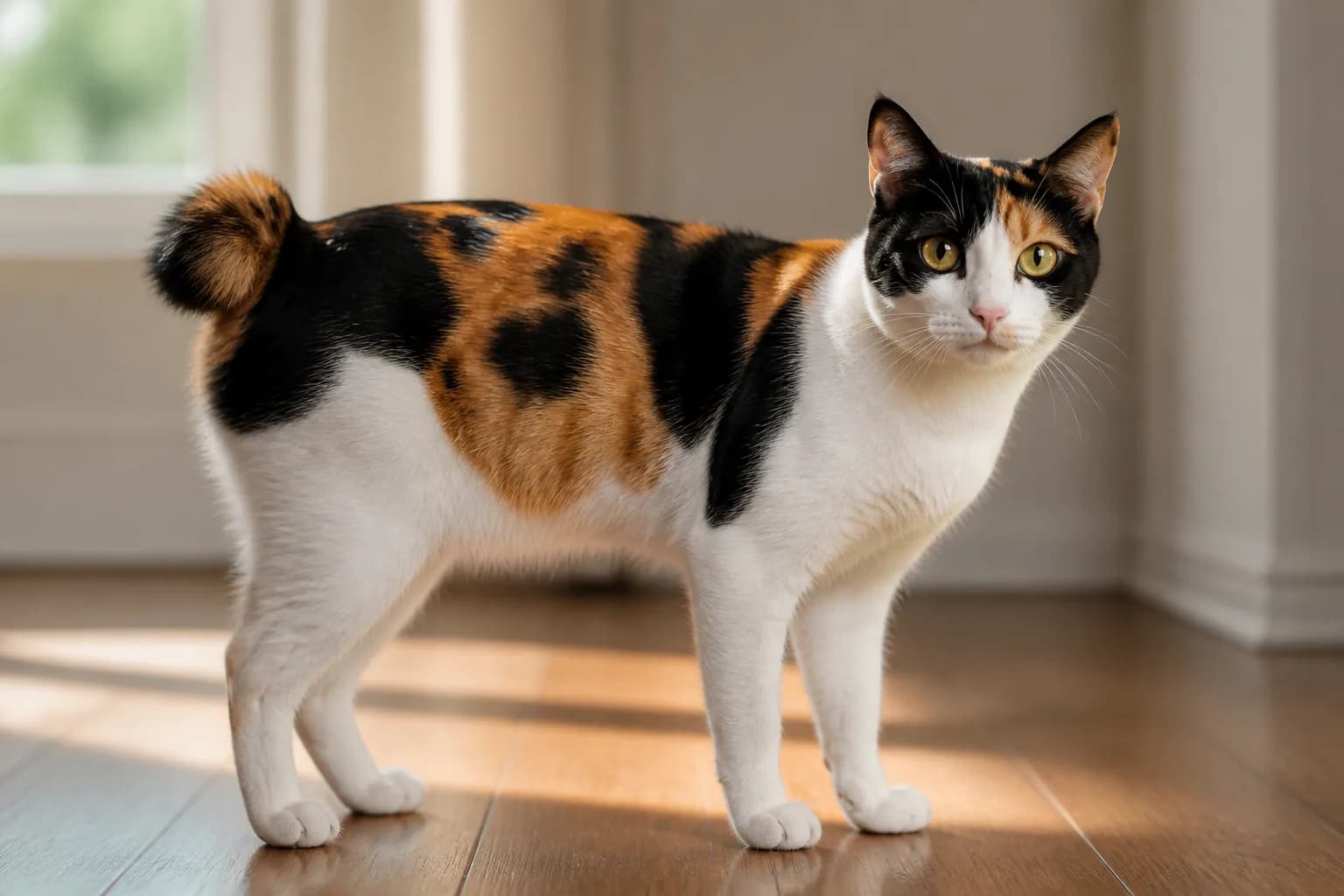
Mi-ke means three-color. In the best-known Japanese Bobtail presentation, the three colors are black, red, and white in any combination. Red areas can also show tabby markings. English-language readers often call the same overall presentation a Japanese Bobtail calico cat, while the registry retains mi-ke as a breed-specific class name.
A calico Japanese Bobtail cat is therefore not a separate breed or temperament type. Calico describes a color pattern. Japanese Bobtail describes documented breed ancestry. Those labels can correctly appear together when a pedigreed Japanese Bobtail has the three-color coat, but one does not prove the other.
- A traditional three-color mi-ke coat combines red, black, and white and is commonly described as a calico color pattern. Japanese Bobtails also appear in many other accepted colors and patterns, and a mi-ke coat by itself does not establish breed identity.
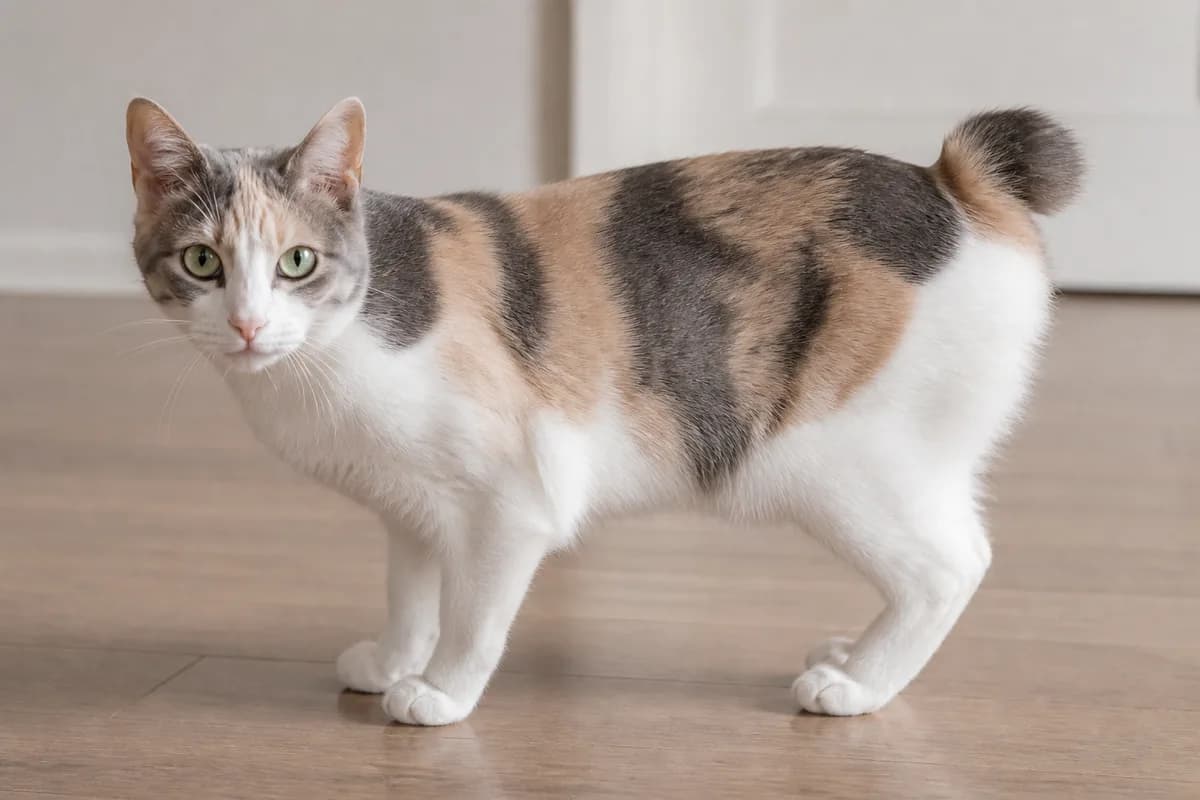
Read mi-ke as four visible layers
Instead of trying to memorize every registry class, read the coat in a consistent sequence. This photo-linked framework separates features that are often collapsed into one label:
- Find the base dark color. In classic mi-ke, that is black. In other tricolors, it can be chocolate, blue, or lilac.
- Find the red-family areas. These may be rich red or a dilute cream, and they may look solid or tabby-marked.
- Map the white spotting. Note how much white is present and where it breaks up the colored areas.
- Check for an added pattern effect. Tabby stripes, silver, or smoke can change how the dark and red-family areas appear.
This method explains why two cats can both be mi-ke while looking dramatically different. One may have large, vivid red and black patches against extensive white. Another may have smaller areas, tabby markings inside the red, or a softer dilute palette. The label names the components, not a single required arrangement.
Dilute and patterned mi-ke
Dilute mi-ke replaces the visually darker black and red combination with blue and cream, plus white. The result can look softly gray, peach, and white in everyday language. Registry terms are more precise because "gray" does not identify whether a coat is blue, silver, smoke, or simply affected by lighting.
Petful may earn a commission when you click through to Chewy, at no extra cost to you.
Patterned mi-ke adds visible tabby markings within some colored areas. Silver and smoke versions involve different hair-level effects, so a single photograph may not show enough detail for a confident class name. View the coat in neutral daylight, part the hair gently when needed, and compare the current standard rather than relying on a heavily edited image.
Tortoiseshell and blue-cream
A Japanese Bobtail tortoiseshell cat combines black and red without the larger white areas associated with mi-ke. Chocolate tortoiseshell combines chocolate and red. The dilute counterparts include blue-cream and lilac-cream. Small white lockets or buttons can complicate everyday descriptions, while registry classes follow defined rules.
Petful's guide to facts about calico cats adds general context on tricolor coats. For breed identification, return to the Japanese Bobtail standard and records. Color genetics can explain a pattern, but they cannot reconstruct an undocumented pedigree.
A soft Best Friends by Sheri Meow Hut Covered Cat Bed can provide a quiet resting option for any coat color. Choose bedding for washable construction, fit, and the individual cat's preference, not because a listing claims it enhances or protects a rare coat.
White, black, red, blue, cream, and other solids
A solid coat aims for consistent color from the root to the tip of each hair and across the body. In real homes, light, seasonal coat changes, old hair, saliva, dust, and camera settings can affect what a person sees. Inspect the coat under neutral light and avoid turning one rusty tip or pale photograph into a new color classification.
The CFA solid-color list includes white, black, chocolate, red, blue, lilac, and cream. The standard also allows blue eyes and odd eyes. Eye color should be described separately from the coat rather than used as a shortcut to breed ancestry.
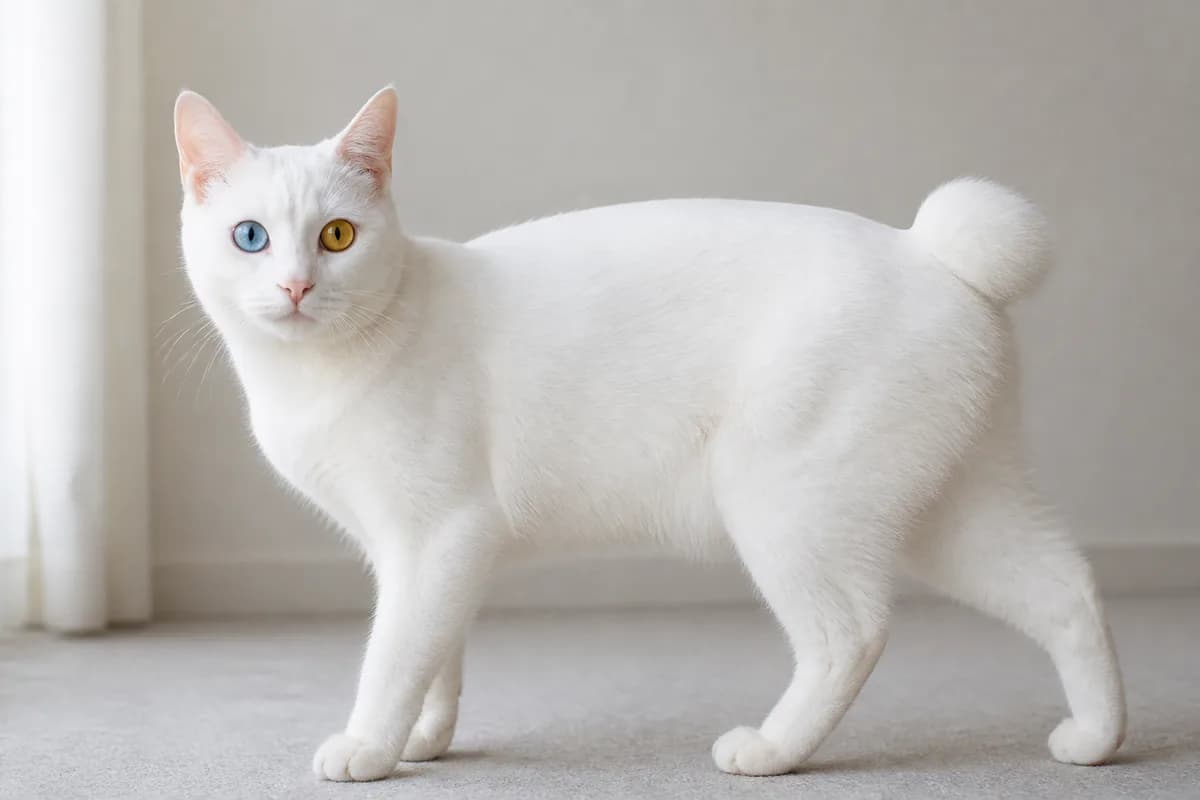
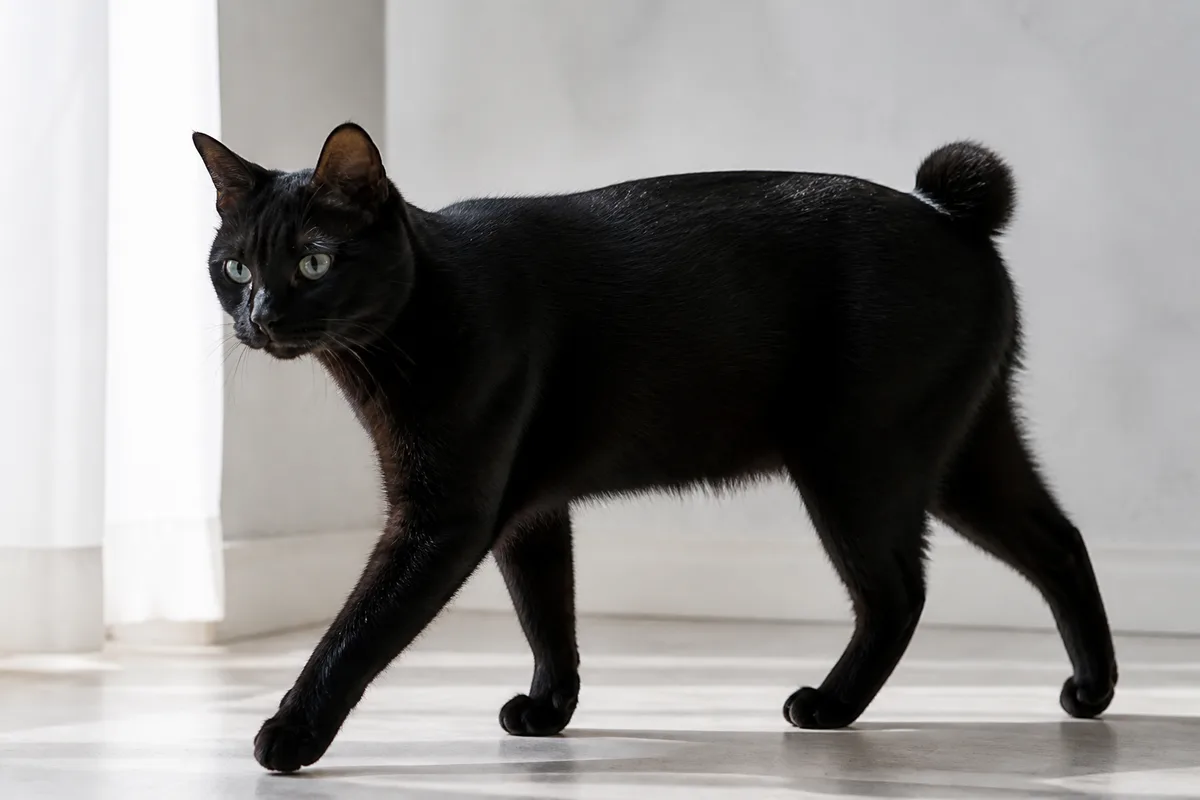
White Japanese Bobtail cat
A white Japanese Bobtail cat should appear pure, clear white in registry language. Blue, gold-toned, or odd eyes can create very different expressions on the same coat. A search for "Japanese Bobtail cat white" often surfaces cats without records, so verify whether the image or listing represents a documented Japanese Bobtail before treating it as a breed example.
White fur can make dust, saliva marks, or skin changes easier to notice, but cosmetic visibility is not the same as a breed-specific health problem. Use gentle routine grooming and ask a veterinarian about persistent staining, hair loss, sores, odor, intense licking, or skin-color change rather than trying to bleach or recolor the coat.
Japanese Bobtail cat black
A solid Japanese Bobtail cat black coat is described as dense coal black from roots to tips. Sun exposure, old coat, nutrition, illness, and photography can produce a brownish or rusty appearance without changing the cat's genetic color label. If the coat changes suddenly or the skin looks abnormal, health comes before show terminology.
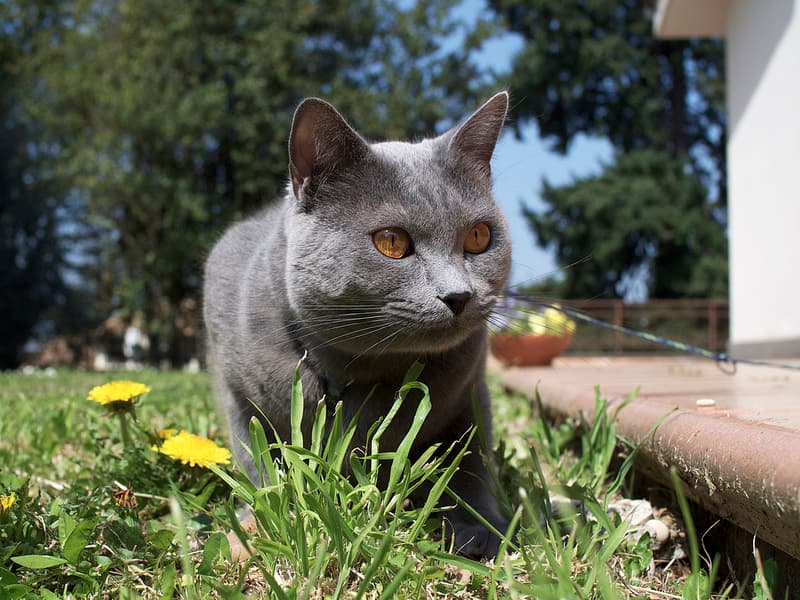
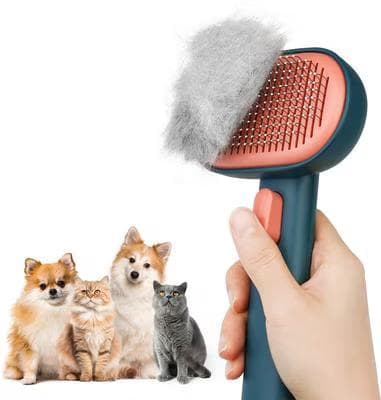
Black fur can hide loose hair and small flakes in dim light. A gentle aumuca Self Cleaning Slicker Brush may help some cats with routine loose-hair removal, but tool fit and technique matter more than the product name. Start with a light touch, avoid the bobtail, and stop if the brush pulls or the cat's skin ripples repeatedly.
Red, blue, cream, chocolate, and lilac
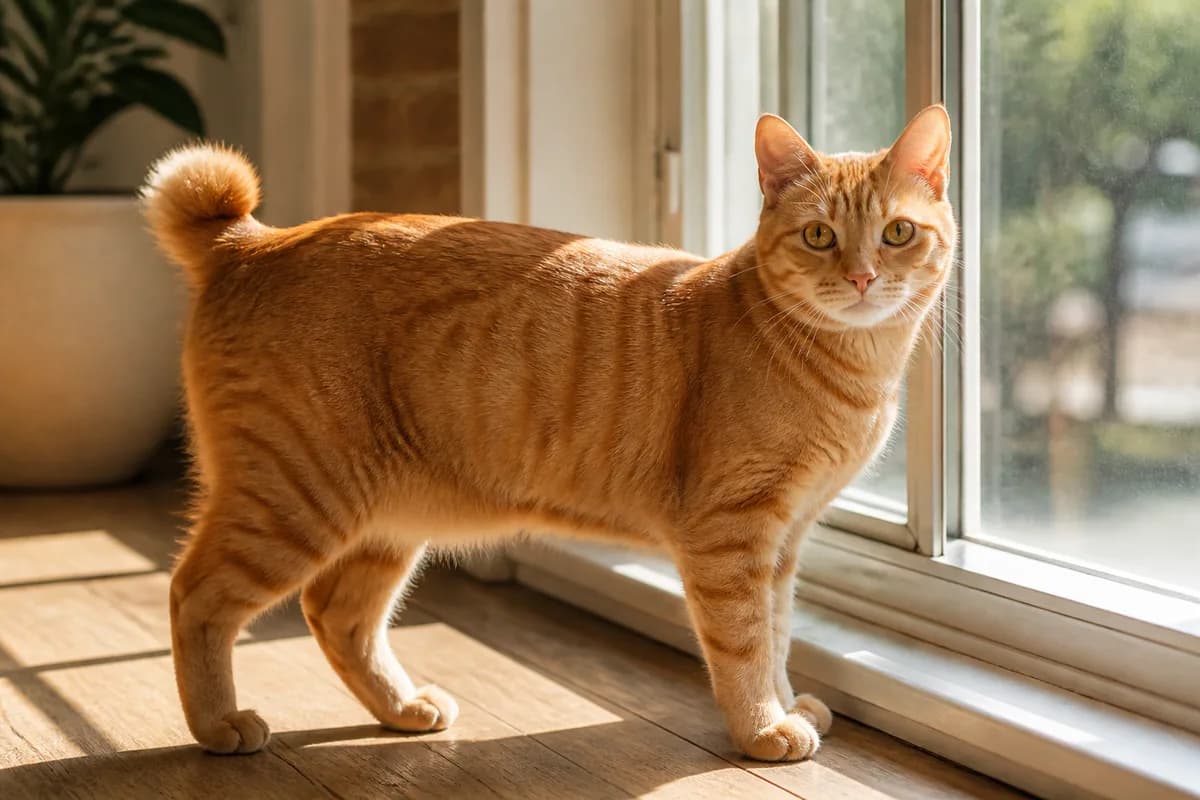
Registry red is the color many people call orange. A solid red Japanese Bobtail should have a rich, clear tone, although faint tabby markings can be visually difficult to separate in some red-family coats. An orange Japanese Bobtail cat may therefore be registered as red, red tabby, red and white, patterned, or another more specific class depending on the complete coat.
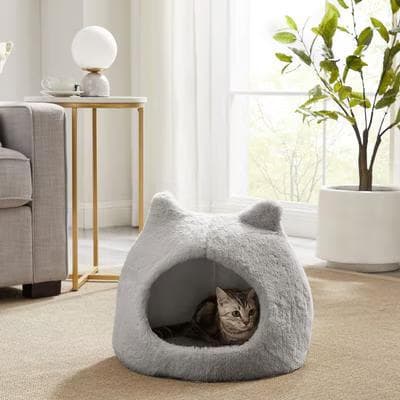
Covered, igloo-style cat bed in soft plush with a water-resistant bottom, giving cats a cozy enclosed spot to curl up. Grey.
Petful may earn a commission when you click through to Chewy, at no extra cost to you.
Blue is the dilute expression related to black and appears gray-blue rather than vivid blue. Cream is the dilute red-family color. Chocolate is a warm brown, while lilac is a pale frosty gray with a pinkish tone. These distinctions can be difficult to make from a phone photo because white balance, exposure, shadows, and nearby surfaces shift perceived color.
For a useful comparison, photograph the cat in indirect daylight against a neutral background and include several body areas. Do not use a flash reflection or one close-up as the entire color record. If registry classification matters, ask the breeder or registry for the documented class and compare that answer with the current standard.
Bicolor, tabby, smoke, pointed, and other patterns
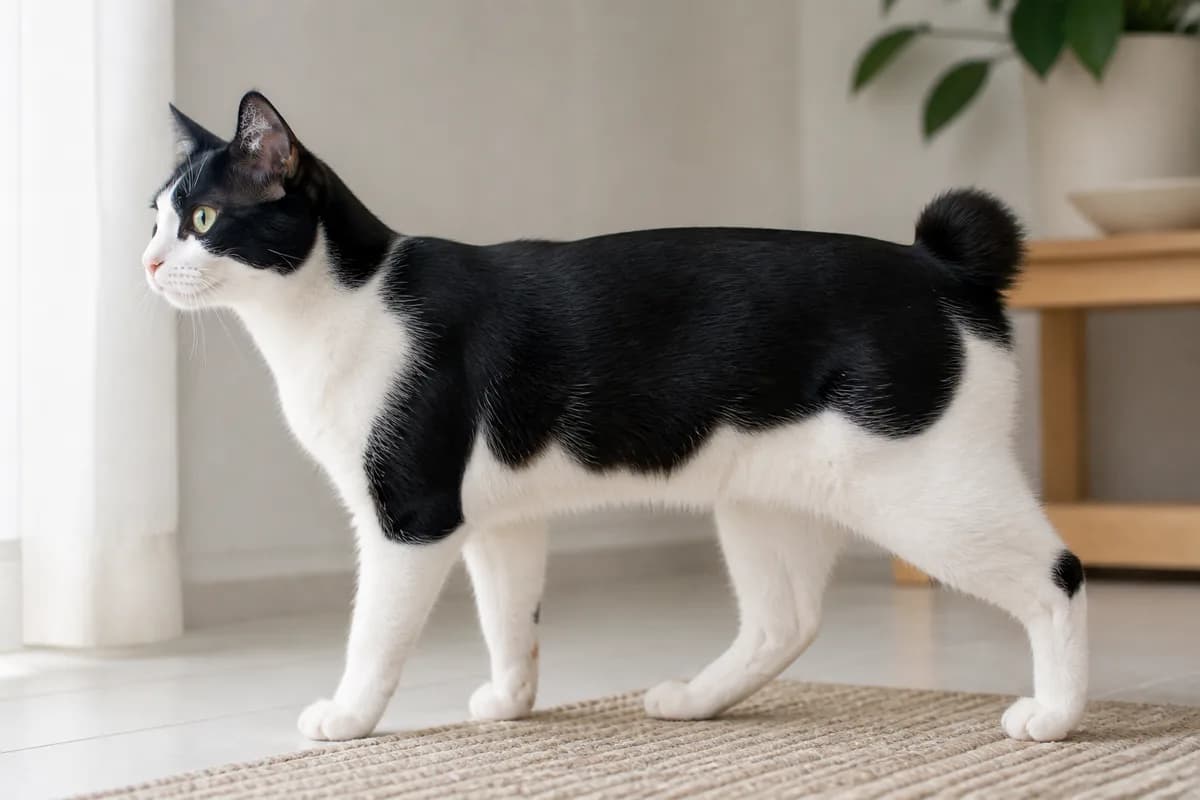
Bicolor Japanese Bobtails combine a colored or patterned area with white. The current CFA standard includes black and white, red or red-patterned and white, and many additional color-and-white combinations. The amount and placement of white can vary, so the value of the coat comes from its clear overall description, not from forcing every patch into a single famous template.
A Japanese Bobtail cat black and white coat may have bold dark patches on a largely white body, a more balanced distribution, or another accepted arrangement. White spotting changes the layout, while the black base color remains identifiable in the nonwhite areas.
Tabby and patched tabby
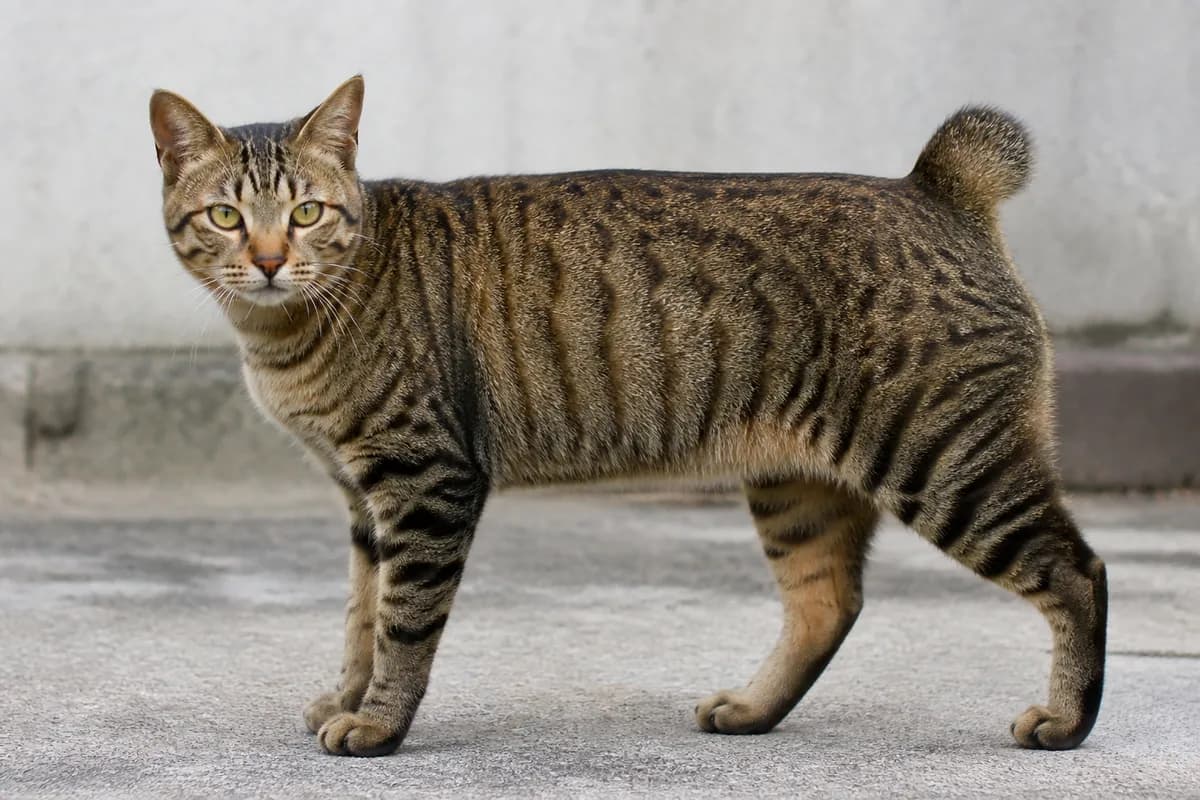
Tabby refers to a pattern rather than one color. Japanese Bobtails can show classic, mackerel, spotted, or ticked markings, and the standard also accounts for coats in which more than one traditional pattern is visible or a precise pattern is difficult to determine. Brown, blue, red, cream, silver, chocolate, lilac, cameo, and related patterned classes expand the palette further.
Read a tabby coat by identifying its base color, stripe or spot arrangement, white spotting, and any red-family patches. A brown tabby with white is different from a brown patched tabby with white, even if both look "striped and white" in a casual description.
Smoke and silver
Smoke describes hairs with a pale or white undercoat that are more deeply tipped with color. A resting cat may look much more solid until the coat moves or the hair is parted. Silver tabbies combine a pale ground with dark patterning, while cameo and cream-cameo terms apply within the red-family and dilute range.
This is where careful observation beats a quick label. Check multiple areas without pulling the skin or tail, and remember that longhair can make the pale undercoat more noticeable in motion. A photo taken when the cat turns may reveal a smoke effect that a straight-on portrait hides.
Pointed colors
Pointed Japanese Bobtails are part of the current CFA color framework. The cooler body and darker extremities can occur in solid, tabby-point, smoke, tortoiseshell, dilute, and white-added combinations. Older summaries may omit pointed coats or repeat retired restrictions, which is why a live registry standard should outrank a static breed infographic.
Pointing does not make a cat a Siamese mix, just as a bobtail does not prove Japanese Bobtail ancestry. A coat pattern is one inherited characteristic. Only traceable documentation can connect a specific cat to the registered Japanese Bobtail population.
A stable Necoichi Premium Comfort Cat Scratcher Wall offers an appropriate scratching surface regardless of coat pattern. Place it where the cat already stretches or travels, mount it securely, and judge success by use and body comfort rather than whether shed hair is visible against the material.
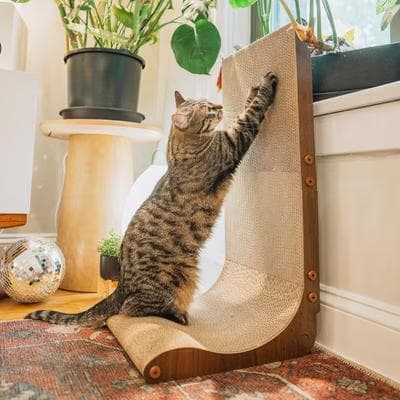
Curved cardboard wall scratcher with a wood frame that protects walls and gives cats a satisfying vertical scratch surface.
Petful may earn a commission when you click through to Chewy, at no extra cost to you.
Eye color and coat appearance
Japanese Bobtail eye color can vary, and blue eyes or odd eyes are allowed under the CFA standard. The eyes should be recorded as their own trait. A white coat with odd eyes is visually memorable, but it neither proves the breed nor changes the cat into a separate color variety.
Lighting is especially deceptive with eyes. Window reflections can make gold look green, shadow can deepen blue, and phone processing can alter both eyes differently. Use several neutral-light observations before settling on a descriptive label, and rely on registry records if an official class matters.
Routine handling can be easier when the cat has a predictable retreat. A Best Friends by Sheri covered cat bed may work for a cat that prefers an enclosed space, while another cat may choose an open perch. Let preference guide the setup instead of matching products to coat color.
Color cannot prove breed ancestry
Color identification and breed identification should be two separate steps. First describe what is visible: black-and-white bicolor, dilute tricolor, red tabby, white with odd eyes, or another careful observation. Then ask whether reliable pedigree and registration records connect that individual cat to registered Japanese Bobtail ancestors.
- Mi-ke, odd eyes, a pointed coat, dramatic white spotting, or a pom-pom tail can be compatible with the standard, but registry records and a traceable pedigree establish Japanese Bobtail ancestry. Do not assign breed, rarity, or price from color alone.
Use an evidence hierarchy when a breed label affects a purchase, adoption description, or breeding decision:
- Observed coat: useful for describing the cat in front of you.
- Standard consistency: useful for checking whether the description fits current registry terminology.
- Seller or previous-owner claim: context that still requires verification.
- Pedigree: a traceable family record tied to the same cat.
- Registry record: the strongest practical documentation for a registered-breed claim.
Consumer image tools and breed-identification apps cannot turn coat pixels into a verified pedigree. Shelter labels may also describe resemblance when parentage is unknown. A short-tailed calico domestic cat can be accurately loved and described without inventing ancestry.
Coat care across colors and patterns
Coat color does not change the basic care goal: maintain healthy skin and hair while keeping handling comfortable. Shorthair and longhair Japanese Bobtails differ more in coat length and grooming frequency than in color-specific needs. Check the actual cat for loose hair, tangles, skin changes, and handling tolerance.
An aumuca Self Cleaning Slicker Brush can be considered for gentle surface grooming when the pin length and pressure suit the coat. A comb may work better for a silky longhair or sensitive cat. Avoid pulling through resistance, and never drag a tool across the bobtail to make its pom shape look fuller.
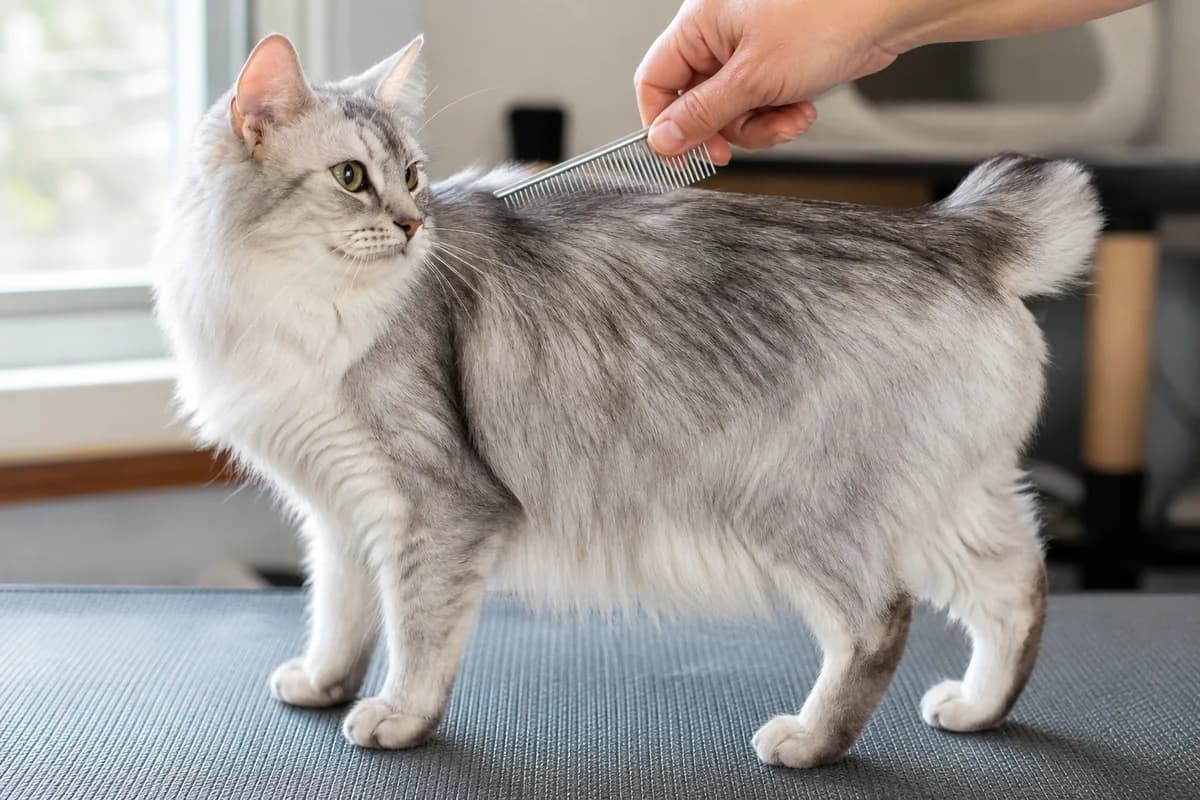
Keep grooming practical:
- Work in bright, neutral light so skin and coat changes are visible.
- Use short sessions before the cat becomes restless.
- Separate a cosmetic difference from a sudden health change.
- Photograph persistent thinning, sores, greasy texture, or discoloration before applying a new product.
- Ask a veterinarian about itch, pain, odor, rapid hair loss, or skin lesions.
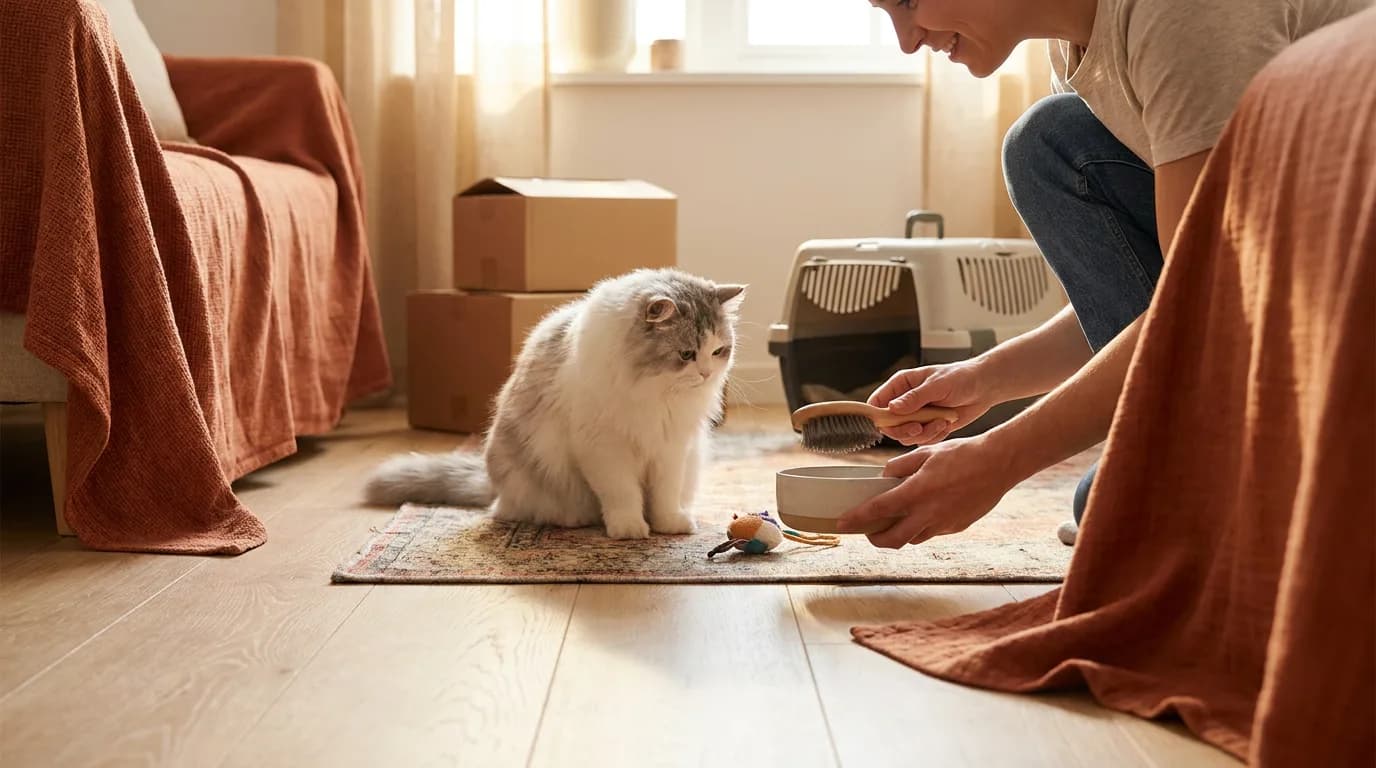
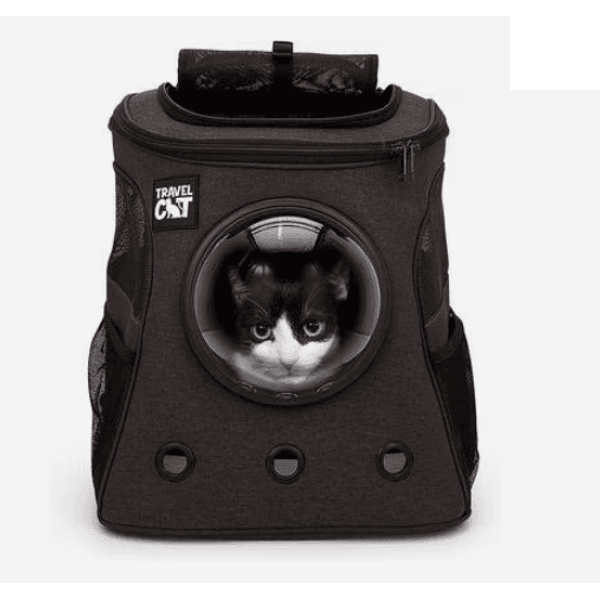
For veterinary visits or travel, condition the Travel Cat Fat Cat airline-approved backpack carrier as a familiar space before it is needed. Leave it open, reward voluntary entry, and confirm the cat fits comfortably. A carrier supports safe transport, but it should never be used to force a photo pose or isolate a cat because loose hair shows on furniture.
Color requests and responsible kitten sourcing
Searches for a Japanese Bobtail calico kitten for sale or white Japanese Bobtail kittens for sale belong to a sourcing decision, not a color-definition article. Use Petful's Japanese Bobtail kitten guide for breeder, adoption, contract, record, payment, and scam checks.
Treat color as a preference after welfare and documentation. Ask for the pedigree, registry transfer details, veterinary records, the kitten's date of birth, living conditions, socialization information, and a written contract. Verify identities through contact information you find independently. Do not let an uncommon-color claim or expiring deposit deadline prevent those checks.
Keep the decision order stable
A safe pickup plan includes an appropriately sized carrier such as the Travel Cat Fat Cat carrier, absorbent lining, identification, water planning for the route, and a direct trip home. The product does not validate the seller or kitten. Complete documentary checks before travel is booked or money is sent.
If cost language is driving the decision, the Japanese Bobtail price guide separates acquisition quotes from first-year setup and ongoing care. A color premium is not proof of pedigree, health, socialization, or ethical breeding.
Consider adult and retired cats as well as kittens. An adult may offer clearer information about final coat, behavior, grooming tolerance, and household fit. For any rescue cat without a documented pedigree, use an honest coat description and evaluate the individual rather than upgrading a visual resemblance into a breed claim.
A practical photo and record checklist
Good coat records help owners, breeders, registries, shelters, and veterinarians discuss the same cat without overclaiming. Take a full-body side view, the opposite side, the face and eyes, the back, and a clear tail-area image without manipulating the tail. Add close views of tabby markings, white boundaries, or smoke undercoat only when the cat remains comfortable.
Pair photographs with written information:
- Date and approximate age in each image.
- Indoor or outdoor light and whether a flash was used.
- Registered color class, if documented.
- Microchip or other identity record connecting the photos to the cat.
- Pedigree and registry record for any ancestry claim.
- Notes on seasonal coat, grooming, medication, or a health change that may affect appearance.
A visible Necoichi wall scratcher can give the cat a familiar place to stand and stretch during informal home observation, but do not restrain the cat for a perfect color photograph. Let the cat move naturally and use several brief sessions if needed.
Japanese Bobtail color FAQs
These answers address identification and color terminology while keeping general breed, price, and sourcing decisions on their dedicated pages.
Start with documentary ancestry, not coat pattern. A mi-ke, black-and-white, white, tabby, pointed, or other standard-consistent coat can support a visual description, but none is unique to the breed. Check for a traceable pedigree and registry record tied to the individual cat, then use the complete head, body, coat, and bobtail standard only as a consistency check. Without reliable records, describe the visible coat and tail rather than claiming Japanese Bobtail ancestry.
Mi-ke means three-color. The classic Japanese Bobtail mi-ke coat combines black, red, and white, and the red areas may also show tabby markings. Dilute and other mi-ke classes use related base colors, dilute expression, white spotting, and sometimes added pattern effects. Mi-ke is the famous calico presentation, but it is not required for the breed and does not prove pedigree by itself.
Yes. Solid black is included in the current CFA Japanese Bobtail color standard, along with white, chocolate, red, blue, lilac, cream, and many patterned combinations. A documented solid-black Japanese Bobtail is as authentic as a mi-ke cat. The black coat describes color, while pedigree and registry records establish the cat's breed ancestry.
Sources

Coreen Saito is a pet writer and longtime shelter volunteer with more than a decade in animal rescue. She covers cat behavior, breed care, and the small, ordinary science of sharing a life with companion animals, with a particular focus on honest takes about the products and decisions that actually matter. At home in Arizona, she's outranked by Mac (a dog with the loudest opinion in the house), Rebel (a cat who governs by quiet authority), and Meri (an orange tabby who runs the late shift and the laundry basket). She writes about all three, plus the rescues that keep coming through her life, at LifeWithMinty.com.
Sign up for expert-backed reviews and safety alerts all in one place.