British Shorthair Temperament: Personality and What to Expect
The British Shorthair temperament is calm, easygoing, and affectionate without being clingy. This guide covers personality traits, behavior with kids and dogs, male vs. female differences, and age-related changes.
Petful is reader supported. As an affiliate of platforms like Amazon and Chewy, we may earn a commission when you buy through links on this page. There is no extra cost to you.
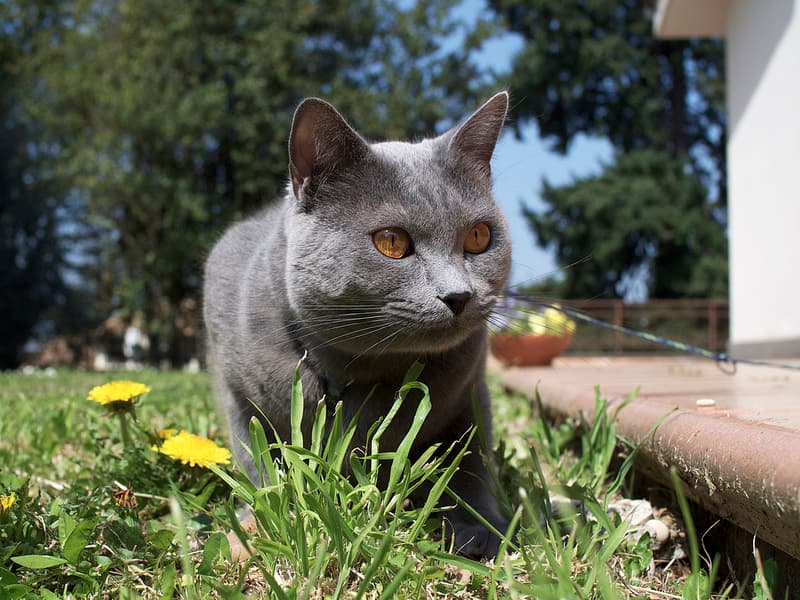
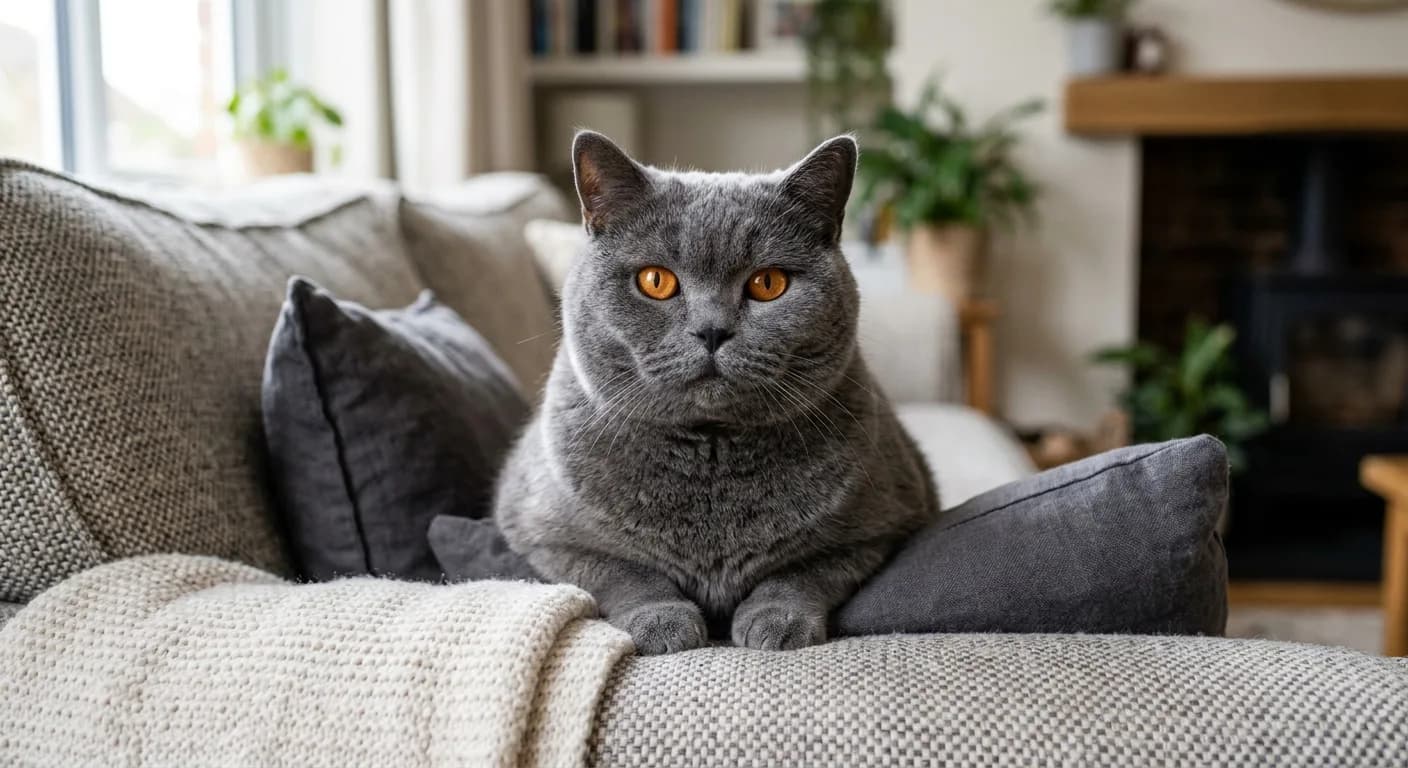
The British Shorthair temperament, described by the Cat Fanciers' Association (CFA) as calm, confident, and easygoing, is the single biggest reason this breed has topped popularity charts in the UK and grown steadily in the US for decades. If you are researching whether a British Shorthair fits your household, the short answer is yes for most situations, but with a nuance that surprises new owners: these cats are affectionate on their own schedule, not yours. They are loyal companions who prefer sitting near you over sitting on you, and that distinction shapes everything about life with the breed.
- 1British Shorthairs are calm, even-tempered, and easygoing with minimal drama.
- 2They are affectionate but independent and rarely clingy lap cats.
- 3They tolerate respectful children and cat-friendly dogs well.
- 4They are quiet and not prone to destructive or hyperactive behavior.
- 5They mature slowly, reaching full personality and body at 3-5 years.

Sign up for expert-backed reviews and safety alerts all in one place.
British Shorthair Temperament at a Glance
Before diving into the details, here is a fast-reference snapshot of what you can expect from a British Shorthair across the key temperament dimensions.
| Trait | Rating (1-5) | What It Means in Practice |
|---|---|---|
| Affection toward family | 4/5 | Devoted but independent; chooses when to engage |
| Tolerance of children | 4/5 | Calm enough for busy families; prefers gentle handling |
| Tolerance of other cats | 4/5 | Generally accepts other cats with a proper introduction |
| Tolerance of dogs | 3/5 | OK with calm, cat-friendly dogs; dislikes being chased |
| Vocalization | 2/5 | Quiet; speaks only when it matters |
| Playfulness | 3/5 | Enjoys play especially as a kitten; mellow as an adult |
| Energy level | 2/5 | Low to moderate; content with indoor life |
British Shorthairs are categorized as a "low-maintenance" personality breed by the Governing Council of the Cat Fancy (GCCF), which has recognized the breed since the late 1800s. That does not mean emotionless. It means they are stable, predictable, and rarely given to mood swings. The same dense, cobby cat that ignores chaos during a children's birthday party is also the one that will quietly follow you from room to room without demanding attention.
- The British Shorthair descends from Roman-era working cats crossed with European wildcats. Breeder Harrison Weir standardized the breed in the 1870s, and the CFA officially recognized it in 1980. That long working history bred in the independence and composure the breed is known for today.
Core British Shorthair Personality Traits
Calm and Self-Possessed
The defining word in every breed standard description is "calm." British Shorthairs do not startle easily, do not panic around household noise, and rarely bolt when a guest arrives. That emotional stability is partly genetic and partly a product of the breed's slow developmental arc. Because they take 3-5 years to fully mature physically and temperamentally, adult British Shorthairs have had more time to settle into confidence than faster-maturing breeds.
Independent Without Being Cold
Independence is not the same as aloofness. A British Shorthair usually prefers to be in the same room as its people rather than alone in another part of the house. What it does not need is constant interaction. It will play when it feels like playing, accept a pat when it approaches you, and then return to doing its own thing. Owners who have previously kept very people-oriented breeds like Siamese or Ragdolls sometimes read this as "unfriendly," but that is a misread of the breed's nature.
Even-Tempered Under Stress
British Shorthairs handle routine disruptions, houseguests, and vet visits with more composure than most breeds. That said, they do have limits. Loud, sustained chaos or persistent handling against their will can push any cat into stress, and a stressed British Shorthair is more likely to hide than to scratch. Give them a quiet retreat and they recover quickly.
Quiet Communicators
The GCCF breed standard describes the voice as "pleasant and quiet." British Shorthairs are not silent, but they are among the quietest cat breeds. They will vocalize to let you know the food bowl is empty or to greet you at the door, but you will not hear hours of yowling or demanding meowing. If your British Shorthair suddenly becomes more vocal than usual, it is worth a vet check because a change in vocalization is often the first sign of pain or illness in a typically quiet breed.
Never Scoop Again® with the Whisker Litter-Robot, the smart self-cleaning automatic litter box. Monitor visits and track weights for better overall care in the Whisker® app. Multi-cat friendly.
Petful may earn a commission when you click through to Whisker, at no extra cost to you.
- British Shorthairs communicate more through body language than voice. A slow blink, a loose tail held low, and a relaxed posture mean a contented cat. Pinned ears and a puffed tail are rarer but a clear signal to back off and let the cat self-regulate.
Affectionate but Not Clingy: What Owners Need to Know
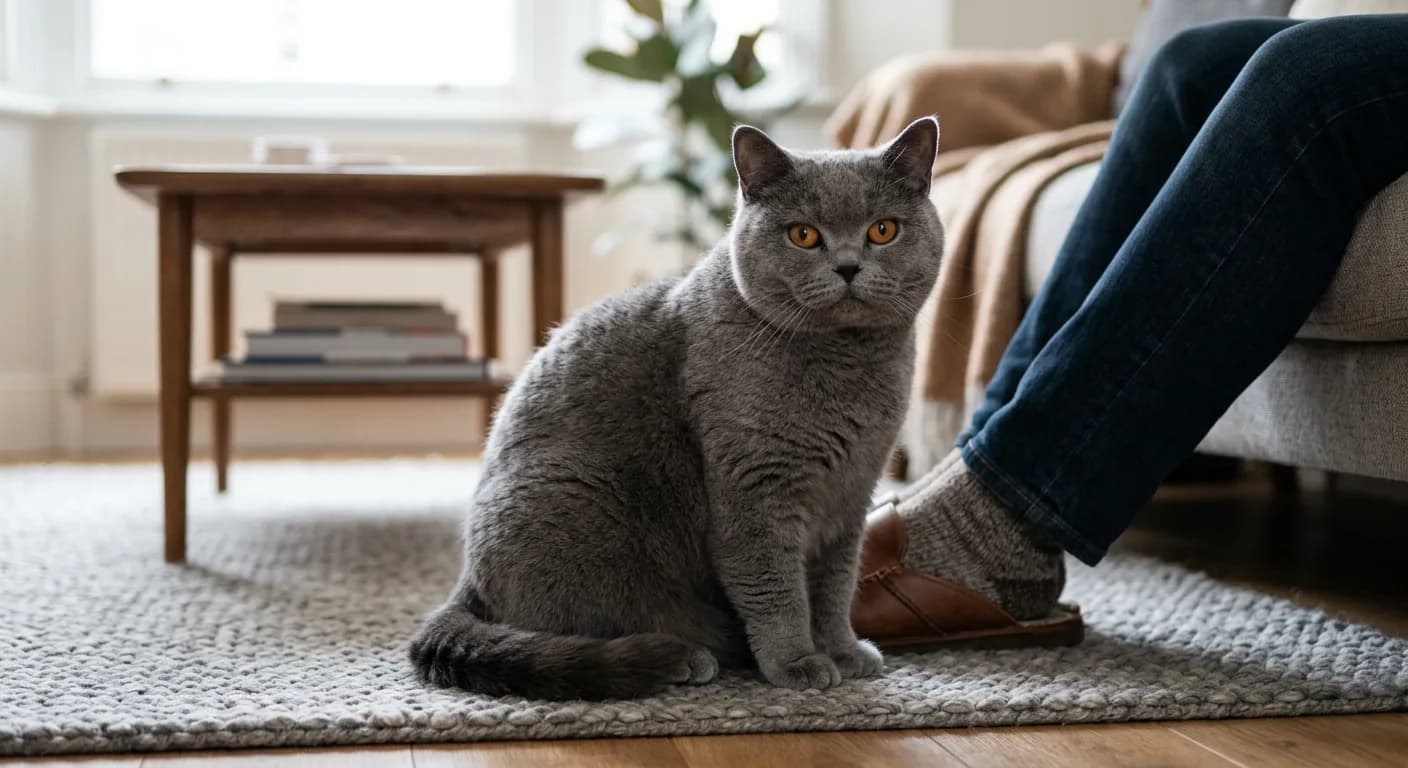
This is the temperament nuance that defines the breed for new owners. British Shorthairs are genuinely affectionate. They form deep, lasting bonds with their people. The difference from a lap cat is in how they express that bond.
A typical British Shorthair will:
- Choose a spot within a meter or two of you and settle there while you work
- Greet you at the door or follow you between rooms
- Occasionally seek a brief head-rub or chin scratch, then move on
- Sleep near you but rarely on top of you for extended periods
- Make eye contact and blink slowly, a gesture that animal behaviorists link to trust and comfort
A typical British Shorthair will NOT:
- Demand to be carried or held for extended periods
- Vocalize persistently when you stop paying attention
- Display separation anxiety when left alone for a standard workday
- Climb into your lap every time you sit down
That "nearby but not needy" style makes them an excellent match for people who work from home and want companionship without constant interruption. It also means they cope better with a 9-to-5 owner than breeds with high social needs, though no cat should be left completely alone long-term. A companion cat or enriched environment makes a real difference.
- Many prospective owners ask whether British Shorthairs are "cuddly." The honest answer is: moderately, and on their terms. They enjoy physical contact in short bursts but dislike being restrained or picked up repeatedly. Think of them as a friend who gives a warm hello but does not expect to be hugged for ten minutes.
For a comparison of how this plays out in a similar but distinctly more relaxed breed, see the Ragdoll cat breed profile, which covers a breed that goes genuinely limp in your arms and tolerates extended holding far more readily.
British Shorthairs with Kids: Calm Enough for Busy Families?
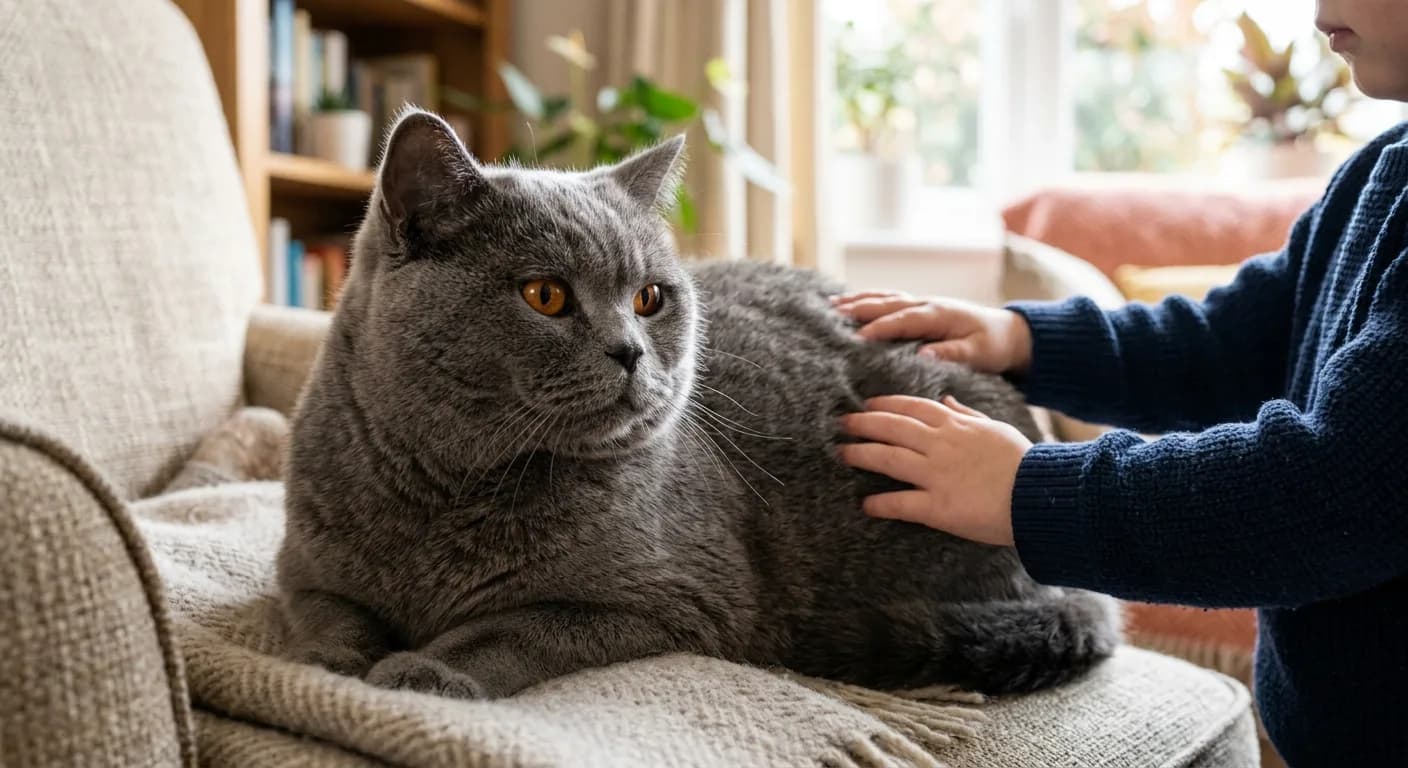
The short answer is yes, with one condition: the children must be taught to approach the cat respectfully. British Shorthairs do not panic at the sound of a toddler's shout, do not bolt at rapid movements, and rarely lash out unprovoked. Their thick, plush coat and heavy-boned body give them physical confidence that many lighter breeds lack.
What makes them work well with children:
- They do not "break" under normal household chaos
- They are unlikely to scratch or bite without repeated provocation
- They will remove themselves from an overstimulating situation before escalating
- Their even temperament means a bad mood one day does not carry over the next
What to teach children:
- Never chase or corner the cat
- Do not pick the cat up unless it clearly tolerates it
- Let the cat approach first
- Respect the cat's retreat space (a cat tree, a high shelf, a quiet room)
Feline welfare research consistently finds that cats with low aggression and high adaptability, traits consistent with the British Shorthair breed standard, integrate more smoothly into busy, multi-stimulation households. British Shorthairs fit that profile well.
The Scottish Fold cat breed profile covers another calm, round-headed breed that handles family life well, though that breed carries an important health caveat (osteochondrodysplasia) worth understanding before purchase.
British Shorthairs with Dogs and Other Cats
With Dogs
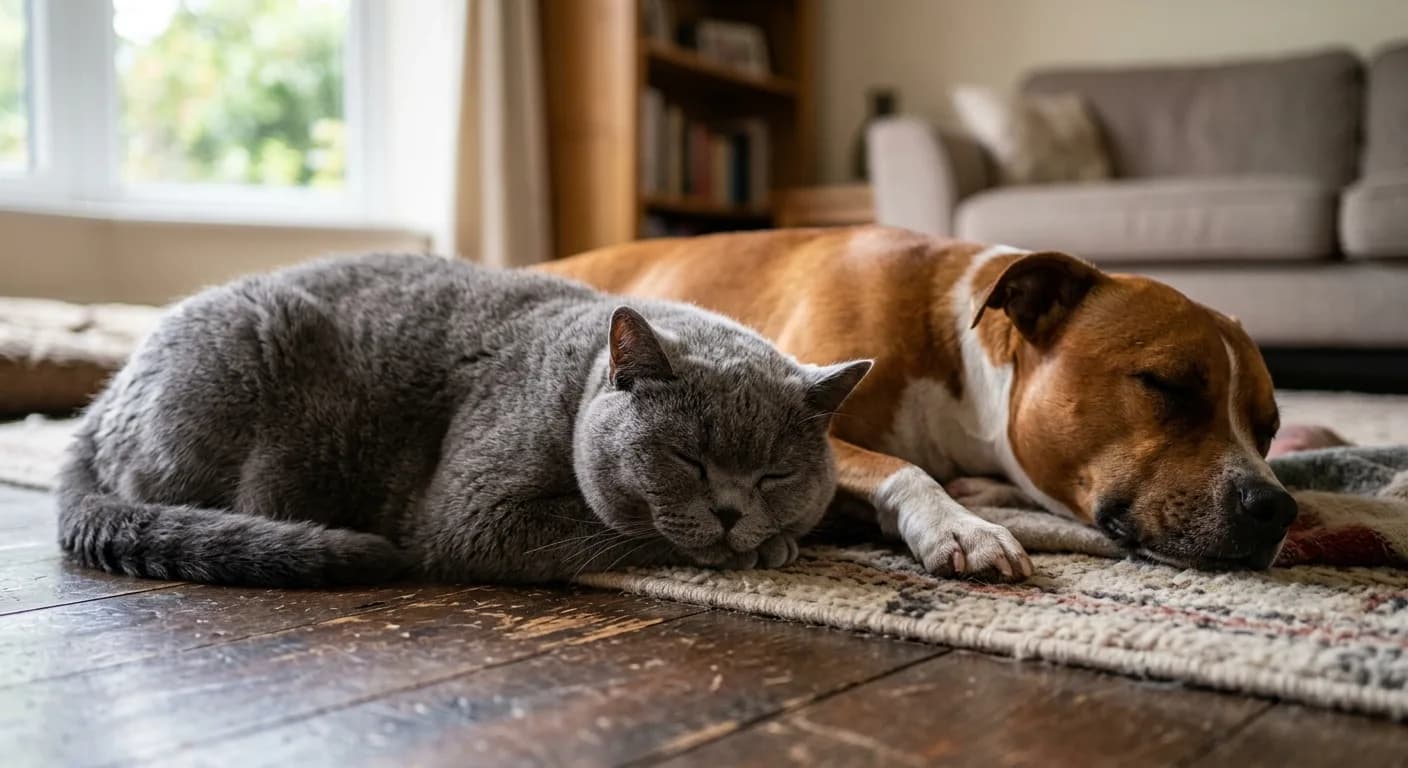
British Shorthairs are among the better cat breeds for multi-species households, provided the dog is calm and has been appropriately introduced. Their low-drama, non-reactive temperament means they do not immediately flee at the sight of a dog, and a cat that holds its ground is less likely to trigger a dog's chase instinct.

63-inch multi-level cat tree with scratch posts, hammock, plush perches, and dangling toys. Vertical territory is non-negotiable for high-energy climbing breeds like the Bengal.
Petful may earn a commission when you click through to Chewy, at no extra cost to you.
The key variables are:
- Dog breed and energy level. A laid-back Basset Hound is a very different neighbor than a high-drive terrier.
- Introduction method. Slow, scent-first, barrier introductions over one to two weeks yield far better outcomes than a sudden face-to-face meeting.
- The cat's prior experience. A British Shorthair raised around dogs from kittenhood is more relaxed with dogs as an adult.
British Shorthairs will not tolerate being chased or physically harassed repeatedly, and a cat that feels unsafe will either hide chronically (a welfare concern) or eventually defend itself. Set both animals up for success with a proper introduction and separate feeding stations, and the typical British Shorthair adapts well.
With Other Cats
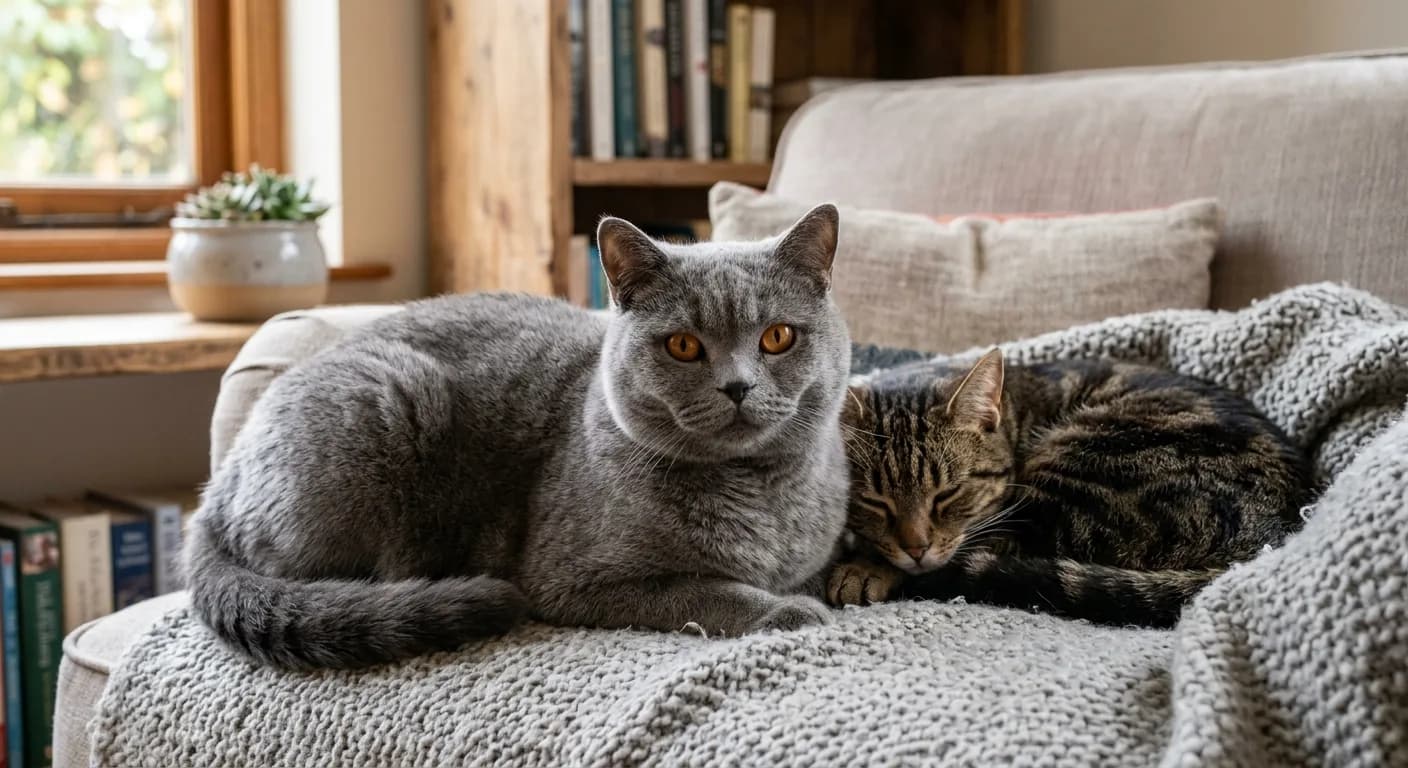
British Shorthairs generally accept other cats when introductions are done correctly. They are not aggressive, territorial, or dominant by nature, though unneutered males can be. Because they are independent and do not have high social needs, they are not bothered by a housemate who wants distance. Conversely, they do not require a companion the way some highly social breeds do.
Pairing two British Shorthairs often works smoothly because both cats share the same relaxed energy. Pairing a British Shorthair with a highly active, vocal breed (Bengal, Abyssinian) can be harder because the energy mismatch is significant.
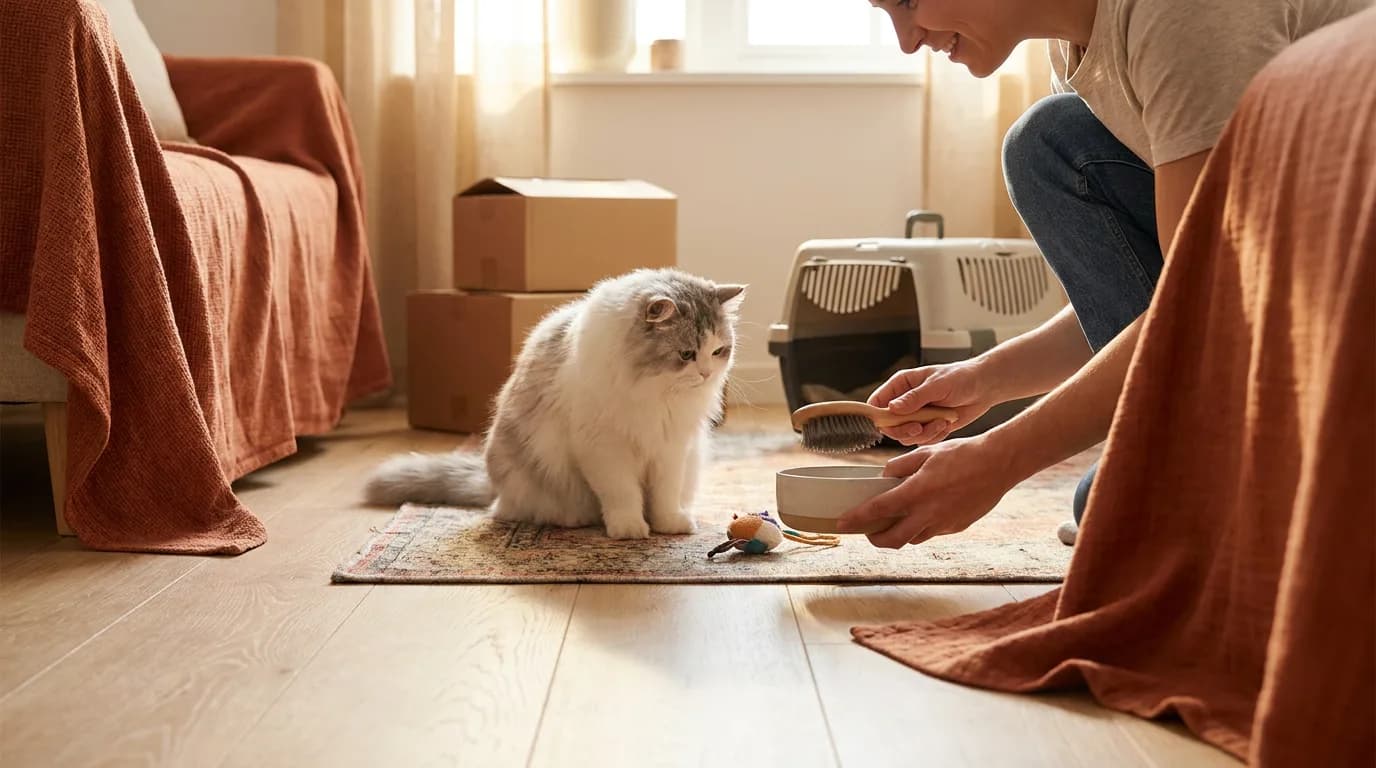
- Use the ASPCA's two-week slow introduction protocol: separate rooms first, then scent swapping, then barrier feeding, then supervised face-to-face. British Shorthairs acclimate at their own pace. Rushing the process creates lasting avoidance even in a calm breed.
For a closer look at a blue-coated breed with a similarly quiet, independent personality, the Russian Blue cat profile is a useful parallel.
Male vs. Female British Shorthair Temperament
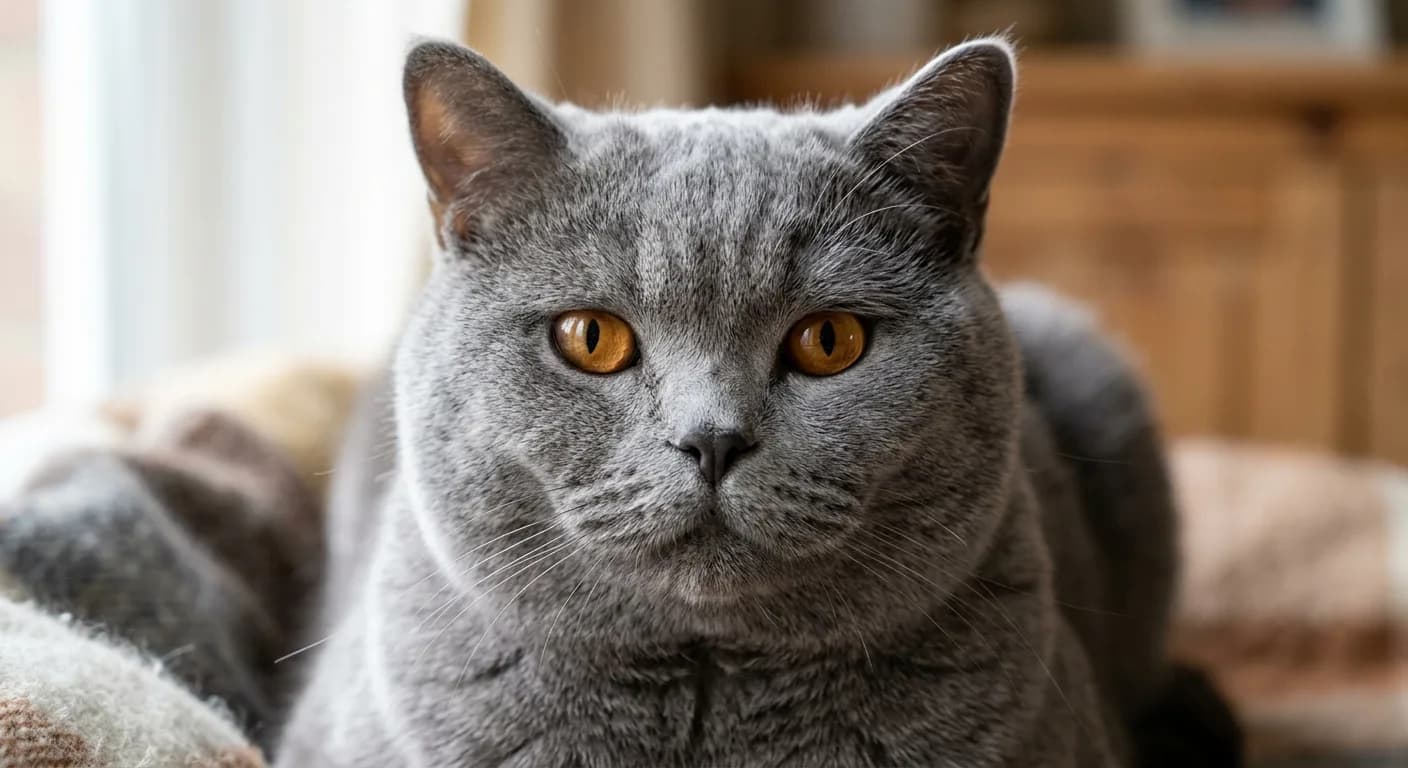
This is one of the most common questions prospective buyers ask, and the honest answer is: the overlap is large and individual variation matters more than sex. That said, there are consistent tendencies reported by breeders and owners.
Male British Shorthairs tend to be:
- Slightly more openly affectionate and approachable with new people
- More playful and active into adulthood
- More likely to seek contact (without becoming clingy)
- Larger and slower to mature physically (3-5 years, sometimes 5 for the biggest males)
Female British Shorthairs tend to be:

108-oz stainless steel pet fountain with quiet pump and water-level window. Bengals are notoriously water-obsessed; a flowing fountain encourages hydration and pulls them away from sinks and toilets.
Petful may earn a commission when you click through to Chewy, at no extra cost to you.
- More reserved with strangers initially; bond very deeply with their primary person
- More consistently independent day-to-day
- Slightly quicker to communicate displeasure (a chirp or turned back, not aggression)
- More consistently cautious about being handled or picked up
- Behavioral sex differences in British Shorthairs are most pronounced in intact animals. A neutered male loses most of the territorial and roaming drive. A spayed female avoids the behavioral shifts tied to heat cycles. For pet ownership, spay/neuter essentially narrows the sex-based behavioral gap significantly.
No reputable breeder will tell you that one sex is definitively "better." What matters more is whether the specific kitten's personality matches your household and how socialized it was between 2 and 7 weeks of age, the critical window identified by feline behavior researchers.
Common Behavioral Quirks and What They Mean
The "Follower" Behavior
British Shorthairs often follow their owners from room to room without making noise about it. New owners sometimes find this disconcerting because the cat seems to appear out of nowhere. It is not neediness; it is the breed's version of togetherness. They want to know where you are without requiring your full attention.
The Stare
British Shorthairs have large, round, striking eyes that they use expressively. A long, direct gaze followed by a slow blink is a friendly signal. A hard, unblinking stare with a still body and flat ears is the opposite. The round face makes both expressions intense. If you are new to the breed, learn to read the ears and tail, not just the eyes.
The Refusal to Be Picked Up
Many British Shorthairs simply do not enjoy being lifted off the ground. This is not trauma or a sign of an unhappy cat. It relates to the breed's independent nature and a preference for having four paws on a surface. Some individuals warm to it over time; others never do. Never force it. A cat that is picked up against its will repeatedly will learn to avoid the person who does it.
Selective Lap Behavior
Some British Shorthairs are moderate lap cats; many are not. The same cat might spend twenty minutes purring in your lap during a quiet evening and ignore laps entirely the following week. This variability is normal for the breed. Do not interpret a "lap-free" phase as rejection.
- British Shorthairs are calm, low-energy cats and are food-motivated, a combination that makes them obesity-prone. Obesity shortens lifespan and worsens the breed's existing risk for hypertrophic cardiomyopathy (HCM). Measure food portions, use puzzle feeders, and schedule interactive play daily even when the cat seems uninterested.
How British Shorthair Temperament Changes with Age
Kitten Stage (0-12 months)
British Shorthair kittens are more playful and energetic than adults, which can surprise buyers who researched "calm" adults. They are curious, exploratory, and bolder about contact than they will be later. Socialization during the first 7 weeks is critical; kittens handled regularly by multiple people during this window are more confident and adaptable as adults.
Adolescent Stage (1-3 years)
This is the phase where the independent streak sharpens. Young British Shorthairs are physically active but not mature. They may be less patient with handling than they were as kittens, and more opinionated about their schedule. They are still developing their adult personality. Many owners describe this phase as "the aloof years" before the breed settles.
Adult Stage (3-5 years+)
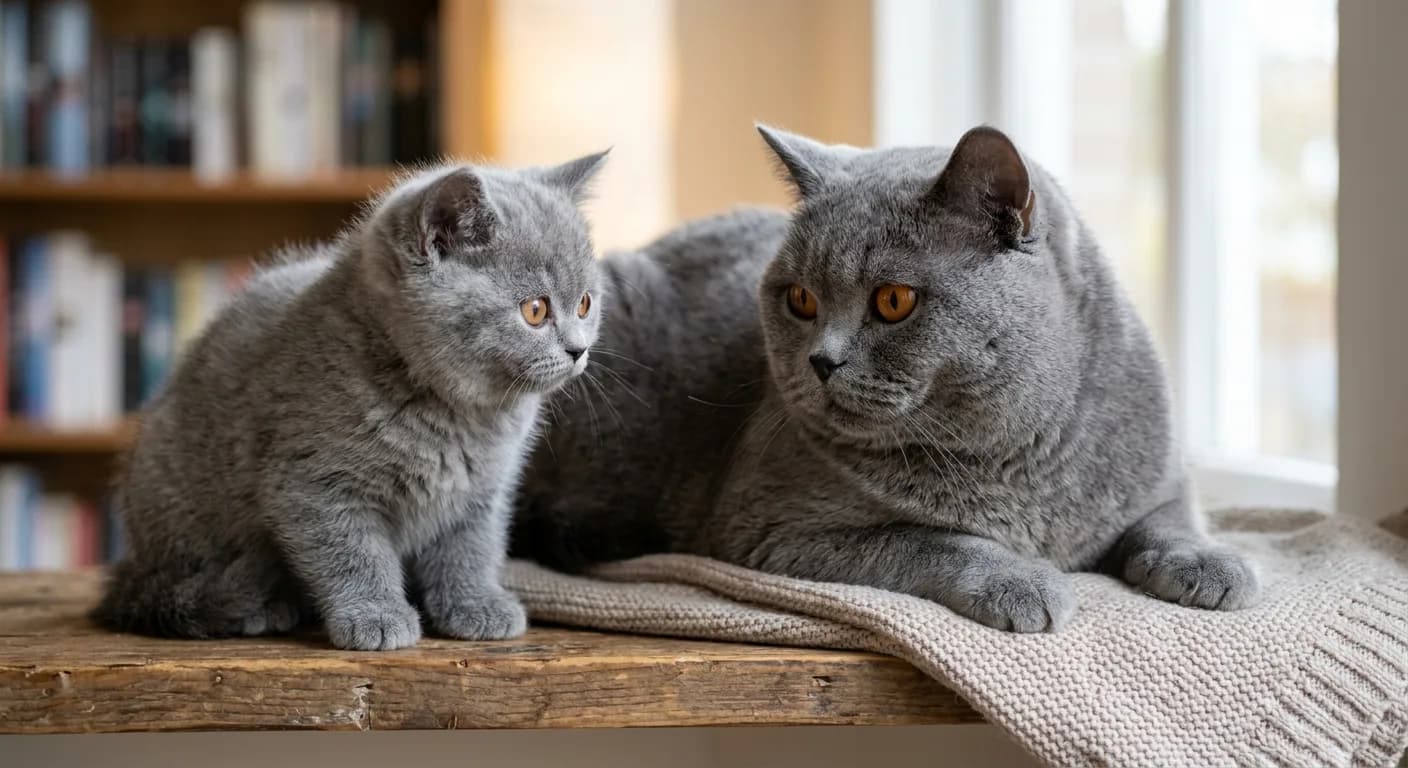
The British Shorthair's celebrated temperament arrives fully when the cat physically matures at around 3-5 years. The characteristic calmness deepens, the bond with family solidifies, and the cat becomes more predictably affectionate. Many owners report that their British Shorthair became notably warmer and more settled after age three. This late-maturing quality is a recognized trait of the breed and something the GCCF acknowledges in its breed standard guidance.
Senior Stage (10+ years)
Older British Shorthairs typically slow down further and become more clearly affectionate. Health changes (particularly joint discomfort from their heavy cobby build, or cardiac changes given the breed's HCM predisposition) can alter behavior. A British Shorthair that becomes unusually vocal, clingy, or withdrawn in its senior years deserves a vet check, not a behavioral fix.
- Hypertrophic cardiomyopathy is the leading health concern in British Shorthairs. Reputable breeders conduct annual cardiac echocardiograms and DNA testing. Behavioral changes in an adult or senior British Shorthair, especially increased lethargy, labored breathing, or sudden withdrawal, can be cardiac signs. Do not delay a vet visit.
For a broader look at the British Shorthair breed covering physical traits, colors, health, and care, the British Shorthair breed profile is the best starting point for new owners.
Frequently Asked Questions
British Shorthairs are calm, even-tempered, and easygoing. The CFA describes them as affectionate but independent, quiet, and good with families. They are not clingy or hyperactive; they prefer proximity to their people without demanding constant attention.
Yes, with the right guidance. British Shorthairs are tolerant of household noise and gentle handling, making them a solid choice for families with children. They will walk away rather than lash out, but children should be taught never to chase or restrain the cat.
Generally yes, if the dog is calm and introductions are done slowly. British Shorthairs hold their ground well and do not trigger a chase response the way a flighty cat might. High-energy or prey-driven dogs are a harder match.
Moderately, and on their own terms. They enjoy short bursts of physical contact and will choose to be near you, but they rarely seek long lap sessions. Think of them as warm and present rather than traditionally cuddly.
Most do not enjoy extended holding or being picked up frequently. They prefer four paws on the ground. Some individuals tolerate or even enjoy brief holding, but it should never be forced. Let the cat initiate contact.
Yes, they are one of the better breeds for first-time owners. Their calm temperament, low vocalization, and tolerance of routine disruptions make them forgiving of the learning curve. They do not require complex enrichment or intensive social interaction to thrive.
They are not lap cats, which can disappoint owners expecting a cuddly companion. They are slow to mature (3-5 years). They are prone to obesity due to their low energy and food motivation. They also carry a hereditary risk for HCM and PKD, so vet screening and buying from health-tested breeders matters.
Males are generally reported as slightly more openly affectionate and approachable. Females tend to bond deeply with one person but are more reserved with others. Individual personality and early socialization matter more than sex, and spay/neuter significantly reduces behavioral differences.
Yes, they are generally tolerant of other cats when introduced gradually. They are not aggressive or strongly territorial. Pairing two British Shorthairs is often seamless. High-energy breeds can be a mismatch due to the energy difference.
No, they are among the quieter cat breeds. They will meow to signal hunger or greet you, but sustained yowling or demanding vocalization is not typical of the breed. A sudden increase in vocalization in a normally quiet British Shorthair is worth a vet check.
It depends on what you want. Ragdolls are more classically cuddly and go limp when held, making them a better fit if you want an affectionate lap cat. British Shorthairs are more independent and lower-maintenance emotionally. Ragdolls are also larger and longer-coated. Both are calm and good with families. See the full Ragdoll breed profile at petful.com for a direct comparison.
Maine Coons are larger, more active, and more social, often described as dog-like in their need for interaction. British Shorthairs are quieter, more independent, and lower-energy. If you want a cat that follows you around and plays fetch, the Maine Coon wins. If you want a calm, low-drama companion, the British Shorthair is the better fit.
British Shorthairs are calm and trusting, which makes them vulnerable outdoors. They do not have the wariness of a feral-line cat and are more likely to approach strangers or vehicles without fear. Their laid-back temperament also means they may not flee from a dog quickly enough. Most breeders and the GCCF recommend keeping British Shorthairs as indoor-only or providing a secure enclosure if outdoor access is desired.
The British Shorthair's temperament is one of the most consistent in the domestic cat world: calm, affectionate on their terms, quiet, and adaptable. They are not the right breed if you want a cat that curls up in your lap for hours or greets every visitor with enthusiasm. They are exactly the right breed if you want a loyal, low-drama, low-noise companion who fits into a busy household without generating chaos of its own.
For a look at a similarly quiet but distinctly blue-grey breed with its own independent streak, the profile on the Maine Coon offers a useful contrast on the larger, more socially active end of the calm-breed spectrum.
A British Shorthair is a real investment, so a free MyPetID profile is worth setting up early to keep your cat's microchip number, vaccination records, and proof of ownership in one place, with a QR tag to help a lost cat get home fast.
Set up a free MyPetID profileRelated British Shorthair guides: British Shorthair colors and the British Longhair.

Coreen Saito is a pet writer and longtime shelter volunteer with more than a decade in animal rescue. She covers cat behavior, breed care, and the small, ordinary science of sharing a life with companion animals, with a particular focus on honest takes about the products and decisions that actually matter. At home in Arizona, she's outranked by Mac (a dog with the loudest opinion in the house), Rebel (a cat who governs by quiet authority), and Meri (an orange tabby who runs the late shift and the laundry basket). She writes about all three, plus the rescues that keep coming through her life, at LifeWithMinty.com.
Sign up for expert-backed reviews and safety alerts all in one place.