Bombay Cat Personality: Traits, Quirks & Care
The Bombay cat personality is affectionate, social, and surprisingly dog-like. These vocal Velcro cats play fetch, follow you everywhere, love kids and other pets, and hate being alone. Here is the full temperament guide.
Petful is reader supported. As an affiliate of platforms like Amazon and Chewy, we may earn a commission when you buy through links on this page. There is no extra cost to you.
The bombay cat personality is best described in three words: affectionate, extroverted, and intelligent. Often called "Velcro cats," Bombays bond hard with their people, follow you from room to room, and would rather be on your lap than anywhere else in the house. They are social, surprisingly dog-like, and chatty in a soft, chirpy way, and they genuinely do not like being left alone for long stretches. If you want a cat that acts like a tiny shadow with opinions, this miniature panther is one of the most people-oriented breeds you can bring home.
Below we break down every Bombay trait that matters, from their "hold me" cuddliness and their vocal chirps and trills to their fetch-playing, household-ruling, kid-friendly side. We also bust the "aggressive black cat" myth, cover how long they can safely be left alone, and answer the exact questions new owners ask most.
Bombay cats are affectionate, social, and intelligent companions with a dog-like streak: they play fetch, follow you everywhere, and crave near-constant company. They are gentle with kids and other pets, talkative in soft chirps and trills, and prone to loneliness if left alone too long. Plan for daily interactive play and a second source of company, and a Bombay rewards you with one of the most loyal personalities in the cat world.

Sign up for expert-backed reviews and safety alerts all in one place.
The Bombay Cat Personality at a Glance
The Bombay cat temperament sits at the warm, outgoing end of the feline spectrum. These are not aloof, do-their-own-thing cats. The breed was created in the 1950s by crossing sable Burmese with black American Shorthairs to produce a "mini-panther," and it inherited the Burmese love of people right along with the glossy black coat. The result is a confident, curious cat that wants to be in the middle of whatever you are doing.

108-oz stainless steel pet fountain with quiet pump and water-level window. Bengals are notoriously water-obsessed; a flowing fountain encourages hydration and pulls them away from sinks and toilets.
Petful may earn a commission when you click through to Chewy, at no extra cost to you.
If you are comparing Bombay cat traits against other affectionate breeds, the closest cousins are the Burmese, whose price and temperament reflect the same people-first wiring, and lap-loving breeds like the Ragdoll. Where the Bombay stands apart is the intensity of the bond: it is more demanding of your attention than almost any of them. For more, see Petful’s guide to Bombay cat prices.
| Trait | What to Expect |
|---|---|
| Affection level | Very high. A true lap cat and "Velcro cat" that seeks constant contact |
| Sociability | Extroverted with family and visitors; greets people at the door |
| Vocalness | Moderate and soft. Chirps, trills, and quiet meows rather than loud yowling |
| Energy | Moderate to high in bursts; playful, food-motivated, loves games |
| Intelligence | High. Learns fetch, leash walking, and simple tricks |
| Good with kids | Yes. Patient and tolerant with gentle, supervised children |
| Good with other pets | Yes. Gets along with cats and cat-friendly dogs when introduced well |
| Independence | Low. Dislikes being left alone; prone to loneliness |
Affectionate and People-Oriented: The 'Velcro Cat'
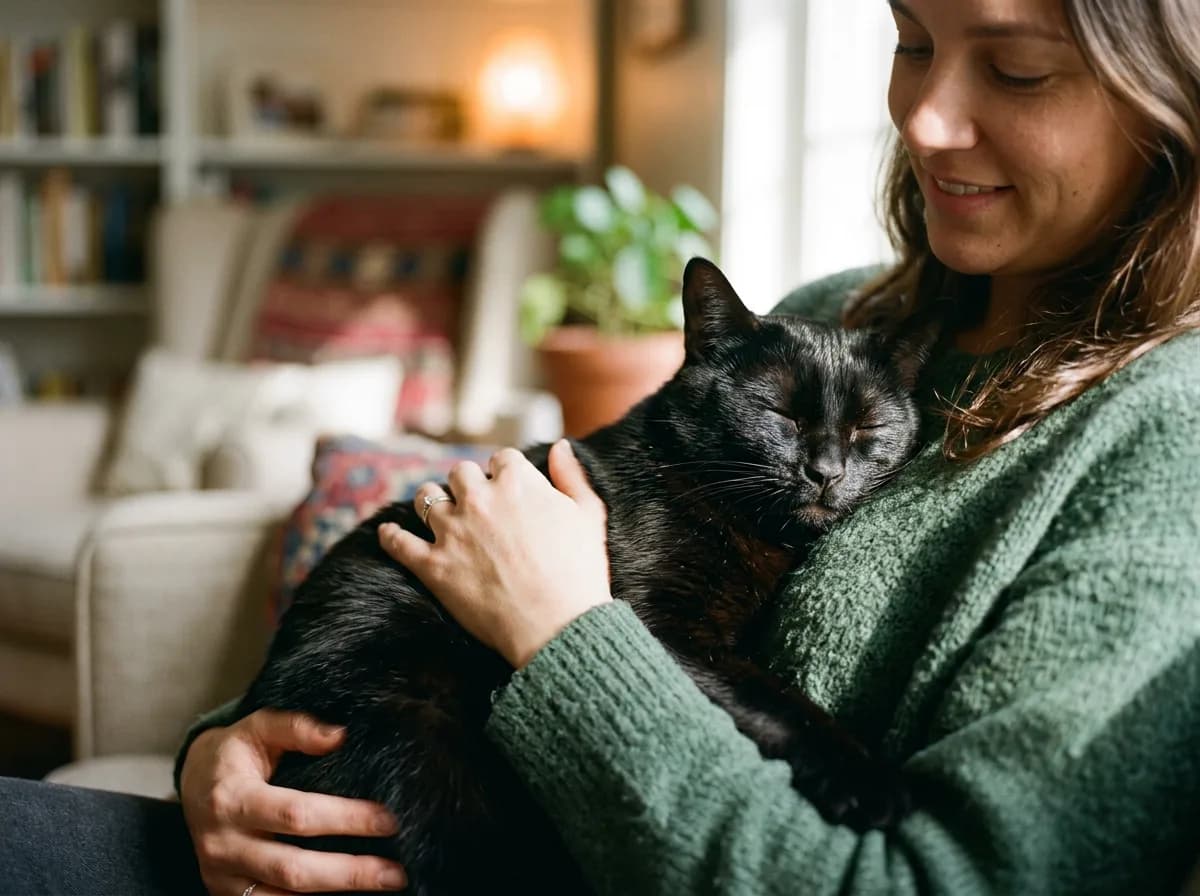
If there is one defining Bombay cat trait, it is the need to be near you. Owners on forums and breed groups describe the same picture over and over: a cat that sleeps under the covers, sits on the keyboard, supervises the shower, and reappears on your lap the second you sit down. The "Velcro cat" nickname is earned, not marketing.
Most Bombays are genuine lap cats and tolerate (often enjoy) being picked up and held, which is less common than people assume in cats. They tend to go soft and rumbly rather than stiff and squirmy. This warmth is a big reason the breed lands on "best cats for families" and "best cats for cuddling" lists, and it pairs well with an indoor lifestyle where they get the round-the-clock company they crave.
- A Bombay asking for affection will headbutt your hand, weave through your legs, or sit and stare while chirping. Respond with a few minutes of lap time or play and you reinforce the bond. Ignore it repeatedly and a social breed like this can get pushy or restless.

Never Scoop Again® with the Whisker Litter-Robot, the smart self-cleaning automatic litter box. Monitor visits and track weights for better overall care in the Whisker® app. Multi-cat friendly.
Petful may earn a commission when you click through to Whisker, at no extra cost to you.
Are Bombay Cats Vocal? Chirps, Trills, and Talkative Tendencies
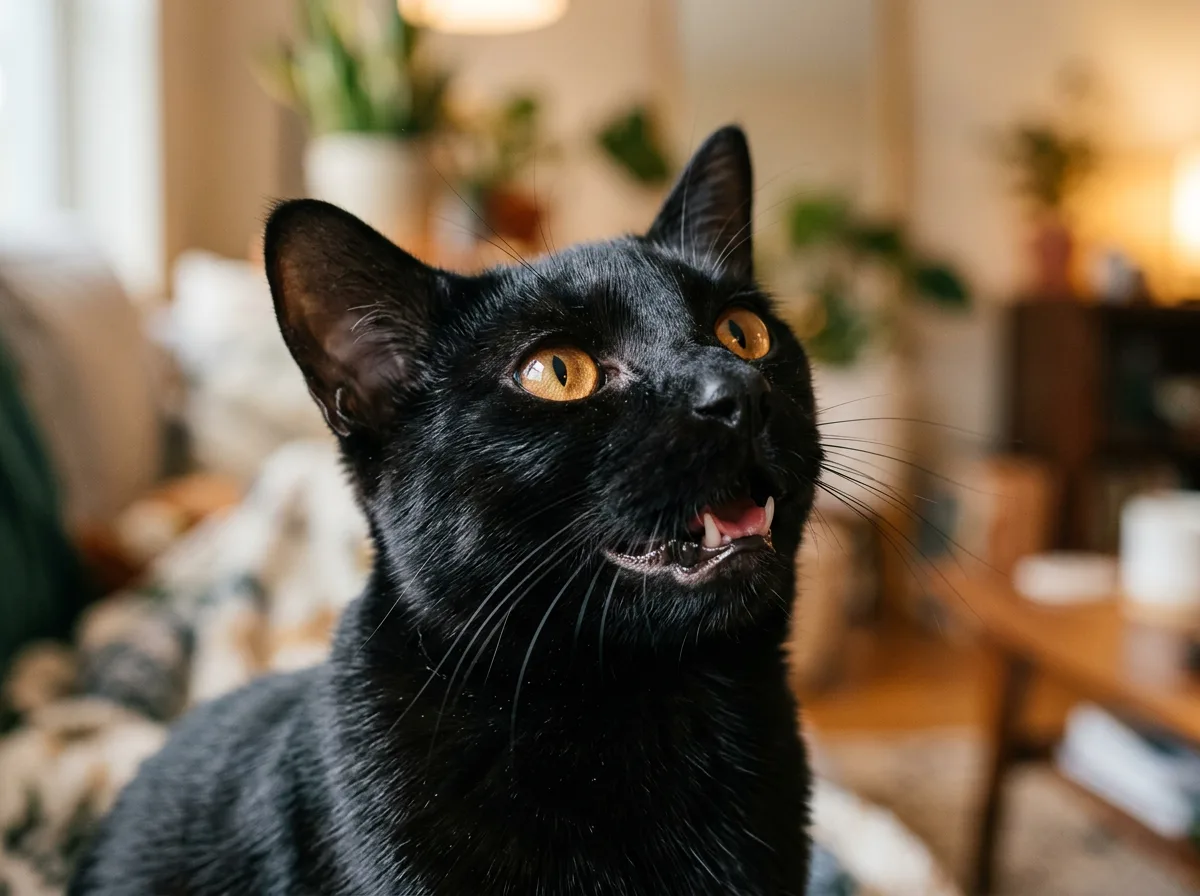
Yes, Bombay cats are vocal, but not in the loud, demanding way Siamese-type breeds are. The typical Bombay voice is soft and conversational: gentle chirps, trills, and short meows used to greet you, ask for food, or comment on something out the window. Many owners describe a near-constant low "chirrup" running commentary as the cat follows them around.
Compared with the truly loud breeds, a Bombay is talkative but pleasant. If you want a cat that holds long, loud conversations, the Siamese personality is the louder pick. The Bombay sits a notch below: expressive and chatty, rarely earsplitting. The volume usually rises only when they want food, want you home, or want play, which is also a clue they are under-stimulated or lonely.
Do Bombay cats meow a lot?
Most Bombays meow a moderate amount and rely more on chirps and trills than full meows. A Bombay that suddenly starts meowing a lot more is usually telling you something: it is hungry, bored, or has been alone too long. Because this breed is so people-focused, a spike in vocalizing is often the first sign it needs more interaction, not less.
Dog-Like Behavior: Fetch, Leash Walks, and Following You
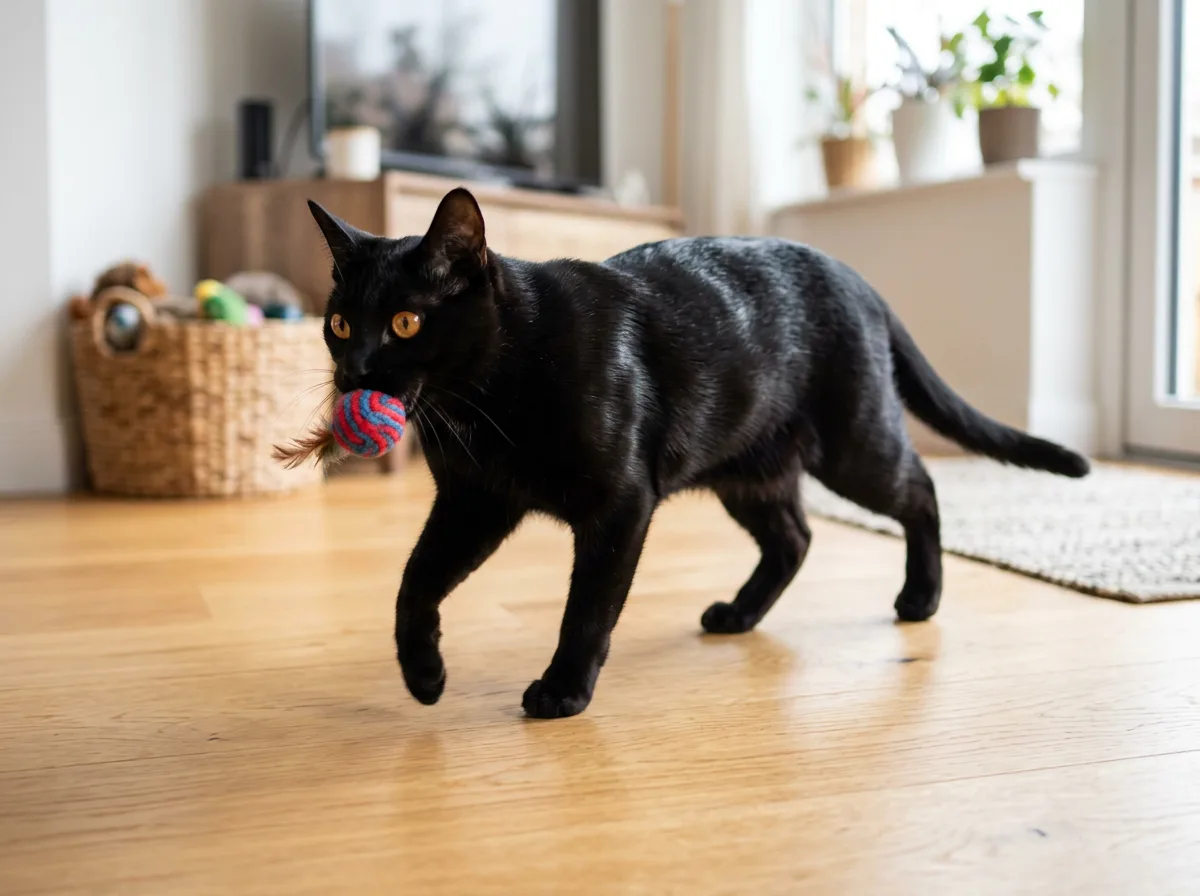
Bombays are one of the most dog-like cat breeds, and this is where they win over people who never thought of themselves as "cat people." Three behaviors show up again and again.
- Fetch: Toss a crinkle ball or hair tie and a food-motivated Bombay will often chase it down and bring it back, then drop it for another throw. Many learn this with zero training.
- Leash walks: Their confidence and trainability make them strong candidates for harness-and-leash walks, giving indoor cats safe outdoor enrichment.
- Shadowing: A Bombay follows you from room to room, waits outside doors, and greets you at the entrance when you come home, the way a dog would.
This dog-like wiring is shared by a handful of breeds. If the "follows me like a puppy" trait is your priority, the Snowshoe and the Manx share it, but the Bombay pairs it with that signature mini-panther affection.
- The fetch, leash, and trick behaviors all trace back to the breed being smart and food-motivated. A clever cat that is left without games and puzzles will invent its own entertainment, and that often means opening cabinets, knocking things off counters, or excessive meowing. Channel the brain into play and you get a model companion.
Are Bombay Cats Good Family Cats?
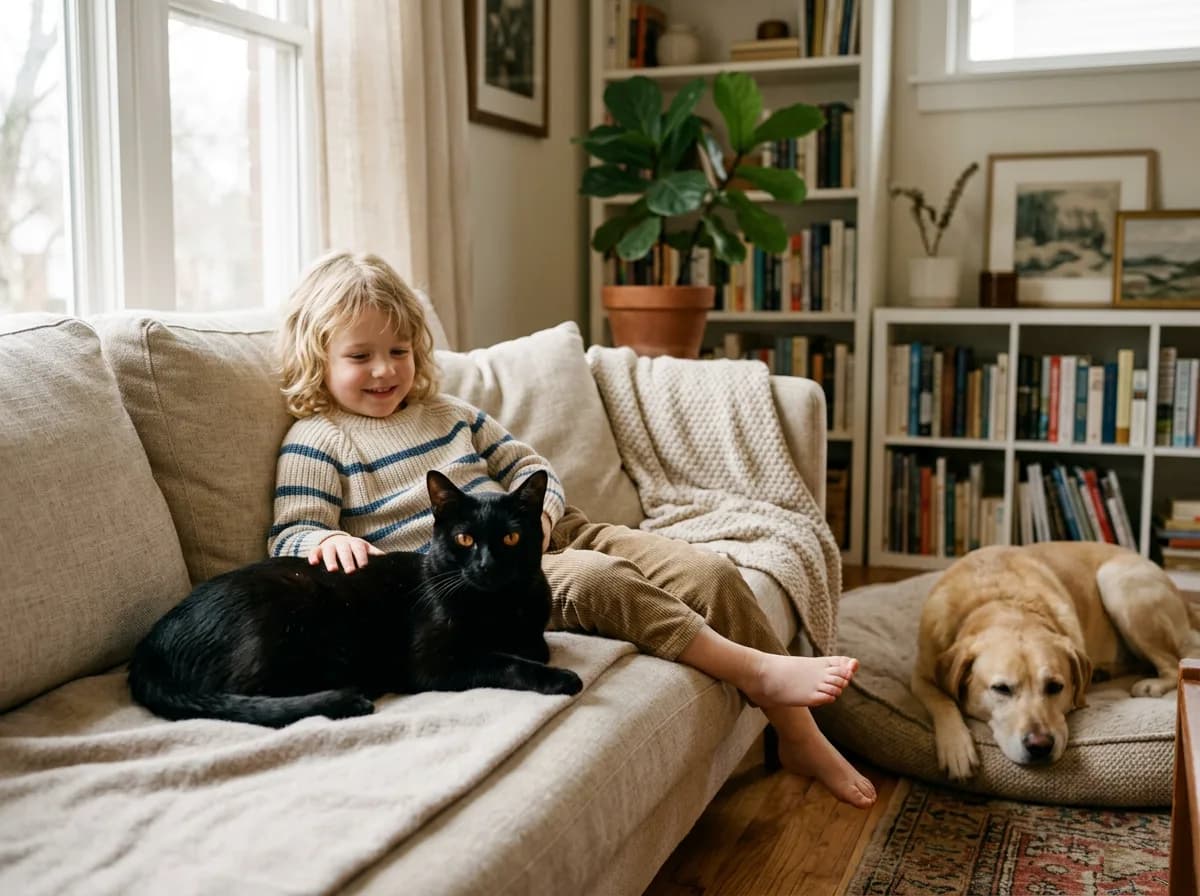
Bombay cats are excellent family cats. They are friendly, patient, and people-oriented, which makes them one of the better breed choices for households with children or other pets. Their tolerance and social drive mean they usually seek out the action rather than hiding from it.
Good with kids
Bombays are typically gentle and tolerant with gentle, respectful children, and they enjoy the extra attention kids provide. As with any cat, supervise young children, teach them to handle the cat calmly, and give the cat an easy escape route to a high perch. A Bombay that can retreat when it has had enough rarely scratches or bites.
Good with other pets
This breed generally gets along with other cats and with cat-friendly dogs, especially when introductions are slow and positive. Because they hate being alone, a Bombay often does better with a companion animal than as an only pet. A second pet or a busy household helps keep a solo Bombay content while you are out.

63-inch multi-level cat tree with scratch posts, hammock, plush perches, and dangling toys. Vertical territory is non-negotiable for high-energy climbing breeds like the Bengal.
Petful may earn a commission when you click through to Chewy, at no extra cost to you.
Do Bombay Cats Get Along With Other Cats? (And Aggression Myths)
Bombays usually get along well with other cats, and the idea that they (or black cats in general) are aggressive is a myth, not a temperament fact. The breed standard calls for a sweet, even disposition, and most behavior problems people label "aggression" in any cat trace back to fear, pain, territorial stress, or under-stimulation, not the coat color or the breed.
The "black cats are aggressive" idea is a leftover of old black-cat superstitions, the same folklore that fuels black-cat Halloween myths. In reality, plenty of shelters and breed clubs make the case in praise of black cats as some of the friendliest companions you can adopt, and the Bombay is a prime example.
- A normally sweet Bombay that turns snippy, hides, or swats is usually telling you something is wrong: a new pet introduced too fast, a litter box problem, pain, or sheer boredom from being left alone. Treat a personality change as a signal to check the environment or call your vet, not as the breed "being aggressive."
Independence and Being Left Alone
This is the single biggest thing to know before you adopt: Bombay cats do not handle being left alone well. Their whole personality is built around companionship, so long stretches of solitude can leave them bored, anxious, and lonely. This is the trade-off for all that affection.
As a rough guide, a healthy adult Bombay is fine alone for a normal workday of roughly eight hours if it has food, water, a clean litter box, and things to do. Stretch that past a full day, or repeat long absences day after day, and you may see loneliness signs: extra-loud or constant meowing, destructive scratching, over-grooming, clinginess when you return, or litter box lapses. Kittens and seniors tolerate far less alone time than that.
- Add a second pet so your Bombay is never truly alone.
- Leave puzzle feeders, rotating toys, and a window perch with a view to break up the day.
- Use a pet camera or a midday drop-in visit on long days.
- Keep departures and arrivals low-key so coming and going feels routine, not dramatic.

Color-changing crystal litter that flags pH shifts in your cat's urine, an early warning sign of UTIs, kidney issues, and more.
Petful may earn a commission when you click through to Chewy, at no extra cost to you.
Enrichment: Keeping a Bombay Mentally and Physically Happy
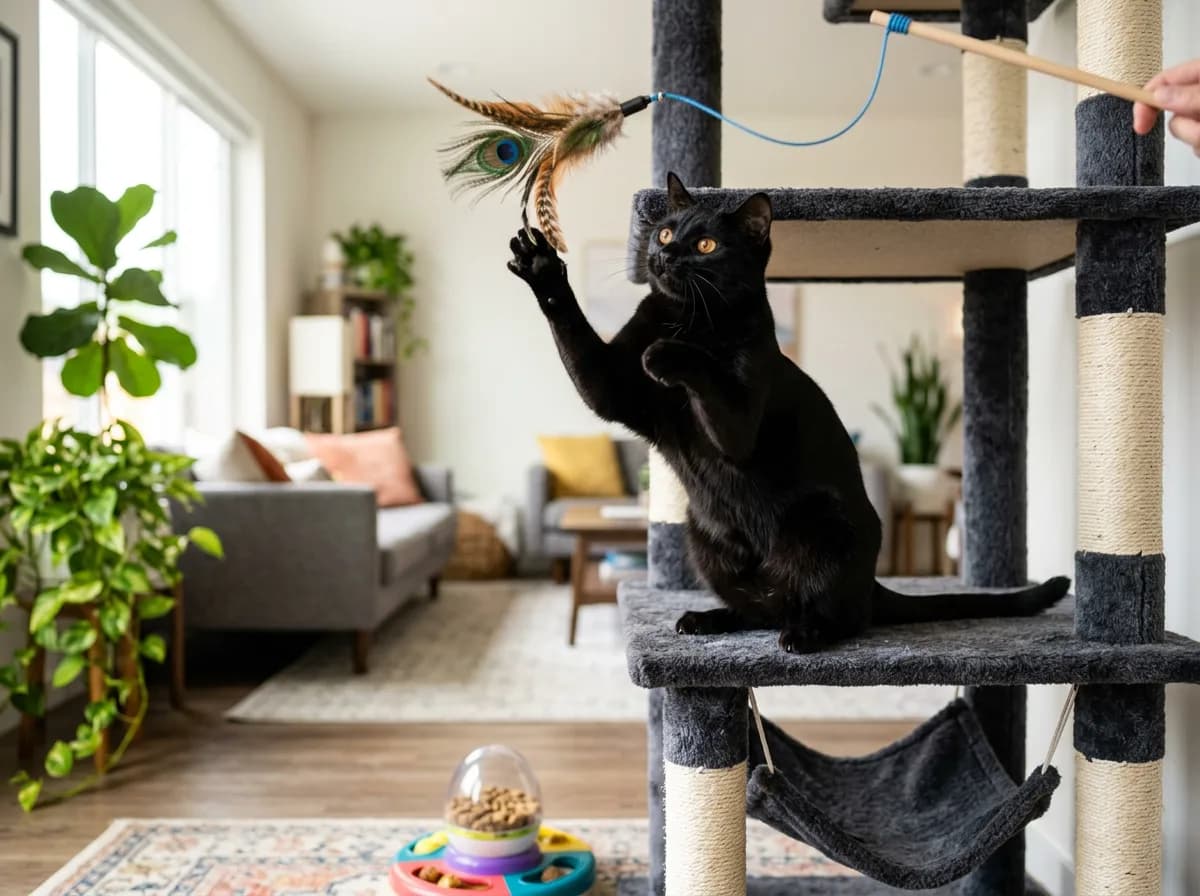
Because Bombays are smart and social, enrichment is not optional, it is how you prevent the boredom behaviors above. Aim for at least two interactive play sessions a day plus passive enrichment they can use on their own. A tired, mentally engaged Bombay is a calm, affectionate Bombay.
- Interactive play: 10 to 15 minutes, twice a day, with a wand toy or fetch. Let them "catch" the prey to satisfy the hunt.
- Puzzle feeders and treat balls to make that food motivation work for their brain.
- Vertical space: a tall cat tree or shelves so they can climb, perch, and survey their territory.
- Rotating toys so novelty keeps the smart ones interested; put toys away and bring them back in a week.
- Leash and harness training for safe outdoor stimulation, which this confident breed often takes to readily.
Clean, low-stress basics matter too: this is a tidy breed, so an odor-controlling litter setup and a comfortable resting spot go a long way toward a content cat. Pair good enrichment with the company they crave and you remove almost every reason a Bombay would act out.
Is a Bombay Cat Right for You?
A Bombay is a fantastic match if you want an affectionate, interactive, almost dog-like companion and you have the time (or a second pet) to keep it company. It is the wrong match if you want a low-maintenance, independent cat that is happy alone for 10-plus hours a day. Be honest about your schedule before you commit.
Drawn to the mini-panther look and personality but still weighing breeds? Start with our full Bombay cat breed profile for the broader facts on size, shedding, and lifespan, then compare temperaments with the calm British Shorthair or the equally social Sphynx. For black-cat fans specifically, our roundup of black cat breeds and the Bombay vs. ordinary black cat comparison spell out exactly what sets a pedigreed Bombay apart.
- If a black cat has any white hairs, green eyes (rather than the Bombay copper-to-gold), pink rather than black paw pads, or faint tabby stripes in bright light, it is almost certainly a black domestic shorthair rather than a pedigreed Bombay.
Frequently Asked Questions
Yes, most Bombay cats enjoy being held and cuddled more than the average cat. As true "Velcro cats" they seek physical contact, settle into laps, and often go soft and purring when picked up. Always support the body and let the cat set the pace, but holding is usually welcomed by this affectionate, people-oriented breed.
Yes, Bombay cats are vocal, but softly. They communicate with gentle chirps, trills, and short meows rather than loud yowling, often keeping up a quiet running commentary as they follow you around. They are talkative and expressive without being earsplitting, which makes the breed a good fit for apartments and family homes.
Bombay cats are moderately talkative. They like to "answer" you, greet you at the door, and announce mealtimes with chirps and trills. They are chattier than a typical shorthair but quieter than a Siamese. A sudden jump in talking usually means your Bombay is hungry, bored, or has been left alone too long.
Most Bombays meow a moderate amount and lean on chirps and trills more than full meows. Excessive meowing is usually a message rather than a personality trait: hunger, boredom, or loneliness from too much time alone. Because the breed is so people-focused, a spike in meowing is often the first sign it needs more attention.
Yes, Bombay cats make excellent family cats. They are friendly, patient, and social, enjoy the attention children give them, and generally get along with other pets. With gentle, supervised kids and slow introductions to other animals, a Bombay thrives in a busy household and often becomes the most interactive member of the family.
Bombay cats are very friendly. The breed is bred for an even, affectionate disposition, and most individuals are outgoing with family and visitors alike, greeting people rather than hiding. Their friendliness, combined with intelligence and a dog-like devotion, is exactly why they are prized as companion cats.
No, Bombay cats are not an aggressive breed. The standard calls for a sweet, even temperament, and the "aggressive black cat" idea is superstition, not fact. When any cat turns snippy it usually reflects fear, pain, territorial stress, or boredom, not the breed. Address the cause and a Bombay returns to its gentle baseline.
Yes, Bombays generally get along well with other cats and with cat-friendly dogs, especially when introductions are slow and positive. Because they dislike being alone, many Bombays are happier with a companion animal than as an only pet. A second pet gives them company while you are out and keeps the social breed content.
A healthy adult Bombay can be left alone for a normal workday of about eight hours with food, water, a clean litter box, and enrichment. They do not do well with longer or repeated solitude, and may show loneliness through loud meowing, destructive behavior, or clinginess. A companion pet or midday check-in helps on long days.
Bombay cats are special because they combine a striking mini-panther look (jet-black coat, copper-to-gold eyes) with an unusually warm, dog-like personality. They fetch, follow you, ride on shoulders, and bond intensely with their people. That blend of glamorous appearance and devoted, interactive temperament is rare in the cat world.
Yes, many Bombay cats play fetch naturally. Their intelligence and strong food motivation make them quick to chase a tossed toy and bring it back for another throw, often with no formal training. Fetch is one of several dog-like behaviors, alongside leash walking and shadowing you, that make the breed feel especially canine.
A true Bombay is solid jet-black from nose to paw pads, with copper-to-gold eyes, a sleek muscular body, and a glossy "patent leather" coat. White patches, green eyes, pink paw pads, or visible tabby stripes in sunlight point to a black domestic shorthair instead. Only a pedigree confirms a registered Bombay; everything else is a look-alike.

Coreen Saito is a pet writer and longtime shelter volunteer with more than a decade in animal rescue. She covers cat behavior, breed care, and the small, ordinary science of sharing a life with companion animals, with a particular focus on honest takes about the products and decisions that actually matter. At home in Arizona, she's outranked by Mac (a dog with the loudest opinion in the house), Rebel (a cat who governs by quiet authority), and Meri (an orange tabby who runs the late shift and the laundry basket). She writes about all three, plus the rescues that keep coming through her life, at LifeWithMinty.com.
Sign up for expert-backed reviews and safety alerts all in one place.