How to Keep a Cat Indoors: Tips for a Happy and Safe Feline
Discover effective strategies on how to keep a cat indoors, ensuring your feline friend stays safe and content. Learn more here!

How to Keep a Cat Indoors: Zorro's Escape Attempts
Zorro's Story My cat Zorro was always trying to make a break for it. The handsome charcoal-colored Abyssinian cross had shown up in our backyard one summer morning when he was about 8 weeks old. He’d never experienced bone-chilling winds, snowdrifts, or sleet — so for him, the woods beyond the house had been a kitten’s paradise.
To prevent your cat from escaping, consider the following tips:
- Secure doors and windows: Ensure all exits are cat-proof.
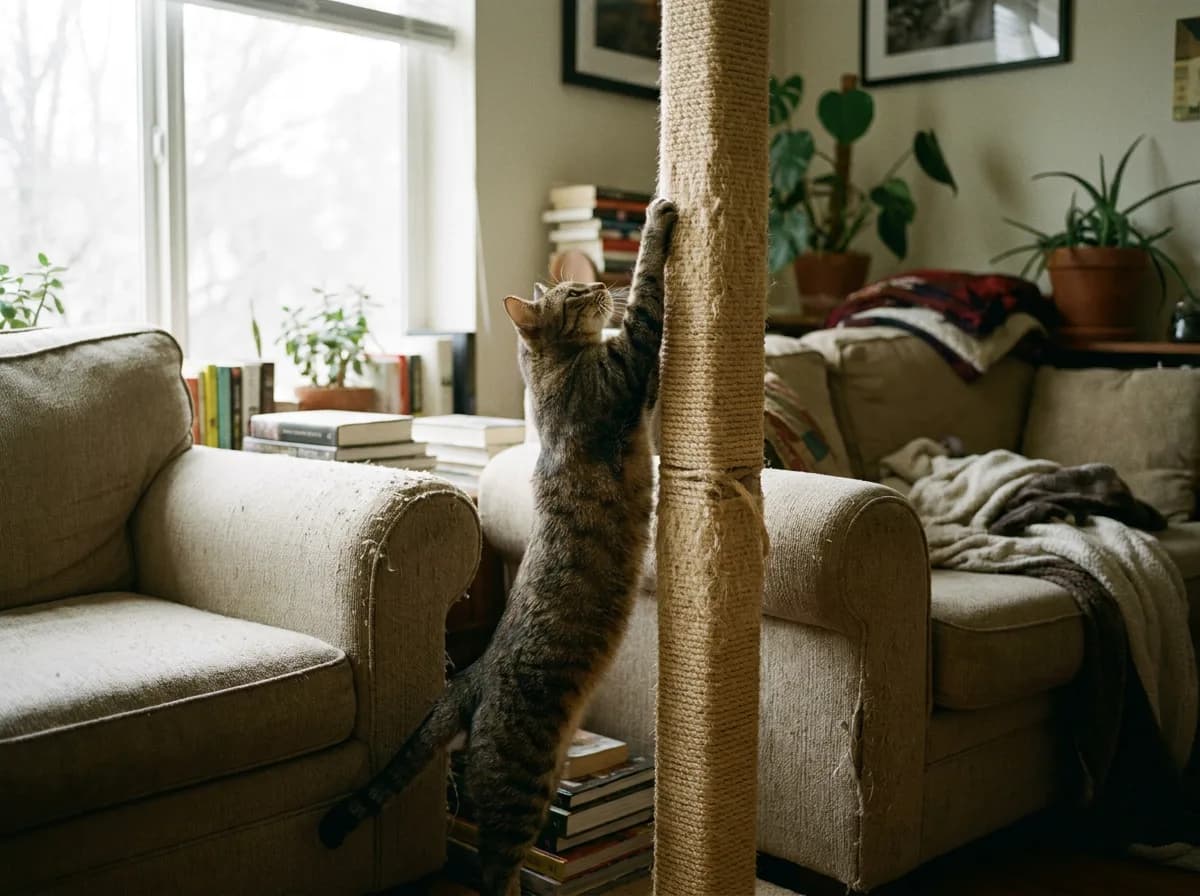
- Create an indoor paradise: Offer toys, scratching posts, and climbing structures.
- Supervise outdoor time: Use a leash or secure enclosure for outdoor exploration.
Zorro kept escaping, and we kept bringing him back inside. It was a regular routine, but not a funny one because we lived right off a main route. This made keeping him indoors not just a preference but a necessity for his safety.
Indoor vs. Outdoor: Understanding Cat Safety
Many years ago, almost everybody’s cats lived outside. But these days, more and more people are keeping their cats inside — which means they're safe from cars, predators, and disease. According to Patricia Curtis, author of The Indoor Cat, “You can give [your cat] an indoor life that is rich and happy as well as comfortable and safe.”
Quick Tips to How to Keep a Cat Indoors and Happy
To ensure your indoor cat stays content and engaged:
- Provide cat trees and toys: These can help them work off energy. Cat trees and toys are great for stimulation.
- Install a window perch: A window perch gives your cat a perfect spot to relax and watch the world outside.
- Hang bird feeders outside: This can be a source of entertainment for your cat, providing visual stimulation without the risk.
By keeping your cat indoors, you protect them from potential dangers while still offering a fulfilling and enjoyable environment.
Creating a Cat-Friendly Indoor Environment
To successfully keep a cat indoors, creating a stimulating and comfortable environment is crucial. This not only helps in preventing escape attempts but also ensures your cat's happiness and well-being. A cat-friendly indoor environment should include:
- Diverse Resting Places: Cats love to choose where they rest. Providing a variety of resting places, such as cozy beds, blankets, and cushioned perches, caters to their preference for high and secluded spots.
- Hiding Spots: Cats often seek out hiding spots for security and comfort. Incorporate enclosed spaces like cat trees, hideaway tunnels, or even simple cardboard boxes.
- Window Views: Windows offer a natural source of entertainment and mental stimulation. Setting up perches near windows allows your cat to observe the outside world safely, satisfying their curiosity without the risks of outdoor life.
By thoughtfully designing your home, you can create a cat-friendly indoor environment that satisfies your cat's natural instincts and needs.
Enriching Your Cat's Indoor Life
Keeping a cat indoors does not mean they have to miss out on fun and excitement. Enriching your cat's indoor life with stimulating activities and environments can prevent boredom and reduce stress. Here are some tips:
- Interactive Play: Engage your cat with interactive toys like feather wands, laser pointers, and balls. Regular play sessions help to expend energy and maintain your cat's physical health.
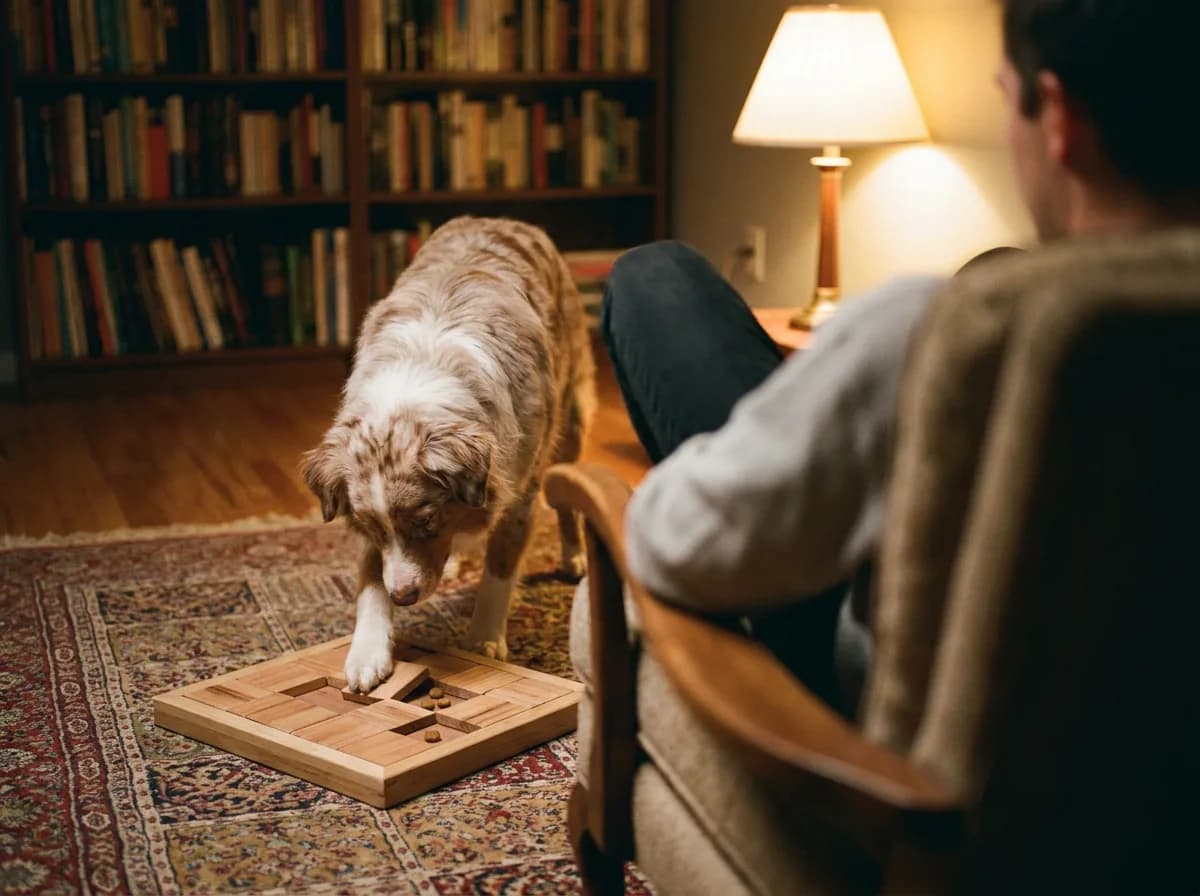
- Puzzle Feeders: Introduce puzzle feeders to make mealtime more challenging and mentally stimulating. This not only slows down their eating pace but also engages their problem-solving skills.
- Rotate Toys and Furniture: Keep things fresh by rotating your cat's toys and rearranging furniture. This can spark new interest and provide new exploratory opportunities within the home.
- Cat Trees and Climbing Structures: Cats love to climb and perch. Installing cat trees or wall-mounted climbing shelves offers them vertical space to explore and relax.
By implementing these strategies, you can enrich your cat's indoor life, making it fulfilling and exciting, all while keeping them safe from outdoor dangers.
How to Keep a Cat Indoors: Handling Escape Attempts
If your indoor cat, like Zorro, has wildcat fantasies and yearns for the world beyond the windows, it can be challenging to keep them inside. “Once they get outdoors and get a taste of the exciting world out there, there isn’t a lot you can do to prevent it,” says Susan Baker of The Abyssinian Cat Club.
Preventative Measures on How to Keep a Cat Indoors
To help prevent your cat from escaping, consider these strategies:
- Install self-closing screen doors and storm doors: These can prevent accidental escapes when doors are left open.
- Behavior modification: Attach a rolled-up newspaper to the door. When your cat follows you to the door, smack the door with the newspaper and even yell at the door a bit. This can make the door seem unappealing to your cat, buying you valuable seconds to prevent an escape.
- Interactive play: Use a toy, like a sparkle wand with a ball, to distract your cat. When your cat approaches, reward them with praise and treats. This can help train them to come to you instead of heading for the door.
By implementing these tactics, you can better manage your cat's natural curiosity and keep them safe indoors.
How to Keep a Cat Indoors: Using Cat Enclosures
Cat enclosures can be a godsend to indoor cats, providing a safe space to explore the outdoors without the risks. My husband, an engineer, once built one for our gang out of scrap wood and chicken wire. My friend Linda also got a cat enclosure because some of her cats scream and spray if she tries to keep them indoors all the time. Her roofed enclosure opens up off her dining room. Inside are perches of varying heights, cat beds, and insulated little “tents” with fleece mattresses. The ABO Gear Happy Habitat for Indoor Cats offers 30 square feet of safe outdoor play space and folds down into a travel bag.
How to Find a Cat Who Has Escaped
Despite your best efforts, sometimes indoor cats manage to slip out. Here's what to do if it happens:
- Think About Your Cat's Personality: This is crucial for building your recovery plan. For example, Webbie, a Burmese cat who escaped, was known for being food-driven but not inclined to approach people.
- Get the Word Out: Use posters, fliers, signs, and word of mouth to spread the news. When Donna and Bill's cat went missing, they informed the community about their “little brown cat with yellow eyes,” advising people not to approach him.
- Check Local Shelters: Visit shelters in person to check for your cat, as descriptions can sometimes be inaccurate. This is especially important as people may mistake one breed for another, like confusing Siamese cats with Abyssinians.
For more tips on finding lost pets, see our companion article How to Help When Pets Go Missing.

Other Strategies to Help Find a Lost Cat
When your indoor cat escapes, quick action and creative strategies can help bring them back:
- Put out food and familiar scents: Place food and water, along with familiar items like their cat bed or your T-shirt, near your home. Donna and Bill used "a scant teaspoon" of food to avoid attracting other animals while keeping the scent strong.
- Set up a Havahart trap: This humane trap can capture your cat safely. While you might catch a raccoon or another stray, it's a good chance you'll find your own cat.
- Communicate with your cat: According to Petfinder, try to connect with your cat mentally by imagining their face, calling their name, and reassuring them that you'll bring them home.
Webbie the Cat Returns
On the third day after Webbie's escape, Donna and Bill received word of a sighting. Donna took another cat, Saba, in a stroller, hoping the familiar scent would draw Webbie out. When Webbie saw Saba, he approached, and they were "nose to nose" when Donna managed to catch him. Although Webbie went missing again shortly after, they quickly found and boarded up his escape route, ensuring he remained safely indoors.
Frequently Asked Questions (FAQ)
Create a stimulating environment with plenty of toys, perches, and interactive activities to keep your cat engaged and satisfied indoors.
Keep your cat indoors for at least two weeks after moving to allow them time to adjust to the new environment and reduce the risk of them getting lost.
Ensure a balanced diet, regular vet check-ups, mental stimulation, and exercise to maintain your cat's health indoors.
References
- “Creating a Good Home for Cats.” RSPCA. https://www.rspca.org.uk/adviceandwelfare/pets/cats/environment/indoors
- “10 Tips to Keep Your Cat Happy Indoors.” Humane Society. https://www.humanesociety.org/resources/10-tips-keep-your-cat-happy-indoors
- “Training Your Cat to Stay Inside.” Wisconsin Humane Society. https://www.wihumane.org/behavior/ask-the-experts/cat-behavior/training-your-cat-to-stay-inside

Sign up for expert-backed reviews and safety alerts all in one place.

T.J. Banks is the author of several books, including Catsong, which received a Merial Human–Animal Bond Award. A contributing editor to laJoie, T.J. also has received writing awards from the Cat Writers’ Association (most recently a Certificate of Excellence in 2019), as well as from ByLine and The Writing Self. Her work has appeared in numerous anthologies, including Chicken Soup for the Single Parent’s Soul and A Cup of Comfort for Women in Love, and T.J. has worked as a stringer for the Associated Press, as an instructor for the Writer’s Digest School and as a columnist.
Sign up for expert-backed reviews and safety alerts all in one place.