Dog Dental Chews Compared: VOHC, Ingredients, Size, and Safety
Compare dog dental chews by VOHC status, size, calories, ingredients, texture, safety, and routine fit before choosing a daily dental treat or unsafe size.

Dental chews should be compared by size, texture, calories, ingredients, and how they fit the dog's routine.
Petful is reader supported. As an affiliate of platforms like Amazon and Chewy, we may earn a commission when you buy through links on this page. There is no extra cost to you.
Dog dental chews can help, but the right choice depends on VOHC status, size, chewing style, calories, ingredients, supervision, and whether the chew fits into a real dental routine. This comparison is built for the shopper who wants more than a best-of list and less than a clinical lecture.
- 1Look for the VOHC Accepted Seal when dental efficacy matters.
- 2Match the chew to your dog's body weight, mouth size, chewing style, and calorie budget.
- 3Dental chews can support oral care, but brushing and veterinary dental exams still matter.
- 4Supervise chewing and avoid products that are too hard, too small, or easy to swallow whole.
- For most healthy adult dogs, start with a VOHC-accepted chew in the correct weight size, feed it only as directed, count the calories as treats, and supervise the session. If your dog has dental disease, missing teeth, food allergies, pancreatitis history, weight concerns, or a habit of gulping chews, ask your veterinarian first.

Sign up for expert-backed reviews and safety alerts all in one place.
What VOHC Means
The Veterinary Oral Health Council reviews submitted data against plaque and tartar standards and awards a seal when products meet those standards. The public VOHC Accepted Products list is the best starting point because it separates evidence-backed dental products from treats that only look dental.
VOHC also warns that obstruction risk can be reduced by using the right-sized product for the dog's body weight and observing the dog while chewing. That is why size and supervision get as much space in this comparison as brand names.
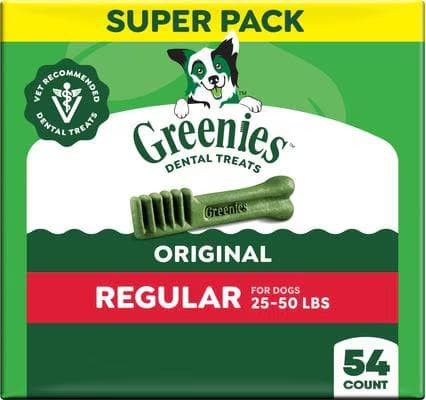
Daily dental chew that cleans teeth, freshens breath, and is accepted by the Veterinary Oral Health Council. Sized for dogs 25 to 50 lbs.
Petful may earn a commission when you click through to Chewy, at no extra cost to you.
| Type | Best fit | Watch out for |
|---|---|---|
| VOHC accepted textured chew | Daily oral-care support when the dog chews thoroughly | Wrong size, gulping, extra calories |
| Enzymatic chew | Dogs who need a softer chew or routine support | Claims vary; check evidence and label directions |
| Plant-based chew | Dogs avoiding animal proteins or rawhide | Calories and digestibility still matter |
| Rawhide dental chew | Some VOHC options exist, but fit must be careful | Choking, swallowing large pieces, digestive concerns |
| Water additive | Dogs who will not chew or brush well | Does not provide mechanical chewing action |
| Toothpaste/brush routine | Best plaque control when owners can do it consistently | Training takes patience |
Chews vs Brushing vs Water Additives
The AVMA says daily brushing is best, although brushing several times a week can still help. That does not make chews useless. It means dog dental chews should be positioned as routine support, not a magic replacement for brushing, dental exams, or professional cleanings. Petful's existing dog dental care guide can remain the broad health support page while this page owns product comparison intent.
| Routine tool | What it does well | What it cannot do |
|---|---|---|
| Brushing | Directly removes plaque at the gumline | Only works if the dog tolerates it and the owner repeats it |
| Dental chews | Adds daily mechanical chewing and can reduce plaque or tartar when evidence-backed | Cannot clean every tooth surface or treat disease |
| Water additive | Easy compliance for some households | Does not replace mechanical cleaning |
| Dental wipes | Useful for dogs learning brushing | Less thorough than a brush |
| Vet dental cleaning | Addresses tartar, disease, pain, and below-gumline problems | Not a daily home routine |
How to Choose by Dog Size
Size is a safety variable. A chew that is too small can be swallowed too quickly. A chew that is too large or too hard can frustrate a small dog or add unnecessary calories. Use the label's weight band, then watch how your dog chews the first few times. If the dog breaks off large chunks, gulps, coughs, guards the chew, or tries to swallow it whole, choose a different format.
| Dog type | Better starting point | Skip or ask first |
|---|---|---|
| Toy or small dog | Small-size dental chew with calorie check | Large hard chews and chews not labeled for small dogs |
| Medium adult dog | VOHC accepted daily chew matched to weight | Multiple dental treats stacked in one day |
| Large powerful chewer | Larger chew with supervision and durable texture | Anything that splinters or disappears in seconds |
| Senior dog | Softer chew or brushing/wipe routine if teeth are sensitive | Hard chews if teeth are worn, loose, or painful |
| Dog with allergies | Limited-ingredient or vet-approved product | Novel proteins or unverified ingredients |
| Overweight dog | Lower-calorie routine and treat-budget tracking | Ignoring chew calories |
Product Picks by Use Case
The first product pass should separate useful dental-chew slots by size, diet, chewing style, and evidence signal. No single chew is a final endorsement for every dog.
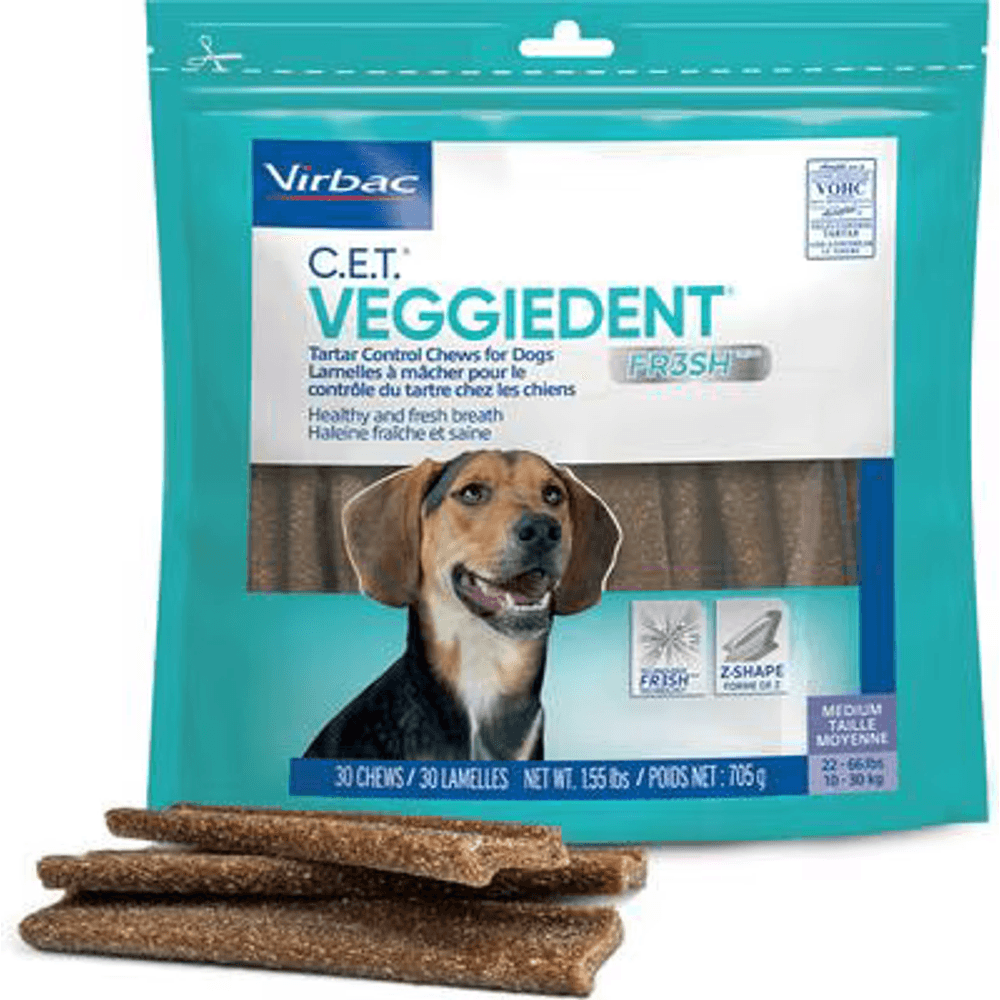
VOHC-accepted dental chews clinically shown to reduce plaque and tartar. The Z-shape and texture clean as your dog chews and freshen breath. A plant-based daily chew for medium dogs.
Petful may earn a commission when you click through to Chewy, at no extra cost to you.
| Use case | Current product | Why it fits |
|---|---|---|
| Main daily chew | Greenies Regular Natural Original Chicken Flavor Dental Dog Treats | Recognizable dental-chew slot with broad consumer demand |
| Small or medium daily chew | DentaLife Daily Oral Care Small/Medium Dental Dog Treats | Budget-friendly daily chew slot |
| Medium-dog VOHC-style chew slot | Virbac C.E.T. VeggieDent Fr3sh Dental Chews | Dental-brand credibility and size-specific format |
| Small-dog brushless option | Ark Naturals Brushless Toothpaste Small Dental Dog Treats | Useful for small-dog product intent |
For a quick comparison pass, treat Greenies Regular Dental Treats as the broad daily-chew reference, Virbac C.E.T. VeggieDent Fr3sh as the medium-dog dental-brand option, DentaLife Daily Oral Care as the small/medium daily-chew comparison, and Ark Naturals Brushless Toothpaste as the small-dog brushless option.
Risks of Dog Dental Chews
The common risks are choking, swallowing large chunks, tooth injury from overly hard products, stomach upset, calorie creep, allergy reactions, and using a chew instead of treating painful dental disease. Dogs with loose teeth, bleeding gums, mouth pain, severe bad breath, or trouble eating need a veterinary exam rather than a bigger chew.
Also avoid treating breath alone. Bad breath can come from plaque and tartar, but it can also signal oral infection, broken teeth, kidney disease, diabetes, or diet issues. A chew may freshen breath temporarily while the real problem remains.
Daily Use and Calories
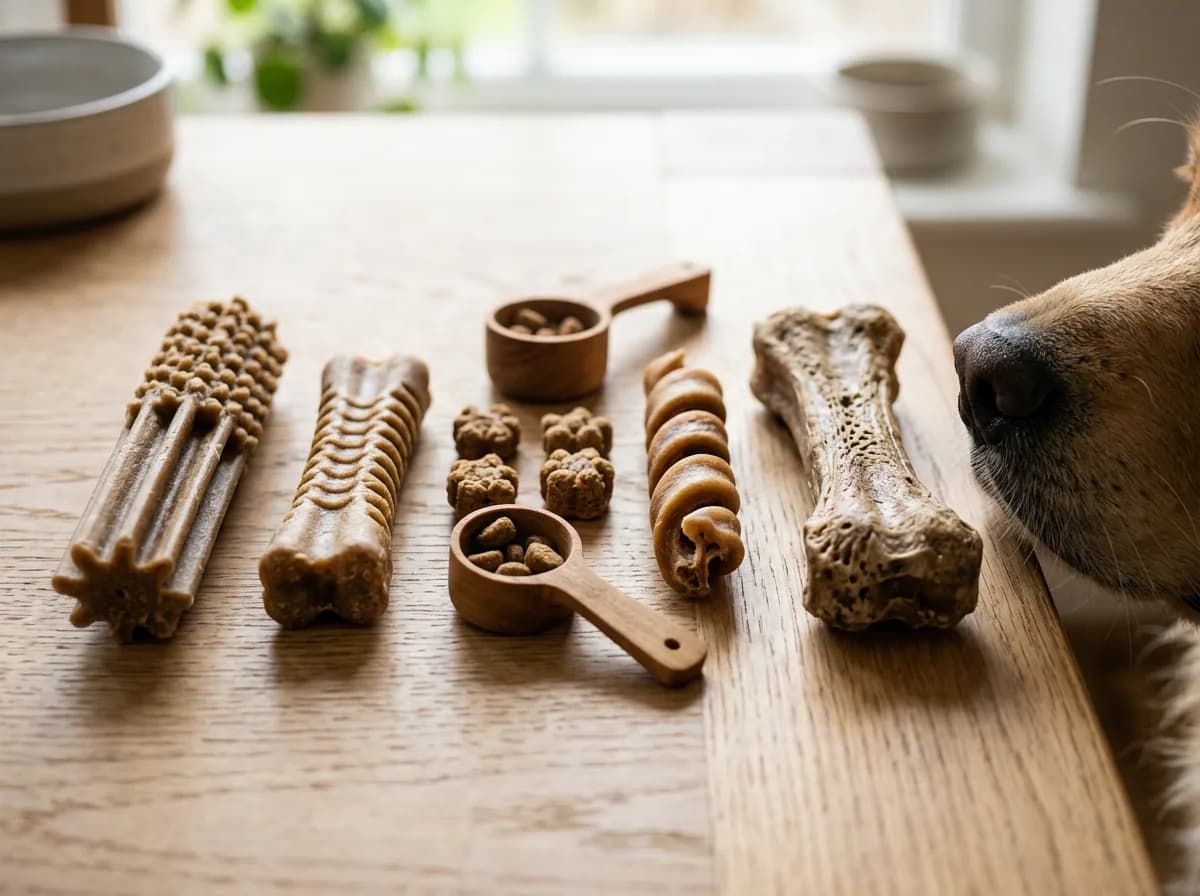
Many dental chews are designed for daily use, but daily does not mean unlimited. Count the chew as part of the treat budget, especially for small dogs. A chew that is 90 calories can be a major snack for a toy breed. If your dog needs weight loss, ask your vet whether to cut meal calories, use a smaller chew, or choose another dental routine.
How to Choose a Dog Dental Chew
Dog dental chews compete on evidence claims, ingredients, size, texture, calories, and safety. The strongest purchase is not the most popular chew. It is the chew that matches the dog's mouth, chewing style, diet, and oral-care goal.
- Start with the exact claim and the exact dog. A dental chew that fits a calm medium-size chewer may be wrong for a dog that gulps, has mouth pain, needs a prescription diet, or is already over the daily treat budget.
Choose by claim, fit, and routine
The comparison intent here is commercial, but it still needs safety guardrails. Readers need to compare VOHC context, plaque or tartar language, edible versus non-edible options, daily calories, and when a veterinarian should come before a new chew.
| Reader situation | Better direction | Watchout | Next check |
|---|---|---|---|
| Plaque prevention | Choose a product with a clear plaque claim when possible | Treating fresh breath as plaque control | Claim wording |
| Tartar concern | Look for tartar support and realistic maintenance expectations | Expecting chews to remove disease | Dental exam needs |
| Small dog | Lower calories and correct size | Cutting large chews without label support | Weight band |
| Power chewer | Supervised chew with enough size and texture | Small treats swallowed whole | Chewing behavior |
| Sensitive stomach | Simple introduction and one product at a time | Stacking chews, additives, and new food | Tolerance check |
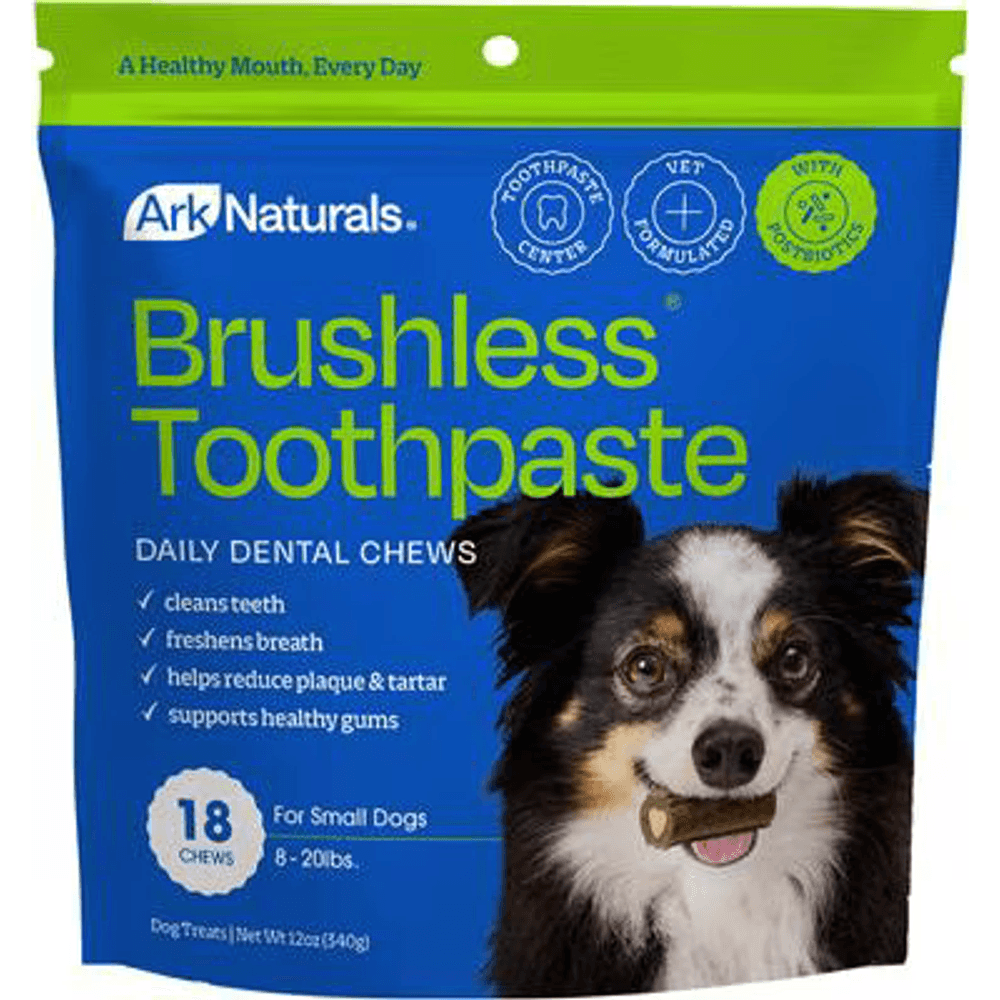
Brushless dental chews for small dogs with a toothpaste center that cleans teeth, reduces plaque and tartar, and freshens breath as they chew. A no-brushing daily option for dogs 8 to 20 pounds.
Petful may earn a commission when you click through to Chewy, at no extra cost to you.
- Bad breath, bleeding, swelling, loose teeth, dropped food, or mouth pain should be handled as health signals. A dental chew may support maintenance, but it should not delay veterinary dental care.
| Before you buy | Why it matters | Pass signal |
|---|---|---|
| Exact product | Claims can vary by line and size | The package matches the researched product |
| Weight range | Wrong size changes usefulness and risk | Dog falls within the label range |
| Calories | Daily chews add up quickly | Treat budget is adjusted |
| First use | Behavior matters more than packaging | Dog chews steadily under supervision |
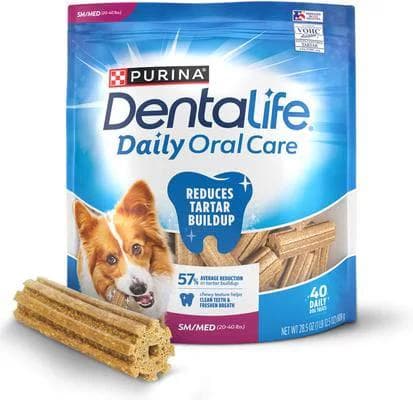
Daily dental chews with a porous, ridged texture designed to help clean teeth and reduce tartar buildup as part of an at-home oral-care routine.
Petful may earn a commission when you click through to Chewy, at no extra cost to you.
Reader Shortcuts
- Use VOHC as an evidence filter when plaque or tartar support is the goal.
- Use size and chewing behavior as the safety filter before price.
- Use calories and frequency as the routine filter before setting up a subscription.
- The best a dog dental chew earns its place during real use. Watch what your pet does in the first week, then adjust the placement, size, material, route, or routine before buying duplicates.
Evidence and Claims
A useful dental-chew comparison also explains what not to buy. Avoid chews that are harder than the dog's teeth can safely handle, chews that turn into sharp pieces, chews with unclear sizing, and products that make disease-treatment promises. Dental chews are prevention and maintenance tools, not treatment for painful mouth disease.
VOHC language has to be read carefully. A seal can apply to plaque, tartar, or both, and it applies to the specific submitted product rather than every item from a brand. Before choosing a chew for dental efficacy, compare the exact product name, size, and claim against the current accepted-products list.
- Texture matters because dogs do not all chew the same way. A soft chew may be easier for a senior dog but may disappear too quickly for a powerful chewer. A firm chew may encourage more chewing but can be wrong for dogs with worn teeth, painful gums, or a habit of cracking treats instead of gnawing slowly.
Size and calorie math should happen before flavor preference. Small dogs can exceed a reasonable treat budget with one large dental chew, while large dogs may swallow a small chew with little chewing benefit. Use the weight band, then check the calorie count against the dog's daily treat allowance.
Routine Checks
A safe first week is a supervised trial, not an automatic daily habit. Give one new dental product at a time, watch for gulping or large chunks, and monitor stool, vomiting, itching, appetite, and interest. If anything changes, stop and reassess before adding another dental treat or additive.
Size and Texture
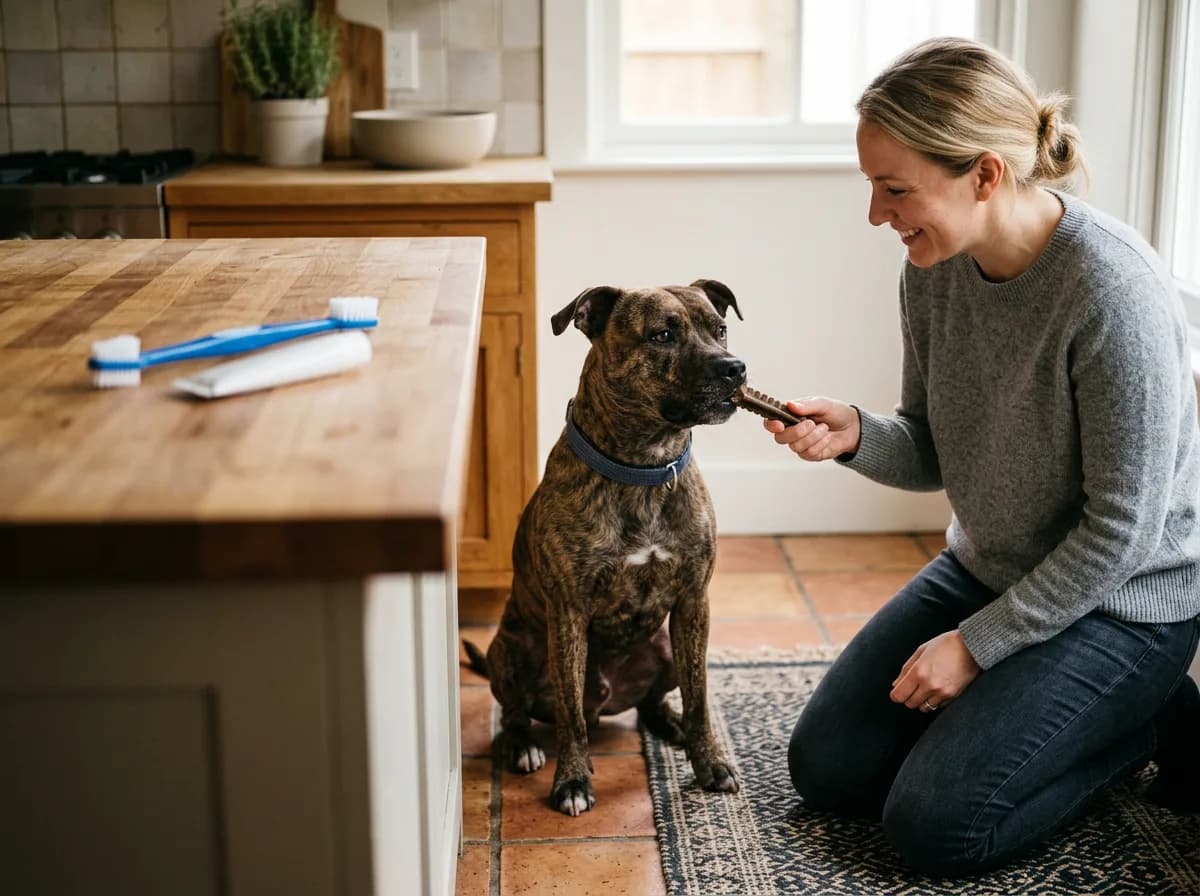
Some dogs need a non-chew plan. Dogs with loose teeth, mouth pain, pancreatitis history, prescription diets, severe allergies, or repeated choking behavior may do better with brushing training, wipes, water additives, or a veterinarian-guided plan instead of a daily chew.
Bad breath shoppers need the same caution as tartar shoppers. A chew may reduce odor from plaque, but persistent foul breath, bleeding gums, swelling, drooling, pawing at the mouth, or a sudden change in eating calls for a dental exam. The product choice should not delay care when the symptom looks medical.
- Separate dental efficacy from treat appeal. A dog may love a chew that does very little for plaque or tartar. A VOHC-accepted product gives the owner a better evidence signal, but it still has to match the dog's size, calories, allergies, and chewing behavior. The best fit combines evidence and usability.
Chewing style is one of the biggest safety variables. Some dogs gnaw slowly and use the chew as intended. Others crack pieces off or swallow the product after a few bites. A product that is perfect for a slow chewer can be risky for a gulper. The first session should be supervised, and the owner should be ready to remove the chew.
Size and Diet Checks
Calories are not a side note. Dental chews can be large treats, and small dogs have small daily calorie budgets. Compare calories per chew when available, feeding frequency, and whether smaller sizes exist.
Calories and Frequency
Ingredient fit matters for dogs with food sensitivities, pancreatitis history, weight management needs, or prescription diets. A dental chew can look harmless but still add fat, starch, protein, or calories that conflict with the dog's plan. Petful should avoid implying that any one chew is universal.
Defend brushing without scolding the reader. Many owners search dental chews because brushing is hard. Brushing is best, chews can still help, and a realistic routine may be brushing several times a week plus a correctly chosen chew.
- Bad-breath concerns deserve a careful answer. Dental chews may reduce food odor and plaque-related breath, but persistent bad breath can signal dental disease or other illness. Painful, bloody, loose-tooth, or appetite-change cases need a veterinarian, not just another chew.
VOHC status should be explained carefully. The seal is not a blanket statement that every dog should use the product. It means the product met criteria for plaque, tartar, or both when used as directed. The owner still has to choose the correct size, feeding frequency, and supervision plan.
Safety Checks
Texture is another buying factor. A chew needs enough resistance to create useful chewing action, but not so much hardness that it risks teeth. Owners should avoid bones, antlers, hooves, or extremely hard objects marketed as dental solutions if the dog is likely to crack teeth on them.
Chewing Behavior
Small dogs need special attention because the safety margin is smaller. A small dog can blow through a treat calorie budget quickly, and a chew that is slightly too large may be frustrating. Bring every product decision back to label weight bands and calorie counts.
Large dogs have the opposite problem. A powerful chewer may finish a product too quickly or swallow chunks. A large-dog pick needs size, supervision, and a texture that encourages chewing rather than gulping. Larger does not automatically mean safer.
- Senior dogs need a dental-health reality check. Bad breath, loose teeth, pawing at the mouth, or reluctance to chew are not shopping problems. Those signs can mean dental disease. A senior-friendly chew may help a healthy senior maintain routine, but it should not be used to avoid an exam.
A water-additive comparison matters because some dogs will not chew consistently or safely. For them, brushing, wipes, water additives, or vet-guided dental diets may fit better than forcing every routine toward a chew.
Vet Care Checks
For each chew, compare the VOHC claim if applicable, size range, calories per piece, texture, main ingredient direction, and known skip cases. Those attributes are more useful than generic flavor notes.
Diet Sensitivity
A complete dental-chew decision often branches into daily-use safety, small-versus-large dog chews, VOHC product checks, and chews versus brushing. Use this guide as the commercial starting point, then get more specific as the dog's routine becomes clearer.
Product labels should be treated as part of the recommendation. If the label says one chew daily, do not suggest two because the dog likes them. If the label names a weight range, do not split a larger chew as a shortcut unless the manufacturer allows it.
- Introduce one dental product at a time. If a dog gets a new chew, new food, and new supplement in the same week, stomach upset becomes harder to interpret. A clean introduction helps owners know whether the chew fits.
The label should drive the purchase. Check the dog's weight band, feeding frequency, calorie count, supervision language, and whether the product is meant for plaque, tartar, breath, or general chewing. That prevents a breath treat from being used as if it were a full dental-care plan. For dog dental chews, the practical check is to match the exact claim to the dental goal.
Product Checks
The safest buying path is to match the chew to the dog's mouth, not the other way around. Small dogs need smaller pieces and lower calories. Large dogs need enough size to encourage chewing instead of gulping. Seniors or dogs with sore mouths may need a dental exam before any new chew routine. For dog dental chews, the practical check is to check size and calories before price.
When to Ask the Vet
A good choice should vohc, ingredients, size, and safety choice also leaves room for brushing, exams, and professional cleaning when needed. Dental chews can support home care, but they should not hide loose teeth, bleeding gums, mouth pain, sudden chewing changes, or persistent bad breath.
Introduce one dental product at a time and watch stool quality, chewing style, and interest over several days. If the dog swallows large pieces, guards the chew, vomits, or seems uncomfortable, stop using that product and choose another home-care option with veterinary guidance. For dog dental chews, the practical check is to watch the first chew from start to finish.
- Texture should match chewing behavior. A slow careful chewer may benefit from a different product than a dog that cracks treats apart or swallows them quickly. The first few sessions tell you more than the package photo.
Calories matter most for toy breeds, overweight dogs, and dogs already getting training treats. A daily dental chew can quietly become a large snack, so compare calories before treating it like a harmless routine item. For dog dental chews, the practical check is to match the exact claim to the dental goal.
Routine Checks
Ingredient fit matters when a dog is on a prescription diet, food trial, low-fat plan, or sensitive-stomach routine. Check the ingredient panel before adding a chew, additive, or treat that could conflict with the existing diet. For dog dental chews, the practical check is to check size and calories before price.
- Before treating dog dental chews as solved, confirm the product fits the pet, the room or route, the daily routine, and the safety limits described above. If one of those checks fails, choose the safer format instead of forcing the original pick.
Related Petful Guides
For dog dental chews, use these related Petful guides when your buying question gets more specific.
- VOHC Dog Dental Chews: What the Seal Means Before You Buy: VOHC dog dental chews.
- Dog Dental Chews vs Brushing vs Water Additives: dog dental chews vs brushing.
- Dental Chews for Small Dogs vs Large Dogs: dental chews for small dogs vs large dogs.
More Related Guides
- Dog Dental Chews for Bad Breath and Tartar: dog dental chews for bad breath.
- Can Dogs Have Dental Chews Every Day?: can dogs have dental chews every day.
Many veterinarians recommend dental chews as part of home care when the product is appropriate for the dog's size, chewing style, diet, and dental health. VOHC-accepted products are a strong starting point.
The best dental chew is correctly sized, evidence-backed, digestible for that dog, calorie-appropriate, and used under supervision. Dogs with dental disease should be examined before relying on chews.
Risks include choking, swallowing large pieces, tooth injury, stomach upset, allergy reactions, and extra calories. Supervision and correct sizing reduce risk.
Yes, some dental chews have evidence for plaque or tartar reduction, especially products accepted by VOHC. They work best as part of a routine that may include brushing and veterinary dental care.
Check calories, protein source, starches, added flavors, and any ingredient your dog has reacted to before. The chew also has to fit the dog's size and chewing style, not just the ingredient list.
A dental chew should keep the dog chewing long enough for texture and contact to matter. If the dog swallows it almost whole, choose a different size, shape, or texture and supervise closely.

Coreen Saito is a pet writer and longtime shelter volunteer with more than a decade in animal rescue. She covers cat behavior, breed care, and the small, ordinary science of sharing a life with companion animals, with a particular focus on honest takes about the products and decisions that actually matter. At home in Arizona, she's outranked by Mac (a dog with the loudest opinion in the house), Rebel (a cat who governs by quiet authority), and Meri (an orange tabby who runs the late shift and the laundry basket). She writes about all three, plus the rescues that keep coming through her life, at LifeWithMinty.com.
Sign up for expert-backed reviews and safety alerts all in one place.