Dog Dental Chews for Bad Breath and Tartar
Compare dog dental chews for bad breath by claim, dog size, calories, chewing behavior, safety limits, and routine fit so you can choose the right dental-care option.
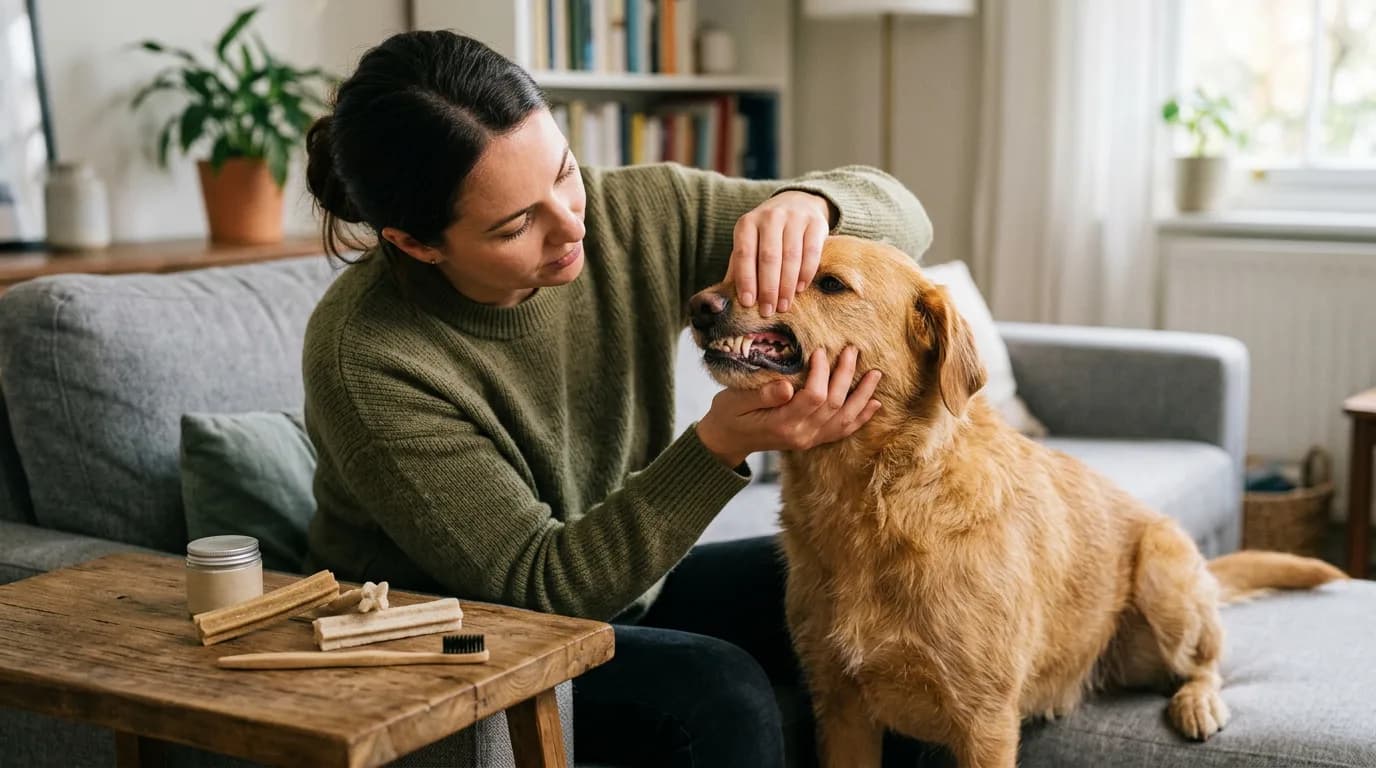
Bad breath and tartar intent needs a clear line between routine chew support and problems that need a vet visit.
Petful is reader supported. As an affiliate of platforms like Amazon and Chewy, we may earn a commission when you buy through links on this page. There is no extra cost to you.
Dog dental chews for bad breath can help when odor is linked to routine plaque and food debris, but bad breath can also be a warning sign. This guide compares breath-focused chews, tartar-focused chews, VOHC claims, and vet-warning signs so you can choose a home-care product without dismissing dental disease. There is more on this in Petful’s guide to best dental chews for dogs.
- 1Bad breath is a buying trigger, but persistent odor can signal dental disease.
- 2Choose chews by plaque or tartar claim, not only minty flavor.
- 3A breath treat is not always the same thing as a dental chew.
- 4Pain, bleeding, loose teeth, swelling, or appetite change should send the dog to a veterinarian.
- For mild breath from normal daily buildup, choose a correctly sized chew with a plaque or tartar claim and supervise use. For severe, sudden, or persistent bad breath, especially with visible tartar, red gums, or pain, book a dental exam instead of relying on treats.

Sign up for expert-backed reviews and safety alerts all in one place.
Bad Breath vs Tartar Intent
Bad breath, tartar, plaque, and visible brown buildup are related but not identical problems. Separate those needs because a flavored breath chew may not be the right product for a tartar problem.
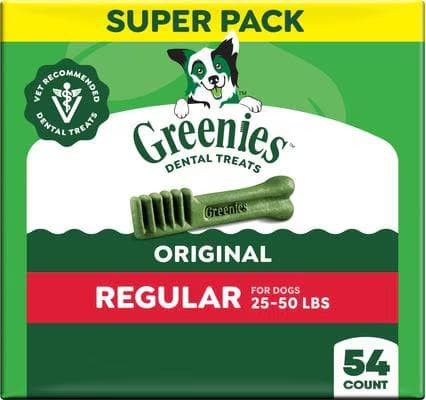
Daily dental chew that cleans teeth, freshens breath, and is accepted by the Veterinary Oral Health Council. Sized for dogs 25 to 50 lbs.
Petful may earn a commission when you click through to Chewy, at no extra cost to you.
| Buyer concern | Better product signal | Watch out for |
|---|---|---|
| Mild breath | Oral-hygiene or breath support claim | Masking odor without cleaning |
| Visible tartar | VOHC tartar claim or vet advice | Expecting chews to remove heavy buildup |
| Plaque prevention | Plaque claim and routine use | Inconsistent chewing |
| Severe odor | Veterinary dental exam | Treating disease as a shopping problem |
Product Signals to Compare
Compare the exact claim before choosing a chew for bad breath or tartar. A product can be appealing because it smells fresh, but the better signal is whether it is correctly sized, encourages real chewing, fits the dog's diet, and carries a plaque or tartar claim that matches the problem.
When Breath Needs a Vet
- The smell is sudden, severe, or getting worse.
- The dog has red, bleeding, or swollen gums.
- The dog drops food, paws at the mouth, or avoids chewing.
- A tooth looks loose, broken, or discolored.
Routine Checks
- Breath changes along with vomiting, thirst, weight loss, or appetite change.
When to Compare Broader Dental Chews
If the breath question turns into a broader product decision, use dog dental chews compared for size, calories, texture, and routine fit. If the key concern is evidence, use VOHC dog dental chews to understand accepted claims before buying.
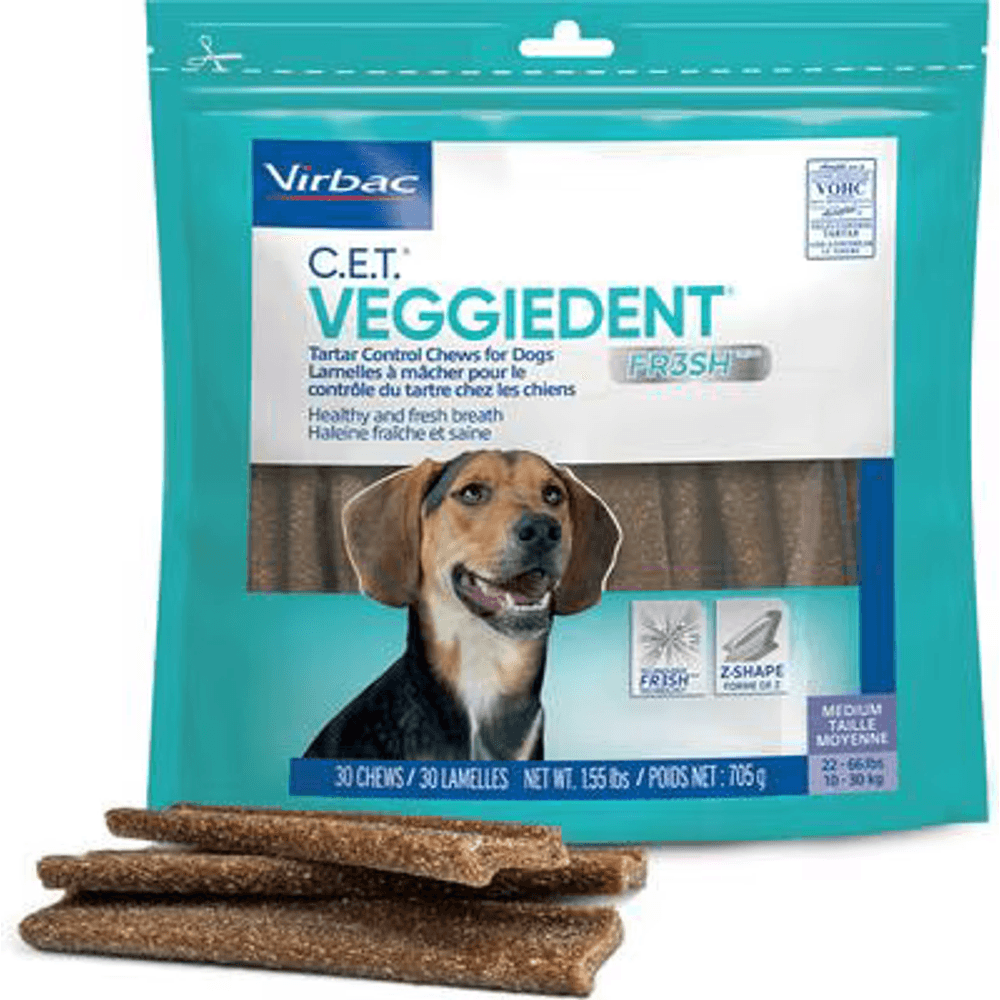
VOHC-accepted dental chews clinically shown to reduce plaque and tartar. The Z-shape and texture clean as your dog chews and freshen breath. A plant-based daily chew for medium dogs.
Petful may earn a commission when you click through to Chewy, at no extra cost to you.
How to Choose for Bad Breath or Tartar
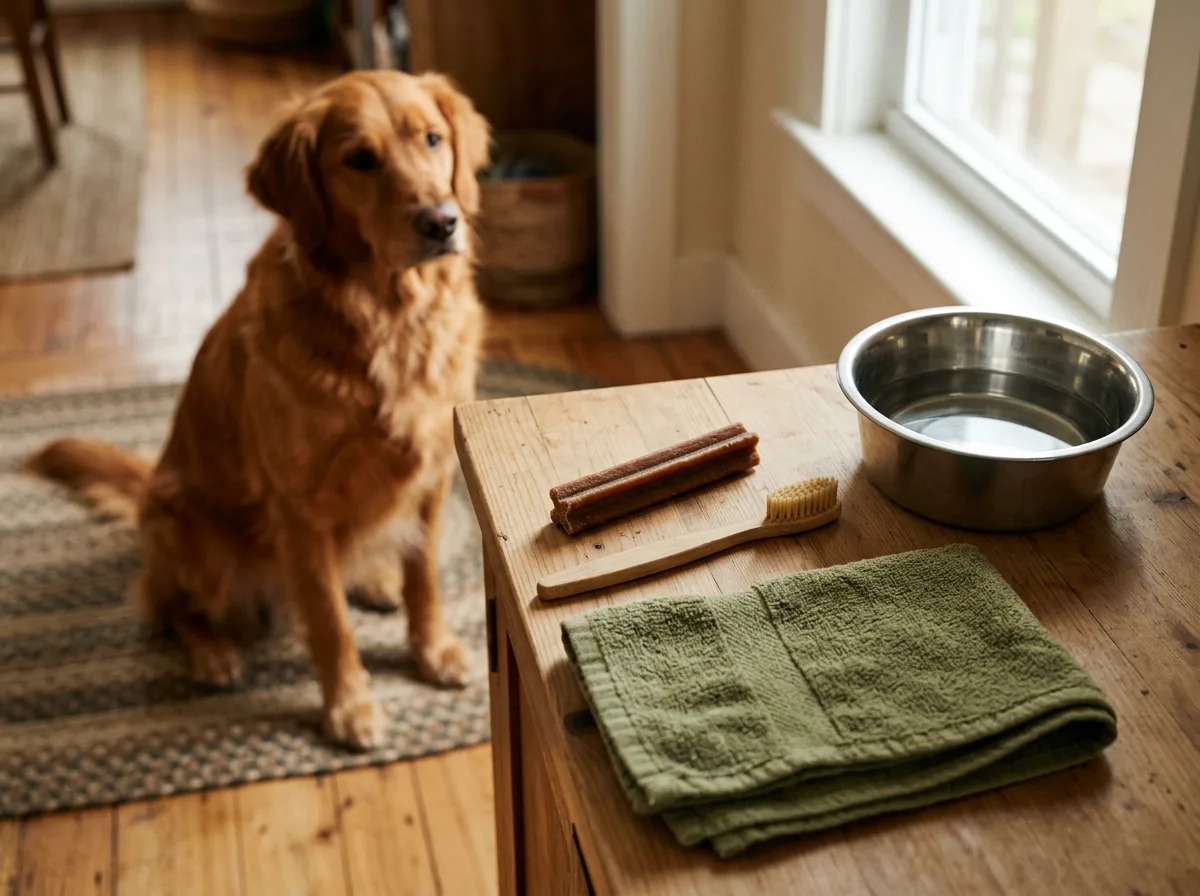
Bad breath and tartar are related buying intents, but they are not the same problem. A dental chew can support a maintenance routine, yet sudden odor, bleeding, swelling, mouth pain, or appetite changes should move the decision from shopping to veterinary care.
- If bad breath is new, severe, or paired with pain signs, do not mask it with a chew. If the dog is otherwise healthy and chews safely, choose by the claim you actually need: plaque, tartar, breath freshness, or a broader routine.
Separate freshness from dental disease
This article needs to help readers choose products without overpromising. Breath products may make mouths smell better, but tartar and gum disease need realistic expectations and sometimes professional care.
| Reader situation | Better direction | Watchout | Next check |
|---|---|---|---|
| Mild routine odor | Dental chew that fits daily use | Treating fragrance as dental care | Claim and ingredients |
| Visible tartar | Tartar-support product plus vet awareness | Expecting chews to remove heavy buildup | Severity |
| Sudden bad breath | Veterinary check before product shopping | Covering symptoms with treats | Timing and pain signs |
| Small dog | Lower calorie chew or non-edible support | Daily chew without calorie adjustment | Weight and mouth size |
| Dog gulps | Non-chew option or supervised change | Small hard chews | Swallowing behavior |
For breath and tartar shoppers, use Greenies Regular Dental Treats as the mainstream chew reference, Virbac C.E.T. VeggieDent Fr3sh as the dental-brand chew comparison, TropiClean Fresh Breath Dental Water Additive as the non-chew freshness example, and DentaLife Daily Oral Care as the daily-chew comparison.
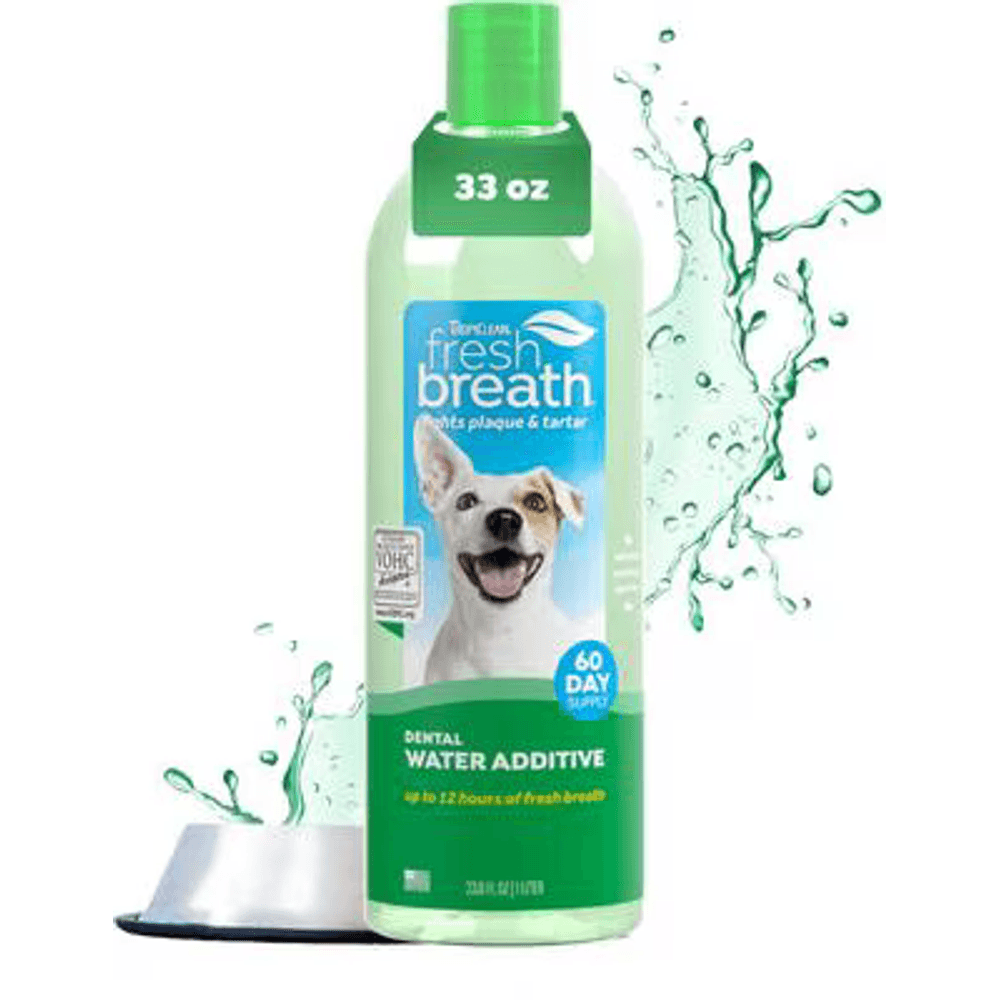
A no-brushing dental water additive: add one capful to your dog's water bowl daily to fight plaque and tartar and freshen breath for up to 12 hours. One 33.8-oz bottle is about a 60-day supply.
Petful may earn a commission when you click through to Chewy, at no extra cost to you.
- A dental chew should not be used to cover severe odor, bleeding gums, pawing at the mouth, dropped food, facial swelling, or obvious pain. Those are reasons to call the veterinarian.
| Before you buy | Why it matters | Pass signal |
|---|---|---|
| Symptom check | Some odor points to pain or disease | No bleeding, swelling, loose teeth, or appetite change |
| Claim match | Plaque, tartar, and breath language differ | Product claim fits the goal |
| Chew fit | Contact time matters | Dog chews safely and slowly |
| Routine plan | One chew does not fix a mouth | Product fits a broader home-care plan |
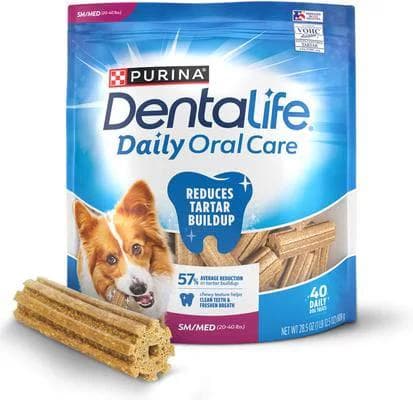
Daily dental chews with a porous, ridged texture designed to help clean teeth and reduce tartar buildup as part of an at-home oral-care routine.
Petful may earn a commission when you click through to Chewy, at no extra cost to you.
Reader Shortcuts
- Use tartar claims for maintenance, not as a promise to remove heavy buildup.
- Use breath language carefully, because fresh smell is not the same as dental health.
- Use a vet check when breath changes suddenly or appears with pain signs.
- The best a dental chew for breath or tartar concerns earns its place during real use. Watch what your pet does in the first week, then adjust the placement, size, material, route, or routine before buying duplicates.
Breath Clues
Tartar language needs care. Chews can help reduce formation or support maintenance, but heavy existing tartar often needs veterinary cleaning. A product is more realistic when it is described as part of prevention or maintenance rather than a scraper for established buildup.
Breath freshness and dental action should be separated. Mint, parsley, or pleasant flavor may make the owner notice less odor, but the dog's mouth still needs chewing action, plaque control, and tartar management when those are the real problems.
- A bad-breath buyer should check the timeline. Odor that slowly improves with routine care is different from odor that appears suddenly, worsens quickly, or comes with drooling, pain, swelling, or appetite changes. Sudden change is a warning sign, not a product-selection cue.
The product comparison should start with claim, size, and chewing style. A breath chew that the dog swallows quickly may do little beyond flavor. A tartar chew that is too large or too hard may be frustrating or unsafe. The right product has to fit the mouth first.
Size and Diet Checks
VOHC checks are especially useful for tartar intent. If the owner wants tartar support, the accepted-products list can help separate evidence-backed products from treats that only look dental. The exact product and claim still matter.
- For small dogs, breath complaints can hide crowding and periodontal risk. A daily chew may help maintenance, but brushing practice and veterinary exams usually deserve extra emphasis because small mouths leave less room for buildup.
Tartar Expectations
For large dogs, breath chews need enough size and texture to slow chewing. A small freshening treat may be swallowed quickly and leave the owner thinking dental care happened. A supervised chew matched to weight and behavior is a stronger starting point.
Diet and stomach sensitivity matter here too. Some breath products use flavors, herbs, or ingredients that may not fit every dog. Introduce one product at a time so odor, stool, vomiting, itching, or refusal can be tied to the right item.
- The label should drive the purchase. Check the dog's weight band, feeding frequency, calorie count, supervision language, and whether the product is meant for plaque, tartar, breath, or general chewing. That prevents a breath treat from being used as if it were a full dental-care plan.
The safest buying path is to match the chew to the dog's mouth, not the other way around. Small dogs need smaller pieces and lower calories. Large dogs need enough size to encourage chewing instead of gulping. Seniors or dogs with sore mouths may need a dental exam before any new chew routine. For dog dental chews for bad breath, the practical check is to separate breath freshness from dental disease.
Safety Checks
A good dog dental chews for bad breath and tartar choice also leaves room for brushing, exams, and professional cleaning when needed. Dental chews can support home care, but they should not hide loose teeth, bleeding gums, mouth pain, sudden chewing changes, or persistent bad breath.
- Introduce one dental product at a time and watch stool quality, chewing style, and interest over several days. If the dog swallows large pieces, guards the chew, vomits, or seems uncomfortable, stop using that product and choose another home-care option with veterinary guidance.
Claim Matching
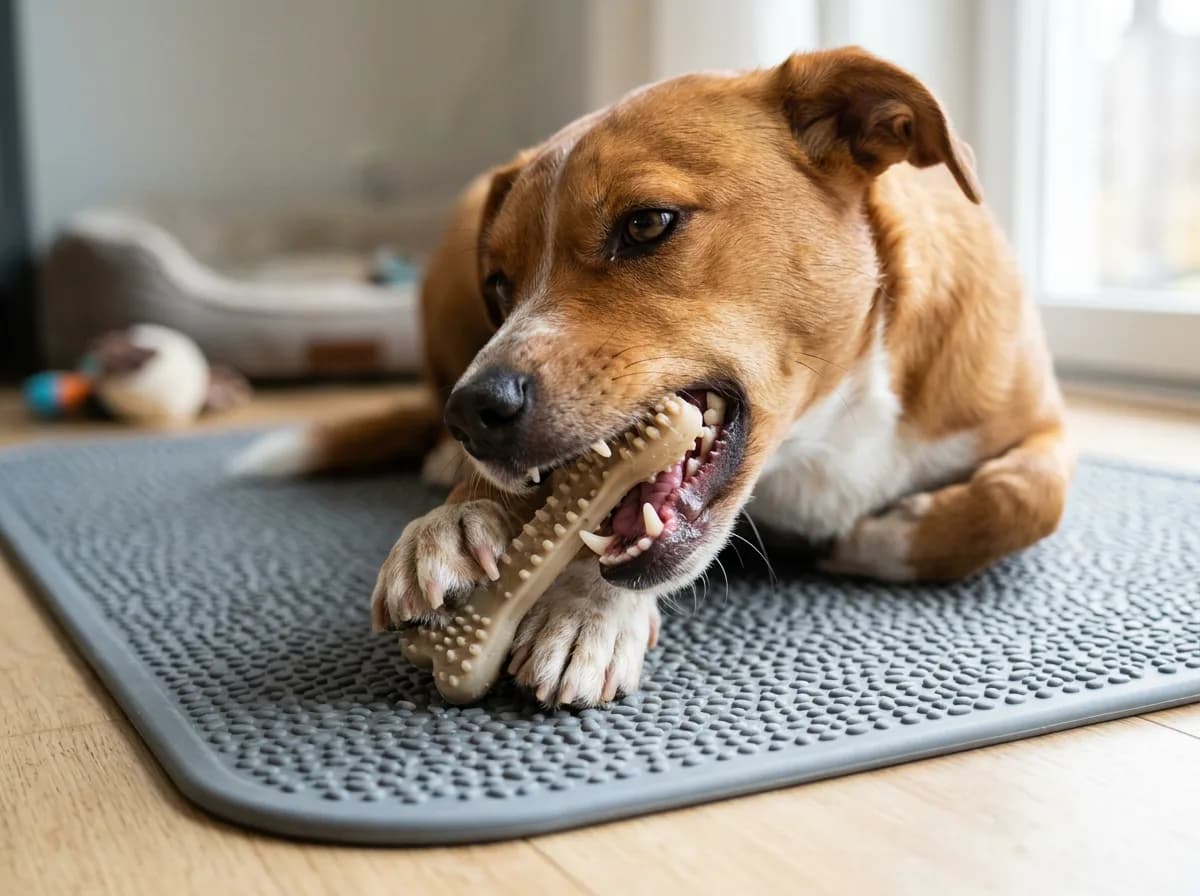
Texture should match chewing behavior. A slow careful chewer may benefit from a different product than a dog that cracks treats apart or swallows them quickly. The first few sessions tell you more than the package photo. For dog dental chews for bad breath, the practical check is to choose the plaque or tartar claim you actually need.
Calories matter most for toy breeds, overweight dogs, and dogs already getting training treats. A daily dental chew can quietly become a large snack, so compare calories before treating it like a harmless routine item. For dog dental chews for bad breath, the practical check is to pause product use when pain signs appear.
- Ingredient fit matters when a dog is on a prescription diet, food trial, low-fat plan, or sensitive-stomach routine. Check the ingredient panel before adding a chew, additive, or treat that could conflict with the existing diet.
Evidence language should be specific. Plaque, tartar, breath, whitening, and cleaning are not the same claim. Choose the product for the claim you actually need, then confirm the dog can use it safely. For dog dental chews for bad breath, the practical check is to separate breath freshness from dental disease.
Vet Care Checks
Supervision is part of the product. A chew that requires watching is not worse, but the owner has to know that before giving it during a busy moment. Watch for choking, gulping, guarding, coughing, and broken-off chunks. For dog dental chews for bad breath, the practical check is to choose the plaque or tartar claim you actually need.
- Daily use should follow the label. Daily does not mean multiple times a day, and it does not mean the product fits every dog forever. Weight gain, stool changes, itchiness, or reluctance to chew should change the plan.
Chewing Fit
The best choice may be a different format. A dog that will not chew safely may need brushing training, wipes, water additives, a dental diet, or a veterinary dental plan rather than a larger or harder chew. For dog dental chews for bad breath, the practical check is to pause product use when pain signs appear.
Small dogs deserve extra caution because their mouths may be crowded and their calorie budgets are low. A chew that looks small to a person can still be a meaningful daily treat for a tiny dog. For dog dental chews for bad breath, the practical check is to separate breath freshness from dental disease.
- Large dogs deserve a different caution. A chew that is too small, brittle, or quick to swallow may provide little dental action and can create choking or digestive risk. Bigger dogs still need size discipline.
Senior dogs need a comfort check. If a dog that once loved chews starts dropping them, chewing on one side, or avoiding hard textures, the next purchase should wait until the mouth is checked. For dog dental chews for bad breath, the practical check is to choose the plaque or tartar claim you actually need.
Product Checks
Bad breath should not be treated as only a shopping problem. Mild odor may improve with routine care, but severe or sudden odor with gum changes, drooling, or appetite changes needs veterinary attention. For dog dental chews for bad breath, the practical check is to pause product use when pain signs appear.
- Compare monthly routine cost rather than only package price. Chews, additives, toothbrushes, wipes, and dental diets all run out on different schedules, and a product that gets wasted is more expensive than one the dog uses correctly.
Small-Dog Cautions
A repeatable routine beats a perfect plan that never happens. If brushing is not realistic yet, choose the safest support tool and keep building toward better mouth handling over time. For dog dental chews for bad breath, the practical check is to separate breath freshness from dental disease.
Multi-dog homes should not default to one shared product. Each dog may need a different size, calorie limit, texture, or diet restriction. Separate routines reduce mistakes and make supervision easier. For dog dental chews for bad breath, the practical check is to choose the plaque or tartar claim you actually need.
- The final buying check is whether the product still makes sense after a dental exam. If the veterinarian finds disease, painful teeth, or diet restrictions, the home routine may need to change completely.
One more useful check for dog dental chews for bad breath is whether the recommendation still makes sense on an ordinary day, not just in the moment that triggered the search. If the product requires constant supervision, unusual effort, or perfect conditions, treat it as a narrow-use option rather than the default choice for every household.
Routine Checks
The comparison should also account for owner follow-through. The best product is the one the household can use correctly, clean when needed, replace on schedule, and stop using when the pet shows discomfort or avoidance. For dog dental chews for bad breath, the practical check is to pause product use when pain signs appear.
- A strong buying decision includes skip cases. Some pets need a different product type, a slower introduction, a lower-intensity option, or a veterinary conversation before the item belongs in the routine.
When a Chew Is Not Enough
When two dog dental chews for bad breath options look similar, choose the one with clearer sizing, instructions, materials, cleaning notes, and safety limits. Those details reduce returns and make the recommendation easier to use after the package arrives.
The right dog dental chews for bad breath choice should solve the reader's actual problem without creating a new one. For dog dental chews for bad breath and tartar, that means balancing convenience, safety, fit, durability, cost, and how the pet behaves after the product is introduced.
- Multi-pet homes should buy for the most sensitive user first. A product that works for a confident adult may not fit a puppy, kitten, senior, large breed, timid pet, or pet with a history of chewing, slipping, gulping, or avoiding gear.
Price only matters after the product matches the use case. A cheaper option that the pet avoids, destroys, outgrows, or uses incorrectly costs more than a slightly stronger product that solves the original problem cleanly. For dog dental chews for bad breath, the practical check is to separate breath freshness from dental disease.
Size and Diet Checks
Look for instructions that make the product easy to use correctly. Clear size ranges, cleaning directions, age or weight limits, introduction steps, and warnings are signs that the manufacturer understands real household use. For dog dental chews for bad breath, the practical check is to choose the plaque or tartar claim you actually need.
- Before treating dog dental chews for bad breath as solved, confirm the product fits the pet, the room or route, the daily routine, and the safety limits described above. If one of those checks fails, choose the safer format instead of forcing the original pick.
Evidence Notes
For dog dental chews for bad breath, the AVMA pet dental care guide explains why home care, exams, and professional cleanings still matter. For product evidence, check the VOHC accepted products list and match the seal claim to the exact product, size, and use directions.
Related Petful Guides
For dog dental chews for bad breath, use these related Petful guides when your buying question gets more specific.
- Dog Dental Chews Compared: VOHC, Ingredients, Size, and Safety: dog dental chews.
- VOHC Dog Dental Chews: What the Seal Means Before You Buy: VOHC dog dental chews.
- Dog Dental Chews vs Brushing vs Water Additives: dog dental chews vs brushing.
More Related Guides
- Dental Chews for Small Dogs vs Large Dogs: dental chews for small dogs vs large dogs.
- Can Dogs Have Dental Chews Every Day?: can dogs have dental chews every day.
They can help mild breath related to oral buildup, especially when used consistently and correctly. Severe or persistent bad breath needs veterinary attention.
Look for chews with a tartar claim and, ideally, current VOHC acceptance for that claim. Check the exact product and size.
Bad breath is serious when it is severe, sudden, persistent, or paired with red gums, bleeding, loose teeth, swelling, pain, or appetite changes.
Not always. Some breath treats mainly freshen odor, while dental chews may target plaque or tartar through texture and evidence-backed claims.
Dental chews may help routine odor from plaque and food debris, but persistent bad breath can signal dental disease, infection, stomach issues, or another health problem. A lasting smell deserves a vet check.
Dental chews are better at supporting routine plaque and tartar control than removing heavy existing tartar. If tartar is thick, painful, or near the gumline, professional dental care may be needed.

Coreen Saito is a pet writer and longtime shelter volunteer with more than a decade in animal rescue. She covers cat behavior, breed care, and the small, ordinary science of sharing a life with companion animals, with a particular focus on honest takes about the products and decisions that actually matter. At home in Arizona, she's outranked by Mac (a dog with the loudest opinion in the house), Rebel (a cat who governs by quiet authority), and Meri (an orange tabby who runs the late shift and the laundry basket). She writes about all three, plus the rescues that keep coming through her life, at LifeWithMinty.com.
Sign up for expert-backed reviews and safety alerts all in one place.