Dog Dental Chews vs Brushing vs Water Additives
Compare dog dental chews vs brushing and water additives so you can build a realistic home dental routine without treating any product as a magic fix.
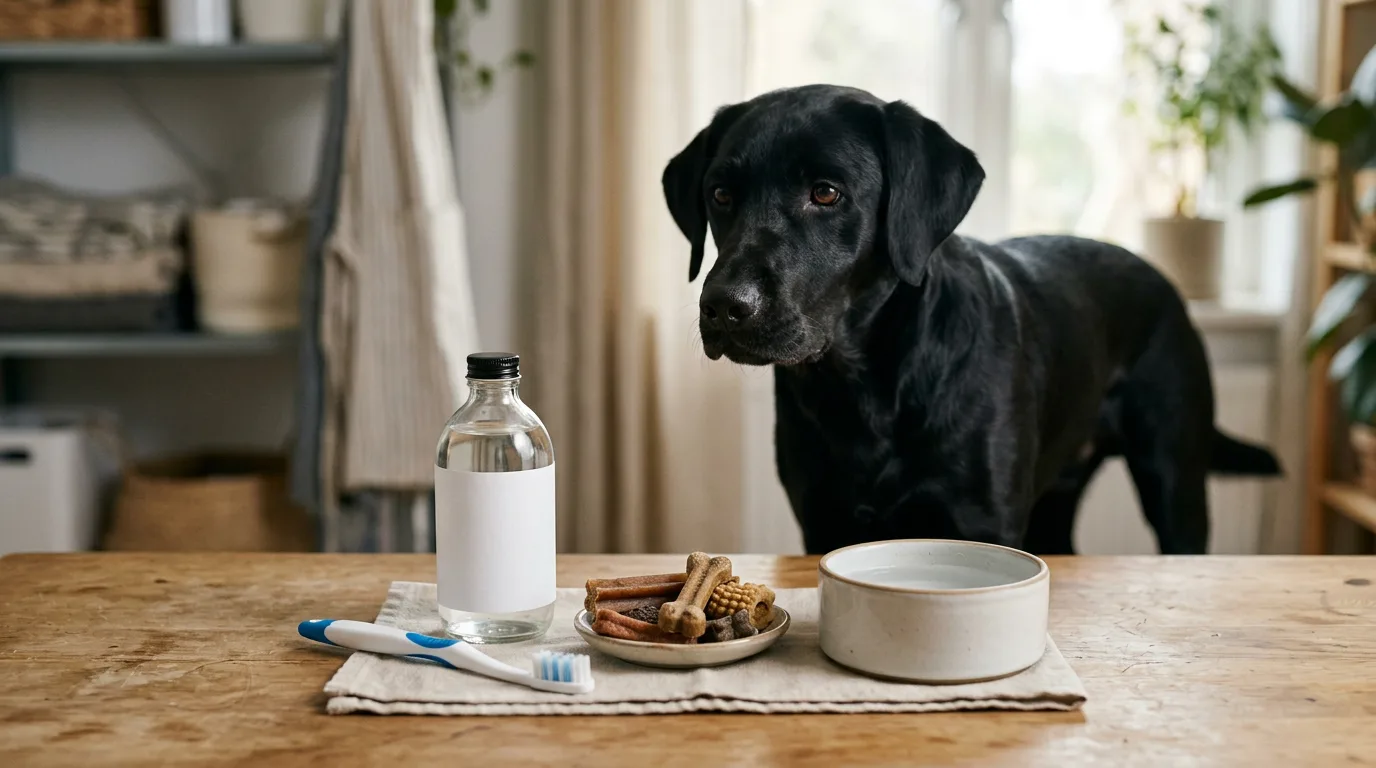
Chews, brushing, and water additives solve different parts of the dental routine.
Petful is reader supported. As an affiliate of platforms like Amazon and Chewy, we may earn a commission when you buy through links on this page. There is no extra cost to you.
Dog dental chews vs brushing is the real decision for many owners. Chews are easier for many households, brushing is still the strongest home-care habit, water additives can support a routine, and professional cleanings handle what home products cannot. This comparison helps you combine tools without overtrusting any single product.
- 1Brushing is the strongest home-care habit when a dog will tolerate it.
- 2Dental chews can help when they are evidence-backed, correctly sized, and supervised.
- 3Water additives are convenient but should be judged by claim, ingredient fit, and whether the dog drinks normally.
- 4The best routine is the one the owner can repeat safely, with veterinary cleanings when needed.
- If your dog allows brushing, make that the foundation. Add a dental chew for chewing support and use water additives only when they fit the dog's diet and drinking habits. If brushing is not realistic yet, choose a correctly sized dental chew and build toward mouth handling gradually.

Sign up for expert-backed reviews and safety alerts all in one place.
Dental Care Options Compared
Use the broad dog dental chews compared guide for product fit. Use this page when the question is whether to choose chews, brushing, water additives, wipes, or a combined routine.
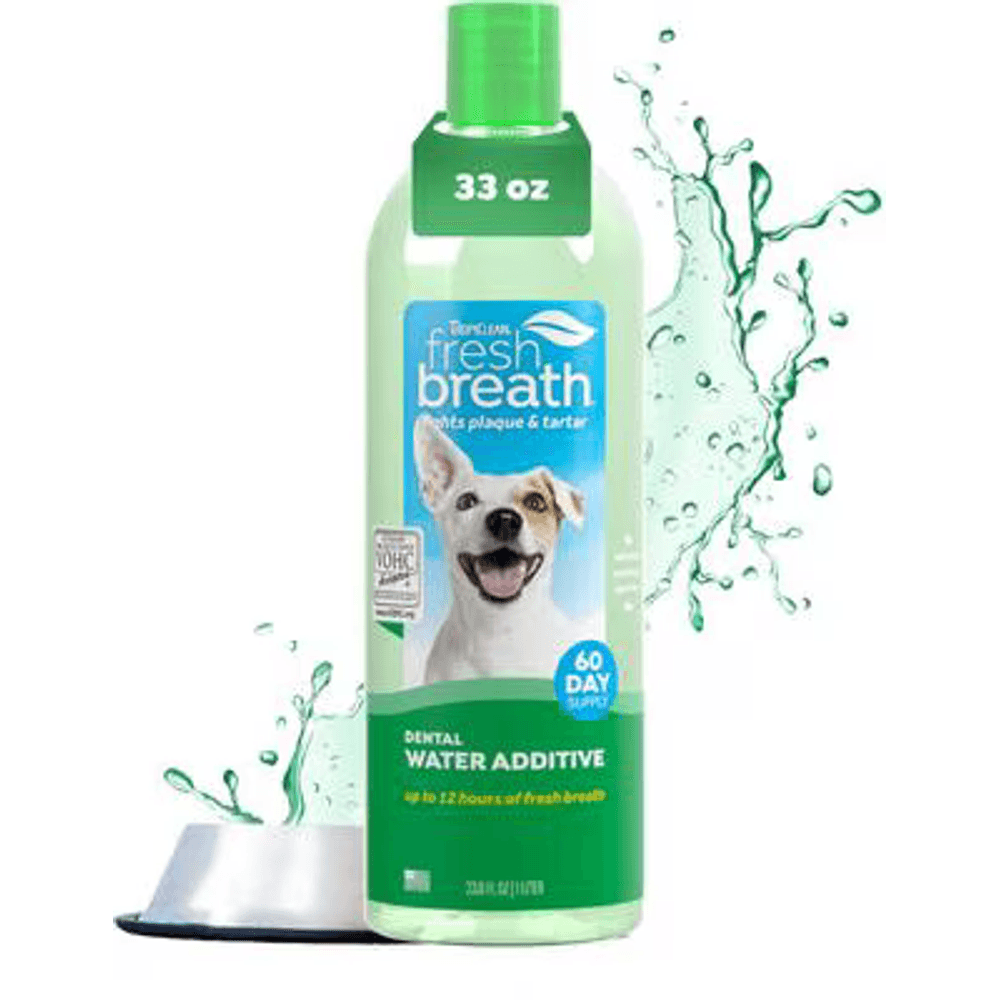
A no-brushing dental water additive: add one capful to your dog's water bowl daily to fight plaque and tartar and freshen breath for up to 12 hours. One 33.8-oz bottle is about a 60-day supply.
Petful may earn a commission when you click through to Chewy, at no extra cost to you.
| Option | Strength | Limit |
|---|---|---|
| Brushing | Direct plaque disruption at the gumline | Requires training, patience, and safe toothpaste |
| Dental chews | Easy daily habit for many dogs | Adds calories and depends on chewing style |
| Water additives | Low-effort routine support | Not all dogs drink enough or tolerate ingredients |
| Wipes | Easier than brushing for some dogs | Less complete than a brush when used alone |
| Professional cleaning | Deep cleaning and exam under veterinary care | Not a daily home-care substitute |
For this mixed-routine comparison, TropiClean Fresh Breath Dental Water Additive is the additive example, Jasper 360 Dog Finger Toothbrush is the mouth-handling bridge, Virbac C.E.T. Enzymatic Toothpaste is the brushing-support example, and Greenies Regular Dental Treats is the chew reference.
When Chews Make Sense
Chews make sense when the dog actually chews, the product matches the dog's size, and the owner can supervise. They are especially useful for owners who are still training a dog to accept brushing.
For evidence-first products, the VOHC dog dental chews guide explains how to read accepted claims before buying.
When Brushing Wins
Brushing wins when the owner can reach the gumline consistently and the dog tolerates the routine. Use pet toothpaste only, start with short sessions, and build gradually. If the dog snaps, panics, or has mouth pain, stop and ask your veterinarian.
Where Water Additives Fit
Water additives can be helpful for some homes because they require little handling, but they are not a replacement for mechanical cleaning. Check ingredients, measure correctly, and watch whether the dog drinks less after the additive is introduced.
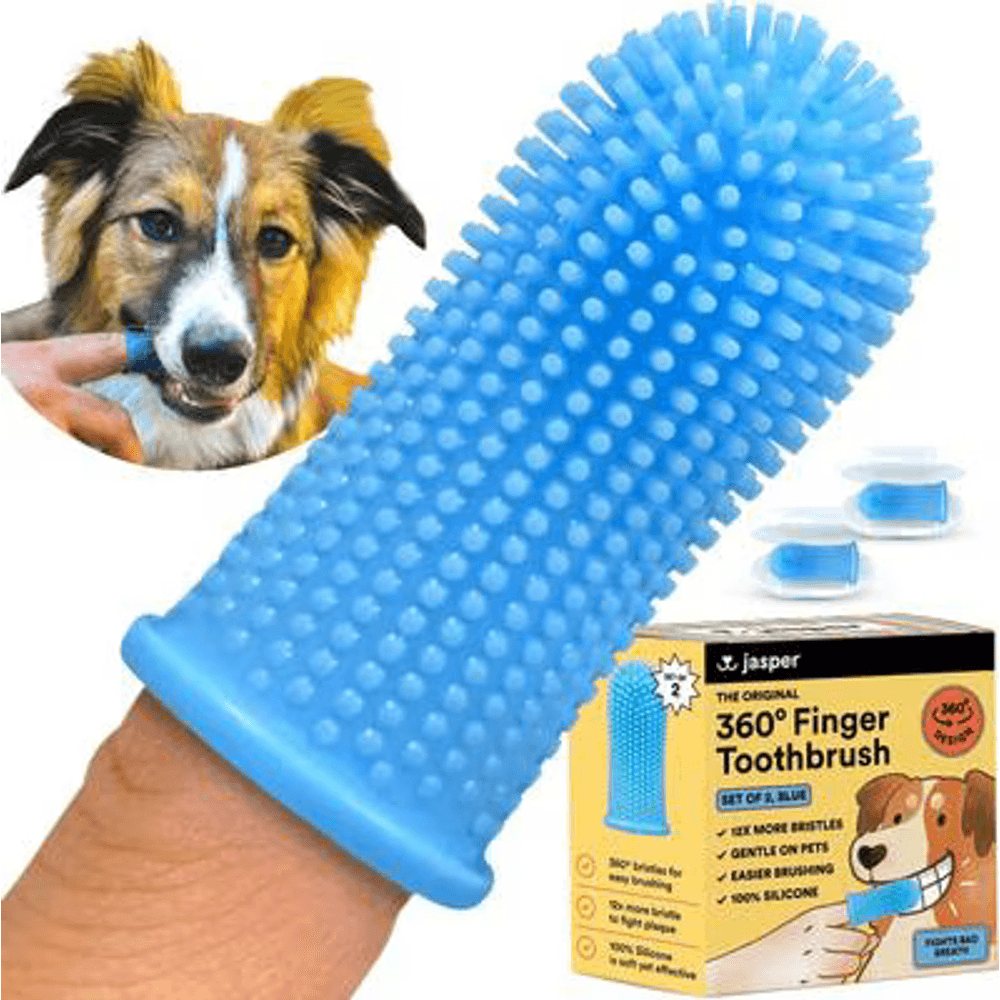
A 360-degree silicone finger toothbrush that brushes every side of a tooth at once. Gentle on gums and ideal for dogs new to brushing or owners who find a handled brush awkward.
Petful may earn a commission when you click through to Chewy, at no extra cost to you.
Routine Recipes
| Owner situation | Better starting routine | Next step |
|---|---|---|
| Dog accepts brushing | Brush most days plus optional chew | Add vet-approved products as needed |
| Dog hates brushing | Chew plus mouth-handling practice | Train toward short brushing |
| Tiny dog | Small dental chew and calorie tracking | Prioritize brushing because crowding risk is higher |
| Busy owner | Repeatable chew or additive routine | Schedule dental exams and build brushing slowly |
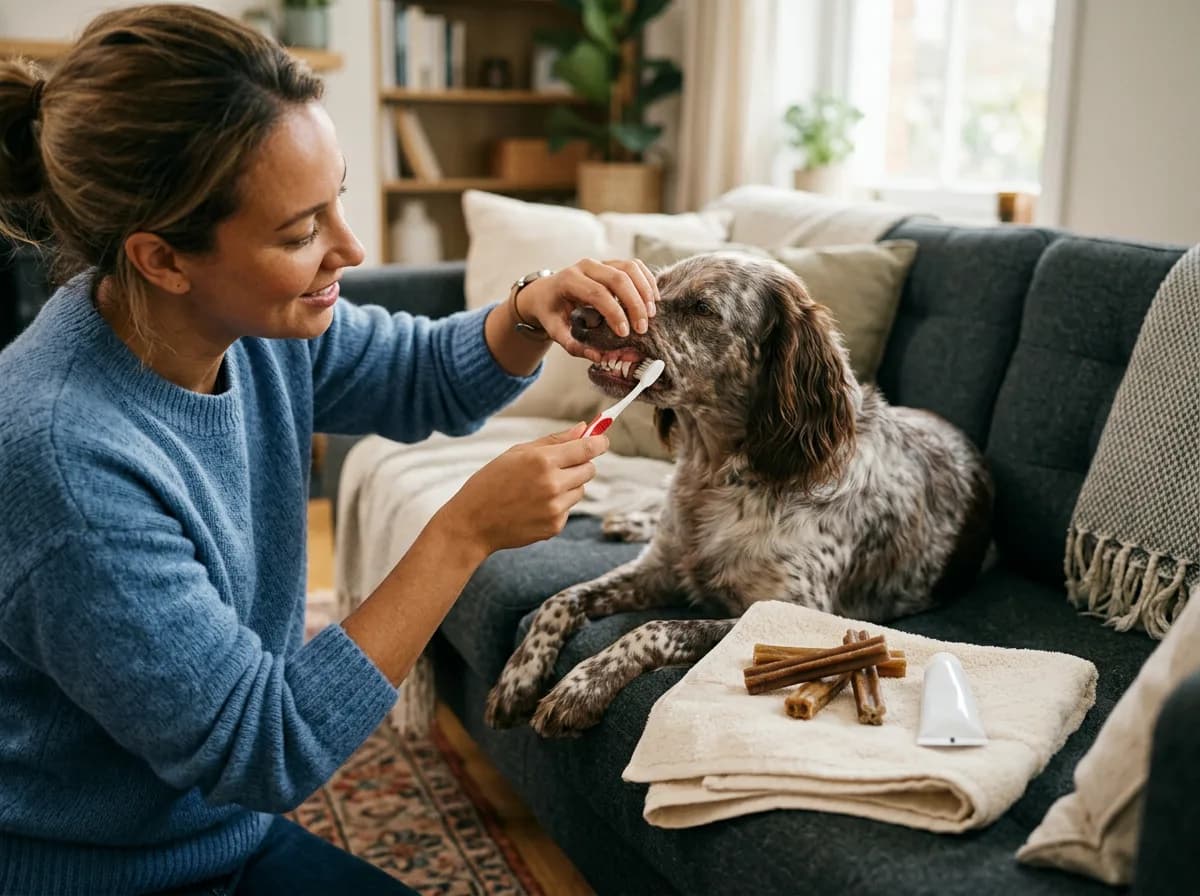
How to Choose Between Chews, Brushing, and Additives
Dental chews, brushing, and water additives are not interchangeable. Brushing gives direct plaque removal when a dog tolerates it. Chews can make a routine easier for safe chewers. Additives may help households that need a non-chew option, but they still need correct use.
- If a dog will safely chew and the calories fit, a dental chew can support the routine. If the dog gulps, has mouth pain, or cannot spare the calories, brushing training, wipes, additives, or veterinary guidance may be the better path.
Match the tool to the daily bottleneck
Readers searching this comparison usually know brushing is recommended but need a realistic plan. Choose the tool you can use consistently without pretending one product replaces every other part of dental care.
| Reader situation | Better direction | Watchout | Next check |
|---|---|---|---|
| Dog tolerates mouth handling | Build a brushing habit | Quitting before training progresses | Brush comfort |
| Dog refuses brushing but chews safely | Use a properly sized dental chew | Chews that vanish in one bite | Chewing style |
| Dog gulps treats | Consider non-chew tools and vet guidance | Harder treats given unsupervised | Swallowing risk |
| Calorie-restricted dog | Prioritize brushing or non-edible options | Daily edible chews layered on treats | Calorie budget |
| Busy household | Choose the routine that will actually happen | Buying several tools with no schedule | Consistency |
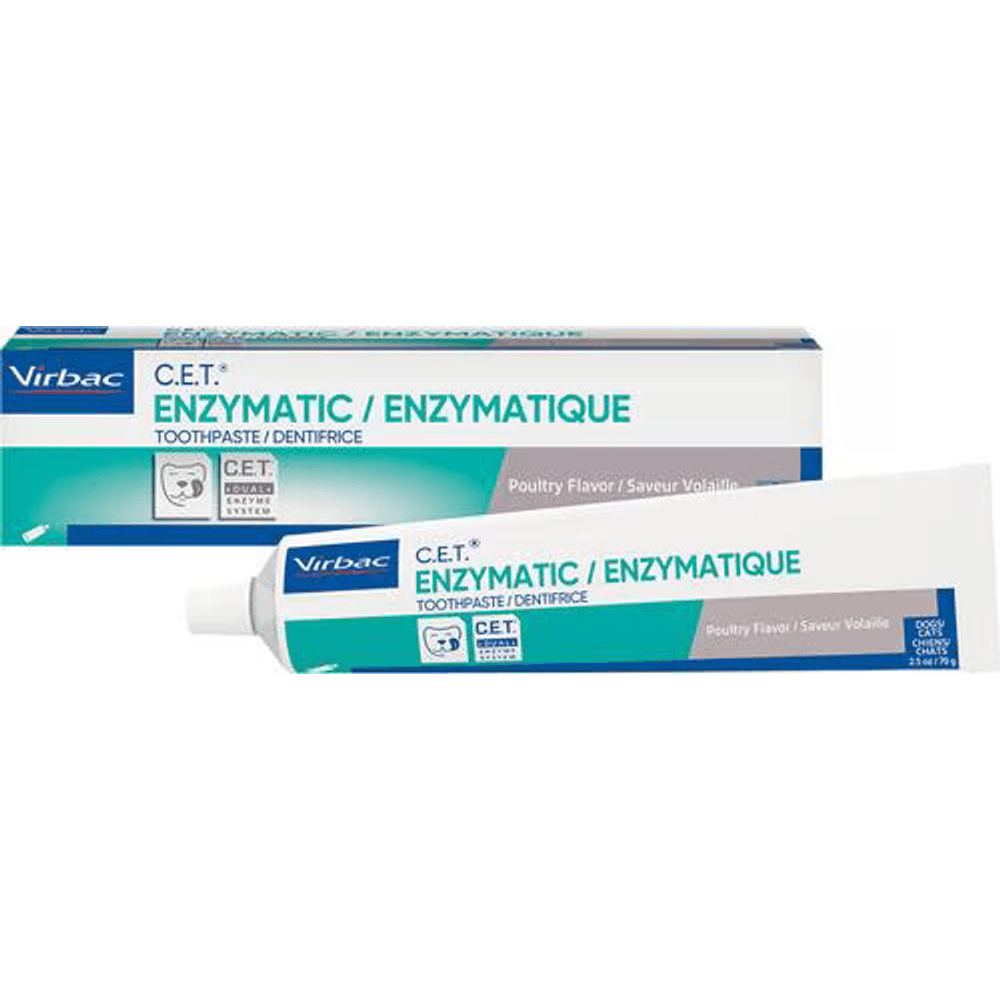
The vet-favorite enzymatic toothpaste. Its dual-enzyme system keeps working between brushings to control plaque and freshen breath, and the poultry flavor makes daily brushing easy.
Petful may earn a commission when you click through to Chewy, at no extra cost to you.
- Adding a chew, additive, wipe, and toothpaste in the same week makes it harder to spot digestive problems or refusal. Introduce one change at a time and judge the dog's response.
| Before you buy | Why it matters | Pass signal |
|---|---|---|
| Safety | The tool must fit the dog first | No gulping, pain, or diet conflict |
| Evidence | Claims should match the goal | Plaque or tartar support is clear |
| Schedule | Inconsistent care weakens results | Household can repeat the routine |
| Stop rule | Symptoms should pause product use | Mouth pain or bleeding triggers a vet call |
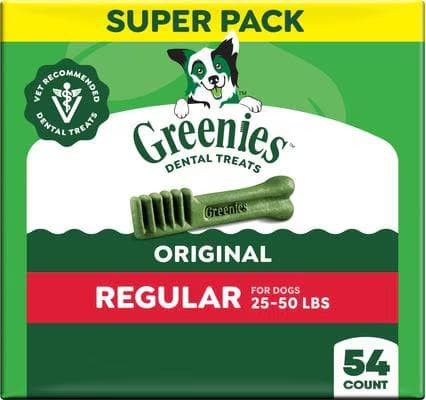
Daily dental chew that cleans teeth, freshens breath, and is accepted by the Veterinary Oral Health Council. Sized for dogs 25 to 50 lbs.
Petful may earn a commission when you click through to Chewy, at no extra cost to you.
Reader Shortcuts
- Choose brushing when direct plaque removal is possible.
- Choose dental chews when the dog chews safely and calories fit.
- Choose additives or wipes when chewing is not a safe or realistic route.
- The best a dog dental care routine earns its place during real use. Watch what your pet does in the first week, then adjust the placement, size, material, route, or routine before buying duplicates.
Daily Consistency
The routine has to make room for imperfect owners. Advice that says only brushing matters may be medically tidy but practically useless for the owner whose dog will not allow it yet. The helpful answer is a safe bridge routine that starts where the dog and owner are today.
Brushing and chews should not be judged only by convenience. Brushing reaches the gumline when the owner can do it correctly, while chews depend on the dog chewing long enough for texture to matter. A dog that swallows treats quickly may get calories without much dental benefit.
- Water additives need a compliance check. If the taste changes how much the dog drinks, the product can create a new problem. Owners should measure carefully, clean bowls often, and stop if the dog avoids the water, vomits, develops loose stool, or seems less interested in drinking.
Wipes and finger brushes can bridge the gap for dogs that panic at a full toothbrush. They give the owner a way to build mouth handling, touch the gumline lightly, and create a repeatable habit. They are still less complete than brushing, so the routine should improve over time when the dog allows it.
Routine Checks
Professional cleanings belong in the routine decision because home products do not diagnose pain, loose teeth, periodontal pockets, or problems below the gumline. Chews, brushing, wipes, and additives are maintenance tools; they do not replace an exam when the dog has symptoms.
- A realistic routine can start small. For a dog that refuses brushing, begin with lip lifts and toothpaste tasting, add a wipe or finger brush, then introduce a correctly sized chew for chewing support. The best plan is the one the household can repeat safely for months.
The choice also changes by risk. A young healthy dog with good chewing habits may do well with brushing plus a daily chew. A senior dog with worn teeth may need softer home care. A dog on a prescription diet may need veterinary approval before any chew or additive.
Chews
Product selection should also respect diet. Water additives, chews, and treats can conflict with food trials, prescription diets, low-fat plans, or calorie restriction. That caveat improves trust and helps the reader avoid a routine that conflicts with veterinary advice.
A good transition plan separates training from cleaning. The first week may be only muzzle touches, lip lifts, and toothpaste tasting. The next step may be one side tooth for a few seconds. Chews or wipes can support the routine while the dog learns, but they should not become the reason training stops.
- Chews work best when the dog spends time chewing across several tooth surfaces. If the chew disappears in seconds, the owner should not assume the dental job happened. In that case, a different size, different texture, wipe, brush, or additive may fit better.
Water additives are easiest for the owner, but they can be the easiest to misuse. Too much product, dirty bowls, flavor refusal, or irregular drinking can weaken the plan. The label should guide the amount, and the dog should always have normal water interest.
Size and Diet Checks
Brushing frequency also needs plain expectations. Daily is the strongest home-care target, but several times a week can still be better than giving up entirely. Owners who cannot brush daily should build a repeatable baseline and improve it rather than abandoning mouth care.
- The routine should change when symptoms appear. Bleeding, swelling, pawing at the mouth, loose teeth, drooling, appetite change, or severe odor means the decision is no longer chews versus brushing. It is time for a veterinary dental conversation.
Small dogs often need brushing emphasized earlier because crowded teeth and tiny calorie budgets make daily chews harder to fit. A small chew can still be useful, but it should not crowd out brushing practice or add too many calories.
Brushing
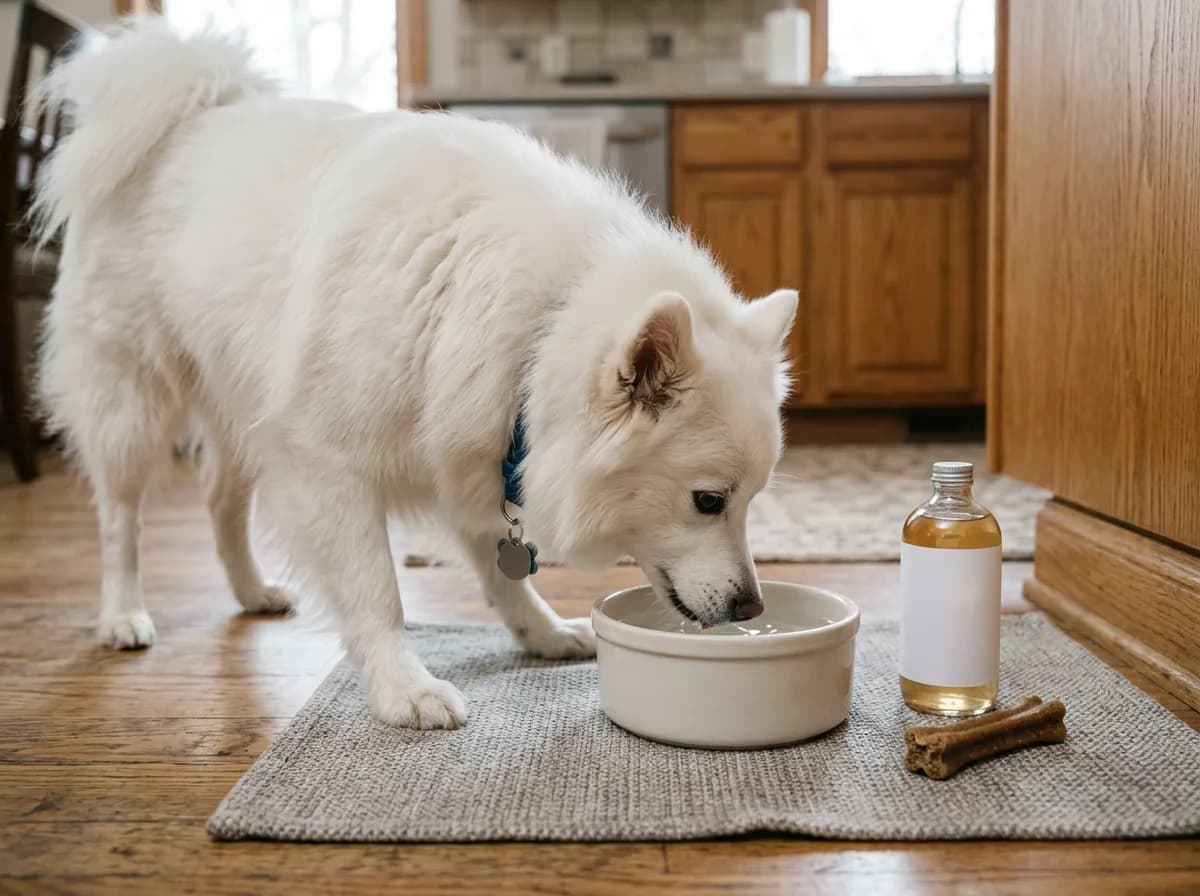
Large dogs often need supervision emphasized earlier because size alone does not stop gulping. A large chew that breaks into chunks can still be risky. Owners should watch the first sessions and choose texture based on chewing behavior, not only body weight.
For dogs with sensitive stomachs, add only one dental tool at a time. Starting a chew, additive, and new toothpaste in the same week makes it harder to identify vomiting, diarrhea, itching, or refusal. A slow introduction protects both the dog and the routine.
- Cost should be compared by month, not by package. A daily chew, weekly wipe routine, additive bottle, toothbrush, and professional cleaning all have different replacement rhythms. The cheapest package is not always the cheapest repeatable plan.
Owner effort is a real buying factor. A household that can brush three nights a week may need a different product mix than a household that can only manage supervised chews. The recommendation should fit the household's follow-through without pretending effort does not matter.
Safety Checks
The strongest answer is usually a layered plan: brush when the dog allows it, use a correctly sized chew for chewing support, consider an additive only if drinking remains normal, and keep veterinary exams on the calendar. That keeps each tool in its proper role.
- No home product should be used as a reason to delay care. If the dog is painful, refuses food, has facial swelling, or suddenly changes chewing behavior, the dental routine should pause until a veterinarian checks the mouth.
For puppies and newly adopted dogs, the best early win may be comfort with mouth handling. Short calm sessions can make later brushing easier and reduce the need to rely only on treats. A chew can be part of the habit, but training the dog to accept touch has long-term value.
Water Additives
For senior dogs, the routine should be gentler and more watchful. A dog that used to chew well may start avoiding hard textures because of pain. Softer tools, wipes, or a veterinary dental plan may be safer than pushing the same chew routine forever.
For multi-pet homes, keep dental products separate. A chew sized for one dog may be unsafe for another, and water additives may not fit every diet. Separate routines prevent the easiest pet from dictating the plan for the whole household.
- The label should drive the purchase. Check the dog's weight band, feeding frequency, calorie count, supervision language, and whether the product is meant for plaque, tartar, breath, or general chewing. That prevents a breath treat from being used as if it were a full dental-care plan.
The safest buying path is to match the chew to the dog's mouth, not the other way around. Small dogs need smaller pieces and lower calories. Large dogs need enough size to encourage chewing instead of gulping. Seniors or dogs with sore mouths may need a dental exam before any new chew routine. For dog dental chews vs brushing, the practical check is to choose the tool the household can repeat.
Vet Care Checks
A good dog dental chews vs brushing vs water additives choice also leaves room for brushing, exams, and professional cleaning when needed. Dental chews can support home care, but they should not hide loose teeth, bleeding gums, mouth pain, sudden chewing changes, or persistent bad breath.
- Introduce one dental product at a time and watch stool quality, chewing style, and interest over several days. If the dog swallows large pieces, guards the chew, vomits, or seems uncomfortable, stop using that product and choose another home-care option with veterinary guidance.
Texture should match chewing behavior. A slow careful chewer may benefit from a different product than a dog that cracks treats apart or swallows them quickly. The first few sessions tell you more than the package photo. For dog dental chews vs brushing, the practical check is to use brushing when the dog tolerates handling.
Calories and Tolerance
Calories matter most for toy breeds, overweight dogs, and dogs already getting training treats. A daily dental chew can quietly become a large snack, so compare calories before treating it like a harmless routine item. For dog dental chews vs brushing, the practical check is to avoid stacking several new dental products at once.
Ingredient fit matters when a dog is on a prescription diet, food trial, low-fat plan, or sensitive-stomach routine. Check the ingredient panel before adding a chew, additive, or treat that could conflict with the existing diet. For dog dental chews vs brushing, the practical check is to choose the tool the household can repeat.
- Evidence language should be specific. Plaque, tartar, breath, whitening, and cleaning are not the same claim. Choose the product for the claim you actually need, then confirm the dog can use it safely.
Supervision is part of the product. A chew that requires watching is not worse, but the owner has to know that before giving it during a busy moment. Watch for choking, gulping, guarding, coughing, and broken-off chunks. For dog dental chews vs brushing, the practical check is to use brushing when the dog tolerates handling.
Product Checks
Daily use should follow the label. Daily does not mean multiple times a day, and it does not mean the product fits every dog forever. Weight gain, stool changes, itchiness, or reluctance to chew should change the plan. For dog dental chews vs brushing, the practical check is to avoid stacking several new dental products at once.
- The best choice may be a different format. A dog that will not chew safely may need brushing training, wipes, water additives, a dental diet, or a veterinary dental plan rather than a larger or harder chew.
Small dogs deserve extra caution because their mouths may be crowded and their calorie budgets are low. A chew that looks small to a person can still be a meaningful daily treat for a tiny dog. For dog dental chews vs brushing, the practical check is to choose the tool the household can repeat.
When to Combine Tools
Large dogs deserve a different caution. A chew that is too small, brittle, or quick to swallow may provide little dental action and can create choking or digestive risk. Bigger dogs still need size discipline. For dog dental chews vs brushing, the practical check is to use brushing when the dog tolerates handling.
Senior dogs need a comfort check. If a dog that once loved chews starts dropping them, chewing on one side, or avoiding hard textures, the next purchase should wait until the mouth is checked. For dog dental chews vs brushing, the practical check is to avoid stacking several new dental products at once.
- Before treating dog dental chews vs brushing as solved, confirm the product fits the pet, the room or route, the daily routine, and the safety limits described above. If one of those checks fails, choose the safer format instead of forcing the original pick.
Evidence Notes
For dog dental chews vs brushing, the AVMA pet dental care guide explains why home care, exams, and professional cleanings still matter. For product evidence, check the VOHC accepted products list and match the seal claim to the exact product, size, and use directions.
Related Petful Guides
For dog dental chews vs brushing, use these related Petful guides when your buying question gets more specific. For a product-by-product buying decision, see our guide to the best dental chews for dogs.
- Dog Dental Chews Compared: VOHC, Ingredients, Size, and Safety: dog dental chews.
- VOHC Dog Dental Chews: What the Seal Means Before You Buy: VOHC dog dental chews.
- Dental Chews for Small Dogs vs Large Dogs: dental chews for small dogs vs large dogs.
More Related Guides
- Dog Dental Chews for Bad Breath and Tartar: dog dental chews for bad breath.
- Can Dogs Have Dental Chews Every Day?: can dogs have dental chews every day.
No. Dental chews can support a routine, but brushing directly cleans the tooth surface and gumline in a way chews cannot fully duplicate.
Some may help with specific oral-health goals, but they should be chosen by evidence, ingredients, and dog fit. They should not be the only dental plan for most dogs.
Dental chews should not be treated as a full brushing replacement. They are better as a support tool, especially when brushing is difficult but still being trained.
The best routine combines repeatable home care, correctly chosen dental products, and veterinary exams. For many homes that means brushing when possible plus a safe dental chew.
Brushing is usually the stronger plaque-control habit because it directly cleans the tooth surface. Dental chews can still support the routine, especially for dogs that will not tolerate full brushing yet.
Many dogs can use both if the products fit their health needs and do not upset their stomach. Count chew calories, introduce one change at a time, and ask your vet if your dog has dental disease or medical restrictions.

Coreen Saito is a pet writer and longtime shelter volunteer with more than a decade in animal rescue. She covers cat behavior, breed care, and the small, ordinary science of sharing a life with companion animals, with a particular focus on honest takes about the products and decisions that actually matter. At home in Arizona, she's outranked by Mac (a dog with the loudest opinion in the house), Rebel (a cat who governs by quiet authority), and Meri (an orange tabby who runs the late shift and the laundry basket). She writes about all three, plus the rescues that keep coming through her life, at LifeWithMinty.com.
Sign up for expert-backed reviews and safety alerts all in one place.