Can Dogs Eat Ginger? Discover the Benefits and Potential Risks in Our Informative Guide
Can dogs eat ginger? Yes, small amounts of fresh or powdered ginger are safe and may calm nausea, motion sickness, and inflammation. Here are vet-backed serving sizes, the forms to avoid, and the dogs that should skip it entirely.


Veterinarian · BVMS, MRCVS

Petful is reader supported. As an affiliate of platforms like Amazon and Chewy, we may earn a commission when you buy through links on this page. There is no extra cost to you.
- 1Yes, dogs can eat ginger in small amounts, as it may help with digestion, nausea, and inflammation.
- 2Rich in antioxidants, ginger can support joint health and improve circulation, especially in older dogs.
- 3However, too much can cause stomach upset, and certain forms like pickled ginger or gingerbread should be avoided.

Sign up for expert-backed reviews and safety alerts all in one place.
Can Dogs Eat Ginger? The Short Answer
Can dogs eat ginger? Yes, dogs can eat ginger in small amounts. Fresh or powdered ginger is not toxic to dogs and may ease nausea, motion sickness, and inflammation, according to VCA Animal Hospitals. Keep servings tiny (a pinch up to about 1/2 teaspoon by size) and skip pickled ginger, gingerbread, and ginger snaps. The key caveat: ginger acts like a mild blood thinner, so avoid it before surgery or in dogs with bleeding disorders.
Ginger, a popular spice known for its strong flavor and medicinal properties in humans, often piques the interest of pet owners when considering natural remedies or dietary additions for their dogs. Thus, the question of “can dogs eat ginger?” is often asked, and the answer is yes. However, there are always precautions and considerations to keep in mind when feeding your animal any kind of human food, and so this article delves into the topic of feeding ginger to dogs, exploring its potential benefits, risks, and the appropriate ways to include it in a dog's diet.
Is Ginger Good for Dogs, or Is It Bad for Them?
Ginger can be beneficial for dogs in moderation and when appropriately introduced into their diet. Known for its anti-inflammatory and digestive aid properties, ginger can help alleviate nausea, calm upset stomachs, and support joint health, especially in older dogs with arthritis. However, it's crucial to consult with a veterinarian before adding ginger to your dog's diet, especially for dogs who have any health conditions or are on medication, due to potential interactions. Ginger should be considered a supplement, not as a primary treatment, and as a compliment to a well-balanced diet and proper veterinary care.
How Much Ginger Can Dogs Eat by Size?
When incorporating ginger into your dog's diet, it's crucial to adhere to size-appropriate dosages to ensure safety and avoid gastrointestinal upset. Be sure to consult with your vet before introducing ginger to your dog to determine what is a safe amount based on their own individual needs. Here's a general guideline based on dog sizes:
- Extra Small (<10 lbs): Start with a tiny amount, around 1/16 teaspoon of fresh grated ginger. Monitor for any adverse reactions.
- Small (10-25 lbs): A small dog can usually have about 1/8 teaspoon of fresh grated ginger.
- Medium (25-60 lbs): Medium-sized dogs can have up to about 1/4 teaspoon of fresh grated ginger. Ensure it's well mixed into their food.
- Large (60-100 lbs): Large dogs can generally have up to 1/2 teaspoon of fresh grated ginger. It's important to start at the lower end of this range and observe their reaction.
- Giant (100+ lbs): Giant breeds might be able to tolerate up to 3/4 teaspoon of fresh grated ginger. Ensure to always be monitoring them for any adverse reactions.
Remember, these amounts should not be given all at once but rather gradually introduced, and it's best to start with even smaller quantities to assess your dog's tolerance. Always consult with your veterinarian before offering ginger or any new food to your dog, especially if they have health issues or are on medication, to ensure it's safe and appropriate for their specific needs.
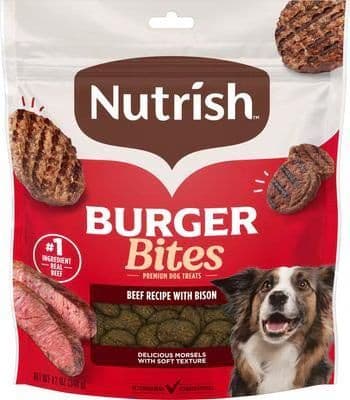
Soft, real-beef burger bites with bison, grain-free and sized for occasional training-treat sharing.
Petful may earn a commission when you click through to Chewy, at no extra cost to you.
What Are the Benefits of Ginger for Dogs?
Ginger is a root of the plant Zingiber officinale, which is widely used across the globe for cooking and healing purposes, especially for humans. It contains several bioactive compounds, such as gingerol, which are responsible for its anti-inflammatory and antioxidant properties. Here are some of its other health benefits of ginger for dogs:
- Digestion Help: Ginger is widely known for its ability to alleviate gastrointestinal discomfort and issues. It can help calm an upset stomach, reduce gas, and fight nausea, making it a potential remedy for dogs suffering from motion sickness.
- Anti-inflammatory: The anti-inflammatory properties of ginger can be beneficial for dogs with joint pain or arthritis.
- Cardiovascular Health: Ginger may also support heart health.
- Immune Booster: The antioxidant effects of ginger can help support the immune system, aiding in the fight against infections and diseases.
Precautions and Risks
While it may be generally safe for dogs to have a bit of ginger, there are still some precautions to keep in mind and risks to consider:
- Dosage Concerns: The appropriate dosage of ginger for dogs depends on their size, age, and health condition. Eating too much can lead to gastrointestinal issues, resulting in symptoms like diarrhea or heartburn.
- Interactions with Medications: Ginger has blood-thinning properties, which could interact with medications. Always consult with a veterinarian before introducing ginger to a dog on medication.
- Underlying Health Issues: For dogs with underlying health conditions, such as gallbladder disease or a history of heart conditions, ginger might not be suitable. Be cautious and make sure to consult with your vet before feeding your dog ginger.
How to Feed Your Dog Ginger
To ensure your pup is getting their nutrition in a healthy and proper way, here are some preparation tips for incorporating ginger into their diet.
- Consultation with a Vet: Prior to adding ginger to your dog's diet, a consultation with a veterinarian is crucial to ensure it's safe for your pet's specific needs.
- Start Small: If your vet approves, introduce ginger in controlled, small amounts. A general guideline is to start very small and monitor for adverse reactions.
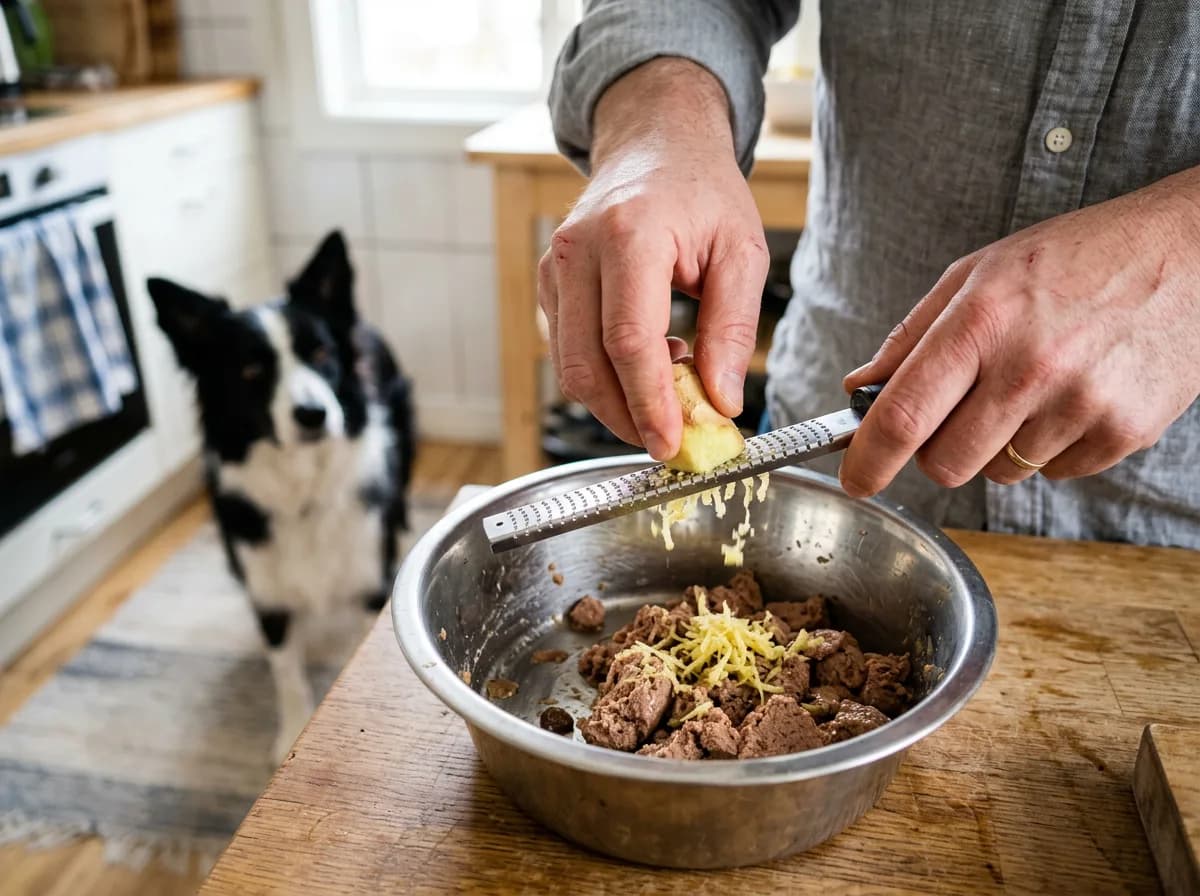
- Proper Preparation: Fresh ginger is preferable over powdered forms for dogs. Ensure it's peeled and then finely grated or minced to avoid choking hazards and to make digestion easier for them.
- Incorporation: You can mix the ginger into your dog's regular food to help mask the strong taste and ensure it's well ingested.
- Observe for Reactions: Monitor your dog for any adverse reactions after consuming ginger, such as changes in appetite, behavior, or digestive issues.
What Are the Signs of a Ginger Allergy in Dogs?
Ginger allergies in dogs are relatively rare, but they do still occur. If your dog is allergic to ginger, you might notice one or more of the following symptoms after consumption:
- Skin Irritations: Look for signs like itching, redness, hives, or rash on the skin. Your dog might scratch, lick, or bite at the irritated areas constantly.
- Gastrointestinal Distress: Symptoms can include vomiting, diarrhea, excessive drool, or discomfort after eating.
- Swelling: There might be swelling around the mouth, face, or throat.
- Breathing Difficulties: An allergic reaction can lead to difficulty breathing, wheezing, or an increased respiratory rate.
- Lethargy: Your dog may appear unusually tired, less active, or show a lack of interest in activities they normally enjoy.
- Ear Infections: Recurrent ear infections can sometimes be a sign of a food allergy.
- Runny Eyes or Nose: Allergies can cause increased tear production or a runny nose, similar to allergic reactions in humans.
If you suspect your dog is having an allergic reaction to ginger, it's important to stop feeding it to them immediately and consult with a veterinarian. In the case of severe reactions, such as significant swelling or breathing difficulties, urgent veterinary care is needed as it may be an anaphylactic reaction, which can be life-threatening.
Thus, ginger can be a beneficial addition to a dog's diet when used appropriately and under veterinary guidance. Its medicinal properties can possibly help with digestion, inflammation, and overall well-being. However, it's essential to respect the appropriate dosages and consider individual health conditions to avoid potential risks.


Pumpkin-flavored probiotic soft chews that support healthy gut flora and digestion in dogs.
Petful may earn a commission when you click through to Chewy, at no extra cost to you.
Frequently Asked Questions (FAQ)
| Dog Size | Approx. Weight | Max Fresh Grated Ginger | Notes |
|---|---|---|---|
| Extra small | Under 10 lbs | About 1/16 tsp | Start with a few shreds and watch for any upset |
| Small | 10-25 lbs | About 1/8 tsp | Mix well into food; introduce gradually |
| Medium | 25-60 lbs | Up to 1/4 tsp | Begin at the low end of the range |
| Large | 60-100 lbs | Up to 1/2 tsp | Start low and observe for reactions |
| Giant | Over 100 lbs | Up to 3/4 tsp | Never give the full amount all at once |
What Forms of Ginger Are Safe (and Which to Avoid)?
The form of ginger matters more than the ginger itself. Plain fresh ginger root, peeled and finely grated, is the safest choice for dogs. Pure ginger powder works too, but because it is more concentrated, use only a pinch. Cooked ginger blended into a boneless, unseasoned recipe is also fine.
The problems start with processed and flavored ginger. Pickled ginger (the pink slices served with sushi) is loaded with vinegar, salt, and added sugar. Gingerbread, ginger snaps, ginger snap cookies, and candied or crystallized ginger pack sugar and sometimes nutmeg, chocolate, or xylitol, which are all dangerous for dogs. Ginger ale offers almost no real ginger and a lot of sugar or artificial sweetener.
When in doubt, ask one question: is anything added besides ginger? If the answer is yes, it is safer to skip it and stick to plain fresh or powdered ginger.
Can Dogs Eat Ginger Snaps, Gingerbread, or Pickled Ginger?
No, dogs should not eat ginger snaps, ginger snap cookies, or gingerbread. These baked goods are built around sugar, butter, and warming spices like nutmeg, which is toxic to dogs in larger amounts. Some recipes also contain raisins or the sweetener xylitol, both of which are seriously dangerous. The trace of ginger inside does not make the cookie healthy.
Pickled ginger and sushi ginger are also a no. The pickling brine is high in salt and vinegar, and many versions add sugar and dye. A single nibbled slice is unlikely to poison a healthy dog, but it is the wrong way to give ginger and offers no benefit.
If your dog grabs one cookie or one slice of pickled ginger off the floor, do not panic, but watch for vomiting or diarrhea. Call your vet or the ASPCA Animal Poison Control Center if the treat contained chocolate, raisins, macadamia nuts, or xylitol, or if symptoms are severe.
- Xylitol, a sweetener found in some baked ginger treats, sugar-free candy, and certain peanut butters, is extremely toxic to dogs and can cause life-threatening low blood sugar and liver failure. Always read the label before sharing any human ginger product.
Which Dogs Should Not Eat Ginger?
Ginger is safe for most healthy dogs, but a few should skip it unless a veterinarian says otherwise. Because ginger has mild blood-thinning effects, dogs scheduled for surgery should stop ginger at least two weeks beforehand, and dogs with bleeding or clotting disorders should avoid it entirely.
Use caution with dogs on prescription medications, especially blood thinners, NSAIDs, blood pressure drugs, and diabetes medication, since ginger can interact with them. Dogs with gallbladder disease, heart conditions, or who are pregnant should only have ginger under direct veterinary guidance.
For everyday healthy dogs and puppies, ginger is best treated as an occasional add-in, not a daily supplement. When in doubt, a quick call to your vet settles it.
- Stop feeding ginger at least 2 weeks before any scheduled surgery. Its blood-thinning effect can increase bleeding risk during procedures.

Multiple ridges and valleys slow eating, reduce gas and bloating, and turn mealtime into a fun puzzle. Non-skid base, dishwasher safe, 4-cup capacity.
Petful may earn a commission when you click through to Chewy, at no extra cost to you.
What Happens If a Dog Eats Too Much Ginger?
Too much ginger is more likely to upset your dog's stomach than to cause an emergency. The usual signs of overdoing it are gas, mild diarrhea, heartburn, or temporary nausea. These typically pass on their own within a day once you stop offering ginger.
If your dog ate a large amount of plain ginger, offer fresh water, hold off on more treats, and feed a bland meal at the next feeding. Watch for ongoing vomiting, blood in the stool, lethargy, or signs of pain, and call your vet if any of those appear or if your dog is on medication.
The bigger risk usually is not the ginger itself but the other ingredients in human ginger foods, so always factor in sugar, spices, and sweeteners when judging how worried to be.

Related Petful Guides
- can dogs eat cilantro
- can dogs eat seaweed
- can dogs eat pumpkin
- can dogs eat squash
- can dogs eat chicken bones
Keep it small and size-based. Extra-small dogs can have about 1/16 teaspoon of fresh grated ginger, small dogs about 1/8 teaspoon, medium dogs up to 1/4 teaspoon, large dogs up to 1/2 teaspoon, and giant breeds up to 3/4 teaspoon. Start below these amounts, introduce it gradually, and never give the full serving all at once.
Not every dog loves ginger; its sharp, spicy flavor is actually off-putting to many. The dogs that accept it often do so because owners mix a tiny amount into tasty wet food or broth that masks the bite. Some dogs may also seek it out when their stomach is unsettled, since ginger can ease nausea, though that is anecdotal rather than proven.
It is better to use ginger occasionally rather than daily. Small, periodic amounts are fine for most healthy dogs, but daily dosing can lead to stomach upset and, because of ginger's blood-thinning effect, is not ideal for long stretches without veterinary input. If you want ginger as an ongoing supplement, ask your vet for a dose tailored to your dog.
Healthy puppies can have a very small taste of plain fresh or powdered ginger, but their digestive systems are sensitive, so the margin for error is smaller. Use a fraction of the smallest adult serving, introduce it slowly, and check with your veterinarian first. Skip ginger entirely for puppies who are unwell or on medication.
No. Ginger snaps, ginger snap cookies, and ginger biscuits are made with sugar, butter, and spices like nutmeg that are not good for dogs, and some contain xylitol or raisins, which are toxic. The small amount of ginger inside does not offset the risk. Offer plain fresh or powdered ginger instead, or bake a dog-safe treat at home.
It may. Ginger is widely used as a natural anti-nausea aid, and many owners give a small amount before car rides to ease motion sickness. Evidence in dogs is limited, so treat it as a gentle helper, not a cure. If your dog has frequent vomiting or persistent nausea, see your vet, since prescription anti-nausea medication is often more reliable.
Dog-Safe Ginger Recipes to Try at Home
Incorporating ginger into dog-friendly recipes can provide a flavorful twist while offering health benefits. Here are a few simple recipes that use ginger in moderation. Remember to introduce any new food gradually and in small quantities to avoid digestive upset and to consult a vet first.
Ginger Chicken Broth
Ingredients: 1 chicken breast, ensure there are no bones. 2 slices of peeled, fresh ginger. 4 cups of water. Instructions:
- Place the chicken breast and ginger slices in a pot and cover with water.
- Bring to a boil, then reduce heat and simmer for about an hour.
- Remove the chicken and ginger, and let the broth cool.
- Offer a small amount of the cooled broth to your dog as a tasty drink or pour it over their regular food for added flavor.
Sweet Potato & Ginger Mash
Ingredients: 1 large sweet potato, peeled and cubed. 1/4 teaspoon of peeled, grated fresh ginger. A splash of water for mashing. Instructions: Boil the sweet potato cubes until tender. Drain and allow to cool slightly.
- Add the grated ginger and mash with a fork or potato masher, adding a little water or broth as needed to achieve a smooth consistency.
- Serve a small spoonful as a treat or mix it into your dog's regular meal.
Always watch for any signs of allergies or digestive issues when introducing new foods to your dog's diet. These recipes should be used as occasional treats and not replace a balanced dog diet. Always be sure to consult with your vet before trying new recipes.
Curious about what other foods dogs can eat? Check out these related articles below: Can Dogs Eat Cilantro? Can Dogs Eat Seaweed?
Veterinarian · BVMS, MRCVS
Dr. Pippa Elliott, BVMS, MRCVS, is a veterinarian with nearly 30 years of experience in companion animal practice. Dr. Elliott earned her Bachelor of Veterinary Medicine and Surgery from the University of Glasgow. She was also designated a Member of the Royal College of Veterinary Surgeons. Married with 2 grown-up kids, Dr. Elliott has a naughty Puggle named Poggle, 3 cats and a bearded dragon.
Sign up for expert-backed reviews and safety alerts all in one place.