Can Dogs Eat Cilantro? A Comprehensive Guide
Can dogs eat cilantro? Yes, plain cilantro is non-toxic and safe in small amounts. Here is how much to feed by dog size, which parts to skip, and the seasonings that make it dangerous.

Veterinarian · BVMS, MRCVS

Petful is reader supported. As an affiliate of platforms like Amazon and Chewy, we may earn a commission when you buy through links on this page. There is no extra cost to you.
- 1Yes, dogs can eat cilantro in small amounts, and it may even help freshen their breath.
- 2Packed with vitamins and antioxidants, cilantro can support overall health but should only be a supplement, not a main part of their diet.
- 3Introduce it gradually, as too much can cause stomach upset, and always avoid mixing it with toxic ingredients like onions.

Sign up for expert-backed reviews and safety alerts all in one place.
Can Dogs Eat Cilantro? The Short Answer
Can dogs eat cilantro? Yes, dogs can eat cilantro. Plain, fresh cilantro leaves are non-toxic and safe in small amounts, and the ASPCA does not list cilantro (Coriandrum sativum) as toxic to dogs. Feed only the leaves, keep portions tiny, and never offer cilantro mixed with onion, garlic, or heavy seasoning, since those are the real dangers. Too much can cause mild stomach upset.
Cilantro, also known as coriander, is a popular herb commonly used in dishes around the world. Plenty of people enjoy the taste and flavor it brings to meals, while others find it to have an unappealing aftertaste. Nonetheless, for dog owners, the question arises: can dogs eat cilantro? This article delves into the safety, benefits, and considerations of feeding cilantro to dogs.
Is Cilantro Safe and Good for Dogs?
Cilantro is generally considered safe for dogs to consume in small amounts. It is not toxic to canines and can be a generally okay addition to their diet when used as a supplement rather than a main. Cilantro may even be helpful in freshening up your dog’s breath and has been cited as helping some with nausea. However, as with any new food, cilantro should be introduced gradually to your dog’s diet to avoid gastrointestinal upset. Some pups might be more sensitive to new foods than others, and so consulting a vet first is always best.
How Much Cilantro Can a Dog Eat by Size?
Determining the appropriate amount of cilantro a dog can eat depends on their size and weight. Here are some general guidelines of how much cilantro a dog can likely eat:

Pure USDA-organic pumpkin puree, no fillers or additives. Adds gentle soluble fiber to firm up loose stool and settle a mildly upset stomach. A simple vet-favorite topper.
Petful may earn a commission when you click through to Chewy, at no extra cost to you.
- Extra Small (<10 lbs): For extra small dogs, a pinch of chopped cilantro is sufficient. Due to their small size, these dogs have delicate digestive systems, so it’s important to introduce cilantro in very small quantities.
- Small (10-25 lbs): Small dogs can have a little more cilantro than extra small dogs. Approximately less than 1 teaspoon of fresh, chopped cilantro.
- Medium (25-60 lbs): Medium-sized dogs can handle a bit more cilantro. Around 1 teaspoon of chopped cilantro can be offered in moderation.
- Large (60-100 lbs): Large dogs can likely consume about 2 teaspoons of chopped cilantro infrequently.
- Giant (100+ lbs): Giant dogs can have approximately 2-3 teaspoons of chopped cilantro in moderation.
It's crucial to remember that these amounts are guidelines and cilantro should be introduced slowly into a dog's diet. Individual dogs may react differently, and some may be more sensitive to new foods than others. Always observe your dog’s reaction and consult with a veterinarian before offering cilantro to your specific dog.

Soft, real-beef burger bites with bison, grain-free and sized for occasional training-treat sharing.
Petful may earn a commission when you click through to Chewy, at no extra cost to you.
What Are the Health Benefits of Cilantro for Dogs?
Cilantro is full of certain nutrients and vitamins and minerals that can benefit dogs. For example:
- Vitamins and Minerals: Cilantro contains Vitamin A, Vitamin C, and Vitamin K, as well as minerals like potassium, calcium, manganese, and magnesium, which can contribute to overall health and well-being in dogs.
- Antioxidants: Cilantro is rich in antioxidants, including beta-carotene and lutein which can help support the immune system.
- Anti-inflammatory Properties: Certain compounds in cilantro are said to have anti-inflammatory properties.
Remember, while cilantro can offer some nutritional benefits, it should only be given to dogs in small amounts and as part of a balanced diet. Additionally, it's important to monitor your dog for any adverse reactions when introducing new foods, including cilantro. It's best to first consult with a veterinarian, especially if you're unsure about feeding cilantro to your dog or have any concerns about their diet.

How Do You Safely Prepare Cilantro for Dogs?
When introducing cilantro to your dog's diet, it’s essential to start with small quantities to monitor their reaction. Here’s some tips to incorporate cilantro into your dog’s meals safely:
- Fresh Cilantro: Wash the fresh leaves thoroughly to remove any pesticides or chemicals. Chop the leaves finely to prevent choking hazards and mix them with your dog’s regular food.
- Dried Cilantro: You can use dried cilantro, but ensure it's free from any additives or preservatives. Sprinkle only a small amount over your dog’s food.
- Cilantro-Infused Treats: Some pet-friendly recipes include cilantro and they can be a good way to introduce the herb in moderation.
- Monitor: If you decide to add cilantro to your pup’s diet, be sure to consult a vet first and then keep a close eye on your dog to monitor for any adverse reactions after trying cilantro.
Potential Risks and Considerations
While cilantro is safe for dogs, there are a few risks and considerations to keep in mind:
- Allergic Reactions: As with any new food, there’s a possibility of an allergic reaction. Watch for signs of discomfort, itching, or digestive issues.
- Portion Control: Too much cilantro can cause stomach upset in dogs. It’s important to feed it in moderation.
- Herb Quality: Ensure the cilantro is fresh and free from harmful pesticides or chemicals. Organic cilantro is a preferable choice to reduce the risk of chemical exposure.
Can Dogs Be Allergic to Cilantro? Signs to Watch
Cilantro allergies in dogs are uncommon, but like any food, cilantro can potentially cause an allergic reaction in some dogs. Here are the signs to watch for that may indicate an allergy to cilantro:
- Skin Irritations: One of the most common signs of an allergic reaction in dogs is skin irritation. This can include redness, itchiness, or rash.
- Gastrointestinal Issues: Allergic reactions can affect the digestive system, leading to symptoms such as vomiting, diarrhea, or excessive gas. If your dog shows signs of stomach discomfort after eating cilantro, it could be an allergic reaction.
- Respiratory Symptoms: Though less common, some dogs might experience respiratory issues if they are allergic to cilantro. Symptoms can include coughing, wheezing, or difficulty breathing.
- Ear Infections: Dogs with food allergies can sometimes develop ear infections.
- General Discomfort or Lethargy: An allergic reaction can make a dog feel generally unwell, leading to changes in behavior such as lethargy or a decrease in appetite.
If you suspect your dog has a cilantro allergy, it's important to stop feeding them cilantro and consult with a veterinarian. The vet can help determine the cause of the symptoms and recommend appropriate treatment.
Cilantro can be a healthy and flavorful addition to your dog’s diet when introduced properly and fed in moderation. It offers nutritional benefits but should be given as a supplement rather than a primary food source. Always observe your dog’s reaction to new foods and consult with a veterinarian if you have any concerns about introducing cilantro or any other new food into their diet.
Frequently Asked Questions (FAQ)
| Dog Size | Approx. Weight | Safe Amount of Plain Chopped Cilantro | Frequency |
|---|---|---|---|
| Extra small | Under 10 lbs | A small pinch of finely chopped leaves | Occasional treat only |
| Small | 10-25 lbs | Up to about 1/2 teaspoon | A few times a week at most |
| Medium | 25-60 lbs | About 1 teaspoon | A few times a week at most |
| Large | 60-100 lbs | About 2 teaspoons | In moderation |
| Giant | Over 100 lbs | About 2 to 3 teaspoons | In moderation |
| Puppies | Any age under 1 year | A few finely chopped leaves, or skip | Rarely, after vet OK |
Can Dogs Eat Cooked Cilantro?
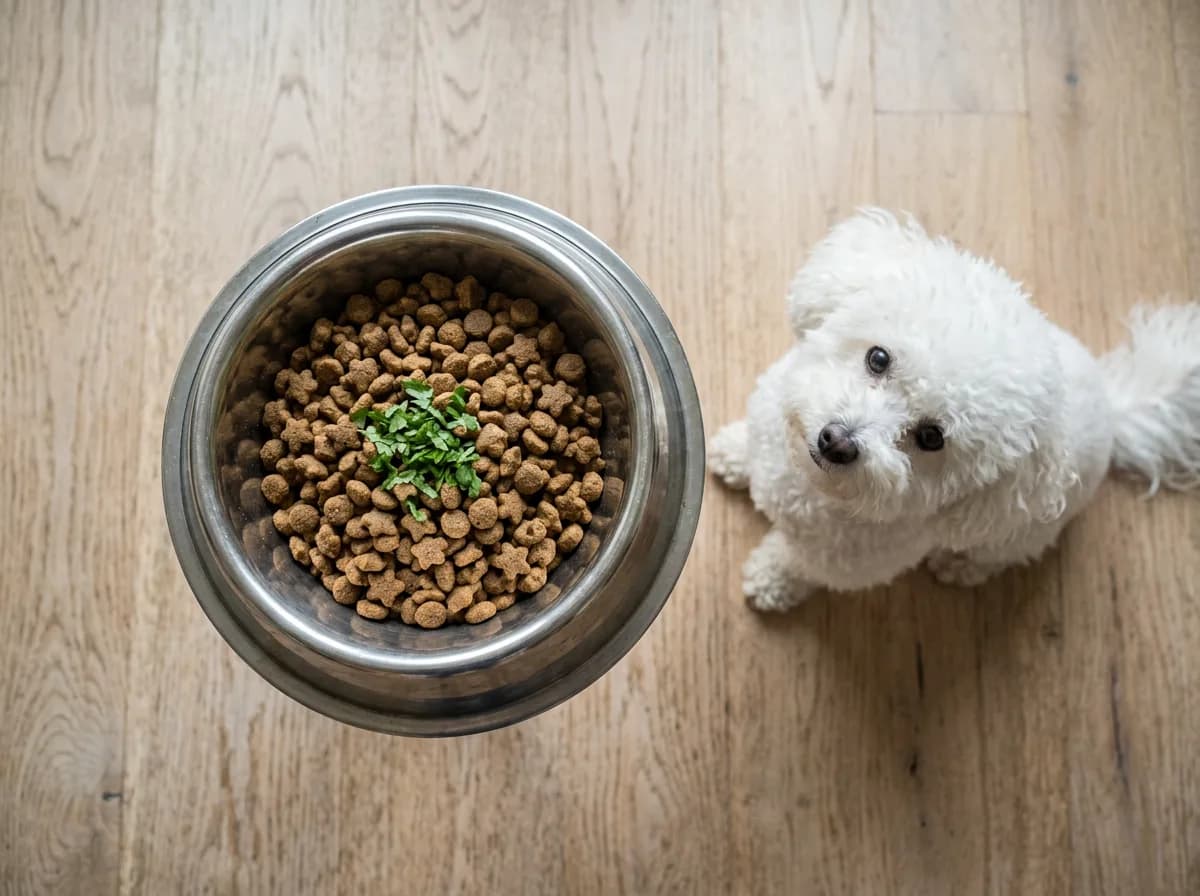
Yes, dogs can eat cooked cilantro, as long as it is plain. Cooking cilantro on its own does not make it toxic, and it is often gentler on the stomach than raw leaves. The catch is almost never the herb itself: it is what cooks alongside it.
Cilantro is rarely cooked solo. It usually shows up stirred into rice, soups, sauces, or stir-fries that also contain onion, garlic, salt, butter, or oil. Onion and garlic are toxic to dogs in any form, raw or cooked, and high sodium and fat can trigger their own problems. If you want to share cooked cilantro, set aside a plain pinch before adding any other ingredients.
Fresh raw leaves and plain cooked leaves are both fine in small amounts. The decision that matters is plain versus seasoned, not raw versus cooked.
- Cilantro cooked into a seasoned dish is not safe. Onion and garlic stay toxic to dogs even after cooking, so a spoonful of cilantro rice or a saucy leftover can be far riskier than the cilantro itself.

Pumpkin-flavored probiotic soft chews that support healthy gut flora and digestion in dogs.
Petful may earn a commission when you click through to Chewy, at no extra cost to you.
Can Dogs Eat Cilantro Lime Rice or Cilantro With Lime?
It is best to skip cilantro lime rice. Plain cilantro and plain cooked rice are each fine for dogs, but restaurant and recipe cilantro lime rice usually includes lime juice, salt, butter or oil, and frequently onion or garlic. Lime in particular is a problem: the fruit, peel, and especially the oils contain compounds that can cause stomach upset, and citrus is not recommended for dogs.
If your dog grabbed a bite of cilantro lime rice, do not panic. A small taste is unlikely to cause more than mild digestive upset unless the dish was heavy on onion or garlic. Watch for vomiting, diarrhea, or lethargy, and call your veterinarian if you saw onion or garlic in the recipe or if symptoms appear.
The safe version is simple: plain cooked rice with a pinch of plain cilantro, no lime, no salt, no aromatics.
Can Dogs Eat Cilantro Stems, Seeds, or Coriander?
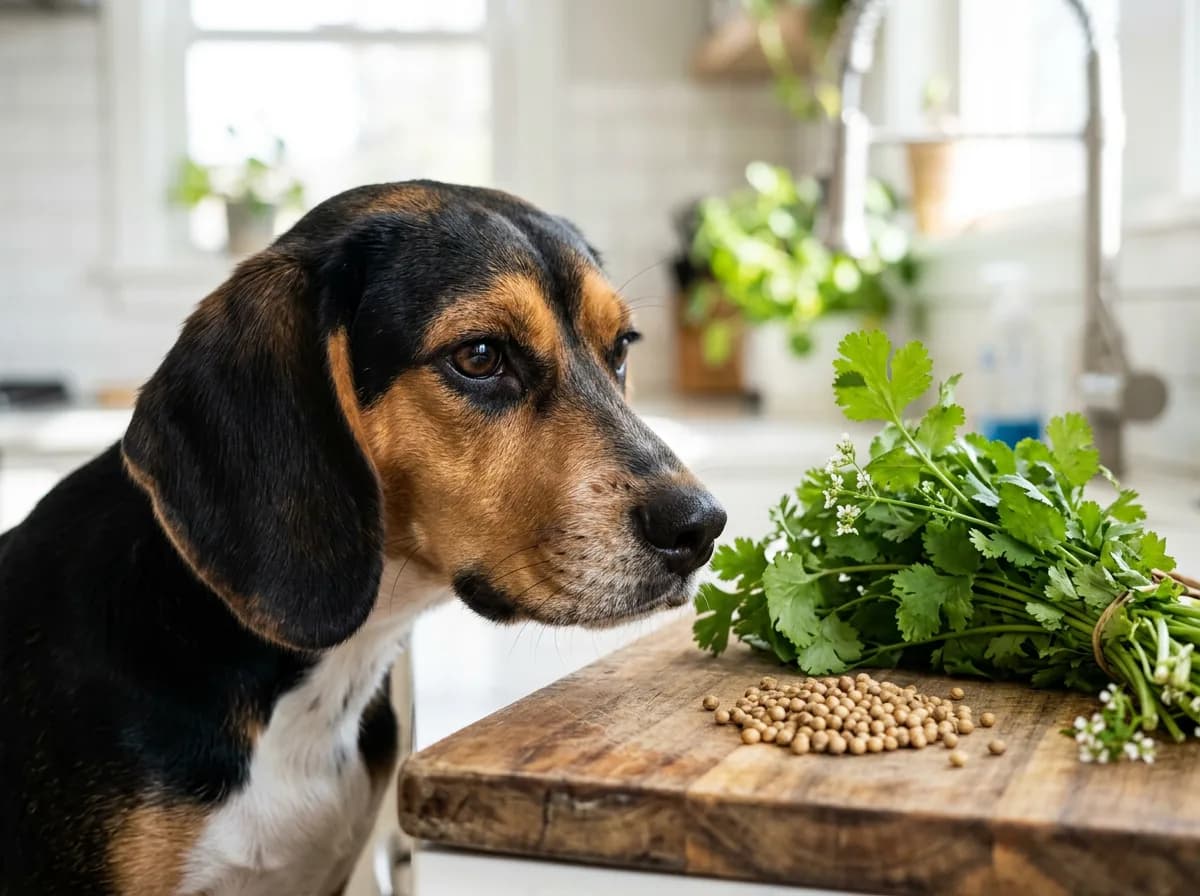
Cilantro and coriander come from the same plant, Coriandrum sativum. In the United States, cilantro usually refers to the fresh leaves and stems, while coriander refers to the dried seeds (and, in many other countries, to the whole plant). Both the leaves and the seeds are non-toxic to dogs.
Stick to the leaves when you can. The stems are not poisonous, but they are tougher and harder to digest, so they are more likely to cause mild stomach upset, especially in small dogs. Chop finely if any stem is included. Coriander seeds and ground coriander are also non-toxic in small amounts, but the seeds are a concentrated spice, so a sprinkle is plenty and large quantities are not a good idea.
In short: leaves are the easiest and safest, stems are fine in small finely-chopped amounts, and coriander seeds are safe as a light seasoning but should not be fed by the spoonful.
Can Puppies Eat Cilantro?
Puppies can have a tiny taste of plain cilantro, but it is smart to wait and go slow. Puppies have developing digestive systems and should be getting nearly all of their nutrition from a complete, balanced puppy food, so extras like herbs offer little benefit and a higher chance of an upset tummy.
If you do want to share, offer a few finely chopped leaves, no more than a pinch, and only after your puppy is well established on solid food. Watch closely for any vomiting, diarrhea, or loss of appetite, and check with your veterinarian first if your puppy is very young or has had digestive issues.

Multiple ridges and valleys slow eating, reduce gas and bloating, and turn mealtime into a fun puzzle. Non-skid base, dishwasher safe, 4-cup capacity.
Petful may earn a commission when you click through to Chewy, at no extra cost to you.
What If My Dog Ate Too Much Cilantro?
If your dog ate a large amount of plain cilantro, the most likely outcome is mild, short-lived stomach upset: some gas, soft stool, or a single episode of vomiting. Plain cilantro is not toxic, so a leafy overindulgence is usually not an emergency. Offer fresh water and a calm, light next meal, and most dogs bounce back within a day.
The picture changes if the cilantro came with toxic add-ins. If your dog ate cilantro that was mixed with onion, garlic, chives, leeks, or a heavily salted or fatty dish, treat it more seriously and watch for vomiting, diarrhea, weakness, pale gums, or rapid breathing.
Call your veterinarian or the ASPCA Animal Poison Control Center (888-426-4435) right away if you know onion or garlic was involved, if symptoms are severe or last more than 24 hours, or if your dog is very small, very young, or has existing health conditions.
- Cilantro itself is not toxic, but onion and garlic are. If your dog ate cilantro mixed with either one, call your vet or ASPCA Animal Poison Control (888-426-4435) without waiting for symptoms.
Related Petful Guides
- can dogs eat ginger
- can dogs eat brown rice
- can dogs eat carrots
- can dogs eat yogurt
- can dogs eat asparagus
Both are fine when the cilantro is plain. Raw fresh leaves and plain cooked cilantro are each non-toxic in small amounts. What matters is avoiding the seasonings cilantro is usually cooked with, like onion, garlic, and salt, not whether it is raw or cooked.
Yes, cilantro stems are not toxic, but they are tougher and harder to digest than the leaves. It is best to feed mostly leaves and chop any stems finely. Small dogs in particular may get a mild upset stomach from stems.
It is best to avoid it. Plain rice and plain cilantro are fine, but cilantro lime rice usually contains lime, salt, butter, and often onion or garlic. Lime and those aromatics can upset a dog's stomach or be outright toxic, so make a plain version instead.
It can help a little. Cilantro contains natural oils and chlorophyll that may temporarily freshen breath, and it is sometimes used to ease mild gas or nausea. It is not a substitute for dental care like tooth brushing or vet-approved dental products.
Yes. Cilantro and coriander come from the same plant, and both the leaves and the dried coriander seeds are non-toxic to dogs in small amounts. Use coriander seeds only as a light seasoning, since they are a concentrated spice and large amounts are not recommended.
More than an occasional small garnish is too much. A pinch for tiny dogs up to a couple of teaspoons for giant breeds is plenty, and even then only now and then. Large amounts can cause gas, soft stool, or vomiting, so cilantro should stay a supplement, not a regular part of the diet.
Recipes
Here are some simple recipes incorporating cilantro that you can prepare for your dog. These recipes are designed to be healthy and appealing to dogs while providing the nutritional benefits of cilantro in moderation.
Cilantro Rice and Veggie Mix
Ingredients: 1 cup cooked brown rice 1/2 cup cooked and chopped carrots 1/4 cup cooked peas 1 tablespoon finely chopped fresh cilantro Instructions:
- Mix the cooked brown rice, chopped carrots, and peas in a bowl.
- Stir in the finely chopped cilantro.
- Serve a small amount at room temperature, ensuring the mix is not too hot for your dog.
Cilantro Yogurt Dip
Ingredients:
- 1/2 cup plain, unsweetened yogurt (ensure it's xylitol free)
- 1 tablespoon finely chopped fresh cilantro
- Instructions:
- In a small bowl, mix the plain yogurt with the chopped cilantro.
- Mix well.
- Serve as a dip or topping on your dog’s regular food.
- Notes for Serving:
- Always allow the food to cool to a safe temperature before serving it to your dog.
- Start with small portions, especially if your dog has never had cilantro before, to ensure they tolerate it well.
- Consult with your vet before introducing new ingredients into your dog's diet, especially if they have existing health conditions or dietary restrictions.
Curious about what other foods dogs can eat? Check out these related articles below: Can Dogs Eat Ginger? Can Dogs Eat Seaweed?

Carol Bryant is the founder FidoseofReality.com and SmartDogCopy.com. A pet product expert, Carol is the Past President of the Dog Writers Association of America (DWAA) and winner of Best Dog Blog. A dog lover of the highest order is how Gayle King introduced Carol when she appeared with her Cocker Spaniel on Oprah Radio’s Gayle King Show to dish dogs. She helps pet, animal, and lifestyle brands achieve copywriting and content marketing success using well-trained words that work and is well-known in the pet industry.
Veterinarian · BVMS, MRCVS
Dr. Pippa Elliott, BVMS, MRCVS, is a veterinarian with nearly 30 years of experience in companion animal practice. Dr. Elliott earned her Bachelor of Veterinary Medicine and Surgery from the University of Glasgow. She was also designated a Member of the Royal College of Veterinary Surgeons. Married with 2 grown-up kids, Dr. Elliott has a naughty Puggle named Poggle, 3 cats and a bearded dragon.
Sign up for expert-backed reviews and safety alerts all in one place.