Can Dogs Eat Brown Rice? An All-Inclusive Guide
Can dogs eat brown rice? Yes, plain cooked brown rice is safe in small amounts and adds fiber and B vitamins, but it should never replace a balanced diet. Here is how much to serve by dog size and when white rice is the smarter pick.

Veterinarian · BVMS, MRCVS
Petful is reader supported. As an affiliate of platforms like Amazon and Chewy, we may earn a commission when you buy through links on this page. There is no extra cost to you.
- 1Yes, dogs can eat brown rice in moderation as a fiber-rich source of energy.
- 2It provides vitamins, minerals, and complex carbs, but should always be well-cooked and balanced with protein.
- 3Some dogs may be sensitive to grains, so introduce it slowly and watch for digestive issues or allergies.

Sign up for expert-backed reviews and safety alerts all in one place.
Can Dogs Eat Brown Rice? The Short Answer
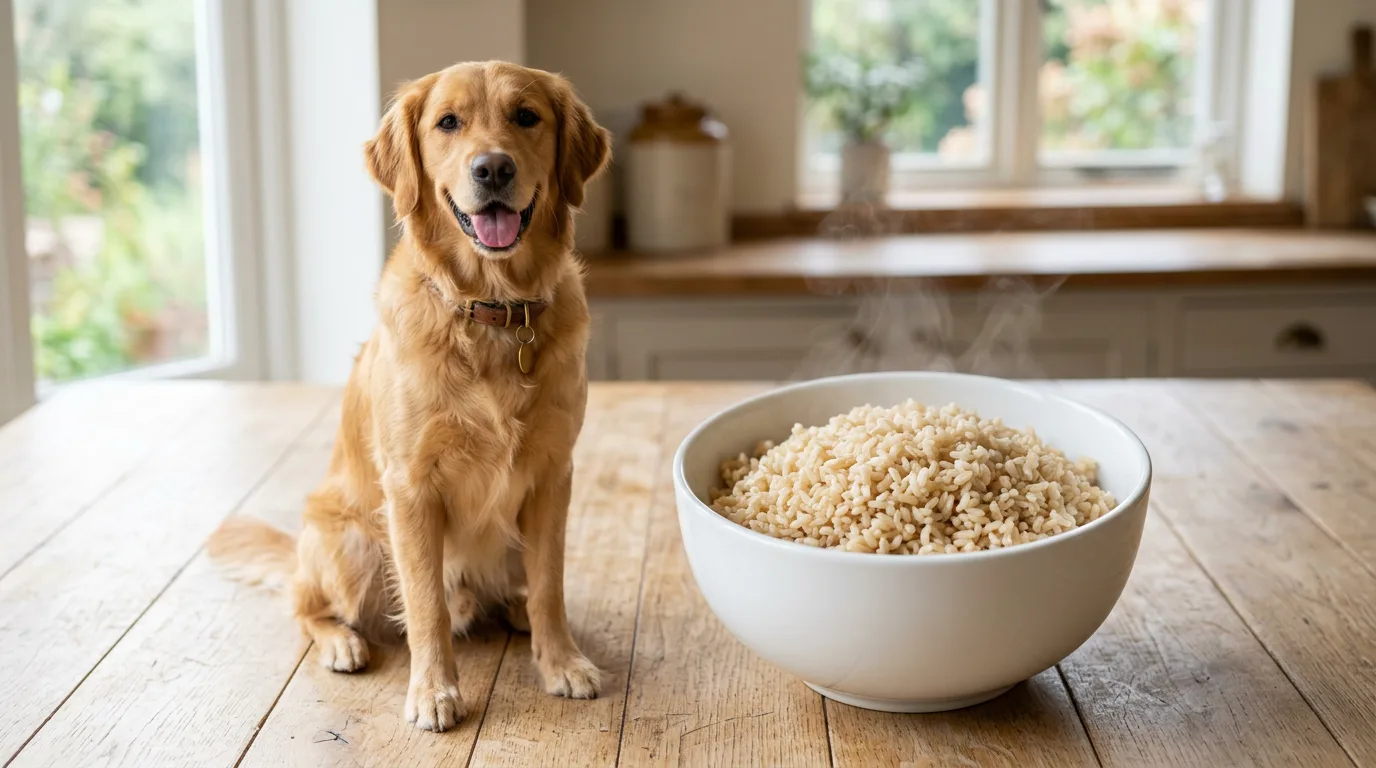
Can dogs eat brown rice? Yes, dogs can eat brown rice. Plain, fully cooked brown rice with no salt, butter, onion, or garlic is safe in small amounts and adds fiber, B vitamins, and slow-release energy. The American Kennel Club notes its outer bran makes it harder to digest than white rice, so serve it occasionally, keep it under 10% of daily calories, and reach for white rice when your dog has diarrhea.
Brown rice, known for its whole-grain goodness, offers various health benefits not only to humans but potentially to dogs as well. The question of can dogs eat brown rice is a topic of interest for many pet owners who aim to provide their furry friends with a nutritious and balanced diet. Thus, this comprehensive guide explores the nutritional benefits, potential concerns, and ways to safely introduce brown rice into your dog's diet.
Is Brown Rice Good for Dogs, or Just Safe?
While brown rice can be a okay addition to your dog's diet, there are several factors to consider before incorporating it:
- Allergies and Sensitivities: Some dogs may be allergic or sensitive to grains, including brown rice. It's important to monitor your dog for any signs of an allergic reaction, such as itching, swelling, or upset stomach.
- Weight Management: Brown rice is relatively high in calories, so it should be fed in moderation, especially for dogs that are overweight. Eating too many carbs can result in weight gain, which is why moderation is important, as is ensuring a balance with commercial dog foods to avoid overconsumption of a certain type of food.
- Arsenic Levels: Brown rice has been found to contain trace amounts of arsenic. While the levels are generally considered safe, it's advisable to vary your dog's diet to prevent any potential health risks from long-term exposure.
How Much Brown Rice Can Dogs Eat by Size?
When incorporating brown rice into your dog's diet, it's crucial to consider their size and weight to determine the appropriate serving size. Here's a guideline to help you figure out how much brown rice your dog can likely consume based on their size:
- Extra Small (<10 lbs): For dogs under 10 lbs, a safe starting point would be about less than 1 tablespoon of cooked brown rice mixed into their regular meal. Monitor their digestion and reaction.
- Small (10-25 lbs): Small dogs can have approximately 1 tablespoon of cooked brown rice per day. Start with a smaller amount and gradually increase to this level to ensure they tolerate it well.
- Medium (25-60 lbs): Medium-sized dogs can typically handle between 1 to 2 tablespoons of cooked brown rice.
- Large (60-100 lbs): For large dogs, starting with 2-3 tablespoons of cooked brown rice is generally safe.
- Giant (100+ lbs): Giant dog breeds can consume up to about 1/4 cup of cooked brown rice.
Remember, these quantities are meant to be a supplement to a well-balanced diet and should not replace the main components of your dog's meals. Additionally, when introducing any new food, including brown rice, start with small amounts to monitor your dog's reaction. It's also important to consult with your veterinarian, especially if your dog has specific health concerns or dietary needs.

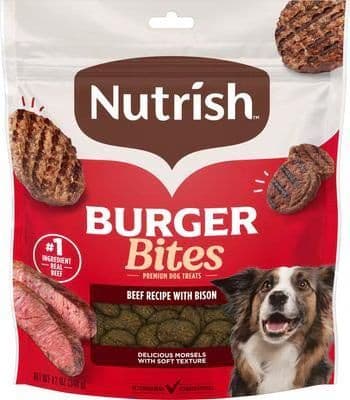
Soft, real-beef burger bites with bison, grain-free and sized for occasional training-treat sharing.
Petful may earn a commission when you click through to Chewy, at no extra cost to you.
What Are the Nutritional Benefits of Brown Rice for Dogs?
Brown rice is a whole grain that is a rich source of vitamins, minerals, and fiber. Here's how these nutrients can benefit your dog:
- Fiber: The fiber in brown rice can aid in a dog’s digestion and help maintain regular bowel movement.
- Vitamins and Minerals: Brown rice is a good source of vitamins such as B vitamins, which play a crucial role in energy production and general health. It also contains essential minerals like magnesium and selenium, supporting bone health and immune system function, respectively.
- Complex Carbohydrates: The complex carbohydrates in brown rice provide a steady release of energy, helping to keep your dog's energy levels consistent throughout the day.
How Do You Cook Brown Rice for Dogs Safely?
To safely introduce brown rice into your dog's diet, consider the following tips:
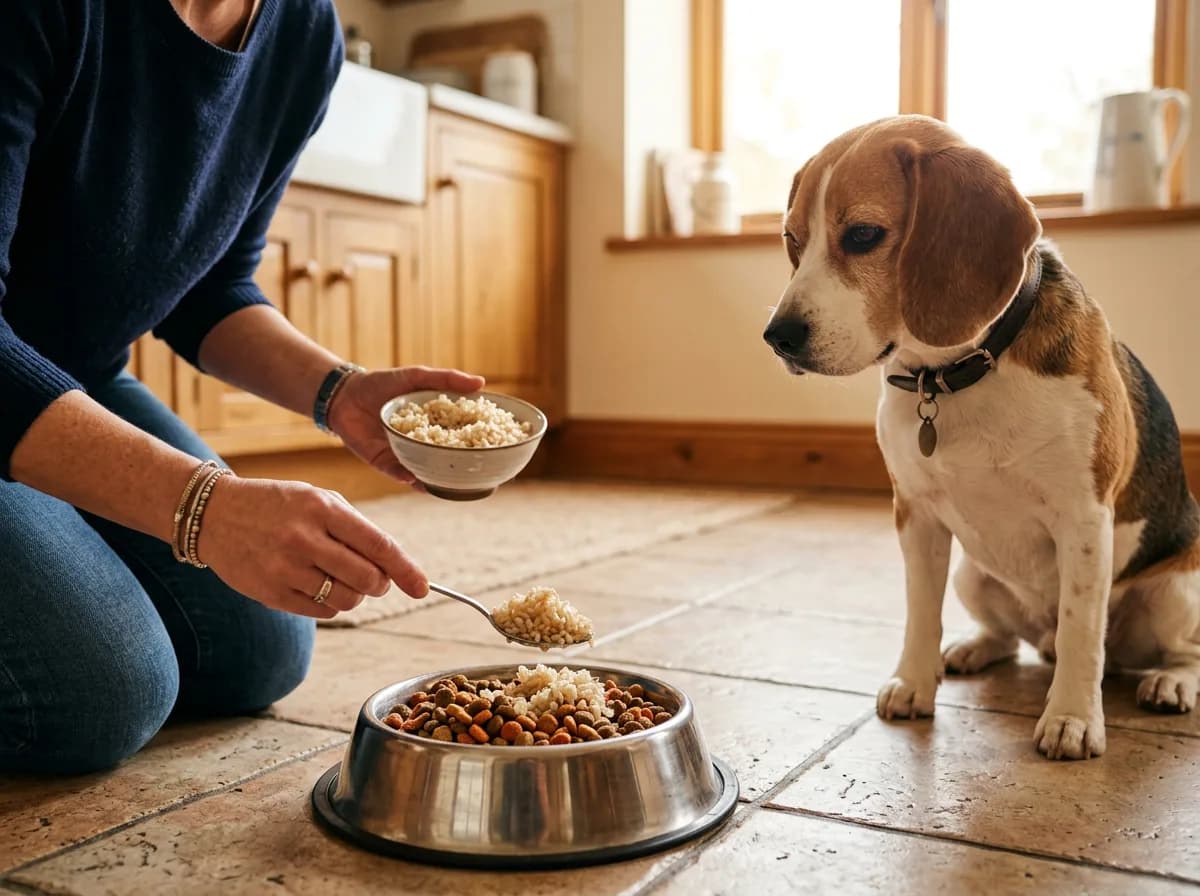
- Start with Small Amounts: Begin by adding a small amount of cooked brown rice to your dog's regular food to assess their tolerance.
- Cook Properly: Ensure the brown rice is well-cooked to aid in digestibility. Uncooked or undercooked rice can be hard for dogs to digest.
- Balance with Protein: Brown rice should not be the sole component of your dog's diet. Balance it with high-quality protein sources to ensure a well-rounded diet.
- Consult Your Veterinarian: Before making any significant changes to your dog's diet, it's always best to consult with a veterinarian. They can provide personalized advice based on your dog's specific health needs and dietary requirements.
Can Dogs Be Allergic to Brown Rice? Signs to Watch
Dogs, like humans, can have allergies or sensitivities to various foods, including brown rice. While not as common as allergies to proteins, some dogs may still react adversely to grains. If you're considering adding brown rice to your dog's diet or suspect your dog might be allergic to it, here are some potential signs and symptoms of an allergy or sensitivity to watch for:
- Skin Irritations: This can include itchy skin, redness, or rashes. Dogs may excessively scratch or lick certain areas if they're experiencing discomfort from a brown rice allergy.
- Gastrointestinal Issues: Sensitivities can lead to symptoms like vomiting, diarrhea, or constipation. Some dogs may also show signs of increased gas or bloating.
- Ear Infections: Frequent ear infections or inflammation can sometimes be linked to food allergies or sensitivities, including those to brown rice.
- Poor Coat Quality: An allergic reaction may manifest through a dog's coat, resulting in hair loss, dullness, or excessive shedding.
- Chronic Licking, Chewing, or Biting: Dogs trying to soothe their discomfort may constantly lick, chew, or bite at their paws, legs, or other body parts.
- Respiratory Issues: Although less common, some allergic reactions can lead to respiratory symptoms, such as coughing, wheezing, or difficulty breathing.
It's important to note that these symptoms can also be indicative of other health issues or allergies, so a veterinarian's input is crucial for a proper diagnosis.
Thus, brown rice can be a nutritious and beneficial addition to your dog's diet when fed in moderation and as part of a balanced diet. Its fiber content, along with essential vitamins and minerals, can support your dog's digestive health and possibly their overall well-being. However, it's crucial to consider your dog's individual health needs, potential allergies, and the importance of dietary variety. Ensure you contact a veterinarian first before offering your dog food that is new to them.
Frequently Asked Questions (FAQ)
| Dog Size | Weight | Cooked Brown Rice per Serving | Notes |
|---|---|---|---|
| Extra small | Under 10 lbs | Less than 1 teaspoon | Start tiny and watch digestion |
| Small | 10-25 lbs | About 1 tablespoon | Build up slowly over several days |
| Medium | 25-60 lbs | 1 to 2 tablespoons | Mix into a balanced meal |
| Large | 60-100 lbs | 2 to 3 tablespoons | Keep within the 10% treat limit |
| Giant | Over 100 lbs | Up to 1/4 cup | Occasional topper, not a meal |

Pumpkin-flavored probiotic soft chews that support healthy gut flora and digestion in dogs.
Petful may earn a commission when you click through to Chewy, at no extra cost to you.
Brown Rice vs. White Rice for Dogs: Which Is Better?
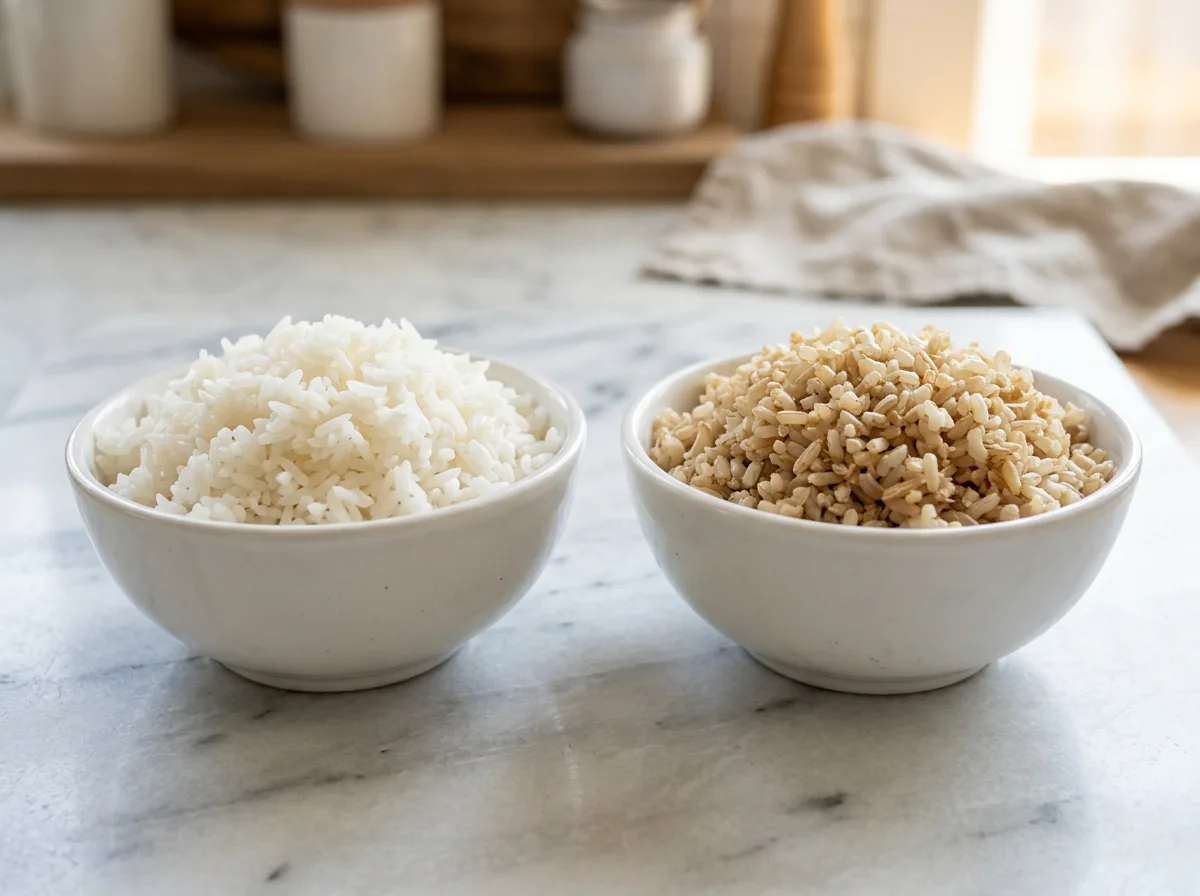
Neither rice is "better" across the board, they win in different situations. Brown rice is a whole grain that keeps its bran and germ, so it carries more fiber, magnesium, selenium, and B vitamins. White rice has the bran stripped away, which makes it lower in nutrients but much gentler and faster to digest.
For everyday variety in a healthy dog, brown rice is the more nutritious choice in moderation. For a sick dog, the answer flips. The American Kennel Club notes that brown rice is never the rice prescribed for gastrointestinal upset, because dogs with diarrhea need the simple, binding starch in plain white rice, not the extra fiber in brown.
If you are torn, match the rice to the moment: brown rice for a small nutritional boost in a well dog, white rice for an upset stomach. When in doubt, plain white rice is the safer default.
- Reaching for the classic bland diet for a sick dog? Use plain white rice with boiled boneless chicken, not brown rice. The lower fiber in white rice is easier on an irritated gut and helps firm up loose stool.
Can Dogs Eat Brown Rice Every Day?
A small daily spoonful of plain brown rice mixed into a complete, balanced meal is fine for most healthy dogs, as long as it stays inside the 10% treat allowance. Many quality commercial dog foods already include rice as a carbohydrate source.
What is not safe is making brown rice (or rice and chicken) the bulk of the diet long term. A bowl of rice and a single protein is missing the calcium, essential fatty acids, and full vitamin profile dogs need, and feeding it for weeks can lead to real deficiencies. Brown rice is a topper, not a meal.
Overweight, diabetic, or grain-sensitive dogs should eat brown rice rarely or not at all, since it is calorie-dense and raises blood sugar. Check with your veterinarian before adding it to a daily routine.
- The 10% rule: treats and extras like brown rice should make up no more than 10% of your dog's daily calories. The other 90% should come from a complete and balanced food.
Can Dogs Eat Raw or Uncooked Brown Rice?
No, dogs should not eat raw or undercooked brown rice. Hard, uncooked grains are very difficult for dogs to digest and can cause stomach upset, gas, and bloating. Dry rice can also swell as it absorbs fluid in the gut.
Always cook brown rice fully in plain water until it is soft before offering any to your dog. Skip the rice cooker add-ins: no broth with onion or garlic, no salt, no butter, and no leftover seasoned takeout rice.
Can Puppies Eat Brown Rice?
Puppies can have a tiny bit of plain cooked brown rice, but it is rarely the best choice for them. Growing puppies need a carefully balanced growth formula, and filling them up with rice can crowd out the calories and nutrients they actually need.
If your puppy has a mild upset stomach, most veterinarians still favor plain white rice over brown for its easier digestibility. Talk to your vet before adding any human food to a puppy's diet, and introduce new foods one at a time in very small amounts.

Multiple ridges and valleys slow eating, reduce gas and bloating, and turn mealtime into a fun puzzle. Non-skid base, dishwasher safe, 4-cup capacity.
Petful may earn a commission when you click through to Chewy, at no extra cost to you.
What If My Dog Ate Too Much Brown Rice?
A one-time overload of plain cooked brown rice is usually not an emergency. The most likely result is a temporarily upset stomach: gas, bloating, soft stool, or a single bout of diarrhea as the extra fiber and carbohydrates move through.
Offer fresh water, hold off on more food for a few hours, then return to your dog's normal balanced diet. Most dogs bounce back within a day.
Call your veterinarian if the diarrhea or vomiting lasts more than 24 hours, if your dog seems painful, lethargic, or has a hard, distended belly, or if the rice was cooked with onion, garlic, or heavy seasoning. Those ingredients, not the rice itself, are the real risk.
- Rice cooked with onion or garlic is the genuine danger here. Both are toxic to dogs and can damage red blood cells. If your dog ate seasoned rice or fried rice, call your vet or a pet poison line right away.
Related Petful Guides
- Can dogs eat quinoa?
- Can dogs eat pasta?
- Can dogs eat potatoes?
- Can dogs eat bread?
- Can dogs eat carrots?
It depends on the situation. Brown rice has more fiber, B vitamins, and minerals, so it is the more nutritious pick for a healthy dog in moderation. White rice is lower in fiber and easier to digest, which makes it the better choice for dogs with diarrhea or a sensitive stomach. For a sick dog, white rice wins.
Keep brown rice under 10% of your dog's daily calories. As a rough guide, that is less than a teaspoon for tiny dogs, about a tablespoon for small dogs, 1 to 2 tablespoons for medium dogs, 2 to 3 tablespoons for large dogs, and up to a quarter cup for giant breeds. Start small and watch how your dog reacts.
Not really. For diarrhea or an upset stomach, veterinarians and the American Kennel Club recommend plain white rice instead, because its simple starch is gentler and helps bind the stool. The extra fiber in brown rice can make loose stool worse, so save brown rice for when your dog is feeling well.
A small amount mixed into balanced food is fine, but plain brown rice and chicken should not be the entire diet long term. That combination lacks the calcium, fatty acids, and full vitamin and mineral profile dogs need, and feeding it for weeks can cause deficiencies. Use it as a topper or short-term bland diet, not a permanent meal.
Grain allergies in dogs are uncommon but possible. Watch for itchy skin, ear infections, vomiting, diarrhea, gas, or a dull coat after feeding brown rice. If you notice these signs, stop the rice and contact your veterinarian, since the same symptoms can point to other food allergies or health issues that need a proper diagnosis.
Brown rice contains trace amounts of arsenic in its outer bran, but the levels in an occasional small serving are generally considered safe. The simplest precaution is variety: rotate brown rice with other carbohydrates instead of feeding it in large amounts every day, which keeps long-term exposure low.
Recipes
Incorporating brown rice into your dog's diet can be a great way to provide them with additional fiber, vitamins, and minerals. Here are some simple brown rice recipes that you can prepare for your pup. Always check with your veterinarian before introducing new foods into your dog's diet, especially if they have specific health conditions or dietary needs.
Basic Brown Rice & Chicken
- Ingredients:
- Preparation:
Brown Rice & Salmon
- Ingredients:
- Preparation:
These simple recipes can be adjusted based on your dog's taste preferences and any dietary restrictions they may have. Remember, a varied diet helps ensure your dog gets a range of nutrients, so consider rotating different protein and vegetable combinations with brown rice to keep snacks interesting and balanced. Additionally, ensure to only offer rice to dog’s plain, without any added seasonings or sauces, which often contains spices like onion and garlic which are toxic to pups.
Curious about what other foods dogs can eat? Check out these related articles below: Can Dogs Eat Bread? Can Dogs Eat Pancakes? Can Dogs Eat Pasta? Can Dogs Eat Popcorn? Can Dogs Eat Quinoa? Can Dogs Eat Potatoes?

Carol Bryant is the founder FidoseofReality.com and SmartDogCopy.com. A pet product expert, Carol is the Past President of the Dog Writers Association of America (DWAA) and winner of Best Dog Blog. A dog lover of the highest order is how Gayle King introduced Carol when she appeared with her Cocker Spaniel on Oprah Radio’s Gayle King Show to dish dogs. She helps pet, animal, and lifestyle brands achieve copywriting and content marketing success using well-trained words that work and is well-known in the pet industry.
Veterinarian · BVMS, MRCVS
Dr. Pippa Elliott, BVMS, MRCVS, is a veterinarian with nearly 30 years of experience in companion animal practice. Dr. Elliott earned her Bachelor of Veterinary Medicine and Surgery from the University of Glasgow. She was also designated a Member of the Royal College of Veterinary Surgeons. Married with 2 grown-up kids, Dr. Elliott has a naughty Puggle named Poggle, 3 cats and a bearded dragon.
Sign up for expert-backed reviews and safety alerts all in one place.