Can Dogs Eat Seaweed? A Comprehensive Guide
Can dogs eat seaweed? Plain, unsalted nori and kelp can be a healthy treat in moderation, but salted snacks and wild beach seaweed pose real risks. Learn the safe types, serving sizes, and warning signs to watch for.

Veterinarian · BVMS, MRCVS
Petful is reader supported. As an affiliate of platforms like Amazon and Chewy, we may earn a commission when you buy through links on this page. There is no extra cost to you.
- 1Yes, dogs can eat plain, store-bought seaweed in moderation, but wild beach seaweed should always be avoided.
- 2Packed with iodine, fiber, and antioxidants, seaweed can support thyroid function, digestion, and skin health.
- 3However, too much can lead to iodine imbalances, and some seaweeds may contain harmful heavy metals, so always choose high-quality, dog-safe options.

Sign up for expert-backed reviews and safety alerts all in one place.
Can Dogs Eat Seaweed?
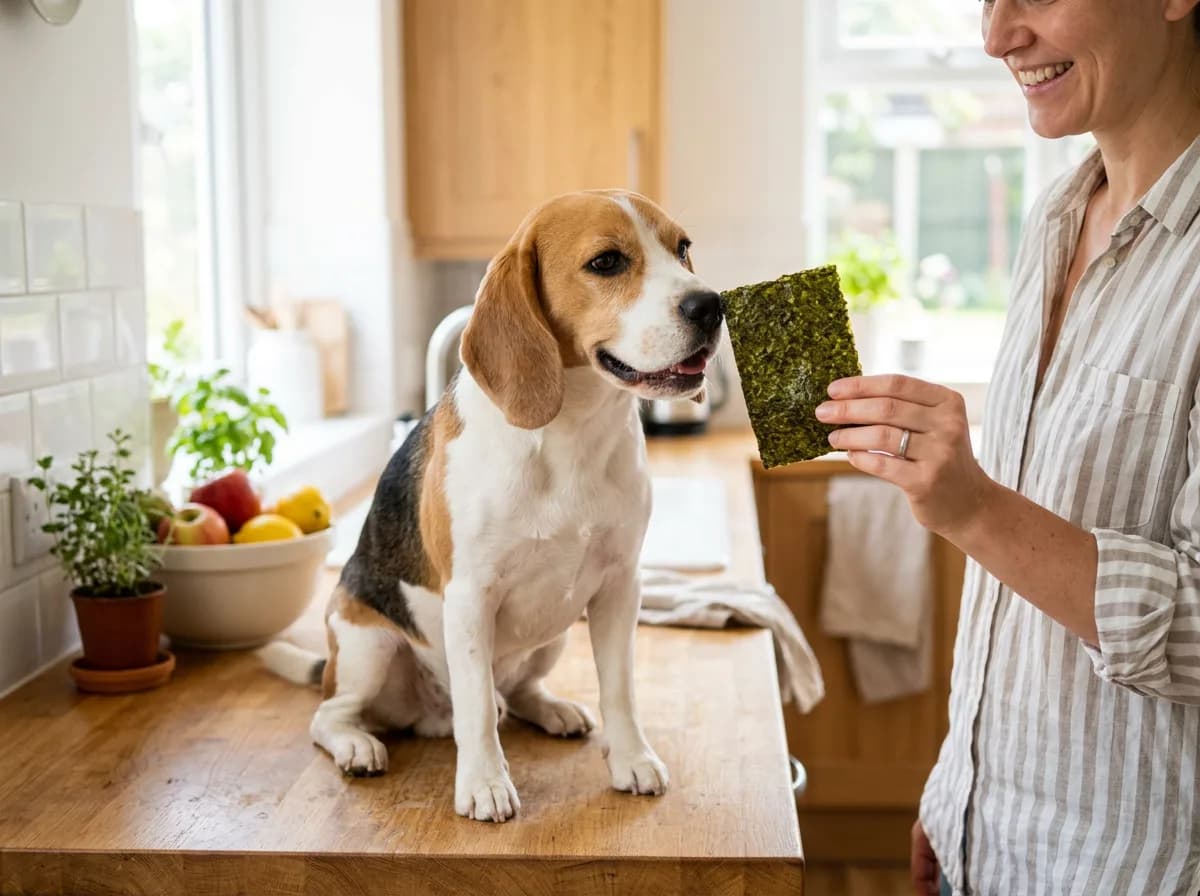
Can dogs eat seaweed? Yes, in small amounts, but only plain, store-bought types like unsalted nori or dried kelp. The ASPCA warns against high-salt foods, so keep seaweed to an occasional treat and never let your dog eat wild beach seaweed, which can cause salt toxicosis and dangerous intestinal blockages.
Seaweed, a popular ingredient in many human dishes, has garnered attention for its nutritional benefits. Rich in vitamins, minerals, and antioxidants, many wonder, can dogs eat seaweed too? This article explores the safety and health implications of feeding seaweed to dogs to help make sure your furry friend is safe.
Is Seaweed Good for Dogs? Benefits and Nutrients
Dog-safe seaweed can be generally okay for dogs to eat, but they should never be given wild or beach seaweed. Moreover, given its nutrient richness, seaweed appears to be a promising snack for dogs, offering certain benefits like:
- Thyroid Health: The high iodine content in seaweed can support thyroid function.
- Digestive Aid: Seaweed's fiber promotes healthy digestion and bowel regularity.
- Skin and Coat Health: Omega fatty acids and vitamins contribute to coat and skin health.
- Immune Boost: Antioxidants in seaweed can help a dog’s immune system.
However, while seaweed offers benefits, it's crucial to consider potential risks:
- Heavy Metals: Some seaweeds absorb toxins like arsenic, lead, and mercury from polluted waters.
- Salt Content: Seaweed, especially if sourced from the beach, can be high in salt, which is harmful to dogs in large quantities.
- Iodine Excess: Too much iodine can disrupt thyroid function, leading to health issues.

Soft, real-beef burger bites with bison, grain-free and sized for occasional training-treat sharing.
Petful may earn a commission when you click through to Chewy, at no extra cost to you.
How Much Seaweed Can Dogs Eat? Serving Sizes by Weight
When determining the appropriate amount of seaweed for dogs based on their size, it's crucial to consider the type of seaweed and its form (fresh, dried, supplement). Here's a general guideline, but it's best to consult with a veterinarian before introducing a new food into your dog's diet and to confirm the right amount for them:
- Extra Small (<10 lbs): Fresh/Dried Seaweed: A small pinch (less than 1/4 teaspoon)
- Small (10-25 lbs):Fresh/Dried Seaweed: 1/4 teaspoon or a small piece (size of a fingernail)
- Medium (25-60 lbs): Fresh/Dried Seaweed: 1/2 teaspoon or a piece about the size of a quarter
- Large (60-100 lbs): Fresh/Dried Seaweed: 1 teaspoon or a piece slightly larger than a quarter
- Giant (100+ lbs): Fresh/Dried Seaweed: 1 ½ teaspoons or a piece about the size of a half dollar
Important reminder: Begin with a smaller amount than recommended and observe your dog's reaction. Seaweed should not be a daily treat but rather a periodic supplement to their diet. Ensure the seaweed is free from contaminants and salt, preferably organic and made for pet consumption.

What Nutrients Does Seaweed Give Dogs?
Seaweed is a nutrient-dense food, packed with:
- Vitamins: Seaweed contains Vitamin A, Vitamin C, Vitamin E, and Vitamin K.
- Minerals: Iodine, potassium, iron, and magnesium.
- Antioxidants: Seaweed contains antioxidants that can help combat free-radicals.
- Fiber: Fiber helps with digestion and regular bowel movements.
How Do You Safely Feed a Dog Seaweed?
Here are some preparation tips to help safely incorporate seaweed into your dog's diet:
- Consult a Vet: Always check with a veterinarian, especially for dogs with pre-existing health conditions, before introducing a new food like seaweed to their diet.
- Choose High-Quality Seaweed: Opt for human-grade, organic seaweed from reliable sources to avoid contaminants.
- Preparation: Ensure your seaweed choice is not seasoned with any extra spices like onion or garlic, which are toxic to dogs. If using fresh, make sure it’s cut into manageable, bite-sized pieces to prevent choking.
- Moderation is Key: Introduce seaweed in small amounts to monitor for any adverse reactions as too much seaweed can upset your dog’s digestive system.
- Avoid Wild Beach Seaweed: This can be polluted and excessively salty.
Types of Seaweed for Dogs
Nori: Often used in sushi, it's safe for dogs in small, unsalted amounts.
Kelp: Available as supplements, it's specifically processed for pet consumption.
Dulse: Another safe option when bought from reliable sources and given in moderation.
Can Dogs Be Allergic to Seaweed?
Dogs, like humans, can have allergies to various foods, including seaweed. Allergic reactions can vary in terms of their severity and how they manifest. However, here are some common symptoms of seaweed allergies in dogs:
- Skin Irritations: This can include itching, redness, hives, and rashes. Dogs may excessively paw or lick the affected areas.
- Gastrointestinal Upset: Symptoms can include vomiting, diarrhea, or a decrease in appetite.
- Respiratory Issues: Although less common, some dogs may experience respiratory symptoms such as wheezing, sneezing, coughing, or difficulty breathing if they are having an allergic reaction to seaweed.
- Ear Infections: Dogs with food allergies, including seaweed, may be more prone to developing ear infections. Signs include ear scratching, head shaking, and an odor coming from the ears.
- Anaphylaxis: In rare cases, a severe allergic reaction can occur, leading to anaphylaxis. This is a medical emergency and can include symptoms like swelling of the parts of the body or face, extreme itching, sudden diarrhea, vomiting, and shock. Immediate medical attention is needed to combat this.
It's crucial to monitor your dog for any negative reactions after introducing new foods, including seaweed, into their diet. If you think your dog has a seaweed allergy or shows any signs of an allergic reaction, consult with a veterinarian immediately.
In sum, seaweed can be a nutritious addition to a dog's diet when fed correctly and in moderation. The potential health benefits include the range of nutrients packed into seaweed. However, the key is to prioritize high-quality, dog-safe, and low-salt seaweed, and to consult with a veterinarian to ensure it's suitable for your pet's individual needs.

Pumpkin-flavored probiotic soft chews that support healthy gut flora and digestion in dogs.
Petful may earn a commission when you click through to Chewy, at no extra cost to you.
Frequently Asked Questions (FAQ)
| Dog Size | Plain Dried Seaweed (per serving) | Frequency |
|---|---|---|
| Extra small (under 10 lbs) | A small pinch (less than 1/4 tsp) | Occasional treat, 1 to 2x per week |
| Small (10 to 25 lbs) | About 1/4 tsp or a fingernail-sized piece | Occasional treat, 1 to 2x per week |
| Medium (25 to 60 lbs) | About 1/2 tsp or a quarter-sized piece | Occasional treat, 1 to 2x per week |
| Large (60 to 100 lbs) | About 1 tsp or slightly larger than a quarter | Occasional treat, 1 to 2x per week |
| Giant (100+ lbs) | About 1 1/2 tsp or a half-dollar-sized piece | Occasional treat, 1 to 2x per week |

Is Seaweed Bad for Dogs? Risks to Know
Plain seaweed is not toxic to dogs, but several real risks turn it from a healthy snack into a problem. The biggest is salt. Most seaweed sold for people, including roasted snacks, sushi sheets, and salads, is seasoned with salt, soy sauce, sesame oil, and sometimes garlic or onion. Garlic and onion are toxic to dogs in any form, and too much salt can trigger excessive thirst, vomiting, and diarrhea. In larger amounts, salt can cause salt toxicosis, a true medical emergency.
Iodine is the second concern. Seaweed is one of the richest natural sources of iodine, and a healthy dog only needs a tiny amount each day. Feeding seaweed often, or feeding kelp supplements at the wrong dose, can deliver far more iodine than your dog needs and disrupt the thyroid gland over time. Dogs that already have a thyroid condition are the most sensitive, so always check with your veterinarian before adding any seaweed or kelp product to their routine.
Wild ocean seaweed adds two more hazards. It can carry bacteria, heavy metals, and pollutants from the water it grew in, and dried strands can expand inside the gut and lodge in the intestines. Because of these stacked risks, the safest approach is to treat seaweed as an occasional plain treat, never a daily food, and to introduce it slowly so you can watch for any reaction.
Salt toxicosis is the emergency to recognize fast. If your dog eats a large amount of salted seaweed or wild beach seaweed, watch for excessive thirst, vomiting, diarrhea, loss of appetite, lethargy, muscle tremors, or seizures. These signs mean you should call your veterinarian or an emergency clinic right away rather than waiting to see if they pass.
- Salt toxicosis is a veterinary emergency. If your dog shows excessive thirst, vomiting, tremors, or seizures after eating salted or wild seaweed, contact your vet or an emergency clinic immediately.
Can Dogs Eat Wild or Beach Seaweed?
No. Dogs should never eat wild seaweed off the beach, and this is the single most important rule in this entire guide. Seaweed that washes up on the shore can be contaminated with bacteria, parasites, heavy metals, and other pollutants from the ocean, none of which are safe for your dog to swallow. On top of that, beach seaweed is usually loaded with sea salt, which compounds the risk of salt poisoning.
The most dangerous trap is dried wild seaweed. When a dog eats a dry, brittle strand, it can rapidly soak up stomach fluid and swell into a hard, tangled mass. That mass can become stuck in the intestines and cause a life-threatening blockage that sometimes requires emergency surgery to remove. Veterinary clinics have reported dogs that nearly died after grabbing dried seaweed during a beach walk, so this is not a rare, theoretical concern.
There is one more beach hazard worth knowing: blue-green algae. Toxic blooms can grow in stagnant ponds, lakes, and coastal water, and even a small amount can be fatal to dogs within hours. Keep your dog from drinking or swimming in water with a visible scum or strange color, and rinse them off after any beach or lake outing. If your dog grabs wild seaweed despite your best efforts, do not wait for symptoms. Call your veterinarian and describe how much they ate and where it came from.
- Never let your dog eat seaweed or algae from the beach, a lake, or any body of water. Dried strands can swell and block the intestines, and blue-green algae can be fatal.

Multiple ridges and valleys slow eating, reduce gas and bloating, and turn mealtime into a fun puzzle. Non-skid base, dishwasher safe, 4-cup capacity.
Petful may earn a commission when you click through to Chewy, at no extra cost to you.
What Types of Seaweed Are Safe for Dogs? Nori, Kelp, Dulse, and Snacks
Not all seaweed is created equal, and the safe choices share one trait: they are plain and unseasoned. Plain nori, the dried sheets used to wrap sushi, is fine in small, torn-up pieces as long as it has no added salt, soy sauce, or sesame oil. Dried kelp is another safe option and is the form most commonly found in dog-specific supplements, where it is dosed carefully for a dog's iodine needs. Dulse, a reddish sea vegetable, is also considered safe in tiny, plain amounts.
Packaged seaweed snacks are where most owners get tripped up. The roasted, crispy seaweed sold in single-serve packs is almost always cooked in oil and coated with salt, and many flavored versions add teriyaki, wasabi, garlic, or onion. A single plain piece is rarely harmful, but salted and seasoned snacks are not a good regular treat. The same goes for seaweed salad, which typically contains sesame oil, vinegar, sugar, and soy sauce. If you want your dog to share the benefits of seaweed, choose a plain product or one made specifically for pets.
When in doubt, read the ingredient label like you would for any treat. The ideal product lists seaweed and nothing else. If you see salt, oils, sweeteners, garlic powder, or onion powder, set it aside and look for an unsalted alternative. Kelp powders and chews formulated for dogs take the guesswork out of dosing and are an easy way to add seaweed safely.

Related Petful Guides
- Can Dogs Eat Carrots?
- Can Dogs Eat Fish?
- Can Dogs Eat Brown Rice?
- Can Dogs Eat Salmon Skin?
- Can Dogs Eat Cilantro?
- Can Dogs Eat Ginger?
Plain dried nori or kelp is okay for dogs in tiny amounts, and it is sold for both people and pets. The danger is dried wild seaweed from the beach: it can swell in the stomach and cause an intestinal blockage. Stick to commercial, unsalted dried seaweed and offer only a pinch at a time.
Yes, plain nori (the dried sheets used to wrap sushi) is safe for dogs in small, unseasoned pieces. Choose sheets with no added salt, soy sauce, sesame oil, or wasabi. Tear them into small bits to prevent choking, and treat nori as an occasional snack rather than a daily food.
Most packaged seaweed snacks are not a good choice because they are usually roasted in oil and heavily salted. A single plain piece is rarely harmful, but salted snacks can upset the stomach and add too much sodium. Look for plain, unsalted seaweed made for dogs instead of the seasoned human kind.
No, salted seaweed is not recommended for dogs. Extra salt can cause vomiting, diarrhea, excessive thirst, and in large amounts salt toxicosis, which is a medical emergency. Always pick plain, unsalted seaweed and check the label for hidden seasonings like garlic or onion powder, which are toxic to dogs.
Watch your dog closely. Wild beach seaweed can carry bacteria, salt, and pollutants, and dried strands can expand inside the gut and block the intestines. Call your vet right away if your dog shows vomiting, a swollen or painful belly, straining, lethargy, or no appetite, as a blockage can need emergency surgery.
No, seaweed salad is not safe for dogs. It usually contains sesame oil, vinegar, sugar, soy sauce, and sometimes garlic, several of which can upset your dog's stomach or be toxic. Skip the salad and offer plain, unseasoned, dog-safe seaweed if you want to share the nutritional benefits.
What Are Some Dog-Safe Seaweed Recipes?
When introducing seaweed into your dog's diet, it's important to do so gradually and in moderation. Here are some simple seaweed recipes you can make for your dog:
Seaweed Sprinkle
Ingredients: Dried seaweed (nori or kelp) Preparation:
- Crush the dried seaweed into a fine powder using a mortar and pestle or a food processor.
- Sprinkle a small amount of the powder over your dog's food as a supplement.
Seaweed Vegetable Mix
Ingredients: Dried seaweed, carrots, peas, and sweet potato Preparation: Steam or boil the vegetables until soft.
- Chop the vegetables and seaweed into small, bite-sized pieces.
- Mix the seaweed and vegetables together and serve a small amount as a side dish with your dog's meal.
Seaweed Rice Balls
Ingredients:
- Cooked brown rice, dried seaweed, cooked and mashed pumpkin or sweet potato
- Preparation:
- Cook the brown rice and let it cool.
- Mix in finely chopped or powdered seaweed and mashed pumpkin or sweet potato to create a sticky mixture.
- Form small balls or patties and serve a small amount as a treat.
- Important Notes
- Always check with your veterinarian before introducing new foods into your dog’s diet, especially if your dog has health issues or certain dietary restrictions.
- Introduce seaweed slowly and in small quantities to monitor for any adverse reactions.
- Ensure the seaweed used is suitable for dogs, preferably organic and free from additives and high salt content.
Curious about what other foods dogs can eat? Check out these related articles below: Can Dogs Eat Cilantro? Can Dogs Eat Ginger?

Carol Bryant is the founder FidoseofReality.com and SmartDogCopy.com. A pet product expert, Carol is the Past President of the Dog Writers Association of America (DWAA) and winner of Best Dog Blog. A dog lover of the highest order is how Gayle King introduced Carol when she appeared with her Cocker Spaniel on Oprah Radio’s Gayle King Show to dish dogs. She helps pet, animal, and lifestyle brands achieve copywriting and content marketing success using well-trained words that work and is well-known in the pet industry.
Veterinarian · BVMS, MRCVS
Dr. Pippa Elliott, BVMS, MRCVS, is a veterinarian with nearly 30 years of experience in companion animal practice. Dr. Elliott earned her Bachelor of Veterinary Medicine and Surgery from the University of Glasgow. She was also designated a Member of the Royal College of Veterinary Surgeons. Married with 2 grown-up kids, Dr. Elliott has a naughty Puggle named Poggle, 3 cats and a bearded dragon.
Sign up for expert-backed reviews and safety alerts all in one place.