Yorkipoo vs Maltipoo: Appearance, Temperament, and Care
Yorkipoos and Maltipoos share Poodle ancestry but differ in their other parent breed. Compare appearance, daily care, grooming, and household fit without relying on guaranteed personality claims.

Appearance alone does not establish ancestry or predict adult size.
Petful is reader supported. As an affiliate of platforms like Amazon and Chewy, we may earn a commission when you buy through links on this page. There is no extra cost to you.
The Yorkipoo vs Maltipoo decision starts with one ancestry difference: a Yorkipoo combines Yorkshire Terrier and Poodle, while a Maltipoo combines Maltese and Poodle. Both can be small companion dogs with substantial grooming needs. Neither name guarantees a quiet, allergy-safe, easy-to-train puppy.
Choose between the individual dogs and the routine you can provide. Parent size, observed temperament, coat texture, and early experiences are more useful than claims that one mix is always sweeter or smarter. A household comparison checklist can help turn appealing pictures into practical questions.
- 1Yorkipoos have Yorkshire Terrier ancestry; Maltipoos have Maltese ancestry.
- 2Both mixes can need frequent grooming, training, and thoughtful alone-time practice.
- 3Individual dog evidence is more useful than a guaranteed personality attached to a mix name.

Sign up for expert-backed reviews and safety alerts all in one place.
Yorkipoo vs Maltipoo at a glance
A Yorkipoo vs Maltipoo comparison starts with ancestry: both have Poodle heritage, paired with a Yorkshire Terrier or Maltese respectively. That distinction helps frame questions about coat care and family background, but it does not select the better pet for you. In a Maltipoo vs Yorkipoo decision, compare individual behavior, actual size, handling comfort, and the care records available for each dog before assigning importance to a breed-mix label.

Petful may earn a commission when you click through to Chewy, at no extra cost to you.
The shared Poodle ancestry explains some similarities, including the possibility of a wavy or curly coat and an interest in training. The other parent contributes a different background: the Yorkshire Terrier is a small terrier, while the Maltese is a long-established companion breed. Those backgrounds suggest questions to ask, not fixed behavior categories.
A Maltipoo vs Yorkipoo comparison also needs to account for the size of the Poodle parent. Toy and Miniature Poodles are different size varieties. Later-generation breeding can add further variation. Two puppies described with the same mix name may differ more than two adult dogs from the different mixes.
| Decision | Yorkipoo | Maltipoo |
|---|---|---|
| Parent breeds | Yorkshire Terrier and Poodle | Maltese and Poodle |
| Adult size | Depends on parent size and ancestry | Depends on parent size and ancestry |
| Coat | May be silky, wavy, curly, or mixed | May be soft, wavy, curly, or mixed |
| Barking | Alerting or distress can occur | Alerting or distress can occur |
| Grooming | Regular brushing and trims may be needed | Regular brushing and trims may be needed |
| Best evidence | Parent records and individual observation | Parent records and individual observation |
When people search Yorkie Poo vs Maltipoo, the real question is often which dog will fit the family. Start by writing down the nonnegotiable parts of your routine: work hours, handling around children, existing pets, walking time, and grooming budget. Then ask the caregiver how each dog responds to those situations.
Size, coat, and appearance differences
Yorkipoo and Maltipoo size ranges overlap, and neither mix has one uniform adult standard. If adult size is important, ask for the actual measurements of both parents and adult relatives where available. For a strict housing or travel limit, adopting a fully grown dog offers more certainty than predicting a puppy.
Yorkipoo vs Maltipoo appearance differences are often easiest to notice in coat color, texture, face shape, and proportions. However, a haircut can obscure those differences. A short clip can make a curly dog look sleeker, while longer facial hair creates a rounder outline. Looks alone cannot establish mixed-breed ancestry. Petful’s guide to Maltipoo colors has the full breakdown.
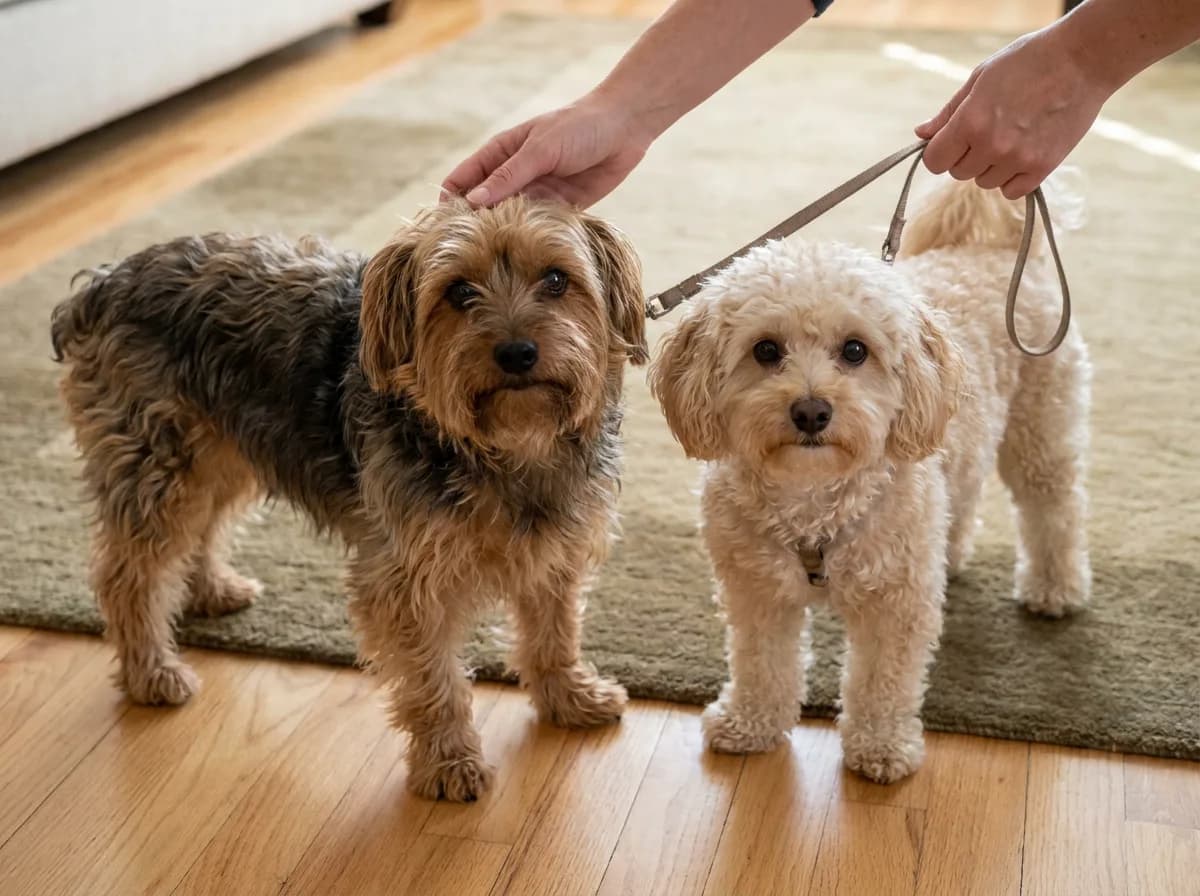
For detailed adult measurements and representative appearances, use the Yorkipoo full-grown guide. A black, brown, or white Yorkiepoo should not be assigned a temperament from color. Photos can illustrate possibilities, but they do not document ancestry or predict the adult appearance of a particular puppy. Compare the actual dogs and their parent records rather than treating a color label as a separate type.
Petful may earn a commission when you click through to Chewy, at no extra cost to you.
Read pictures cautiously
- Compare adult dogs rather than puppies photographed at different ages.
- Look at standing proportions rather than face close-ups alone.
- Account for haircut length and coat fluff.
- Ask what is known about the dog's ancestry instead of guessing from color.
- Use photographs as examples, not promises about your future puppy.
For a rescue dog with uncertain ancestry, Wisdom Panel Essential Breed Identification is an available test option. Results may add context, but they do not determine temperament or certify a particular health outcome. The individual dog's behavior and veterinary assessment remain more useful for immediate care decisions.
Are either of them hypoallergenic?
No mix label guarantees an allergy-free household. Low shedding and lack of visible hair on furniture are not the same as absence of allergens. A person may react differently to individual dogs, and grooming alone cannot make a dog medically safe for someone with significant allergies.
- If allergies affect the choice, spend time with the individual dog and consult the affected person's clinician. Avoid a nonrefundable commitment based only on the word hypoallergenic in an advertisement. Both coats may require regular maintenance even when shedding is limited.
Temperament, barking, and training
Yorkipoo vs Maltipoo temperament is often oversimplified into “feisty” versus “gentle.” Yorkshire Terrier ancestry may help explain alert, investigative behavior, but a label cannot tell you how a particular dog reacts to visitors. Maltese ancestry does not guarantee a calm dog who enjoys being handled by everyone.
For either mix, a supervised Outward Hound Lick N’ Flip puzzle offers an optional food-search task. An indoor Frisco 30-inch gate and playpen can help manage separate spaces, provided its gaps and height suit the individual dog and it does not create distress.
Ask for concrete observations: What happens when the doorbell rings? Can the dog relax while people move around? How does the dog respond to gentle grooming? How long has the caregiver actually observed the dog alone? Answers to those questions are stronger than a general claim that a puppy is friendly.
Petful may earn a commission when you click through to Chewy, at no extra cost to you.
Barking and alone time
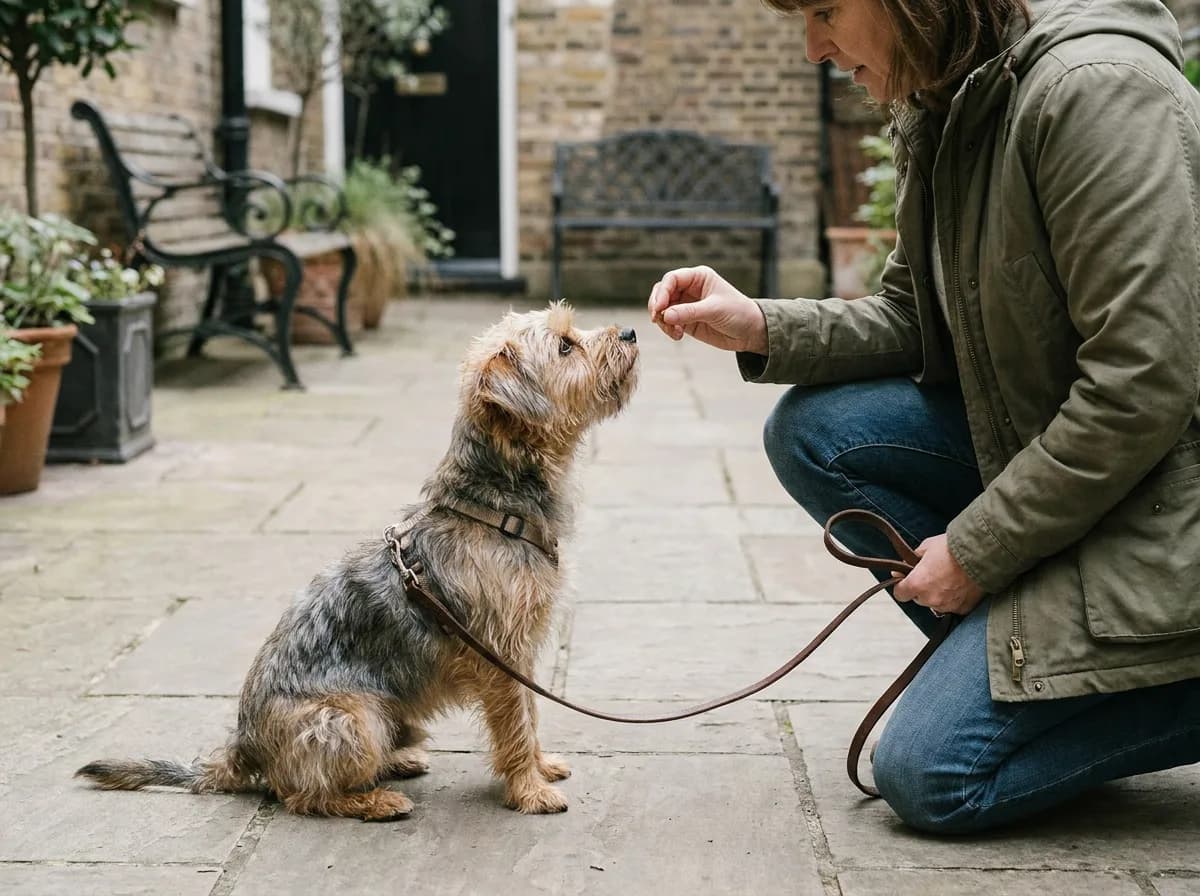
Both mixes can bark when excited, worried, bored, or alerting to activity. Manage the trigger while teaching a comfortable alternative. A resting spot away from a busy window and rewards for calm attention can help prevent repeated rehearsal. Persistent distress during absences calls for a gradual behavior plan.
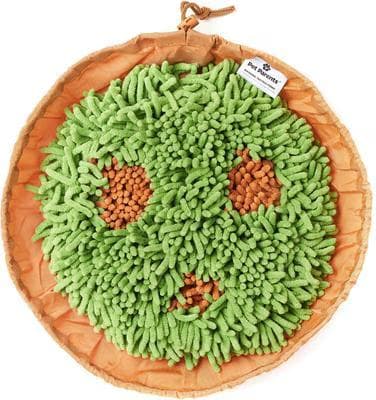
A Pet Parents Forager Snuffle Mat can add supervised enrichment using part of a meal. It is not a cure for separation anxiety or a substitute for toilet breaks and company. Remove it if the dog chews fabric, and introduce it when the dog is relaxed rather than using it to mask panic.
Training and children
Both dogs benefit from consistent reward-based teaching. Being clever does not mean a dog understands household rules automatically. Teach one simple behavior at a time, reward promptly, and make toilet access frequent enough for the puppy's age. Punishment after an accident does not explain the desired location.
- Have children interact at floor level with adult supervision.
- Give the dog a resting space that children do not enter.
- Teach children to invite contact rather than chase or lift the dog.
- Separate dogs during food, chews, and rest when needed.
- Choose controlled introductions over a crowded, unpredictable first meeting.
A very small dog is not automatically easier for a family with young children. Physical vulnerability and handling tolerance matter. An adult dog whose behavior is well understood may be easier to match than a puppy selected for size or a cuddly photograph.
Petful may earn a commission when you click through to Chewy, at no extra cost to you.
Grooming and everyday care costs
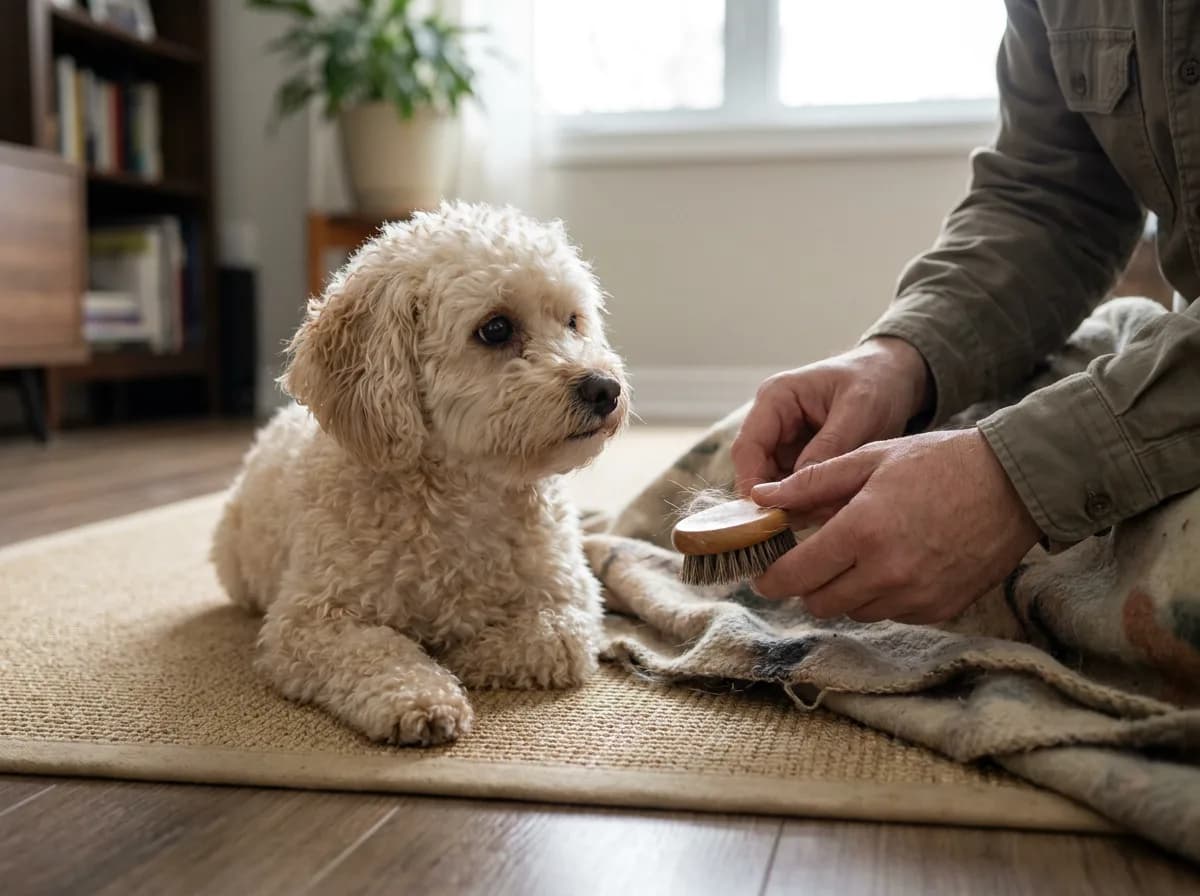
Yorkipoo vs Maltipoo grooming is a comparison of individual coats, not a contest with one universal winner. A longer, denser, or curlier coat may need more work than a short practical trim. Ask a groomer what schedule and home maintenance the actual coat requires before estimating costs.
Include supplies such as Frisco small-pet nail clippers and Virbac C.E.T. dog and cat toothpaste when comparing routine care costs. Ask a professional to demonstrate handling first, and budget for help when home care is not comfortable for the dog.
The Yorkipoo haircut guide shows how a rounded face, puppy cut, and longer furnishings change maintenance. Maltipoos also need a style that can remain comfortable between appointments. Keeping a fluffy look is not a good goal if it repeatedly leads to painful tangles.
Compare the whole care budget
- Request local grooming quotes for the intended trim and interval.
- Include routine examinations, dental care, parasite prevention, and vaccinations.
- Budget for training and care during work or travel.
- Compare actual food and treat needs without assuming tiny means inexpensive.
- Plan for unexpected veterinary expenses.
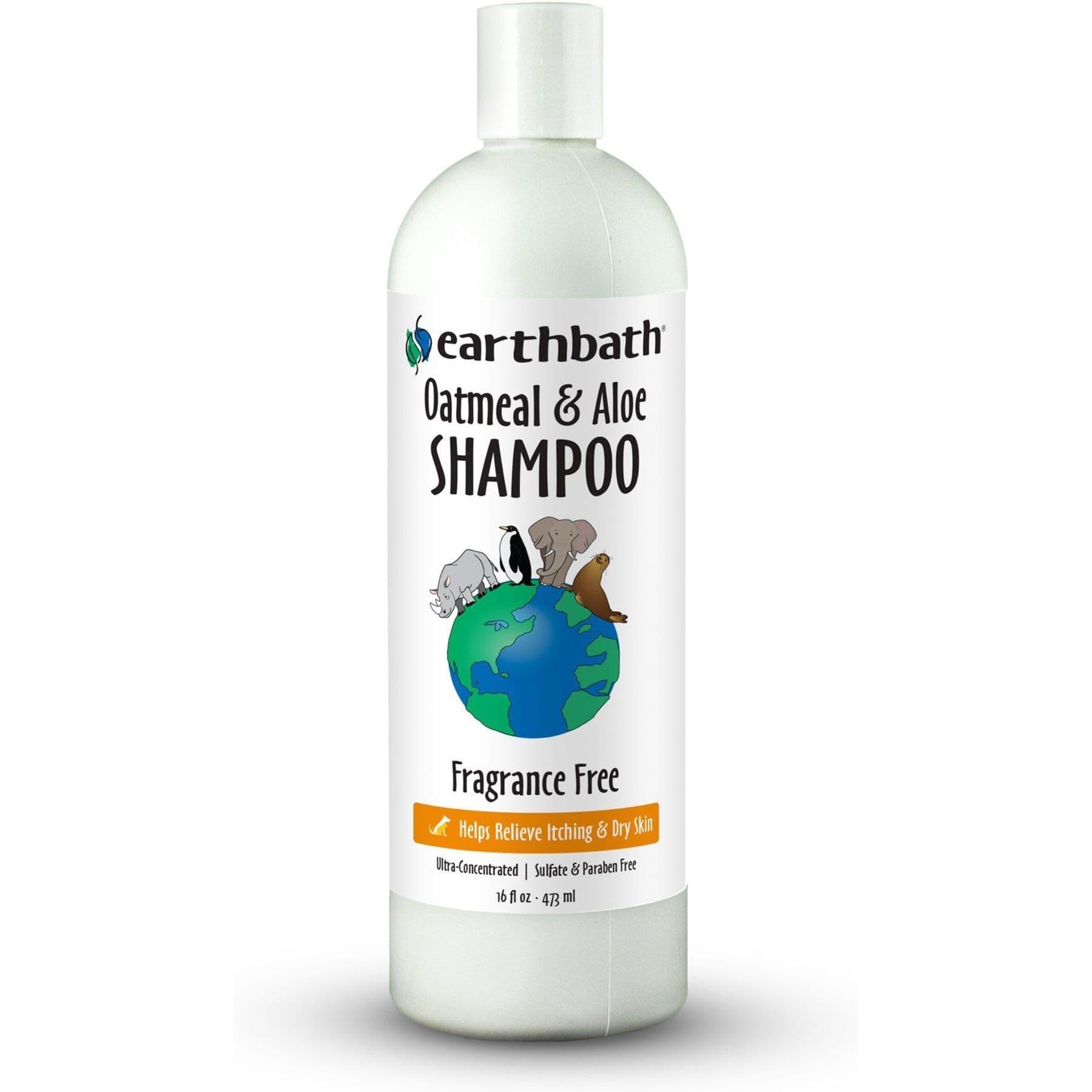
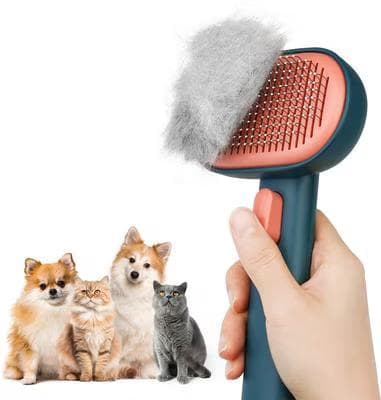
For home coat care, an aumuca slicker brush is one option to discuss with the groomer. A suitable brush still needs gentle technique. For bathing, Earthbath fragrance-free shampoo is a dog-grooming option, but persistent itching or skin odor should be assessed rather than repeatedly washed away.
Health planning without a “healthier mix” promise
Both crosses can inherit health conditions from their parent breeds. Ask which parent health checks were performed, request documentation, and discuss what those results do and do not rule out. A routine puppy examination is useful but is not the same as screening the breeding parents for inherited concerns.
Our Yorkipoo lifespan guide covers health-planning questions for that mix. Do not interpret a longer published lifespan range for one mix as proof that it will outlive another individual dog. The available general breed guidance is not a controlled head-to-head longevity study.
Which mix fits your household?
Use a household comparison checklist to compare the same real-life requirements for both dogs: your workday, noise tolerance, grooming schedule, activity preferences, and ability to supervise children or other pets. Write down individual dog evidence beside each requirement, such as an observed calm greeting or a foster carer’s account of time alone. Mark unanswered questions as unknown instead of filling them with a favorable assumption about ancestry.
Use this household comparison checklist to collect individual dog evidence. A useful comparison records what you know, what the caregiver has observed over time, and what remains uncertain. It does not award a winner based on marketing descriptions.
- Your workday: What company and toilet access will the dog have?
- Your noise setting: How will you handle hallway, window, and visitor triggers?
- Your grooming routine: Can you maintain the requested coat between appointments?
- Your household: How does the dog respond to the adults, children, and pets involved?
- Your activity plan: Can you offer walks, sniffing, play, and rest every day?
- Your evidence: Have you seen records and asked specific questions rather than relying on an adjective?
For walking equipment, compare measurements rather than assuming either mix needs the same size. A Frisco Padded No Pull Dog Harness, Small is appropriate only when its current sizing chart matches the individual dog. Check movement, rubbing, and escape risk before heading into a busy environment.
If a puppy's future size or temperament remains too uncertain for your constraints, consider an adult dog. A foster home may be able to describe ordinary daily behavior in more detail than a brief meeting. Ask what they have observed directly and what has not yet been tested, such as living with a cat or coping with a long absence.
The main Yorkipoo guide expands on that mix's daily needs and common ownership challenges. If your choice is really between the mix and its terrier parent, the Yorkipoo vs Yorkie comparison addresses that separate decision. Choose the route that answers your actual shortlist rather than collecting more names.
Confirm which comparison you need
A Yorkiepoo puppy is the same Yorkshire Terrier-Poodle mix discussed here, with an alternative spelling. If your decision involves that mix and a purebred Yorkshire Terrier, use our Yorkipoo vs Yorkie guide. For broader puppy preparation, the Yorkipoo breed guide covers household routines and questions for caregivers. Keeping the actual parent breeds clear makes comparisons more useful than treating every small Poodle mix as interchangeable.
Frequently asked questions
A potential downside of a Maltipoo is a coat needing regular maintenance, vocal behavior, and difficulty with abrupt long absences. Those are care and training questions, not reasons every Maltipoo is unsuitable. Ask about the individual dog's routine and handling comfort. The meaningful downside is a mismatch between the dog's needs and the time, supervision, or grooming budget the household can provide.
Neither a Yorkie nor a Maltese can be declared the smarter dog through a useful universal ranking; it also cannot tell you which individual Yorkipoo or Maltipoo will learn household skills more easily. Motivation, prior experience, comfort, and the way a behavior is taught matter. Compare practical learning and recovery from distraction rather than treating parent-breed stereotypes as an intelligence test for a mixed-breed puppy.
Neither boy nor girl Maltipoos are automatically better companions. Look at the individual dog's behavior, compatibility with existing pets, and the observations of a responsible caregiver. Health and reproductive decisions should be discussed with a veterinarian. Choosing by sex alone can overlook the temperament and care needs that determine whether a dog fits the home.
The age when Maltipoos calm down varies; maturity can change activity and impulse control, but there is no birthday when every Maltipoo becomes calm. Sleep, enrichment, health, and consistent teaching influence behavior throughout life. Ask what calm behavior looks like in your setting and teach it gradually. Sudden restlessness or an abrupt loss of energy should be discussed with a veterinarian.
Maltipoo dogs can smell, and any dog can develop odor from a wet coat, dirty furnishings, skin problems, ears, or the mouth. A Maltipoo label does not guarantee a particular smell or absence of smell. Keep routine grooming appropriate for the coat, but seek veterinary advice for persistent, new, or strong odor rather than covering it with perfume or repeated baths.

Coreen Saito is a pet writer and longtime shelter volunteer with more than a decade in animal rescue. She covers cat behavior, breed care, and the small, ordinary science of sharing a life with companion animals, with a particular focus on honest takes about the products and decisions that actually matter. At home in Arizona, she's outranked by Mac (a dog with the loudest opinion in the house), Rebel (a cat who governs by quiet authority), and Meri (an orange tabby who runs the late shift and the laundry basket). She writes about all three, plus the rescues that keep coming through her life, at LifeWithMinty.com.
Sign up for expert-backed reviews and safety alerts all in one place.