Yorkipoo Lifespan and Common Health Concerns
Learn what Yorkipoo lifespan estimates mean, which health concerns deserve veterinary discussion, and how to track senior changes while supporting your dog's comfort and everyday quality of life.

BVMS, MRCVS
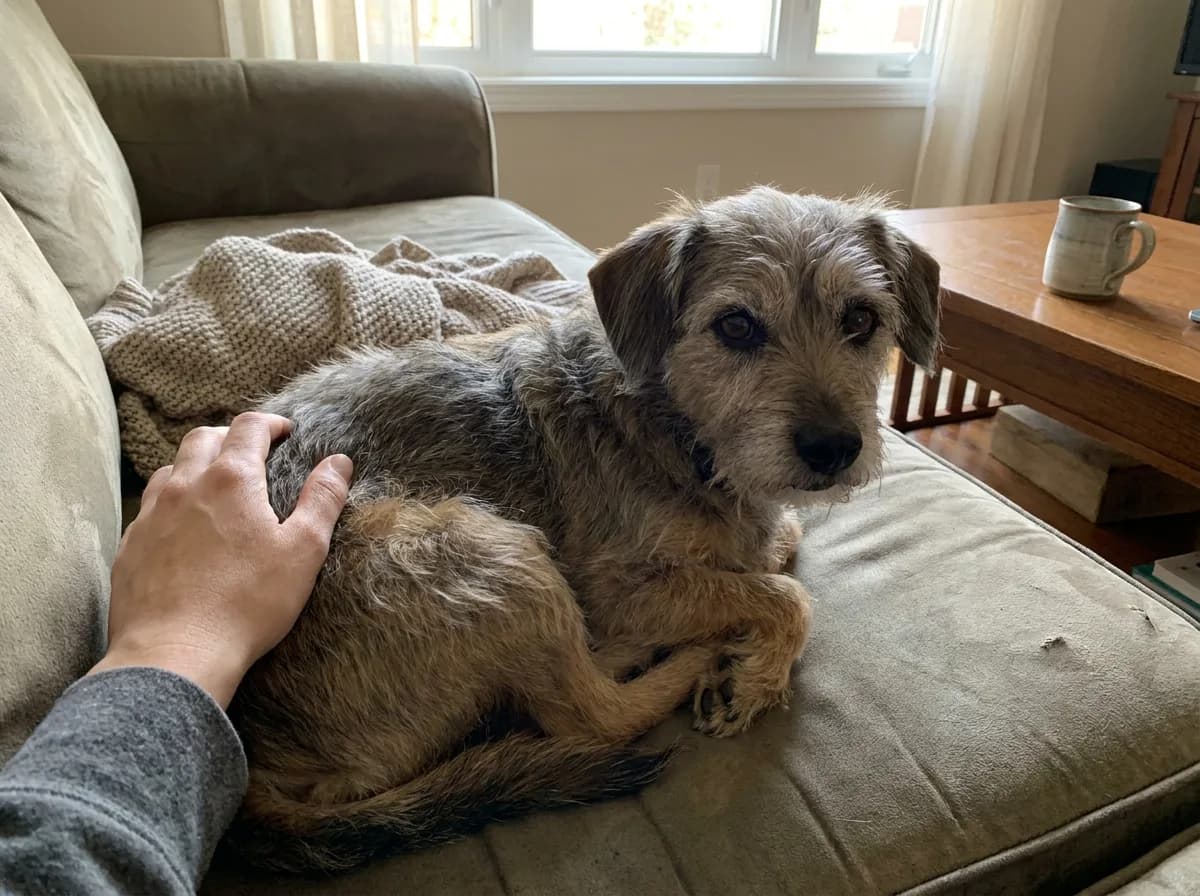
Appearance alone does not establish ancestry or predict adult size.
Petful is reader supported. As an affiliate of platforms like Amazon and Chewy, we may earn a commission when you buy through links on this page. There is no extra cost to you.
Yorkipoo lifespan is commonly described in breed guides as roughly 10–15 years, but that is an estimate, not a forecast for an individual dog. A Yorkshire Terrier-Poodle mix can inherit health risks from either parent, and mixed ancestry does not guarantee a longer life. Preventive care is about protecting comfort and finding problems early, not promising a particular birthday.
If you already share your home with a Yorkipoo, the most useful information is your dog's own history. Changes in appetite, weight, movement, breathing, sleep, or behavior often matter more than whether the dog has reached an age chart's “senior” category.
- 1A Yorkipoo lifespan estimate is not a guaranteed outcome or a breed-specific survival statistic.
- 2Keep dental care, healthy body condition, and routine veterinary examinations part of the plan.
- 3Record changes from your dog's normal behavior and seek help rather than labeling them old age.

Sign up for expert-backed reviews and safety alerts all in one place.
How long do Yorkipoos live?
Yorkipoo lifespan estimates describe a broad expectation, not a deadline for an individual dog. A Yorkie Poo lifespan depends on more than ancestry, and a reference range cannot account for every health condition or accident. Use the estimate to plan years of routine care, grooming, and changing household needs. Your veterinarian can discuss the particular dog’s condition and history more usefully than an age calculator can predict remaining years.
PetMD's Yorkiepoo guide lists an average Yorkie Poo lifespan of 10–15 years. Other general breed resources give somewhat different ranges. These guides are useful for broad planning, but they should not be confused with a large, prospectively measured Yorkipoo survival study.
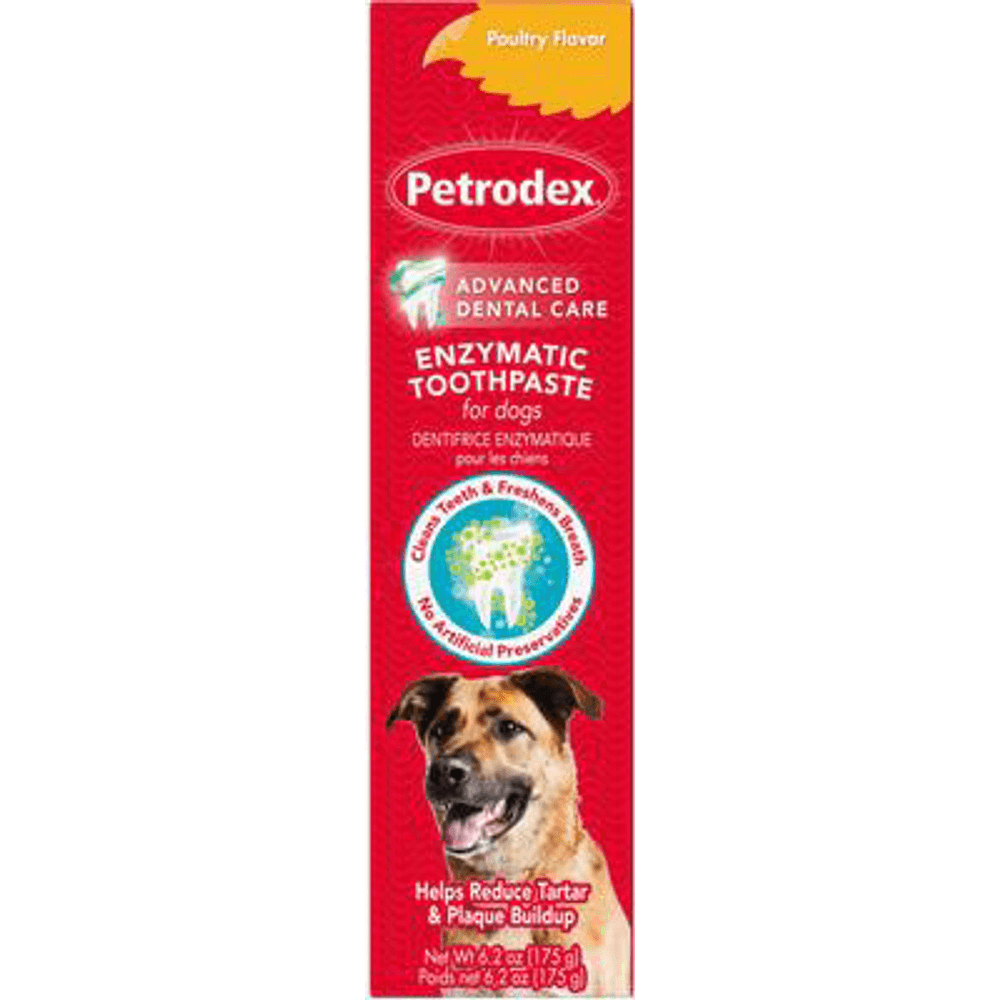
Veterinary-strength enzymatic toothpaste that helps reduce tartar and plaque buildup while freshening breath. Poultry flavored, made for dogs, with no artificial preservatives.
Petful may earn a commission when you click through to Chewy, at no extra cost to you.
When someone asks how long Yorkie poos live, the honest answer includes uncertainty. Genetics, size, disease, injuries, access to care, and many other factors affect individual outcomes. A healthy routine cannot prevent every illness, and an early death does not by itself mean an owner failed to provide good care.
- Use the estimate to plan for a long-term commitment.
- Keep medical records that follow the dog throughout life.
- Review preventive care as circumstances change.
- Focus on comfort and function rather than a predicted age.
 Sponsored
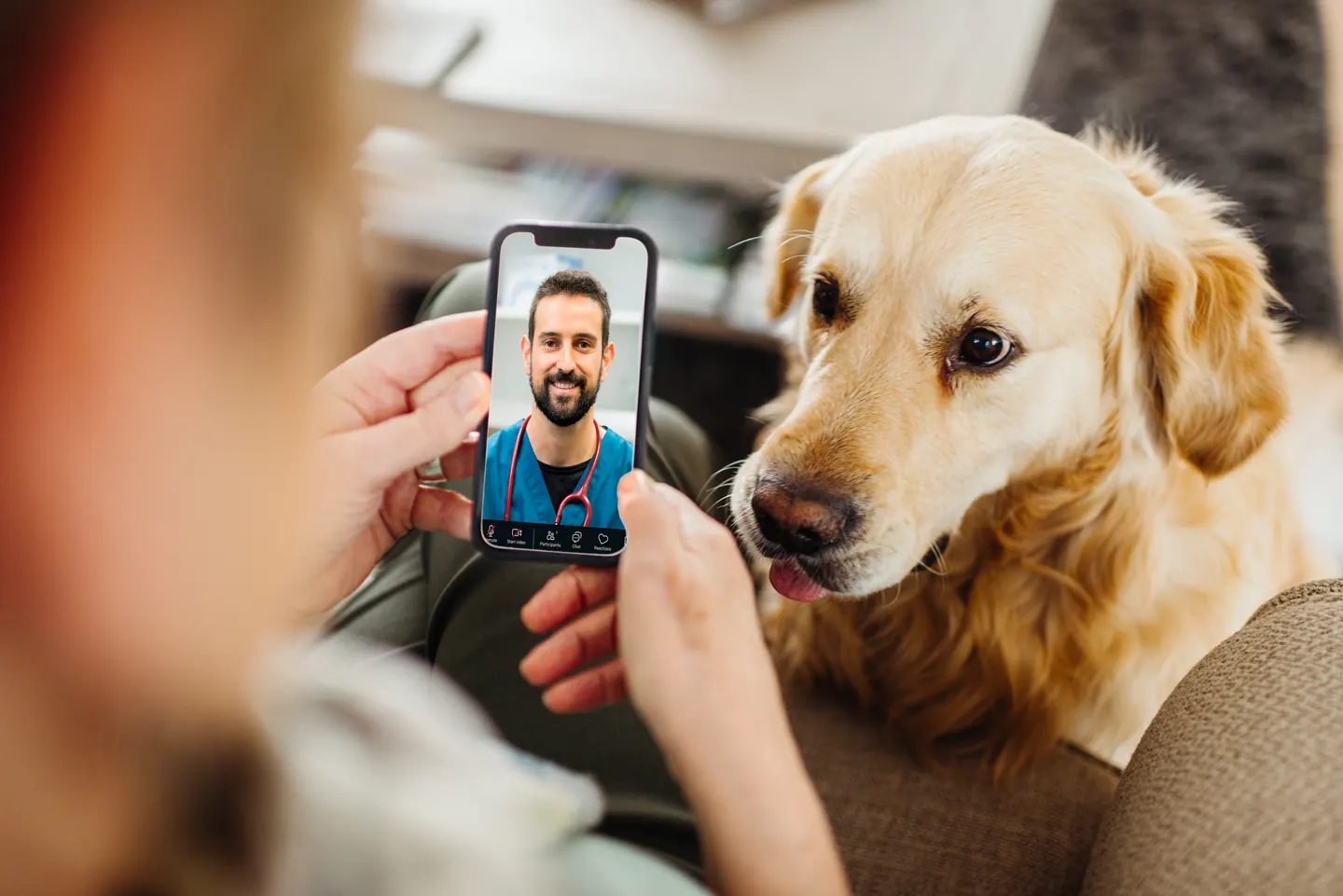
Have a health question about your dog?
Talk to a licensed vet at Dutch over video or message, including nights and weekends.
Use code Pets60
Plans start at $12/month · covers up to 5 pets
- Licensed vets in most states
- Rx for 150+ conditions
- 4.7 on Trustpilot
Why an age calculator is limited
A Yorkie Poo age in human years calculation is a rough analogy, not a medical assessment. The old rule of multiplying by seven does not reflect the changing pace of development from puppyhood to adulthood. A Yorkie age chart cannot tell you whether a dog has dental pain, arthritis, or a treatable medical problem.
Likewise, Yorkipoo life expectancy is not determined by a label such as toy, miniature, or teacup. Discuss the actual dog's development and condition with a veterinarian. For adult measurements and growth rather than longevity, our Yorkipoo full-grown guide explains what size ranges can and cannot tell you.
Common health concerns to discuss with your veterinarian
What is the main cause of death in Yorkies, and what do Yorkies usually die from? Those questions concern Yorkshire Terriers and cannot establish a cause-of-death ranking for Yorkipoos. The sources here do not provide a representative Yorkipoo mortality study. For an individual dog, ask your veterinarian which risks follow from the examination, age, family history, and existing diagnoses, rather than assuming that a parent-breed statistic predicts the outcome.
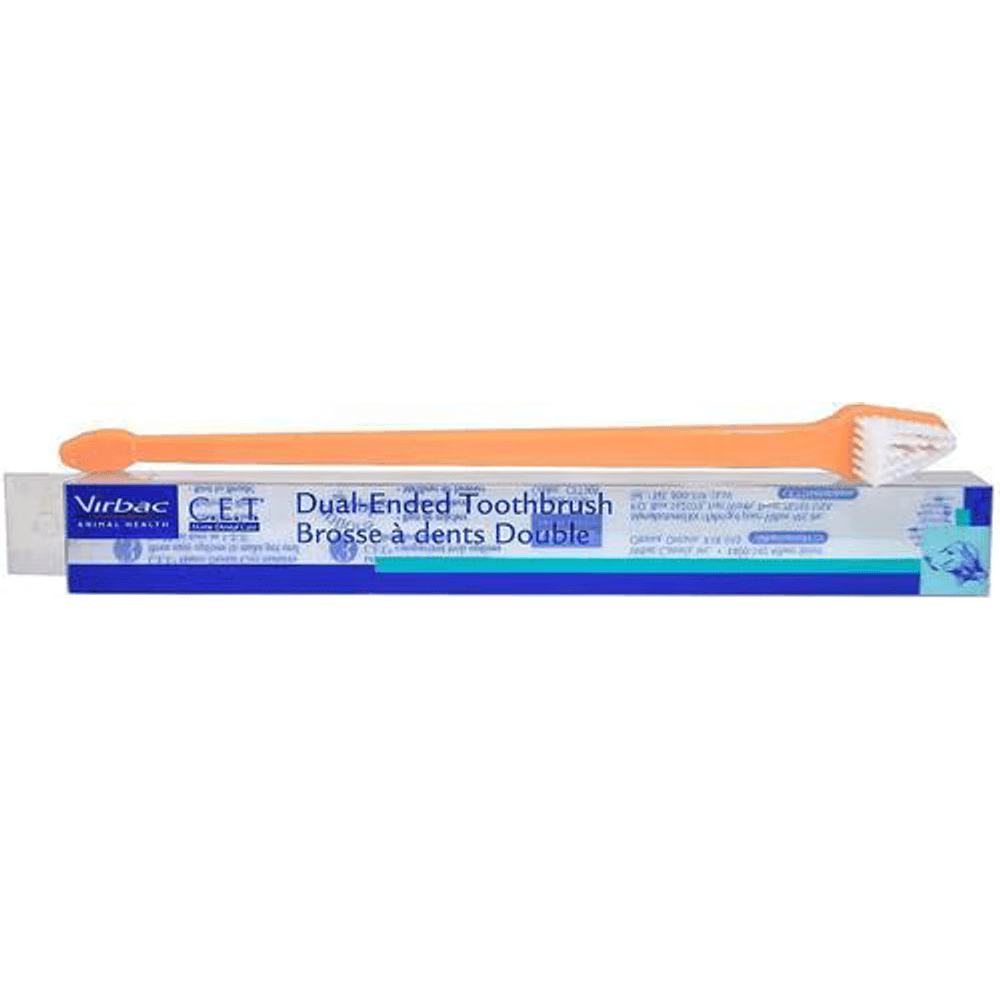
A dual-ended toothbrush with a large and a small head to fit different mouth sizes and reach the back molars where plaque hides. Soft bristles angled for the gumline.
Petful may earn a commission when you click through to Chewy, at no extra cost to you.
Yorkipoo health problems can include conditions associated with small dogs and the parent breeds. This is a discussion list, not a prediction that your dog will develop every condition. Ask your veterinarian which screening, examinations, and prevention steps make sense for your dog's age, history, and findings.
Dental disease
Small mouths can make oral care particularly important. Bad breath, dropping food, a change in chewing, or inflamed gums should prompt a veterinary assessment. A dog who continues eating may still have dental discomfort, so appetite alone is not a reliable all-clear.
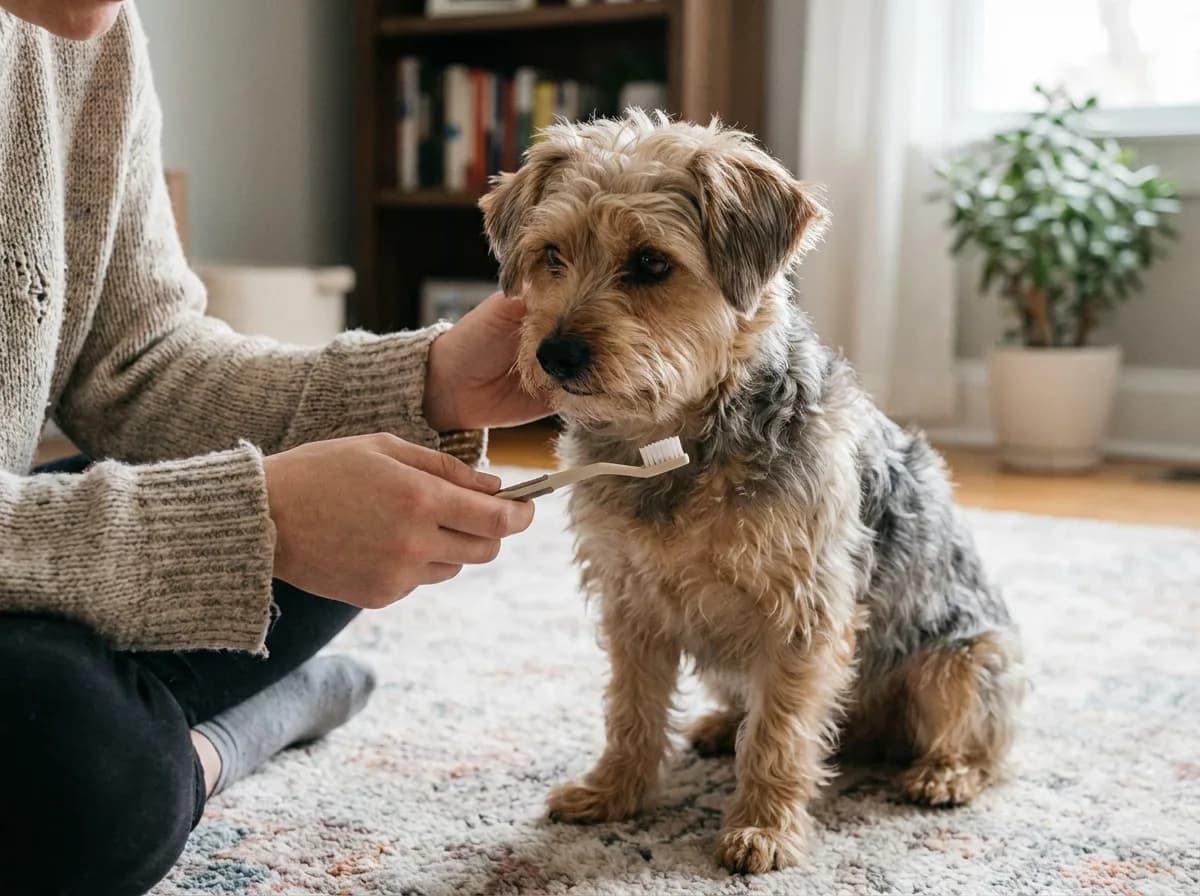
Introduce brushing gently when the mouth is comfortable, using dog toothpaste and an appropriately sized brush. Do not force brushing over a painful area. Home care and veterinary dental treatment serve different purposes; no chew, powder, or brush removes the need for an examination when disease is suspected.
Kneecap problems
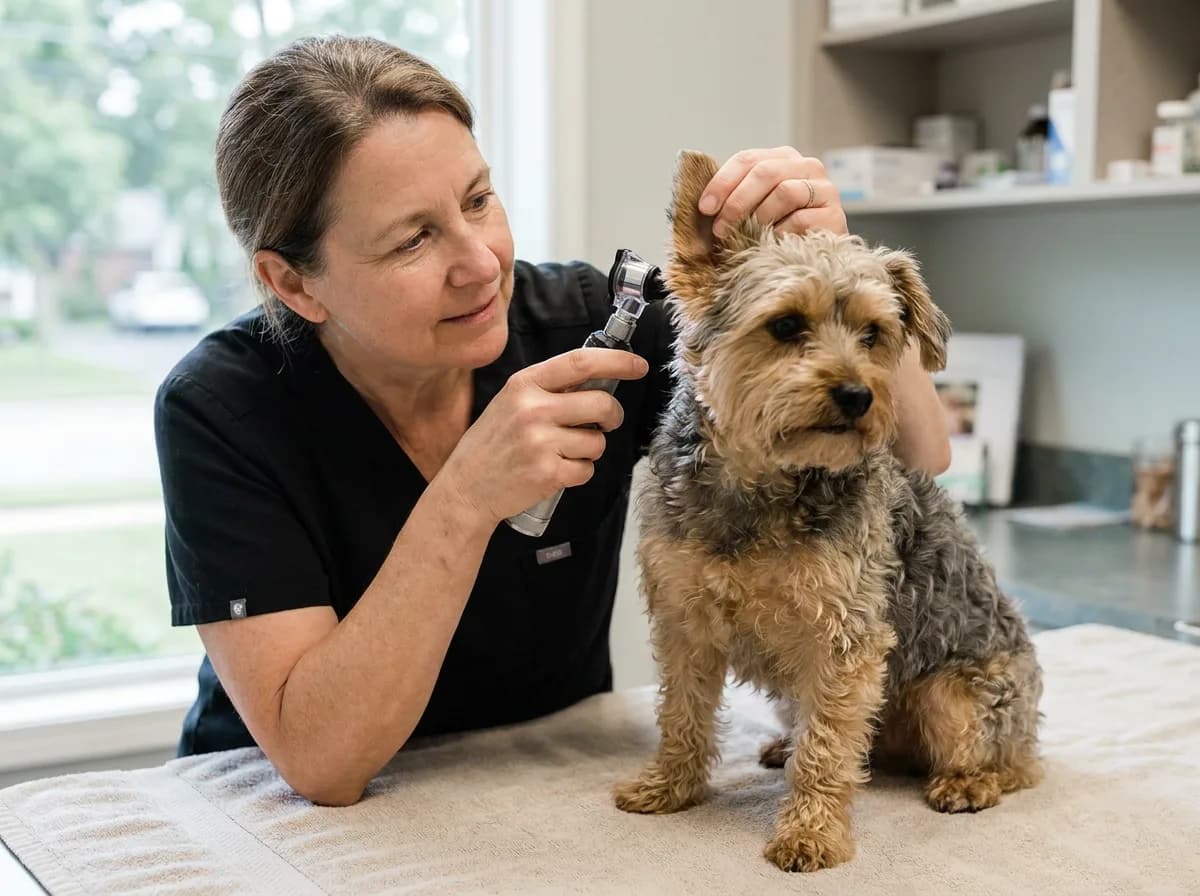
A luxating patella is a kneecap that moves out of its normal position. The American College of Veterinary Surgeons identifies Yorkshire Terriers and Miniature Poodles among small breeds predisposed to this condition. An intermittent skipping gait, holding up a hind leg, or discomfort deserves an examination.
Treatment depends on severity and the individual dog. Do not diagnose the problem from a short video or attempt to reposition a kneecap yourself. Your veterinarian can assess the joint, discuss activity and weight management, and explain whether a surgical opinion is appropriate.
Breathing and coughing
Tracheal collapse is one possible cause of coughing in small dogs, but it is not the only one. A new, persistent, or worsening cough should be evaluated. The ACVS tracheal-collapse resource describes the condition and the role of individualized treatment.
Avoid pressure on the throat during walks, and discuss appropriate equipment if your dog has airway disease. Trouble breathing, blue or pale gums, collapse, or severe distress requires urgent veterinary attention. Do not wait to see whether a different harness or supplement fixes a breathing emergency.
- Seek immediate veterinary care for labored breathing, collapse, blue or pale gums, or severe distress. Keep the dog calm and follow the veterinary team's transport instructions.
Eyes and other changes
Vision changes, eye discomfort, increased thirst, altered urination, unexplained weight changes, and persistent skin problems also deserve assessment. Yorkipoo care should respond to observed changes rather than assuming every symptom comes from one inherited disease. An examination and appropriate testing are needed to distinguish possible causes.
There is no dependable single answer to “what do Yorkie poos die from?” that can be applied to every dog. Data about purebred Yorkshire Terriers are not automatically Yorkipoo data, and a list of potential illnesses does not rank causes of death. Ask about the individual dog's diagnosis and prognosis when illness occurs.
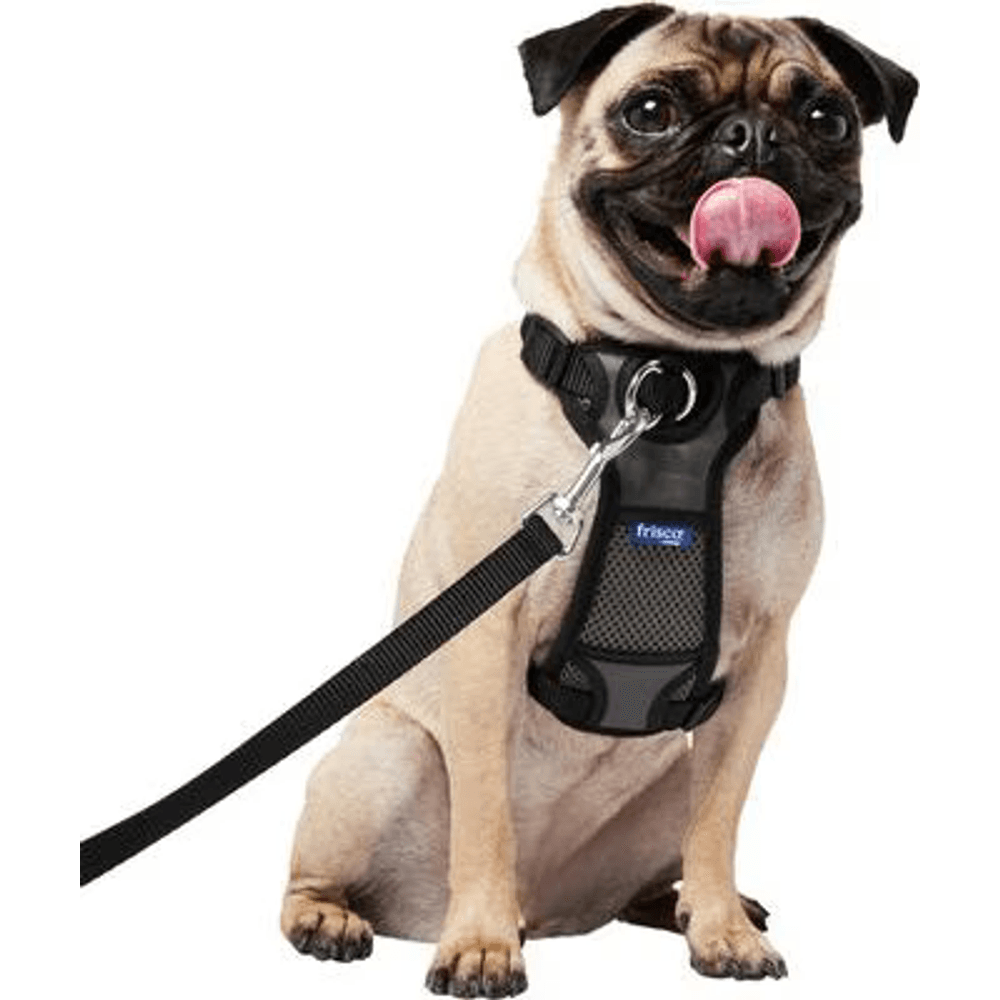
A budget-friendly padded no-pull harness that keeps leash pressure off a coughing dog's neck and windpipe by distributing it across the chest. A simple, affordable way to protect an irritated airway or a collapsing trachea on every walk.
Petful may earn a commission when you click through to Chewy, at no extra cost to you.
Daily habits that support healthy aging
The daily routine should help maintain comfortable movement, appropriate body condition, oral health, and engagement. It should not become an escalating collection of supplements promoted as life extension. A dog eating an appropriate complete and balanced diet may not need additional products unless a veterinarian identifies a reason.
For routine care, a Frisco 1.5-cup travel bowl makes water available during an outing, and Frisco small-pet nail clippers may suit home nail care after a professional demonstration. Choose equipment for comfort and fit, rather than treating a product as a way to extend lifespan.
The AAHA nutrition and weight-management guidelines emphasize individualized nutritional assessment. Bring the actual food name, feeding amount, treats, and supplements to visits. A description such as “a little dry food” makes it difficult to evaluate total intake.
- Keep a consistent record of meals and treats.
- Ask for a body-condition assessment and an appropriate weight range.
- Provide regular activity within the dog's ability.
- Introduce dental care as a comfortable routine.
- Follow individualized parasite-prevention and vaccination advice.
- Avoid smoke exposure and other irritants where possible.
 Sponsored
Vet care that's always there
Unlimited video calls and messaging with licensed vets for less than a typical vet visit. One membership covers up to five pets.
Use code Pets60
Plans start at $12/month · covers up to 5 pets
- Licensed vets in most states
- Rx for 150+ conditions
- 4.7 on Trustpilot
Choose tools that make care easier
For a dog comfortable with brushing, the Virbac C.E.T. dual-ended toothbrush offers a smaller head, while Sentry Petrodex dog toothpaste is designed for canine oral care. Choose a method your dog tolerates and ask your veterinary team to demonstrate it. These are tools for an agreed care routine, not treatments for established painful disease.
Petful may earn a commission when you click through to Chewy, at no extra cost to you.
On walks, a properly fitted harness such as the Frisco Padded No Pull Dog Harness, Small may suit some Yorkipoos. Check measurements and movement rather than choosing by breed name. A harness does not prevent every airway problem or replace veterinary advice about a dog who coughs.
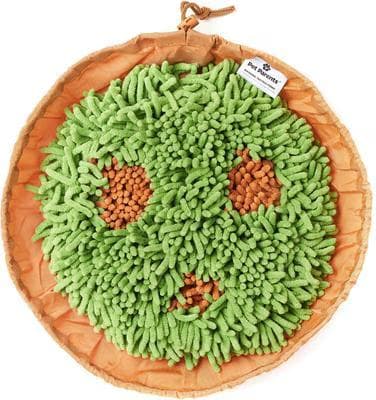
An enrichment item such as the Pet Parents Forager Snuffle Mat can provide supervised food-searching activity when it suits the dog's mobility and behavior. Use part of the normal ration, prevent fabric chewing, and keep the difficulty comfortable. An older dog can enjoy learning without being pushed through strenuous exercise.
Keep behavior in the care plan
Yorkipoo care includes preserving familiar, enjoyable activities as needs change. Yorkie Poo temperament and the pros and cons of a particular routine depend on the individual: one dog enjoys visitors while another needs a quieter resting area. Watch for changes from that dog’s normal pattern. Our Yorkipoo temperament guide offers household planning questions, while a veterinarian should assess new discomfort or unusual behavior.
Recognizing changes in a senior Yorkipoo
- A change from baseline means a difference from your own dog’s usual behavior, not simply a comparison with another older dog. Record what changed, when it started, and whether it affects meals, sleep, movement, toileting, or interaction. A short video can help describe an intermittent problem. Share new or persistent changes with your veterinarian instead of dismissing them as an inevitable part of getting older.
A washable Pet Parents Pawtect small blanket can make the resting area easier to maintain. A supervised Outward Hound Lick N’ Flip puzzle may offer a quiet food activity if your dog can use it comfortably; simplify or stop the activity if it causes frustration.
There is no exact age when all Yorkipoos slow down. Age-related needs develop gradually and vary between individuals. A dog who suddenly stops joining walks, avoids steps, wakes at night, or becomes irritable may have discomfort or illness rather than a normal personality change.
The AAHA senior-care guidelines recommend care tailored to the older patient and ongoing communication about quality of life. A change from baseline is especially useful information: compare the dog with their own normal routine, not with a younger neighbor's dog.
| Observation | Useful detail to record | Next step |
|---|---|---|
| Less interest in walks | When it began and whether certain movements are difficult | Arrange an examination |
| Changed appetite | Amount eaten, timing, and associated symptoms | Contact the veterinary team |
| New accidents | Frequency, drinking, and signs of discomfort | Seek veterinary assessment |
| Restless nights | Pattern, pacing, vocalizing, or confusion | Discuss medical and behavioral causes |
| New cough | Frequency, triggers, and a safe video if possible | Arrange advice promptly; urgent care for breathing distress |
Make the environment easier
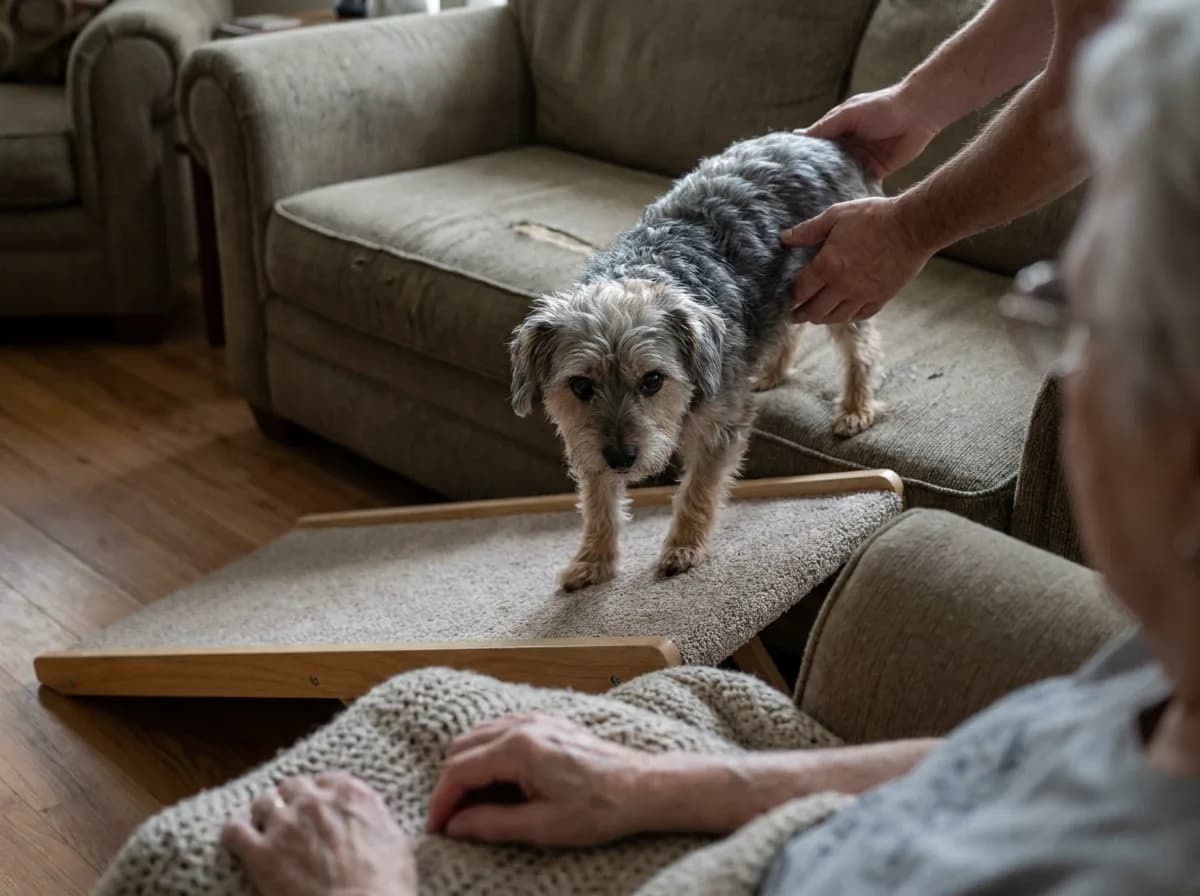
Nonslip walking routes, an accessible resting place, and predictable routines can help an older dog. If steps or jumping have become difficult, ask your veterinarian about safe changes. A stable ramp may help some dogs, but pain management and diagnosis should not be replaced by furniture adjustments alone.
Keep grooming comfortable as tolerance changes. Shorter sessions and a manageable coat may be more appropriate than preserving an elaborate hairstyle. Tell the groomer about medical conditions and sensitive areas. A dog who suddenly resists handling deserves a discussion with the veterinarian before the behavior is treated as disobedience.
Use size records rather than appearances
Yorkie Poo pictures of full grown dogs are poor health baselines. A male or female with a black coat, a long trim, or a “teacup” label may look quite different after grooming even when weight is unchanged. Record your own Yorkiepoo size and comfortable movement instead of comparing photographs. The full-grown Yorkipoo guide explains shoulder height, body length, and chest measurements for practical equipment decisions.
Build a practical veterinary care plan
Keep vet visit notes in one place so you can describe changes accurately and follow the agreed plan. Include current medications and supplements, appetite, activity, recent weight measurements, and questions you want answered. After the visit, record any instructions and the recommended follow-up. Ask the clinic to clarify anything uncertain rather than changing a dose or adding a product because a general breed article mentions it.
Good vet visit notes turn vague concerns into useful observations. Write down when a change began, how often it happens, what makes it better or worse, and whether appetite, thirst, toileting, sleep, or mobility changed at the same time. Bring medications and supplements with doses exactly as currently given.
Ask the veterinary team which changes should trigger a call between scheduled visits. Do not wait for an annual appointment when symptoms are new. The right examination interval depends on age, existing disease, medication monitoring, and the individual dog's needs.
- Keep vaccination, parasite prevention, dental, and medication records together.
- Ask what monitoring is needed for any long-term treatment.
- Know where the nearest emergency veterinary service is located.
- Plan how to transport a small dog safely.
- Review expected costs and payment options before an urgent situation.
For ordinary transport, the Petsfit expandable soft-sided carrier is one option to assess against your dog's measurements and the manufacturer's limits. A familiar comfortable carrier can reduce the work of getting to a routine appointment. Follow veterinary instructions instead if an injury or breathing problem requires a different transport approach.
The main Yorkipoo guide covers temperament, barking, and everyday household fit. Keep those behavioral observations in your vet visit notes too. A change from baseline in a dog who normally enjoys cuddling or play can provide an early clue that something needs attention.
Frequently asked questions
The longest a Yorkie Poo has lived is not established by a verified Yorkipoo longevity record in the sources used here. Online anecdotes can be meaningful to families but may lack independent age and ancestry documentation. They should not become a target or a promise for another dog. Ask your veterinarian about the individual dog's current health and comfort rather than comparing with an exceptional story.
Yes, 14 is old for a Yorkie Poo: a 14-year-old Yorkipoo is an older dog, but age alone does not describe quality of life. Appetite, mobility, comfortable sleep, social engagement, and the ability to enjoy normal activities matter. Keep regular veterinary care and report changes from the dog's baseline. Do not dismiss treatable pain or illness simply because the dog has reached an advanced age.
The sources here do not establish how often a Yorkie can live 20 years. Some dogs reach exceptional ages, but 20 is not a realistic promise for a Yorkie or Yorkipoo. A breed guide's range also cannot determine one dog's remaining time. Focus on preventive care and comfort, and discuss prognosis with the veterinarian if a diagnosis changes the picture. Exceptional anecdotes are not a life-expectancy forecast.
Whether male or female Yorkies live longer cannot establish an individual Yorkipoo's lifespan; population differences reported for some dog groups are not individual predictions. The sources here do not establish a Yorkipoo-specific male-versus-female survival advantage. Health history, veterinary findings, and current quality of life are more useful for care decisions. Discuss reproductive-health choices individually with your veterinarian rather than choosing a puppy on an unsupported longevity claim.
BVMS, MRCVS
Dr. Pippa Elliott, BVMS, MRCVS, is a veterinarian with nearly 30 years of experience in companion animal practice. Dr. Elliott earned her Bachelor of Veterinary Medicine and Surgery from the University of Glasgow. She was also designated a Member of the Royal College of Veterinary Surgeons. Married with 2 grown-up kids, Dr. Elliott has a naughty Puggle named Poggle, 3 cats and a bearded dragon.
Sign up for expert-backed reviews and safety alerts all in one place.