Yorkipoo Full Grown: Adult Size, Weight, and Pictures
Adult Yorkipoos vary in size, coat, and proportions. Learn how to interpret typical ranges, track growth without false precision, and measure your dog for comfortable everyday equipment.
Appearance alone does not establish ancestry or predict adult size.
Petful is reader supported. As an affiliate of platforms like Amazon and Chewy, we may earn a commission when you buy through links on this page. There is no extra cost to you.
A Yorkipoo full grown is usually a small dog, but there is no single guaranteed adult size. The Yorkshire Terrier-Poodle mix can inherit different proportions depending on its parents, particularly whether the Poodle ancestry is Toy or Miniature. A commonly cited reference range is about 4–15 pounds and 7–15 inches tall, although individual dogs can fall outside it.
Those numbers are a starting point for planning, not a target to feed toward. The more useful approach combines parent information, the puppy's measured growth, and body condition. Adult pictures help you understand possible appearances, but a fluffy coat can make two dogs of similar weight look very different.
- 1Yorkipoo adult size varies with parent size and ancestry.
- 2Follow a growth trend rather than trusting a puppy-weight formula.
- 3Measure chest, body length, and shoulder height before buying equipment.

Sign up for expert-backed reviews and safety alerts all in one place.
How big does a Yorkipoo get?
How big can a Yorkipoo get? A Yorkie Poo full grown can be larger or smaller than the typical reference range, because parent size and individual development vary. Yorkipoo size should therefore be treated as a planning estimate. For a full grown Yorkie Poo, current measurements are more useful than a label; for a puppy, ask about both parents and discuss the growth record with your veterinarian before buying equipment intended to last into adulthood.
Adult Yorkipoo size depends on more than the breed name. A puppy with a Miniature Poodle parent may grow larger than one with a Toy Poodle parent, but there is overlap. The size of both actual parents is more informative than a seller's general description of a “tiny doodle.”
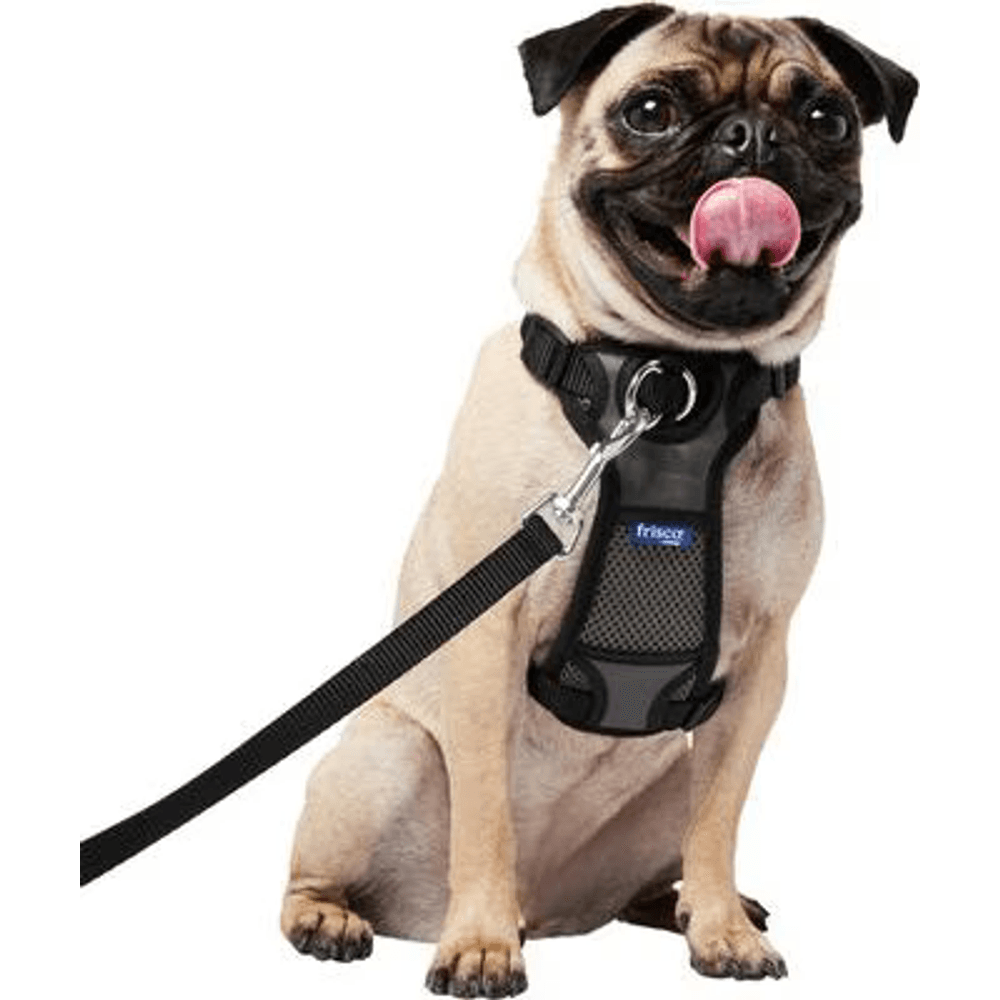
A budget-friendly padded no-pull harness that keeps leash pressure off a coughing dog's neck and windpipe by distributing it across the chest. A simple, affordable way to protect an irritated airway or a collapsing trachea on every walk.
Petful may earn a commission when you click through to Chewy, at no extra cost to you.
PetMD's Yorkiepoo guide gives a typical Yorkipoo weight of 4–15 pounds and height of 7–15 inches. These broad figures are not a formal standard or a guarantee. A healthy adult who weighs more than a reference range should not automatically be placed on a diet to fit it.
- Weight reflects muscle, body fat, frame, and current condition.
- Height is measured to the top of the shoulders, not the head or ear tips.
- Body length helps with carrier and bed selection.
- Chest girth is often the most useful starting measurement for harness sizing.
If a strict adult-size limit matters, such as a housing restriction, a fully grown dog offers more certainty than a puppy. Confirm the exact policy rather than assuming “small breed” is enough. Transport rules may involve carrier dimensions and the dog's ability to move normally inside, not weight alone.
Toy, miniature, and teacup labels
“Toy Yorkipoo” and “mini Yorkipoo” are often used to describe the Poodle parent or an expected size category. Ask the seller what the term means in that particular litter. A descriptive label is not the same as a documented measurement, and different sellers may use the same word differently.
“Teacup” is not a separate recognized Yorkipoo breed or a reliable promise of adult size. Choosing for the smallest possible dog can also distract from health, sturdy development, and the ability to manage everyday life safely. Ask about the puppy's veterinary assessment and normal feeding rather than requesting a dog who stays below an arbitrary number.
When is a Yorkipoo full grown?
A growth trend is a series of comparable observations, not a forecast made from one weigh-in. Note the date, weight, approximate age, and any change in appetite or routine. Bring that record to your veterinarian so a slowing trend can be interpreted alongside body condition and development. Do not add food simply to keep a puppy following an online line, or restrict meals to preserve a promised tiny adult size.
Petful may earn a commission when you click through to Chewy, at no extra cost to you.
Many small dogs approach adult height during their first year, then continue to fill out and mature. There is no validated Yorkipoo growth schedule that predicts every puppy's final size to the ounce. Growth timing varies with ancestry, nutrition, health, and the individual dog's development.
Use a growth trend to answer the practical question: is this puppy developing steadily? Record weight under similar conditions and bring the record to veterinary visits. A veterinarian can interpret changes alongside physical examination, body condition, age, and the puppy's appetite and activity.
| Life stage | Useful observation | What it cannot prove |
|---|---|---|
| Early puppyhood | Weight trend, eating, energy, and veterinary assessment | Exact adult weight |
| Later puppyhood | Changing height, length, and harness fit | Final body shape from one photograph |
| Around the first birthday | Whether height has stabilized and body condition is appropriate | That every dog has stopped changing |
| Adulthood | Stable measurements and comfortable movement | Ideal weight without considering body condition |
Avoid false precision in a Yorkipoo size chart
A Yorkipoo size chart can organize observations, but a month-by-month number copied from another dog is not a medical standard. Do not add food simply because your puppy is below a chart or restrict food because the puppy is above it. Poor growth, sudden weight changes, or a puppy who is not eating needs veterinary advice.
Paw size is similarly limited. So are formulas that multiply an early puppy weight to predict adulthood. A Yorkipoo weight calculator may produce an appealing exact answer, but the precision of the output does not establish the accuracy of the method. Ask what population the calculator was validated against before treating it as evidence.
- Record the date and weight rather than relying on memory.
- Note whether the measurement came from the same scale.
- Track appetite, stools, energy, and any illness alongside the number.
- Review the pattern with your veterinarian at routine visits.
- Recheck walking equipment whenever the puppy's proportions change.
Adult Yorkipoo pictures and coat changes
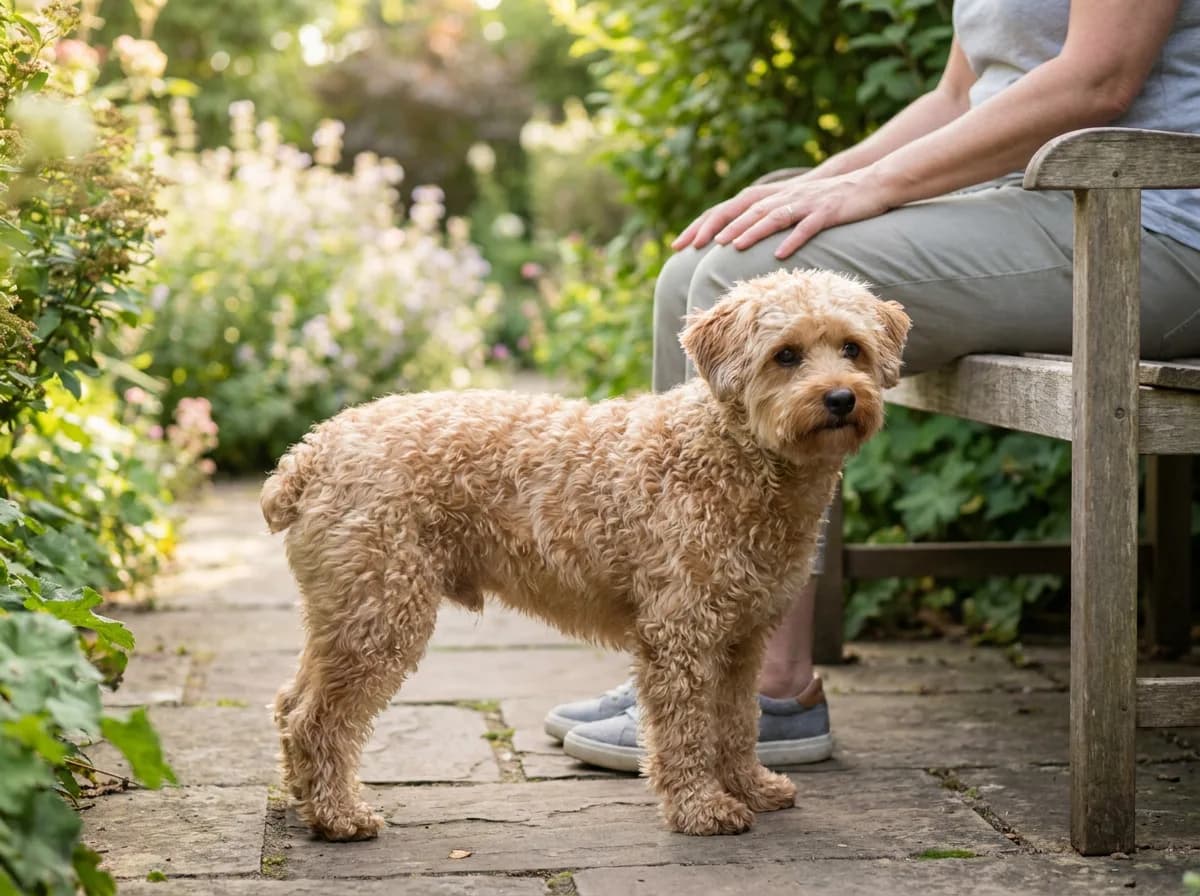
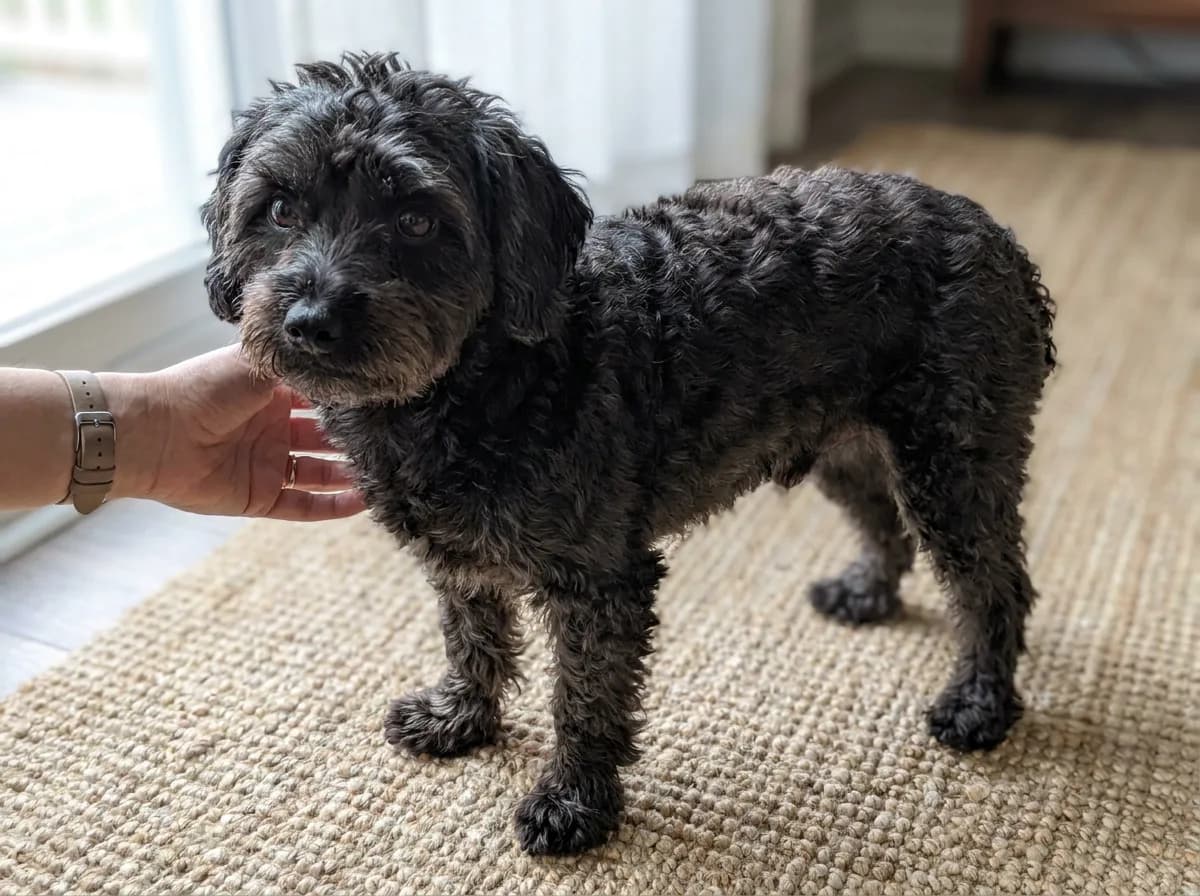
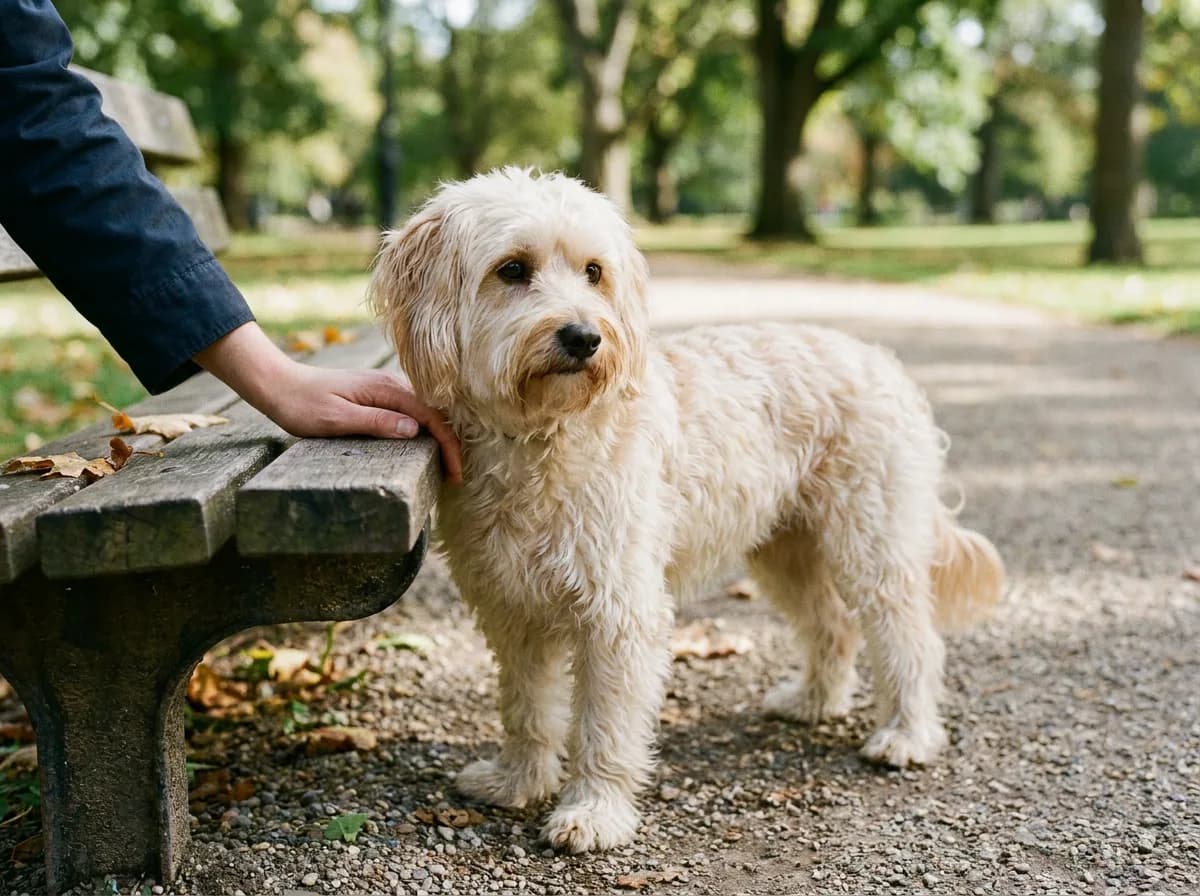
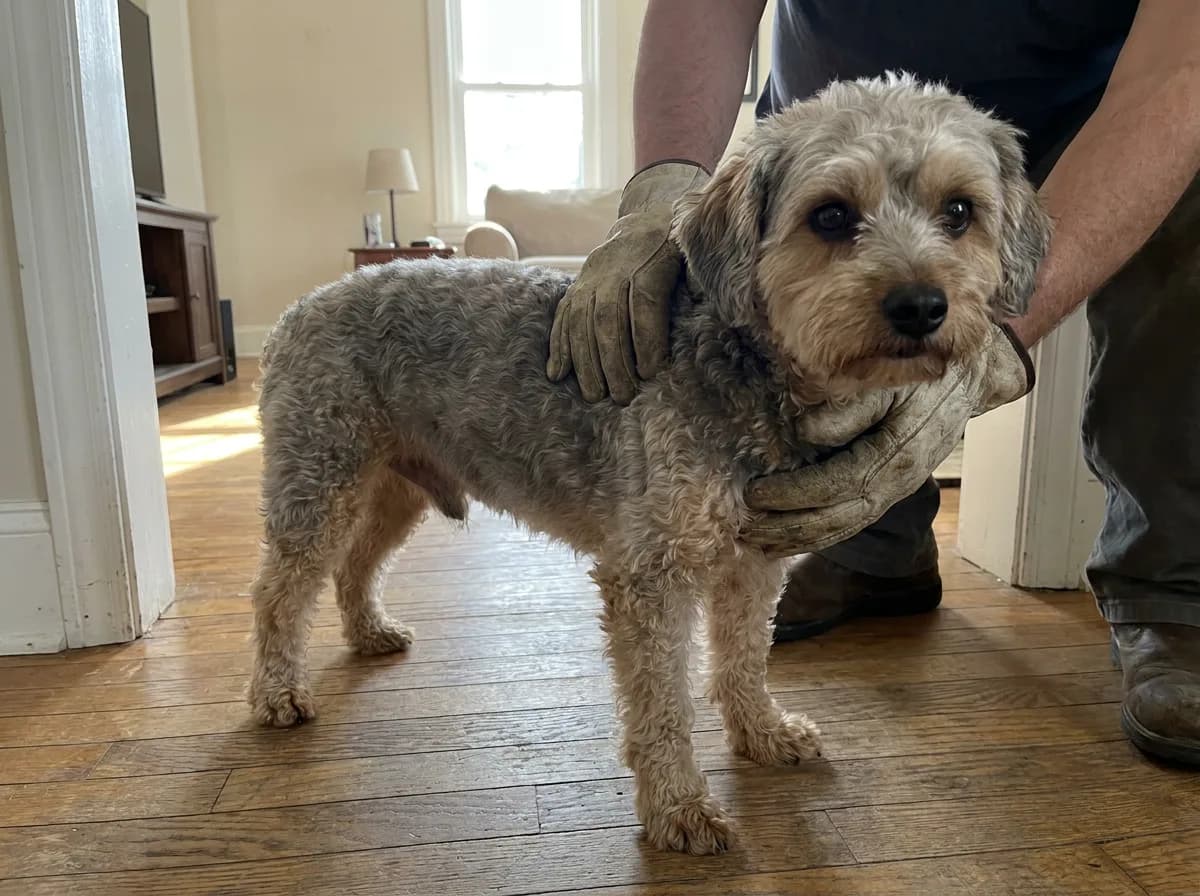
Yorkie Poo pictures of full grown dogs show possibilities rather than predictions. Compare a black adult with a lighter dog at the same camera angle, and look past coat volume to body proportions. Male and female Yorkipoos can overlap in size and appearance, so photographs alone cannot establish sex, age, or expected weight. Full grown Yorkie Poo pictures are most useful when the owner also supplies current measurements and explains the haircut.
A full grown Yorkie Poo may have a curly, wavy, or straighter coat. Ears, muzzle shape, leg length, and coloring also vary. A short clip can reveal a slender frame that was hidden by hair, while a longer trim can make the same dog appear broader or shorter-legged.
The illustrative images in this guide show representative appearances rather than documented growth records of the same dog. They cannot establish ancestry, exact weight, or a promised adult outcome for a puppy. Use photographs to discuss preferences, then ask for real parent information and observations of the individual dog.
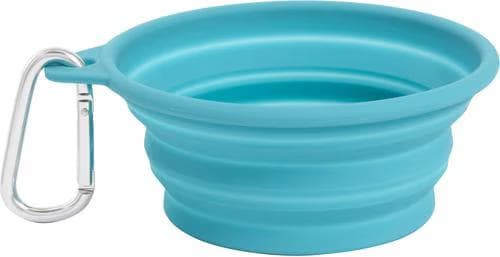
Collapsible silicone travel bowl with a carabiner that clips to a leash or bag, so your dog always has fresh water on walks, hikes, and car trips.
Petful may earn a commission when you click through to Chewy, at no extra cost to you.
What to compare in photographs
- Camera distance: A close face can look disproportionately large.
- Camera height: A view from above can make the legs appear shorter.
- Coat length: Fluffy furnishings can hide the waist, chest, and feet.
- Posture: A sitting or curled dog does not show standing height.
- Reference objects: Unknown furniture dimensions are unreliable measuring tools.
Yorkipoo pictures are especially useful for explaining grooming preferences. Save a photograph because you like the clear eyes, rounded face, or manageable leg hair. Do not assume your dog's coat will produce an identical finish. Our Yorkipoo haircut guide explains how coat texture changes the options.
Why the adult coat may look different
Puppy softness, changing hair length, grooming, and inherited coat characteristics can all affect appearance over time. A seller cannot reliably promise that a puppy will retain the exact shade, texture, or face shape visible in an early picture. Ask to see adult relatives if available, while remembering that relatives are examples rather than guarantees.
If appearance is a major part of your decision, meet adult dogs of the mix and consider adult adoption. This provides more information about coat maintenance and actual size. It also lets you observe a settled personality instead of trying to predict everything from a brief puppy visit.
Puppy pictures need age context
Pictures of Yorkie Poo puppies answer a different question from adult reference photos. A rounded face, soft coat, and small body can reflect youth rather than a permanent size category. Our Yorkipoo puppy selection guide includes a clearly labeled puppy illustration and questions for the caregiver. Compare actual age and records before treating a puppy image as a forecast of grown proportions, temperament, or health.
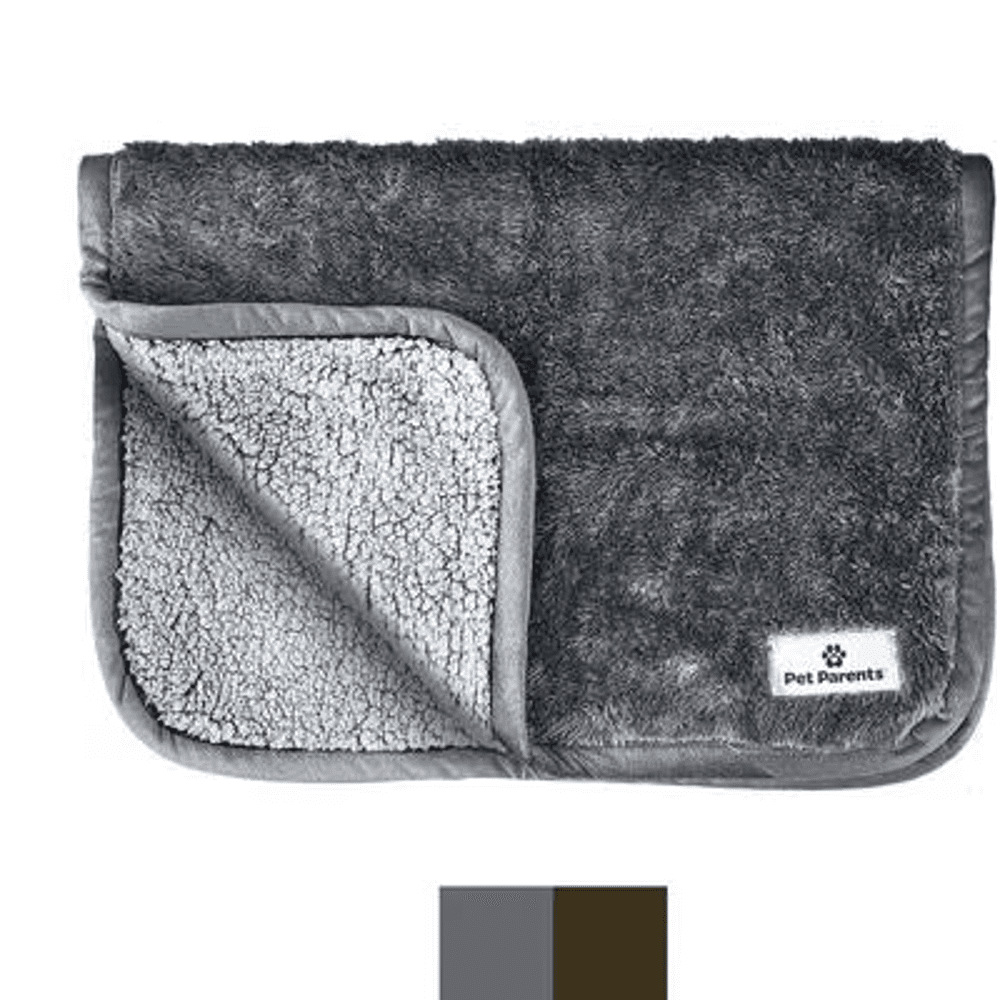
A plush, waterproof sherpa blanket that gives a cold or shivering dog a warm, cozy layer to curl into. The hidden waterproof lining protects the bed, couch, or car seat, and the whole thing is machine washable.
Petful may earn a commission when you click through to Chewy, at no extra cost to you.
Measure your dog before buying equipment
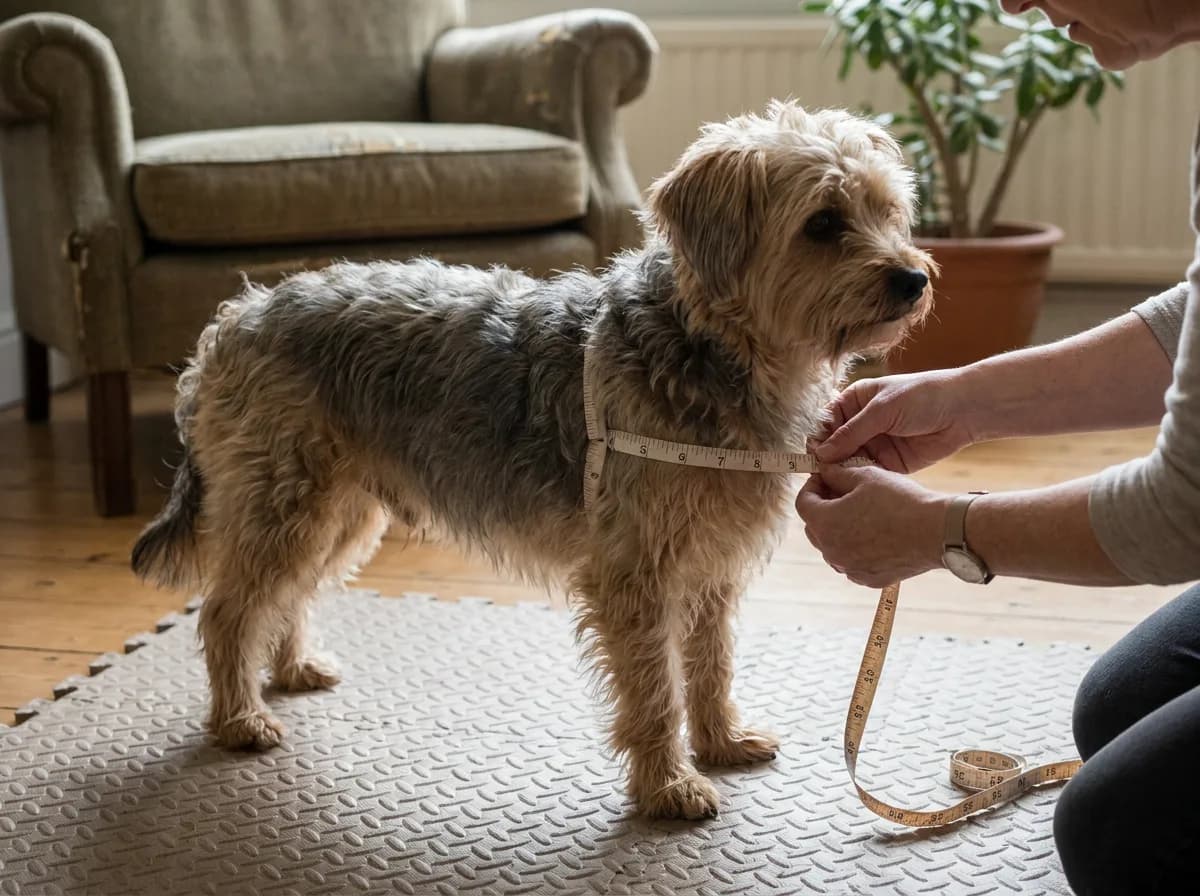
Use this three measurement checklist for an adult Yorkipoo: chest girth, body length, and shoulder height. Weight is useful too, but it does not describe the dog's proportions. A long-bodied 10-pound dog and a compact 10-pound dog may need different equipment.
An indoor Frisco 30-inch gate and playpen is another item to measure: check the opening, bar spacing, and whether your dog can climb or squeeze through. A Pet Parents Pawtect small blanket can protect a resting surface, but compare its dimensions with the space your adult dog actually uses.
Have the dog stand naturally on a nonslip surface. Use a soft measuring tape without pulling it tight, and reward cooperation. If the dog seems worried, practice touching the tape to the body in brief sessions before asking for a complete measurement. There is no need to restrain a frightened dog to finish a shopping task.
- Measure around the widest part of the chest using the manufacturer's instructions.
- Measure body length according to the specific carrier, coat, or bed sizing guide.
- Measure standing shoulder height when equipment requires it.
- Compare the actual numbers with the current product chart.
- Check comfort and freedom of movement after the item arrives.
For example, the Frisco Padded No Pull Dog Harness, Small should be chosen only when its chest range matches. “Small” is a product size, not a universal Yorkipoo fit. Check around the armpits, neck opening, and straps, then watch the dog walk and turn normally.
Carriers, bowls, and everyday choices
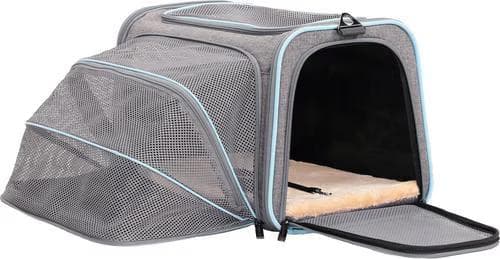
A carrier should provide enough usable space for the individual dog to stand, turn, and lie comfortably, within the manufacturer's limits. The Petsfit expandable soft-sided carrier should not be selected from a breed recommendation alone. Check the exact product and current dimensions before purchase, and verify airline rules separately if traveling.
Choose bowls that the dog can comfortably reach without crowding the face. A small Frisco silicone travel bowl can be useful on outings, but wash and dry it between uses. Bowl capacity is not a meal recommendation; the correct food amount depends on the diet and the dog's needs.
A washable Pet Parents Pawtect blanket is another type of item to compare by dimensions and laundering instructions, especially for a puppy resting beside you. Products should solve the actual setup problem. Buying a larger number of “small dog essentials” does not improve fit or comfort.
- A harness that fitted last month may now rub or restrict movement. Inspect fit frequently in a growing puppy and whenever body condition or coat length changes.
Growth, feeding, and body condition
- A three measurement checklist makes equipment decisions more reliable: record chest girth, body length, and shoulder height while your dog stands naturally, then compare each value with the particular manufacturer’s instructions. Recheck after growth or a haircut changes your impression of size. Leave room for normal posture and movement rather than selecting the smallest carrier or harness that appears to contain the dog.
An Outward Hound 0.75-cup slow feeder and a supervised Pet Parents Forager snuffle mat are two ways to present part of the normal ration. Choose one that your dog can use comfortably; the container’s capacity is not a portion recommendation.
Healthy growth is not the fastest growth. Feed a complete and balanced diet appropriate for life stage and discuss portions with your veterinarian. The food label supplies a starting point, but the best daily amount depends on the food's calories, the dog's activity, and body condition.
Avoid comparing cup measurements across different foods. Two foods can deliver different calories in the same apparent volume. Weighing portions or using a consistent measuring method makes adjustments easier. Include training treats, chews, toppers, and food supplied by other household members in the overall plan.
- Watch the waist and body shape under the coat, not only fluffiness.
- Ask your veterinarian to demonstrate a body-condition assessment.
- Keep a written feeding amount so different family members do not unknowingly double-feed.
- Adjust the plan with veterinary advice when weight or activity changes.
- Never restrict a puppy's food simply to keep the dog “teacup.”
For slower, supervised feeding, the Outward Hound 0.75-cup slow feeder is a small-format option. Check whether your dog's muzzle can comfortably reach the food and whether the bowl causes frustration. Its stated capacity does not mean that much food is right for one meal. For other designs, compare slow feeder dog bowls.
If you are deciding whether the mix suits your household, return to the main Yorkipoo guide. It covers temperament, barking, companionship, and puppy costs. Size alone cannot tell you whether a dog will be quiet, enjoy children, or cope comfortably with your workday.
For lifespan and preventive-care questions, use the Yorkipoo lifespan guide. A small adult size does not eliminate health risks. Bring the three measurement checklist and growth trend to your appointments when useful, but let examination and the individual dog's condition guide medical decisions.
Size does not determine temperament
Yorkie Poo temperament is a separate question from adult dimensions. A small frame does not establish quiet behavior, willingness to be carried, or comfort around children. Observe recovery after excitement and the dog’s response to gentle handling, while allowing time to settle in unfamiliar surroundings. Our Yorkipoo care and temperament guide helps you connect those observations to your household routine rather than choosing solely by size.
Frequently asked questions
Yes, a Yorkipoo can be larger than 15 pounds. Published reference ranges describe common sizes, not a binding standard for every Yorkshire Terrier-Poodle mix. Parent size and ancestry can produce larger dogs. Ask your veterinarian whether the individual dog's body condition is appropriate before assuming a number above the range means overweight. Actual chest measurements also matter more than the range for harness fit.
A haircut changes how big a Yorkipoo looks: a close trim can make a Yorkipoo look dramatically smaller because it removes visual bulk around the chest, legs, and face. It does not change the dog's skeletal size. Compare standing measurements and body condition rather than judging weight loss or growth from coat length. Unexpected weight loss should still be checked by a veterinarian.
No, a teacup Yorkipoo is not a separate breed. Teacup is a marketing size description rather than a separate Yorkipoo breed standard. Ask what actual adult measurements support the description and request veterinary and parent records. Do not choose a puppy solely because of promised tiny size, and never underfeed a growing dog in an attempt to preserve that label.

Coreen Saito is a pet writer and longtime shelter volunteer with more than a decade in animal rescue. She covers cat behavior, breed care, and the small, ordinary science of sharing a life with companion animals, with a particular focus on honest takes about the products and decisions that actually matter. At home in Arizona, she's outranked by Mac (a dog with the loudest opinion in the house), Rebel (a cat who governs by quiet authority), and Meri (an orange tabby who runs the late shift and the laundry basket). She writes about all three, plus the rescues that keep coming through her life, at LifeWithMinty.com.
Sign up for expert-backed reviews and safety alerts all in one place.