Yorkipoo vs Yorkie: How the Mix Differs From a Yorkshire Terrier
A Yorkie is a Yorkshire Terrier; a Yorkipoo adds Poodle ancestry. Compare the practical differences in predictability, appearance, grooming, behavior, and everyday care before choosing a dog.
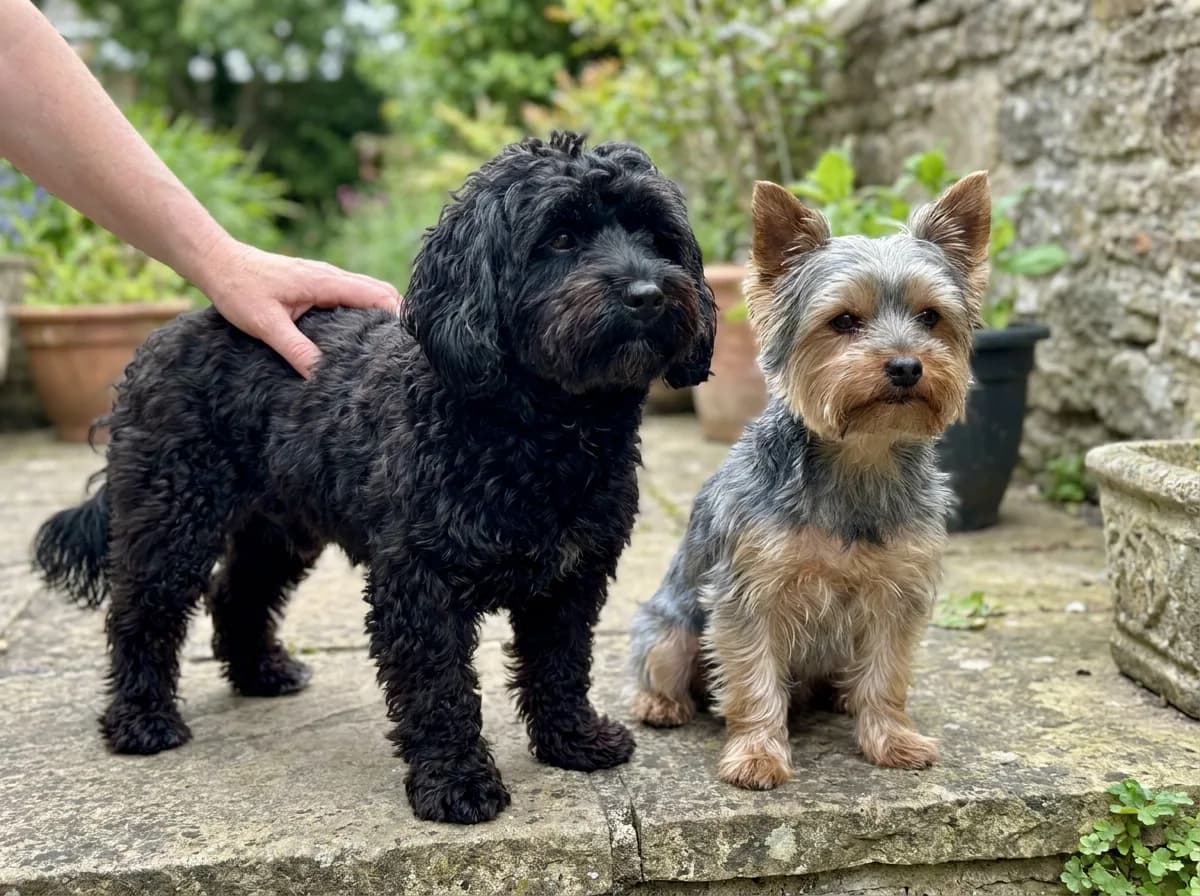
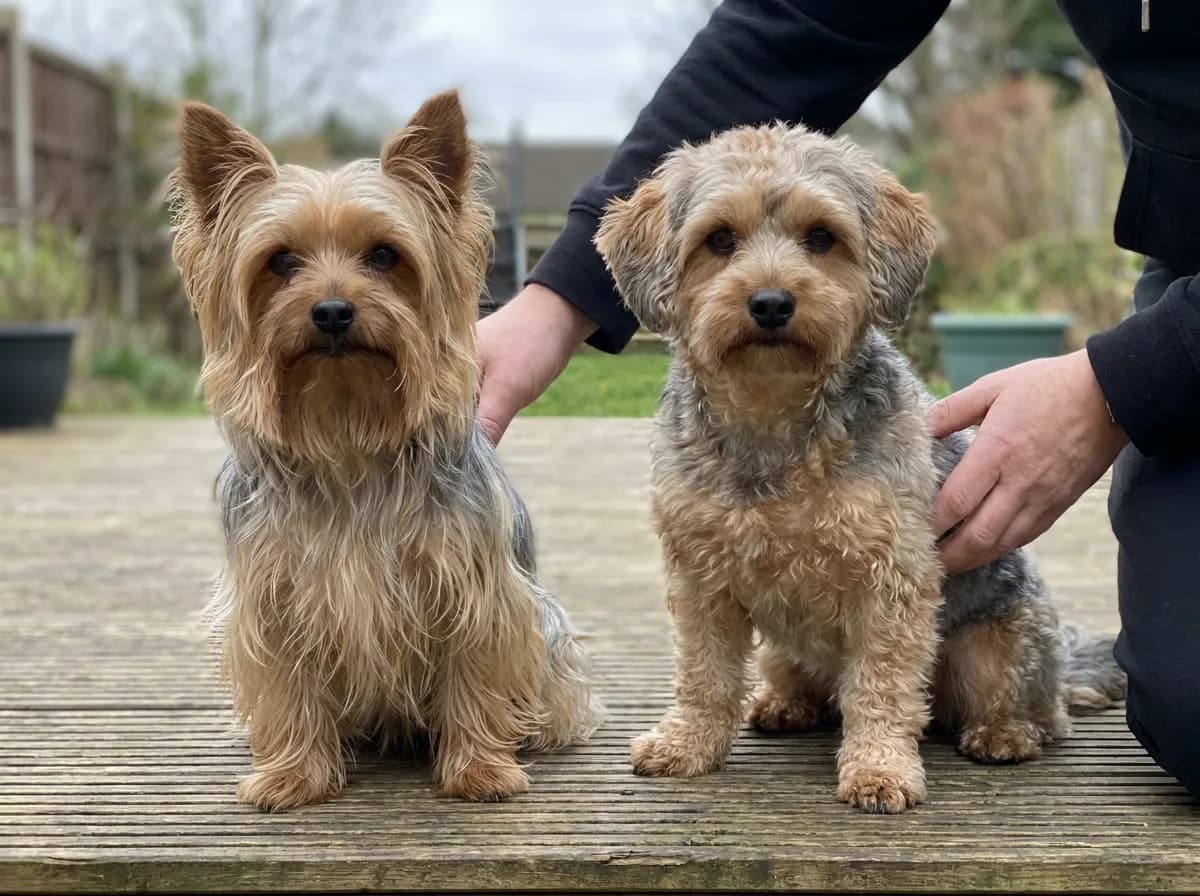
Appearance alone does not establish ancestry or predict adult size.
Petful is reader supported. As an affiliate of platforms like Amazon and Chewy, we may earn a commission when you buy through links on this page. There is no extra cost to you.
Yorkipoo vs Yorkie is a comparison between a mixed-breed dog and one of its parent breeds. A Yorkie is a Yorkshire Terrier. A Yorkipoo combines Yorkshire Terrier and Poodle ancestry, usually involving a Toy or Miniature Poodle. That additional ancestry can change size, coat texture, and appearance, but it does not guarantee easier behavior or better health.
A Yorkshire Terrier breed standard offers a clearer description of expected appearance. A Yorkipoo has more variation because there is no equivalent single standard. Neither label can tell you exactly how an individual dog will fit your home, so use records and observation alongside the general comparison.
- 1A Yorkie is a Yorkshire Terrier; a Yorkipoo is a Yorkshire Terrier-Poodle mix.
- 2Yorkipoo size and coat can vary more because of Poodle ancestry.
- 3Both need training, thoughtful handling, grooming, and routine veterinary care.

Sign up for expert-backed reviews and safety alerts all in one place.
Yorkipoo vs Yorkie: the main difference
In a Yorkipoo vs Yorkie comparison, the main difference is ancestry: a Yorkie is a Yorkshire Terrier, while a Yorkie Poo combines Yorkshire Terrier and Poodle ancestry. A Yorkie Poo vs Yorkie decision therefore involves different levels of predictability about appearance, but neither name guarantees personality or health. Compare the individual dogs and their records, then decide which care needs fit the household you can actually provide.
The most dependable Yorkie vs Yorkipoo difference is ancestry. The American Kennel Club's Yorkshire Terrier profile describes a terrier background behind the small companion appearance. Crossing a Yorkshire Terrier with a Poodle introduces another breed's genetics rather than producing a version of the Yorkie with guaranteed improvements.

Petful may earn a commission when you click through to Chewy, at no extra cost to you.
Some Yorkipoos have one parent of each breed, while others come from later-generation crosses. Ask exactly what is known about the parent dogs. Terms such as F1 and F1b can describe a mating, but they do not prove the adult coat, health status, or temperament of a puppy.
| Question | Yorkshire Terrier | Yorkipoo |
|---|---|---|
| Ancestry | Yorkshire Terrier breed | Yorkshire Terrier and Poodle mix |
| Appearance reference | Established breed standard | Variable mixed-breed appearance |
| Coat expectation | Long silky coat in full coat; pets may be clipped | May be silky, wavy, curly, or mixed |
| Adult size evidence | Breed expectations plus individual development | Parent measurements and individual development |
| Behavior prediction | General tendencies, not a guarantee | General tendencies, not a guarantee |
| Health evidence | Parent records and veterinary care | Parent records for both ancestries and veterinary care |
Identification is not the same as choosing a companion
Our Yorkipoo breed guide explains the mixed ancestry in more detail. A Yorkipoo and a clipped Yorkie can look similar. Hair texture, ear position, or a rounded haircut alone cannot reliably establish ancestry. If the dog's background is uncertain, be clear about what is known rather than declaring a mix from appearance.
A Wisdom Panel Essential Breed Identification DNA Test is one available option for gathering ancestry information. It does not replace a veterinary assessment or tell you whether the dog will bark, enjoy being carried, or get along with a cat. Those questions require individual dog evidence.
Size, appearance, and coat predictability
Yorkipoo vs Yorkie size is not simply “the mix is bigger.” A Yorkipoo with small parents may overlap the size of a Yorkshire Terrier, while one with Miniature Poodle ancestry may grow larger. Ask about both actual parents, not just the smallest dog pictured in a seller's advertisement.
For a puppy, there will always be some uncertainty about final measurements. If exact size is a firm constraint, an adult dog gives you more reliable information. Our Yorkipoo full-grown guide explains typical ranges, growth observations, and equipment measurements without pretending a chart can predict an exact adult weight.
Petful may earn a commission when you click through to Chewy, at no extra cost to you.
Coat texture changes the daily work
A Yorkshire Terrier's long silky coat and a Yorkipoo's possible curls can require different grooming techniques. Pet haircuts can make either dog easier to maintain. A short practical trim is not inferior to a full coat if it keeps the dog comfortable and fits your routine.
- Ask how often the actual coat needs brushing and professional trimming.
- Look for tangles in friction areas, not just on the visible back.
- Compare the maintenance of the chosen haircut rather than the breed name.
- Treat low shedding as separate from low grooming needs.
- Do not assume either dog is guaranteed safe for someone with allergies.
If allergy concerns are important, spend time with the individual dog and seek advice from the affected person's clinician. A Poodle cross does not eliminate allergens. A breeder's hypoallergenic promise should not replace the household's actual experience or medical advice.
A predictability checklist
- Use this predictability checklist to distinguish helpful evidence from guesses. It is especially useful when someone advertises a puppy as the best of both breeds. Ask what can be documented and what is only an expectation.
- Adult appearance: Are there parent measurements and adult relatives to see?
- Coat: What texture does this puppy currently have, and what remains uncertain?
- Behavior: Has the caregiver observed the dog in everyday situations over time?
- Health: Which parent tests and veterinary examinations are documented?
- Support: Is there a clear agreement and a plan if the placement fails?
Put adult pictures in perspective
Yorkie Poo pictures of full grown dogs can be useful references, but a black coat, a rounded haircut, or a “teacup” description can distort your impression of size. Male and female dogs overlap in appearance; neither a photo nor a sex label establishes fit for your household. The full-grown Yorkipoo guide explains which measurements to use before choosing a harness, carrier, or sleeping space.
Personality, barking, and house training
Yorkie Poo vs Yorkie temperament claims often turn into stereotypes. Yorkshire Terriers can be alert and active; Yorkipoos may show similar traits alongside Poodle influences. Either individual can be affectionate, cautious, busy, or comfortable relaxing nearby. Look at actual behavior instead of expecting every mix to be calmer than its terrier parent.
For supervised practice, a Frisco 30-inch gate and playpen may help define a manageable space if the dog cannot climb or squeeze through it. A Frisco 1.5-cup travel bowl belongs in the outing kit so toilet-training plans never depend on limiting drinking water.
Both can bark in response to visitors, hallway activity, other dogs, or being left alone. Identify why barking happens before choosing a training approach. Blocking an exciting window view and rewarding calm behavior addresses a different problem from helping a dog who panics when the household leaves.
Petful may earn a commission when you click through to Chewy, at no extra cost to you.
Reward the behavior you want
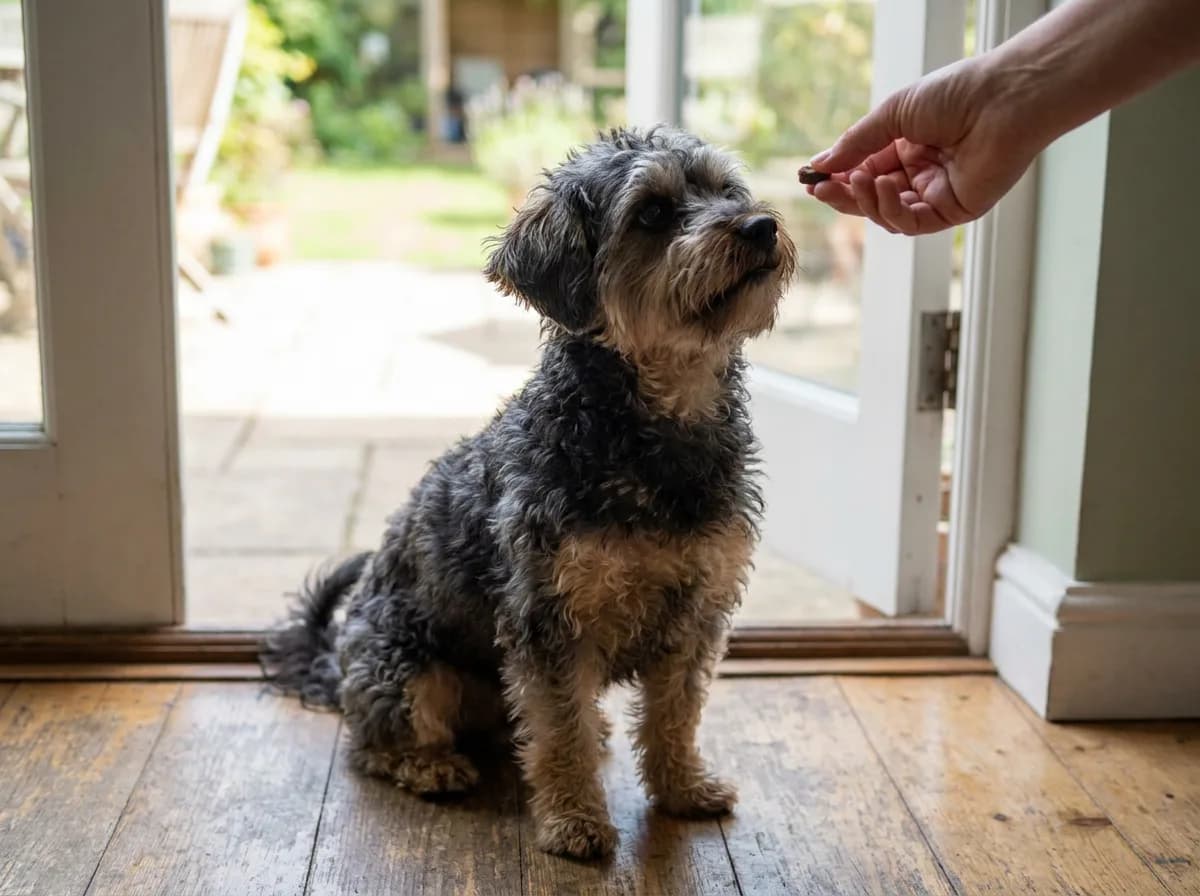
Yorkipoo training and Yorkie training share the same practical foundations: clear cues, timely rewards, a manageable environment, and repetition. A small dog should not be physically pushed through handling or greetings because it is easy to pick up. Let the dog approach when possible and practice care in comfortable steps.
- Reward calm attention before opening the door to visitors.
- Teach a resting place away from the busiest household traffic.
- Introduce brushes, harnesses, and paw handling gradually.
- Keep training sessions brief and successful.
- Build alone time in small increments suited to the individual dog.
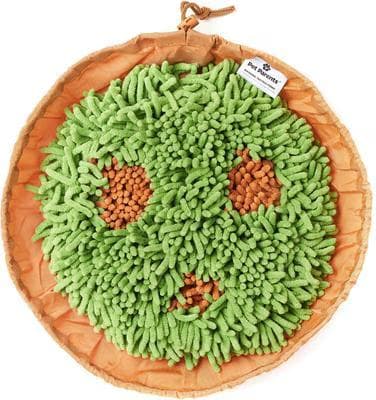
A supervised Pet Parents Forager Snuffle Mat can provide food-searching activity, using part of the normal daily ration. It can make quiet time interesting, but it is not a treatment for severe distress or a substitute for company and toilet breaks. Remove it if the dog chews the material.
House training is a schedule, not a personality test
Both Yorkies and Yorkipoos need predictable toilet access. Puppies especially benefit from opportunities after waking, meals, and play. Reward success immediately and keep a simple log so patterns become visible. An accident is information about timing, supervision, or health, not proof that the dog is spiteful.
If an adult dog who was reliably trained starts having accidents, ask a veterinarian about possible medical causes. Changes in drinking, urination, mobility, or discomfort can affect toileting. Do not respond by restricting water or punishing the dog.
Children and other pets
Either dog can be physically vulnerable around rough play. Have children sit on the floor, invite the dog to approach, and allow the dog to retreat. Supervise interactions with larger dogs and provide separate resting and feeding spaces. A dog who tolerates one calm adult may not enjoy being picked up by a group of children.

A dual-ended toothbrush with a large and a small head to fit different mouth sizes and reach the back molars where plaque hides. Soft bristles angled for the gumline.
Petful may earn a commission when you click through to Chewy, at no extra cost to you.
For more detail on the mix's daily activity and ownership challenges, see the main Yorkipoo guide. It covers barking, companionship, puppy selection, and costs. Those practical needs matter more than a claim that the mix is automatically easier for first-time owners.
Compare routines, not personality promises
Yorkipoo training and Yorkie training both require a plan the household can follow consistently. Yorkie Poo temperament is not automatically easier because Poodle ancestry is present. Compare how the actual dogs settle, respond to handling, and cope with routine changes. Our Yorkipoo temperament guide helps turn those observations into questions about your workday, visitors, and supervised interaction with children or other animals.
Grooming, health planning, and lifetime costs
Yorkipoo vs Yorkie grooming costs depend on the actual coat, chosen trim, matting, local prices, and appointment frequency. Ask a local groomer for an estimate that includes the maintenance you will do at home. Small size can reduce some material costs without making professional care inexpensive.
Compare recurring supplies as well as salon fees: TropiClean puppy and kitten shampoo has its own label directions, while Virbac C.E.T. dog and cat toothpaste belongs in a separate dental routine. A shorter coat does not remove these other care needs.
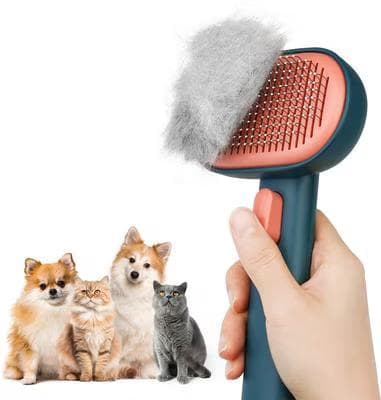
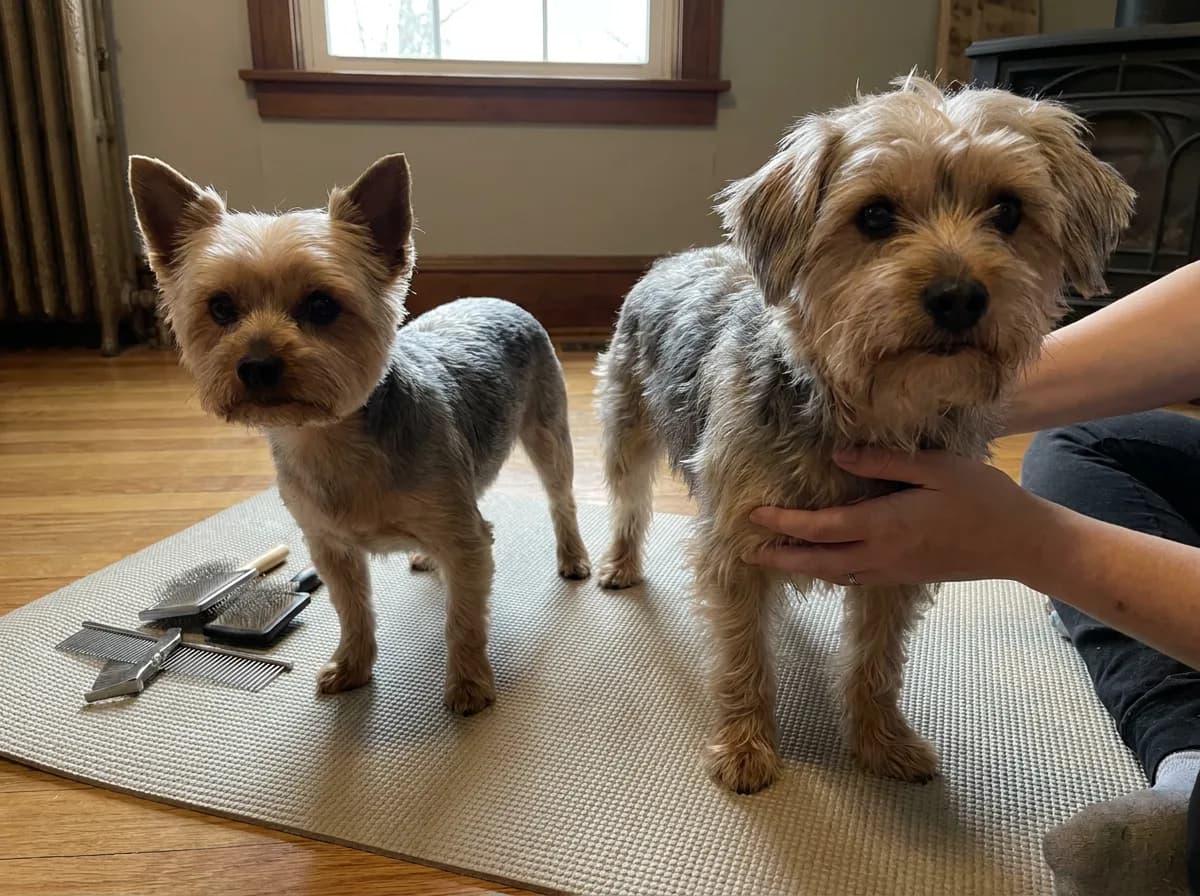
An aumuca self-cleaning slicker brush is one available tool to discuss with a groomer. It may suit some coats better than others, and pressure matters. A brush that works on one curly dog should not automatically be used the same way on a fine silky coat.
Compare ongoing needs, not only puppy price
Yorkipoo price and Yorkshire Terrier purchase prices vary widely. Rather than assuming the more expensive puppy is better bred, ask what is documented and included. Compare the agreement, parent screening, veterinary records, placement practices, and support after the dog comes home.
- Add routine veterinary care and dental planning to the budget.
- Include professional grooming and the time required at home.
- Plan for training, travel care, and unexpected expenses.
- Ask what food and routine the dog currently knows.
- Avoid paying a premium based only on “rare,” “teacup,” or a guaranteed personality.
Neither ancestry is a health guarantee
A Yorkipoo can inherit conditions associated with either parent breed. A Yorkshire Terrier also needs appropriate screening and routine care. Mixing breeds does not erase inherited risk, and registration alone does not establish that a puppy is healthy. Ask your veterinarian to interpret the documentation and examine the individual dog.
Our Yorkipoo lifespan and health guide covers common discussion points and the limits of longevity estimates. Do not use a general lifespan range as proof that one puppy will outlive another. A meaningful care plan addresses the dog in front of you.
For routine oral care, a Virbac C.E.T. dual-ended toothbrush provides head-size options. Pair it with a dog-specific toothpaste and comfortable gradual training. If the mouth appears painful or the dog is changing how it eats, arrange veterinary advice before trying to brush more firmly.
Separate longevity estimates from individual risk
For purchase and ongoing expenses, the Yorkipoo cost planning section explains which questions to put to a seller and local service providers. Yorkie Poo lifespan estimates cannot promise a particular outcome for male or female dogs. Asking what Yorkie Poos die from requires evidence about that mixed population, and an age in human years is not a substitute for a veterinary assessment. Our Yorkipoo lifespan guide explains why individual history, examinations, and changes from normal behavior matter more than transferring a parent-breed statistic to a particular dog.
Choose the dog, not the label
The best Yorkipoo vs Yorkie decision combines predictability with individual dog evidence. A recognized standard can clarify general appearance, but it does not replace meeting the dog. Mixed ancestry creates variation, but variation alone is not a defect or a benefit. What matters is whether the particular dog's needs fit your household.
Bring the predictability checklist to a breeder, shelter, or rescue conversation. Ask for specific examples instead of yes-or-no assurances. “Friendly” is less informative than how the dog responds to a calm visitor, another pet, a brush, or a short separation.
- Meet in a setting where the dog can behave normally.
- Allow time for the dog to recover from initial excitement or worry.
- Ask how behavior differs at home from a public meeting.
- Be clear about your workday, children, pets, and activity level.
- Treat unanswered questions honestly rather than filling gaps with breed stereotypes.
For everyday walking, the Frisco Padded No Pull Dog Harness, Small is one option if its current size chart matches the dog's chest measurements. Check shoulder movement, rubbing, and escape risk. A Yorkie and Yorkipoo of the same weight may still have different proportions.
If you are drawn mainly to a Poodle mix but not committed to the Yorkshire Terrier ancestry, our Yorkipoo vs Maltipoo comparison addresses that separate choice. Avoid expanding the shortlist endlessly. Choose a few realistic candidates, gather evidence, and be willing to wait for a dog whose daily needs you can meet.
Frequently asked questions
Many Yorkie poos like to cuddle and enjoy contact, but individual dogs differ in how and when they want it. A dog may prefer resting beside you to being held. Invite interaction and let the dog leave. This matters especially around children, who should learn that backing away is a request for space rather than a challenge to pick the dog up.
Whether Yorkiepoos are hard to potty train depends on age, supervision, access, routine, and health. Give the puppy frequent opportunities after waking, meals, and play, then reward the correct location immediately. Keep a record of accidents to improve timing. If a previously trained adult starts having accidents, seek veterinary advice rather than assuming stubbornness or restricting water.
It is not automatically better to get a boy or girl Yorkie; sex alone is not a reliable selection tool. Compare individual temperament, observed behavior, and compatibility with existing pets. Ask the caregiver what has been observed over time and what remains unknown. Reproductive-health decisions deserve veterinary discussion, but they do not replace the household-fit questions that apply to both male and female dogs.
Whether Yorkies should sleep with you depends on safety, sleep quality, toilet needs, allergies, and the individual dog's health. A tiny puppy or a dog unable to get safely on and off the bed may be better in a comfortable nearby sleeping space. Sleeping together is not required for bonding. A predictable resting routine and respectful daytime interaction also build a close relationship.

Coreen Saito is a pet writer and longtime shelter volunteer with more than a decade in animal rescue. She covers cat behavior, breed care, and the small, ordinary science of sharing a life with companion animals, with a particular focus on honest takes about the products and decisions that actually matter. At home in Arizona, she's outranked by Mac (a dog with the loudest opinion in the house), Rebel (a cat who governs by quiet authority), and Meri (an orange tabby who runs the late shift and the laundry basket). She writes about all three, plus the rescues that keep coming through her life, at LifeWithMinty.com.
Sign up for expert-backed reviews and safety alerts all in one place.