White German Shepherd: Facts, Health, and Care
The white German Shepherd is the same loyal, brilliant breed in a snow-white coat. Here is the truth about the recessive gene, whether it is albino, its breed-standard status, health, temperament, and real cost.
Petful is reader supported. As an affiliate of platforms like Amazon and Chewy, we may earn a commission when you buy through links on this page. There is no extra cost to you.
The white German Shepherd is the same working, loyal, intelligent dog you already know from the classic black-and-tan police dog, wearing a snow-white coat instead. That single difference sparks endless questions. Is a white one albino? Is it a separate breed? Is the color a health problem waiting to happen? The short answers are no, sometimes, and no. This guide walks through the genetics, the breed-standard status, the real health picture, and the day-to-day temperament so you can tell fact from folklore before you fall for that fluffy white puppy.

Sign up for expert-backed reviews and safety alerts all in one place.
Is the White German Shepherd a Separate Breed?
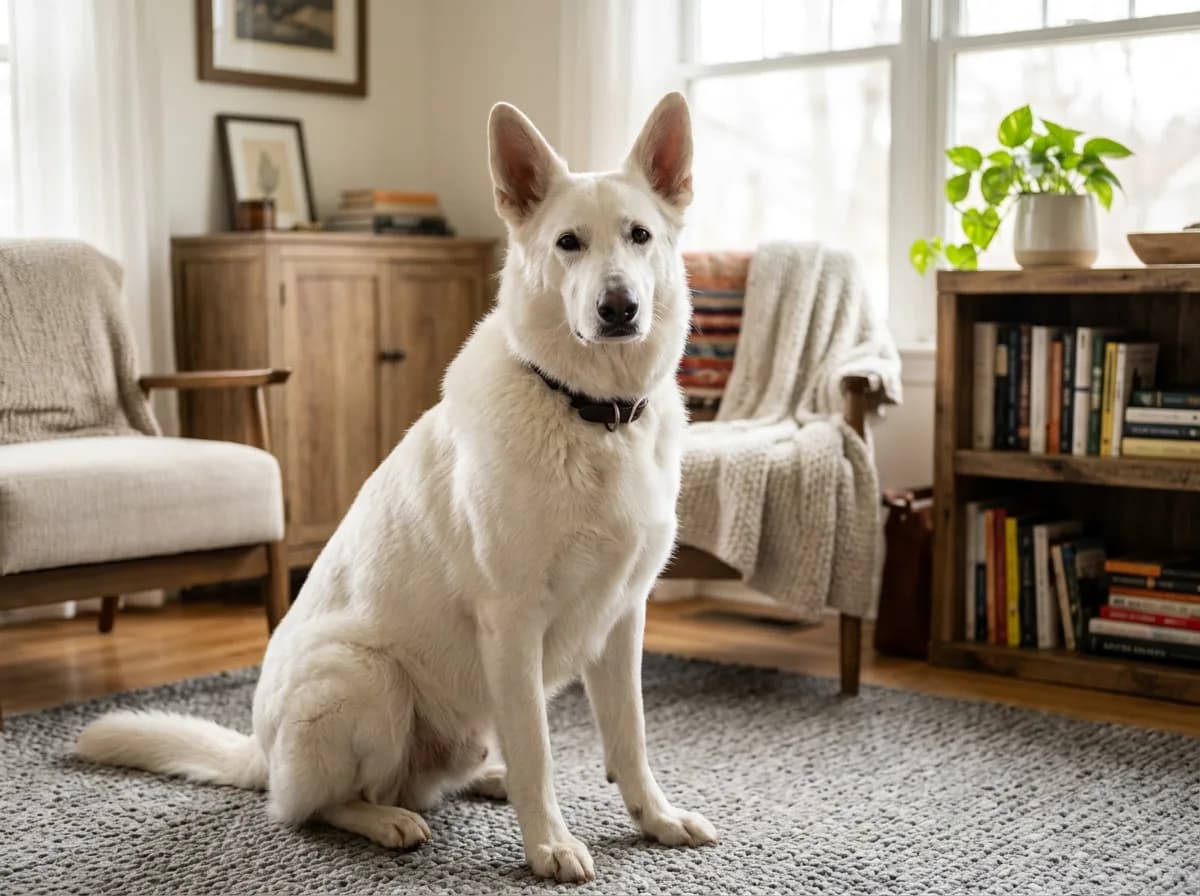
This is where most of the confusion starts, so it helps to be precise. A white-coated German Shepherd is genetically a German Shepherd. The white coat has existed in the breed since its earliest days: white-coated shepherds were documented in Europe as far back as 1882, and the very first registered German Shepherd, Horand von Grafrath, reportedly carried the white gene through his lineage.
Where it gets complicated is registry politics. In 1933, the German breed standard was amended to ban white-coated dogs from registration, treating the color as a fault. That decision rippled outward. Today the American Kennel Club (AKC) still recognizes the white German Shepherd as a German Shepherd Dog but considers white a disqualifying color in the conformation show ring. Meanwhile, breed clubs that embraced the color created their own registered names.
- 1A white German Shepherd is genetically a German Shepherd, not a separate species.
- 2The white coat comes from a recessive gene, not albinism, and does not cause health problems on its own.
- 3The AKC recognizes the dog but disqualifies white in the show ring, which is why separate breeds like the White Shepherd and the Berger Blanc Suisse exist.
White Shepherd, Berger Blanc Suisse, and White Swiss Shepherd
Because major kennel clubs shut white dogs out of the show ring, breeders who loved the color formed their own organizations and, over time, distinct breeds. In the United States, the United Kennel Club (UKC) recognizes the White Shepherd as its own breed with a full breed standard. In Europe, the same white dogs were developed into the Berger Blanc Suisse, also called the White Swiss Shepherd Dog, which the Fédération Cynologique Internationale (FCI) recognizes as a separate breed.

Petful may earn a commission when you click through to Chewy, at no extra cost to you.
So a puppy sold as a "white German Shepherd," a "White Shepherd," and a "White Swiss Shepherd" can share overlapping ancestry while carrying different paperwork. The dog in your living room is functionally the same. The label depends on which registry the breeder works with.
Why Is the Coat White? The Recessive Gene Explained
Here is the genetics without the jargon. Coat color in dogs is controlled by several genes, and one of them, at a location geneticists call the MC1R or E locus, acts like a master switch for how pigment spreads across the coat. The white German Shepherd carries two copies of a recessive variant at this locus, often written as "e/e."
That variant does not remove pigment from the dog. It masks the normal black-and-tan or sable pattern, so the coat reads as solid white or cream while the pigment underneath is still fully present. This is why the description below matters so much for telling a healthy white shepherd apart from a truly albino animal.
- Because the white coat is recessive, a dog needs to inherit the white gene from both parents to be white. Two standard black-and-tan German Shepherds can each secretly carry one copy and produce white puppies in a litter. This is why white pups sometimes surprise owners of colored parents.
White Coat vs. Albinism: The Difference That Matters
This distinction is the single most important health fact in this whole topic, so it deserves its own section. Albinism is a complete or near-complete failure to produce melanin, the pigment that colors skin, eyes, and coat. A true albino dog has pink or very pale skin, a pink nose, and pink or pale blue eyes, because there is no pigment anywhere. Albinism is genuinely linked to health risks, including light sensitivity and a higher skin cancer risk.
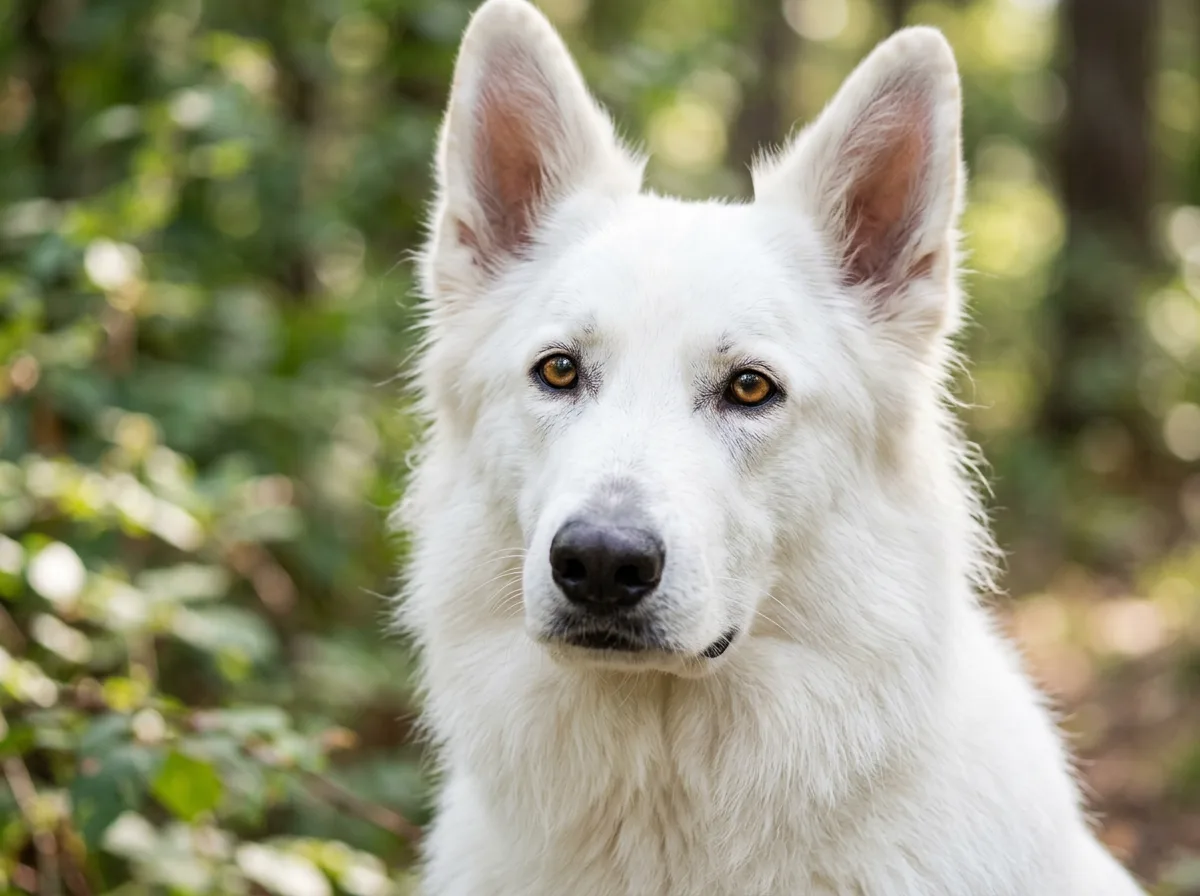
The white German Shepherd is not albino. Look at a healthy white shepherd and you will see a black nose, dark brown eyes, dark paw pads, and pigmented skin. All of that dark pigment proves the melanin machinery is working perfectly. The white is a coat-color mask, not a pigment failure. That is the difference between a color and a defect, and it is why a properly bred white German Shepherd is no more fragile than a black-and-tan one.

Petful may earn a commission when you click through to Chewy, at no extra cost to you.
| Feature | Healthy White German Shepherd | True Albino Dog |
|---|---|---|
| Nose color | Black | Pink |
| Eye color | Dark brown | Pink or pale blue |
| Skin pigment | Dark, pigmented | Pink, unpigmented |
| Health link to coat | None from color alone | Light sensitivity, skin cancer risk |
If a breeder is selling a "rare albino German Shepherd" as a premium product, treat that as a red flag rather than a selling point. Reputable breeders do not market albinism, and a pink-eyed, pink-nosed shepherd needs a veterinary eye and skin plan, not a higher price tag.
Are White German Shepherds Rare?
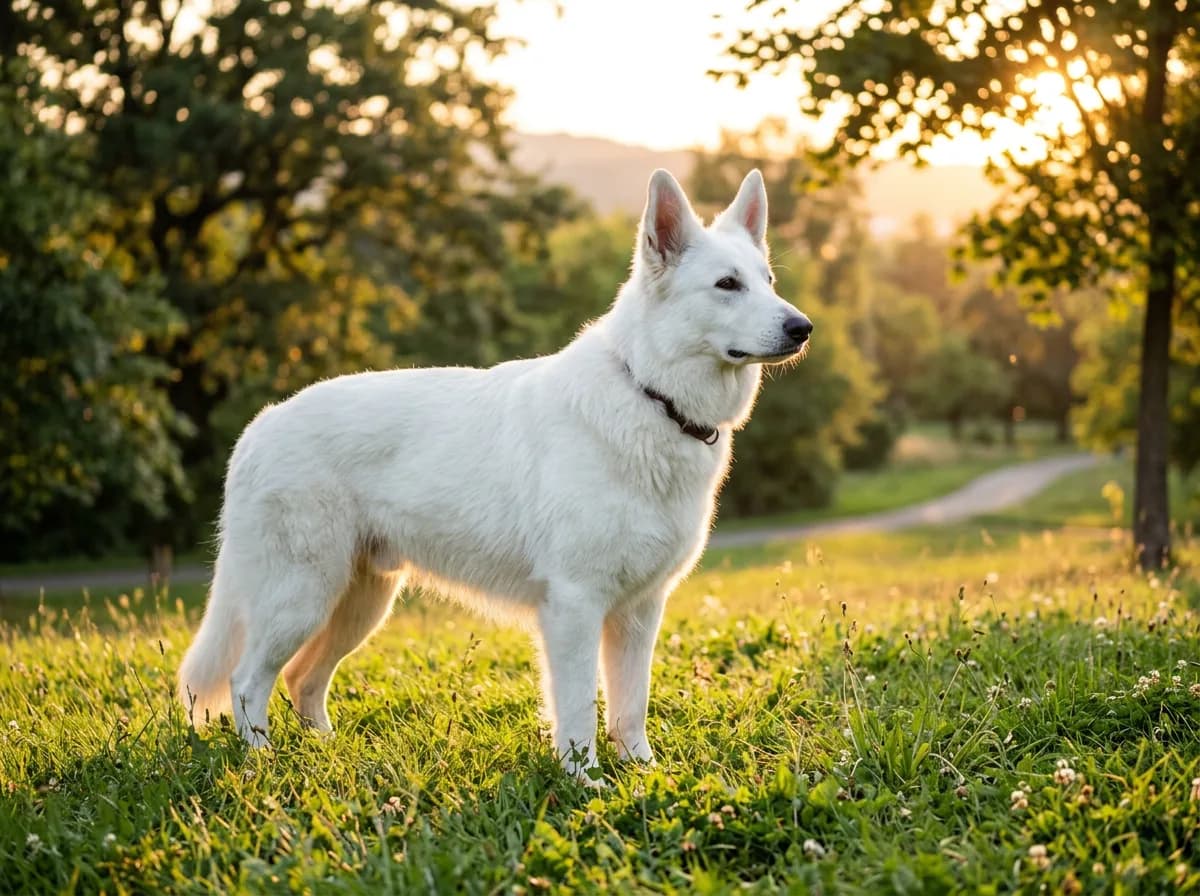
Genuinely rare? Not really, but they are less common than the classic black-and-tan, and that scarcity shapes both price and perception. Because the coat requires two copies of the recessive gene, white puppies show up less often than colored ones, and because major show registries disqualify the color, fewer top breeders deliberately produce them. The result is a dog that is uncommon enough to turn heads at the park but far from unicorn-level rare.
Availability also varies by region and by which breed you are actually shopping for. Dedicated White Shepherd and White Swiss Shepherd breeders exist across North America and Europe, so a white coat is a planned outcome for them, not a happy accident. The "rare" framing you see in puppy ads is often a marketing angle rather than a true reflection of supply.
What Does a White German Shepherd Look Like?
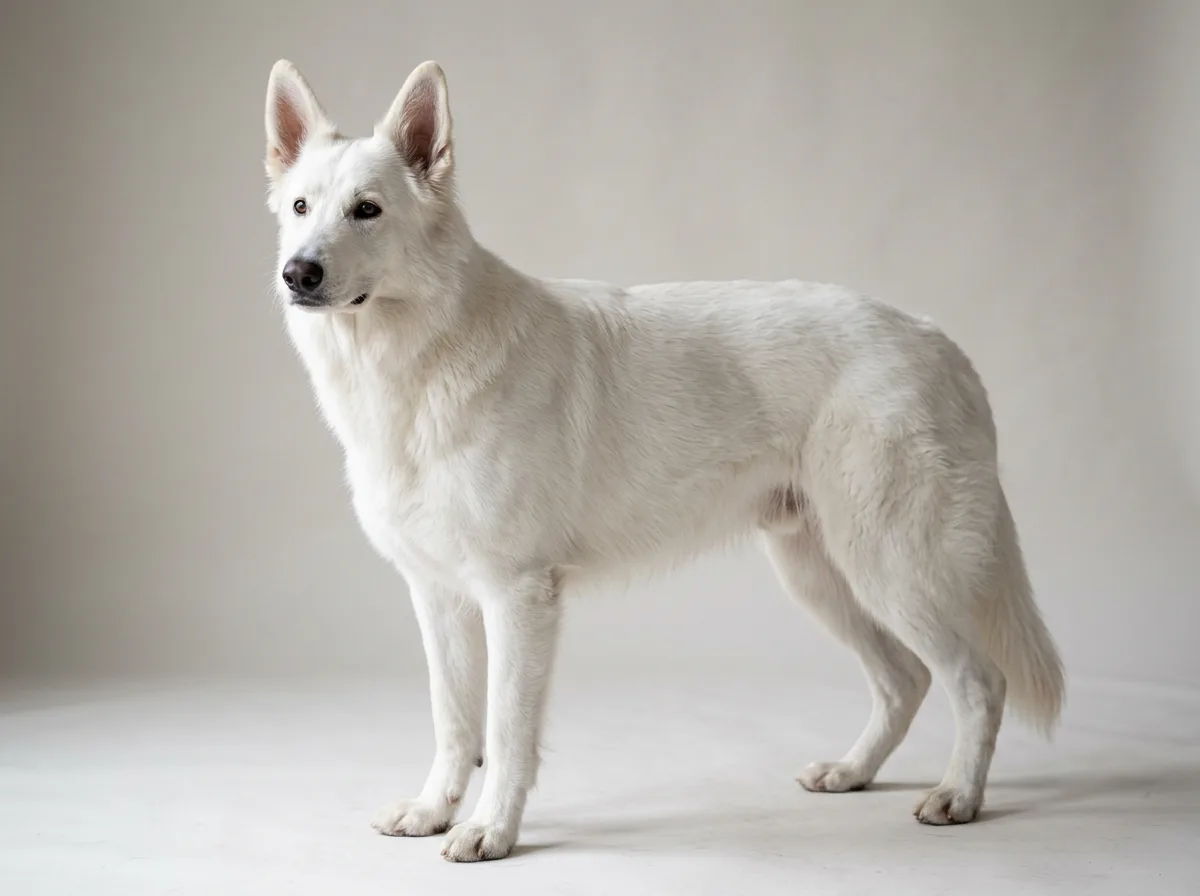
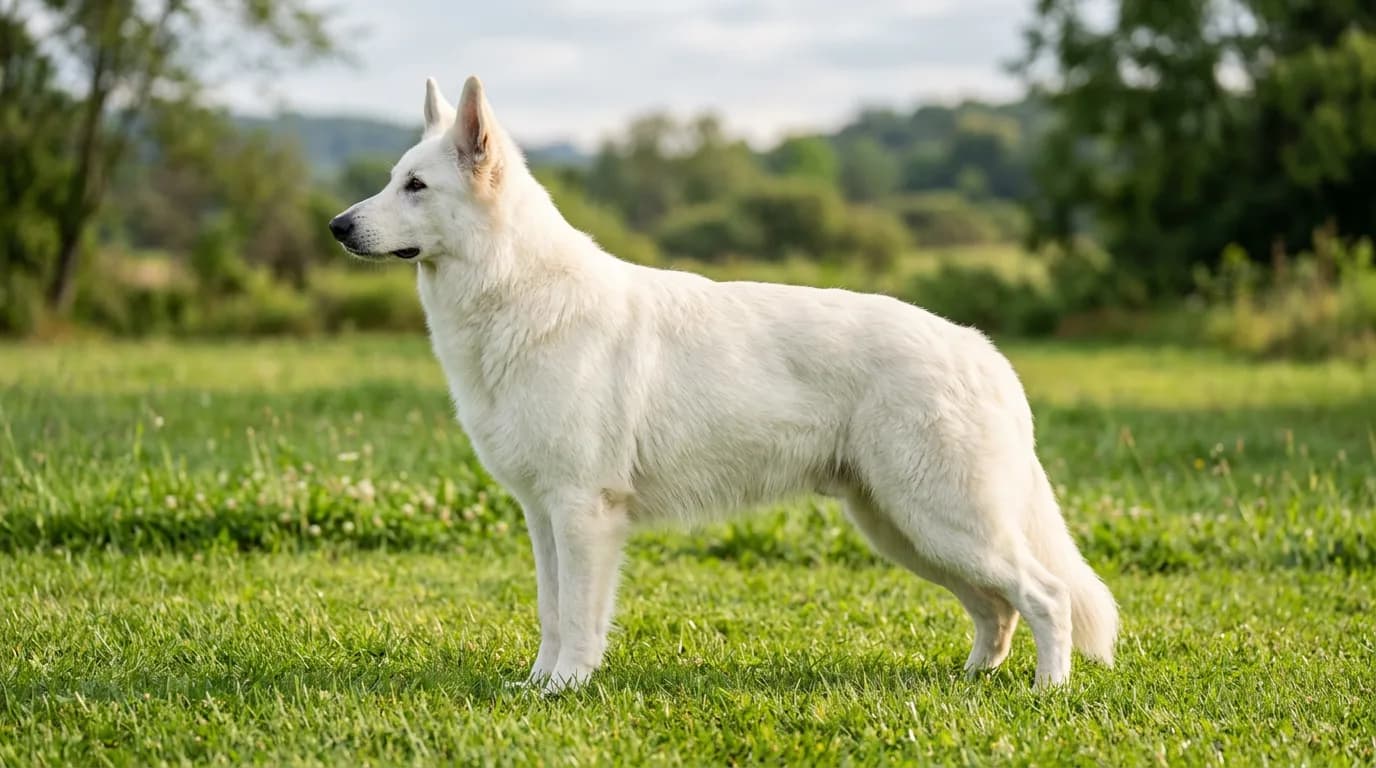
Underneath the color, this is a German Shepherd through and through. Expect a large, athletic, well-muscled dog with the breed's signature confident outline.

Petful may earn a commission when you click through to Chewy, at no extra cost to you.
- Height: roughly 22 to 26 inches at the shoulder, with males taller than females
- Weight: roughly 50 to 90 pounds depending on sex and build
- Coat: a dense double coat that ranges from pure white to pale cream, in both medium and long-haired varieties
- Ears: large and upright once fully grown, though puppy ears often flop before they set
- Eyes and nose: dark eyes and a black nose, the pigment cues that separate a healthy white coat from albinism
- Build: the same balanced, slightly sloped topline seen across the breed, built for endurance and agility
The double coat is the practical headline for owners. It keeps the dog comfortable across seasons, and it sheds. A lot. We will get to grooming below, because that white coat has a maintenance reputation it mostly does not deserve.
Temperament: What They Are Actually Like to Live With
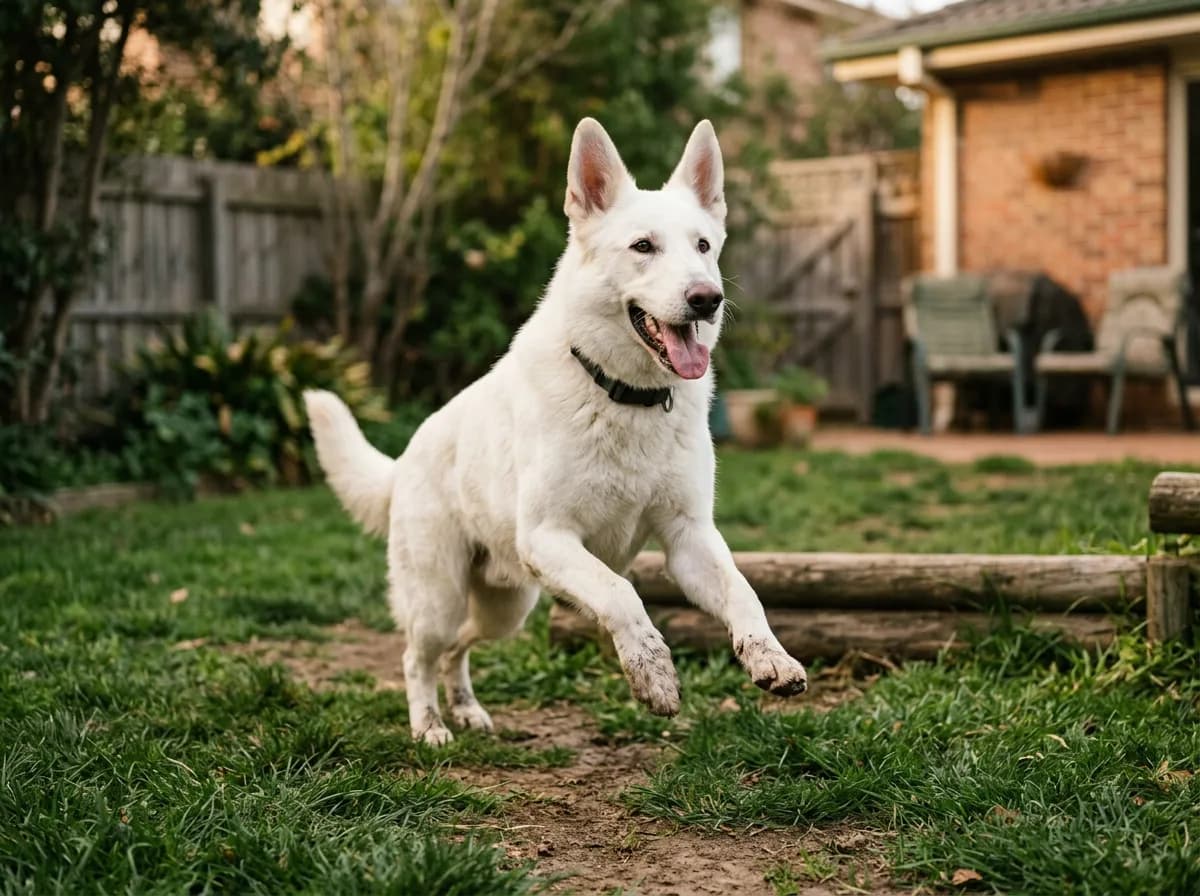
Coat color has nothing to do with personality, and the white German Shepherd inherits the same character that made the breed a fixture in police, military, service, and family roles. These are intelligent, loyal, eager-to-work dogs that bond hard with their people.
Many owners describe white shepherds as slightly softer or more sensitive than the standard working lines, though this is anecdotal and depends far more on individual breeding and upbringing than on color. What is consistent is the breed's core wiring: high intelligence, strong drive, deep loyalty, and a real need for a job to do. A bored German Shepherd of any color invents its own entertainment, and you will not enjoy the results.

Petful may earn a commission when you click through to Chewy, at no extra cost to you.
- A white German Shepherd needs daily physical exercise and daily mental work: training sessions, puzzle feeders, scent games, or a canine sport. Under-exercised shepherds develop anxiety, destructiveness, and excessive barking. Match the dog to a lifestyle that can meet that need before you commit.
Do White German Shepherds Bond With One Person?
German Shepherds are famous for attaching strongly to a favorite person, and white ones are no exception. That bond is not mystical. It is built from who feeds the dog, who trains it, who spends time with it, and who provides calm, consistent leadership. A shepherd tends to pick the person who invests the most attention and reliability, which is why early, positive training pays off in a dog that looks to you first.
Just as importantly, these dogs read human body language and routine closely. Consistency, fair correction, and generous reward build the trust that turns into that legendary loyalty. There is nothing you need to "say" in a secret dog language to earn it. You earn it through daily, dependable behavior the dog can count on.
Health: The Honest Picture
A white German Shepherd shares the breed's health profile, plus a few color-specific myths worth clearing up. The color itself does not create disease, but the breed carries real predispositions that any prospective owner should understand and any responsible breeder should screen for.

Petful may earn a commission when you click through to Chewy, at no extra cost to you.
- Hip and elbow dysplasia: the breed's best-known orthopedic concern, which is why hip and elbow scoring of the parents matters so much
- Degenerative myelopathy: a progressive spinal cord disease with a known genetic marker that DNA tests can screen for
- Bloat (gastric dilatation-volvulus): a life-threatening emergency that deep-chested breeds are prone to, worth learning the warning signs for
- Allergies and skin issues: not caused by the white coat, but common across the breed
- Exocrine pancreatic insufficiency and certain heart and eye conditions: less common, but on the responsible-breeder screening list
- A responsible breeder tests breeding dogs for hip and elbow dysplasia and screens for the degenerative myelopathy gene, and will show you the results. Organizations like the Orthopedic Foundation for Animals (OFA) maintain the screening databases these results come from. No results, no deal.
With good breeding, sensible weight management, quality nutrition, and regular veterinary care, a white German Shepherd typically lives around 9 to 13 years. The single biggest lever you control is keeping the dog lean, because excess weight accelerates the joint problems the breed is already prone to.
A Note on Double Merle and Coat-Linked Deafness
You may have read scary warnings about white dogs and deafness. That risk is real for the "double merle" pattern, where two merle-patterned parents are bred together and produce mostly-white offspring with a high rate of deafness and eye defects. The critical point is that the white German Shepherd's color does not come from the merle gene. Its white is the recessive masking gene described above, which is not associated with the deafness and blindness seen in double merle dogs. So the deafness warning that correctly applies to double merle breeding does not transfer to the standard white shepherd coat. If you ever see a white shepherd advertised alongside "merle" parents, that is a genetics mismatch worth questioning.
Grooming and Care
The white coat looks high-maintenance and mostly is not, with one big asterisk: shedding. That dense double coat sheds year-round and blows out heavily twice a year in seasonal coat changes.
- Brushing: two to three times a week normally, and daily during shedding season, using an undercoat rake and a slicker brush
- Bathing: only every few months or when genuinely dirty, since over-bathing strips the coat's natural oils; whitening shampoos exist but are rarely necessary
- Nails, ears, teeth: routine nail trims, weekly ear checks, and regular tooth brushing, the same as any large breed
- Do not shave the double coat: shaving damages the coat's insulating and cooling function and can cause it to grow back patchy
The white color does not require special coat products to stay bright. A clean, well-fed, well-brushed dog stays white on its own. Tear staining or a yellow cast usually points to diet, water, or a health issue rather than the coat itself.
Feeding a White German Shepherd
Feed a white German Shepherd like the large, active breed it is: a complete, balanced diet appropriate for its life stage, portioned to keep the dog lean. Large-breed puppy formulas matter here, because controlled growth reduces the odds of joint problems down the line.
Just as important is knowing what to keep away from your dog. Several common foods are toxic to German Shepherds and dogs in general.
- Chocolate, grapes and raisins, onions and garlic, xylitol (a sweetener in sugar-free gum and some peanut butters), macadamia nuts, alcohol, and caffeine are all toxic to dogs. Cooked bones can splinter and cause internal injury. Fatty table scraps can trigger pancreatitis and contribute to bloat risk. When in doubt, leave it out and call your vet.
Because the breed is prone to bloat, many owners feed two or three smaller meals a day rather than one large one, use a slow-feeder bowl, and avoid heavy exercise right after eating. Talk to your veterinarian about portion size and whether your individual dog benefits from any preventive measures.
For a broader look at how coat color genetics work across breeds, the way recessive and pattern genes shape what you actually see, our guide to Rhodesian Ridgeback colors walks through the same recessive-versus-dominant logic in a different breed.
How Much Does a White German Shepherd Cost?
Expect a white German Shepherd puppy from a responsible breeder to run roughly the same as any well-bred German Shepherd, commonly in the mid hundreds to a couple thousand dollars, with well-documented Berger Blanc Suisse or White Swiss Shepherd lines from health-tested parents sitting at the higher end. The color alone should not add a large premium. What legitimately raises the price is health testing, titled or proven parentage, and a breeder who provides a health guarantee and lifetime support.
Adoption is the other route. White shepherds and white shepherd mixes turn up in breed-specific rescues and shelters, often for a fraction of a breeder price, and rescuing an adult dog lets you skip the guesswork of the puppy stage. Whichever path you choose, budget for the real cost of ownership, which is food, veterinary care, training, and emergencies, not just the purchase price.
Frequently Asked Questions
Related on Petful
- German Shepherd Colors: The Complete Guide
- Merle Dog Guide: Genetics, Breeds, and Health
- Doberman Colors: Every Coat, Rarity, and Genetics
- Siberian Husky: Full Breed Profile and Care Guide
They are uncommon but not truly rare. The white coat is recessive, so it appears less often than the standard black-and-tan, and because major show registries disqualify white in the ring, fewer top breeders deliberately produce it. Dedicated White Shepherd and White Swiss Shepherd breeders make the color a planned outcome, so it is far from unicorn-level rare.
A German Shepherd tends to bond most strongly with the person who invests the most consistent time, training, feeding, and calm leadership. The bond is earned through daily reliability rather than any single trick, which is why early positive training builds a dog that looks to you first.
Never feed chocolate, grapes and raisins, onions and garlic, xylitol, macadamia nuts, alcohol, or caffeine, all of which are toxic to dogs. Also avoid cooked bones, which splinter, and fatty table scraps, which can trigger pancreatitis. Because the breed is bloat-prone, skip heavy meals right before or after hard exercise.
Dogs do not feel guilt the way people do, but a German Shepherd may show appeasement behavior that owners read as an apology: lowered head and ears, avoiding eye contact, a tucked tail, licking, or leaning in for contact. These are calming and reconnecting signals, not true remorse, and they usually appear in response to your tone and body language.
A well-bred white German Shepherd puppy generally costs about the same as any quality German Shepherd, often in the mid hundreds to a couple thousand dollars, with documented White Swiss Shepherd lines at the higher end. The white color alone should not add a big premium; health testing and proven parentage are what justify a higher price. Adoption through rescue costs far less.
Solid colors driven by uncommon recessive genes are the rarest, with the isabella (liver-and-blue) dilution and true solid liver or solid blue generally considered the rarest German Shepherd colors. Pure white is uncommon but more established than those dilutions because dedicated breeders deliberately produce it.
Dogs read connection through calm, consistent behavior rather than words. Soft eye contact and slow blinking, a relaxed body, gentle petting the dog enjoys, shared calm time, and reliable routines all communicate affection and safety. With a German Shepherd, consistent training and quality time together are the clearest "I love you" the dog understands.

Coreen Saito is a pet writer and longtime shelter volunteer with more than a decade in animal rescue. She covers cat behavior, breed care, and the small, ordinary science of sharing a life with companion animals, with a particular focus on honest takes about the products and decisions that actually matter. At home in Arizona, she's outranked by Mac (a dog with the loudest opinion in the house), Rebel (a cat who governs by quiet authority), and Meri (an orange tabby who runs the late shift and the laundry basket). She writes about all three, plus the rescues that keep coming through her life, at LifeWithMinty.com.
Sign up for expert-backed reviews and safety alerts all in one place.