Tibetan Mastiff Size and Weight Guide
Adult Tibetan Mastiffs are large but do not normally weigh 300 pounds. Learn typical male and female ranges, how to measure at the withers, track growth, judge body condition, and plan space.
Petful is reader supported. As an affiliate of platforms like Amazon and Chewy, we may earn a commission when you buy through links on this page. There is no extra cost to you.
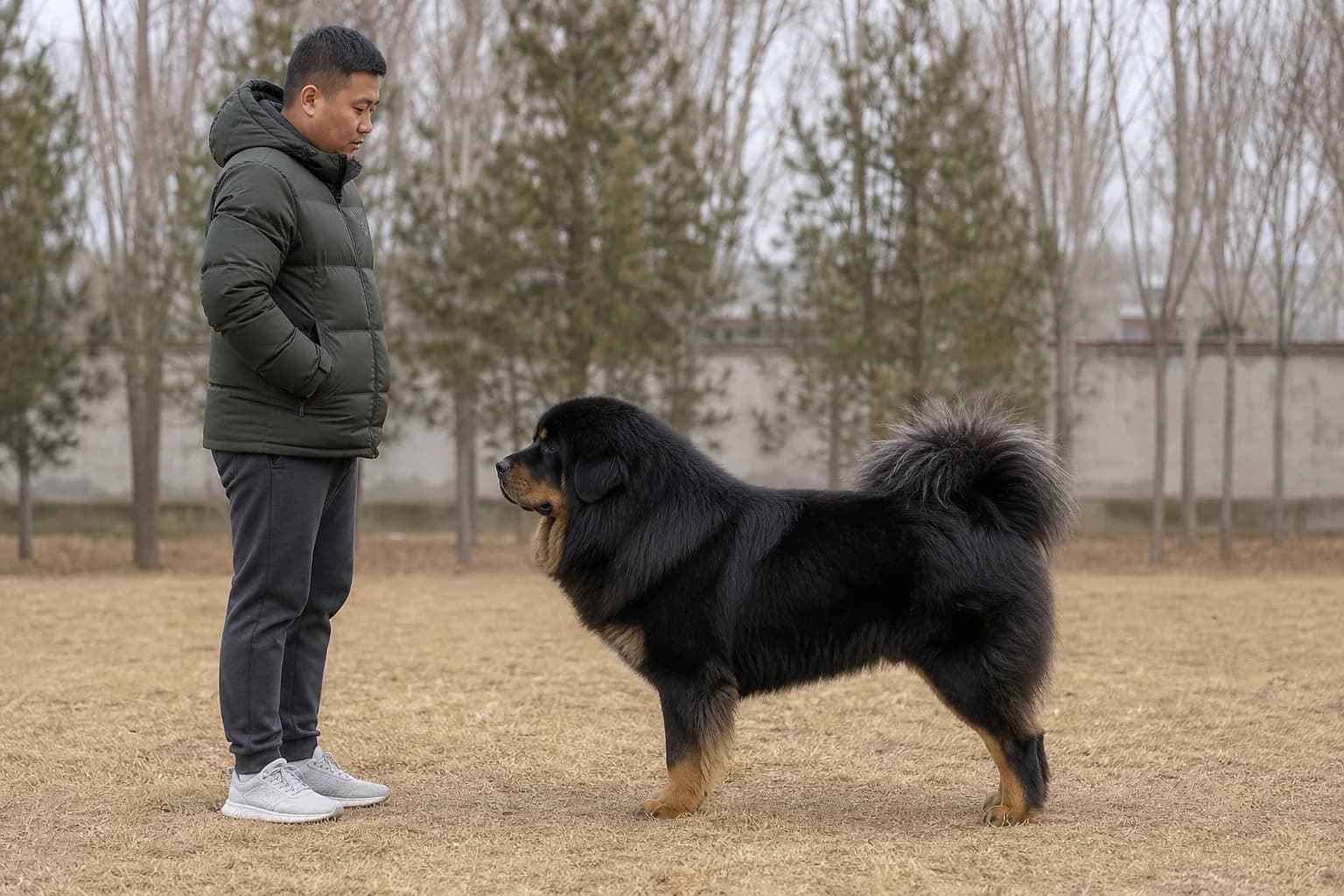
Tibetan Mastiff size is substantial without reaching the 250- or 300-pound figures that viral posts sometimes claim. Adult males commonly stand at least 26 inches at the shoulder and weigh about 90 to 150 pounds. Females commonly stand at least 24 inches and weigh about 70 to 120 pounds. An individual can fall outside a typical range, so body condition, movement, and veterinary assessment matter more than chasing one number.
This guide explains how to measure height, track slow growth, judge healthy condition beneath a dense coat, and plan the home and vehicle around a powerful adult dog.

Sign up for expert-backed reviews and safety alerts all in one place.
Tibetan Mastiff size at a glance
Adult male and female ranges overlap, but males are generally larger. Measure height at the withers on level ground, record weight and body condition together, and expect slow skeletal maturity. Extreme size is not a health goal.
The American Kennel Club breed information places adult males at a minimum shoulder height of 26 inches and females at a minimum of 24 inches. Common weight ranges are approximately 90 to 150 pounds for males and 70 to 120 pounds for females. These adult male and female ranges describe a population, not a guarantee for one Tibetan Mastiff dog, and they should always be interpreted with frame, body condition, movement, and veterinary findings.
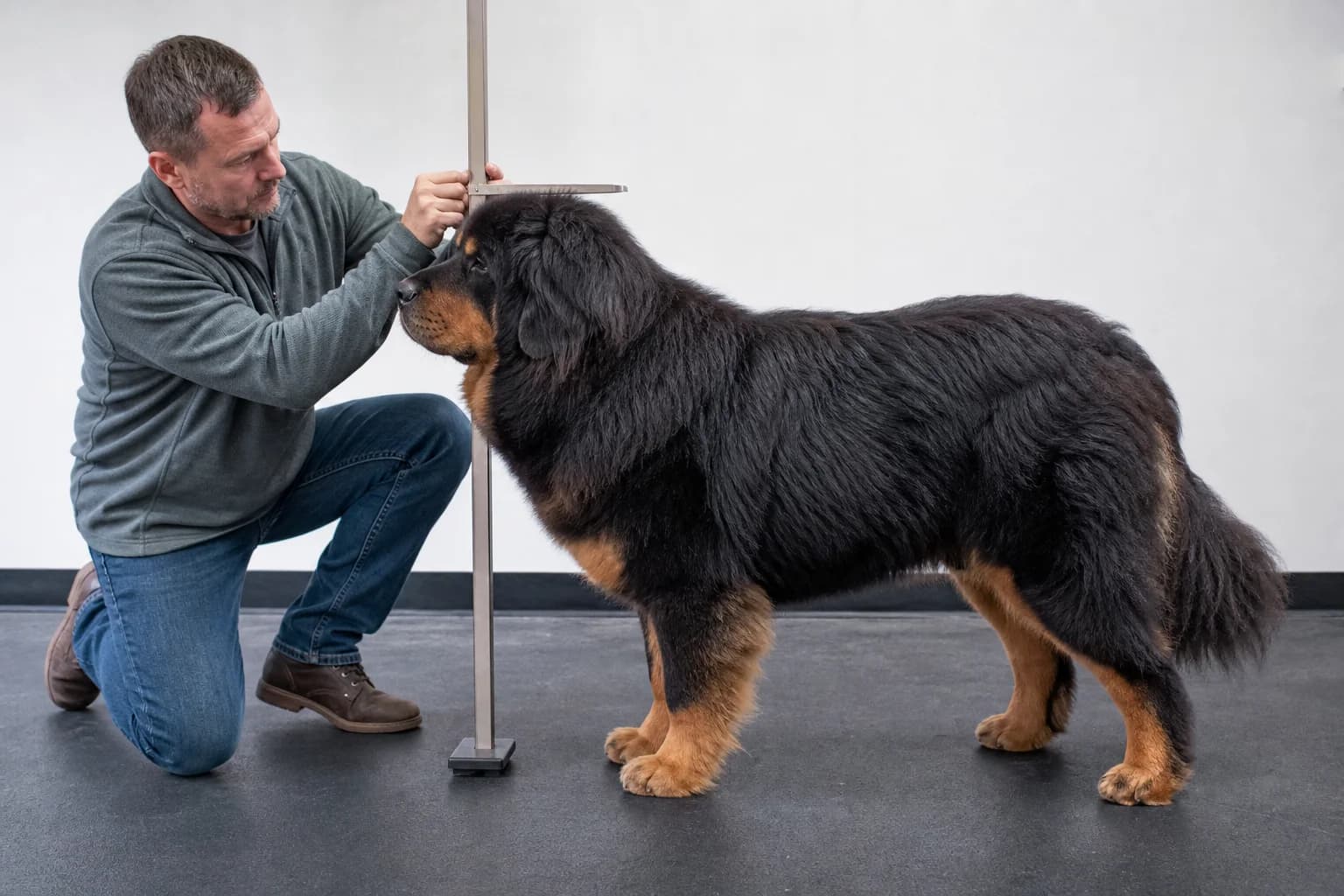
How to measure height at the withers
The withers are the highest point of the shoulder blades. Stand the dog squarely on a level, nonslip surface and measure vertically from the ground to that point. A dog measured at the withers has a repeatable shoulder-height record. Do not measure to the top of the head, mane, or raised coat, because those methods produce a larger but meaningless result that cannot be compared with a breed standard.
Use a rigid measuring stick or a level resting lightly across the withers, and repeat when the dog is relaxed. A difference of an inch between two home attempts may reflect stance, flooring, coat, or handler technique. Record the method with the number so later measurements can be compared honestly.
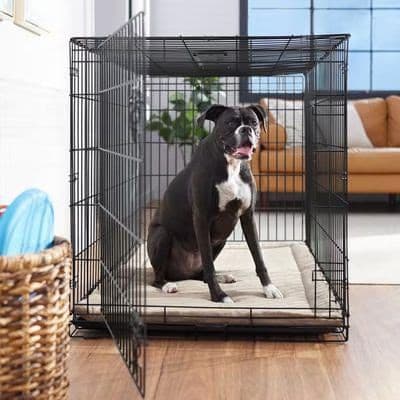
Petful may earn a commission when you click through to Chewy, at no extra cost to you.
A correctly sized crate can support travel and short calm rests, but many Tibetan Mastiffs outgrow common retail sizes. The Frisco Heavy Duty Fold & Carry X-Large Dog Crate is one option to compare only after measuring the standing height, nose-to-rump length, and natural resting posture. The dog must be able to stand, turn, and lie comfortably.
Male and female differences
Sex influences the range, but it does not let anyone predict an exact adult weight from an eight-week puppy. Parent size, family history, skeletal frame, nutrition, health, neuter timing, and ordinary genetic variation all affect development. A large female can outweigh a small male without either being abnormal.
Coat volume can make the same frame look heavier in winter than after seasonal shedding. Use hands to feel ribs and waist rather than estimating from the mane. Photographs taken with forced perspective can also make a Mastiff appear dramatically larger than the person or object behind it.
What the scale does not tell you
Scale weight combines skeleton, muscle, fat, food, water, and coat. Two dogs at the same weight can have very different condition. A lean adult with a larger frame may be healthier than a shorter dog carrying excess fat, while an unexpectedly light dog may have a naturally smaller frame or an illness that needs investigation.
The most useful record includes weight, a body condition score, photographs from the side and above, appetite, activity, and any change in movement. That context makes a number actionable instead of turning it into a competition.
How Tibetan Mastiffs grow
| Check | What to record | Why it matters |
|---|---|---|
| Monthly weight trend | Weight on the same reliable scale when possible | Shows direction across time rather than one isolated number |
| Body condition score | Ribs, waist, abdominal tuck, and veterinary score | Separates healthy tissue from excess fat |
| Structure and movement | Stance, gait, stiffness, and willingness to rise | Flags changes that pounds alone cannot explain |
| Daily function | Appetite, stool, energy, thirst, and comfort | Gives a veterinarian context when the trend changes |
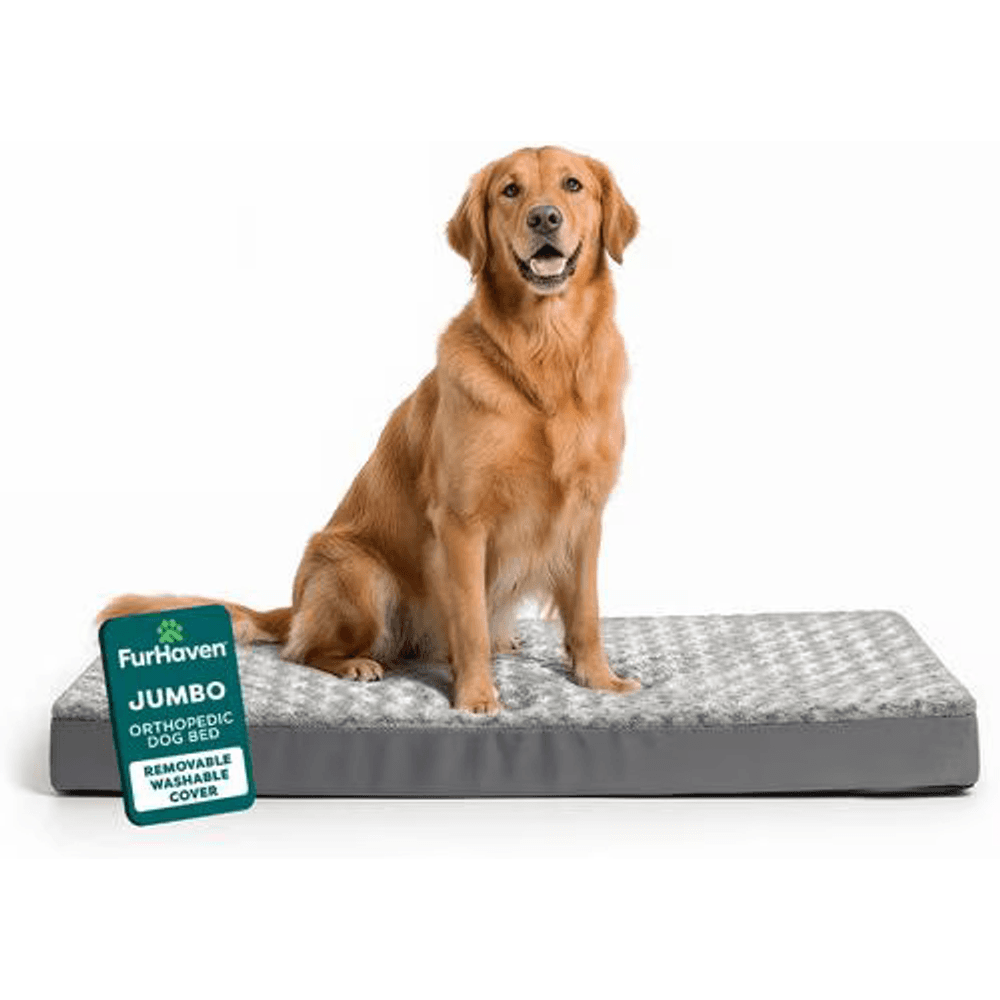
A plush orthopedic foam mattress that cushions aging joints and pressure points, giving a stiff or trembling senior dog warm, supportive rest.
Petful may earn a commission when you click through to Chewy, at no extra cost to you.
Tibetan Mastiffs grow for longer than many smaller dogs. Height may increase quickly during puppyhood while the chest, muscle, head, and adult coat continue developing later. Slow skeletal maturity means each growth plate and the surrounding structures need time, and an adolescent can look narrow or uneven for a period without needing calories pushed to force a mature appearance. Veterinary advice should guide exercise or feeding when development seems painful or abnormal.
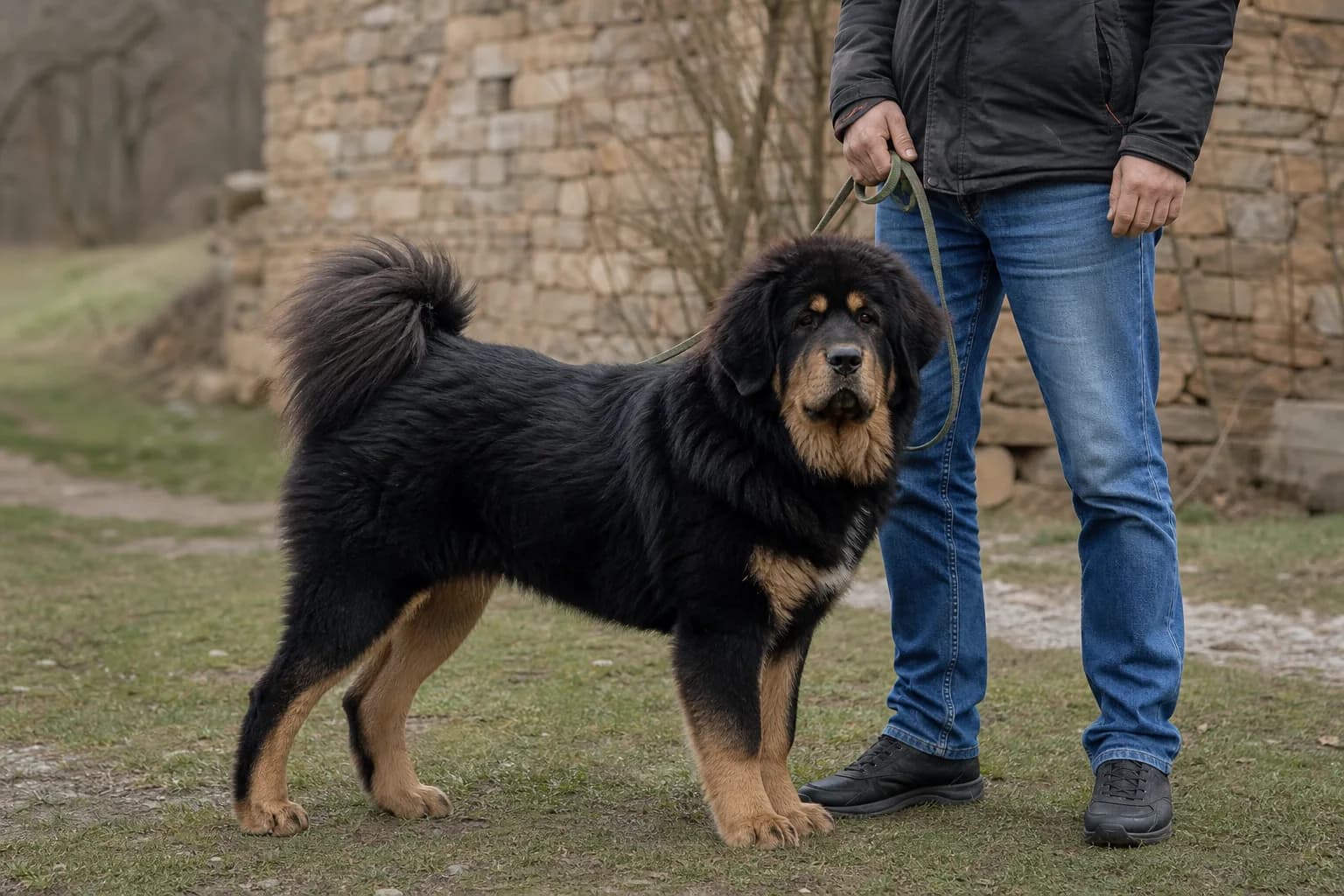
Use a monthly weight trend, not a universal chart
There is no single accurate growth chart for every Mastiff dog. Track growth trends without a false universal chart by using a monthly weight trend from the same scale and interpreting it with the puppy's body condition, frame, sex, and health. The direction over several readings is more informative than a single week above or below an internet line, especially during uneven adolescent development.
A bright puppy may show a brief plateau around illness, a food transition, or measurement error. Persistent loss, poor appetite, diarrhea, vomiting, pain, weakness, or a marked change in growth deserves veterinary attention. Do not respond to every variation by adding calories or mineral supplements.
An orthopedic bed can give a growing or mature giant dog a defined resting surface, but it cannot prevent dysplasia or treat pain. The FurHaven NAP Ultra Plush Orthopedic Deluxe Bed is one jumbo option to compare by usable sleeping area, support, cover care, and the dog's preferred posture. Replace any bed the dog tears or ingests.
Protect developing joints without under-exercising
Puppies need movement, play, exploration, and skill building. They do not need forced distance running, repeated high jumps, or exhausting exercise designed to build a heavier body. Choose age-appropriate walks and free movement on safe surfaces, then let the veterinarian adjust activity for the individual puppy.
Keep nails short enough for stable footing and provide traction on slick floors. Teach calm car entry, standing on a scale, paw handling, and examination positions while the dog is still manageable. Cooperative skills become part of size planning because lifting an unwilling adult may be impossible.

Petful may earn a commission when you click through to Chewy, at no extra cost to you.
Giant-breed puppy nutrition
A giant-breed puppy needs a complete and balanced diet formulated for appropriate growth, measured meals, and regular condition checks. More food does not create better structure. Excess calories can add body fat and speed gain without improving the underlying frame.
Avoid adding calcium or other growth supplements unless the veterinarian directs them for a diagnosed need. A properly formulated puppy diet already balances minerals. Petful's best food guide for Tibetan Mastiffs covers life-stage selection and portion adjustment in greater depth.
Use body condition, not a giant number
Body condition score asks whether the dog carries an appropriate amount of fat for its frame. In a healthy range, ribs should be easy to feel beneath a light covering, a waist should be present behind the ribs when viewed from above, and an abdominal tuck should be visible from the side. A dense coat can hide every one of those landmarks.
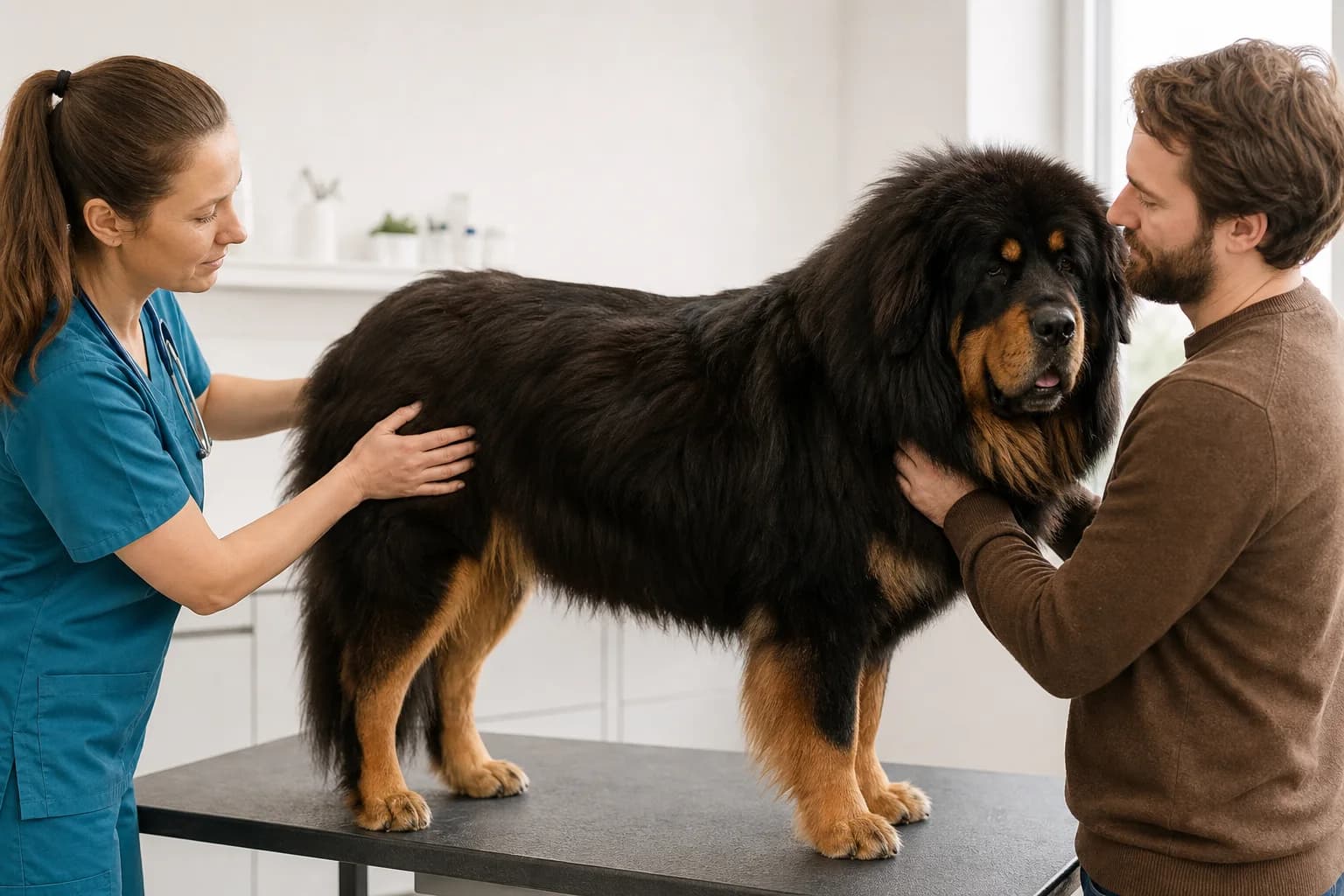
Check with hands and a trend
Place flat fingers over the ribs rather than poking through the coat. Compare the feel at the same time each month, and ask the veterinary team to demonstrate the score on the individual dog. Photographs can supplement the record, but they are less reliable when winter undercoat changes the silhouette.
Monthly weight and condition trends should generally move together. Weight gain with a disappearing waist suggests a different response from weight gain in a still-lean adolescent that is also getting taller. WebVet's guide to dog weight loss or gain explains why unexplained change can have several causes and deserves context.
A front-attachment harness may help some owners teach loose-leash walking, but no harness substitutes for training or makes a powerful dog safe by itself. If the PetSafe Easy Walk Dog Harness is considered, check the manufacturer's size range against actual girth, watch shoulder movement and skin contact, and reassess fit as a puppy grows.
When a change needs a veterinarian
Call the veterinary team when a weight change persists or the dog also shows:
- Reduced appetite, vomiting, or diarrhea.
- Increased thirst or urination.
- Coughing or a breathing change.
- Lameness, weakness, pain, or reluctance to rise.
A scale trend can reveal a problem, but it cannot identify the cause.
Seek urgent care for collapse, severe breathing difficulty, a swollen abdomen with repeated unproductive retching, or another rapidly worsening sign. Do not delay an emergency while calculating whether the dog remains inside a breed range.
Can a Tibetan Mastiff weigh 300 pounds?
- Do not make extreme weight the goal | A 300-pound claim is far outside the common adult Tibetan Mastiff range. Perspective, coat volume, misidentification, obesity, or inaccurate reporting can create a viral number. Use frame, body condition, movement, records, and veterinary assessment instead.
A 300 lb dog can exist, but a healthy, typical Tibetan Mastiff is not expected to weigh that much. Common adult ranges top out far below that figure. A seller who guarantees an extreme adult weight is promising an outcome that responsible breeding and feeding cannot safely control. Normal breed range and healthy Tibetan Mastiff size should be judged through frame, condition, mobility, and veterinary assessment rather than a record claim.
Petful may earn a commission when you click through to Chewy, at no extra cost to you.
Healthy size rather than viral giant claims is the useful standard for a breed already large enough to create real handling challenges. Excess fat increases the work placed on joints and makes handling, anesthesia, heat management, and emergency transport harder. An unusually large individual should be assessed through measured condition, movement, and health records, not celebrated automatically because the scale produces a striking number.
Tibetan Mastiff vs Cane Corso size
Tibetan Mastiffs are generally heavier at the upper end of their common range, while adult height ranges can overlap with Cane Corsos. Individual variation means a large Cane Corso can outweigh a smaller Tibetan Mastiff. Coat also makes the Tibetan Mastiff appear broader than its frame.
The comparison should not end with pounds. Both are powerful guardian breeds that need early training, secure management, reliable adult handlers, and space for normal movement. Household fit is a more important difference than winning a size contest.
Plan for the space behind the numbers
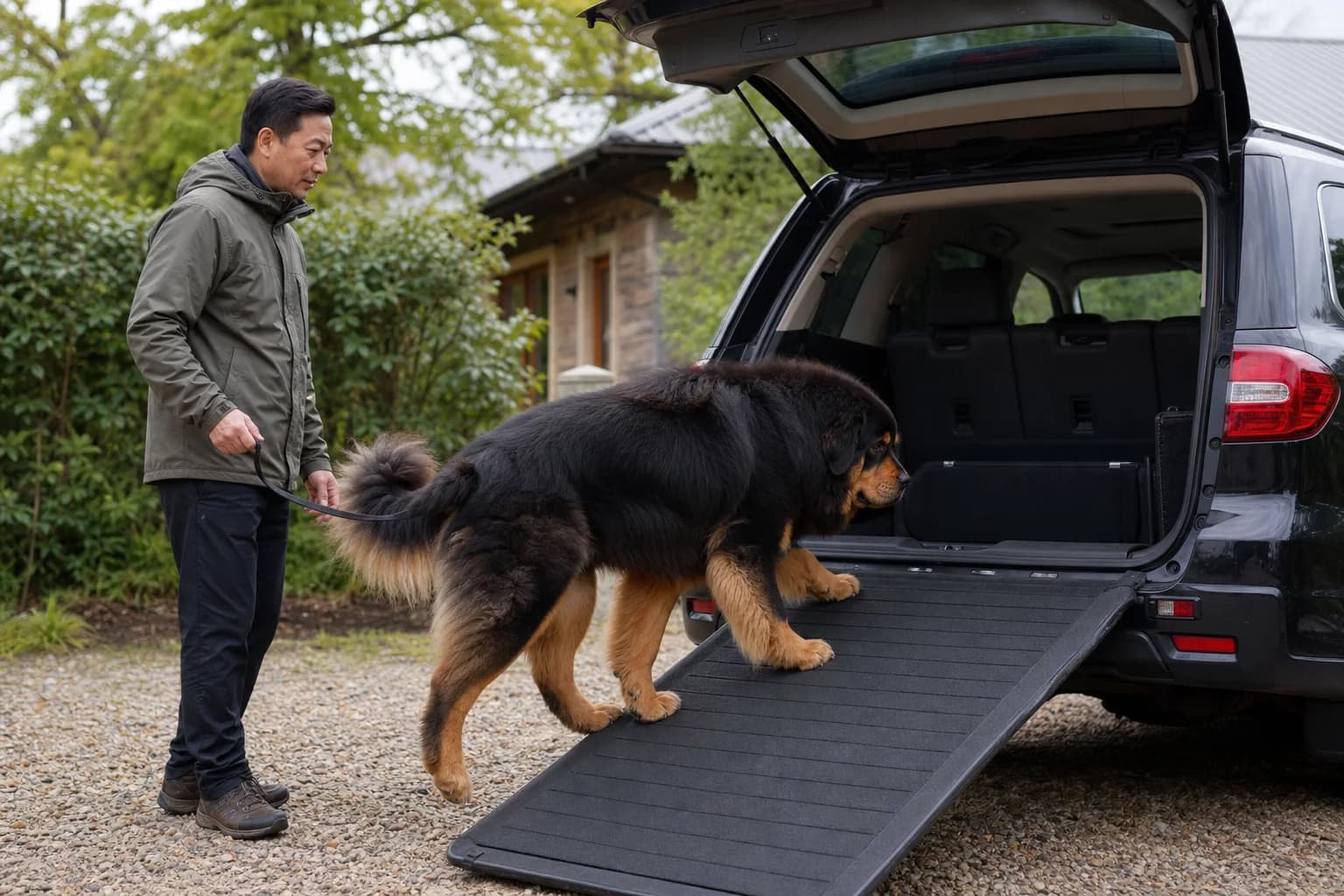
Large-dog logistics begin before full maturity. Vehicle and handling space must let the dog stand, turn, rest, and enter safely. One product-specific equipment option to compare is Frisco heavy-duty X-Large wire crate; measure the individual dog and confirm size, condition, and intended use before purchase.
Measure:
- Doorways and stair turns.
- Gates and other narrow transitions.
- Vehicle cargo openings and usable floor area.
Also decide how the household would move an injured dog, reach an emergency hospital, and manage loading without lifting a frightened adult.
A size-to-household check should include: One product-specific equipment option to compare is FurHaven NAP Ultra Plush dog bed; measure the individual dog and confirm size, condition, and intended use before purchase.
- A vehicle opening and cargo area that fit the adult dog.
- A nonslip loading plan practiced before mobility declines.
- Strong barriers sized for the actual opening and behavior.
- A scale and veterinary clinic that can safely accommodate the dog.
- At least two adults or an emergency aid plan for an injured dog.
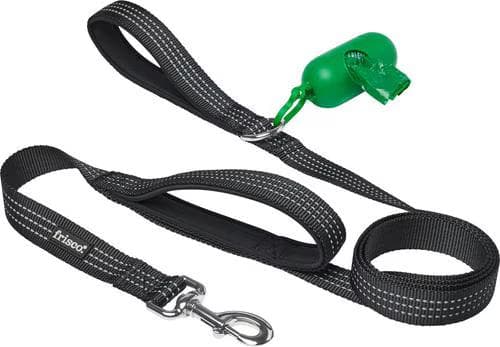
A dual-handle leash can give a handler a shorter grip during planned transitions. The Frisco Traffic Leash with Dual Padded Handles is one option to compare for hardware, hand comfort, and condition. It does not replace loose-leash training, and the short handle should be used without jerking or wrapping the line around a hand.
Transport and emergency handling logistics often reveal whether the household is prepared for normal adult size. Practice a ramp, cooperative standing, muzzle training, and calm restraint with rewards before any skill is needed during pain or fear. Write down which vehicle, clinic, route, equipment, and helpers are available so the plan remains usable when the dog cannot climb or cooperate.
Puppy sourcing and extreme-size claims
A Tibetan Mastiff puppy should be selected for health, stable temperament, appropriate structure, and responsible rearing, not for a promise that it will become the largest dog online. Extreme-size marketing red flags include guaranteed record weights, pressure to overfeed, and prestige pricing based on bulk. Ask for adult parent information, verifiable health records, and realistic discussion of variation before considering a deposit.
Petful's guide to Tibetan Mastiff price, puppies, and responsible sourcing covers buyer checks, typical costs, and seller red flags. A measurement cannot establish breeder quality, so use that sourcing guide before choosing a seller or puppy.
Before paying a deposit, also confirm that the adult dog is permitted at the exact address. Petful's Tibetan Mastiff legality guide explains local, housing, and insurance verification. The complete breed guide covers temperament and everyday owner fit beyond the numbers.
Tibetan Mastiff size FAQs
There can be a 300 lb dog, but that is not a normal breed range for a Tibetan Mastiff. Common adult ranges are about 90 to 150 pounds for males and 70 to 120 pounds for females. Perspective, coat volume, misidentification, obesity, and inaccurate reports can inflate viral claims. Healthy Tibetan Mastiff size should be judged through body condition, movement, records, and veterinary assessment, not an extreme target. The question should lead to a health check, not a size contest.
Tibetan Mastiffs are generally heavier at the upper end, while their height range overlaps with Cane Corsos. An individual Cane Corso can outweigh a smaller Tibetan Mastiff, and the Tibetan Mastiff's coat can exaggerate apparent bulk. The normal breed range is only context, and healthy Tibetan Mastiff size depends on the individual. Both breeds need secure management, skilled handling, and a suitable household.
Final size check
Use common ranges to set expectations, then judge the individual dog in context. Measure height at the withers, follow a monthly weight trend, assess body condition beneath the coat, and ask the veterinarian about persistent or sudden change.
The healthiest target is not the biggest possible Tibetan Mastiff. It is a sound, mobile dog whose normal adult size fits the household's vehicle, handling ability, care budget, and emergency plan.

Coreen Saito is a pet writer and longtime shelter volunteer with more than a decade in animal rescue. She covers cat behavior, breed care, and the small, ordinary science of sharing a life with companion animals, with a particular focus on honest takes about the products and decisions that actually matter. At home in Arizona, she's outranked by Mac (a dog with the loudest opinion in the house), Rebel (a cat who governs by quiet authority), and Meri (an orange tabby who runs the late shift and the laundry basket). She writes about all three, plus the rescues that keep coming through her life, at LifeWithMinty.com.
Sign up for expert-backed reviews and safety alerts all in one place.